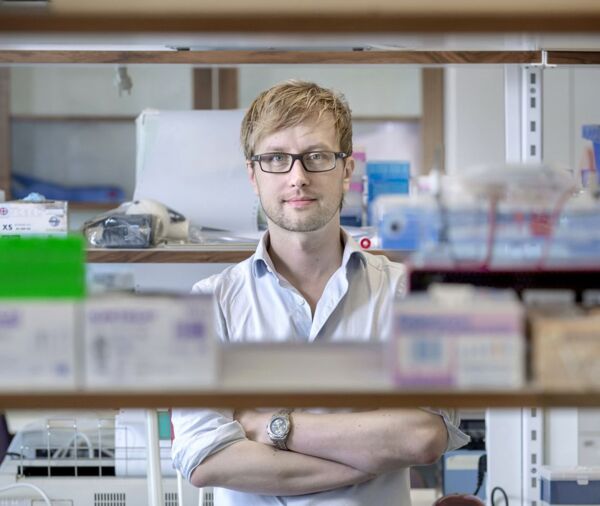
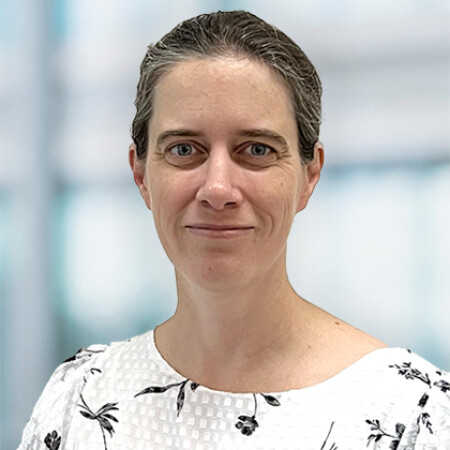
Dr. Rosie Morris is a researcher at Newcastle University , specializing in the study of mobility dysfunction in neurodegenerative diseases, particularly Parkinson's disease and Alzheimer's. Her work focuses on understanding gait abnormalities, freezing of gait, and postural control using advanced sensor technologies. Key Collaborations: Worked closely with Professor Alison Yarnall, Dr. Ríona McArdle, and Professor Alan Thomas. Methodologies: Employs body-worn sensors and quantitative gait analysis for clinical and free-living assessments. Research Interests Dr. Morris investigates the cholinergic system's role in movement disorders, cognitive-motor interactions, and fall prevention in Parkinson's disease. She explores how sensor-based technologies can improve diagnosis and monitoring of gait impairments in neurodegenerative conditions. Article Trends Her publications (2016–2023) highlight a focus on Parkinson's disease (gait analysis, freezing of gait), Alzheimer's (multi-center sensor feasibility), and biomedical engineering (low-cost gait systems). Keywords span neuroscience, clinical assessment, and sensor technology.
Agneta Nordberg is a Professor of Clinical Neuroscience at Karolinska Institutet and Senior Consultant at Karolinska University Hospital. She leads the Translational Molecular Imaging Lab, focusing on neurodegenerative diseases like Alzheimer’s. Her work combines molecular imaging (PET/MRI) with clinical research to develop early diagnostic biomarkers and drug targets. Nordberg holds an MPharm, MD, and PhD from Uppsala University and has pioneered studies on cholinergic neurotransmission, amyloid PET imaging, and tau pathology visualization. Her research emphasizes longitudinal studies in autosomal-dominant AD and Down’s syndrome, aiming to link imaging biomarkers (amyloid, tau, astrocytosis) with fluid biomarkers and cognitive outcomes. Key collaborations include universities in Sweden, Finland, the UK, and the USA. Nordberg has led over 15 clinical PET trials, received 15+ awards (e.g., 2020 European Grand Prix for Alzheimer Research), and published 500+ articles (H-index 79). Educations: MPharm, MD, PhD (Uppsala University) Grants: Swedish Research Council, SSF, EU IMI AMYPAD, and numerous foundations. Her lab develops novel PET tracers for α-synuclein, 4R tau, and α7 nicotinic receptors. Research highlights include quantifying early pathological changes in neurodegenerative diseases and advancing multi-tracer imaging strategies for early diagnosis. Awards: 2020 European Grand Prix for Alzheimer Research 2016 Grand Silver Medal from Karolinska Institutet 2014 Queen Silvia Prize Her grants include the SSF-funded 'New Biomarkers in Early Diagnosis of AD' and the EU-funded INMIND and AMYPAD consortia. Nordberg’s work bridges bench-to-bedside, with a focus on translating imaging biomarkers into clinical practice.
Jo Ellen Wilson, MD, PhD, MPH is an Assistant Professor in the Department of Psychiatry and Behavioral Sciences at Vanderbilt University Medical Center. Her academic work focuses on neuropsychiatric conditions in critically ill populations, particularly catatonia and delirium. She holds advanced degrees including a medical doctorate, doctoral research, and a master’s in public health. Research interests center on diagnostic criteria development for catatonia, neuropsychological outcomes post-critical illness, and cholinergic system dysfunction in neurodegenerative conditions. Her work emphasizes translating clinical findings into actionable care pathways, including the development of pediatric catatonia assessment tools. Publications from 2024-2025 highlight advancements in virtual catatonia assessment, antipsychotic medication efficacy in ICU settings, and longitudinal studies on white matter changes in Alzheimer’s disease. Ongoing investigations explore genetic (APOE ε4) and sex-based differences in neurological outcomes. No formal academic awards are listed, though her research contributes to critical care psychiatry guidelines. Clinical mentorship under Dr. Wes Ely underscores her commitment to interdisciplinary collaboration in critical illness neurology.
Dr. Orsolya Kekesi is a Postdoctoral Research Fellow at The University of Sydney's School of Biomedical Engineering. Her work focuses on neuroprosthetics, neuronal tissue preservation, and astrocyte-neuron interactions. She advises one current PhD student, Asma IQBAL, on a project involving cochlear implants and MRI visualization. Dr. Kekesi's research integrates electrophysiological techniques with computational modeling to address challenges in neural interface devices and neurodegenerative diseases. Her research interests span biomedical engineering, neuroscience, neuroprosthetics, and cellular neuroscience. Notable projects include developing prolonged brain slice incubation methods and studying astrocytic modulation of potassium dynamics. She has collaborated on studies involving facial nerve paralysis models and visual prosthetics. Recent publications (2020-2025) highlight advancements in neuroprosthetic design, neuromodulation techniques, and in vivo electrophysiology. A 2024 grant supports machine learning applications for heart-brain disease classification. Her work contributes to improving neuroprosthetic efficacy and understanding glial-neuronal communication in health and disease. Labs/Teams: Active member of the School of Biomedical Engineering's neuroengineering group, collaborating with Prof. Gregg Suaning and Dr. Yoram Buskila on neural interface technologies.
Riccardo Bianchi, PhD, is an Associate Professor of Physiology & Pharmacology and Associate Dean for Foundations of Medicine at SUNY Downstate Medical Center. He oversees the pre-clerkship medical curriculum, coordinating faculty and staff to design, review, and revise curricular materials. His responsibilities include student assessment, faculty development, and student engagement through regular meetings with representative committees. He ensures timely academic feedback and manages grade appeals and remediation processes. His research focuses on neuroscience and epilepsy mechanisms, particularly Alzheimer’s disease pathophysiology and neuronal network dysfunction. Key areas include amyloid-β/tau interactions, metabotropic glutamate receptor signaling, and epileptogenesis in neurodegenerative models. He has also contributed to medical education innovations, such as design thinking approaches to residency transition programs. His publications span 30+ years, emphasizing translational research in epilepsy mechanisms, stroke treatment decision-making, and neuropharmacology. Recent work addresses sex differences in resuscitation outcomes and curriculum design for clinical training. He holds leadership roles in educational committees and maintains an active research program with over 80 peer-reviewed articles.
Justin L. Grobe, PhD, FAHA, FAPS, is a Professor in the Department of Physiology and Biomedical Engineering at the Medical College of Wisconsin (MCW), holding the Butenhoff Family Professorship in Cardiovascular Research. He directs the Comprehensive Rodent Metabolic Phenotyping Core (CRMPC), a facility he founded in 2019. Grobe’s academic journey includes a BS in Biology and Chemistry from Hope College, PhD in Pharmacodynamics from the University of Florida, and postdoctoral training at the University of Iowa. He joined MCW in 2019 after serving as an Associate Professor at the University of Iowa, where he helped establish a metabolic phenotyping core. His research focuses on four key areas: neurocircuitry linking blood pressure and metabolism in the hypothalamus (focusing on angiotensin AT1R receptors in AgRP neurons), long-term cardiometabolic consequences of premature birth-related sodium depletion, molecular mechanisms of preeclampsia (including vasopressin signaling), and innovative technologies for rodent metabolic assessment. His work has led to patents for preeclampsia diagnostics and interventions. Grobe’s leadership roles include directing CRMPC and serving on institutional committees such as the MCW MSTP Admissions Committee. His honors include the FAHA and FAPS fellowships and the 2022 COH Mid-Career Award for Research Excellence. His publications span 2023–2025, addressing metabolic dysfunction, hypertension, and neuroendocrine signaling in rodent models.
Michele ZOLI is a Full Professor in the Department of Biomedical, Metabolic and Neuroscience Sciences at the University of Modena and Reggio Emilia. His academic roles include teaching courses on physiological systems, neurophysiology, clinical medicine, and biomedical engineering. Key research focuses include neurodegenerative diseases (Alzheimer’s, epilepsy), nicotinic receptor biology, and translational neuroscience. He leads studies on synaptic plasticity, neuroinflammation, and drug mechanisms targeting brain pathologies. His work bridges basic science and clinical applications. Research Interests: Neurophysiology, neurodegeneration mechanisms, nicotinic receptor pharmacology, synaptic dysfunction, and translational therapies. Specific areas include amyloid pathology modulation, neuronal plasticity under stress, and drug development for neurological disorders. Recent Article Trends: Recent publications emphasize Alzheimer’s pathology (PCSK9’s role in amyloid plaques), nicotinic receptor signaling in epilepsy and cancer, and ketamine’s effects on depression. Studies often use transgenic models (5XFAD mice) and advanced imaging techniques. Research highlights the interplay between molecular pathways and behavioral outcomes. Teaching Contributions: Courses span molecular physiology, clinical neurophysiology, emergency medicine, and biomedical engineering. He emphasizes quantitative approaches in bioengineering and integrates imaging techniques into teaching. Students engage with computational simulations and clinical case studies.
Professor David Burn is a leading researcher at Newcastle University specializing in Parkinson's disease and Lewy body dementia, with active publications through 2025. His work focuses on neuropsychiatric symptoms, delirium mechanisms, brain connectivity, and therapeutic interventions in neurodegenerative disorders. His primary research interests include: Parkinson's disease pathophysiology and progression Lewy body dementia prodromal stages Delirium diagnosis and outcomes in neurological disorders Brain network connectivity using advanced imaging Metabolic and genetic biomarkers Therapeutic development for movement disorders Analysis of his 15 most recent publications (2022-2025) reveals three dominant research trajectories: (1) Delirium as a critical predictor of adverse outcomes in Parkinson's disease, with emphasis on diagnostic tool validation; (2) Biological frameworks for Parkinson's disease staging through genetic, metabolic, and imaging biomarkers; (3) Neuropsychiatric symptom progression in Lewy body spectrum disorders using longitudinal cohort designs. His work consistently employs multi-center collaborative approaches with strong clinical translation focus. Scientific awards: No awards documented in provided text Advising and grants: While specific students and grants aren't listed, his leadership in major studies (SKY/EMBARK trials, Movement Disorders Society frameworks) indicates substantial grant funding and likely PhD/MSc supervision. Collaborative patterns suggest mentorship of early-career researchers in neurology and geriatrics. Labs and teams: Professor Burn operates within Newcastle's interdisciplinary neuroscience ecosystem, collaborating extensively with Professor John-Paul Taylor (dementia research), Professor Alison Yarnall (movement disorders), and Dr. Laura Wright (neuropsychiatry). His work bridges clinical neurology, neuroimaging, and geriatric medicine through multi-institutional consortia.
Carolyn M. Macica is an Adjunct Associate Professor in Pharmacology at Yale University School of Medicine and holds a joint appointment at the Frank H. Netter School of Medicine. She serves as the Associate Director of Research Operations and Development at Connecticut Children’s Research Institute. Her primary research focuses on phosphate-wasting disorders, particularly X-linked hypophosphatemia (XLH), with an emphasis on bone biology, clinical outcomes, and translational medicine. Dr. Macica’s work integrates basic science, clinical research, and medical education, emphasizing interprofessional collaboration. She mentors medical and graduate students in rare disease research and has developed community-focused STEM programs recognized for their impact on socioeconomically disadvantaged youth. Dr. Macica’s academic contributions include over 39 peer-reviewed publications, with recent work addressing pain management in XLH patients, biomechanical impacts of phosphate wasting, and interprofessional education strategies for rare diseases. She chairs the Scientific Advisory Board for the XLH Network, advocating for patients and clinicians through evidence-based resources. Her leadership extends to community initiatives, including founding the interprofessional Rare Disease Day Symposium and advising the student chapter of NORD. Awards include the 2022 Faculty Scholars Award for research excellence and the Paul C. Montana Service Award for community engagement. Education: Postdoctoral Fellowships at Yale School of Medicine (2000). Her research interests span rare disease mechanisms, clinical trial design, and patient-centered care. She collaborates with interdisciplinary teams on projects like evidence-based physical therapy protocols for XLH and biomechanical studies using murine models. Dr. Macica’s work bridges clinical practice and scientific discovery, aiming to improve outcomes for patients with rare metabolic disorders.
Patrik Danielson, M.D., Ph.D., is a Professor of Anatomy and Senior Consultant Ophthalmologist at Umeå University, Sweden. He serves as Dean of the Faculty of Medicine and Pro-Vice-Chancellor (Provost/Vice President) from July 2025. His academic roles include leadership in medical education and research administration, alongside clinical responsibilities at Umeå University Hospital. Education: Medical Degree (M.D., 2007), Medical License (2007), Ph.D. in Medicine (2007). Professional milestones include appointments as Reader/Associate Professor (2012), Professor (2014), and Senior Consultant (2016). He has held key roles in university governance, including Deputy Dean (2014–2017), Faculty Board member (2011–2014), and Student Representative on the Board of Directors (2002–2004). Research focuses on corneal regeneration, tendon biology, and mechanisms of scar formation in collagen-rich tissues. Key areas include neuropeptide signaling (substance P, acetylcholine), mechanotransduction, and biomaterials for tissue engineering. His work bridges basic science and clinical applications, particularly in ophthalmology and musculoskeletal medicine. Grants: Over SEK 13 million from national and foundation sources, including grants from the Swedish Research Council (2010–2023) and the Ögonfonden Foundation. Awards include the Umeå Young Researcher Award (2011) and the Swedish Society of Medicine's Best Translational Research Award (2013). Lab leadership: Director of the Danielson/Backman Laboratory, studying corneal and tendon regeneration. Collaborates with Ludvig Backman on musculoskeletal and ocular tissue repair mechanisms. Active in national committees, including the ALF-agreement Steering Committee and the Swedish Research Council's Clinical Studies Committee.
Bettina Kalisch is an Associate Professor in the Department of Biomedical Sciences at the Ontario Veterinary College (OVC), University of Guelph. She holds a BSc, MSc, and PhD from Queen's University. Her research focuses on mechanisms regulating genes critical to cholinergic neuron function and Alzheimer Disease, including nerve growth factor signaling, nitric oxide effects, and oxidative stress impacts on gene expression. Key targets include cholinergic genes, amyloid precursor protein, tau, LDL receptor-related protein, and apolipoprotein E. Education: PhD, Queen's University MSc, Queen's University BSc, Queen's University Her lab investigates neurotrophin signaling pathways and epigenetic modifications affecting neuronal gene expression. Recent work explores cross-talk between NGF signaling, nitric oxide pathways, and transcriptional regulation in neurodegenerative contexts. Collaborations address how environmental stressors like oxidative stress influence disease-related gene expression patterns. Current graduate students include Helen Chen (MBS), Shreya Prakash (MSc), and Daniel Stenn (MSc). Her laboratory is located in BIOM 1671A OVC with an office in BIOM 1646F. Research outputs span neurochemistry, molecular biology, and cellular neuroscience, with emphasis on translational insights into Alzheimer's mechanisms.
Soheila Najafzadeh is a Researcher at Yale School of Medicine, affiliated with the Department of Radiology and Biomedical Imaging. She holds a Master’s degree in Molecular and Cellular Biology from the University of New Haven (2006) and another in Chemistry from Sacred Heart University (2003). Her work focuses on synthesizing and purifying radiopharmaceutical ligands for PET imaging applications in neurology and oncology. She has contributed to over 30 peer-reviewed studies, advancing PET imaging techniques for dopamine transporters, synaptic density, and cortisol regulation. Notable collaborations include projects on synaptic vesicle glycoprotein imaging and first-in-human trials of novel PET tracers. Her technical expertise includes radiolabeling, chemical synthesis, and maintaining lab equipment for precision imaging. Education : MS in Molecular and Cellular Biology, University of New Haven, 2006 MS in Chemistry, Sacred Heart University, 2003 Research Interests : Her research spans PET imaging applications in neurodegenerative diseases, addiction, and metabolic disorders. She specializes in developing radiotracers to study dopamine systems, synaptic plasticity, and cortisol pathways. Recent work includes validating [18F]SynVesT-2 for synaptic imaging and investigating CB1 receptor availability in obesity. Article Trends : Najafzadeh’s publications emphasize translational PET imaging, particularly in neuropsychiatric and metabolic contexts. Key themes include dopamine dysfunction in addiction, synaptic density in cannabis use disorder, and cortisol regulation in PTSD. Her studies often bridge preclinical and clinical applications, such as first-in-human trials for novel radiotracers targeting LPA1 receptors and 11β-hydroxysteroid dehydrogenase. Awards : No explicit awards listed, though her contributions to high-impact PET imaging studies reflect significant recognition in the field. Advising & Grants : No formal advisees listed, but she collaborates extensively with faculty on grant-funded projects, including NIH-supported studies on synaptic density and addiction biomarkers. Her lab’s infrastructure supports interdisciplinary teams in Yale’s PET Center. Labs/Teams : She works within the PET Center Chemistry Department at Yale, part of the Radiology and Biomedical Imaging division. Her lab focuses on radiopharmaceutical development and quality control for clinical imaging.
Catherine Thorn is an Assistant Professor in the Department of Neuroscience at The University of Texas at Dallas, holding the Eugene McDermott Distinguished Professorship. She leads the Motor and Habit Learning Lab, focusing on motor skill acquisition and habit formation mechanisms within basal ganglia circuits. Her work integrates rodent models with neuromodulatory interventions like vagus nerve stimulation (VNS) to study neuroplasticity and reward pathways. Education includes a PhD in Electrical Engineering from MIT (2010), an SM from MIT (2004), and a BS in Electrical Engineering from Georgia Tech (2002). Postdoctoral training included roles at Brown University (2011–2014) and Pfizer (2014–2017). Research emphasizes the role of neuromodulators (dopamine, noradrenaline, acetylcholine) in motor system plasticity. Key projects investigate VNS-induced cortical reorganization, fear extinction modulation via locus coeruleus pathways, and interoceptive signaling in nodose ganglia. Her lab explores translational applications in stroke rehabilitation and neurological disorders. Recent awards include the 2024 UT Dallas Research Award and 2022 Teaching Award. Active grants fund studies on peripheral nerve stimulation for dopaminergic control, noradrenergic mechanisms in stroke recovery, and fear pathway modulation. Over $3M in NIH funding supports her work (NINDS, NIMH, NIDA).
Patrik Verstreken is a Professor at the Faculty of Medicine, KU Leuven , leading the Laboratory of Neuronal Communication and the Research Group Molecular Neurobiology at the VIB-KU Leuven Center for Brain & Disease Research . His work bridges molecular mechanisms and neurodegenerative diseases like Parkinson’s and tauopathies. Primary affiliation: KU Leuven and VIB since 2007 Leadership roles: Head of Laboratory of Neuronal Communication and Research Group Molecular Neurobiology Research focuses on synaptic transmission and protein quality control in neurodegeneration. Using Drosophila , mouse models , and human neurons , his lab investigates: Synaptic autophagy in Parkinson’s disease Tau pathology and synaptic vesicle clustering Cell-type-specific defects in neurodegeneration Metabolic dysregulation in epilepsy and neurodegenerative diseases Recent articles reveal novel mechanisms for: Rab39-controlled Atg9 trafficking in synaptic autophagy (2025) Metabolic rate as a common pathomechanism in epilepsy and neurodegeneration (2025) SGIP1 variants causing recessive parkinsonism (2024) Tau and α-synuclein synaptic toxicity pathways (2024)
Dhasakumar Navaratnam, MD, PhD, is a Professor of Neurology at Yale School of Medicine, with clinical and research expertise in hearing and balance disorders, stroke, and auditory neuroscience. He directs Yale's clinical neuroscience module for medical students and leads the Navaratnam Lab, focusing on molecular mechanisms of auditory/vestibular physiology and regeneration. His affiliations include Yale Medicine, Stroke Center, Hearing & Balance Program, and Interdepartmental Neuroscience Program. MD: University of Colombo (1986) PhD: Oxford University (1991) Residency/Postdoc: University of Pennsylvania (2001/1997) Research interests span auditory neuroscience, stroke pathology, and regenerative medicine. Key themes include electrical resonance in hair cells via ion channel interactions, Prestin's role in cochlear amplification, Id2-mediated regeneration in auditory epithelium, and cholinergic synaptic function. His lab explores molecular scaffolding proteins and cyclic AMP pathways in cellular regeneration. Recent publications cover high-frequency prestin dynamics, clot composition in stroke etiology, single-cell transcriptomics for inner ear regeneration, and clinical imaging strategies for dizziness. Articles integrate biophysical, molecular, and clinical approaches across neuroscience and neurology disciplines. Dr. Navaratnam contributes to Yale's Stroke Center clinical trials using single-cell RNA sequencing and serves as course director for neuroscience education. His clinical practice at Yale New Haven Hospital includes Hearing & Balance Center and 24/7 stroke service.