Gwenn Smith, PhD, is a Professor of Psychiatry and Behavioral Sciences at Johns Hopkins University School of Medicine. She serves as Director of the Division of Geriatric Psychiatry and Neuropsychiatry and Co-Director of the Center for Translational Molecular Imaging at Johns Hopkins Bayview Medical Center. Her primary research facility is located at the Department of Psychiatry, 5300 Alpha Commons Drive, Baltimore. Dr. Smith leads a research program focused on molecular neuroimaging of neurodegenerative and mood disorders. For over two decades, her work has centered on: Developing PET imaging methods to study neurobiological mechanisms of cognitive decline Investigating monoaminergic system dysfunction in late-life depression and dementia Mapping treatment response mechanisms for brain stimulation therapies Identifying early biomarkers for Alzheimer's, Parkinson's, and related disorders Her publication portfolio demonstrates consistent focus on multimodal neuroimaging approaches integrating PET, MRI, and proteomic analyses. Recent work emphasizes: Interactions between serotonin degeneration and amyloid deposition Optimization of deep brain stimulation for Alzheimer's disease Neurobiological signatures of psychosis across neurodegenerative disorders Advanced 7T MR spectroscopy applications Dr. Smith directs several neuroimaging initiatives including studies on fornix deep brain stimulation (ADvance trial), blood-brain barrier opening using focused ultrasound, and traumatic brain injury in athletes. She maintains active collaborations across neurology, neurosurgery, and radiology departments to advance translational applications of neuroimaging.
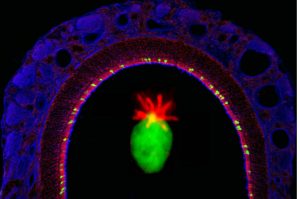
Weihong Lin is a Professor in the Department of Biological Sciences at the University of Maryland, Baltimore County (UMBC). His research focuses on the neurobiological mechanisms underlying chemical sensory systems, particularly olfactory functions and their modulation in response to environmental challenges such as electronic cigarette exposure. He holds a Ph.D. from Colorado State University and has conducted postdoctoral research at the University of Colorado Health Sciences Center and Colorado State University. Education : Ph.D., Colorado State University, 1999 Postdoc, University of Colorado Health Sciences Center, 2003 Postdoc, Colorado State University, 2000 M.S., Zhongshan University, 1988 B.S., Zhongshan University, 1982 Research Interests : Dr. Lin's lab investigates sensory detection mechanisms in the nose, including odor-evoked responses, modulatory networks maintaining olfactory function, and the impact of chemical exposures (e.g., electronic cigarette constituents) on sensory systems. Techniques include transgenic mouse models, electrophysiology, calcium imaging, and behavioral assays. Recent Work Trends : Recent studies emphasize e-cigarette-induced olfactory dysfunction, TRPM5-expressing microvillous cell roles in epithelial homeostasis, and neurotrophin regulation under chemical stress. Research bridges molecular mechanisms with behavioral outcomes in mice. Teaching : Courses include Neurobiology (BIOL 451/651), Cell Biology (BIOL 303), and specialized topics like Chemical Communication and Brain Disorders (BIOL 490/690). Labs/Teams : Directs the Weihong Lin Lab, focusing on olfactory neurobiology and environmental health impacts. Collaborates with institutions like Colorado State University and the University of Colorado on sensory systems research.
Dr Alicia D'Souza is an Honorary Senior Research Fellow at the University of Manchester's Division of Cardiovascular Sciences. She holds a PhD in cardiac physiology from the University of Central Lancashire (2011). Her research focuses on cardiac ion channel regulation, arrhythmia mechanisms, microRNA control, and circadian rhythm impacts on heart function. Funded by the British Heart Foundation, her work explores pro-arrhythmic mechanisms in athletes and ageing populations. Education: PhD (2011, University of Central Lancashire) Research Themes: Cardiac ion channels, microRNA regulation, athletic-induced arrhythmias, circadian clocks in pacemaking Her team employs integrative approaches combining animal models, genomic technologies, and physiological studies to understand ion channel plasticity. Key projects include investigating microRNA inhibitors for sinus node dysfunction and circadian clock influences on cardiac conduction. She has secured grants from the BHF and collaborates internationally. Awards: 2019: International Society for Heart Research Richard J Bing finalist 2019: University of Manchester ‘Researcher in the Spotlight’ 2018: Inaugural Editorial Board Fellowship of Journal of Physiology Her work has been featured in media (e.g., BBC) and she actively engages in invited talks and editorial roles. Current projects include preclinical microRNA inhibitor development and studying arrhythmias in athletes.
Bénédicte AMILHON is a Professor at the Université de Montréal's Faculty of Medicine , Department of Neurosciences. Her research focuses on neural circuits linking emotional behavior and memory, particularly the interaction between emotions and memory formation via raphe-hippocampal pathways. She combines electrophysiology, optogenetics, and calcium imaging to study serotonergic modulation of hippocampal rhythms and anxiety. Education: PhD in Neuroscience (Université Pierre et Marie Curie Paris VI, 2009) Postdoctoral training at McGill University (2009-2017) Affiliations: Membre du Centre de recherche Azrieli du CHU Sainte-Justine Research grants from FRQS, NARSAD, and the Canadian Institutes of Health Research (CIHR) Her work has uncovered roles for serotonergic inputs in anxiety modulation and hippocampal theta rhythms. Key awards include the FRQS Junior 1 and NARSAD Young Investigator Award. She teaches courses in cellular/molecular neuroscience and supervises students in master's and doctoral programs. Current projects investigate neural circuits linking emotion and memory, including grants on raphe-hippocampus pathways (2020-2027) and curved electrode technologies for brain recordings (2023-2026). Labs/Teams: Amilhon Lab (specializing in optogenetics and circuit dissection) Part of the Azrieli Centre's interdisciplinary teams Grants: CIHR Project Grant (2018-2027) FRQS Junior 2 Award (2023-2026)
Prof. Dr. Sakine Işık is a distinguished academic and clinician specializing in Pediatric Allergy and Immunology. She currently serves as a Professor in the Department of Pediatric Allergy and Immunology at Istanbul Okan University Hospital since October 2024. With extensive training from prestigious institutions including Istanbul University, Cerrahpasa Faculty of Medicine (medical degree, 2006), Ege University Faculty of Medicine (Pediatrics specialization, 2011), and Dokuz Eylül University Faculty of Medicine (Pediatric Allergy and Immunology subspecialty, 2015), she has established herself as a leading expert in her field. Her educational journey includes: Medical Degree (2000-2006): Istanbul University, Cerrahpasa Faculty of Medicine Pediatrics Specialization (2006-2011): Ege University Faculty of Medicine Pediatric Allergy and Immunology Subspecialty (2011-2015): Dokuz Eylül University Faculty of Medicine Prof. Dr. Işık's research focuses on pediatric allergic diseases, particularly asthma, food allergies, atopic dermatitis, and urticaria. Her work has significantly contributed to understanding the mechanisms of allergic diseases through murine models, with particular emphasis on stem cell therapy, natural compounds like resveratrol and quercetin, and immunomodulatory approaches. She has published extensively in international and national journals and authored two chapters in the globally recognized 'Pediatric Allergy' book published in 2019. Her research trends show a strong emphasis on translational medicine, bridging laboratory findings to clinical applications. She has investigated innovative treatments including mesenchymal stem cells for allergic rhinitis and asthma, natural compounds for atopic dermatitis, and diagnostic approaches for various allergic conditions. Her work spans both basic science investigations using animal models and clinical studies examining patient outcomes, parental perspectives, and healthcare provider knowledge. Among her notable achievements are: Young Investigator Award at the 40th Turkish Hematology Congress (2014) First Place Award at the 6th National Pediatric Respiratory Diseases and Cystic Fibrosis Congress First Place Poster Award at the 9th National Pediatric Allergy and Asthma Congress Mansion Award for Third Place Oral Presentation at the 1st International Stem Cell and Cellular Therapy Congress First Place Award in the 'Asthma-3' category at the 20th National Allergy & Clinical Immunology Congress Prof. Dr. Işık has been actively involved in research grants, serving as principal investigator for TÜBİTAK projects including 'The Role of Mesenchymal Stem Cells in the Treatment of Experimentally Induced Bronchiolitis Obliterans' and 'The Role of Mesenchymal Stem Cells in the Treatment of Experimentally Induced Allergic Rhinitis.' She has also contributed as a co-investigator on several other significant research projects exploring quercetin therapy in experimental asthma and placenta-derived mesenchymal stem cells in experimental asthma. She is a member of several prestigious professional organizations including the European Academy of Allergy and Clinical Immunology (EAACI), Turkish National Society of Allergy and Clinical Immunology, Turkish Thoracic Society, and Pediatric Allergy and Asthma Academy Association. Her clinical expertise covers the full spectrum of pediatric allergic conditions including asthma, allergic rhinitis, food allergies, drug allergies, urticaria, angioedema, and immunodeficiency-related allergic manifestations.
Prof. Thomas Budde is a Professor at the Institute of Physiology I (Neurophysiology), University of Muenster, Germany. He is actively involved in the 'Cells in Motion' research initiative. His work focuses on the molecular and cellular physiology of the thalamocortical system, with expertise in cellular imaging and electrophysiology. Key research themes include analysis of neuronal network function, oscillations, neuroinflammation, and ion channel biology. Research Interests: Thalamocortical system dynamics, ion channel modulation, neuroinflammation, and electrophysiological network analysis. Techniques: Electrophysiology, PET imaging, fluorescent probes, computational modeling of neuronal activity. His publications highlight contributions to understanding K⁺ channel roles in tumor cells, autoimmune encephalomyelitis, and thalamic oscillatory activity. Recent work explores anesthesia's impact on BOLD signals and HCN4 channel regulation in brain networks. Collaborations include imaging network projects and drug development for neuroinflammatory conditions. Labs/Teams: Participates in the Multiscale Imaging Centre and collaborative research networks targeting neuroinflammation and ion channel dysfunction.
Dr. Vania F. Prado is a Professor at The University of Western Ontario, with cross appointments in Physiology and Pharmacology and affiliation with the Robarts Research Institute. Her research focuses on understanding cholinergic system dysfunction in neurodegenerative diseases like Alzheimer’s, Huntington’s, and Parkinson’s, and developing therapeutic interventions through genetically modified mice and spider venom-derived recombinant proteins. Education: She holds a Dentistry degree from UFMG (Brazil) and a PhD in Biochemistry from McGill University and Duke University. Her training spans institutions in Brazil, Canada, and the United States. She has been recognized with a Junior Research Fellowship (1994–2003) and Senior Research Fellowship (2003–2008) from Brazil's National Research Council. Research Interests: Dr. Prado’s work centers on cholinergic neurotransmission and its role in cognitive deficits during aging and disease. Key areas include cholinergic transporter biology, drug target identification for dementia, and the therapeutic potential of recombinant toxins. She investigates how acetylcholine interacts with other neurotransmitters like glutamate to influence brain functions. Publications: Her research has been widely published, with notable contributions to understanding cholinergic systems, Alzheimer’s, and Parkinson’s disease mechanisms. Visit her Google Scholar page or PubMed for a full list. Advising & Grants: While no explicit student advisees are listed, Dr. Prado collaborates extensively with researchers such as Marco Antonio Prado, Flavio Beraldo, and Valeriy Ostapchenko. Her work is supported by institutions like the Canadian Institutes of Health Research (CIHR) and Robarts Research Institute. Labs & Teams: Her laboratory at Robarts Research Institute explores molecular mechanisms underlying neurodegenerative diseases, with a focus on cholinergic systems and novel therapeutic molecules derived from biological toxins.
Rick B. Meeker, PhD is a Professor of Neurology in the Department of Neurology at the University of North Carolina at Chapel Hill School of Medicine. His research laboratory is based in the Neuroscience Research Building at 115 Mason Farm Road, Chapel Hill, North Carolina. Dr. Meeker maintains an active research program focused on the neurological complications of viral infections, particularly HIV neuropathogenesis and neuroinflammation. Dr. Meeker received his Doctor of Philosophy and Master of Arts in Psychology from Bowling Green State University. He completed post-doctoral training in Neurobiology at Purdue University and in Molecular Pharmacology at the University of North Carolina at Chapel Hill. This interdisciplinary training in both psychology and molecular pharmacology has shaped his research approach to neurological disorders. Dr. Meeker's research primarily investigates the mechanisms of HIV neuropathogenesis and the development of therapeutic strategies for treating neuroinflammation. His laboratory explores how inflammatory changes within the brain caused by viral infections initiate toxic cascades that disrupt neural function and lead to neuronal death. His work specifically examines changes in calcium homeostasis, glutamate receptor function, and inflammatory responses in primary neuronal, microglial, and macrophage cultures. A significant portion of his research utilizes the feline immunodeficiency virus (FIV) as a model for HIV-induced CNS inflammation and neurodegeneration, providing valuable comparative insights into human disease processes. Analysis of Dr. Meeker's publication record reveals a strong focus on neurotrophic factors, particularly the p75 neurotrophin receptor, and their role in both neural repair and neurodegeneration. His recent work has expanded into tau pathology, TDP-43 aggregates in ALS, and the intersection of viral infections with neurodegenerative processes. The research demonstrates a consistent trajectory from basic mechanisms of HIV neuropathogenesis toward developing targeted therapeutic interventions that protect neurons and reduce inflammation. Dr. Meeker has maintained continuous research productivity for over four decades, with publication activity spanning from the 1980s through 2025 as evidenced by his most recent work on ALS-associated TDP-43 aggregates. His research bridges virology, neuroscience, and immunology, creating a unique interdisciplinary approach to understanding and treating neurological complications of viral infections. While specific grant information isn't detailed in the provided materials, Dr. Meeker's sustained research program spanning multiple decades strongly suggests successful acquisition of significant federal and institutional funding. His collaborative work with researchers across multiple institutions and disciplines indicates an extensive network of research partnerships focused on neurovirology and neurodegenerative mechanisms. Dr. Meeker's laboratory appears to be part of the broader UNC Neuroscience Center, collaborating with other faculty through the Neuroscience Center Faculty Collaboration Database. His research program integrates cellular and molecular approaches to study neuroinflammatory processes, with particular emphasis on the choroid plexus as a site of immune cell trafficking into the CNS and the role of neurotrophin receptors in modulating inflammatory responses.
Paul McGonigle, PhD, is a Professor in the Department of Pharmacology & Physiology at Drexel University College of Medicine and serves as Co-director of the Division of Interdisciplinary and Career-Oriented Programs within the Graduate School of Biomedical Sciences and Professional Studies. He directs the Drug Discovery and Development Program, overseeing academic programs that bridge disciplinary boundaries. Prior to joining Drexel, he held roles at the University of Pennsylvania School of Medicine and industry positions including Director of Psychiatric Disorder Research at Wyeth and leadership roles at NeuroGenix, Inc. and PsychoGenics, Inc. Education: BS in Mathematics (Drexel University), MS in Biomedical Science (Drexel University), PhD in Pharmacology (Temple University Medical School). Research focuses on neurotransmitter receptor systems in psychiatric/neurological disorders, including dopamine, serotonin, and glutamate receptors. Key areas include tardive dyskinesia modeling, serotonin receptor mRNA regulation, and glutamate excitotoxicity in human neurons. His work emphasizes translational drug discovery strategies for CNS disorders. Awards include the Best Professor Award (2022), Angelo Pinto Basic Science Educator Award (2021), and George B. Koelle Award (2018). He has authored/co-authored over 100 publications and contributed to textbooks on pharmacology principles.
Chun-Li Zhang, Ph.D., is a Professor of Molecular Biology at the University of Texas Southwestern Medical Center. He holds the W.W. Caruth, Jr. Scholar in Biomedical Research title. His laboratory focuses on cellular plasticity in the adult nervous system, including neuroregeneration and neurodegeneration, using molecular, cellular, and genetic approaches. Key research areas include in vivo reprogramming of glial cells to neurons for spinal cord repair, modeling neurodegenerative diseases using patient-derived neurons, and understanding epigenetic regulation of neural stem cells. Dr. Zhang joined UT Southwestern as an Assistant Professor in 2008, was promoted to Associate Professor with tenure in 2014, and became Full Professor in 2018. Education: Ph.D. in Genetics and Development, UT Southwestern Medical Center Postdoctoral Fellow at Salk Institute (HHMI Fellowship) Research Interests: In vivo cell fate reprogramming for neural repair Neurodegenerative disease modeling (ALS, Alzheimer’s, dystonia) Glial biology and reactive gliosis Age-related neuronal dysfunction Key Achievements: Pioneered in vivo astrocyte-to-neuron conversion for spinal cord repair Developed aging-relevant motor neuron models from patient fibroblasts Identified MAP4Ks as therapeutic targets for ALS Lab Members: Current: Pamela Jackson (Admin), Yuhua Zou (Research Scientist), postdocs including Xiaoling Zhong, Sergio Cananzi, and Shuaipeng Ma Former: Meng-Lu Liu (now Professor at Ningbo University), Tong Zang (Industry), Saidan Ding (Wenzhou Medical University) Contact: Office: 6000 Harry Hines Blvd, Dallas, TX 75390 Phone: (214) 648-1670 (Office) | (214) 648-4946 (Lab)
Hermona Soreq is a Professor in the Department of Biological Chemistry at The Hebrew University and a founding member of the Edmond and Lily Safra Center for Brain Sciences (ELSC). Her career spans leadership roles as Dean of the Faculty of Mathematics and Natural Sciences (2005-2008), Vice Dean for R&D (2002-2005), and Head of multiple institutes, including the Eric Roland Center for Neurodegenerative Diseases (2000-2005). Current Positions: Professor of Molecular Neuroscience, ELSC Founding Member Previous Leadership: Dean, Vice Dean, Institute/Department Head Her research focuses on the molecular biology and genomics of acetylcholine signaling, particularly microRNA regulation (CholinomiRs) in stress-induced cognitive decline and neurodegenerative diseases. She pioneered the development of Quantum Dot labeling tools for cholinesterases. Her publications include 10 high-impact works (e.g., Science , Nature , PNAS ) spanning: MicroRNA-132 in inflammation and cognition Cholinergic signaling in stress and trauma RNA metabolism in Alzheimer’s disease MicroRNA-target interactions in metabolic disorders Scientific honors include: Advanced ERC Award (2013-2018) ILANIT-Katzir Prize (2017) Historic contributions to cholinergic mechanisms
Hanna Bielarczyk is a former Professor in the Faculty of Medicine at the Medical University of Gdańsk. Her research focuses on neurochemistry, neurotoxic mechanisms, and cellular energy metabolism, particularly investigating zinc's effects on neuronal cells and neurodegenerative processes. She has contributed significantly to understanding cholinergic neuron vulnerability in Alzheimer's disease and other neurological disorders. Her work includes studies on SN56 neuroblastoma cells, thiamine-zinc interactions, and platelet dysfunction in diabetes. She co-authored chapters in major textbooks such as Medical Biochemistry and edited Diagnostyka Laboratoryjna: Skrypt dla Studentów , a foundational laboratory diagnostics textbook for medical students. Collaborations with researchers like Andrzej Szutowicz and Anna Ronowska highlight her team-oriented approach to advancing biochemical and neurological research. Her research spans neurotoxicology, metabolic disorders, and neuroprotective strategies, with findings published in journals like Neurochemical Research and Frontiers in Cellular Neuroscience . She also presented work at conferences like the European Neuroscience Conference for Doctoral Students (ENCODS 2017).
Nigel S. Bamford, MD is an Associate Professor of Pediatrics (Neurology) and Neurology at Yale School of Medicine, holding dual appointments in both departments. He serves as Section Chief of Pediatric Neurology and Director of the Pediatric Movement Disorders Clinic. A physician-scientist, Dr. Bamford specializes in movement disorders, particularly in children, and conducts NIH-funded research on corticostriatal pathways and synaptic mechanisms underlying neurological conditions such as Parkinson’s disease, Huntington’s disease, and substance dependence. Education & Training: MD: University of Utah School of Medicine (1992) BS: Electrical Engineering, University of Utah (1988) Residency: Pediatrics & Pediatric Neurology, Columbia-Presbyterian Medical Center (1993–1997) Postdoctoral Fellowship: Movement Disorders Section, Neurological Institute (2002) Research Focus: Investigates dopamine’s role in synaptic plasticity, striatal dysfunction, and novel treatments for movement disorders. Key areas include: Corticostriatal synaptic mechanisms in Tourette syndrome, Parkinsonism, and addiction Effects of dopamine deficiency on striatal function Development of imaging techniques for studying glutamate release in the striatum Notable Achievements: Published in Neuron , Journal of Neuroscience , and Nature Neuroscience NIH-funded research on dopamine-induced synaptic plasticity (R01NS060803) Recipient of the Yale Pediatric Residency Program Faculty Honor Roll (2016, 2017) Collaborations with the Palmiter Lab at University of Washington on striatal signaling Clinical Contributions: Leads multidisciplinary care for pediatric movement disorders, integrating neurology, genetics, and psychology. Pioneered studies on L-dopa-induced dyskinesias and propranolol therapy in Parkinsonian mice. Labs & Teams: Director of the Bamford Lab , focused on translational research in pediatric neurology and movement disorders.
Edward Mann is an Associate Professor of Neuroscience and University Lecturer at the University of Oxford, where he serves as Deputy Director of Graduate Studies in the Department of Physiology, Anatomy and Genetics. He is affiliated with St Hugh's College and leads the Mann Group, which is part of the OXION (Ion Channels and Disease Initiative) and Oxford Neuroscience. Dr. Mann's research focuses on understanding the mechanisms underlying oscillations and plasticity in mammalian cortical circuits, in both health and disease. His work involves interdisciplinary collaborations with Professor Tony Wilson (Engineering) and Dr. Gil Bub to develop advanced optical microscopy techniques for dissecting cortical circuit function. Additionally, he works with Professor David Paterson and Dr. Gil Bub to investigate the neural control of cardiac rhythms, with a particular interest in autonomic dysfunction and sudden death in epilepsy. His recent publication portfolio demonstrates a strong focus on neural circuit mechanisms related to memory, cortical excitability, and dopamine signaling. The research spans molecular, cellular, and systems neuroscience approaches to understand fundamental brain functions and their implications for neurological disorders. BBSRC New Investigator Award Dr. Mann has established multiple collaborative projects within OXION and with engineering colleagues to develop advanced optical microscopy techniques. His research on cortical circuits and neural control of cardiac rhythms has received support from various prestigious funding bodies including the John Fell OUP Fund, Brain & Behaviour Research Foundation, Royal Society, BBSRC, European Commission, and MRC. Dr. Mann leads the Mann Group which is actively involved in the Ion Channels and Disease Initiative (OXION) at Oxford. The group utilizes advanced optical microscopy techniques to investigate cortical circuit function and collaborates with researchers across disciplines to understand the neural mechanisms underlying both brain and cardiac function.
Per Borghammer is a Clinical Professor at Aarhus University 's Faculty of Health , affiliated with the Department of Clinical Medicine and the Lundbeck Foundation Parkinson's Disease Research Center . His research focuses on Parkinson's disease , movement disorders , and neuroimaging techniques like PET. Education: MD, PhD, DMSc Research Highlights: α-synuclein aggregation models, cholinergic-dopaminergic interactions, FDG PET metabolic imaging, REM sleep behavior disorder phenoconversion, and sympathetic nervous system changes in Lewy pathology. Key Grants: Funded by the Lundbeck Foundation (DKK 1.2 million) and Riisfort Fonden (DKK 109,685) for studies on noradrenergic imaging and Parkinson's disease biomarkers. Technologies: Development of novel PET ligands for noradrenergic and parasympathetic nervous system imaging. His recent work explores prodromal Parkinson's disease using animal models and investigates neuroinflammation in nigral dopaminergic neurons. Publications emphasize metabolic imaging , neurodegenerative biomarkers , and clinical trial protocols for brain tumor patients.