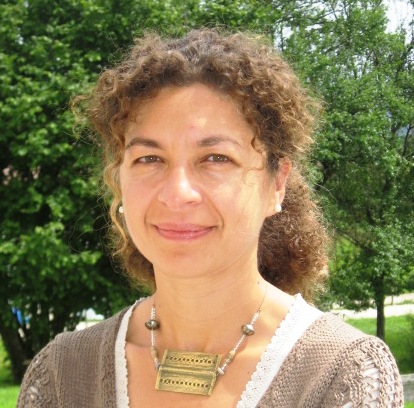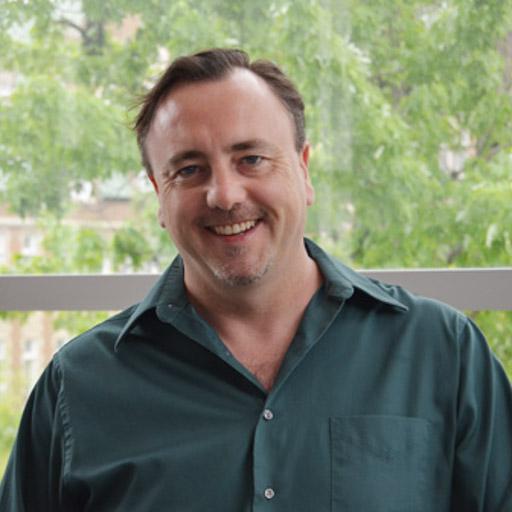
Gina TurrigianoView profile
Professor
Gina Turrigiano is the Joseph Levitan Professor of Vision Science in the Department of Biology at Brandeis University. She is also affiliated with the Benjamin and Mae Volen National Center for Complex Systems and the Neuroscience Program. Her research focuses on understanding how neural circuits maintain stability while remaining adaptable through homeostatic plasticity mechanisms. Dr. Turrigiano earned her B.A. from Reed College and her Ph.D. from the University of California, San Diego. Her educational background provided the foundation for her pioneering work in neuroscience. Her research centers on homeostatic plasticity mechanisms that allow brain circuits to self-tune during learning and development. The Turrigiano lab studies how neurons adjust their excitability to maintain constant firing rates despite external perturbations. A major discovery from her lab was synaptic scaling, a fundamental homeostatic mechanism. More recently, her work has explored how homeostatic mechanisms interact with classical forms of synaptic plasticity like LTP/LTD, and how sleep and behavioral states gate these plasticity processes. Her research has significant implications for understanding neurological disorders like autism, where homeostatic mechanisms may be disrupted. Analysis of Dr. Turrigiano's recent publications reveals a continued focus on the molecular and circuit mechanisms of homeostatic plasticity. Her work spans multiple levels of analysis from cellular/molecular to systems neuroscience, with particular emphasis on visual cortex as a model system. Recent publications explore the role of Shank3 in autism-related circuit dysfunction, the relationship between sleep and homeostatic regulation, and the distinct contributions of synaptic versus intrinsic homeostatic mechanisms to circuit stability. MacArthur foundation 'genius' award McKnight Foundation Technological Innovation and Neurobiology of Disease awards NIH director's pioneer award HFSP Nakasone Award Member of the National Academy of Sciences American Academy of Arts and Sciences fellow AAAS Fellow Landis Award for Outstanding Mentorship Dr. Turrigiano has received substantial research funding including NIH Director's Pioneer Award, NINDS R35 MERIT Award, and multiple McKnight Foundation awards. She has served as President of the Society for Neuroscience and is a member of numerous scientific editorial and advisory boards. Her mentorship has been recognized with the Landis Award for Outstanding Mentorship from NINDS. The Turrigiano lab has trained numerous graduate students and postdoctoral fellows who have gone on to establish independent research careers. The Turrigiano lab operates within the Department of Biology at Brandeis University, with strong connections to the Neuroscience Program and the Volen Center for Complex Systems. The lab employs a multidisciplinary approach combining electrophysiology, imaging, molecular biology, and behavioral analysis to study homeostatic plasticity mechanisms. Current research directions include investigating how homeostatic mechanisms interact with experience-dependent plasticity during critical periods of development, and how disruptions in these mechanisms contribute to neurodevelopmental disorders like autism.