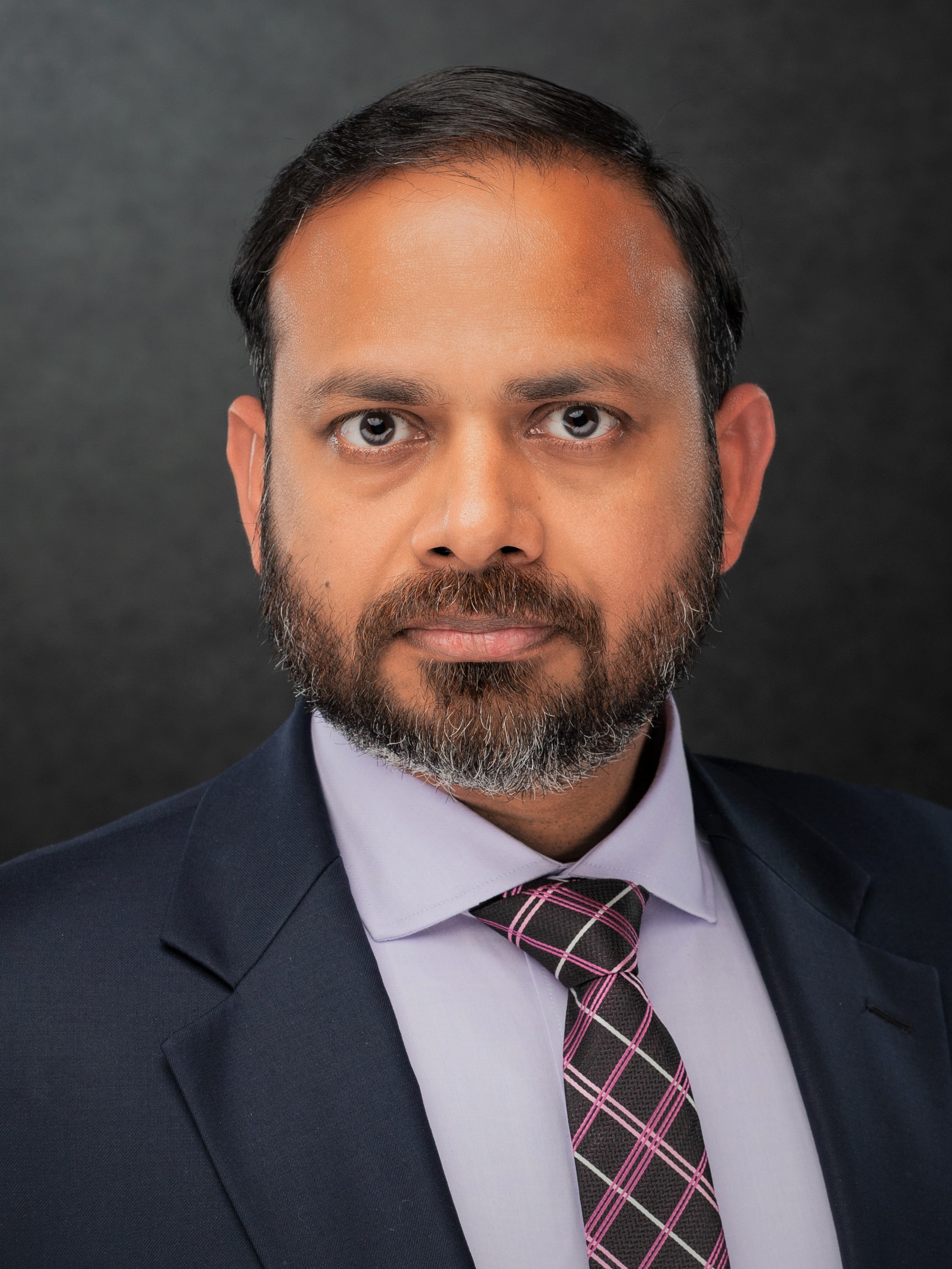
Kamlesh K Yadav is an Associate Professor in the Department of Molecular & Cellular Medicine at Texas A&M University's School of Medicine. He holds an MTech in Environmental Engineering & Management (IIT Kanpur, 2004) and a PhD in Cell and Molecular Biology (NYU, 2010). His research spans cell signaling (RAS-MAPK pathway), prostate cancer biology, and digital health applications like clinical data mining and genomic analysis. Dr. Yadav has pioneered large-molecule inhibitors targeting the RAS oncogene (Nature Genetics 2007, Nature Chemical Biology 2011). He leads translational research on prostate cancer biomarkers (GATA2 mRNA urine test) and combinatorial therapies. Awards include the 2014 Prostate Cancer Foundation Young Investigator Award and 2012 DoD PCRP Postdoctoral Award. Professional roles include Co-Director of the Foundation of Medicine II course and medical education innovation through Team-Based Learning (TBLC-certified). Patents include Ras/Sos modulators (WO2012122059A1) and pseudouridine biomarkers. His recent work integrates AI with radiomics for cancer aggressiveness prediction (2022) and develops organ-on-a-chip models for drug testing (2022). He also addresses health disparities via genomic analysis of African-American prostate cancer cases (Cancer Reports 2018).
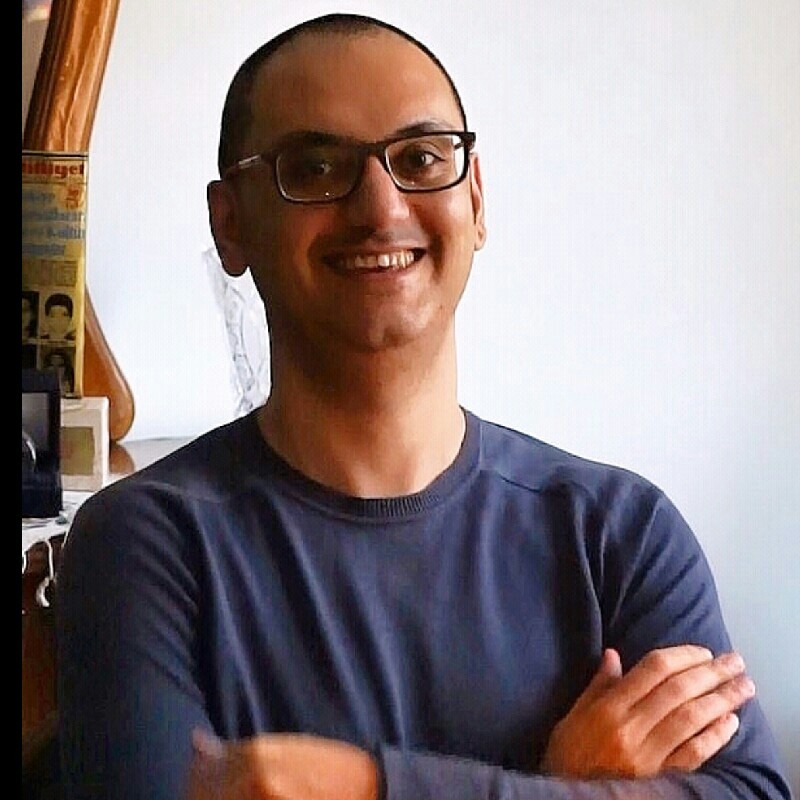
Dr. Ali Osman ER serves as an Assistant Professor in the Department of Mechanical Engineering at Kırıkkale University's Faculty of Engineering and Natural Sciences, specializing in advanced machining technologies and hard-to-machine materials. His academic journey began with third-place graduation from Kırıkkale University's Mechanical Engineering Department in 1999, followed by research assistantship and subsequent academic promotions. His educational background includes: B.S. in Mechanical Engineering (1999), Kırıkkale University (3rd rank) M.S. in Mechanical Engineering (2003), Kırıkkale University Ph.D. in Mechanical Engineering (2008), Kırıkkale University Postdoctoral Research (2014-2015), Purdue University Dr. ER's research focuses on cutting-edge manufacturing processes including laser-assisted turning of titanium composites, high-speed machining of hardened materials, and sustainable manufacturing techniques. His work bridges theoretical innovation with industrial applications, particularly in domestic manufacturing development. Current research trends show increasing emphasis on machine learning applications for machining optimization, hybrid composite material processing, and environmentally conscious manufacturing methods like Minimum Quantity Lubrication. His scientific recognition includes: TÜBİTAK Postdoctoral Research Scholarship (2014) As an academic leader, Dr. ER has served as Deputy Department Head (2012), Director of Kırıkkale University Hacılar Hüseyin Aytemiz Vocational School (2019-2024), and University Senator. He actively contributes to national manufacturing initiatives through consultancy for İmalET Community, technical expertise for Vocational Qualifications Authority, and evaluation roles for TÜBİTAK and Ministry of Industry. His science communication efforts include TÜBİTAK-organized school talks on National Technology Move. Dr. ER maintains active engagement with student communities through Mechanical Engineering Club and previously co-founded Kırıkkale University Mountaineering Club. His patent applications in Smart Kitchen Systems and Toy Production demonstrate practical technology transfer.
Asst. Prof. Emre Kara is a faculty member at Gaziantep University Faculty of Aviation and Aeronautical Sciences , Department of Aeronautical and Aerospace Engineering. With a Ph.D. in Mechanical Engineering (2015), he specializes in Computational Fluid Dynamics (CFD) , Synthetic Jet Actuators , and Coanda Effect-based Thrust Vectoring Systems . His work bridges aerospace engineering and biomedical applications through microfluidic experimental setups for glaucoma drainage devices. Ph.D. & M.Sc. in Mechanical Engineering (Gaziantep University) B.Sc. in Mechanical Engineering (Middle East Technical University) Research focuses on active flow control for aerodynamic efficiency and CFD-driven biomedical device design . His 2025 parametric SJA study and 2023 Coanda optimization paper highlight his methodology. Recent projects include portable test rigs for EDF propulsion and glaucoma implant evaluation . 18 journal articles and 29 conference proceedings demonstrate technical depth. Recipient of TÜBİTAK Yayın Teşvik Ödülü (2024, 2022, 2011). Supervised M.Sc. theses on synthetic jet CFD , hydrogen recovery , and glaucoma device modeling . Courses taught span Aerodynamics , Viscous Flow , and Computational Fluid Dynamics at undergraduate and graduate levels.
Dr. Yuefei Cai serves as an Assistant Professor in the Department of Electronic and Electrical Engineering within the School of Engineering at Southern University of Science and Technology (SUSTech), a position he assumed in July 2022. His research expertise lies in wide bandgap semiconductor technology, with a specialization in gallium nitride (GaN) devices encompassing design, fabrication, characterization, and monolithic integration for advanced electronic and optoelectronic applications. His academic qualifications are as follows: Ph.D. in Electronic and Computer Engineering, Hong Kong University of Science and Technology (2013-2018) M.S. in Physical Electronics, Harbin Institute of Technology (2011-2013) B.E. in Electronic Science and Technology, Harbin Institute of Technology (2007-2011) Dr. Cai's primary research areas include wide bandgap semiconductors, particularly GaN-based high-electron-mobility transistors (HEMTs) and light-emitting diodes (LEDs). He explores monolithic integration of these devices for microdisplays, novel acousto-optoelectronic systems, and photonic-electronic fusion chips. His work bridges fundamental semiconductor physics with practical applications in high-efficiency lighting, high-speed communication, and integrated optoelectronics. His publication record demonstrates consistent innovation in compound semiconductor technology, with research trends emphasizing GaN-based monolithic integration for optoelectronic systems. Key fields span semiconductor device physics, micro-LED technology, and photonic integration, with recent work focusing on resonator-waveguide systems and high-bandwidth microdisplay architectures. His articles frequently address challenges in material interfaces, device performance optimization, and novel integration methodologies. Professional recognition includes features in leading technology media such as IEEE Spectrum and Semiconductor Today. His conference presentations at premier venues like IWN and ICNS highlight his active engagement with the compound semiconductor research community. Dr. Cai contributes to academic service as a reviewer for Photonics Research and Nature Electronics. His professional affiliations include Senior Membership in IEEE and membership in Optica, reflecting his commitment to advancing semiconductor research and education. Dr. Cai's research activities are centered within SUSTech's Department of Electronic and Electrical Engineering, leveraging institutional resources for semiconductor device development and characterization.
Dr. Alexander Johan Nederbragt ("Lex Nederbragt") is a Senior Lecturer at the University of Oslo's Faculty of Mathematics and Natural Sciences, affiliated with the Centre for Ecological and Evolutionary Synthesis (CEES) and former member of the Centre for Computational Inference in Evolutionary Life Science (CELS). He leads the "Computing in Science Education" initiative within the Bioscience bachelor's program, developing courses like BIOS1100 that integrate Python programming with biological modeling. His educational philosophy emphasizes reverse instructional design and constructive alignment, with a focus on student-active learning and AI-driven pedagogical innovation. Researchwise, Nederbragt specializes in Bioinformatics and Genomics , particularly Evolutionary genomics of fish (Atlantic cod, haddock, grayling) Graph-based reference genome methodologies Genomic repeat element analysis Horizontal gene transfer in diatoms Computational microbiome studies His work spans comparative genomics, genome assembly validation, and bioinformatics software development (NucDiff, NucBreak). Scientific contributions reveal expertise in High-throughput sequencing Genomic architecture Evolutionary adaptation Computational methods Publication trends from 2012-2023 His research frequently intersects with ecological and evolutionary questions, particularly in teleost fishes. Scientific Awards Merittert Utdanner (Excellent Teaching Practitioner), University of Oslo (2023) Olav Thon Foundation National Award for Excellence in Teaching (2025)
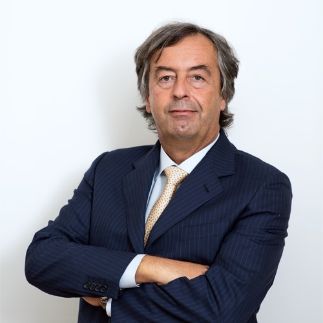
Roberto Burioni serves as Full Professor of Microbiology and Virology at Vita-Salute San Raffaele University's Faculty of Medicine and Surgery in Milan, a position he has held since 2004 after joining as Associate Professor. Previously, he was Senior Researcher at Rome's Catholic University Gemelli Polyclinic (1995-1999) and Chair of Virology at University of Ancona's Faculty of Science (2000-2004). His academic credentials include: Classical studies high school diploma from Urbino's "Raffaello" Liceo (1981) Medical degree from Catholic University of Sacred Heart, Rome (1987) PhD in Microbiological and Virological Sciences, University of Genoa Burioni's research centers on pathogen immune responses, with specialization in developing recombinant human monoclonal antibody therapeutics and molecular diagnostic tools for infectious diseases. His work bridges fundamental virology, clinical immunology, and antimicrobial resistance, particularly addressing emerging viral threats and diagnostic innovation in microbiology. Analysis of his 2021-2024 publications reveals dominant themes in SARS-CoV-2 variant evolution, antimicrobial resistance surveillance (especially Neisseria gonorrhoeae), and structural immunology for universal vaccine design. His work demonstrates consistent focus on clinical translation, from herpes virus reactivation modeling to optimizing doxycycline protocols for sexually transmitted infections. As former Director of Microbiology and Virology Specialization School (2010-2017) and current President of Dental Hygiene Degree Course, Burioni mentors next-generation clinicians while leading research initiatives. His laboratory maintains active international collaborations and patent portfolios in immunological drug development. His immunological research laboratory drives three core initiatives: pathogen immune response characterization, recombinant monoclonal antibody drug development, and molecular diagnostic tools for early infectious disease detection, with ongoing projects in viral evolution and antimicrobial resistance mechanisms.
Ella Peltonen is an Assistant Professor at the M3S research unit, University of Oulu, Finland. She joined the Ubicomp Oulu research centre and 6Genesis research programme in November 2018. Prior to this position, she was a postdoctoral researcher at the Insight Centre for Data Analytics in Cork, Ireland. She completed her PhD in the Nodes group at the University of Helsinki, Finland, working on the Carat project of collaborative energy diagnostics for mobile devices. Her educational background includes: PhD in Computer Science, University of Helsinki, Finland (Carat project on collaborative energy diagnostics) Ella Peltonen's research focuses on ubiquitous computing, large-scale data analysis, and applied machine learning. Her work particularly emphasizes everyday sensing and mobile and wearable devices. She aims to apply machine learning algorithms to large, complex data in real-time systems, with a focus on distributed machine learning and data analysis of smart devices. Her research spans various applications including energy consumption monitoring of mobile devices, wearable technology for measuring physiological signals, and exploring future sensing technologies. Peltonen has expressed interest in how future devices might sense human states, become smarter, and provide greater benefits, potentially through innovations like augmented reality glasses or subcutaneous chips. Analysis of her recent publications shows a strong focus on edge computing, vehicular networks, and sustainable computing systems. Her work bridges the gap between theoretical machine learning approaches and practical applications in transportation, healthcare, and environmental monitoring. Many of her papers address challenges in distributed systems, real-time data processing, and privacy-preserving techniques for edge intelligence. Her notable scientific awards include: Nominated to the list of 10 Rising Stars in Networking and Communications by N2 Women 2017 Selected as one of 50 Finnish Researchers by the Finnish Union of University Researchers and Teachers Nokia Scholarship 2015 and 2016 Jorma Ollila Grant 2018 Young Teacher of the Year 2012 Young Researcher of the Year 2015 Peltonen is actively involved in teaching and mentoring, with a teaching philosophy focused on supporting students' independent learning rather than lecturing from above. She enjoys guiding small groups where she can discuss topics together with students and get to know them personally. As a researcher, she describes herself as precise, detail-oriented, and committed to verifying the correctness of her work carefully. She values the combination of mathematical work with experimental work and creativity in technology, noting that research tasks are diverse and can apply different types of methodology. She is part of international research collaborations with several major universities worldwide, as required by Finnish Academy funding. Peltonen is also an advocate for diversity in technology fields, noting that technology is used by all kinds of people from various backgrounds, yet the producers of technology lack diversity. She has highlighted the importance of encouraging more women to pursue technology careers from an early age.
Michael Poznic is a researcher at the Institute for Technology Assessment and Systems Analysis (ITAS) within the Karlsruhe Institute of Technology , affiliated with the Faculty of Humanities and Social Sciences . His work bridges philosophy and engineering through the study of scientific representation and modeling practices. Educational Background : PhD in Philosophy of Science and Technology from Delft University of Technology (2017) M.A. in Philosophy from RWTH Aachen University (2011), with minors in Psychology and Sociology Research Interests : Michael focuses on scientific modeling , philosophy of technology , and epistemology , particularly the intersection between philosophy of science and engineering design . His work examines fictionalist approaches to modeling, ethical implications of technological models, and interdisciplinary applications in biomedical and environmental contexts. Publications : His publications highlight trends in model-based representation , fictionalism in scientific practice , and responsible innovation . Notable contributions include analyses of organ-on-a-chip technologies and the ontological status of models in scientific debates. Contact Information : Email: michael.poznic@kit.edu
Rahman Omidinia Anarkoli is a Postdoctoral Researcher at RWTH Aachen University, working within the De Laporte Research Group. His contact information shows affiliation with Room A-2.14 and phone number +49 241 80-23341, indicating his position within the university's research infrastructure. He actively contributes to multiple research projects including BioArchitecture, Anisogel, and µTISSUEfab. Dr. Omidinia specializes in developing advanced fabrication methodologies for tissue engineering applications. His research focuses on creating biomimetic 3D tissue constructs using 3D bioprinting, fiber spinning, and microfluidics techniques. He designs minimally invasive scaffolds that respond to external stimuli like magnetic fields to create anisotropic microenvironments mimicking native tissues such as muscle, tendon, and spinal cord. His work bridges the gap between in vitro tissue models and in vivo regenerative biomaterials, with particular emphasis on neural tissue engineering and organ-specific fibrosis models. Analysis of his publication record from 2017-2025 reveals a strong focus on neural regeneration, with multiple studies on axon guidance in 3D hydrogels and nerve extension using specialized biomaterials. His more recent work has expanded into kidney fibrosis modeling and advanced microgel production techniques. The research demonstrates consistent evolution from foundational work on nerve guidance (2017-2020) toward more complex organ models and scalable production methods (2021-2025). Dr. Omidinia collaborates extensively with Professor Laura De Laporte's research group, appearing as co-author on all his publications. His research is supported through various projects including the Leibniz SAW Female Professors Program BioMat and the Anisogel project focused on spinal cord repair. He also contributes to projects addressing tissue adhesion prevention (AparTextile) and cultured meat development (HydroSpin). The researcher is involved with multiple advanced laboratory initiatives including µTISSUEfab for high-throughput screening of human tissue models, AnisoPlate for preclinical tissue testing, and BioArchitecture for complex tissue-mimicking structures. These projects demonstrate his integration into a comprehensive tissue engineering research ecosystem at RWTH Aachen University.
Dr. Yosif Mitev Mitev serves as a Part-time Lecturer at the Technical University of Gabrovo within the Faculty of Mechanical Engineering and Instrument Making, Department of Mechanical Engineering and Technologies. Holding a Doctorate in Technical Sciences with scientific and educational focus, he contributes to both teaching and research activities at the university. Dr. Mitev's research interests center on CNC machine technology, parallel kinematics equipment, CAD/CAM systems, and mechanical engineering design. His work spans metal cutting processes, tooling and fixture design automation, manufacturing process optimization, and production prototyping. He has developed methodologies for automated design of technological processes and programming of machinery. His publication record shows consistent contributions to manufacturing engineering, with recent work focusing on gear machining, tool monitoring systems, and parallel kinematics applications. The publications demonstrate a progression from fundamental machine design to advanced manufacturing process optimization and automation. Dr. Mitev has supervised five doctoral students working on topics including ceramic prototyping, milling machine modernization, tooth profile processing, modular tool systems, and injection mold optimization using 3D printing methods. He has participated in four research projects at TU Gabrovo focused on parallel kinematics equipment, modern design methods for technological processes, and manufacturing prototyping in scientific research and training. His teaching portfolio includes courses on production automation, CNC machine programming and operation, digital program control systems, and CAD/CAM systems in mechanical engineering.
Fátima Capela Fortunas Teixeira serves as Associate Professor at the School of Engineering, University of Minho, and Senior Researcher with PhD at Centro ALGORITMI/LASI. She is also a Member of the Coordinating Committee for the Bachelor's Program in Industrial and Management Engineering (LEGI) at the University of Minho. Bachelor in Systems Engineering and Informatics (1984), University of Minho Doctor in Chemical Engineering (1989), University of Birmingham, School of Chemical Engineering Integrated Master in Industrial and Management Engineering (2016), University of Minho Professor Teixeira's research spans Computational Fluid Dynamics applications across multiple domains including heat transfer, thermal comfort, PCB modeling, two-phase flows, Organ-on-a-Chip modeling, forest fire simulation, and biomass combustion. Her work demonstrates strong interdisciplinary connections between engineering fundamentals and practical applications. She has recently expanded her research into misinformation modeling and digital health applications, showing the versatility of her computational approach. Her publication record reveals a strong trend toward interdisciplinary applications of CFD techniques, with recent work spanning traditional engineering domains like biomass combustion and thermal systems, while also venturing into emerging areas like Organ-on-a-Chip technology, misinformation modeling, and digital transformation in industrial contexts. Her research shows increasing integration of educational methodology with technical content, particularly through Project-Based Learning approaches. Professor Teixeira has made significant contributions to engineering education through innovative teaching methodologies. She has supervised 15 PhD theses and 85 MSc dissertations throughout her career, demonstrating her commitment to developing the next generation of engineers. Principal Investigator in one research project Co-PI in one research project Researcher in 20 projects Supervisor of 27 grant projects She maintains active research collaborations through her membership in the IEM R&D Group and EHF R&D Lab at Centro ALGORITMI, contributing to both fundamental engineering research and practical industrial applications. Her work with nearly 650 collaborators demonstrates her strong network and interdisciplinary approach to research problems.
Daiki Tanaka is an Assistant Professor at the School of Fundamental Science and Engineering, Waseda University, specializing in microfluidics, inorganic chemistry, and nanotechnology applications for chemical synthesis and bioengineering. His research focuses on developing innovative microfluidic devices for precise control of chemical reactions, protein crystallization, and single-cell analysis. Education: PhD from Waseda University (2018), MS in Chemistry from Tokyo University of Science (2014) Key research areas include microdroplet manipulation , functional material synthesis , and passive flow control systems . Recent work demonstrates single-micron droplet generation , chiral molecule synthesis , and high-efficiency cell encapsulation without conventional centrifugation. His 2025 review on additive-manufactured microfluidics highlights advancements in quantum dot synthesis scalability. Scientific contributions are recognized through awards such as the 2023 New Chemical Technology Research Encouragement Prize and the 2019 Micromachines Best Paper Award . His interdisciplinary approach integrates chemistry, physics, and biotechnology to push boundaries in lab-on-a-chip technologies. Key Awards: 12th New Chemical Technology Research Encouragement Prize (2023) 2019 Micromachines Best Paper Award Daiki Tanaka's work extends to securing industrial property rights for microfluidic devices and editorial committee memberships , reflecting his leadership in advancing chemical engineering methodologies.
Pierfrancesco Pagella is an Associate Professor (Docent) at Linköping University , affiliated with the Department of Physics, Chemistry and Biology (IFM) and the Biophysics and Bioengineering (BBIOBIO) division. His research focuses on unraveling mechanisms of organ and cell diversity to engineer 3D human organs with functional innervation, vascularization, and immune compartments, particularly in the oro/craniofacial complex (e.g., teeth, oral cancers). PhD in Molecular Life Sciences (2011–2015), University of Zurich/ETH Zurich Postdoctoral Fellow at Linköping University (2021–2023) and University of Zurich (2015–2017) His work integrates stem cell biology , tissue engineering , organ-on-chip systems , and genomics/proteomics to model developmental processes and diseases. Key contributions include a Tooth-On-Chip microfluidic device, studies on Wnt/β-catenin signaling in transcriptional regulation, and the role of Nogo-A in tooth enamel formation. Recent publications explore single-cell RNA sequencing in dental pulp remodeling, TBX3-Wnt interactions in colorectal cancer metastasis, and Notch signaling in tooth lineage specification. His research also develops CUT&RUN protocols for studying transcriptional co-factors and investigates tumor suppressor p53 in carcinoma regulation. He teaches Biotechnology Manufacturing , Production of Biopharmaceuticals , and Design of Biotechnical Processes courses. His laboratory affiliations include the Biophysics and Bioengineering (BBIOBIO) and Molecular Materials (BBMOLMAT) groups at Linköping University, focusing on multidisciplinary biomedical applications.
Lévis Thériault serves as a Lecturer in the Department of Computer Engineering and Software Engineering within Polytechnique Montréal's Faculty of Engineering. He is also a member of the Institute for Data Valorization (IVADO), contributing to Montreal's AI research ecosystem. His academic credentials include a B.Eng., DESS from UQAC, M.Sc.A., and PhD coursework at Polytechnique Montréal. His research spans two dynamic domains: artificial intelligence applications in healthcare (notably the Marvin chatbot system for HIV treatment adherence) and innovative educational technologies for engineering education. Recent work focuses on conversational agents for patient self-management, digital learning environments, and active learning methodologies. His publication trend shows a strategic pivot toward health AI since 2020, with multiple presentations at International AIDS Conferences, while maintaining his educational technology research thread. Dr. Thériault actively supervises graduate students across multiple cohorts, with current advisees working on AI-driven clinical tools and educational software. His supervision record includes 14 professional Master's graduates between 2021-2024 and ongoing PhD and research Master's projects. Student theses demonstrate strong industry alignment, with implementations at organizations including Desjardins, Intact Assurance, and Criteo. Teaching responsibilities include core courses in operating systems, discrete structures, and software design, where he implements his research on active learning strategies. His 2020 publication on smartphone-based assessment for large engineering classes exemplifies his practical approach to educational innovation. The May 2022 press coverage of his AI solution for Alloprof's homework help platform highlights real-world impact of his educational technology research.
Dr. Desislava Ivanova Petrova serves as an Associate Professor in the Department of Management within the Faculty of Economics at Technical University - Gabrovo. With a Doctorate in Technical Sciences, she has led 25 research projects, authored 9 books, and published 103 scholarly works focusing on innovation management, SME competitiveness, and EU policy frameworks. Her research interests span innovation management, SME competitiveness strategies, EU 2020 policies, investment project analysis, branding strategies, and mechatronics applications. She has developed methodologies for assessing manufacturability, measuring market risks, and implementing digital single market frameworks, with particular emphasis on regional development in Bulgaria's Central Northern Region. Analysis of her 15 most recent publications reveals consistent focus on bridging theoretical innovation frameworks with practical business applications. Her work demonstrates increasing integration of EU policy requirements with local business practices, particularly in risk assessment methodologies and competitiveness enhancement strategies for small and medium enterprises across multiple industrial sectors. Through her leadership in 25 research projects from 2009-2016, she has supervised numerous doctoral candidates and master's students while establishing international collaborations with institutions in Ukraine, Lithuania, Latvia, and Germany. Her work has been integrated into 8 bachelor's and master's level courses covering investment projects, innovation management, and competitiveness analysis. Professor Petrova has established significant industry-academia connections through technology parks, industrial zones, and educational-business partnerships. Her research team has developed practical tools including photovoltaic fountain systems, transistor testers, and distributed data archiving solutions that have been implemented in both educational and industrial settings.