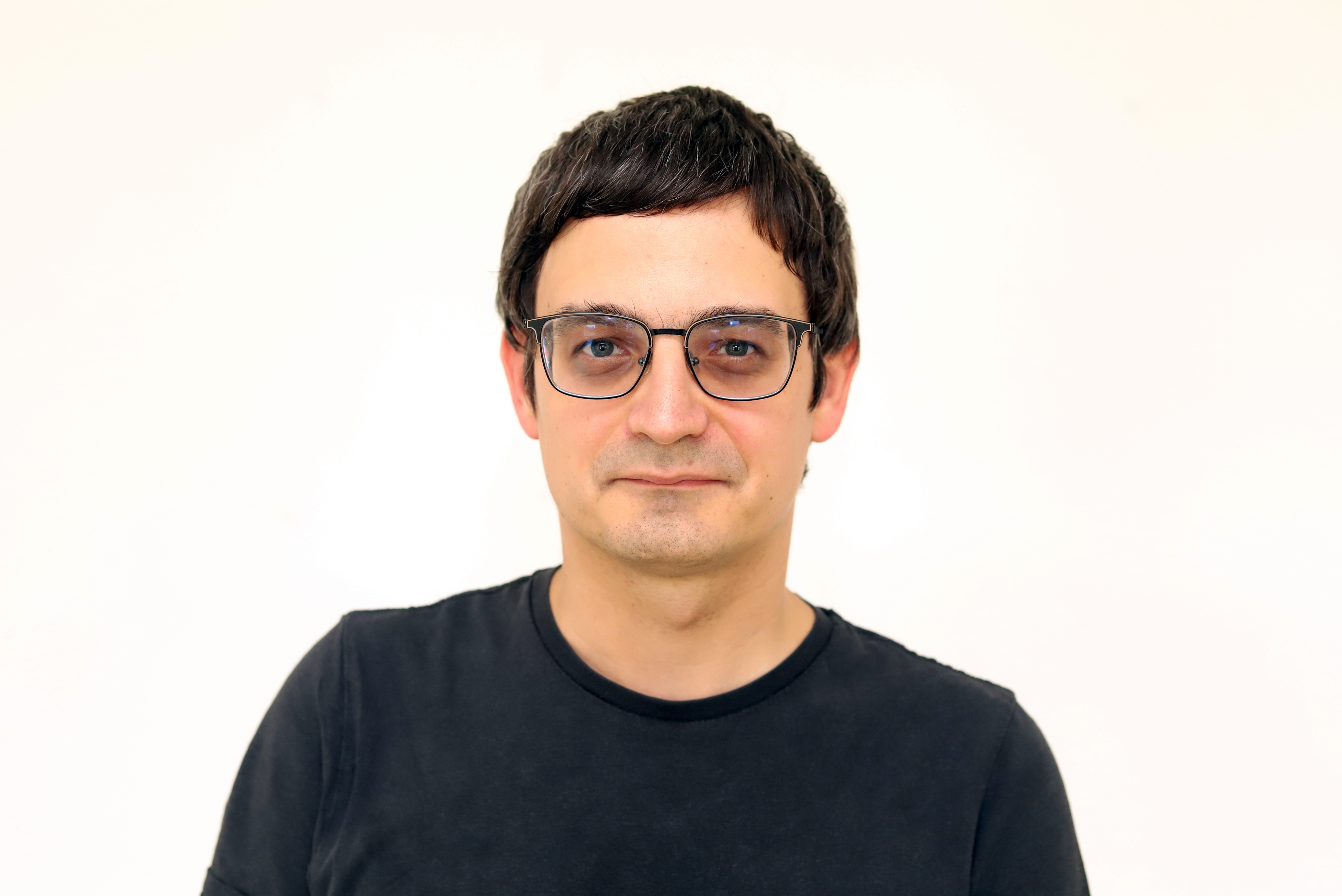
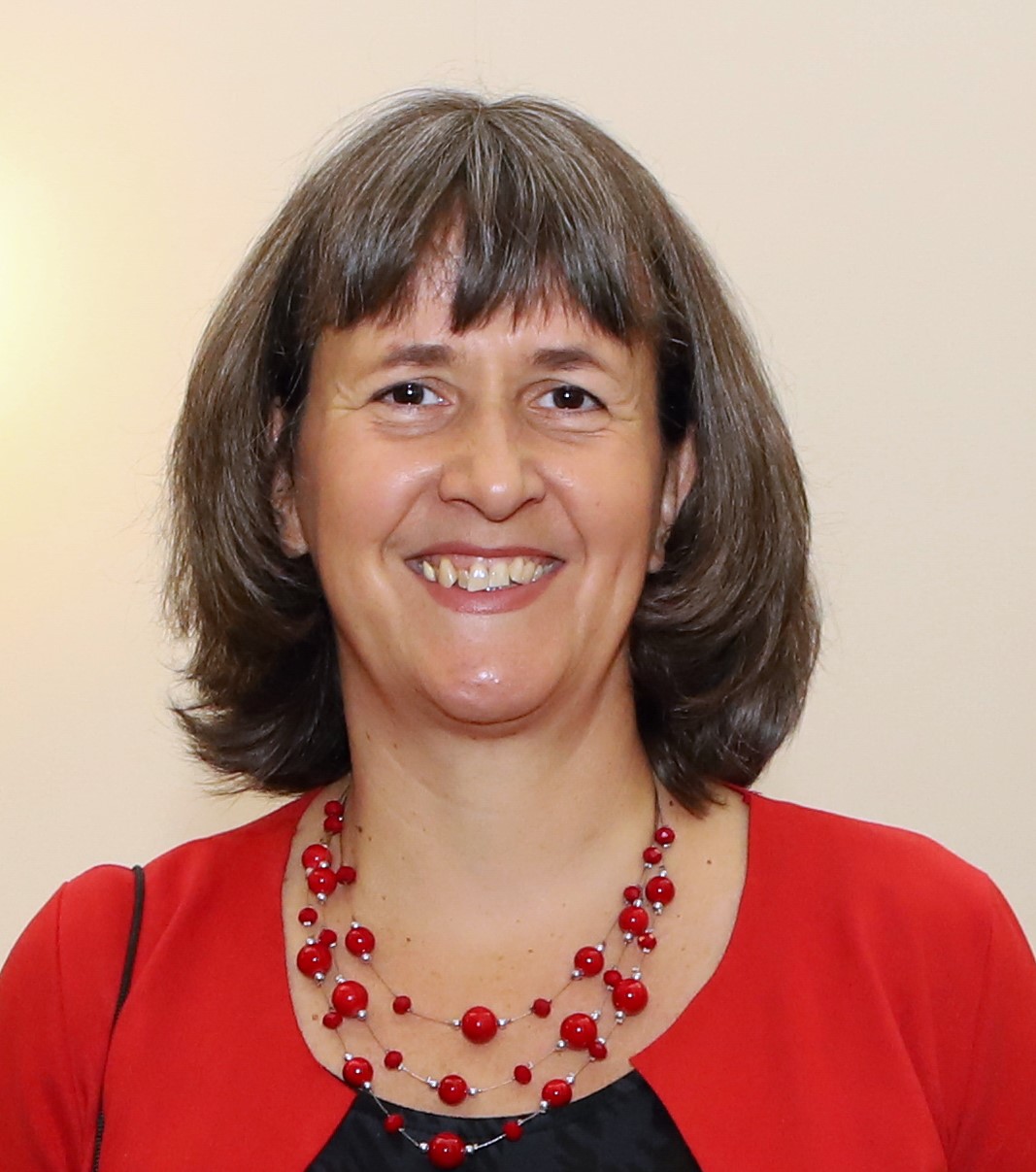
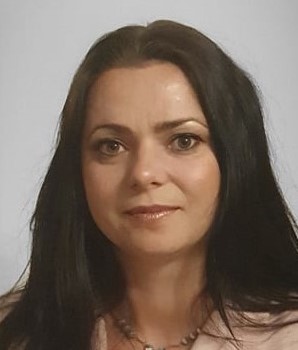
Professor Imre Hamar, holding a Doctor of Science (DSc) degree, serves as Director of the Institute of East Asian Studies and Head of the Department of Chinese Studies at Eötvös Loránd University (ELTE). He earned his PhD in 1997, habilitated in 2004, and became a full professor in 2008. His academic leadership spans multiple institutions, including directing the ELTE Confucius Institute since 2006. Doctor of Science (DSc) - Institute of East Asian Studies Professor - Department of Chinese Studies Director - Confucius Institute (since 2006) A leading scholar in Chinese Buddhism with a specialization in Huayan philosophy, Hamar has dedicated decades to studying Tang Dynasty religious thought, Buddhist exegesis, and classical Chinese texts. His research traces the development of Buddhist doctrines in China and their cross-cultural transmission through Central Asia. He has taught Chinese religious history, classical Chinese texts, and Buddhist philosophy across undergraduate and postgraduate levels at ELTE. His academic publications focus on the Huayan tradition , Avatamsaka-sutra interpretations, and Yogacara-Huayan synthesis . Recent works examine syncretism in Chinese Buddhist commentaries and the cult of Mount Wutai, reflecting his ongoing engagement with Buddhist sacred geography. Scientific recognition includes: Pro Universitate Award (Gold Level, 2010) Excellent Confucius Institute Director Award (2011) Fulbright Fellowship (University of Virginia, 2008-2009) Numata Guest Professorship (Hamburg University, 2010) He has received multiple research grants from the Japan Foundation, DAAD, and Chiang Ching-kuo Foundation. His editorial work includes co-editing Reflecting Mirrors: Perspectives on Huayan Buddhism (2007) and several volumes in the ELTE Sinological Workshop series.
Szandra Ésik is a Lecturer at the Department of Chinese Studies, Faculty of Humanities, Eötvös Loránd University. She teaches Chinese language and political discourse analysis while contributing to Hungarian-Chinese lexicography projects. Institute of East Asian Studies Department of Chinese Studies Research Interests: Chinese political rhetoric and discourse analysis Second language teaching methodologies for Chinese Translation studies and bilingual dictionary development Silk Road cultural/economic history Environmental policy in Chinese Communist Party congresses Her recent publications focus on comparative analysis of political speeches (2017-2020), character teaching strategies, and collaborative dictionary projects with scholars like Huba Bartos and Imre Hamar. She has contributed to institutional research at ELTE's Chinese Studies department. Contact: esik.szandra@btk.elte.hu
Károli Gáspár University of the Reformed ChurchHungary
István Janó is an Assistant Professor in the Department of Japanology at the Faculty of Humanities and Social Sciences, Károli Gáspár Reformed University in Budapest, Hungary. With a distinguished career spanning over four decades, he has established himself as a leading scholar in Japanese studies, comparative literature, and cross-cultural research between Japan and the West. His academic journey began at József Attila University where he earned his MA in English and German literature and linguistics in 1978, followed by his doctoral degree in comparative literature in 1980. His educational background includes: MA in English and German literature and linguistics (1978) from József Attila University PhD in Comparative Literature (1980) from József Attila University with dissertation on 'Far Eastern influences in the poetry of imagism' Continuing doctoral studies at the Doctoral School of Literary Studies of the Hungarian Academy of Sciences (2008-) Additional studies at Eötvös Loránd University, Humboldt University in Berlin, and Osaka University of Foreign Languages Janó's research focuses on the intricate connections between Japanese and Western literary traditions, with particular expertise in classical and modern Japanese prose, Japanese literary theory, classical Japanese grammar, and linguistic problems. His scholarly work reveals a deep engagement with how Japanese poetic forms like haiku influenced Western literary movements such as Imagism and Vorticism, particularly through the works of Ezra Pound and Amy Lowell. He has made significant contributions to understanding the cultural dialogue between Japan and Hungary, as evidenced by his involvement in the Japanese-Hungarian Dictionary project since 2000. An analysis of his publications spanning from 1980 to 2022 shows a consistent scholarly trajectory exploring Japanese-Western literary connections, with recent works delving deeper into Vorticism's Eastern roots and the synthesis of Japanese haiku with French symbolism. His research demonstrates remarkable continuity in examining how Japanese aesthetics have shaped and been shaped by Western literary traditions. Throughout his career, Janó has been actively involved in academic service, including serving as an examiner for Japanese language exams at ELTE from 1992-2000, revising significant Japanese language learning materials like 'Kanji and Kana' (1995), and developing university textbooks on basic Japanese (1997). His international research fellowships at Osaka University of Foreign Languages (1990-1991) and Yokohama University (1995) under Japanese government sponsorship highlight his recognition in the field. Janó maintains active participation in the Hungarian Association of Japanese Language Teachers and has presented extensively at academic conferences, including notable appearances at the Károli Gáspár Reformed University's Literary Studies Conferences and the 20th anniversary celebration of the Japanology department in 2014. His work continues to bridge Japanese and Hungarian academic communities through translation, lexicography, and scholarly research.
Károli Gáspár University of the Reformed ChurchHungary
Marianna Lazar is an Assistant Professor of Japanology at the Department of Japanology, Institute of Oriental Languages and Cultures, Faculty of Humanities and Social Sciences, Károli Gáspár Reformed University in Hungary. She also serves as a Lecturer at ELTE BTK (Eötvös Loránd University Faculty of Humanities) Department of Japan starting in 2025. Her academic career bridges Hungarian and Japanese scholarly traditions, with extensive research experience in both countries. Her educational background includes a PhD in Cultural History from Ryukoku University in Kyoto, Japan (2018), with a dissertation titled 'The development of the Four Gods cult in East Asia - A study of the Japanese Four Gods cult.' She earned her MA in Japanology from Károli Gáspár Reformed University (2013) with studies also at Kobe University's Graduate School of Humanities in Japanese Art History (2012-2013). Her BA degree is in Oriental Languages and Cultures with Japanese specialization from Károli Gáspár Reformed University (2006-2010). In 2024, she obtained an Intermediate Level Examination in Japanese Archaeology (Kōko kentei chūkyū) from Nihon Bunkazai Hogo Kyōkai. Dr. Lazar specializes in ancient Japanese history (3rd-8th centuries), Japanese archaeology focusing on decorated mound tombs, ancient Japan-Korea-China relations, the Four Gods belief system in East Asia, and cultural-historical aspects of early Onmyōdō practices. Her research demonstrates how continental cultural elements were transmitted to and adapted within Japanese society, particularly examining ritual objects, ceremonial flags, and tomb art. She has published extensively on the integration of Chinese cosmological concepts into Japanese religious and cultural practices, with particular attention to the Four Gods symbolism across historical periods. Her scholarly output reveals consistent focus on the transmission and transformation of East Asian cultural elements, particularly examining how Chinese cosmological concepts were adapted within Japanese religious and cultural practices. Her work spans from ancient tomb murals and numismatics to ceremonial objects and ritual practices, showing remarkable interdisciplinary breadth while maintaining focus on cultural transmission patterns. The articles demonstrate increasing sophistication in methodology, combining archaeological evidence with textual analysis and comparative approaches. Köztársasági ösztöndíj (KRE, 2011) Kutatói (M.A.) ösztöndíj (Japanese Government/MEXT, 2012-2013) Kutatói (Ph.D.) ösztöndíj (Japanese Government/MEXT, 2014-2016) Érdi Tudományos Díj (Érd City Government, 2023) The Asiatic Society of Japan - Young Scholars' Programme (Hugh E. Wilkinson Foundation, 2023) Szenczi Molnár Albert Senior Prize (KRE, 2025) While Dr. Lazar has not served as a primary doctoral supervisor according to the available documentation, she has been actively involved in doctoral examinations as an opponent for numerous dissertations at ELTE, covering topics ranging from Buddhist cosmology to Edo period legal texts and modern Japanese society. Her academic service includes organizing TDK (Scientific Students' Association) conferences since 2020, serving as TDK leader for Japanese, Korean, and Chinese specializations, and participating in curriculum development including the creation of Korean Language and Culture specialization courses (2022-2024). She has also been a member of the Quality Assurance Committee at KRE Faculty of Humanities and Social Sciences since 2022. Dr. Lazar is an active participant in multiple international research networks, including The Asiatic Society of Japan, European Association for Asian Art and Archaeology, European Association for Japanese Studies, and the Hungarian Academy of Sciences Committee on Oriental Studies. Her research connects Hungarian scholarship with broader East Asian academic communities through regular participation in international conferences across Europe and online presentations for Japanese institutions. Her work bridges archaeological, historical, and art historical approaches to understanding premodern Japanese culture and its continental connections.
Áron Tábor serves as a Lecturer at the Department of International Relations and European Studies within the Institute of Political and International Studies at Eötvös Loránd University (ELTE) in Budapest, Hungary, maintaining an office at 1117 Budapest, Pázmány Péter sétány 1/a, room 2.88. His research portfolio centers on: International Relations US Foreign Policy European Studies Political Theory Chinese Politics Urban Studies Analysis of his publications reveals sustained scholarly engagement with American exceptionalism and realism in foreign policy discourse, particularly examining post-2008 US strategic identity and Obama-era policy implementations. Concurrently, his work explores Chinese urban transformation through the lens of state capitalism, demonstrating methodological versatility across Western and non-Western political contexts. Scientific Awards: No awards documented in available institutional records Academic Mentorship and Funding: No student advisement information disclosed No research grants referenced in current public profiles
Beatrix Mecsi , Associate Professor at Eötvös Loránd University , serves as Head of the Department of Korean Studies within the Institute of East Asian Studies. Her academic career spans decades of research and teaching in Korean art history, Buddhist studies, and intercultural competence. Research Interests Professor Mecsi specializes in Korean art history with particular focus on: Chan/Zen Buddhist iconography and its transmission East Asian tomb murals and cultural heritage Postcolonial interpretations of Korean art Korean language pedagogy in Central Europe Religious syncretism in East Asian contexts Publication Trends Her scholarship reveals consistent exploration of: Korean-Japanese intercultural exchange patterns Material culture analysis in Hungarian museum collections Buddhist visual narratives across East Asia Post-war cultural diplomacy through art exhibitions Educational approaches to Korean studies in Central Europe
Melinda Pap is an Assistant Professor at the Institute of East Asian Studies and a lecturer in the Department of Chinese Studies at Eötvös Loránd University (Budapest). Her research focuses on Japanese cultural anthropology, ritual studies, and child development, with a particular emphasis on the role of storytelling and cultural practices in education and socialization. Research Interests: Japanese rituals, folklore, early childhood development, narrative therapy, cultural transmission, and historical sociology. Key Themes: Analysis of coming-of-age ceremonies like Shichigosan, urban cultural change in Japan, metaphorical language in therapeutic contexts, and the pedagogical use of storytelling for preschoolers. Her publications span topics from preschool education methods to the evolution of family rituals in Japan, blending cognitive linguistics and anthropological inquiry. While no formal scientific awards or student advisement details are listed in the provided materials, her work engages deeply with interdisciplinary approaches to cultural and developmental studies.
Károli Gáspár University of the Reformed ChurchHungary
Peter Vamos is a Professor of Chinese History at the Gáspár Károli Reformed University, Faculty of Humanities and Social Sciences, Department of Chinese. He also serves as a scientific advisor at the HUN-REN Humanities Research Center, Institute of History since 2023. Previously, he was an Associate Professor (2009-2024) and Assistant Professor (2005-2009) at the same institution. His research focuses on Chinese history, particularly Sino-Hungarian relations, the history of Christianity in China, and Cold War-era relations between China and the Soviet bloc. Vamos is the principal investigator for several major research projects including 'History of China, Sino-Hungarian relations' (2022-2024) and 'Hungarian-Chinese relations, 1949-1989' (2019-2020). His work demonstrates how Eastern European countries maintained independent diplomatic channels with China despite Soviet pressure during the Cold War period. Vamos's scholarly output shows a consistent focus on primary source research, particularly utilizing archival materials from Hungarian, Chinese, and international repositories. His recent publications examine cultural diplomacy between Hungary and China in the 1950s, the impact of the Sino-Soviet split on technological cooperation, and Hungary's diplomatic opening to Taiwan in the late 1980s. His work bridges diplomatic history, international relations, and cultural studies. Taiwan Fellowship (2024) Affiliated Researcher at University of Cambridge (2018-2021) Jing Brand Fellowship at Needham Research Institute (2016-2017) External Senior Fellowship at Freiburg Institute for Advanced Studies (2010-2011) Youth Prize of the Hungarian Academy of Sciences (2004) Bolyai János Research Fellowship (1998-2001) As a supervisor, Vamos has guided PhD students including Tokaji Zsolt Márton, whose dissertation examined Western and Japanese political and military actions in the fall of the Chinese Empire as reflected in contemporary Hungarian press (1839-1911). He has also served as an opponent for doctoral defenses at institutions including PTE, SOAS, and PPKE. His language proficiency includes fluent Chinese and English, intermediate Russian, and reading knowledge of Japanese and Latin, which facilitates his extensive research in multilingual archives.
Zehong Mou is a lecturer at the Institute of East Asian Studies within Eötvös Loránd University, specializing in the Department of Chinese Studies . They can be contacted via email at mou.zehong@konfuciusz.elte.hu and are based at the address: 1088 Budapest, Múzeum körút 4/A. Research Interests: Their work is broadly connected to Chinese Studies, East Asian cultural studies, sinology, and interdisciplinary explorations of language, literature, and cultural anthropology. Education: Not explicitly mentioned in the provided text. Scientific Awards: No awards or honors are listed in the available information.
Károli Gáspár University of the Reformed ChurchHungary
Dr. Ildiko Schmidt is an Associate Professor at the Károli Gáspár Reformed University , affiliated with the Faculty of Humanities and Social Sciences and the Department of Hungarian Linguistics . Her career spans over two decades, combining academic research with practical applications in language teaching. Education : PhD in Linguistics (2018), University of Pécs MA in Linguistics (2008), University of Pécs Qualifications in Hungarian as a Foreign Language Teaching (2008), Hungarian Language and Literature (2006), and Primary School Teaching (1996) Schmidt’s research focuses on Sociolinguistics (bilingualism, multilingualism) and Teaching Hungarian as a Foreign Language . Her work explores linguistic integration of migrant children, literacy development, and educational methodologies for diverse classrooms. Her publications (15 most recent) emphasize language policy, cross-cultural communication, and practical pedagogical models like the Dual Model. She supervises doctoral students in areas such as Technical Language Communication and Methodological Issues in Hungarian Language Instruction , and has opposed dissertations on bilingualism in Chinese and Roma communities. Schmidt is a Charter Member of KorSzak and Member of MANYE, with C1 proficiency in English and German, and B2 in French.
Mark Newson is an Associate Professor at the School of English and American Studies and a lecturer in the Department of English Linguistics at Eötvös Loránd University (ELTE) . He is also affiliated with the Általános Irodalomtudományi Kutatócsoport (General Literary Studies Research Group), where he holds a lecturer position. His research focuses on syntax , particularly case theory , generative grammar , and optimality theory . He has extensively studied syntactic movement phenomena, case assignment in English and Hungarian, and the role of functional categories in grammatical frameworks. Key trends in his publications include analyses of DP movement , modal auxiliaries , non-finite clause structures , and syntactic dependencies . His work often bridges theoretical linguistics with empirical studies of specific languages. Mark Newson maintains active academic collaboration through conferences like the Budapest Linguistics Conference (BLINC) and has contributed to the dissemination of linguistic theory, including translations of foundational works like Chomsky's Universal Grammar into Chinese.
Erin Kristin Jenne is a Professor and Chair of the International Relations Department at Central European University (CEU) in Vienna, Austria. She is also a Research Affiliate at the CEU Democracy Institute in Budapest. Her research focuses on nationalism, populism, ethnic conflict, foreign policy analysis, and qualitative/mixed methods. Jenne holds a PhD from Stanford University and teaches courses on these topics, emphasizing applied policy analysis and simulations. Her work has been recognized with awards including the 2007 Edgar S. Furniss Book Award for Ethnic Bargaining: The Paradox of Minority Empowerment and the 2022 CEU Research Excellence Award. Her academic contributions span edited volumes, book chapters, and articles in top journals like International Studies Quarterly , Security Studies , and Nationalities Papers . She has led projects such as the Comparative Populism Project (2017–2023) and contributed to the Neo-authoritarianisms in Europe initiative. Jenne’s teaching philosophy prioritizes critical engagement, simulations, and linking theory to real-world challenges, including conflict management and foreign policy analysis. Jenne’s recent research examines populism’s impact on foreign policy, nationalism during crises like the pandemic, and secessionist movements such as the Greater Idaho movement. She advises PhD students on topics ranging from peace pathways after civil wars to diaspora mobilization. Her work bridges theoretical rigor with practical policy relevance, addressing contemporary issues such as democratic backsliding and global governance challenges.
Huba Bartos is an Associate Professor at the Institute of East Asian Studies , Eötvös Loránd University , specializing in Department of Chinese Studies . His research focuses on syntax theory, Mandarin-Hungarian phonological comparison, and second language acquisition for Hungarian learners of Chinese. He has co-edited major Hungarian-Chinese dictionaries and leads acoustic studies on tonal coarticulation. Key Research Areas : Syntax-semantic interface, tonal language teaching, cross-linguistic phonetics. Teaching : Courses on Chinese syntax, Japanese structure, and minimalist theory. Publications : Over 76 works, including bilingual dictionaries and studies on Mandarin intonation.
Dávid JÓNÁS is a Lecturer at the Institute of East Asian Studies, Eötvös Loránd University (ELTE), affiliated with the Department of Buddhology and Tibetology and the Department of Chinese Studies. His work spans interdisciplinary research at the intersection of East Asian humanities and genetics. Doctoral Researcher at ELTE Contributor to Buddhist manuscript analysis and comparative literature Expert in canine genomics and evolutionary biology Dr. JÓNÁS’s research integrates East Asian Studies with genetic analysis , focusing on: Transcriptomic studies in aging dogs Genomic evaluation methods for livestock Behavioral genetics in non-human models Comparative analysis of Tibetan Buddhist texts His recent publications highlight trends in canine genomics and evolutionary biology , with secondary contributions to Vajrayana Buddhist literature . Key methodologies include transcriptome sequencing, haploblock analysis, and genome-wide association studies. Scientific contributions include: Advancing genomic selection accuracy in dairy cattle Elucidating age-related gene expression patterns in dogs Translating and analyzing classical Buddhist texts like Saraha’s Dohākośa As an academic, he maintains affiliations with ELTE’s East Asian Studies Institute and provides research expertise in both humanities and life sciences.
Budapest University of Technology and EconomicsHungary
Dr. Nagy Róbert is an Assistant Professor at the Department of Structural Mechanics, Faculty of Civil Engineering, Budapest University of Technology and Economics. His academic career spans both engineering and biomedical research domains. Education: Structural Engineer MSc Visiting Scientist: Imperial College London Languages: English (fluent), Italian (conversational), Portuguese (basic), Chinese (beginner) Research focuses on two primary areas: (1) Biomechanics – analyzing hemodynamic stresses in abdominal aortic aneurysms and developing inverse kinematic methods for rupture risk estimation using SPH numerical models and finite element simulations; (2) Structural Engineering – investigating explosion-resistant building design, blast parameter attenuation in urban geometry, and linear buckling analysis of thin-walled members. Additional work includes agricultural processing effects on cereal properties and digital pedagogy implementation in schools. His computational mechanics expertise bridges civil engineering applications (explosive load modeling) and biomedical innovations (aneurysm simulations). Key methodologies include smoothed particle hydrodynamics, nonlinear finite element analysis, and stress distribution modeling. Teaching contributions include tutorials in Statics, Advanced Mechanics, Strength of Materials, and Dynamics at both BSc and MSc levels in Hungarian and English. He also developed curriculum components for Nonlinear FEM and basic mechanics courses.