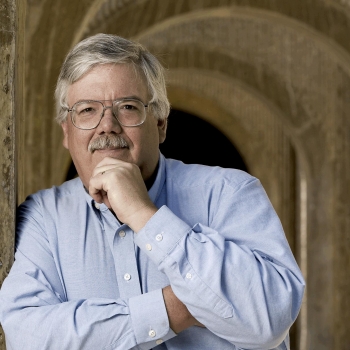
Dewey G. McCafferty is Professor of Chemistry at Duke University with appointments in Biochemistry and the Duke Cancer Institute. His research focuses on chemical biology of chromatin-modifying enzymes and ubiquitin signaling pathways relevant to neurodegeneration and infection. Notable work includes discovering the lasso peptide antibiotic Arcumycin, characterizing the Nedd4 ubiquitin ligase in Parkinson's disease models, and developing chemoproteomic approaches for target identification. Key contributions include elucidation of the futalosine pathway in Chlamydia infections, mechanisms of CPAF protease in bacterial pathogenesis, and engineering of histone demethylase enzymes. McCafferty received the Eli Lilly Award in Biological Chemistry (2005) and directs NIH-funded projects on ubiquitin ligases in neurodegeneration.
Torben Barington is a Clinical Professor at the Department of Clinical Research, Faculty of Health Sciences, University of Southern Denmark, and a Consultant at the Department of Clinical Immunology, Odense University Hospital. He has held this position since August 2001 and continues to be actively involved in research, teaching, and clinical leadership. MD, University of Copenhagen, 1987 Doctoral Thesis (dr.med.), University of Copenhagen, 1996 Specialist in Clinical Immunology, 1998 His research focuses on cellular immunotherapy of cancer , particularly using CAR T-cell and CAR NK-cell technologies, primary immunodeficiencies , and the B-lymphocyte repertoire and immunoglobulin genes . His work bridges fundamental immunology with clinical applications in oncology and immunodeficiency disorders. His recent publications (2024–2025) highlight advancements in CAR T/NK-cell characterization, cytotoxicity assays, clinical translation, and tumor microenvironment interactions. These works reflect a strong trend toward translational immunology , with emphasis on personalized cancer therapy , single-cell technologies , and clinical trial development . Scientific Awards: Aage og Edith Dyssegaards Fonds æreslegat (1993) Silver Medal, University of Copenhagen (1981) He has supervised over 30 thesis students and currently mentors several graduate students in CAR-based cancer immunotherapies. He serves as an examiner for PhD defenses at both the University of Southern Denmark and the University of Copenhagen. He is also actively involved in national scientific leadership, including as Chairman of the Scientific Committee of the Danish Blood Donor Organization since 2011 and as a member of the Advisory Board for Clinical Immunology in the Region of Southern Denmark since 2007. His research is conducted in collaboration with multidisciplinary teams focusing on cellular immunotherapy , clinical immunology , and translational hematology , often in partnership with Odense University Hospital and national blood and immunology networks.
Dr. Channakeshava S. Umeshappa is a faculty member in the Department of Microbiology & Immunology and Department of Pediatrics at Dalhousie University, Canada . He holds a PhD in Immunology from the University of Saskatchewan and completed postdoctoral training at the University of Calgary. Education : DVM (Karnataka Veterinary Animal and Fisheries Sciences University, India), MVSc (Indian Veterinary Research Institute, India), PhD (University of Saskatchewan, Canada) Research Interests : Dr. Umeshappa’s program focuses on immunoregulation in chronic diseases , particularly autoimmunity and cancer. His lab employs genetically modified murine models , omics , synthetic biology , flow cytometry , and imaging to develop immunotherapies. His work emphasizes interdisciplinary collaboration with clinicians and scientists. Article Trends : Recent publications highlight nanomedicine applications in autoimmune liver disease (e.g., peptide-MHC nanomedicines, invariant NKT cell reprogramming) and cancer therapy (e.g., laser-responsive nanoparticles, tumor-to-lymph gels). Studies span immuno-informatics , cell signaling , and clinical outcomes analysis.
Dr. Jacques Archambault is a Professor in the Department of Microbiology and Immunology at McGill University , and an associate member of the Division of Experimental Medicine since 2016. His research focuses on the molecular biology and pathogenesis of human papillomaviruses (HPVs) and polyomaviruses (HPyVs), with an emphasis on their replication mechanisms as episomes in host cells. The Archambault laboratory employs functional genomics, proteomics, and chemical biology approaches to identify cellular pathways exploited by these viruses and develop high-throughput assays for screening small molecule inhibitors of viral replication. Analysis of his recent publications reveals a strong focus on HPV and HPyV replication machinery, including studies on the E1 helicase, UAF1-USP1 interactions, and structural characterization of viral proteins involved in DNA replication. His work bridges virology, oncology, and drug discovery, particularly targeting oncogenic HPV types implicated in anogenital and oropharyngeal cancers, as well as HPyVs like BKPyV and JCPyV that cause pathologies in immunosuppressed patients. Current efforts in the lab aim to elucidate the molecular mechanisms by which HPVs and HPyVs replicate their genomes and to develop antiviral therapies targeting these processes. Techniques such as fluorescence anisotropy, NMR spectroscopy, and crystallography are frequently employed to study protein-DNA and protein-protein interactions critical to viral replication.
Alexa Siddon, MD, is an Assistant Professor in the Department of Laboratory Medicine at Yale School of Medicine, with secondary appointments in Pathology. She serves as Hematopathology Fellowship Director, Director of the Molecular Diagnostics Laboratory, Director of Flow Cytometry, and Associate Director of the Hematology Laboratory. She is also affiliated with the Yale Cancer Center, Clinical Flow Cytometry Laboratory, and the Hematopathology Laboratory at the Veteran Affairs Connecticut Healthcare System. Dr. Siddon's research focuses on hematopathology, particularly myeloid malignancies, acute leukemias, and post-transplant monitoring. Her work integrates molecular diagnostics, flow cytometry, and genomic analysis to improve patient diagnosis and outcomes. She has co-authored over 10 peer-reviewed articles in recent years, frequently collaborating with leading hematologists and pathologists such as Christopher Tormey, Henry Rinder, and Rory Shallis. Her publications reveal a strong trend in translational research, emphasizing the clinical implications of genetic mutations (e.g., TP53, NPM1, IDH1/2), chimerism testing post-transplant, and immunophenotypic characterization of hematologic malignancies. The research spans disciplines including oncology, molecular biology, immunology, and clinical pathology, with a clear focus on precision diagnostics and prognostic modeling. Scientific Awards: ASCP Distinguished Educator Award Paul J. Strandjord Young Investigator Award Donald H. Buchholz Research Prize Dr. Siddon is actively involved in medical education, directing fellowship programs and mentoring trainees. She has no reported grants listed in the text, but her leadership in diagnostic laboratories and active publication record suggest ongoing research funding. She is not part-time, not retired, and remains a current, active faculty member. She is affiliated with multiple research entities including the Cancer Immunology Center, Center for Biomedical Data Science, and the Yale Cancer Center, contributing to interdisciplinary teams focused on hematologic malignancies and diagnostic innovation.
Tom Williams is a Professor in the Department of Life Sciences at the University of Bath, where he conducts cutting-edge research in computational evolutionary biology. His work focuses on understanding the history of life and evolutionary processes through phylogenetics, comparative genomics, and bioinformatics approaches. Williams' research interests span several interconnected areas in evolutionary biology. He investigates the structure of the "tree of life," the phylogenetic position of eukaryotic cells, and the origin of eukaryotes including their archaeal and bacterial ancestry. His work also examines the nature of early life forms (including LUCA - the common ancestor of all life), the course of metabolic evolution, and co-evolutionary relationships among microbes. His research contributes to UN Sustainable Development Goals related to environmental protection and scientific understanding. His recent publications demonstrate a strong focus on microbial evolution, particularly examining bacterial and archaeal lineages, the evolution of metabolic pathways, and the genomic basis of evolutionary adaptations. Williams employs computational approaches to analyze large-scale biological datasets, contributing to our understanding of life's history from deep time to the present. Williams actively supervises doctoral students and appears to be engaged in significant collaborative research projects across international boundaries, as evidenced by his extensive publication record and diverse co-author networks.
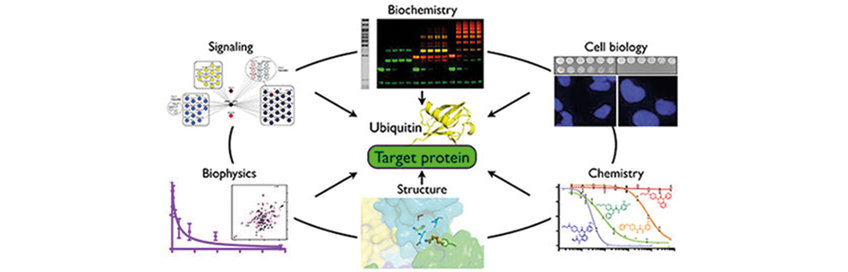
Brenda Schulman is a Professor and Director of the Molecular Machines and Signaling Pathways department at the Max Planck Institute of Biochemistry in Martinsried, Germany. She also holds an honorary professorship at the Technical University of Munich's Department of Chemistry and serves as Adjunct Faculty at St. Jude Children's Research Hospital in Memphis, TN, USA. Her research focuses on understanding how ubiquitin and ubiquitin-like proteins regulate cellular processes through protein modification. Dr. Schulman's research interests center on structural biology of the ubiquitin-proteasome system and ubiquitin-like proteins. Her work has shown that hundreds of dynamic multiprotein complexes are transiently converted into different conformations by specialized regulatory factors that control ubiquitin and ubiquitin-like proteins, thereby monitoring virtually all processes in cell biology. She combines biochemical reconstitution, structural analysis, enzymology, protein design, cell biology, and genetics to understand how these molecular machines function. Her research has significant implications for understanding diseases such as cancer, neurodegenerative disorders, and viral infections where defects in ubiquitin pathways are implicated. Her extensive publication record demonstrates expertise in ubiquitin signaling, protein degradation mechanisms, structural biology of E3 ligases, and molecular machines. Her work spans from fundamental mechanisms of ubiquitin chain formation to therapeutic applications in targeted protein degradation. Among her numerous scientific accolades are the Feldberg Prize for Anglo-German Scientific Exchange (2025), ERC Advanced Grant (2023), Louis-Jeantet Prize for Medicine (2023), Gottfried Wilhelm Leibniz Prize (2019), and election to the National Academy of Sciences (2014). She has also received the Dorothy Crowfoot Hodgkin Award from The Protein Society and has been an Investigator of the Howard Hughes Medical Institute. Dr. Schulman leads an active research group that has produced numerous high-impact publications in top journals including Nature, Cell, and Nature Structural & Molecular Biology. Her team has made significant contributions to understanding the structural mechanisms of ubiquitin transfer, E3 ligase specificity, and the role of ubiquitin in cellular quality control pathways. Current research in her lab focuses on deciphering the ubiquitin code and developing novel approaches for targeted protein degradation.
Dr. Fengzhu Sun is a Professor of Quantitative and Computational Biology and Mathematics at the University of Southern California. His research spans computational biology, bioinformatics, statistical genetics, and mathematical modeling, with a focus on metagenomics, protein interaction networks, and genome sequence analysis. Dr. Sun earned his Bachelors in Mathematics from Shandong University, Masters in Probability and Statistics from Peking University, and PhD in Applied Mathematics from USC. He returned to USC in 2000 as an associate professor after serving at Emory University (1995-2000), becoming a full professor in 2006. His research interests encompass protein interaction networks, gene expression, SNPs, linkage disequilibrium, and their applications in predicting protein functions, gene regulation networks, and disease gene identification. He pioneered alignment-free methods for genome and metagenome sequence comparison, with recent work focusing on virus-host interactions in metagenomic data. His publication record shows consistent innovation, with recent work (2023-2025) emphasizing deep learning approaches (DeepMicroClass, DeepDecon, DeepLINK) and novel statistical methods. His research demonstrates strong interdisciplinary integration of computational methods with biological applications. Fellow of American Association for the Advancement of Sciences (AAAS, 2012) Fellow of American Statistical Association (ASA, 2015) Fellow of Institute of Mathematical Statistics (IMS, 2023) Fellow of International Society for Computational Biology (ISCB, 2024) Fellow of Asia-Pacific Artificial Intelligence Association (AAIA, 2025) Member of International Statistical Institute (ISI, 2012) USC Mellon Mentoring award for faculty mentoring (2012) USC Dornsife College senior Raubenheimer Outstanding Faculty Award (2017) Dr. Sun has mentored numerous successful students and postdocs, many now in academic positions or at leading tech and biotech companies. His research group develops computational methods for complex biological data analysis, with current focus on advanced deep learning for metagenomic classification, cancer cell fraction estimation, and virus-host interaction analysis. He has created influential software tools including DeepMicroClass, ImputeCC, DeepDecon, and ViralCC that have become standard resources in computational biology.
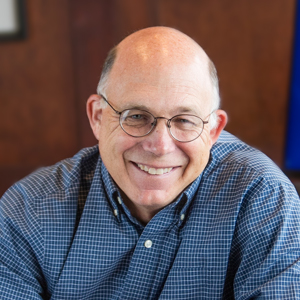
Henry T. Greely is the Deane F. and Kate Edelman Johnson Professor of Law and Professor (by courtesy) of Genetics at Stanford University . He serves on multiple administrative and advisory roles, including Director of the Stanford Center for Law and the Biosciences and Chair of the Stanford Center for Biomedical Ethics. His work bridges bioethics , neuroscience , genetics , and public policy , focusing on the ethical, legal, and societal impacts of emerging biosciences. Education: JD from Yale Law School (1977), AB in Political Science from Stanford University (1974) Key Research Areas: Neuroethics (predictive neuroscience, mind-reading, cognitive enhancement) Genetic Ethics (prenatal testing, genomic biobanks, whole genome sequencing) Stem Cell Law (chimeras, regulatory challenges) Affiliations: Bio-X Faculty Wu Tsai Neurosciences Institute Institute for Human-Centered AI His recent publications address AI misuse in biomedicine, human embryo editing, and cross-cultural chimeric research ethics. Awards include AAAS Fellow (2007) and the Richard M. Lyman Award (2013).
Jianping Fu is a Professor in the Department of Mechanical Engineering at the University of Michigan , with joint appointments in Biomedical Engineering and Cell and Developmental Biology. His research integrates micro/nanoengineering , mechanobiology , and stem cell biology to model human development and disease. Education: PhD (MIT, 2007), BE (University of Science and Technology of China, 2000) His research interests focus on stem cell bioengineering , developmental bioengineering , and mechanobiology , particularly in modeling early post-implantation human development, neural tube formation, and pluripotent stem cell mechanoregulation. His work combines biomimetic culture systems with microfluidic gradients to study embryogenesis and organogenesis. Recent publications highlight advances in human embryo modeling (2024 Cell, Nature, Cell Stem Cell), neural tube patterning (2024 Nature), and mechanobiology of stem cells (2024 Nature Reviews Physics). These studies emphasize computational methods , single-cell analysis , and standardization of embryo models . Scientific honors include: Friedrich Wilhelm Bessel Research Award (2022) ISSCR Merit Award (2024) Fellow, American Institute for Medical and Biological Engineering (2019) NSF CAREER Award (2012) Life Member, World Association of Chinese Biomedical Engineers (2024) Dr. Fu mentors extensively, with 20+ alumni including PhD students and postdocs now in academic and industry positions. His lab has received $3M NIH funding for immunological diagnostics and MTRAC grants for translational research. Collaborations with institutions like Cincinnati Children's Hospital and Rice University enhance his interdisciplinary approach to regenerative medicine.
Michael Rosenzweig, M.D., M.S., serves as Associate Professor and Chief of the Division of Multiple Myeloma in the Department of Hematology & Hematopoietic Cell Transplantation at City of Hope. A board-certified hematologist-oncologist, he directs the amyloidosis program and specializes in plasma cell disorders including multiple myeloma, AL amyloidosis, Waldenstrom macroglobulinemia, and POEMS syndrome. His educational background includes: B.A. in Psychology from Emory University (1989-1993) M.S. in Physiology and Biophysics (1993-1994) M.D. from University of Arizona College of Medicine (1997-2001) Internal Medicine Residency and Hematology/Oncology Fellowship at Boston Medical Center (2001-2009) Bone Marrow Transplantation Fellowship at Memorial Sloan Kettering Cancer Center (2009-2011) Dr. Rosenzweig's research focuses on novel therapeutic strategies for plasma cell disorders, with particular emphasis on smoldering myeloma intervention and amyloidosis treatment optimization. He actively investigates drug repurposing (leflunomide), monoclonal antibodies (daratumumab), and CAR-T therapies targeting CS1 for light chain amyloidosis. His clinical work involves multidisciplinary collaboration with cardiology, nephrology, and neurology for comprehensive amyloidosis management. His publication record demonstrates consistent focus on translational and clinical research in plasma cell malignancies, with recent work spanning from preclinical CAR-T studies to phase I/II trials of novel combinations for relapsed/refractory disease. Key themes include treatment sequencing, biomarker development, and addressing rare amyloid subtypes. Scientific recognition includes: 2021 IDEA Grant for AL amyloidosis detection 2020 Pfizer grant for TTR amyloidosis management (Co-PI) 2018 Steven Gordon Innovation Grant 2015 David Seldin Research Grant 2013 ASBMT Clinical Research Scholar As an educator, Dr. Rosenzweig mentors hematology-oncology fellows and leads clinical trials through industry partnerships and investigator-initiated grants. His current research portfolio emphasizes diagnostic pathway optimization and therapeutic strategies for precursor conditions. He practices at Duarte Cancer Center with active involvement in the plasma cell disease team and hematopoietic cell transplantation program.
Dr. Ype P. de Jong is an Assistant Professor of Medicine at Weill Cornell Medical College of Cornell University and an Attending Physician at New York-Presbyterian Hospital. He completed his medical and doctoral training at the University of Amsterdam, followed by internal medicine and gastroenterology fellowships at Mount Sinai Hospital, New York. His research focuses on hepatitis virus immune evasion, liver disease modeling, and gene therapy applications. Education M.D., University of Amsterdam Faculty of Medicine (2003) Ph.D., University of Amsterdam (2002) Research Interests Dr. de Jong investigates hepatitis virus persistence mechanisms, develops advanced liver disease models, and explores gene therapy applications for hemophilia and liver conditions. His work bridges clinical hepatology with translational research on viral immune evasion and hepatocyte engineering. Scientific Awards Cum Laude (PhD thesis), University of Amsterdam (2002) Hippocrates Prize (Best Medical Thesis in Netherlands), Leiden University (2003) Appointments Assistant Professor of Medicine, Weill Cornell Medical College Attending Physician, New York-Presbyterian Hospital Visiting Clinical Fellow, The Rockefeller University
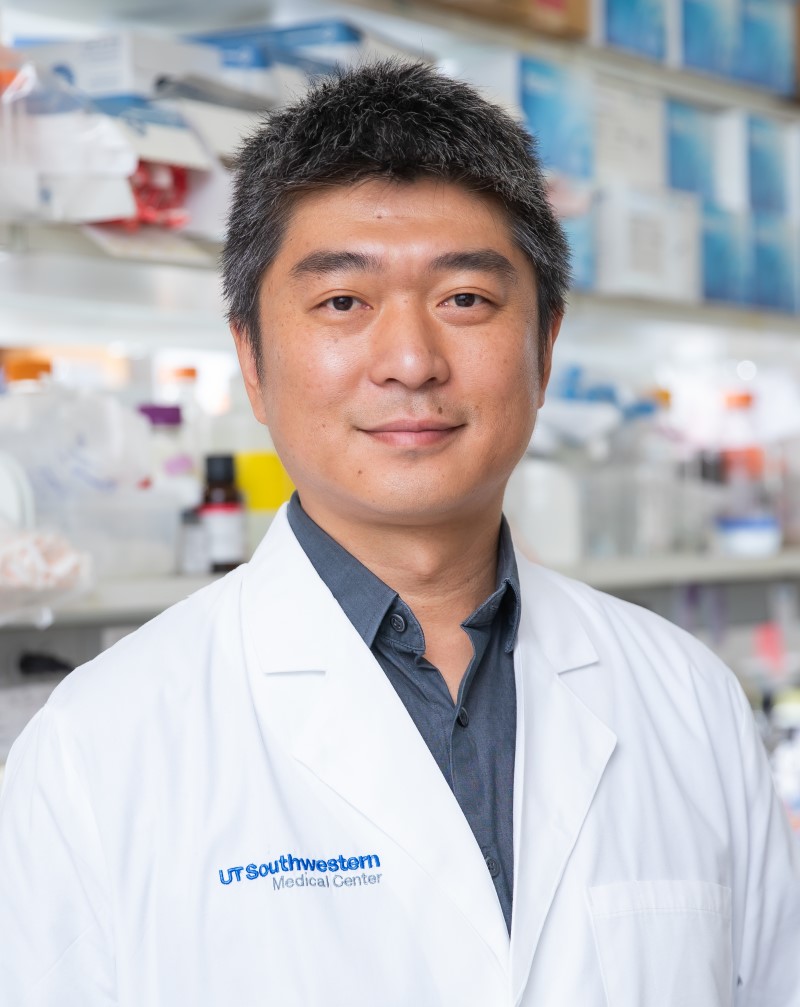
Dr. Jun Wu is an Assistant Professor in the Department of Molecular Biology at UT Southwestern Medical Center. He holds a PhD in Life Science from the University of Tennessee and completed postdoctoral training at the University of Southern California and the Salk Institute. His research focuses on stem cell biology, genome editing, and interspecies chimeras to advance regenerative medicine and developmental biology. Education: Bachelor of Medicine, Shandong University School of Medicine (China) PhD in Life Science, University of Tennessee (2013) Postdoctoral Fellowships: USC (2013-2015) and Salk Institute (2015-2017) Research Interests: Generation of pluripotent stem cells with distinct molecular/phenotypic features Development of interspecies blastocyst complementation systems Modeling peri-implantation human development using stem cell embryo models Study of species-specific developmental barriers and evolutionary biology Application of chimeras to study cancer resistance and organ size determination Lab Activities: The Wu Lab develops stem cell models to study mammalian development and create regenerative therapies. Key projects include: Creation of interspecies chimeras (human-monkey, rat-mouse) Development of blastoids and peri-gastruloids Analysis of species-specific cell competition mechanisms Engineering cross-species organogenesis systems Grant Activities: Focuses on NIH-funded projects related to stem cell biology, interspecies chimerism, and regenerative medicine applications. Collaborates with institutions like Salk Institute and University of California campuses. Lab Team: Includes postdoctoral researchers like Dr. Yi Ding and a multidisciplinary team of molecular biologists, bioengineers, and computational biologists.
Andrew Godwin is a Professor at the University of Kansas Medical Center , where he serves as the Chancellor’s Distinguished Chair in Biomedical Sciences and Director of Molecular Oncology in the Department of Pathology and Laboratory Medicine. He is also the Deputy Director of the NCI-designated University of Kansas Cancer Center and the Founding Director of the Kansas Institute for Precision Medicine and Biospecimen Shared Resource . Dr. Godwin is a leader in translational research and precision medicine , with a focus on molecular oncology , biomarker discovery , and genomic diagnostics . His work bridges basic and clinical science to improve cancer patient care, particularly in ovarian cancer , Ewing sarcoma , and breast cancer . He has contributed over 230 ovarian cancer-related publications and pioneered studies linking the PI3K/AKT pathway to cancer treatment targets. His research program encompasses liquid biopsies using extracellular vesicles , molecular therapeutics , companion diagnostics , and clinical trial validation . He leads the Biomarker Discovery Laboratory and has secured over $250M in extramural funding , including a $11.4M NIH grant for precision medicine initiatives. His team has developed CELLSEARCH® , the first FDA-cleared test for circulating tumor cells. Notable awards include the Dolph C. Simons, Sr. Higuchi Award (2020), Outstanding Mentorship in Pathology Award (2024), and multiple mentoring accolades from KU. He has mentored over 150 trainees across career stages and leads a multidisciplinary lab with expertise in genomics , proteomics , and bioengineering . Academic Roles: Chancellor’s Distinguished Chair in Biomedical Sciences Director, Molecular Oncology, Pathology and Laboratory Medicine Deputy Director, KU Cancer Center Founding Director, Kansas Institute for Precision Medicine Adjunct Professor, Bioengineering Program, University of Kansas Scientific Awards: KUMC Achievement Award for mentoring postdocs (2014) Chancellor’s Club Award for Research (2018) Dolph C. Simons, Sr. Higuchi Award (2020) KU Excellence in Mentoring Award (2021) Outstanding Mentorship in Pathology (2024) Key Research Themes: Extracellular vesicles as liquid biopsy tools Molecular mechanisms of sarcoma and breast cancer Genomic diagnostics and precision oncology Clinical trial biomarker validation Biospecimen repository leadership
Peter Schultz, PhD, is the President and CEO of Scripps Research, holding the L.S. “Sam” Skaggs Presidential Chair in the Department of Chemistry. He has been a faculty member since 1999, previously at UC Berkeley. His research spans synthetic biology, genetic code expansion, and drug discovery, with a focus on engineering organisms and molecules for biological and medical applications. Education: Ph.D. in Chemistry, California Institute of Technology (1984) B.S. in Chemistry, California Institute of Technology (1979) Research Interests: Expanding genetic codes to incorporate noncanonical amino acids in organisms Engineering endosymbiotic systems to study mitochondrial evolution Developing small molecules for cancer, stem cell therapies, and neglected diseases Designing antibodies and CAR-T cells for targeted therapies Article Trends: Recent work emphasizes small molecule therapies for cancer and fibrosis, synthetic biology applications in endosymbiosis, and genetic code expansion for protein engineering. Key themes include drug repurposing, targeted drug delivery, and molecular mechanisms of biological systems. Awards: Wolf Prize in Chemistry (1994) National Academy of Sciences Member (1993) Paul Ehrlich-and Ludwig Darmstaedter Prize (2002) National Academy of Inventors Fellow (2015) Advising & Grants: Supervises ~15 graduate students and postdocs annually. Secured funding from NSF, NIH, and industry partnerships. Over 85 former students hold academic positions globally. Labs/Teams: Heads the Schultz Lab at the Chi-Huey Wong Laboratories, focusing on biologically inspired synthesis and translational research.