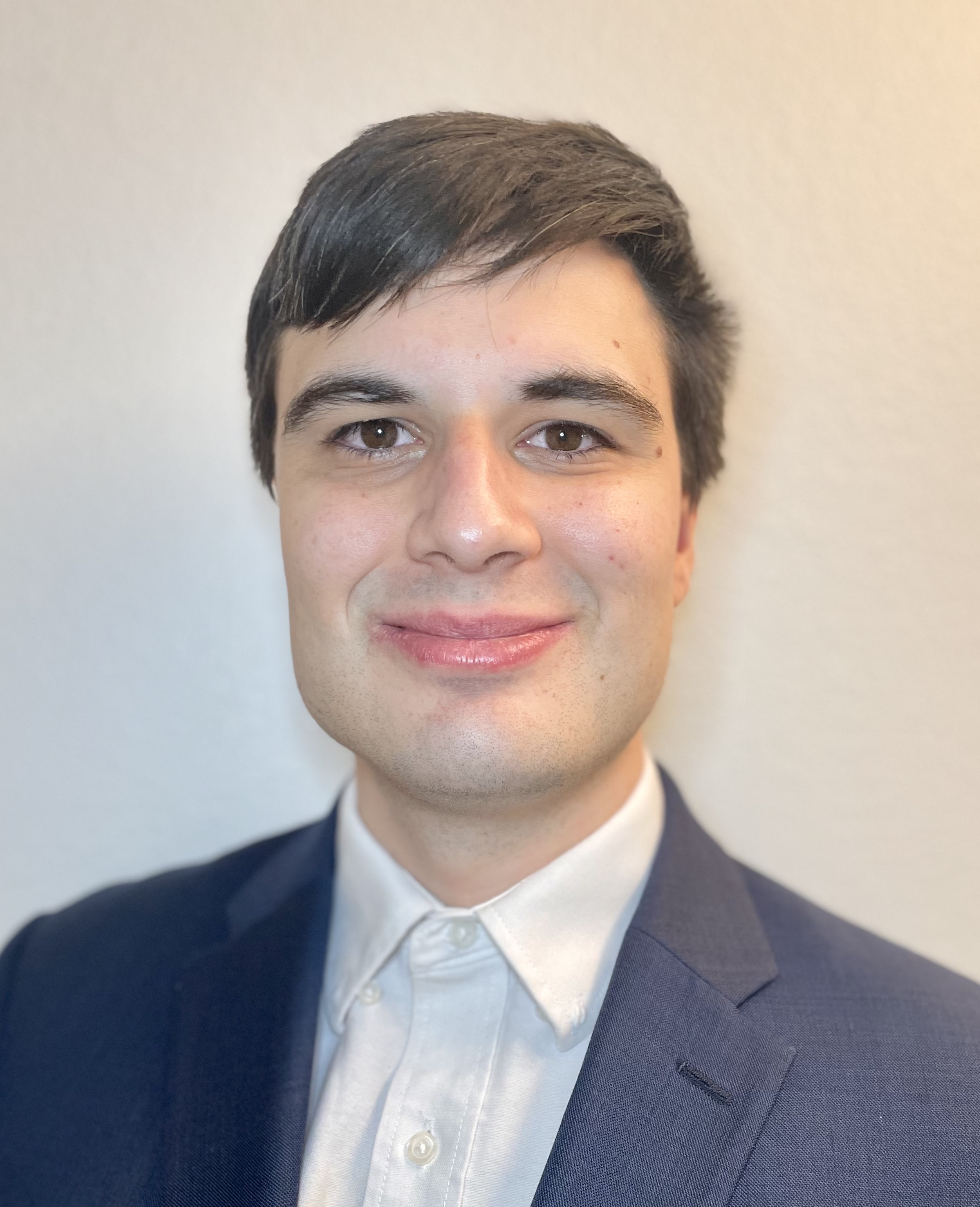
James E Miller is a Professor of Politics and Liberal Studies and the Faculty Director of the MA in Creative Publishing and Critical Journalism at The New School for Social Research (Eugene Lang College of Liberal Arts). He holds a PhD in the History of Ideas from Brandeis University (1976). His work focuses on democracy, philosophy as a way of life, social movements, and intellectual history. He is a Guggenheim Fellow, NEH Fellow (twice), and Cullman Center Fellow. Notable publications include *Can Democracy Work?* (2018), *The Passion of Michel Foucault* (1993), and *Democracy Is in the Streets* (1987). Miller’s writing spans academic journals (*History and Theory*, *Political Theory*) and popular media (*The New York Times*, *Rolling Stone*). His research interests include radical social theory, 18th-century intellectual history, and the interplay of philosophy and political action. Recent articles explore tolerance in organ transplantation, historical democracy, and critical theory. Awards include the ASCAP-Deems Taylor Award for music writing (*Flowers in the Dustbin*, 1999) and National Book Critics Circle nominations. Teaching includes advanced courses in politics, liberal studies, and independent research supervision. His work bridges academic rigor with public engagement, reflecting a commitment to critical scholarship and interdisciplinary dialogue.
Susanne Polywka is a Senior Lecturer and Medical Specialist in Microbiology, Virology, and Infectious Disease Epidemiology at the University Medical Center Hamburg-Eppendorf (UKE). She holds dual leadership roles as Head of Microbiology at the Outpatient Health Care Center and Head of the Hepatitis/HIV Department. Affiliated with the Faculty of Medicine and the Department of Medical Microbiology, Virology and Hygiene, her work emphasizes clinical and translational research in viral infections, particularly hepatitis E and HIV. Her research focuses on viral hepatitis pathogenesis, blood-borne infections in immunocompromised patients, and the clinical management of co-infections. Key projects include investigating hepatitis E transmission risks via blood products, immune responses in chronic infections, and the development of preclinical models for antiviral drug evaluation. Dr. Polywka is actively involved in professional organizations such as the Deutsche Gesellschaft für Hygiene und Mikrobiologie (DGHM) and the European Association for the Study of the Liver (EASL). She contributes to guideline development for post-exposure management of infectious injuries and maintains clinical expertise in virology diagnostics and epidemiology.
John Maher is a Clinical Senior Lecturer in Immunology at the Comprehensive Cancer Centre, King's College London. He leads the "CAR Mechanics" research group focused on developing cellular immunotherapy for malignancy, with significant contributions to cancer treatment research that align with UN Sustainable Development Goals for health and wellbeing. His research focuses on: Design and testing of genetically delivered Chimeric Antigen Receptors (CAR) to re-target T-cell specificity against tumor antigens Pre-clinical testing of CARs targeting prostate-specific membrane antigen, MUC1, ErbB2, and other antigens across multiple cancer types Clinical applications in breast cancer, ovarian cancer, malignant mesothelioma, prostate cancer, lymphomas, acute myeloid leukemia, and pancreatic cancer Development of adoptive immunotherapy using ex-vivo expanded γδ T-cells Dr. Maher's work has progressed from laboratory research to clinical application, with his first CAR-based immunotherapy trial initiated in 2015 for recurrent head and neck cancer. His recent publications reveal a strong focus on overcoming resistance mechanisms in solid tumors and optimizing CAR T-cell therapies for better efficacy in challenging cancer types. His notable recognition includes the Health Foundation/Royal College of Pathologists senior clinician scientist research fellowship (2004). His research has resulted in numerous scientific publications and patents, with proprietary CAR technologies being developed through the spin-out company Leucid Bio. He actively supervises students and researchers, with documented supervised work. His research is supported by multiple grants from Cancer Research UK, Medical Research Council, and various foundations. He maintains extensive collaborations with research groups at King's College London, St Bartholomew's Hospital, and Imperial College London.
Preet M Chaudhary is Professor of Medicine and Bloom Family Chair in Lymphoma Research at the University of Southern California . He serves as Chief of the Jane Anne Nohl Division of Hematology and Center for Blood Diseases within the Department of Medicine, and Director of the USC/Norris Blood and Marrow Transplant Program . As a physician-scientist at the USC Norris Comprehensive Cancer Center , he focuses on cancer drug resistance , hematopoietic stem cell biology , and CAR T-cell therapy development . Education : MD and PhD in Medical Sciences Patents : 6 U.S. patents Peer Review : Reviewed for NIH, Leukemia & Lymphoma Society, and international agencies Honor Societies : Elected member of American Society for Clinical Investigations Research Interests span hematologic malignancies , NF-κB signaling , and transplantation outcomes , particularly in Kaposi's sarcoma-associated herpesvirus (KSHV)-related cancers . His lab explores microtransplantation , immune evasion mechanisms , and cytotoxic assay development to improve therapies for leukemias , lymphomas , and solid tumors . Scientific Awards include: Leukemia & Lymphoma Society Translational Research Award (2005–2008, 2008–2011) Multiple Myeloma Research Foundation Senior Research Award (2005–2006) Damon Runyon-Walter Winchell Postdoctoral Fellowship (1995–1998) Howard Hughes New Faculty Start-Up Award (1998–2001) March of Dimes Pre-doctoral Fellowship (1990–1992) His 15 most recent publications (2025–2020) focus on acute leukemias , transplantation outcomes , and innovative cytotoxicity assays , with recurring themes in programmed cell death pathways , drug synergy , and KSHV oncogenesis .
Dr. Martin Mau is the Genomics Laboratory Manager at the Western College of Veterinary Medicine (WCVM) within the University of Saskatchewan. He leads the Omics Resource Centre and manages the IntegrOmes initiative focused on sustainable animal agriculture. Holding a PhD in Natural Sciences from Heidelberg University and a Diploma in Biology from the University of Würzburg, his expertise lies in plant genomics, reproductive biology, and biotechnology. His research emphasizes understanding and harnessing asexual reproduction mechanisms in plants to enhance crop productivity and sustainability. Education: PhD in Natural Sciences (with honors), Heidelberg University, Germany (2010s) Diploma in Biology, University of Würzburg, Germany Research Interests: Dr. Mau investigates reproductive biology, comparative genomics, and plant breeding strategies. He focuses on apomixis (asexual seed production) in plants like Boechera and Brassica crops, aiming to improve agricultural practices through genetic innovation. His work includes large-scale genome studies to identify genes driving asexual traits and developing breeding strategies to stabilize hybrid vigor in crops like canola. Grants & Projects: He has led/co-led projects such as the APOLLO initiative (IPK-USask collaboration), studies on pollen sorting in Boechera, and projects funded by ADF/SaskCanola, CLS, and the Government of Canada. These projects explore genetic pathways for female gametogenesis, apomixis transfer to crops, and mini-chromosome development in canola. Labs/Teams: He oversees the Omics Resource Centre at WCVM, integrating genomic tools for agricultural research. His work bridges basic research and applied solutions for sustainable food systems. Additional Interests: Enjoys outdoor activities and volunteers at the YMCA Saskatoon, reflecting his commitment to community engagement alongside scientific pursuits.
Susantha Gomis is a Professor and Head of the Department of Veterinary Pathology at the University of Saskatchewan. His academic credentials include a BVSc from the University of Peradeniya (Sri Lanka, 1986), an MVetSc (1992), a PhD (1995), and Diplomate status from the American College of Veterinary Pathologists (ACPV, 2004). His research focuses on bacterial diseases in poultry and mammals, particularly pathogenesis and control strategies involving CpG-ODN immunomodulation, avian immune responses, and poultry health management. Recent work includes studies on CpG-ODN delivery mechanisms, beak treatment effects on welfare, and multidrug-resistant bacteria in poultry production. He maintains an active research lab and has published extensively in peer-reviewed journals such as Scientific Reports , Poultry Science , and Antiviral Research . Key research themes include: CpG-ODN mediated immunity in neonatal chicks Pathogen reservoirs in poultry hatcheries Impact of infrared beak treatments on production and welfare Emerging avian viral and bacterial pathogens His publications (2015-2020) consistently address poultry health challenges, with recent trends toward nanotechnology applications in veterinary vaccines and immunomodulation strategies. No scientific awards are explicitly mentioned, though his work contributes significantly to poultry disease management. Advising and grants: While formal advisee names aren't listed, his collaborative research indicates extensive mentoring of graduate students. Lab activities focus on infectious disease research with a particular emphasis on poultry systems. No specific grant details are provided in the text.
Janna Moen is a Research Fellow at the Yale School of Medicine, Yale University. Her work focuses on neurobiological mechanisms underlying nicotine and alcohol addiction, particularly exploring nicotinic acetylcholine receptors' roles in synaptic plasticity, reward pathways, and sex-dependent behaviors. She investigates how drugs like sazetidine-A modulate aversion responses and examines co-consumption patterns of alcohol and nicotine in rodent models. Her research spans molecular pharmacology, behavioral neuroscience, and translational drug development. Key research areas include: Nicotinic receptor regulation and function in the habenula and nucleus accumbens Sex differences in addiction vulnerability Development of pharmacological interventions targeting nicotine/alcohol interactions Prior contributions include studies on P-glycoprotein's structural tolerance and drug transporter pharmacology, highlighting her expertise in both addiction neurobiology and molecular biology.
Dr. Alexandre Gaspar Maia is an Associate Professor in the Department of Laboratory Medicine and Pathology at Mayo Clinic, Rochester, Minnesota. He leads the Functional Epigenomics Laboratory within the Center for Individualized Medicine, focusing on epigenomic profiling and cancer stem cell research. His academic roles include serving as Associate Director of the Epigenomics Program and holding appointments in Pharmacology. Education : Ph.D. in Molecular Biology, University of Coimbra (2010) Postdoctoral Fellowship in Chromatin Biology, Icahn School of Medicine at Mount Sinai (2016) Bachelor of Science in Aquatic Sciences, University of Porto (2002) Research Interests : Epigenomics, cancer stem cells, tumor heterogeneity, ovarian cancer, single-cell sequencing technologies (RNA-seq, ATAC-seq), CRISPR/Cas9-based mechanisms, and microfluidic organoid cultures. His work integrates advanced sequencing and bioinformatics to target transcriptional dependencies in cancer. Professional Highlights : Recipient of multiple awards, including the Career Enhancement Program Award (Breast SPORE, 2022–2024) and DoD Ovarian Cancer Academy Junior Investigator (2021–2025). Developed novel methodologies for single-cell multi-omics analysis and functional validation of epigenetic regulators. Lab & Collaborations : Directs the Functional Epigenomics Lab, collaborating on projects involving tumor heterogeneity, personalized medicine, and regenerative sciences curriculum development. Active in initiatives like the Mayo Clinic Comprehensive Cancer Center and Molecular Pharmacology research programs.
Stephanie K. Dougan is an Investigator at the Dana-Farber Cancer Institute and holds dual faculty positions at Harvard Medical School as Associate Professor of Immunology and Assistant Professor of Microbiology. Her research focuses on overcoming immunotherapy resistance in pancreatic cancer through innovative mouse models and immunological strategies. Dr. Dougan received her PhD in Immunology from Harvard University, where she studied lipid antigen presentation and NKT cell development with Richard Blumberg. She then completed a postdoctoral fellowship with Hidde Ploegh at the Whitehead Institute, specializing in somatic cell nuclear transfer and CRISPR genome editing for mouse model development. Her research interests center on the immune microenvironment of pancreatic cancer, particularly why these tumors resist T cell infiltration and immunotherapy. The Dougan Lab investigates strategies to manipulate the tumor immune landscape, focusing on cytokine therapy, checkpoint blockade, and IAP antagonists to enhance anti-tumor immunity. Using transnuclear and CRISPR-modified mice, her team probes the determinants of immune response in densely fibrotic tumors. The 15 most recent publications highlight a strong focus on pancreatic cancer immunology, T cell activation, cytokine signaling, and therapeutic resistance. Key themes include the role of IFNγ in immune equilibrium, CDK4/6 inhibition in T cell memory, TGF-β blockade in chemotherapy response, and mechanisms of immune-related adverse events. Her work frequently appears in top-tier journals such as Cell , Nature , and Science Translational Medicine . GM-CSF, IL-3, and IL-5 Family of Cytokines: Regulators of Inflammation (2019) Broadening the impact of immunotherapy to pancreatic cancer: Challenges and opportunities (2019) Regulation of innate and adaptive antitumor immunity by IAP antagonists (2018) Unmasking Pancreatic Cancer: Epitope Spreading After Single Antigen Chimeric Antigen Receptor T-Cell Therapy in a Human Phase I Trial (2018) Dr. Dougan is actively involved in education and mentorship, serving as course director for the Harvard Immunology Summer Undergraduate Program, co-director for the graduate course Immunology 201, and course director for an Advanced Integrated Science course for medical students. Her lab collaborates extensively with the Hale Family Center for Pancreatic Cancer Research to profile tumor microenvironments and test targeted therapies. She has secured significant research grants supporting her work on pancreatic cancer immunology and has mentored numerous students and postdoctoral researchers who appear as co-authors on her publications. The Dougan Lab at Dana-Farber Cancer Institute is dedicated to translating basic immunological discoveries into novel cancer therapies, particularly for treatment-resistant cancers like pancreatic adenocarcinoma. The lab employs a multidisciplinary approach combining genetic engineering, immunology, and preclinical modeling to identify new therapeutic targets and combination strategies.
Jeremy R Allred is an Assistant Professor in the Transplant and Cellular Therapy department at the University of Minnesota. His research focuses on Hematology, Oncology, and Transplant Medicine, with expertise in T Cell Immunology, CAR T-cell Therapy, Stem Cell Research, and Protein Engineering. Academic Rank: Assistant Professor Institution: University of Minnesota Research Trends: His recent work explores Notch signaling inhibition, VISTA protein targeting for immune tolerance, TP53-mutated AML treatment outcomes, sarcopenia impacts in lymphoma transplants, and solid organ transplant GVHD cases. Publications span immunology, oncology, transplantation, and molecular biology disciplines. Projects & Grants: He leads research on T memory stem cell generation for CAR T therapy (funded by the American Society of Hematology) and collaborates on Notch activation modulators (NIH National Cancer Institute). Collaborations: Works with prominent researchers like Blazar, Gordon, and Tolar, spanning institutions such as the University of Minnesota Medical School.
Dr. Cesar Lopez-Camacho serves as a Group Leader and Jenner Investigator at the University of Oxford's Nuffield Department of Medicine within the Medical Sciences Division. Leading the RNA Technology Programme at the Jenner Institute, he directs research on mRNA vaccine platforms and arthropod-borne pathogen vaccines. His team comprises two postdoctoral scientists and two DPhil students developing novel Lipid Nanoparticle delivery systems. His research spans mRNA vaccine development , viral-vectored vaccines , and arbovirus immunopathogenesis . Specializing in Dengue, Zika, Chikungunya, and malaria vaccines, his work integrates molecular cloning, in-silico gene design, and immune response analysis. During the pandemic, he engineered SARS-CoV-2 antigens for diagnostics and immune monitoring while serving on the UK Parliament's COVID-19 Expert Database and National Testing Scientific Advisory Panel. Analysis of his 15 most recent publications reveals dominant focus on coronavirus variant immune evasion (70% of 2020-2021 work), malaria vaccine platforms (2024 lead publication), and cross-protective alphavirus immunity . His research consistently bridges structural virology with translational vaccinology, emphasizing pre-clinical validation in murine models. Ohtli Award from Mexican Government (2021) JFF Grant for mRNA Platform Development NIHR Capital Fund for mRNA Core Facility Dr. Lopez-Camacho advises DPhil students in the Jenner Institute's graduate program while managing multiple grants including the JFF award and NIHR funding. His team operates the newly established mRNA core facility supporting internal and external pre-clinical research. Current projects include combination arbovirus vaccines and next-generation LNP formulations for enhanced immunogenicity.
Associate Professor Carmine Gentile leads the Cardiovascular Regeneration Group at the University of Technology Sydney (UTS) and the Heart Research Institute. He holds an Associate Professor position in the School of Biomedical Engineering under the Faculty of Engineering and IT. His expertise spans 3D bioprinting, stem cell technologies, and cardiovascular disease treatment. Gentile's research focuses on developing bioengineered heart tissues using patient-specific 'mini-hearts' as bioinks to address heart failure and myocardial infarction. He earned his PharmD and PhD from the University of Pisa and Medical University of South Carolina. Since 2013, he has held roles at UTS, the Heart Research Institute, and the University of Sydney. Key achievements include pioneering 3D bioprinted cardiac patches, photosynthetic microorganism integration for tissue oxygenation, and vascularized cardiac spheroid models. His work has been supported by over 20 grants from institutions like Heart Research Australia and the American Heart Association. Notable awards include the Catholic Archdiocese of Sydney Stem Cell Research Grant and a prestigious American Heart Association Fellowship. Gentile has supervised numerous projects in biomaterials, cardiovascular regeneration, and translational medicine. His lab collaborates with industry and clinicians to accelerate bench-to-bedside translation. Current projects include personalized cardiac patches, maternal cardiovascular risk modeling post-pregnancy complications, and cholinergic system-based cardioprotection strategies.
Dr. Caroline Cameron is a Professor in the Department of Biochemistry and Microbiology at the University of Victoria. Her research focuses on understanding the molecular mechanisms of Treponema pallidum pathogenesis, syphilis vaccine development, and improved diagnostic methods for sexually transmitted infections. She holds a BSc and PhD from the University of Victoria. Her laboratory investigates host-pathogen interactions, posttranslational modifications of spirochete proteins, and the development of novel vaccine candidates. Key projects include the identification of vaccine antigens and the creation of direct diagnostic tests for syphilis. Recent NIH funding supports her work on syphilis diagnostics. Research interests span: Molecular pathogenesis of spirochete bacteria Vaccine design and manufacturing challenges Proteomic analysis of bacterial proteins Her team collaborates on translational research, bridging basic science with clinical applications. Students supervised include Master’s candidate Angela Mitchell (awarded Greig Cosier Memorial Scholarship) and PhD candidate Sean Waugh (Ray Hadfield Memorial Fellowship recipient). Labs/Teams: Cameron Laboratory, Department of Biochemistry and Microbiology, University of Victoria. Team members include Research Associate Simon Houston, Postdoctoral Fellow Mara Goodyear, and Lab Manager Alloysius Martin Gomez.
Peter Yiğitcan Washington is an Assistant Professor in the Department of Medicine at the University of California, San Francisco (UCSF), within the Division of Clinical Informatics and Digital Transformation. He leads the UCSF TECH Lab, focused on consumer digital health informatics. His work leverages data from wearables and consumer health devices to create actionable health insights, emphasizing ethical and human-centered AI practices. Teaching and Mentorship: Advises students through UC Berkeley’s URAP program and co-advises PhD students at University of Hawaii and Stanford. Offers teaching in Clinical Artificial Intelligence (UCSF), Human-Centered Data Science (University of Hawaii), and Machine Learning courses. Hosts summer research interns via the UCSF Summer Student Research Program and collaborates with industry and academic partners. Research Interests: Development of AI-driven diagnostics and therapeutics using consumer device data. Focus on privacy-preserving informatics, bias mitigation in healthcare algorithms, and qualitative analysis of health interventions. Specializes in multimodal learning on time-series data, mobile/web development for health tools, and human subjects study recruitment. Advising and Collaborations: Currently co-advises 5 PhD students at University of Hawaii and 1 at Stanford. Actively pursues grants to expand the UCSF TECH Lab’s research capacity. Will be on paternity leave in mid-2025, temporarily limiting new trainee intake. Lab and Teams: UCSF TECH Lab collaborates with UC Berkeley and University of Hawaii on interdisciplinary projects. Specializes in consumer health technologies, including mRNA vaccine formulations, wearable data analysis, and digital therapeutics.
Dr. Christopher Denes is a Postdoctoral Research Fellow at The John and Anne Chong Lab for Functional Genomics within the School of Life and Environmental Sciences at the University of Sydney's Charles Perkins Centre. He holds a PhD in Medicine from the University of Sydney (2020) and previously served as a Postdoctoral Research Associate in the same institution. His research focuses on directed evolution platforms, CRISPR-based tools, and the discovery of therapeutic peptides from animal venoms. Education: PhD in Medicine, University of Sydney, 2020 Research Interests: Developing novel CRISPR-based technologies for genome editing/activation Directed evolution methodologies in mammalian systems High-throughput identification of bioactive venom peptides CRISPR screens for host-virus interactions Recent Research Trends: Recent work emphasizes AI integration into biological systems, viral platform engineering, and venom-derived therapeutics. Key projects include optimizing CRISPR activation screens and analyzing SARS-CoV-2 receptor biology. Affiliations: Member of the Centre for Drug Discovery Innovation Member of the Australasian Genomic Technologies Association (AGTA) Grants & Labs: Active in the Chong Lab for Functional Genomics, focusing on projects like LRRC15's antiviral role and venom peptide discovery. Grant details not explicitly listed in provided texts.