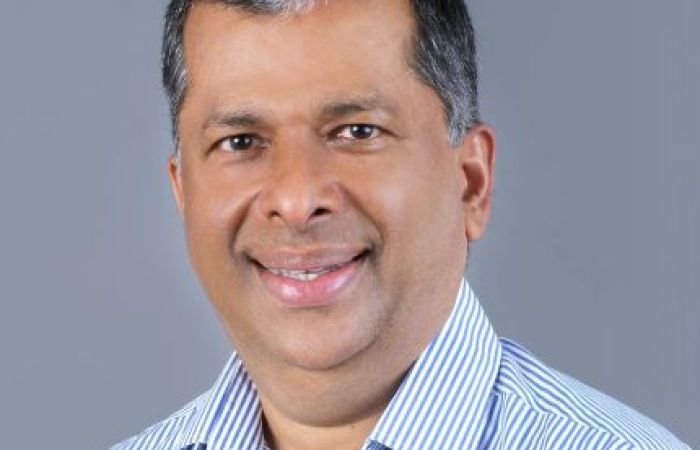
Professor George Palattiyil is a Personal Chair of Social Work and Refugee Studies at the University of Edinburgh , with a focus on forced migration, HIV/AIDS, human rights, and social work education. He leads interdisciplinary initiatives like the Global Refugee Health Research Network and contributes to teaching across BSc, MSW, and MSc programmes. PhD in Social Work (University of Strathclyde, 1999) Masters in Social Work (Kerala, India) His research bridges social work and public health, emphasizing lived experiences of refugees, HIV-affected families, and older populations. Recent projects include: Impact of COVID-19 on families of care home residents in Scotland Adolescent reproductive health in Uganda, Jordan, and Bangladesh HIV/TB care barriers for refugees in Kampala Human rights of HIV-positive asylum seekers Cross-border surrogacy ethics Scientific achievements include: Senior Fellow , UK Higher Education Academy Best Personal Tutor Award (2019) Editorial work on Social Work in a Global Context He supervises PhD projects on topics like Queer women in Kerala , Refugee detention alternatives , and intergenerational care in China . His teaching integrates cross-cultural experiences, including abroad programmes to India.
London School of Economics and Political Science (LSE)United Kingdom
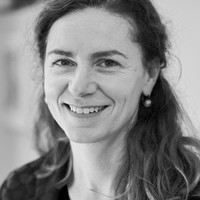
Professor Catherine Allerton is a faculty member in the Department of Anthropology at the London School of Economics and Political Science (LSE). She specializes in the materialities and mobilities of everyday life, with a focus on place, kinship, childhood, migration, and temporalities in island Southeast Asia. Her fieldwork spans a two-placed village in Flores, Indonesia, and Kota Kinabalu, Sabah, East Malaysia. Her research emphasizes interdisciplinary ethnographic methods, particularly involving child participants to challenge adult-centric approaches. She launched the 'Childhood in the Migrant City' exhibition using child-taken photographs from her ESRC-sponsored research. Current projects include exploring discordant temporalities between migration systems and childhood development, as well as completing a book manuscript on moral economies of belonging. Key research interests include the social and political dimensions of landscapes, the anthropology of children, and the impacts of legal status on marginalized youth. She teaches an LSE course on 'Children and Youth in Contemporary Ethnography' and actively supervises PhD students focusing on childhood, migration, citizenship, and Southeast Asian studies. Her work addresses exclusionary practices tied to race, religion, and legal frameworks in Malaysia and Indonesia. Languages spoken include Bahasa Manggarai, English, Indonesian, and Malay. No part-time status is mentioned, indicating full-time faculty commitment.
Elisa Morgera is a Professor of Global Environmental Law at the University of Strathclyde and the UN Special Rapporteur on Climate Change and Human Rights (2024–present). She previously directed the UKRI GCRF One Ocean Hub (2019–2024), a transformative ocean governance initiative spanning 22 institutions globally. Her research focuses on international environmental law, human rights, equity, and oceans governance, with particular attention to Indigenous peoples, small-scale fishers, and climate justice. Education includes a PhD in International Law from the European University Institute and an LLM in Environmental Law from University College London. She also holds an adjunct professorship at the University of Eastern Finland. Research interests integrate environmental law with human rights, equity, and sustainability, addressing topics like benefit-sharing in natural resources, marine biodiversity, and corporate accountability. She has advised UN agencies, governments, and NGOs, and contributed to Scottish human rights frameworks, including recommendations for a legal right to a healthy environment. Key awards include election to the Royal Society of Edinburgh (2022). Her work spans over 180 publications, including articles on climate governance, ocean defenders' rights, and BBNJ Agreements. She leads interdisciplinary projects funded by UKRI, the EU, and global partnerships. Elisa has advised on over 30 international initiatives, including contributions to the UN Special Rapporteur on Human Rights and the Environment. Her advisory roles include the Scottish Government’s Human Rights Leadership Task Force (2018–2020), shaping national human rights legislation. Her One Ocean Hub and other collaborations emphasize equity and inclusion in ocean policy, involving communities in decision-making processes.
London School of Economics and Political Science (LSE)United Kingdom
Dr. Rishita Nandagiri is a feminist researcher and academic currently serving as a Lecturer (Assistant Professor) in the Department of Global Health & Social Medicine at King's College London. She previously held research and teaching positions at the London School of Economics (LSE), including an ESRC Postdoctoral Fellowship and an LSE Fellow in Health and International Development. Her work is deeply rooted in reproductive justice, gender, and global health, with a focus on the Global South. PhD in Social Policy, London School of Economics (2019) ESRC Postdoctoral Fellow, LSE Department of Methodology (2020-2021) LSE Fellow in Health and International Development (2019-2020) Research Assistant, LSE Department of Media and Communications (2018-2019) Dr. Nandagiri’s research centers on reproductive (in)justices, interrogating how power and politics shape abortion access, self-managed abortion, care trajectories, and reproductive governance. Her work is interdisciplinary, drawing on feminist theory, qualitative and participatory methods, policy analysis, and co-production with communities and organizations. She has extended her research to examine the impact of the COVID-19 pandemic on abortion and the role of lay health providers in care delivery. Her methodological interests include multi-method designs that integrate interviews, archival research, and community engagement. The 15 most recent articles reflect a strong trajectory in reproductive justice, with increasing engagement with feminist economics, carceral systems, and global policy. Themes include structural violence, legal pluralism, care ethics, and transnational advocacy. Her publications span high-impact journals in public health, social policy, gender studies, and media, indicating a broad interdisciplinary reach. Scientific awards and recognitions include: ESRC Postdoctoral Fellowship (2020-2021) LSE Class Teacher Award (2020) LSE Research Investment and Infrastructure Funds (2020) Best PhD Poster Prize, British Society for Population Studies (2018) LSE PhD Studentship (2015-2019) Dr. Nandagiri has advised on and contributed to numerous research grants, particularly those related to reproductive health, digital privacy, and pandemic response. She has collaborated with major institutions such as UNFPA, the Women’s Global Network for Reproductive Rights, and FRIDA. She co-founded the Abortion Book Club and serves on editorial and advisory boards, including BMJ Sexual & Reproductive Health and the International Union for the Scientific Study of Population’s Abortion Research panel. She also co-convenes the Development Studies Association’s Women and Development Study Group, demonstrating strong leadership in academic and advocacy networks. She is actively involved in public engagement, contributing to LSE blogs, media outlets like Women's Health Magazine UK, and platforms such as the Oxford Human Rights Hub and Harvard’s Bill of Health. Her lab and team affiliations are not explicitly named, but her collaborative projects suggest strong ties to interdisciplinary research groups focused on global health, reproductive justice, and digital rights.
Professor Jonathan Herring serves at the Faculty of Law, University of Oxford with a focus on Medical Law and Ethics, Family Law, Criminal Law, and Vulnerability Theory . His work bridges feminist ethics of care with legal frameworks, challenging traditional individualistic approaches. DM Wolfe-Clarendon Fellow, Exeter College Editorial Board: Child and Family Law Quarterly Research Interests He investigates law's interaction with human relationships , emphasizing areas like domestic abuse as human rights violation , pregnancy regulation , mental capacity ethics , and dementia-related legal reforms . His Law Through the Life Course (2021) examines age-based legal assumptions. Publication Trends Recent works focus on obstetric violence (with Pickles), fragile X syndrome ethics (with Johnson), and revising sexual offense consent models . Articles span 2017-2025 , showing sustained engagement with vulnerability theory and relational legal philosophy . Teaching Contributions He instructs Criminal Law , Family Law , and Medical Law and Ethics for Oxford's BA Jurisprudence, plus Medical and Family Law BCL courses. Supervises DPhil topics across domestic abuse , obstetric violence , and trans parenthood .
Dr. Fiona Morrison is a Lecturer in Childhood Studies and Programme Director of the BA Childhood Practice at the University of Edinburgh's Moray House School of Education and Sport. She holds a PhD in Social Policy and MSc in Childhood Studies from the University of Edinburgh and a BA in Community Learning and Development from the University of Dundee. Dr. Morrison specializes in children’s human rights with a socio-legal focus, particularly addressing domestic abuse and participatory methodologies. Her research bridges academia and policy, influencing national and international frameworks. She leads projects funded by the Royal Society of Edinburgh and ESRC, collaborating with organizations like Children’s Parliament and the Children and Young People’s Commissioner Scotland. Dr. Morrison co-leads the CAHSS Childhood and Youth research theme and chairs ethics leadership for the Children and Young People Thematic Hub. Her work emphasizes ethical research practices, policy advocacy, and child participation in legal and social contexts. Education: PhD Social Policy, University of Edinburgh MSc Childhood Studies, University of Edinburgh BA Community Learning and Development, University of Dundee Research Interests: Children’s rights accountability, domestic abuse, participatory research methods, socio-legal frameworks, and policy implementation. Key Roles: Member, Children and Young People Thematic Hub Leadership Group Co-lead, CAHSS Childhood and Youth Research Theme Core member, Observatory of Children’s Human Rights Scotland Grants: Includes RSE Personal Fellowship, ESRC grants, and Legal Empowerment Fund projects. Her teaching focuses on the BA Childhood Practice program, and she supervises PhD students exploring children’s rights in domestic abuse and policy contexts. Dr. Morrison’s publications span children’s rights under pandemic conditions, legal frameworks, and participatory methodologies, reflecting her commitment to translating research into tangible societal impact.
Dr. George Chalhoub is a Lecturer (Assistant Professor) in Human-Computer Interaction at the UCL Interaction Centre (UCLIC), Department of Computer Science, University College London (UCL). He is also an Associate Member at the Department of Computer Science, University of Oxford, and a 2024–2025 Berkman Klein Fellow at the Berkman Klein Center for Internet & Society, Harvard Law School, Harvard University. His multidisciplinary research bridges cybersecurity, privacy, and human-centered computing, focusing on real-world technology use. DPhil in Cyber Security, University of Oxford (supported by Information Commissioner’s Office) MSc in Computer Science, University of Southampton (supported by Lloyd’s Register) BS in Computer Science, Lebanese American University His research centers on the security, privacy, and safety of digital technologies through a user-centered lens. Key areas include AI-powered systems (e.g., LLMs, smart assistants), emerging technologies in the wild (e.g., smart homes, IoT), embedded devices (e.g., routers), marginalized communities, data workers in AI, and online content creators. His work integrates UX principles to improve data protection in healthcare (e.g., NHS records) and children’s apps, with implications for GDPR compliance and responsible AI innovation. The analysis of his recent publications reveals a consistent focus on empirical studies of user experience in security and privacy, particularly in smart homes and data-intensive applications. His work spans design interventions, ethical frameworks, and policy-relevant findings, published in top venues like CHI, CSCW, SOUPS, and IJHCS. Themes include consent design, communal privacy, vulnerability patching, and developer support for privacy. UK Global Talent Visa recipient, UK Research and Innovation 2024–2025 Berkman Klein Fellow, Harvard University Dr. Chalhoub has advised on research projects related to secure networking by design and responsible AI (e.g., EWADA, RoboTIPS). He has received grant support from the Information Commissioner’s Office for his doctoral work. He is available for consultancy, collaborative research, grant assessment, and supervision of research degrees. His professional experience includes internships at Microsoft Research (Calc Intelligence) and Nokia Bell Labs (Social Dynamics), contributing to projects in AI and social computing. He is affiliated with research groups including the Human-Centered Computing group at Oxford, the UCL Interaction Centre (UCLIC), and the Berkman Klein Center at Harvard. His work is supported by tools and frameworks developed in collaboration with interdisciplinary teams focused on cybersecurity ethics, data governance, and platform accountability.
Professor Elaine Chase serves as Professor of Education, Wellbeing and International Development at University College London's Institute of Education (IOE), specifically within the Education, Practice & Society department. With extensive experience bridging academic research and practical application, she previously worked as a health promotion specialist in the UK and served as a youth health programme advisor with Namibia's Ministry of Youth and Sport for several years. Her research focuses on the sociological dimensions of health, wellbeing and rights for marginalized individuals and communities, examining the critical interface between policy, practice and context through qualitative and mixed-method studies conducted internationally. Her work spans diverse vulnerable populations including young parents, youth in public care, young people accessing sexual and reproductive health services across Eastern Europe, Central Asia and MENA regions, HIV/AIDS-affected families, children living in poverty, and unaccompanied children seeking asylum across Europe. Professor Chase currently leads multiple significant research initiatives: the Life Facing Deportation project examining immigration policies' impacts on children and families; the RELIEF project promoting transformative education in displacement contexts; the Children Caring on the Move project investigating separated child migrants; the Becoming Adult project exploring wellbeing outcomes for unaccompanied migrant youth transitioning to adulthood; the LOHST project studying pandemic impacts on unaccompanied migrant youth's service access; and the Connecting during COVID-19 project examining care and remittance practices among UK migrant communities. She also contributes to the London International Development Centre - Migration Leadership Team funded by ESRC and AHRC. Life Facing Deportation: Immigration policy impacts on vulnerable families RELIEF: Transformative education in displacement contexts Children Caring on the Move: Separated child migrants' care experiences Becoming Adult: Wellbeing outcomes as unaccompanied youth transition to adulthood LOHST: Pandemic impacts on unaccompanied migrant youth's service access Connecting during COVID-19: Care and remittance practices among UK migrant communities Poverty, Shame and Social Exclusion: Comparative research on poverty's social impacts Her teaching responsibilities include the MA Education, Health Promotion and International Development program, coordination of the Dissertation with Integrated Research Teaching (DwIRT) module, and co-leadership of the Education, Migration and Development module with Amy North. She actively supervises multiple doctoral students conducting research in related fields. Professor Chase's recent scholarly output demonstrates a strong emphasis on education in conflict-affected contexts (particularly Myanmar), migration studies, wellbeing research, and pandemic impacts on vulnerable populations. Her work consistently addresses policy-practice-context interfaces and employs participatory, trauma-informed methodologies appropriate for working with marginalized communities across multiple continents.
Nick Lee is an Associate Professor in the Education Studies department at the University of Warwick, Faculty of Social Sciences. With over 30 publications across Science Studies, Education, and the Sociology of Childhood, his work has appeared in prestigious journals including The Lancet: Infectious Disease, Science, Technology and Human Values, and Sociology. Dr. Lee's research interests span: Childhood, youth and technology Biosocial relationships and imaginations Climate change and sustainability Life processes, learning and innovation His interdisciplinary research examines power dynamics between youth and generation within biotechnological innovation and climate change contexts. In his 2013 book "Childhood and Bio-politics: Climate change, life processes and human futures" (Palgrave Macmillan), he develops theoretical frameworks connecting childhood experiences with environmental challenges. Dr. Lee pioneered the concept of 'residual childhoods' examining how children navigate the material residues of economic growth and technological development. Dr. Lee's publication record reveals consistent interdisciplinary engagement with childhood studies intersecting technology, environmental issues, and biosocial relationships. Recent work (2021-2023) shows expansion into sustainable development education, gender dynamics in STEM, and innovative plant science communication through art. Earlier work established theoretical foundations in biosocial relationships and childhood biopolitics, with increasing applied focus on environmental challenges and technological innovation. Dr. Lee has secured significant research funding from: ESRC (Economic and Social Research Council) BBSRC (Biotechnology and Biological Sciences Research Council) MRC (Medical Research Council) European Neuroscience and Society Network Department for Children, Schools and Families Department for Business, Innovation and Skills As ELSA (Ethical, Legal and Social Aspects) lead for Warwick's Institute for Synthetic Biology, he bridges scientific innovation with societal implications. Dr. Lee has consulted for a global hygiene corporation on antibiotic resistance and the UK Cabinet Office on future prospects for children. Current research projects include: Global Gardens: Co-Learning in Synthetic Biology (with Professor Anne Osbourn) Children, Sexting and Co-Learning (with Birmingham universities) Residual Childhoods (examining children's relationship with technological residues)
Dr Michelle Donnelly is a Lecturer in Law at the University of Strathclyde, returning in 2021 after roles at the University of Stirling and earlier positions at Strathclyde. She specializes in socio-legal research on child and family law, focusing on compulsory state intervention in cases of child protection and youth justice. Her work emphasizes improving rights assurance and procedural fairness in legal processes affecting children and families. Donnelly holds a PhD from Strathclyde (2017) and a PgCert in Learning and Teaching (2019). Her research explores the Scottish children’s hearings system, joint referrals in youth justice, and safeguarders’ roles. Notable projects include the British Academy’s Childhood Policy Programme and an international comparative study on family intervention led by Viadrina University. She contributed to Strathclyde Cares, earning a team medal for supporting care-experienced students. Donnelly’s awards include teaching excellence nominations and recognition for equality initiatives. Her current projects address justice inequalities for children in conflict with the law and human rights in child welfare. She teaches family law, children’s rights, and legal research methods.
Robert Macfarlane is an Official Fellow at Emmanuel College, Cambridge, elected in 2002, and serves as Director of Studies in English. At the University of Cambridge, he holds the position of Professor of Literature and the Environmental Humanities within the Faculty of English. His interdisciplinary work bridges academic scholarship and creative practice, focusing on humanity's relationship with nature, landscape, and ecological systems through writing, film, and collaborative arts. His educational journey began with an undergraduate degree at Pembroke College, Cambridge, followed by an MPhil at Magdalen College, Oxford. After teaching in Beijing, he completed his PhD at the University of Cambridge, where he was appointed to his Fellowship during his doctoral studies. Macfarlane's research centers on the environmental humanities, exploring geology and the Anthropocene, phenomenology, and virtualisation. He investigates nature and wildness, travel- and place-writing, creaturely life, walking practices, ethics in literature, urban spaces, dwelling, subterranean environments, ruins, land ownership, and apocalyptic cultures. His methodology integrates literary criticism with fieldwork, artistic collaboration, and philosophical inquiry to examine humanity's evolving relationship with the natural world. His publications reveal a consistent trajectory of blending scholarly rigor with creative expression across multiple media. Books like Underland and The Lost Words demonstrate his signature approach of merging environmental scholarship with poetic form, while films, music albums, and audio dramas extend these themes into auditory and visual realms. This transmedia practice has created a distinctive body of work that transcends traditional academic boundaries, engaging global audiences in conversations about ecological consciousness and the rights of nature. His major recognitions include: Election as Fellow of the Royal Society of Literature 2017 EM Forster Prize for Literature from the American Academy of Arts and Letters 2023 inaugural Weston International Award for career achievement in non-fiction As an educator, Macfarlane teaches across all three years of Emmanuel College's undergraduate English program, from core 'Practical Criticism' papers to specialized dissertations on contemporary literature. At the Faculty level, he convenes the MPhil course 'Cultures of the Anthropocene' and supervises both MPhil dissertations and PhD candidates, mentoring emerging scholars in environmental humanities through rigorous academic training combined with creative methodologies. He maintains dynamic creative partnerships with artists including Jackie Morris, Olafur Eliasson, and Stanley Donwood, and musicians such as Johnny Flynn and Cosmo Sheldrake. These collaborations manifest in internationally celebrated projects spanning illustrated books, film narrations, musical albums, and BBC audio dramas, forming a vibrant interdisciplinary network that continually expands the boundaries of environmental storytelling.
Jean Grugel is a Professor of Development Politics at the Department of Politics and International Relations, University of York. She has held previous roles at the Open University, University of Sheffield, and Universidad Complutense de Madrid, and is an Associate Fellow at UCL's Institute of the Americas. Her research spans sustainable development, human rights, and democratization, with fieldwork in Latin America, Europe, sub-Saharan Africa, and the Philippines. PhD in Latin American Politics (University of Liverpool) Post-doctoral studies supported by Leverhulme Trust Visiting appointments across European and Latin American universities Her recent research focuses on gendered health inequalities in displacement contexts, the natural resource economy in South America, and health systems in low-income countries post-COVID-19. She leads interdisciplinary projects funded by ESRC, EU, and World Universities Network, among others. As Director of York’s Interdisciplinary Global Development Centre (IGDC), she oversees a 100+ member research hub. Jean’s scientific accolades include her Associate Fellowship at UCL. She actively engages in public outreach, such as organizing events on peacebuilding and health in Colombia, and contributes to policy through advisory roles with UNICEF and the EU.
Professor Daniel Monk is a Professor of Law at Birkbeck Law School, part of the University of London's Faculty of Humanities and Social Sciences. He specializes in family law, children’s rights, education law, and the intersections of law with sexuality and religion. His research has addressed issues such as school dress codes, religious freedom, and inheritance law, with significant impact on public policy and legal frameworks. Education: LLB from the University of Warwick (1987), LLM from the London School of Economics (1995). Professional roles include editorships of journals like Child and Family Law Quarterly and advisory roles in legal organizations. He has held visiting professorships at institutions like the University of Antwerp and Tel Aviv University. Research focuses include siblings in public care, elective home education, and the socio-legal dimensions of wills and inheritance. His work has been recognized with awards such as the Birkbeck Public Engagement Award (2019) and Fellowship in the Academy of Social Sciences (2024). Key publications include Inheritance Matters: Kinship, Property, Law (2023) and articles on family law reform and legal theory. Professional activities include advising on legal reforms, supervising doctoral students, and contributing to interdisciplinary debates on law and society. Current projects explore the relationship between law and art in inheritance contexts and the regulation of school policies.
Dr. Siobhan Magee is a Lecturer in Social Anthropology at the University of Edinburgh's School of Social and Political Science. She holds a PhD from Edinburgh and has held postdoctoral positions at the Institute for Advanced Studies in the Humanities and the Rijksuniversiteit Groningen. Her research focuses on kinship, marriage, gender, and material culture, with fieldwork conducted in Poland, the UK, and the US. She is currently completing a book on marriage in the US and exploring topics like children's biographies, philanthropy in higher education, and sun protection in Scotland. Teaching responsibilities include courses on the Anthropology of Sex and Reproduction, Kinship, and Ethnographies of the US. She coordinates the Kinship Hub and supervises undergraduate and postgraduate dissertations on themes like transnational relationships and inclusive education. Dr. Magee is a Fellow of the Higher Education Academy and has published extensively on topics ranging from Polish fur trade dynamics to graphic memoirs and legal marriage frameworks. Education: PhD, MSc, and BA in Social Anthropology from the University of Edinburgh. Research Themes: Kinship and relatedness, gender/sexuality, material culture, US political anthropology, and children's narratives. Current Projects: Philanthropy in universities, sun protection policies, and children's biographical literature. Her work bridges intimate relationships and broader socio-political contexts, emphasizing ethical and historical dimensions. She has contributed to academic journals like Cultural Anthropology and Current Anthropology , and her research has been featured in media including BBC Radio 4.
Professor Ioana Cismas is a leading international law scholar at the University of York , where she serves as Chair in International Law and Co-Director of the Centre for Applied Human Rights (2022-2025). Her academic roles include Joint Programme Leadership of the LLM in International Human Rights Law and Practice (2017-2022, 2025-present) and membership in university ethics committees. Education: PhD in International Law (summa cum laude), Graduate Institute of International and Development Studies, Geneva I oana's research intersects public international law, human rights law, international humanitarian law, law and religion, and transitional justice . She focuses on legal accountability, state/non-state actor dynamics, and interdisciplinary approaches to conflict and disease. Her work includes the Beyond Compliance Consortium (2024-2027), which analyzes armed actor restraint, and the Noma Project (2019-2021) on neglected diseases. Recent publications explore compliance mechanisms in armed conflict , disease framing in global health , and religious actors' influence on humanitarian law . Her scholarship combines doctrinal, socio-legal, and empirical methods to address real-world challenges. Scientific Awards: 2018 Graduate Students’ Association ‘Making Postgrads Matter’ Award (York) 2016 RATE Award for Excellence in Teaching (Stirling) 2013 Credit Suisse Award for Transitional Justice Law Clinic Ioana supervises PhD research in public international law, human rights, and compliance processes. She consults for UN agencies, NGOs, and the WHO, with expertise in noma disease and transitional justice.