Andrea Cappelli is a Full Professor at the Department of Biotechnology, Chemistry and Pharmacy within the University of Siena . He teaches courses in Technology, Socio-economics, and Pharmaceutical Law as part of the 4-year Pharmaceutical Chemistry and Technology program. His research focuses on pharmaceutical chemistry , medicinal chemistry , and biochemistry , with a particular emphasis on organic synthesis , photochemistry , and drug delivery systems . Recent publications highlight his work in synthesis of dual enzyme inhibitors , lysine-targeted covalent ligands , and light-responsive molecular switches . His studies often involve photophysical analysis , macrocyclic compound development , and biomimetic material design . Andrea Cappelli is actively engaged in molecular modeling and structure-activity relationship investigations for therapeutic applications.
Associate Professor Jiangtao Jason Xu is a faculty member at the School of Chemical Engineering, University of New South Wales (UNSW Sydney). He leads a research group in the Centre for Advanced Macromolecular Design (CAMD) and the Australian Centre for NanoMedicine (ACN), focusing on green and precision polymer synthesis and hydrogel-based artificial skin for wearable electronics. Dr. Xu received his BS and PhD Degrees in Polymer Science from Fudan University. He was awarded an ARC Future Fellowship in 2016 and joined UNSW as a Lecturer in 2017. He was promoted to Senior Lecturer in 2019 and to Associate Professor in 2022. His educational background includes: BS in Polymer Science, Fudan University PhD in Polymer Science, Fudan University Dr. Xu's research focuses on green chemistry and sustainable polymer synthesis, precision polymer synthesis mimicking natural perfection, photoredox catalysis for living polymerization, and polymer hydrogel-based artificial skin for wearable sensors and soft electronics. His work bridges fundamental polymer chemistry with practical applications in biomedical and electronic fields. His research group develops innovative technologies including PET-RAFT for green polymer synthesis, SUMI technology for precision polymer synthesis, and functional double network hydrogels for wearable devices. His publication record includes over 140 peer-reviewed journal articles in high-impact journals such as JACS, Angewandte Chemie, Energy & Environmental Science, and Advanced Science, with more than 12,000 citations and an H-index of 60 (as of December 2023). His work has been recognized through 13 Highly Cited Papers in the last decade. Dr. Xu has received numerous awards and honors including: Pioneering Investigator by Chemical Communications (2023) Rising Star in Polymer Science by Progress in Polymer Science (2022) ARC Discovery Projects (2019, 2020) Pioneering Investigator by Polymer Chemistry (2020) ARC Future Fellowship (2016) Multiple Emerging/Pioneering Investigator recognitions Dr. Xu has successfully secured over $2 million in research funding, including an ARC Future Fellowship and two ARC Discovery Projects. He currently supervises a research group including postdoctoral researchers and graduate students working on polymer synthesis and applications. His laboratory is involved in developing innovative materials for biomedical applications and wearable electronics.
Dr. Hanbin Mao is a Professor in the Department of Chemistry & Biochemistry at Kent State University. His research bridges analytical chemistry and single-molecule biophysics, pioneering the field of mechanoanalytical chemistry through innovative techniques like lab-on-a-chip, laser tweezers, and magnetic tweezers. Mechanoanalytical Chemistry Single-Molecule Biophysics Biosensor Development His lab developed the Single-Molecule Mechanochemical Sensing (SMMS) method, which detects trace biomarkers and environmental toxins with high sensitivity. Collaborative projects with materials and biosciences groups highlight the interdisciplinary nature of his work. Key Scientific Awards Top 2% Most-Cited Scientists Worldwide (Stanford University, 2023) Excellence in Graduate Research Mentorship Award (2023) Dr. Mao mentors numerous graduate students and has trained over 25 alumni. His lab fosters global collaboration and integrates advanced technologies to transform traditional chemical and biological research approaches.
Jan-Erik Berg serves as an Associate Professor and Researcher at Mid Sweden University within the Department of Chemical Engineering (Department of Engineering, Mathematics and Science Education - IMD). He is actively affiliated with the FSCN Research Centre (Fibre Science and Communication Network) and leads research in sustainable pulp/paper technology and mechanical pulping processes. His academic foundation includes a Doctoral Thesis (2008) titled Wood and fibre mechanics related to the thermomechanical pulping process from Mid Sweden University and a Licentiate Thesis (1996) titled Fracture Behaviour of Wood and Fibres as Related to the Mechanical Pulping Process from the Royal Institute of Technology. Berg's research centers on wood fiber mechanics in pulping systems, with emphasis on low-consistency refining, energy efficiency optimization, and sustainable packaging material development. He investigates fiber fragmentation dynamics, pulp flow helicity in refiner grooves, and innovative technologies like steel belt pressing for high-yield pulps. His work integrates fluid dynamics, material science, and process engineering to enhance pulp quality while reducing environmental impact. Analysis of his 2015-2025 publications reveals consistent focus on sustainable mechanical pulping: machine learning applications for fiber classification, force measurements in refiners, and process intensification for eco-friendly packaging. Key trends include energy reduction through system design optimization, development of bulky CTMP for strength/bulk balance, and novel measurement techniques for industrial implementation. Dr. Berg actively contributes to major research initiatives including NeoPulp, e2cmp (Eco-friendly efficient chemimechanical system for sustainable packaging materials), EcoMat, EcoSys, and ENM-NSP (Eco-nanocellulosic materials). These projects demonstrate successful grant acquisition and industry collaboration focused on sustainable material innovation. As a core member of the FSCN Research Centre, he participates in interdisciplinary teams advancing fiber-based material science. His work bridges fundamental mechanics (wood fracture behavior) with industrial applications through mill-scale evaluations and process implementations described in his publications.
Dr. Aamna AlShehhi serves as an Assistant Professor in the Department of Biomedical Engineering and Biotechnology at Khalifa University, where she has pioneered AI-driven healthcare solutions since joining in 2020. Her interdisciplinary expertise bridges electrical engineering, computer science, and clinical medicine through innovative research collaborations with MIT, Imperial College London, and Novartis. Her educational foundation includes: Bachelor's in Software Engineering, United Arab Emirates University (2009) Master's in Computing and Information Science, Masdar Institute (MIT collaboration) (2013) PhD in Interdisciplinary Engineering, Masdar Institute (MIT collaboration) (2017) Dr. AlShehhi's research centers on artificial intelligence for healthcare transformation , with emphasis on neurodegenerative disease prediction, rare disease diagnostics, and wearable-based gait analysis. She develops constrained deep learning models for Alzheimer's biomarker discovery, self-supervised frameworks for emotion recognition using smartphone data, and physics-informed neural networks for biomechanical analysis. Her work integrates multimodal data including fMRI, genomic sequences, and real-world behavioral metrics to address critical gaps in dementia screening, cancer detection, and mental health monitoring. Analysis of her 2023-2025 publications reveals three dominant trends: (1) Explainable AI architectures for clinical decision support, particularly constrained graph neural networks analyzing comorbidity networks in Alzheimer's; (2) Multimodal sensor fusion systems combining wearables, keystroke dynamics, and fMRI for neurological assessment; (3) Self-supervised learning approaches enabling robust performance with limited medical data. Her work consistently targets real-world clinical deployment through portable systems like smart gait analyzers and remote depression screening tools. Dr. AlShehhi actively mentors the next generation of biomedical engineers: Ferial J. Abuhantash (Ph.D. candidate) Khalid Ahmed Abdulla (Master's student) Her research is supported through strategic partnerships with Novartis Institute for Biomedical Research and collaborative grants enabling AI-driven drug repurposing for dementia and genomic cancer detection. She leads projects analyzing skin lesions for melanoma screening and developing deep learning models for early-stage cancer detection using genomic data. As a core member of Khalifa University's Healthcare Engineering Innovation Group , she directs a multidisciplinary team including Postdoctoral Fellow Dr. Sherlyn Jemimah and Research Assistant Chahd Maher Musthafa Chabib. Current initiatives focus on creating deployable AI systems for clinical settings, with ongoing work on portable gait assessment tools for rehabilitation centers and real-time emotion recognition platforms for mental health monitoring.
Diego AROSIO is an Associate Professor at the Department of Chemical and Geological Sciences, University of Modena and Reggio Emilia. His academic focus is in Applied Geophysics (GEOS-04/B), where he conducts research and teaches courses related to geophysical investigations, seismic monitoring, and environmental applications of geophysical methods. Dr. AROSIO teaches several advanced courses including: In situ Geognostic and Geophysical Investigations for the Master's Degree in Geosciences, Georisks and Georesources Seismic Sources and Microzonation for the Master's Degree in Geosciences, Georisks and Georesources Geophysics with elements of seismology for the Degree Course in Geological Sciences His teaching emphasizes practical applications of geophysical methods for environmental monitoring, landslide risk assessment, and cultural heritage preservation. His research interests span multiple areas of applied geophysics: Geophysical monitoring of landfills and waste containment systems Ground Penetrating Radar applications for structural assessment and cultural heritage conservation Seismic and microseismic monitoring of unstable rock slopes and landslides Development and validation of novel geophysical instrumentation and methodologies Application of optical fiber sensors for geohazard monitoring Dr. AROSIO's work demonstrates a strong focus on developing practical, field-deployable geophysical solutions for environmental and engineering challenges. His recent research output shows consistent trends toward developing and validating geophysical methods for environmental monitoring applications, particularly in landfill integrity assessment, landslide monitoring, and cultural heritage preservation. He frequently employs mixed-method approaches combining laboratory testing, field validation, and numerical modeling to advance geophysical techniques. Dr. AROSIO collaborates extensively with researchers across multiple institutions and disciplines, as evidenced by his publication record which includes collaborations with experts in hydrogeology, structural engineering, and environmental science. His laboratory and field research focuses on: Development of monitoring protocols for landfill integrity using geoelectrical methods Application of Ground Penetrating Radar for quality control in marble conservation Microseismic monitoring networks for rock slope stability assessment Optical fiber sensor applications for early detection of landslide precursors These research activities position Dr. AROSIO at the intersection of geophysics, environmental engineering, and geohazard mitigation.
Represa Pérez, César is a faculty member at the University of Burgos , affiliated with the School of Engineering . He has contributed extensively to computer science, parallel computing, and embedded systems through research articles, educational materials, and conference presentations. Education: Doctorate in Parallel & Hybrid Programming (2002). Research Areas: Parallel computing (MPI/CUDA), 3D virtual labs, sensor technology, Android applications, and embedded systems design. Key Collaborations: Co-authored works with José María Cámara Nebreda, Pedro L. Sánchez Ortega, and others on technical education and hardware-software integration. Recent Trends: Focus on smartphone-driven sensors, additive manufacturing monitoring, and educational tools for engineering students.
Tiina Komulainen is a Professor at Oslo Metropolitan University's Faculty of Technology, Art and Design, specifically within the Department of Mechanical, Electronics and Chemistry. Her work focuses on environmental technology, biogas production, and wastewater treatment through advanced simulation and control engineering techniques. Key affiliations: Applied Artificial Intelligence research group Collaborative projects: MaxBiogas (with OsloMet and Veas) Research themes: Digital competence development in water industry, smart water technology Her research integrates mathematical modeling, machine learning, and technical cybernetics to optimize biological wastewater processes. Recent projects involve virtual sensors, nutrient estimation, and dynamic simulation for sustainable biogas production. Publications highlight collaborations with international institutions like Linköping University and Mälardalen University, focusing on municipal MBBR processes, energy-efficient wastewater treatment, and district heating network optimization. She contributes to educational advancements through simulation-based learning technologies and has developed teaching materials on model predictive control at Metropolia University of Applied Sciences.
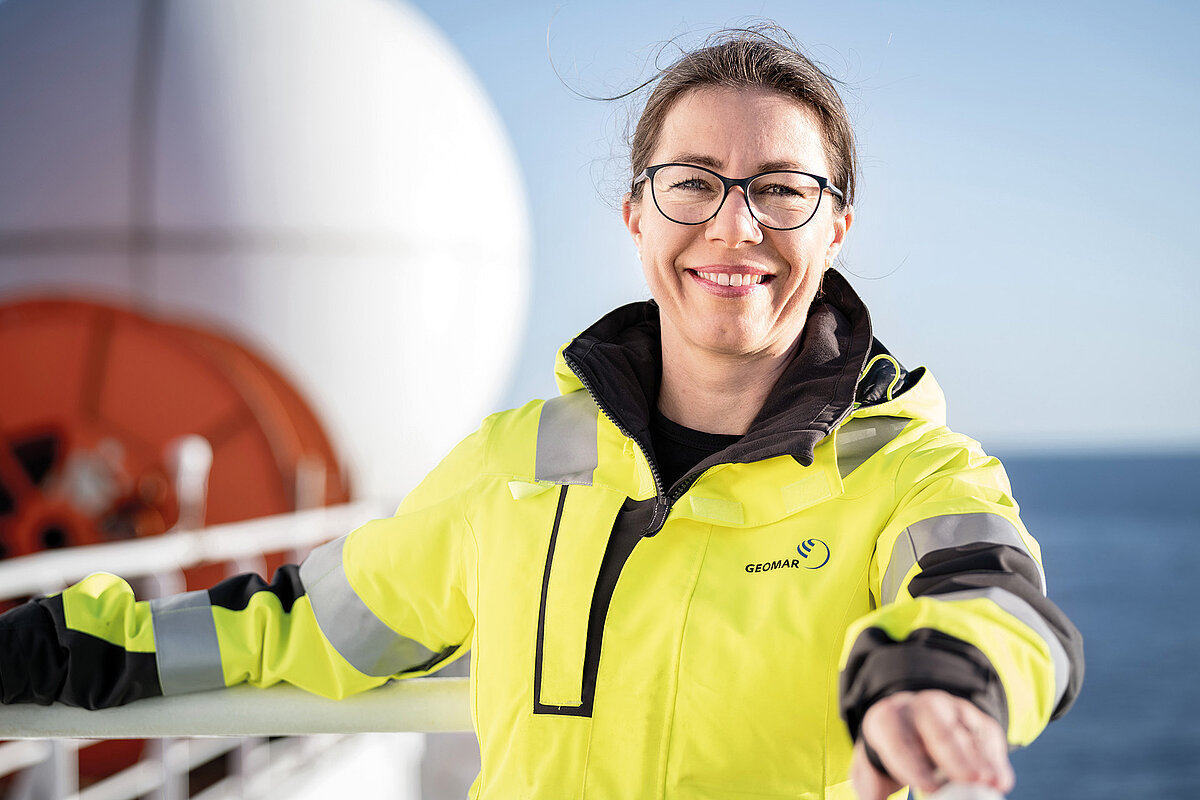
Katja Matthes serves as Director of the GEOMAR Helmholtz Centre for Ocean Research Kiel and holds a W3 Professorship in Atmospheric Physics at both GEOMAR and Kiel University. Her leadership spans multiple research areas including ocean circulation, climate dynamics, and atmospheric physics, with significant contributions to international climate research initiatives. Director of GEOMAR Helmholtz Centre for Ocean Research Kiel (since October 2020) W3 Professor at GEOMAR and Kiel University (since 2012) Head of Working Group 'Physics of the Atmosphere' Co-author of the 6th IPCC Assessment Report (2019) Member of multiple international scientific committees including POGO, EMB, and IOC-UNESCO Dr. Matthes' research focuses on the complex interactions between the atmosphere, ocean, and climate system. Her work particularly emphasizes stratosphere-troposphere-ocean modeling, climate-chemistry interactions, and the role of solar variability in climate change. She investigates decadal climate variability mechanisms and contributes to international model intercomparison projects that advance our understanding of natural and anthropogenic climate influences. Her expertise in middle atmosphere dynamics and sun-climate interactions has positioned her as a leading voice in climate science. Analysis of her recent publications reveals a strong focus on ocean-based climate solutions, with particular emphasis on carbon sequestration mechanisms, marine heatwaves, and the role of ocean circulation in climate predictability. Her work increasingly addresses policy-relevant questions about the ocean's contribution to achieving climate targets and developing sustainable ocean management strategies. The integration of physical oceanography with atmospheric science characterizes her interdisciplinary approach to understanding Earth's climate system. Co-author of the 6th IPCC Assessment Report (WG I, Chapter 2) Member of AcademiaNet (2010), recognizing excellence in female scientists Recipient of the Ernst Reuter Prize from Free University of Berlin (2004) Selected participant in Helmholtz Mentoring Program for Women (2009-2010) Prize for young scientists from Foundation for Environment and Damage Prevention (2001) Professor Matthes leads significant research initiatives including the Helmholtz KLIMA Steering Board and serves as Vice President for the Helmholtz Research Field Earth and Environment. Her leadership extends to numerous international collaborations, particularly through the Partnership for Observation of the Global Ocean (POGO) and the European Marine Board. As Director of GEOMAR, she oversees Germany's premier marine research institution with a strategic focus on the UN Ocean Decade goals and sustainable ocean management. Her work with the German Alliance for Marine Research shapes national marine science policy while her international committee memberships influence global ocean governance frameworks.
Mirka Kans is an Associate Professor in the Department of Mechanical Engineering at Linnaeus University (formerly Växjö University), where she has taught since 2000. Her academic journey includes an MSc in Computer Science (2003), a PhD (2008), and Associate Professorship (2013). She specializes in data and IT requirements for maintenance management, digital transformation in industry, and engineering education development. Education: MSc (2003), PhD (2008), Associate Professor (2013) Research Groups: Smart Industry Group (SIG), Mechanical Engineering Her research spans digital transformation , condition monitoring , and STEM education equity . She leads the HUG project on sustainable gravel road maintenance and has completed initiatives like the Future Industrial Services Management and STEM education projects. She actively applies the CDIO educational framework and focuses on student-centered learning. Mirka’s recent publications emphasize data-driven maintenance (2024), service business models in railways (2023), and cloud-based gravel road systems (2020). Her work integrates interdisciplinary approaches from computer science and mechanical engineering to address industry challenges. She contributes to pedagogical innovation through remote laboratories (2020), flipped classroom STEM education (2021), and interdisciplinary master's programs (2020). Her collaborations with industry and academic partners underscore a commitment to practical, sustainable solutions.
Jennifer Miksis-Olds is a Research Professor at the University of New Hampshire (UNH) and Director of the Center for Ocean Renewable Energy. Her interdisciplinary work bridges acoustics, oceanography, ecology, and engineering to advance remote observation of marine ecosystems. Ph.D. in Oceanography (Chemical & Physical) from the University of Rhode Island M.S. from UMass-Dartmouth B.A. from Harvard University Research focuses on ocean soundscapes, animal behavior, anthropogenic impacts, and technology development. She co-developed the Soundscape Code for multidimensional acoustic analysis and leads initiatives like the Atlantic Deepwater Ecosystem Observatory Network (ADEON). She teaches graduate courses in marine bioacoustics and contributes to JASA, Science, and Marine Mammal Science. Key projects include: Understanding climate change effects on Bering Sea odontocetes Modeling Atlantic Outer Continental Shelf soundscapes Developing the SoundCoop cyberinfrastructure for passive acoustic monitoring Investigating particle motion in marine habitats Her work combines acoustics with environmental DNA and metagenomics to evaluate marine ecosystem connectivity, particularly in the Gulf of Maine.
David Wagner is an Assistant Professor at the University of Utah , affiliated with the College of Engineering and the Department of Chemical Engineering . He holds an OrCID identifier 0000-0001-5074-4233 and serves as Assistant Director at the Utah Industrial Training and Assessment Center (ITAC). His academic career spans institutions such as San Jose State University and Oregon State University Cascades, with non-academic roles including Advisory Board Member at the Air Pollution Scientific Initiative and Senior Associate at EnviroComp Consulting. PhD in Chemical Engineering, University of Utah (2013) MS in Chemical Engineering, University of Utah (2011) BS in Chemical Engineering, University of Utah (2009) David's research focuses on Chemical Engineering , Engineering Education , Environmentally Sustainable Engineering , and Chemical and Thermal Processes in Energy and Combustion . His work explores Process Control and Simulation , with a strong emphasis on energy systems , biomass conversion , and advanced materials for energy storage . His 15 most recent publications highlight expertise in solid-state electrolytes , biomass pyrolysis , fluidized bed design , and syngas analysis . Topics span from microbial anodes to high-pressure coal gasification , reflecting interdisciplinary work at the intersection of chemical engineering and environmental sustainability . Grants include Sustainable Engineering Education Development (2023–2024) and DYNAMIS Syngas Generation (2023–2024), both externally funded. His teaching portfolio comprises courses like Chemical Process Safety , Process Design I/II , and Sustainable Engineering , with a focus on practical reactor design and safety protocols .
Zeinab Hosseinidoust is an Associate Professor in the Department of Chemical Engineering at McMaster University and holds the Canada Research Chair (Tier 2) in Bacteriophage Bioengineering. Her work bridges chemical and biomedical engineering to address antimicrobial resistance through innovative bacteriophage-based technologies. She leads the Hosseinidoust Research Group, which focuses on transforming phages into scalable products for healthcare, agriculture, and food safety. Education: Ph.D. from McGill University, postdoctoral training at Max Planck Institute for Intelligent Systems. Research Pillars: Phage Antimicrobials, Phage Biomaterials, Phage Diagnostics, and Aerosolized Phage Applications. Her 15 most recent articles (2024–2025) emphasize translational phage bioengineering, including high-throughput diagnostic platforms, antimicrobial microgels, and smart implant coatings. Key themes include Phage Therapy , Biomaterials Engineering , and Nano-Structured Antimicrobials , with subfields like 3D Bioprinting , Smart Textiles , and In Vivo Models . Awards: Canada Research Chair, Ontario Early Researcher Award, Dean’s Honor Roll for Teaching Excellence. Teaching: Courses in Heat Transfer (CHEMENG 3A04) and Health Solutions Design Projects II (IBEHS 2P03). Collaborative Affiliations: Core member of the Farncombe Institute for Digestive Health, associate member of the Michael DeGroote Institute for Infectious Disease Research, School of Biomedical Engineering, and CEPEM.
Biao Huang is a Professor at the University of Alberta's Faculty of Engineering, Department of Chemical and Materials Engineering. He holds the Senior University of Alberta Engineering Research Chair in Smart Automation and has previously held the NSERC Senior Industrial Research Chair in Control of Oil Sands Processes (2011-2022) and AITF Industry Chair in Process Control (2013-2018). His research focuses on Process Control, Machine Learning, and Data Analytics with applications in industrial processes, particularly oil sands development. Research Priorities : Control Performance Assessment, State Estimation, Fault Detection, Soft Sensing, Bayesian Inference, and Data-Based Optimization Industrial Collaborations : Partnerships with Cenovus, Emerson, Suncor, Syncrude, Shell, and Spartan Controls Technical Challenges Addressed : High-dimensionality data, irregularities in modern datasets, and sustainable oil sands development through advanced control systems His work emphasizes solving fundamental problems in process identification and fault detection while training highly qualified personnel for Canada's energy sector. Notable research outcomes include innovative estimation, monitoring, and data-mining technologies for industrial applications. Scientific Honors : Fellow of the Canadian Academy of Engineering IEEE Fellow Fellow of the Chemical Institute of Canada Fellow of the Asia-Pacific Artificial Intelligence Association Fellow of the Industry Academy, International Artificial Intelligence Industry Alliance (AIIA) He has served as Editor-in-Chief of Control Engineering Practice (2018-2023) and currently holds editorial roles at multiple journals.
Dr. Richard J. Darton is a Senior Lecturer in Physical Chemistry at the Lennard-Jones School of Chemical and Physical Sciences, Keele University. He previously held postdoctoral positions at the University of British Columbia and the University of Warwick, focusing on materials chemistry. MChem (University of St Andrews, 2001) PhD in Structural Studies of Zeolites (University of St Andrews, 2005) His research centers on materials chemistry, particularly hydrothermal synthesis and structural characterization of porous materials like zeolites and metal-organic frameworks (MOFs) for catalysis, sensors, and gas storage applications. He employs solid-state NMR, X-ray, and neutron diffraction techniques to analyze synthesis mechanisms. Recent publications highlight his work on catalyst design (doped perovskites for biogas reforming), porous materials (mesoporous zeolites), and educational initiatives (international group work for sustainable chemistry). Collaborations span synthesis, characterization, and sustainable applications.