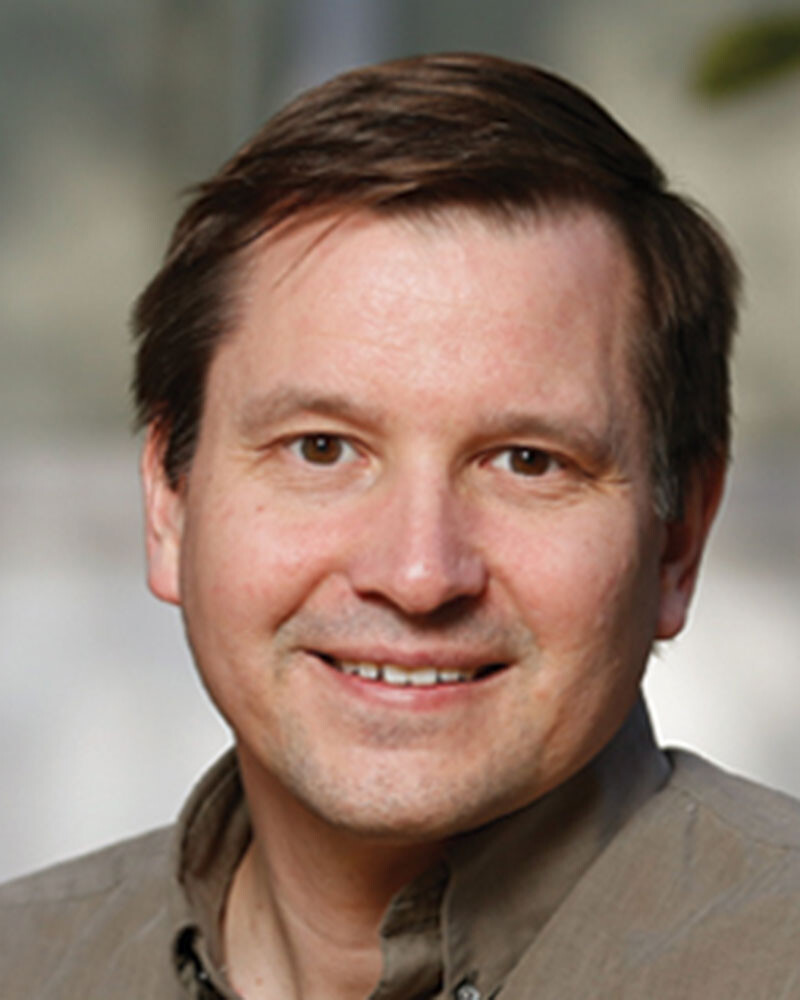
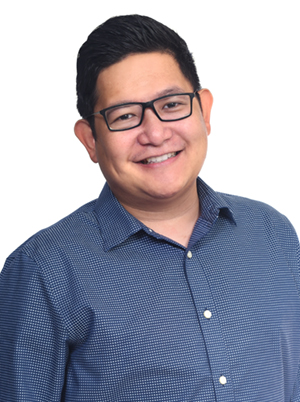
Dr. Anh Tran is a Researcher and Program Coordinator at the Faculty of Engineering, Architecture and Information Technology at The University of Queensland. His research spans two primary domains: humanitarian engineering and healthcare/public health. He holds a PhD in Chemical Engineering (2015), focusing on powder flow dynamics in industrial mixers. His recent work emphasizes cross-cultural health interventions, dementia care, and occupational health in emergency services. He has published widely on topics such as advance care planning, diabetes management in Vietnamese populations, and multicultural healthcare policy. His research interests include humanitarian engineering education, gerontology, public health policy, and the application of quantitative methods in healthcare. Notably, he has contributed to studies on cultural adaptation of healthcare tools and the psychosocial impacts of dementia on aging populations. His work bridges engineering and healthcare disciplines, addressing both technical and societal challenges. Dr. Tran’s academic contributions include over 20 peer-reviewed articles since 2012, with recent focus on global health equity and emergency services workforce retention. He has collaborated internationally on projects funded by UNESCO and other organizations, including the UNITWIN in Humanitarian Engineering Outreach.
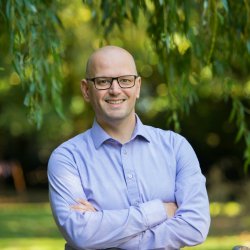
Associate Professor KANG Hway Chuan holds dual roles as an academic and director of the University Scholars Programme at the National University of Singapore (NUS). He earned his Ph.D. from the California Institute of Technology (Caltech) in 1989 and a B.Sc. from Yale University in 1983. His research focuses on surface chemistry, computational chemistry, and nanocluster reactivity, with specific interests in silicon-germanium interfaces, transition metal clusters, and sputtering dynamics. Using simulations based on statistical and quantum mechanics, his work explores molecular-scale processes in materials and catalytic reactions. Teaching contributions include CM2133 Foundations of Physical Chemistry for AY2022/2023. Research highlights include studies on disilane chemisorption mechanisms and graphene adsorption of transition metals. His lab is located at S8-03-05, and he can be reached at chmkhc@nus.edu.sg.
Associate Professor WU Jie holds positions as Assistant Head (M.Sc. Programme and Enterprise) and Dean's Chair Professor (2023-2026) at the Department of Chemistry, National University of Singapore (NUS). He leads the Lab of Flow Synthesis, focusing on photocatalysis and automated multistep synthesis. His research spans engineered flow reactors, natural gas feedstock transformations, and hydrogen atom transfer strategies. Education: Postdoctoral, Massachusetts Institute of Technology (2012-2015) Ph.D., Boston University (2012) B.Sc., Beijing Normal University (2006) Research Interests: His group develops advanced flow reactors (e.g., stop-flow micro-tubing), visible-light-driven C-H functionalization, and end-to-end automated synthesis platforms. Key projects include modular alkene synthesis from feedstocks and photo-mediated hydrosilylation. Publications: Recent works highlight innovations like button-push on-demand synthesis for antiviral agents and high-speed circulation flow platforms. Themes include photocatalytic cross-coupling, radical chemistry, and heterogeneous catalysis. Awards: Emerging Investigators in Flow Chemistry (2023) Thieme Chemistry Journal Award (2019) Asian Core Program Lectureship Award (2017-2023) Grants & Labs: Secured $12.3M as PI and $2M as co-PI. His lab trains students in flow chemistry, green synthesis, and automated platforms. Collaborations span institutions like MIT, Harvard, and industry partners.
Dr. Laura Barter is an Associate Professor in Plant Chemical Biology at Imperial College London's Department of Chemistry (Faculty of Natural Sciences). She leads the Barter Group, focused on enhancing photosynthetic efficiency and developing agrochemical tools through chemical biology. Her roles include Director of the £6M Institute of Chemical Biology CDT, AGRI-net, and the Agri Futures Lab, fostering multidisciplinary research and industry collaboration (e.g., Syngenta). Affiliations : Institute of Chemical Biology, Climate and Health, Industrial Biotechnology Hub, fabriCELL. Education : PhD in Biochemistry from Imperial College London, Royal Society University Fellowship recipient. Research interests include photosynthesis, plant membrane translocation, synthetic cells, and remote sensing for pollination monitoring. Over £35M in funding secured, with 10+ peer-reviewed publications since 2019. Awards include the Royal Society Fellowship. Advises PhD/MSc students in photosynthesis, agrochemicals, and synthetic biology. Collaborates globally through networks like AGRI-net (>1000 members).
Andreas Kogelbauer is a Senior Lecturer in the Department of Chemical Engineering at Imperial College London, part of the Faculty of Engineering. He has held this position since 2004, following roles as Lecturer (1999–2004) and Senior Research Associate (1995–1999) at Imperial College. Previously, he was a Research Associate at the University of Pittsburgh (1992–1995) and a PhD candidate at the Technical University of Vienna (1987–1992), where he also served as a University Assistant. His affiliations include the ACRE (Applied Catalysis and Reaction Engineering) programme and the Industrial Biotechnology Hub. Education: PhD in Technical Chemistry (1992), Technical University of Vienna. Thesis: "Synthesis and reactions of methylamines on zeolite catalysts" MS in Technical Chemistry (1987), Technical University of Vienna. Thesis: "Surface chemical and catalytic properties of erionite catalysts" Research Interests: Dr. Kogelbauer focuses on heterogeneous catalysts for sustainable chemical production, emphasizing environmentally benign processes. Key areas include zeolite catalysis, kinetic modeling, and in-situ infrared spectroscopy for mechanistic insights. His work prioritizes practical reactor design and catalyst recovery, aiming to optimize industrial processes. He investigates co-adsorption phenomena and reaction modes to enhance selectivity and thermal stability in catalytic systems. Grants and Advising: No specific grants or advised students are listed in the provided text. Labs/Teams: Affiliated with the ACRE programme, which specializes in catalysis and reaction engineering applications.
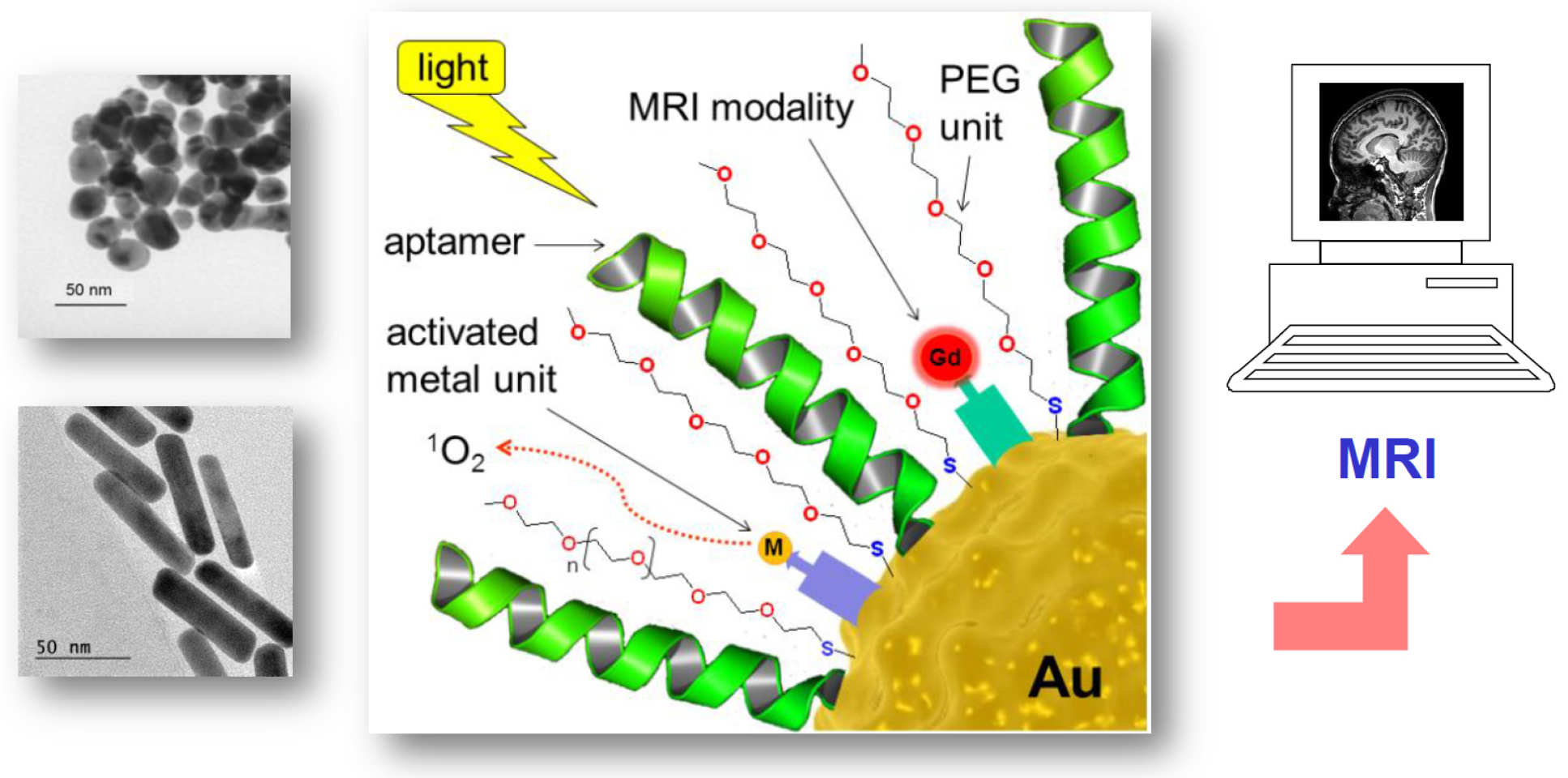
Professor James Wilton-Ely holds the position of Professor of Inorganic Chemistry at Imperial College London's Department of Chemistry (Faculty of Natural Sciences). He joined Imperial in 2009 after leadership roles at the University of Oxford and UCL. His affiliations include the Wilton-Ely Group, Grantham Institute, Chemical Biology and Healthcare Centre, Industrial Biotechnology Hub, and Synthesis and Catalysis MRes programs. He directs the MRes Green Chemistry Programme and has held roles such as Director of Postgraduate Studies and EDI Co-Director. Education: PhD in Organometallic Chemistry, Imperial College London BSc Chemistry with a Year in Europe, Imperial College London Research Interests: Focuses on catalysis using recovered metals, bioimaging (MRI contrast agents, PET radiotracers), CO sensing, and biomass conversion. Key projects include gold nanomaterials, green chemistry applications, and functionalized nanoparticles for theranostics. Recent highlights include CO detection in biological systems and sustainable palladium catalysis from waste. Awards: Sir Geoffrey Wilkinson Award (2021) Fellow of the Royal Society of Chemistry (FRSC) Chartered Chemist (CChem) Advising & Outreach: Supervises PhD/MRes students via CSC-Imperial and Commonwealth Scholarships. Active in STEM outreach, including Imperial Festival and Bridging The Future charity. Group members have presented at Lates events and hosted school students in lab-based projects. Labs & Teams: Leads the Wilton-Ely Group, pioneering metal-functionalized nanoparticles and catalytic systems. Collaborates with Prof. Jason Hallett on biomass dissolution in ionic liquids.
Dr. Manus Henry is a Professor in the Department of Engineering Science at the University of Oxford, specializing in sensor validation, industrial instrumentation, and signal processing. He holds a BSc and DPhil in Mathematics/Computer Science and Computer Science from the University of York. His research focuses on Coriolis mass flow metering, multiphase flow measurement, and advanced signal processing techniques like Prism filtering. He co-led a University Technology Centre sponsored by Invensys/Schneider Electric (1999–2015), fostering industry-academia collaboration. He serves as an associate editor for Flow Measurement and Instrumentation and advises the UK's BEIS Programme Expert Group on flow metrology. Key achievements include the 2007 Wheatstone Measurement Prize for Coriolis meter innovation. His work addresses challenges in carbon capture, oil/gas well testing, and biomedical device design. Recent research emphasizes ultra-precise FFT algorithms and vortex-induced energy harvesting systems. His contributions span fluid dynamics, instrumentation engineering, and IoT-enabled measurement validation. Current projects involve optimizing additive manufacturing cooling systems and developing real-time spectral analysis methods. He actively publishes on topics ranging from CFD analysis to low-pass filtering innovations, maintaining a strong industrial focus through partnerships with major engineering firms.
Jesus Lizana is an Associate Professor in Engineering Science at the University of Oxford and Non-Tutorial Fellow at Wolfson College. He leads research on Zero-Carbon Space Heating and Cooling at the ZERO Institute and contributes to the Future of Cooling Programme at the Oxford Martin School. His expertise spans architecture, engineering, and climate science, with a focus on sustainable energy systems and resilient urban environments. Dr. Lizana holds a BSc in Architecture and MSc in Building Engineering from the University of Seville, followed by a DPhil in Low-Carbon Buildings. He has held academic positions at the University of Seville, University of Edinburgh, Technical University of Munich, and Universidade de Lisboa. His consultancy work spans energy projects in the UK, India, Spain, Morocco, and Saudi Arabia, advising institutions like UNEP and the UK Department for Energy. His research integrates building performance, thermal energy storage, and climate resilience. Key areas include decarbonizing heating/cooling systems, urban microclimate analysis, and sustainable cooling strategies. Recent work explores demand flexibility in energy systems and climate projections for temperature scenarios. Awards: Marie Curie Fellowship, Juan de la Cierva Fellowship Grants: Extensive funding for interdisciplinary energy research Advising: Strategic guidance to international organizations and governments Labs/Teams: ZERO Institute (ECR network), Future of Cooling Programme
Jesse G. Zalatan is an Associate Professor in the Department of Chemistry at the University of Washington, affiliated with the College of Arts & Sciences. He holds a Ph.D. in Chemistry from Stanford University (2008) and an A.B. in Biochemical Sciences from Harvard University (2002). His research focuses on the physical organizing principles of biological networks, including cell signaling, metabolism, and gene regulation. Using methods from physical organic chemistry, enzymology, biochemistry, and synthetic biology, his lab develops CRISPR-Cas tools for programmable gene expression control. Previously, he conducted postdoctoral work at UCSF under Wendell Lim, studying specificity in cell signaling networks. Dr. Zalatan is actively involved in teaching and mentoring, accepting new graduate students. His work integrates interdisciplinary approaches to unravel complex biological systems.
Prof. Michael Famulok is a faculty member at the University of Bonn, affiliated with the Life and Medical Sciences Institute (LIMES) and the Faculty of Mathematics and Natural Sciences. His research focuses on DNA nanotechnology, aptamer development, and chemical biology, with an emphasis on creating functional biomolecular machines and molecular switches. His work explores interlocked DNA structures like rotaxanes and catenanes, aiming to develop controllable nano-devices for applications in diagnostics and therapeutics. Key projects include light-activated DNA nanoengines, self-regulating actuators, and aptamer-based systems targeting SARS-CoV-2 and cancer biomarkers. Research Interests: DNA Nanotechnology, Aptamer Selection, Chemical Biology, Molecular Switches, Bio-Hybrid Systems, Diagnostic Assays. Selected Publications Highlight Dynamic DNA Architectures, SARS-CoV-2 Aptamer Therapeutics, and Interlocked Nanostructures. His lab actively contributes to advancing nanoengineering and biotechnological applications.
Paul E Laibinis is the Chair of the Department of Chemical and Biomolecular Engineering and a Professor at Vanderbilt University's School of Engineering. His research focuses on surface-driven systems, including antifouling coatings, magnetic nanoparticle dispersions, DNA surface engineering, and imaging mass spectrometry collaborations with Vanderbilt Medical Center. He holds a Ph.D. from Harvard University and dual S.B. degrees in Chemical Engineering and Chemistry from MIT, as well as an A.M. in Organic Chemistry from Harvard. Education: Ph.D., Harvard University S.B., Chemical Engineering & S.B., Chemistry, Massachusetts Institute of Technology A.M., Organic Chemistry, Harvard University Research Interests: Antifouling Coatings: Designing surfaces to prevent non-specific biomolecule adsorption for enhanced biological sensing and separation processes. Magnetic Nanoparticles: Developing surface-functionalized nanoparticles for microfluidic systems to improve mixing and separation efficiency. DNA at Surfaces: Leveraging DNA programmability for SNP detection and directed self-assembly of complex structures. Imaging Mass Spectrometry: Engineering surface coatings and microstructures to enhance resolution and signal generation in biomedical imaging. Collaborations & Labs: Active in interdisciplinary teams with Vanderbilt Medical Center to advance biomedical applications of surface engineering technologies.
Dr. Lorenzo Santorelli is a Senior Lecturer in Zoology and Senior Teaching Fellow at the University of Surrey's School of Biosciences and Medicine. He serves as Programme Director for Biological Sciences and Senior Tutor for International Placements. His academic roles include Undergraduate Admissions Tutor and teaching responsibilities across modules such as Animal Diversity, Evolutionary Origins of Biodiversity, and Molecular Biology. With a PhD and MSc in biological sciences, Santorelli's research focuses on cooperative behavior in microorganisms and animals, employing interdisciplinary approaches in entomology, molecular biology, genetics, and microbiology. His work bridges evolutionary biology and social behavior, with notable studies on Dictyostelium discoideum social genes and Pseudomonas aeruginosa dynamics. Santorelli's teaching emphasizes zoology curriculum development for Biological Sciences and Veterinary Biosciences programs. His recent publications address microbiome analysis in beehives, antibiotic resistance environmental factors, and acupuncture efficacy in post-stroke care, reflecting his evolving research interests in both basic and applied science. While no formal grants or awards are listed, his contributions to undergraduate and international student placement support highlight his commitment to academic administration and student success.
Daniel Whelligan is a Senior Lecturer in Organic/Medicinal Chemistry at the University of Surrey's School of Chemistry and Chemical Engineering. He serves as Departmental Assessments Officer (2019-present) and has previously held leadership roles as MSc Drug Discovery Programme Director (2011-2015) and MRes Chemistry Programme Director (2015-2019). As a Member of the Royal Society of Chemistry (MRSC), he maintains active engagement with the professional chemistry community. His educational background includes a MSci degree in Natural Sciences from the University of Cambridge (Churchill College) in 2000, followed by a PhD from the University of Durham on silenes (Si=C) in novel organic synthetic methods. His postdoctoral career featured an Alexander von Humboldt Fellowship at RWTH Aachen University with Professor Carsten Bolm, research at Griffith University's Institute for Glycomics with Professor Mark von Itzstein, and work at the Institute of Cancer Research with Dr. Swen Hoelder on cancer target inhibitors. Dr. Whelligan's research program focuses on applying organic synthesis to address biological questions and advance alkaline fuel cell and electrolyser technology. His work spans three major areas: (1) developing inhibitors of DNA repair enzyme Aag for potential therapeutic applications; (2) investigating the mechanism of mycolactone, the causative agent of Buruli ulcer; and (3) designing novel membrane head groups for alkaline fuel cells and electrolysers. His research bridges fundamental chemistry with practical applications in drug discovery and sustainable energy technologies. Analysis of his recent publications reveals a strong emphasis on radiation-grafted anion-exchange membranes, with particular focus on optimizing membrane properties for CO2 electrolysis applications. His work demonstrates expertise in manipulating membrane chemistry to improve water management, ionic conductivity, and stability under operational conditions. The research shows a clear trajectory toward developing more efficient and durable materials for electrochemical energy conversion systems. Dr. Whelligan has secured significant research funding including EPSRC grants [EP/T009233/1, EP/R044163/1, EP/M005933/1] and Horizon 2020 EU funding [851441], demonstrating the impact and relevance of his work in the energy sector. His Royal Society Research Grant [RG140689] and earlier EPSRC support [EP/I000992/1] highlight the interdisciplinary nature of his research spanning chemistry, biology, and materials science. He currently supervises three PhD students (Isobel Beard, Nermin Ener, and Matthew Burrell) in the Joseph Kenyon laboratory, which features 24 state-of-the-art double fume cupboards, spectroscopy suite, and cold room. His research group benefits from departmental resources including 500 and 400 MHz NMR spectrometers, an Agilent 6550 QToF LCMS, and various other analytical instruments essential for modern chemical research.
Prof. Dr. Dieter Bothe is a full Professor at TU Darmstadt and head of the Mathematical Modeling and Analysis (MMA) lab. He holds a habilitation in mathematics from Universität Paderborn (2000) and previously served as Chair for Mathematics/CCES at RWTH Aachen (2005–2009). His research focuses on multiphase flow modeling, mathematical analysis, and computational fluid dynamics, with emphasis on interfacial phenomena, surfactant dynamics, and thermodynamic frameworks. Key roles include coordinating the DFG-Priority Programme SPP 1506 (2010–2017) and currently co-coordinating the DFG-CRC 1194. He serves on editorial boards for Nonlinear Analysis: Real World Applications and International Journal of Multiphase Flow . His work bridges theoretical rigor with industrial applications, particularly in viscoelastic two-phase flows and subgrid-scale modeling. Education : - Study in Mathematics/Computer Science/Physics at Universität Paderborn (graduated 1993) - Habilitation in Mathematics (2000) Research Themes : - Multiphase flow dynamics - Thermodynamic modeling of interfacial systems - Numerical methods (VOF, Level Set) - Surfactant and mass transfer processes His computational frameworks, such as the plicRDF-isoAdvector VOF method and OpenFOAM modules, advance wetting simulations and industrial flow modeling. Recent work emphasizes scale-bridging model hierarchies and data-driven subgrid-scale approaches for convection-dominated flows. Grants & Leadership : - Coordinator of the research profile 'Thermo-Fluids & Interfacial Phenomena' (since 2021) - Member of TU Darmstadt's Scientific Advisory Council Bothe's lab (MMA) develops innovative methods for complex fluid systems, addressing challenges in capillary phenomena, viscoelastic flows, and reactive bubbly flows. His contributions span fundamental analysis and applied engineering solutions.
Maxx Arguilla is an Assistant Professor in the Department of Chemistry at the University of California, Irvine (UCI), with a joint appointment in the Department of Chemical and Biomolecular Engineering. He leads the Maxx X Lab, focusing on experimental low-dimensional condensed matter chemistry, particularly in solid-state chemistry, materials physics, and nanoscience. His research explores the synthesis and properties of quasi-1D van der Waals crystals, helical nanostructures, and confined materials. Education and Training: B.S., University of the Philippines Diliman (2007-2011) Ph.D., The Ohio State University (2012-2017) Postdoctoral Fellow, Massachusetts Institute of Technology (2017-2020) Research Interests: His work centers on understanding how dimensional confinement and anisotropy influence electronic, optical, and quantum properties of materials. Key areas include: Design of 1D van der Waals nanostructures for optoelectronics and quantum devices Encapsulation of crystalline materials within carbon nanotubes Hybrid organic-inorganic assemblies for sensing and spintronics Awards and Recognition: NSF CAREER Award (2023) Air Force Office of Scientific Research Young Investigator Program Award IUPAC Young Observer (2025) Runner-up, Journal of Materials Chemistry Lectureship Award (2024) Advising and Grants: Maxx mentors a diverse team of graduate and undergraduate researchers, including NSF GRFP Fellows and DoD NDSEG recipients. His lab is supported by grants from NSF, Air Force Office of Scientific Research, and the Rose Hills Foundation. Labs and Teams: The Maxx X Lab collaborates with institutions globally, advancing research in low-dimensional materials for next-generation technologies. The group emphasizes interdisciplinary approaches and outreach to inspire future STEM leaders.