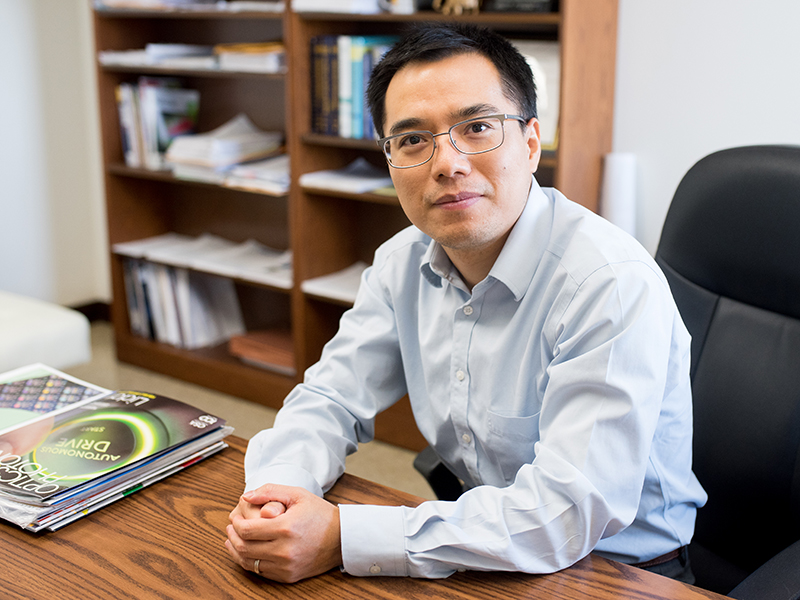
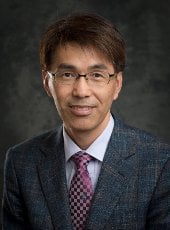
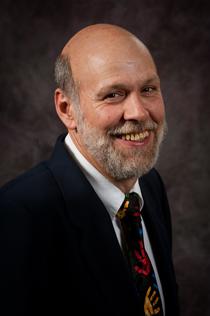
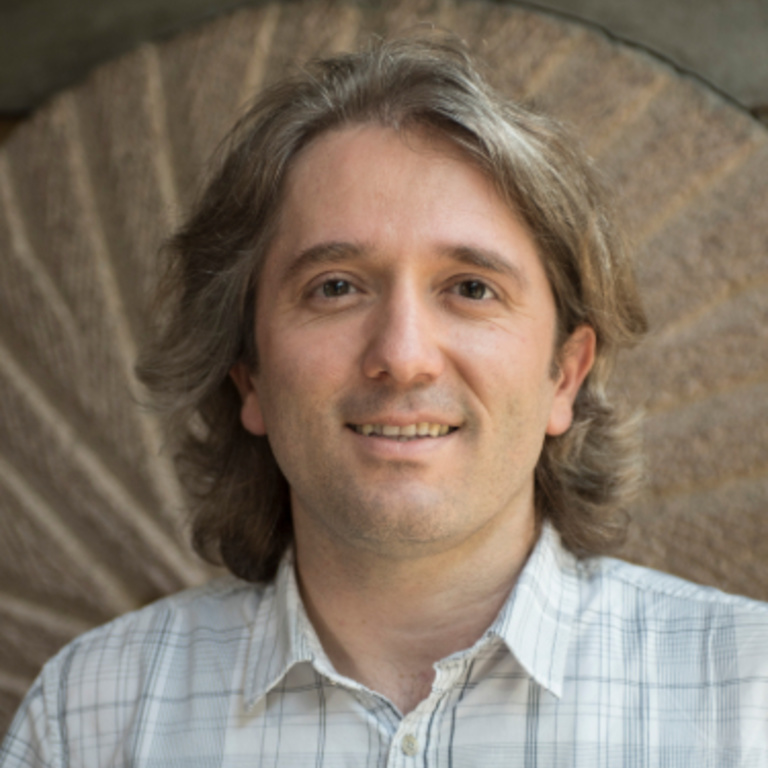
Domenico Ferrero is a Fixed-term Tenure-track Assistant Professor at the Department of Energy (DENERG), Politecnico di Torino. His primary role involves advancing research in renewable energy systems, particularly focusing on hydrogen technologies, energy storage, and thermochemical cycles. He contributes to the College of Electrical and Energy Engineering, teaching courses such as Hydrogen Laboratory and Sistemi di accumulo dell'energia elettrica . His research emphasizes experimental and modeling studies on hydrogen production via electrolysis, solar-driven thermochemical cycles, and CO₂ utilization. Key projects include H2SHIFT, HyAcademy.EU, and IMAGHyNE, funded by EU initiatives. Ferrero collaborates internationally on material characterization for protonic ceramic electrolysis cells and sealant development. He supervises multiple PhD students in energy systems and leads the M3ES research group. Publications highlight innovations in solar fuels, redox cycles, and hydrogen-battery hybrid systems. His work bridges fundamental science with applied engineering, targeting sustainable energy solutions for remote and urban environments.
Dr. Markus Piro is an Associate Professor in the Department of Engineering Physics at McMaster University, specializing in Nuclear Engineering and Energy Systems. He teaches ENG PHYS 3D04, focusing on fission/fusion energy systems, reactor design, and radiation interactions. His research emphasizes thermodynamic modeling of nuclear fuels, computational fluid dynamics (CFD), and severe accident analysis in reactors like CANDU and molten salt systems. Key projects include phase equilibrium studies of advanced fuels, corrosion mechanisms, and coupling CFD with thermodynamic simulations for reactor safety. He leads the Nuclear Fuels And Materials Group, developing tools like Thermochimica and collaborating on fuel design, cladding interactions, and accident mitigation strategies. Recent work includes investigations into Nd-C/Ce-C TRISO coatings, molten salt reactor chemistry, and FeCrAl cladding behavior under accident conditions. Dr. Piro’s computational expertise spans reactor hydraulics, thermal-hydraulic modeling, and material compatibility studies. He actively contributes to international initiatives like the TAF-ID database and engages in experimental validation of corium behavior. Current activities include accepting graduate students and advancing multiphysics simulation frameworks for next-gen reactors.
Dr.-Ing Alexander Vahl is a Researcher at the Technical Faculty of Kiel University, leading the subgroup Nanoparticles for Nanocomposites . He specializes in advanced materials science, focusing on nanoparticle synthesis, functional thin films, and neuromorphic engineering. His research bridges nanotechnology with applications in memristive systems and plasmonics, emphasizing strain-invariant conductors and photocatalytic growth mechanisms. Key projects include developing self-assembled nano-object networks for brain-inspired computing and optimizing gas aggregation cluster sources for novel material fabrication. His work spans disciplines such as memristive switching, plasmonic metasurfaces, and bio-inspired electronics. Notable contributions include studies on silver/polymer nanofluids, ITO-TiO₂ heterojunctions, and multicomponent nanoparticle synthesis. Vahl collaborates with the Chair for Functional Nanotechnology, leveraging interdisciplinary expertise to advance materials innovation. His articles highlight advancements in neuromorphic systems, photocatalytic deposition, and thin-film technologies. The research emphasizes scalability and real-world applications, such as energy-efficient sensors and hybrid zinc batteries. Vahl’s subgroup webpage and extensive publications reflect a commitment to pushing boundaries in nanomaterials engineering.
Dr. Salih Veziroglu is a post-doctoral researcher and subgroup leader at the Chair for Multicomponent Materials at Kiel University, under Prof. Franz Faupel. His research focuses on functional metal-oxide micro-/nanostructures, including thin films and particles, for applications in energy, self-cleaning surfaces, and sensing technologies. Notably, he has pioneered photocatalytic methods to create conductive metal patterns on titanium dioxide substrates, mimicking axon growth and enabling advanced biomedical and electronic systems. Veziroglu earned his doctoral degree in Materials Science from Kiel University in 2020, supported by Federal State Funding. His work integrates nanomaterial synthesis, surface functionalization, and interdisciplinary applications. Key areas include 3D porous cerium oxide networks for catalysis, superhydrophobic coatings, and biomedical materials like algae-incorporated polylactide acid patches for tissue engineering. His research highlights include strain-invariant all-organic conductors developed with Prof. Adelung's team, and novel methods for gold deposition on titanium dioxide using light-driven processes. These innovations address challenges in energy storage, environmental remediation, and medical device coatings. Veziroglu’s subgroup actively explores gas-phase synthesis techniques, plasma treatments for biofilm decontamination, and material design for high-performance applications. Publications span topics like additive manufacturing of titanium alloys, photocatalytic nanoparticle synthesis, and biomedical coatings. His work emphasizes practical solutions for sustainability and healthcare, driven by advanced material chemistry.
Yuebing Zheng is a Professor of Mechanical Engineering & Materials Science and Engineering at the University of Texas at Austin, holding the Cullen Trust for Higher Education Endowed Professorship. He leads a research group innovating optical nanotechnologies for applications in health, energy, and manufacturing. His work focuses on light-matter interactions, optically active materials, and interdisciplinary training. Key roles include Graduate Advisor for the Materials Science Program and past leadership as Associate/Assistant Professor since 2013. Education: PhD in Engineering Science and Mechanics (2010), Penn State University Postdoctoral Researcher (2010-2013), UCLA (Chemistry and Biochemistry) MSc in Physics (2003), National University of Singapore BSc in Physics (2001), Nankai University Research Interests: Optical manipulation technologies (e.g., optothermal tweezers) Nanophotonics and metamaterials Machine learning for materials discovery Biomedical applications (e.g., cell analysis, chiral sensing) Clean energy systems Recent Article Trends: Focus on AI-driven materials design, optothermal microrobotics, and advanced optical systems for energy and biomedical applications. Key innovations include photonic batteries, graphene moiré systems, and steerable active particle swarms. Awards: 2025 SPIE Fellow 2024 Optica Fellow 2017 NIH New Innovator Award 2014 Beckman Young Investigator Multiple best paper awards (2019–2023) Advising & Grants: Supervised over 20 PhD students/postdocs. Active grants from NIH, NSF, ONR, NASA, and industry partnerships. Current lab focuses on optical manipulation, metamaterials, and AI-integrated nanotechnology. Labs/Teams: Director of the Zheng Research Group, affiliated with the Texas Materials Institute. Collaborates on projects merging nanoscience with machine learning and biomedical engineering.
Dr. Youngchul Ra is an Associate Professor in the Department of Mechanical and Aerospace Engineering at Michigan Technological University. He holds a PhD from MIT (1999) and degrees from Seoul National University. His expertise includes computational fluid dynamics (CFD), combustion modeling, chemical kinetics, and alternative fuel research. His work focuses on advanced combustion strategies like Gasoline Compression Ignition (GCI), engine CFD code development, and high-performance computing. Education: PhD in Mechanical Engineering, Massachusetts Institute of Technology (1999) Masters and Bachelors in Mechanical Engineering, Seoul National University Research Interests: Developing multi-component fuel models for real-world applications Optimizing six-stroke GCI engines with advanced valve technologies Reducing emissions via combustion control and injection strategies Parallel computing techniques for large-scale engine simulations Recent work emphasizes oxygenated fuels in GCI engines and parametric studies of combustion efficiency. His CFD models are validated against experimental data for accuracy. His research has led to advancements in low-temperature combustion and emission reduction without explicit awards listed. He collaborates on engine design optimization and fuel formulation projects.
Prof. Philipp Reiss is a Professor of Lunar and Planetary Exploration Technologies at the Technical University of Munich (TUM), part of the TUM School of Engineering and Design. His academic journey includes a doctorate in lunar exploration (2018) and postdoctoral leadership of a research group, followed by ESA work on lunar mission instruments. He was appointed to his current role in 2022. Education: Bachelor's/Master's in Aerospace Engineering from Bremen University of Applied Sciences and TUM Doctorate in Lunar Exploration (TUM, 2018) Research Focus: Development of instruments for in-situ resource characterization (e.g., water detection on the Moon) Simulation of heat/mass transport in extraterrestrial environments Technologies for extreme environment exploration Legal and ethical frameworks for space resource utilization Recent Article Trends: Recent work emphasizes lunar water cycle analysis, space resource extraction technologies, and ESA mission instrument development. Key projects include PROSPECT payload design and thermal extraction of volatiles from regolith. Awards and Roles: ERC Grant Awardee (2024), Honorary Fellow at TUM Institute for Advanced Study Principal Investigator at ORIGINS Excellence Cluster (2022–present) Member of ESA’s PROSPECT science team (2019–present) Contributions to UN space resource legal discussions Advising & Grants: Supervises research projects on lunar rover systems and resource utilization. Secured funding through ERC grants and ESA collaborations. Advises on international space policy initiatives. Labs/Teams: Leads the Lunar and Planetary Exploration Professorship group at TUM, collaborating with ESA, JAXA, and the European Lunar Symposium. Active in developing planetary exploration tools like the PROSPECT permittivity sensor and MULE instrumentation.
J. Scott Smith is a Professor of Food Chemistry and Chair of the Food Science Graduate Program at Kansas State University's Department of Grain Science and Industry within the College of Agriculture. He holds a 70% research and 30% teaching appointment. His academic journey includes a BS in Biology (Brescia College, 1972), MS in Biochemistry (Kansas State, 1975), and PhD in Food Science (Penn State, 1981). He has been at Kansas State since 1989, previously serving at Penn State. His research focuses on food chemistry and toxicology, particularly heterocyclic amine (HCA) inhibition in cooked meats, advanced glycation endproducts (AGEs), and food irradiation safety. Notable contributions include studies on spice inhibition of oxidation and irradiation markers like 2-dodecylcyclobutanone (2-DCB). He teaches advanced food chemistry courses and has pioneered methods for assessing food contamination from ammonia refrigeration leaks. Smith is an active member of the Institute of Food Technologists (IFT), American Chemical Society, and AOAC International. His work has been widely covered globally, including breakthroughs in cranberry preservation and meat safety. He oversees research labs such as the BIVAP Feed Quality Assurance Lab and collaborates on food safety innovations.
Bruno A.M. Carciofi is an Assistant Professor in the Department of Biological and Agricultural Engineering at the University of California, Davis. His research focuses on food processing engineering, predictive microbiology, and innovative food technologies. He holds multiple degrees from the Federal University of Santa Catarina, Brazil, including a Ph.D. in Food Engineering. Education: B.S. in Food Engineering (Federal University of Santa Catarina) B.S. in Chemical Engineering (Federal University of Santa Catarina) M.S. in Food Engineering (Federal University of Santa Catarina) Ph.D. in Food Engineering (Federal University of Santa Catarina) Research interests include non-thermal processing technologies, agro-industrial by-product valorization, and mathematical modeling of food systems. Recent work emphasizes cold plasma applications for food safety and sustainability, microwave drying optimization for plant-based products, and microbial growth modeling. His publications span food engineering innovations, such as plasma-activated water for pest control and advanced drying techniques for nutrient retention. He actively contributes to Sustainable Development Goals through biotechnology solutions for food waste reduction. Notable contributions include development of antimicrobial packaging systems and engineered plant-based protein structures. His research bridges food science, engineering, and biotechnology to address global challenges in food safety and resource efficiency.
Professor Alexander Breeze is a Chair in the School of Medicine at the University of Leeds, affiliated with the Multidisciplinary Cardiovascular Research Centre. His research focuses on structural biology, drug design, and molecular mechanisms of disease, particularly involving protein-protein interactions and NMR spectroscopy. Key areas include RAS oncogene inhibition, fibroblast growth factor receptors (FGFRs), and amyloid aggregation modulation. Education Background: Details of formal education not explicitly provided in the text, but extensive career history in structural biology and medicinal chemistry suggests advanced degrees in relevant fields. Research Interests: Professor Breeze’s work spans cardiovascular research, cancer biology, and infectious diseases. He develops novel therapeutics targeting oncogenic signaling pathways (e.g., RAS, FGFR) and investigates mechanisms of protein misfolding in amyloid diseases. His lab employs fragment-based drug design, NMR spectroscopy, and computational methods to study protein dynamics and drug interactions. Publications Overview: His recent work highlights advancements in small-molecule inhibitors for RAS proteins, CRACR2A genetic associations with COVID-19 severity, and modulation of amyloid aggregation pathways. Research trends emphasize translational applications, bridging basic science and clinical targets like cancer and neurodegenerative diseases. Awards & Recognition: No specific awards mentioned in the provided text, though his sustained high-impact publications suggest recognition in the field. Grants & Advising: Leadership in multidisciplinary cardiovascular research and training of early-career researchers through collaborative projects. No explicit grant details provided in this dataset. Labs & Teams: Active in the Multidisciplinary Cardiovascular Research Centre, fostering cross-departmental collaborations in cardiovascular and structural biology research.
Ling Tao is a Researcher at the National Renewable Energy Laboratory (NREL) , focusing on Techno-economic Analysis , Process Integration , and Sustainable Aviation Fuels . Their work spans Bioenergy , Lignocellulosic Biomass , and Energy System Optimization . Education : Bachelor in Chemical Engineering (Tsinghua University), PhD in Chemical Engineering (University of Massachusetts Amherst) Research interests include Catalytic Processes , Life Cycle Assessment , and Supply Chain Simulation for biofuels. Recent publications emphasize Biomass-to-Aviation Fuels and Climate Change Impact on Renewable Energy . 2025 publications highlight Dynamic Process Computation for sustainable aviation fuels and Process Optimization for bioconversion systems. Collaborations involve experts in Catalysis and Green Energy . Awards : NREL Distinguished Member of Research Staff (2021)
Remco M. Dijkman serves as Full Professor in Information Systems at Eindhoven University of Technology (TU/e), chairing the Information Systems group within the Industrial Engineering and Innovation Sciences school. He additionally holds a Full Professor position at EAISI High Tech Systems and acts as research director for high-tech supply chains at the European Supply Chain Forum—a network of over 50 multinational companies. His research centers on Business Process Management with emphasis on data-driven optimization of business processes. His academic background includes both PhD and Master's degrees in Computer Science from the University of Twente. Publications span Information Systems, Computers in Industry, and Transactions on Software Engineering and Methodology, with over 100 papers and service on the editorial board of Information Systems. He has held visiting positions at New York University, Hasso Plattner Institute, IBM Zurich Research Lab, Humboldt-University Berlin, and Queensland University of Technology. Dijkman's research interests focus on detecting, diagnosing, and predicting optimal execution scenarios in business processes, developing mathematical models for quantitative process analysis , and resource assignment optimization . These are primarily applied in transportation logistics and high-tech supply chains, where he investigates data-driven predictions for transport order assignment and supply chain planning. His work bridges artificial intelligence with practical business applications. Recent publications (2024-2025) reveal concentrated efforts in deep reinforcement learning for resource allocation, process pattern discovery, and software library development (GymPN, SimPN). Key trends include predictive process monitoring for healthcare applications, event data enrichment frameworks, and uncertainty handling in logistics planning—demonstrating strong interdisciplinary integration. Scientific recognition includes: Best Demo Award (2019) Best Reviewer Award (2016) Test of Time Award (2019) He has supervised 150 students, including Lotte Vugs who received the Dow Chemical Best OML Master Thesis Award in 2020. Grant leadership spans eight projects: NXTGEN Smart Industry (2023-2030), CollChain (2023-2029), CERTIF-AI (2020-2025), FENIX (2019-2023), and DynaPlex (2021-2024), focusing on digital twins, federated networks, and AI-driven supply chain solutions. Dijkman directs the Information Systems group at TU/e and leads the European Supply Chain Forum's high-tech supply chain research. His work integrates with semiconductor manufacturing and transportation logistics through collaborations with industry partners, while his 2023 invited talks at Technical University of Munich and Humboldt University Berlin highlight his international engagement.
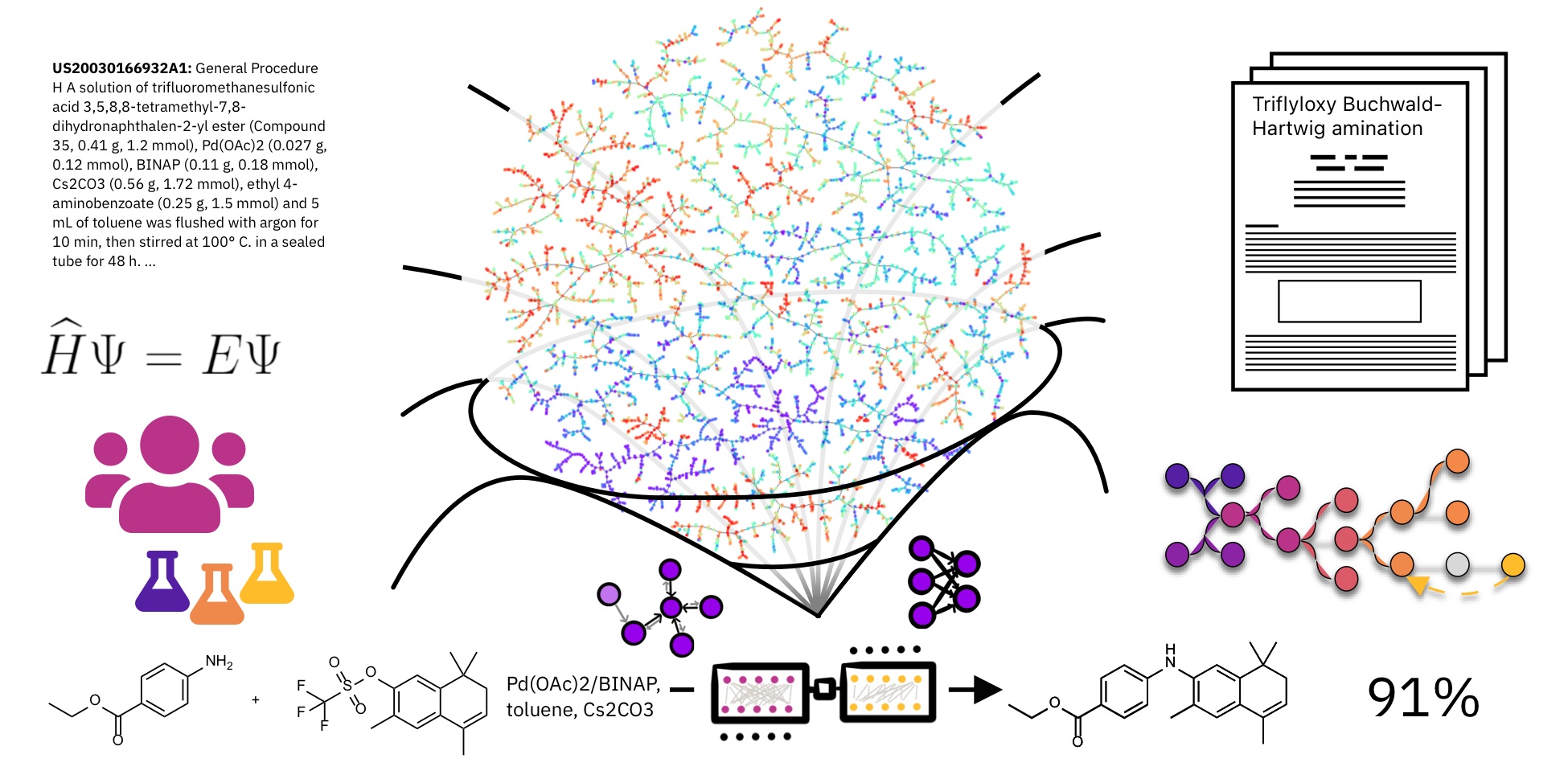
Philippe Schwaller is a Tenure Track Assistant Professor at École Polytechnique Fédérale de Lausanne (EPFL), School of Basic Sciences, within the Institute of Chemical Sciences and Engineering. He leads the Laboratory of Artificial Chemical Intelligence (LIAC), a research group focused on leveraging artificial intelligence to accelerate molecular discovery and sustainable chemistry. He is also a core Principal Investigator of the NCCR Catalysis, a national Swiss research center. His research lies at the intersection of chemistry, materials science, and computer science, with a strong emphasis on developing machine learning models for molecular design and synthesis. LIAC's work is driven by real-world sustainability challenges, aiming to reduce the time and cost of discovering new functional molecules and materials. The recent publications and projects from his lab highlight a strong trend in generative AI for chemistry, including memory-augmented models, hypergraph neural networks, and large language models tailored for scientific discovery. These efforts are complemented by educational initiatives such as the 'AI for Chemistry' course and practical programming resources for chemists. He actively supervises a diverse group of PhD students and contributes to multiple doctoral programs at EPFL, including EDCH and EDPY. His teaching portfolio includes courses on computational chemistry, AI applications in chemistry, and scientific machine learning. Philippe Schwaller is deeply involved in advancing AI-driven scientific discovery through both research and education, positioning his lab at the forefront of artificial chemical intelligence. The lab maintains active open-source contributions on GitHub, fostering collaboration and transparency in scientific AI development.
Ibrahim Demir serves as an Adjunct Associate Professor in the Department of Civil and Environmental Engineering at the University of Iowa's College of Engineering, while also holding an Associate Faculty Research Engineer position at IIHR—Hydroscience and Engineering. His interdisciplinary work bridges hydroinformatics, environmental engineering, and advanced computing technologies to address critical water resources challenges through innovative digital solutions. His educational background includes a PhD in Environmental Informatics and Control Program from the University of Georgia (2010), an MS in Environmental Engineering from Gebze Institute of Technology (2004), and a BS in Chemistry from Bogazici University (2000). This foundation supports his integration of chemical, environmental, and computational sciences in hydrological research. Dr. Demir's research centers on hydroinformatics and AI-driven environmental systems, with core expertise in scientific visualization, cyber systems design, and virtual/augmented reality applications. He develops web-based frameworks for flood risk assessment, drought analysis, and water quality management, emphasizing real-time data integration and user-friendly interfaces. Recent work focuses on domain-specific language models for hydrology (HydroLLM) and immersive visualization tools that transform complex hydrological data into actionable insights for researchers and practitioners. Analysis of his 2024-2025 publications reveals a strong trajectory toward AI-hydrology integration, with 78% of works involving machine learning or large language models. Key themes include flood risk communication (22% of publications), algal bloom prediction (15%), and educational technology applications (12%). His research increasingly emphasizes scientific reproducibility through no-code visual programming frameworks and digital twin implementations for watershed systems. Dr. Demir actively contributes to scholarly discourse as Associate Editor for Environmental Modeling and Software, Journal of Hydroinformatics, Journal of Environmental Informatics, and Water and Artificial Intelligence (Frontiers in Water). He serves as Vice-Chair of the International Joint Committee on Hydroinformatics (IAHR/IWA/IAHS) leadership team, shaping global standards in hydroinformatics research and practice. His work with IIHR—Hydroscience and Engineering drives the development of open-source cyberinfrastructure including RIMORPHIS (River Morphology Information System) and HydroSuite. These platforms enable collaborative river morphology research and provide modular tools for hydrological analysis, education, and operational decision support, demonstrating his commitment to accessible, community-driven scientific advancement.
Massimiliano Delferro is a chemist and group leader of the Catalysis Science Program at Argonne National Laboratory, with a concurrent appointment as a Senior Scientist at the Pritzker School of Molecular Engineering (PME), University of Chicago. He leads the Argonne initiative on 'Science for a Circular Economy,' focusing on chemical recycling of plastics and sustainable catalyst development. Ph.D. in Organometallic Chemistry (University of Parma, 2008) Research Associate Professor (Northwestern University, 2010-2016) His research spans catalysis, chemical recycling of plastics, hydrogen production using earth-abundant catalysts, and valorization of shale gas. He is widely recognized for his work on polymer upcycling, organometallic surface chemistry, and metal-organic framework (MOF) catalysis. Recent publications highlight his leadership in converting plastic waste into high-value products (e.g., lubricants, functional polymers), supported by advanced spectroscopic and computational methods. Trends include C–C bond cleavage, MOF-supported catalysts, and redox-tunable systems. AAAS Fellow (2023) RSC ChemComm Pioneering Investigator (2023) R&D100 Award Finalist (2022) Argonne TCP Rising Star (2022) Delferro has published over 150 peer-reviewed articles, holds 30+ patents, and serves on the editorial board of ACS Applied Materials and Interfaces . He has been actively involved in professional societies, including the American Chemical Society and the Catalysis Society, where he served as President and Program Chair.