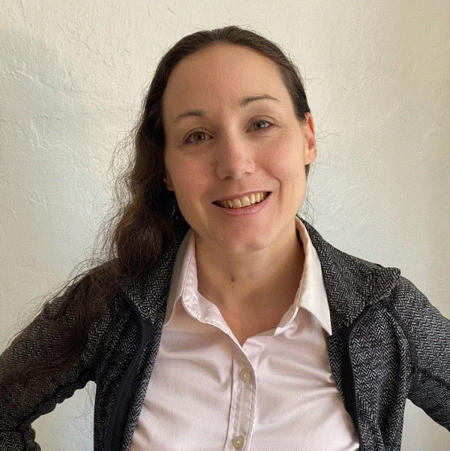
Scott Garman is Professor of Biochemistry at UMass Amherst, focusing on structural biology of glycoproteins in human diseases. PhD from Harvard University. Research areas: Lysosomal enzyme mechanisms in storage diseases (Fabry, Schindler); Malaria surface protein structures; Antibody-receptor interactions. Utilizes X-ray crystallography to study enzyme mutations causing disease. Key findings: Determined structures of α-galactosidase (Fabry disease) and α-NAGAL (Schindler disease), revealing molecular bases for enzyme dysfunction. Developed models for enzyme trafficking and substrate processing. Laboratory: Investigates protein folding diseases and develops therapeutic strategies. Collaborates on malaria vaccine development and antibody engineering.
Dr. Nika Danial is an Associate Professor of Cell Biology at Harvard Medical School and the Department of Cancer Biology at Dana-Farber Cancer Institute. She leads the Danial Lab, investigating metabolic mechanisms that regulate cellular adaptation to stress, with a focus on fuel utilization in health and disease. Dr. Danial holds additional roles as Co-Director of the NCI-funded T32 Training Program in Cancer Chemical Biology and Metabolism. Her research integrates biochemistry, mouse models, and metabolomics to study metabolic contributions to cancer, diabetes, and neurological disorders. Education: PhD from Columbia University (1999), postdoctoral training at Harvard Medical School and Dana-Farber under Dr. Stanley Korsmeyer. Key research areas include mitochondrial dynamics, glucose metabolism pathways, and the interplay between inflammation and metabolic signaling. The lab has pioneered studies on how metabolic flexibility impacts disease progression in pancreatic islets, lymphoma subtypes, and neuronal excitability. Publications highlight discoveries in mitochondrial fatty acid oxidation regulation, urea cycle anti-inflammatory mechanisms, and metabolic signatures in cancer subtypes. Her work has implications for developing therapies targeting metabolic vulnerabilities in diseases like diffuse large B-cell lymphoma and type 1 diabetes. The Danial Lab emphasizes rigorous training for the next generation of scientists through mentorship programs and interdisciplinary collaboration.
Silvia Cavagnero is a Professor in the Department of Chemistry at the University of Wisconsin–Madison, with a research focus on protein folding and misfolding in cellular contexts. Her work integrates biomolecular spectroscopy, chemical biology, and computational methods to address fundamental questions in structural biology. B.S., First University of Rome ‘La Sapienza’ (1988) M.S., University of Arizona (1990) Ph.D., California Institute of Technology (1996) Her research explores the role of molecular chaperones like Hsp70 in protein biogenesis, the development of laser-driven NMR techniques for enhanced sensitivity, and the implications of protein aggregation in neurodegenerative diseases. Key projects include cotranslational folding studies at ribosomal exit tunnels and hyperpolarization methods for low-concentration NMR analysis. The 15 most recent publications highlight interdisciplinary advances in NMR spectroscopy optimization Protein folding kinetics Cryo-EM structural analysis Chaperone-client interactions Hsp70 antimicrobial design Hydration dynamics in folding Scientific contributions include A Prize for Going in Vivo (2017) Recognition for Diversity and Inclusion Efforts Students from the Cavagnero Group have pursued careers in academia, pharmaceutical industries, and national laboratories. Her lab emphasizes interdisciplinary training, blending physical chemistry, biology, and computational analysis.
Peter Chien is an Adjunct Professor in the Department of Biochemistry and Molecular Biology at the University of Massachusetts Amherst. His research focuses on regulated protein degradation and quality control in bacteria, with a particular emphasis on mechanisms governing proteolysis during the bacterial cell cycle. PhD, University of California, San Francisco Postdoctoral Training, Massachusetts Institute of Technology The Chien Lab employs interdisciplinary approaches including biochemistry, structural biology, and cell biology to study proteolytic mechanisms in Caulobacter crescentus. Their work explores how AAA+ proteases like ClpXP and Lon recognize substrates with precision and how this impacts cellular regulatory networks. Recent research trends from the lab include investigations into Lon protease modulation , DNA damage responses , protein homeostasis under stress , and genetic regulators of proteostasis . Studies often integrate structural analysis with functional assays to uncover molecular principles of protease specificity. The lab is affiliated with multiple graduate programs, including the Molecular and Cellular Biology (MCB) program, Chemistry-Biology Interface Program, Biotechnology Training Program, and the Institute for Applied Life Sciences at UMass Amherst.
Professor Sebastian Hiller is a Full Professor at the Biozentrum of the University of Basel, Switzerland, where he leads a research group focused on structural biology and biophysics. His laboratory specializes in using nuclear magnetic resonance (NMR) spectroscopy to elucidate the structures and functions of proteins and their interactions at the atomic level. His research spans several key areas including molecular chaperones and protein folding mechanisms, outer membrane protein biogenesis in bacteria, and kinase signaling pathways. Notably, his group has made significant contributions to understanding how chaperones like trigger factor function, the mechanisms of outer membrane protein assembly through the Bam complex, and dynamic kinase interactions. Their work has direct implications for neurodegenerative diseases and antibiotic development. The Hiller lab's recent publications demonstrate a strong focus on NMR methodology development, protein folding dynamics, and structural mechanisms of antibiotic action. Their research on darobactin's mechanism of action against Gram-negative bacteria represents a significant advance in antibiotic discovery. The group frequently publishes in high-impact journals including Nature, Science, and Nature Communications. ICMRBS Founder's Medal (2018) EMBO Young Investigator (2014) ERC starting grant (2011) SNSF professorship (2010) SNSF scholarship for young researchers (2008) Professor Hiller supervises numerous PhD students and postdoctoral researchers, with many alumni having secured prestigious positions in academia and industry. His laboratory maintains strong collaborations across multiple institutions and has received significant funding through ERC grants and other competitive mechanisms. The Hiller group also operates advanced NMR facilities that serve the broader research community at the University of Basel.
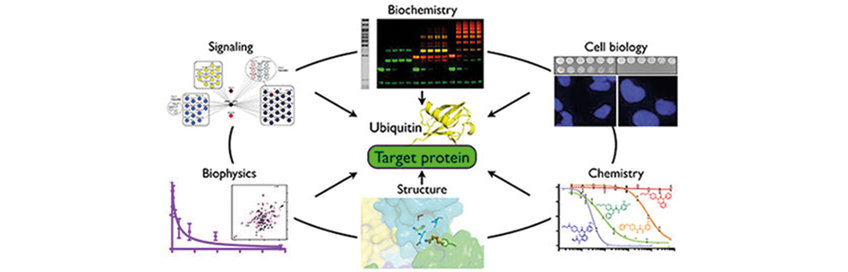
Brenda Schulman is a Professor and Director of the Molecular Machines and Signaling Pathways department at the Max Planck Institute of Biochemistry in Martinsried, Germany. She also holds an honorary professorship at the Technical University of Munich's Department of Chemistry and serves as Adjunct Faculty at St. Jude Children's Research Hospital in Memphis, TN, USA. Her research focuses on understanding how ubiquitin and ubiquitin-like proteins regulate cellular processes through protein modification. Dr. Schulman's research interests center on structural biology of the ubiquitin-proteasome system and ubiquitin-like proteins. Her work has shown that hundreds of dynamic multiprotein complexes are transiently converted into different conformations by specialized regulatory factors that control ubiquitin and ubiquitin-like proteins, thereby monitoring virtually all processes in cell biology. She combines biochemical reconstitution, structural analysis, enzymology, protein design, cell biology, and genetics to understand how these molecular machines function. Her research has significant implications for understanding diseases such as cancer, neurodegenerative disorders, and viral infections where defects in ubiquitin pathways are implicated. Her extensive publication record demonstrates expertise in ubiquitin signaling, protein degradation mechanisms, structural biology of E3 ligases, and molecular machines. Her work spans from fundamental mechanisms of ubiquitin chain formation to therapeutic applications in targeted protein degradation. Among her numerous scientific accolades are the Feldberg Prize for Anglo-German Scientific Exchange (2025), ERC Advanced Grant (2023), Louis-Jeantet Prize for Medicine (2023), Gottfried Wilhelm Leibniz Prize (2019), and election to the National Academy of Sciences (2014). She has also received the Dorothy Crowfoot Hodgkin Award from The Protein Society and has been an Investigator of the Howard Hughes Medical Institute. Dr. Schulman leads an active research group that has produced numerous high-impact publications in top journals including Nature, Cell, and Nature Structural & Molecular Biology. Her team has made significant contributions to understanding the structural mechanisms of ubiquitin transfer, E3 ligase specificity, and the role of ubiquitin in cellular quality control pathways. Current research in her lab focuses on deciphering the ubiquitin code and developing novel approaches for targeted protein degradation.
Ehud Gazit is a distinguished Professor in the Department of Molecular Microbiology and Biotechnology at Tel Aviv University's Faculty of Life Sciences. He holds the Chair for Nano-Biology and serves as Vice President for Research and Development at Tel Aviv University. Professor Gazit has held numerous prestigious visiting appointments including at Umeå University, Fudan University, and Cambridge University. His academic journey began with a B.Sc. (summa cum laude) from Tel Aviv University's Special University Program for Outstanding Students in 1991, followed by a Ph.D. (with distinction) from the Weizmann Institute of Science in 1997, and postdoctoral training at MIT from 1997-2000. Professor Gazit's research focuses on molecular structure and self-assembly at the nano-scale, particularly examining protein folding, unfolding, and misfolding phenomena. His laboratory investigates the mechanisms and significance of protein unfolding and misfolding, with experimental systems including bacterial toxin-antidote systems, type II diabetes-related amyloidogenic proteins, and the VHL tumor suppressor protein. His work bridges fundamental biochemistry with nanotechnology applications, exploring how molecular self-assembly can be harnessed for technological innovation. His recent publications demonstrate a strong trajectory in peptide-based nanomaterials, with particular emphasis on amyloid formation mechanisms, peptide self-assembly for functional materials, and therapeutic applications targeting neurodegenerative diseases. His work spans multiple disciplines including biochemistry, nanotechnology, materials science, and biomedical engineering, showing increasing integration of fundamental research with practical applications. Professor Gazit has received numerous prestigious awards including: 2020 Landau Prize in Sciences and Arts in the Field of Healthy Aging 2019 Rappaport Prize for Excellence in Biomedical Research 2018 Foreign Fellow of the National Academy of Sciences, India 2016 ERC Advanced Grant from the European Research Council 2015 Elected Member of the European Molecular Biology Organization (EMBO) Professor Gazit has been actively involved in mentoring students and researchers, as evidenced by his extensive publication record with numerous collaborators. He has secured significant research funding including an ERC Advanced Grant. His professional activities include editorial board memberships for journals including Journal of Peptide Science, Nanoscience & Nanotechnology - Asia, and Amyloid. He previously served as Chief Scientist of the Ministry of Science and Technology (2012-2014). His laboratory has developed innovative approaches to studying molecular self-assembly, with particular expertise in peptide nanostructures. The research team has made significant contributions to understanding amyloid formation mechanisms while simultaneously developing novel biomaterials with applications ranging from electronics to medicine. They have established strong collaborations with research groups worldwide, creating a dynamic interdisciplinary research environment focused on the intersection of biology and nanotechnology.
Dr. Richard Y. Zhao is a tenured Professor in the Department of Pathology and Microbiology-Immunology at the University of Maryland School of Medicine. His research combines molecular biology, fission yeast genetics, mammalian biology, and virology to study virus-host interactions, particularly for HIV and Zika virus. He previously held academic positions at Northwestern University and Columbia University and has contributed to over 120 peer-reviewed articles. B.S., China Oceanography University (1981) M.S., Oregon State University (1995) Ph.D., Oregon State University (1991) Postdoctoral Training, Columbia University (1991-1992) Dr. Zhao's research focuses on: Virus-host interactions and pathogenicity High-throughput drug screening for antivirals Role of viral proteins in neuroinflammation and cancer Translational genomics in precision medicine His recent publications highlight SARS-CoV-2 ORF3a, Zika envelope proteins, and HIV protease inhibitors, emphasizing host-pathogen mechanisms across species. He has served on NIH panels and editorial boards for journals like Cell Research and Retrovirology . Scientific awards include: Fellow, American Academy of Microbiology (2019) Bernard L Mirkin Endowed Chair (2001-2004) Honorary Director, Shandong Gallo Institute (2009) Distinguished Service from SCBA (2015) Outstanding Service from CBA-USA (2016) Dr. Zhao also contributes to clinical diagnostics and personalized medicine through molecular testing and pharmacogenetics programs.
Rick T. Dobrowsky is a Professor in the Department of Pharmacology & Toxicology at the University of Kansas School of Pharmacy. He also serves as Director of the Graduate Program in Neuroscience. His research focuses on diabetic neuropathy and molecular chaperones, exploring how hyperglycemia impacts neurotrophin signaling and mitochondrial function in peripheral nerves. Education: Ph.D. in Pharmacology, North Carolina State University (1990) Postdoctoral Training at Duke University Medical Center (1995) Research Interests: His work examines molecular mechanisms underlying diabetic neuropathy, including neuregulin signaling, mitochondrial proteome changes, and the role of molecular chaperones like Hsp70 and Hsp90. Current projects investigate how hyperglycemia alters IGF-1 signaling and neuregulinism to drive neuropathic damage. Publications: Recent work highlights therapies targeting molecular chaperones to treat diabetic neuropathy and Charcot-Marie-Tooth disease, including cemdomespib and noviomimetic compounds. Key findings include improved mitochondrial function and reduced demyelination in animal models. Advising & Grants: He has advised students like Sukhmanjit Kaur and Yssa Rodriguez. His lab collaborates on NIH-funded projects exploring mitochondrial dysfunction in diabetes and molecular chaperone-based therapies. Labs: Director of the Dobrowsky Lab, which studies signaling pathways in nerve degeneration and develops novel therapeutic approaches for peripheral neuropathies.
Ramanujan Hegde serves as a Professor and Group Leader at the MRC Laboratory of Molecular Biology (LMB), University of Cambridge, where he directs research on membrane protein biosynthesis and cellular quality control mechanisms. His work examines how membrane proteins are accurately targeted to organelles, inserted into lipid bilayers, folded, and assembled into functional complexes, with emphasis on the cellular pathways that eliminate defective proteins to prevent disease. Professor Hegde's research program focuses on fundamental questions in cell biology: How do cells ensure precise membrane protein localization? What molecular machinery governs protein insertion and folding? How do quality control systems detect and degrade misfolded proteins? His investigations reveal that biosynthetic failures are common, triggering degradation pathways linked to diseases like neurodegeneration. Key research areas include: Intramembrane chaperone mechanisms for multipass membrane proteins Orphan subunit recognition during complex assembly Ribosome-associated mRNA degradation in autoregulation Proteasome assembly quality control ER membrane protein complex functions Molecular basis of protein aggregation diseases His 2017-2023 publications in Cell, Nature, and Science demonstrate consistent innovation in protein quality control, with landmark discoveries including UBE2O's role in orphan subunit degradation, the EMC as a transmembrane domain insertase, and TTC5-mediated tubulin autoregulation. These works bridge basic cell biology with disease mechanisms through rigorous biochemical and structural approaches. Professor Hegde mentors a research team of 11 scientists: Christine Desroches Altamirano Zhong Yan Gan Dino Janssen Ryan Judy Jennifer Miao Elizabeth Miller Tim Stevens Julia Toplak Huping Wang Haoxi Wu Eszter Zavodszky His laboratory operates within the MRC LMB's world-class infrastructure, utilizing advanced techniques in biochemistry, structural biology, and cell imaging. Supported by Medical Research Council funding, the group maintains strong collaborations across Cambridge and internationally to dissect protein biogenesis pathways with implications for therapeutic development in protein-misfolding disorders.
Prof. Dr. Norbert Sewald, Chair of Organic and Bioorganic Chemistry at Bielefeld University, is a leading figure in Bioorganic Chemistry , Chemical Biology , and Enzymatic Halogenation . As head of the Organic and Bioorganic Chemistry Group at the Center for Biotechnology (CeBiTec), he drives research on natural products and drug conjugates. Full Professor, Bielefeld University (since 1999) Founding Coordinator, International Graduate School of Chemistry and Biochemistry (2001-2003) Chairman, Institute of Biochemistry and Bioengineering at CeBiTec (2006-2008) Dean, Department of Chemistry (2008-2011) Chairman, Max-Bergmann-Kreis e.V. (since 2010) Coordinator, Marie Skłodowska-Curie Training Networks (MAGICBULLET, 2015-2018; Magicbullet::reloaded, 2020-2023) His research focuses on halogenases for mild peptide bromination, cryptophycin-based tumor targeting , and bioactive natural products from African flora. Collaborative projects span antiplasmodial agents , antibacterial compounds , and neurodegenerative disease inhibitors . Recent work highlights include: Enzymatic halogenation cascades Click-to-release drug conjugates Fluorescent probes for amyloid detection Key affiliations: Faculty of Chemistry Center for Biotechnology (CeBiTec) European Peptide Society (Scientific Affairs Officer, 2016-) Leibniz Institute of Plant Biochemistry (Scientific Advisory Board, 2010-2017)
Daniela Strenkert is an Assistant Professor at Michigan State University, affiliated with the MSU-DOE Plant Research Laboratory, Plant Biology Department, Molecular Plant Sciences Program, BioMolecular Science Gateway, and Cell & Molecular Biology Program. Her research focuses on systems biology approaches to understand gene regulation in photosynthetic organisms. Ph.D., University of Kaiserslautern, Germany Her lab investigates photosynthetic performance through multi-omics analysis of chromatin structure, transcriptomes, proteomes, and metabolomes in Chlamydomonas reinhardtii . Key areas include environmental acclimation, histone modification mapping (GreENCODE project), and regulatory RNA characterization. Recent publications emphasize computational modeling of photosynthetic protein interactions, metal homeostasis under stress, and chloroplast protein import mechanisms. Articles span 2025-2010, with 15 most recent from 2025-2022. Her work integrates genome-wide datasets to decode algal regulatory programs under climate change-relevant stressors. She teaches BS 161: Cells and Molecules and maintains a lab at 106 Plant Biology Lab. Contact: strenke2@msu.edu .
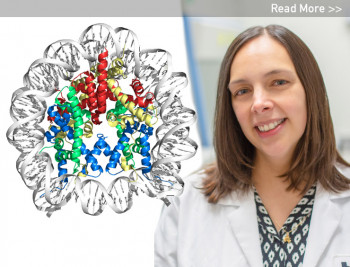
Dr. Sheena D'Arcy is an Associate Professor in the Department of Chemistry and Biochemistry at the University of Texas at Dallas (UT Dallas), affiliated with the School of Natural Sciences and Mathematics. Her research focuses on structural biology, protein dynamics, and the molecular mechanisms of gene transcription, particularly involving histone chaperones and nuclear transport proteins. She holds a PhD in Structural Biology from the University of Cambridge (2008) and a BS in Biochemistry and Biology from the University of Sydney (2003). Her work employs advanced techniques like hydrogen-deuterium exchange mass spectrometry (HDX-MS) and structural biology to investigate protein-RNA interactions, nucleosome assembly, and enzyme evolution. She leads the D'Arcy Lab, which explores topics such as TRAMP complex function, RanGTP signaling in histone transport, and conserved viral epitopes in coronaviruses. Dr. D'Arcy received a NIH ESI-MIRA grant (R35GM133751) to study nucleosome assembly mechanisms. Her research bridges molecular-level interactions with cellular processes, contributing to understanding epigenetic regulation and viral pathogenesis. She is currently not accepting undergraduate students but actively mentors graduate researchers in structural biology and biochemistry.
Mehdi Kabbage is a Professor and Director of Graduate Studies in the Department of Plant Pathology at the University of Wisconsin-Madison . His research focuses on necrotrophic fungal pathogenesis, particularly the role of oxalic acid and programmed cell death (PCD) in plant-pathogen interactions. He teaches courses in fungal biology and plant-microbe interactions. Education : Ph.D. in Plant Pathology (Kansas State University), M.S. in Plant Pathology (Kansas State University), B.S. in Engineering (Ecole d'Ingénieurs de Purpan, France) Dr. Kabbage investigates how Sclerotinia sclerotiorum manipulates plant PCD through oxalic acid secretion and explores strategies to inhibit this process for crop protection. His work spans molecular mechanisms of fungal virulence, plant stress tolerance, and genetic resistance in soybeans. Recent publications highlight his research on fungal effector proteins, host-induced gene silencing, oxalic acid signaling, and autophagy-based resistance strategies. He collaborates extensively on soybean and dry bean pathosystems, with a focus on integrated disease management and climate resilience. His lab develops transgenic approaches for stress tolerance, studies BAG protein family functions in plant defense, and investigates fungal enzymatic virulence factors like alcohol oxidases and laccases. Current projects include chemical genomics for resistance pathway discovery and novel antifungal agents such as poacic acid.
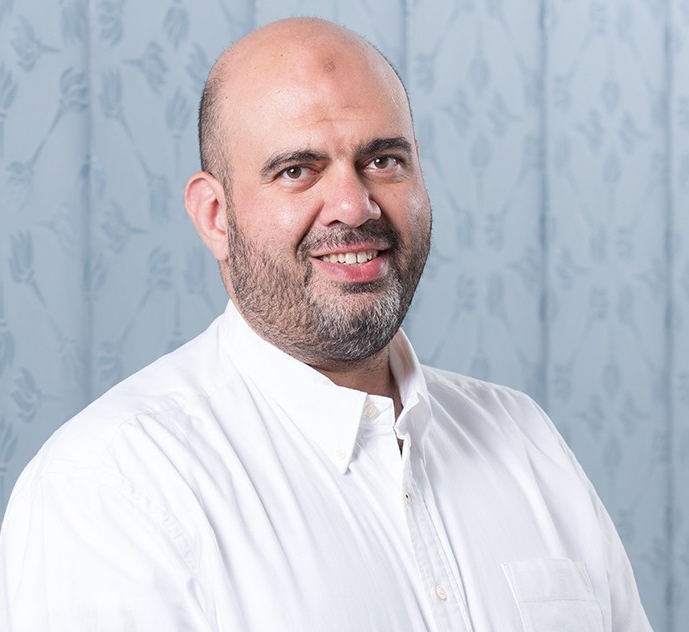
Dr. Wael M. Rabeh is an Associate Professor of Chemistry at New York University Abu Dhabi (NYUAD), affiliated with the Division of Science. He holds a PhD in Biochemistry from the University of Oklahoma and conducted postdoctoral research at the Structural Genomic Consortium (University of Toronto) and McGill University. His research focuses on protein structure-function relationships, particularly in disease-relevant proteins such as CFTR (cystic fibrosis transmembrane conductance regulator) and human Hexokinase 2, leveraging X-ray crystallography and biophysical techniques. Key areas include cystic fibrosis mechanisms, cancer metabolism, drug discovery, and bioluminescence. Dr. Rabeh’s work has contributed to understanding CFTR misfolding and functional correction, as well as the role of Hexokinase 2 in tumor growth. His lab collaborates internationally (e.g., with McGill University) and has secured funding from institutions like Al Jalila Foundation, Terry Fox Research Foundation, and NYUAD. He teaches courses in biochemistry and structural biology, emphasizing hands-on experimental approaches. Notable research highlights include the discovery of a dual-step correction mechanism for the ∆F508 CFTR mutation and structural studies of antiviral drugs like Tamiflu. His lab’s bioluminescence research aims to elucidate color-producing mechanisms in luciferases. Dr. Rabeh actively contributes to structural biology education through innovative laboratory curricula and public engagement.