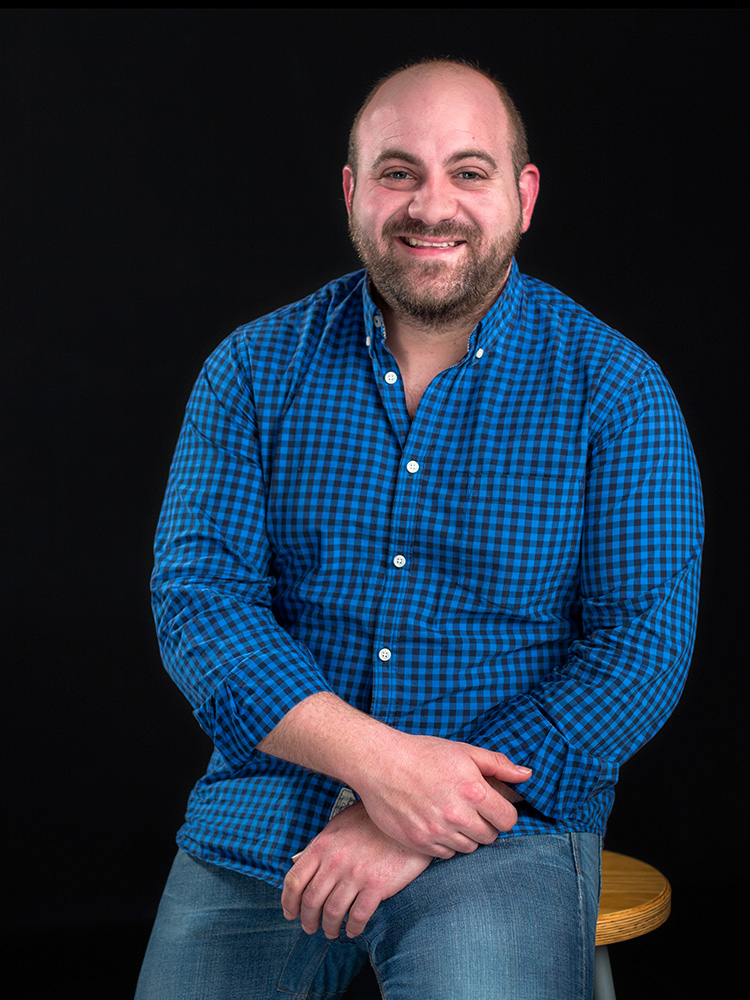
Kevin DicusView profile
Associate Professor
Kevin Dicus is an Associate Professor and Program Head in Humanities and Classics at the Department of Classics, University of Oregon, within the College of Arts and Sciences. He holds a PhD in Classical Art and Archaeology from the University of Michigan and advanced degrees from the University of Arizona. He teaches courses in Latin, classical literature, and the archaeology of the ancient Mediterranean world. PhD, Classical Art and Archaeology, University of Michigan MA, Classics, University of Arizona BA, English and Anthropology, University of Arizona His research focuses on the archaeology of Republican Italy, especially Pompeii and the sacred landscapes of the Tolfa Mountains. He has been Excavation Supervisor for the Pompeii Archaeological Research Project: Porta Stabia since 2006 and is currently co-authoring its final excavation report. His work on waste management in ancient cities, particularly the reuse of refuse in construction, has been published in leading journals such as the American Journal of Archaeology . He also explores material culture theory, formation processes in archaeological deposits, and local stylistic adaptations in ritual practices. His recent publications reveal a strong trend in urban archaeology, particularly the analysis of refuse assemblages using statistical measures of heterogeneity, and the reevaluation of urban fill formation processes in Pompeii. He integrates digital methods into fieldwork, having co-authored studies on paperless data curation using tablet computers. His research bridges traditional archaeology with digital humanities and theoretical frameworks in material culture studies. Among his scientific contributions are detailed excavation reports from Pompeii and theoretical studies on votive practices and cultural agency in Romanized Italy. He has presented on topics such as refuse reuse, construction collegia, and formation processes at academic conferences. Kevin Dicus advises on archaeological field methods and digital data management. He has been involved in long-term research projects funded through academic institutions and archaeological collaborations. He is part of a multidisciplinary team at the University of Oregon and collaborates with scholars at institutions like the University of Cincinnati and Tulane University. His current book project focuses on waste management strategies in ancient urban settings.