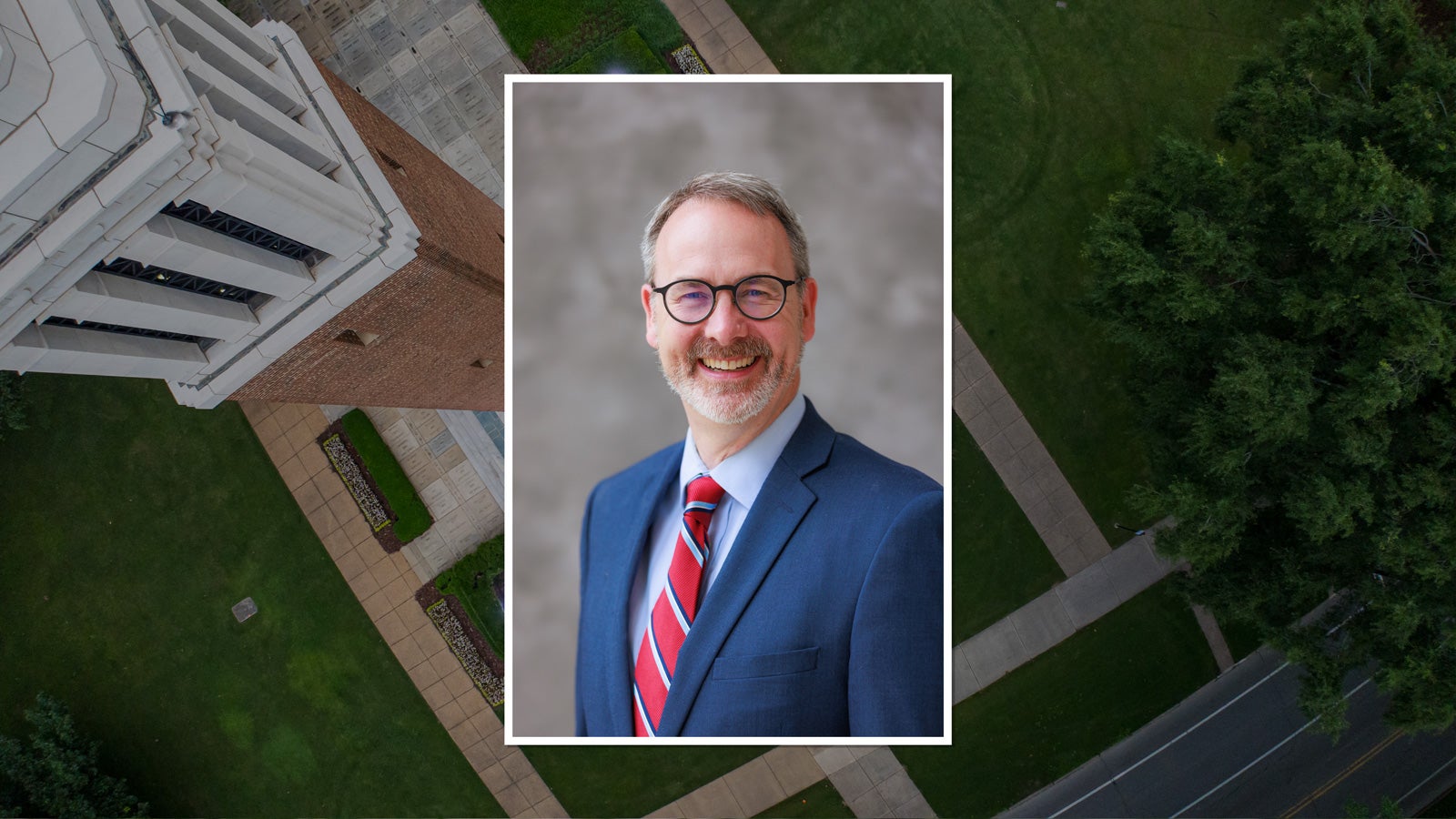
Turkka Salminen is a Staff Scientist at Tampere University's Faculty of Engineering and Natural Sciences, affiliated with the ENS Research Environment Unit. He serves as coordinator of the Tampere Microscopy Center (TMC), collaborating with Prof. Minnamari Vippola and Dr. Mari Honkanen. His expertise spans electron microscopy, focused ion beam microscopy, Raman spectroscopy, and materials characterization. Salminen advises TMC users, contributes to material characterization projects, and teaches microscopy-related courses. He also collaborates nationally and internationally with research institutes and laboratories. Research interests focus on advanced microscopy techniques, nanomaterials, tribology, and composite materials. His work bridges fundamental material science with applications in energy, biomedical, and structural systems. Recent studies include fretting degradation mechanisms, cold-sprayed composites, and bioactive glass scaffolds. Salminen has authored/co-authored over 60 peer-reviewed articles since 2007, with recent contributions in Tribology International , Material & Design , and Nano Today . His work emphasizes interdisciplinary approaches, combining experimental methods with computational modeling. Key projects involve developing novel materials for energy storage, corrosion-resistant coatings, and biomedical implants.
Ina Kristiana is a Research Fellow at Curtin University's School of Molecular and Life Sciences, part of the Faculty of Science and Engineering. She is also affiliated with the Office of the Provost. Her research focuses on environmental chemistry, particularly the formation and control of disinfection by-products (DBPs) in water treatment processes. Her work addresses critical issues such as chloramination pathways, organic halogen analysis (TOX), and water quality management in remote distribution systems. Her research interests include studying DBPs like nitrosamines, haloamines, and acetonitriles, as well as the impact of natural organic matter (NOM) and bromide concentrations on disinfection processes. She has contributed methodological advancements in TOX analysis and evaluates the efficacy of treatments like alum for odor reduction in wastewater sludge. Dr. Kristiana collaborates extensively with researchers such as C. A. Joll and A. Heitz, publishing in journals like Environmental Science & Technology and Water Research . Her work bridges analytical chemistry, environmental engineering, and policy, emphasizing practical applications for improving water safety and treatment efficiency. Her articles highlight trends in understanding DBP formation mechanisms, optimizing water treatment strategies, and addressing emerging contaminants. She has also explored the implications of long-term DBP research for water industry practices.
Christel Kiesel De Miranda is a Senior Lecturer in Sculpture and Art Education at the Department of Fine Arts & Design, Mozarteum University. She has been affiliated with the university since 2021 and collaborates with EFES 42 Verein für Skulptur, a studio and exhibition space in Linz established in 2020 with Stefan Brandmayr and Felix Pöchhacker. Her research focuses on transformation processes in deindustrialized landscapes, particularly the post-excavation areas of the Lausitz lignite mining region in Germany. Kiesel holds a background in industrial design, ceramics, and fashion design from Burg Giebichenstein Kunsthochschule Halle and advanced studies in plastic concepts and ceramics at Kunstuniversität Linz. Her artistic practice integrates environmental themes, material experimentation, and socio-spatial critique, emphasizing the interplay between human activity and natural landscapes. Beyond academia, she maintains an active exhibition profile, as evidenced by her involvement with EFES 42 and the 2023 portfolio preview available online.
Prof. Dr. Aleksandar Savić is an Associate Professor at the Faculty of Technology, University of Banja Luka. His research focuses on food technology, textile engineering, and antimicrobial materials. He specializes in plant-based extracts, functional textiles, and microbial inhibition mechanisms. Key research areas include dielectric properties of nanomaterials, wine fermentation optimization, and biomedical textile applications. He has authored over 50 peer-reviewed articles and several textbooks, including 'Medovina – fermentisani proizvod od meda' (2025) and 'Mikrobiološki kvalitet proizvoda prehrambene industrije' (2024). His work integrates biotechnology, material science, and food safety, with projects supported by national and international grants. Recent projects include 'Fazno promjenljivi materijali i bentoniti u antimikrobnoj obradi tekstila ekstraktima ljekovitih biljaka' (2024–2025) and 'Ultrazvučna i mikrotalasna obrada različitih sirovina i otpadaka u svrhu dobijanja bioetanola' (2020–2022). Education: Advanced degrees in Food Technology and Biotechnology (details not explicitly stated). Research interests span food fermentation processes, textile functionalization with natural compounds, and nanomaterial applications. His studies on antimicrobial insoles, dielectric properties of modified bentonites, and plant polyphenol profiles have contributed to both academic and industrial sectors. He collaborates internationally, particularly with institutions in Slovenia and Germany. His work bridges material science, microbiology, and food engineering, addressing challenges in sustainable production and functional product development.
Dr. Fatma Kose is an Assistant Professor in the Department of Business Administration at Kütahya Dumlupınar University, specializing in Accounting and Finance within the Faculty of Economics and Administrative Sciences. She holds a PhD from Kütahya Dumlupınar University (2015–2020), a Master's degree in Business Administration (Accounting-Finance) from Dumlupınar University (2012–2015), and a Bachelor's degree in Business Administration from Eskisehir Osmangazi University (2008–2012). She has been actively involved in academic roles since 2013, including Research Assistant (2013–2020), Research Assistant Dr. (2020–2023), and Assistant Professor (2023–present). Her research focuses on financial management, international finance, strategic financial management, and behavioral finance. Key areas include market efficiency analysis, financial performance evaluation using grey relational analysis, and SWOT analysis of energy markets. She has authored/co-authored multiple books and journal articles, with a particular emphasis on Turkish and global financial markets. Dr. Kose teaches courses such as Financial Management I/II, Business Finance, Strategic Financial Management, and International Finance. Her work demonstrates expertise in applying quantitative methods to financial decision-making and policy analysis. Despite no listed awards, her extensive publication record and academic contributions highlight her scholarly impact in business and finance disciplines.
Dr. Jennifer Helen Stansby is an Associate Lecturer in the Nuclear Engineering team at the University of New South Wales (UNSW), within the College of Engineering. She is based in the Ainsworth Building (J17), level 4, room 402A, and teaches ENGG9743: Nuclear Fuel Cycle while serving as program coordinator for the Nuclear Engineering Undergraduate Minor (ENGGF2). Dr. Stansby completed her PhD on energy storage materials at UNSW and the Australian Nuclear Science and Technology Organisation (ANSTO), before joining the UNSW Nuclear Engineering team first as a Postdoctoral Research Fellow and now as an Associate Lecturer. Her research focuses on developing next-generation nuclear fuel technologies through an interdisciplinary approach that combines chemistry, materials science, and engineering. Key research interests include advanced nuclear fuels, uranium science, nuclear fuel cycle, solid-state and materials chemistry, and in situ characterization techniques such as X-ray and neutron diffraction. Her work specifically targets understanding nuclear fuel degradation processes, developing better nuclear fuel materials, and accelerating nuclear fuel qualification times. Dr. Stansby's interdisciplinary methodology integrates atomic-scale crystal structure understanding from chemistry, structure-property relationships from materials science, and advanced characterization techniques from engineering. Dr. Stansby's publication record demonstrates expertise spanning nuclear materials and energy storage. Her recent work shows a clear trajectory from fundamental materials science toward practical nuclear fuel applications, with an increasing focus on uranium-based materials and nuclear fuel performance. She employs advanced characterization techniques including neutron diffraction and transmission electron microscopy to investigate crystal structures and material properties under extreme conditions. Dr. Stansby is actively involved in education and is passionate about closing the gender gap in STEM fields. She teaches nuclear engineering courses and coordinates undergraduate programs while conducting research that bridges fundamental science with real-world nuclear energy applications. Her collaborative research approach involves working with diverse colleagues across the globe to develop materials that will extend fuel cycle length in nuclear reactors, improving the prospects of nuclear power.
Jonathan Glinz is a Researcher at the University of Applied Sciences Wels (FH Wels), affiliated with the Research Center Wels and multiple Centers of Excellence, including Automotive/Mobility, Medical Engineering/TIMed, and Smart Production. He earned his PhD in 2023 from TU Wien's Institute of Materials Science and Technology, focusing on quantitative phase and dark-field contrast computed tomography for industrial applications in lightweight materials. His research interests span X-ray computed tomography, additive manufacturing, materials characterization, and biomedical engineering. Education: PhD in Materials Science, TU Wien (2019–2023) Research Focus: Glinz specializes in advanced imaging techniques (e.g., X-ray CT, phase contrast, dark-field imaging) for non-destructive evaluation of materials, particularly in additive manufacturing, carbon composites, and biomedical applications. His work emphasizes porosity detection, fatigue life prediction, and material degradation analysis under hygrothermal conditions. Collaborations: Active in interdisciplinary projects like HyperMAT (hyperspectral material characterization) and TCA5 (diabetic foot imaging), Glinz collaborates with universities and industry partners in Austria and the Czech Republic. He has presented at international conferences on topics like microcomputed tomography in biomedical materials. Awards: Recipient of the Ron Halmshaw Award (2020) "Forschungsassistent*in des Jahres 2023" (Research Assistant of the Year) Labs/Teams: Core member of the Com3d-XCT Competence Center for 3D X-ray imaging and the PSSP project on photonic sensing for industrial processes.
Mahdiar Taheri is a Research Fellow in the School of Engineering at the Australian National University (ANU). His research focuses on advanced materials and energy systems, including solar thermal applications, nanotechnology, and sustainable energy storage solutions. He leads and collaborates on projects addressing challenges in thermal energy storage, hydrogen storage, and carbon sequestration. Key collaborations involve institutions globally, emphasizing interdisciplinary approaches to renewable energy and environmental engineering. His work spans experimental, computational, and applied methodologies, with notable contributions to nanofluids, metal-organic frameworks (MOFs), and battery technologies. Research interests include: Thermal energy conversion and storage Solar-driven chemical processes Nanomaterial synthesis and applications Hydrogen and lithium-sulfur battery systems Antimicrobial coatings and environmental remediation Projects include development of packed-bed solar reactors, coral-inspired hierarchical coatings, and scalable hydrogen storage solutions. He has secured grants for initiatives like solar thermal desalination and low-cost industrial heat supply systems. Notable contributions include: Pioneering thermodiffusive desalination techniques Advancing MOF-based hydrogen storage Designing stable high-capacity Li-S batteries His lab focuses on bridging fundamental material science with applied engineering solutions for sustainability challenges.
Dr. Nicholas Bedford is a Senior Lecturer in the School of Chemical Engineering at the University of New South Wales (UNSW). He holds a PhD in Materials Science from the University of Cincinnati and has conducted postdoctoral research at the Air Force Research Laboratory and the National Institute of Technology. Since joining UNSW in 2018, he leads a research group focused on nanomaterials design, particularly exploring structure-function relationships in catalysts and energy materials. His work spans topics like electrocatalysis, nanomaterial synthesis, and environmental applications. Bedford's research interests include developing advanced materials for energy storage, CO₂ reduction, and environmental remediation. His team uses cutting-edge techniques like atomic layer deposition and 3D printing to engineer novel nanomaterials. Key collaborations involve institutions like the Air Force Research Laboratory and the National Institute of Technology, reflecting his interdisciplinary approach. His publications emphasize catalytic nanomaterials, with recent work on layered double hydroxides, MOF-based systems, and defect-engineered materials. The Bedford Research Group hosts a dedicated webpage detailing ongoing projects and collaborations. Despite no explicitly listed awards, his extensive publication record and academic roles highlight significant contributions to nanotechnology and materials engineering. Bedford advises students and researchers in chemical engineering and materials science, though specific student names are not provided in the text. His lab focuses on translating fundamental material insights into practical applications, such as sustainable energy systems and eco-friendly catalysts.
Jingming Xu is the Charles C. Tillinghast Jr. 1932 University Professor of Engineering and Physics at Brown University. Prior to joining Brown in 1999, he held the Nortel Chair in Emerging Technologies and James Ham Chair in Optoelectronics at the University of Toronto, where he also directed the Nortel Institute of Telecommunications. He is widely recognized for his contributions to nanoscale science and technology, quantum electronics, and photonics. Professor Xu's research spans nanoscale science and technology, quantum electronics and photonics, sensors, semiconductor lasers, electro-optics, and collective behaviors of large coupled systems such as neuromorphic computing. His ongoing work includes hyperspectral quantum imaging/sensing, electrically driven silicon single-photon emitters, carbon nanotubes, diamond nanowires, silicon lasers, active metamaterials, and quantum materials. He has pioneered non-lithographic fabrication techniques for quantum arrays made from metals, superconductors, molecules and semiconductors, and has made significant contributions to understanding DNA conductivity and the physics of redox processes in proteins and cells. His recent publications demonstrate a strong emphasis on nanomaterials, quantum phenomena, and optoelectronic applications. Xu's work frequently explores the intersection of fundamental physics with practical device applications, particularly in sensing technologies, quantum information systems, and energy conversion. His research shows consistent innovation in developing novel materials and fabrication techniques for next-generation electronic and photonic devices. Scientific Awards and Honors Fellow of AAAS, APS, Fulbright, Guggenheim, IEEE, and InstP (UK) Charles C. Tillinghast Jr. 1932 University Professor WCU Professor (visiting), Seoul National University (2009-14) Fulbright-Tocqueville Distinguished Chair (2023-24) NASA Tech Brief Class 1 Award Steacie Prize of Canada IEEE EDS Distinguished Lecturer Conference Board of Canada/NSERC Award for Best Practices in University-Industry R&D Professor Xu has supervised 27 Ph.D. theses, 30 Master's theses, and mentored 26 postdoctoral fellows. Thirty of his students have won 33 international, national, and university awards for their research, with 7 holding Chaired Professorships. His research has been funded by major agencies including DARPA, AFOSR, ONR, ARO, NSF, DOJ, and industry partners such as Motorola and Nortel. He has also served on advisory boards for government agencies, laboratories, and companies in the USA, Canada, Korea, France, and China. Xu leads an active research laboratory focused on quantum electronics and nanoscale phenomena, with facilities for nanofabrication, materials synthesis, and advanced optical characterization. His group has made significant contributions to carbon nanotube electronics, silicon photonics, quantum sensing technologies, and novel approaches to quantum material synthesis. The lab maintains strong international collaborations and continues to push the boundaries of nanoscale science and quantum technologies.
Dr Sacha Cavelier is a Research Fellow at the Faculty of Engineering, School of Mechanical, Medical and Process Engineering, Queensland University of Technology (QUT) . His work focuses on biomedical engineering , biomaterials , and 3D printing applications for tissue and bone regeneration. His research includes: Developing 3D-printed medical composites with enhanced mechanical and thermal properties Designing biodegradable bone grafts reinforced with titanium mesh Investigating multizonal scaffolds for osteochondral regeneration Studying molecular-scale bone toughness through osteopontin crosslinking Characterizing spinal dura mater and pericranium mechanical properties Recent publications highlight his expertise in biomimetic nanointerfaces , calcium sulfate composites , and weak interface mechanics for tissue engineering. His work integrates materials science with regenerative medicine to advance clinical solutions.
Mia Mulvey is an interdisciplinary artist and Professor of Studio Art at the University of Denver. Her work sits at the intersection of art, science, and technology, with a particular focus on environmental themes, climate change, and our relationship to remote landscapes. Through ceramics, digital technologies, and field research, Mulvey creates works that capture the passage of time and document ecological transformations. Mulvey's educational background includes: MFA from Cranbrook Academy of Art BFA from Arizona State University Mulvey's research interests span environmental art, climate change documentation, and the intersection of traditional ceramics with digital technologies. She explores concepts of time, geological processes, and human impact on ecosystems through works that often incorporate 3D scanning of natural elements like glaciers and ancient trees. Her practice bridges artistic expression with scientific inquiry, creating visual narratives about climate change, glacial melting, and the anthropocene. She investigates how geological processes operate on vastly different timescales than human experience, yet remain deeply connected to contemporary climate issues. Mulvey's recent artworks demonstrate a consistent focus on environmental documentation and transformation. Her pieces often incorporate field research from locations like the Arctic Circle, national parks, and ancient forests. Through ceramics, 3D printing, and multimedia installations, she creates visual records of ecological change, with particular attention to glacial melting, ancient tree species, and the concept of albedo in climate science. Her work shows a progression toward increasingly complex interdisciplinary collaborations that merge artistic practice with scientific research methodologies. Mulvey has received significant recognition for her work: Colorado Council on the Arts fellowship PROF grant from the University of Denver While specific details about her advising are not provided in the available information, Mulvey's extensive studio practice and university position suggest she mentors students in interdisciplinary art practices. Her residencies at institutions like The Arctic Circle, Guldagergaard International Ceramic Research Center, and The Montello Foundation provide valuable experiential learning opportunities that likely inform her teaching approach, emphasizing field research and interdisciplinary collaboration. Mulvey's creative process involves field research expeditions, 3D scanning of natural elements, and studio-based fabrication using both traditional ceramic techniques and digital technologies. Her work often emerges from collaborations with scientists and poets, creating interdisciplinary teams that bridge artistic and scientific approaches to understanding environmental change. Through residencies and fieldwork, she builds networks of collaborators who contribute diverse perspectives to her exploration of ecological themes and climate documentation.
K.T. Ramesh is the Alonzo G. Decker Jr. Professor of Science and Engineering at Johns Hopkins University with joint appointments in Materials Science and Engineering, and Earth and Planetary Sciences. He serves as senior advisor (for AI) to the university president and was interim co-director of the Johns Hopkins Data Science and AI Institute. As founding director of the Hopkins Extreme Materials Institute (HEMI), he leads initiatives to develop science and technology for planetary and human protection. Ramesh received undergraduate training in mechanical engineering and graduate degrees in solid mechanics and applied mathematics from Brown University. He joined Johns Hopkins University in 1988 as assistant professor, becoming full professor in 1997 and serving as department chair from 1999. His research spans multiple extreme-condition domains: Fundamental mechanisms in materials under rapid loading AI-driven materials design and discovery Impact biomechanics including concussion mechanisms and TBI mitigation Hypersonic phenomena and protection materials Planetary defense and asteroid hazard mitigation (notably NASA's DART mission) Dynamic limits of life in extreme environments His 275+ publications demonstrate consistent focus on extreme dynamic phenomena across scales, with recent work emphasizing hypervelocity impacts, AI-guided material design, planetary defense applications, and advanced diagnostic techniques. Research consistently bridges theoretical modeling, computational simulation, and experimental validation. Major scientific honors include: Koiter Medal (ASME) Murray Medal Lazan and Hetenyi Awards (SEM) John Rinehart Award (DYMAT) Fellow of four major scientific societies Asteroid 32518 named "Ktramesh" He established the $150M Materials in Extreme Dynamic Environments Collaborative Research Alliance and leads interdisciplinary teams at HEMI integrating mechanics, materials science, planetary science, and AI. His mentees hold positions at academic institutions, national labs, and industry worldwide.
Dr. Gregory B. Thompson is a Distinguished University Research Professor in the Department of Metallurgical and Materials Engineering at The University of Alabama, College of Engineering. He serves as Executive Director of the Alabama Materials Institute and Director of the Central Analytical Facility, demonstrating significant leadership in materials research and infrastructure. He has been a faculty member since 2003, achieving tenure in 2008 and full professorship in 2012. Ph.D., Materials Science and Engineering, Ohio State University, 2003 M.S., Materials Science and Engineering, Ohio State University, 1998 B.S., Physics, Brigham Young University, 1996 Dr. Thompson’s research focuses on understanding the interplay between material structure, phase transformations, and mechanical properties. He specializes in advanced characterization techniques, particularly atom probe tomography and electron microscopy, to study nanocrystalline metals, ceramics, shape memory alloys, and thin films. His work has significant implications for high-temperature materials, aerospace applications, and materials processing. The recent publications highlight a strong trend in utilizing atom probe tomography for nanoscale solute mapping, grain boundary segregation, and phase stability analysis in advanced metallic and ceramic systems. His research spans fundamental thermodynamics of phase transformations to applied mechanical behavior under extreme conditions, particularly in ultra-high temperature ceramics and sputter-deposited films. Dr. Thompson has received numerous honors for his scholarly and leadership contributions: Fellow, International Field Emission Society Brimacombe Medalist, TMS (2017) University Distinguished Research Professor (2018) Blackmon-Moody Outstanding Professor Award (2014) T. Morris Hackney Leadership Award (2018) NSF CAREER Award (2005) He has secured over $12 million in research funding from NSF, ARO, ARL, ONR, AFOSR, DOE, NASA, and industrial partners. Dr. Thompson has mentored at least 29 doctoral students to graduation and numerous master's students. His leadership includes directing the interdisciplinary doctoral program in materials science, where enrollment quadrupled under his tenure, and organizing major international conferences such as the 53rd International Field Emission Symposium. Dr. Thompson leads the Thompson Research Group, which operates within the Central Analytical Facility and collaborates extensively with national laboratories including Sandia, Air Force Research Laboratory, and Dynetics. The group utilizes state-of-the-art instrumentation for in situ mechanical and thermal testing in electron microscopes and advanced atom probe systems.
Francesco GONELLA is a Full Professor of Experimental Physics of Matter and Applications at the Department of Molecular Sciences and Nanosystems, Ca' Foscari University of Venice. He holds additional roles including Membership in the Scientific Committee of THE NEW INSTITUTE Centre for Environmental Humanities (NICHE) and involvement in the Research Institute for Complexity. His academic journey includes a PhD from the University of Padova and postdoctoral research in Canada. Research focuses on Systems Thinking , Emergy Analysis , and sustainability science , with applications to urban systems, cancer modeling, and nanomaterials. Key projects include metabolic analysis of urban agglomerations and systems approaches to multiple myeloma. He has authored/co-authored nearly 200 peer-reviewed publications and serves as an Associate Editor for Frontiers in Sustainable Cities . Teaching includes courses on Environmental Physics , Complex Systems Science , and Photonics at both undergraduate and graduate levels, with international collaborations at Beijing Normal University and Tokyo Institute of Technology. Awards include the Marco Polo of the Italian Science Award (2011) for interdisciplinary contributions. Grants include EU-funded ERASMUS+ programs and Italian Ministry projects. His work bridges natural sciences with socio-environmental systems, emphasizing systemic sustainability and interdisciplinary innovation.