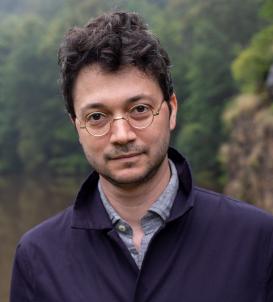
Daniel Moshe Knebel is a researcher at the Max Planck Institute for the History of Science in Berlin, where he works in Katja Krause’s research group Experience in the Premodern Sciences of Soul and Body ca. 800–1650 . His academic journey began with a PhD in neuroscience from Tel Aviv University (2018), focusing on insect neuromotor systems, followed by postdoctoral research in mathematics/computer science at Bar-Ilan University and computational modeling at the Max Planck Institute for Chemical Ecology. Education : PhD in Neuroscience (Tel Aviv University, 2018). Current Role : Researcher at Max Planck Institute for the History of Science. His research bridges empirical neuroscience with historical analysis, exploring how disciplinary shifts in the 20th century transformed the study of neuronal specimens. Key themes include the evolution of the reflex concept across biology, psychology, and philosophy. He investigates collective behavior through experimental and computational approaches, analyzing variability in swarms and social insects. Daniel’s publications span topics like inter-group variance in collective behavior, neural asymmetries in insects, and interdisciplinary modeling of animal behavior. His work emphasizes the interplay between technological advances and conceptual frameworks in neuroscience.
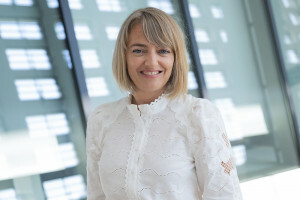
Prof. Annick VIGNES is a Professor at the National School of Bridges and Roads (École Nationale des Ponts et Chaussées), affiliated with the CNRS CAMS-EHESS research unit and the Institute of Complex Systems of Île-de-France. She holds a dual role as IRSTEA research director and deputy director of the Public Action Training Center at her university. Her research focuses on behavioral economics, complex systems, and market dynamics, with emphasis on social influences in labor markets, territorial governance, and financial market resilience. She teaches Economics of Cities and Territories in the SEGF department and Markets and Regulation in the PAPDD Master's program. Education includes a PhD in Economics from the European University Institute (1993) and HDR (Habilitation) from Paris 2 Panthéon-Assas (2005). Her work bridges theoretical models with empirical analysis, notably using agent-based simulations to study price formation in fisheries and housing markets. Recent research explores digital platform economies, trust mechanisms in decentralized markets, and systemic approaches to ecological transitions. Her publications analyze network structures in markets (e.g., fish markets, YouTube), syndication strategies in venture capital, and income segregation dynamics. While no formal awards are listed, her extensive contributions to agent-based modeling and interdisciplinary market research highlight her academic impact. No grants or specific advising roles are detailed in the provided texts.
Isabel Vansteenkiste is a Visiting Professor in the European Economic Studies Department at the College of Europe and currently serves as Director General for International and European Relations at the European Central Bank (ECB). She holds a PhD in Economics from Katholieke Universiteit Leuven (2006) and has extensive experience in macroeconomic policy analysis, international economics, and monetary policy. Her research focuses on international macroeconomics, applied macroeconomics, and the interplay between fiscal and monetary policies in the euro area. Professional highlights include roles as Deputy Director General in the ECB's Monetary Policy and Economics Directorates, leading the Country Surveillance Division, and representing the ECB in G7/G20 meetings. She has authored numerous publications on topics including inflation dynamics, FDI flows, and the geopolitical implications of economic policies. Her work emphasizes the analysis of structural economic factors and their impact on policy frameworks. Key contributions include studies on the euro's influence on FDI patterns, the relationship between labor costs and price inflation, and the ECB's role in shaping Open Strategic Autonomy policies. Her recent research addresses post-pandemic economic challenges and the evolving dynamics of global trade under geopolitical tensions. Education: PhD in Economics, Katholieke Universiteit Leuven (2006) MSc in Economics, Katholieke Universiteit Leuven (2001) Research Interests: International Macroeconomics Monetary Policy Design Geopolitical Economic Dynamics Awards: No specific awards listed, but her contributions to ECB policy frameworks are widely recognized in academic and policy circles. Her articles explore topics like inflation pass-through mechanisms, fiscal-monetary policy interactions, and the structural determinants of economic crises. Recent work emphasizes the ECB's evolving role in a multipolar global economy.
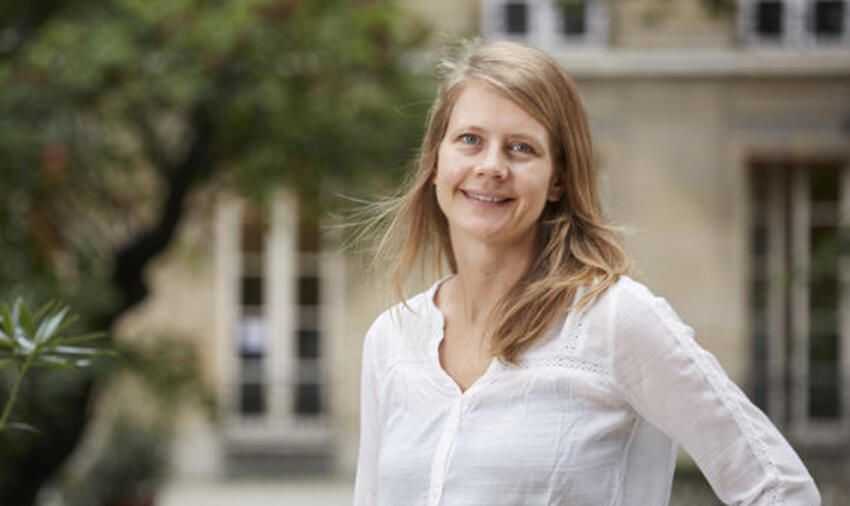
Alexandra Auderset is a Senior Research Fellow and Anniversary Fellow at the University of Southampton, specializing in paleoclimatology and paleooceanography. Her research focuses on marine archives to investigate climate change across glacial/interglacial cycles, during the Neogene era, and warming events that occurred in the Cenozoic period, such as the Middle Miocene and Early Eocene Climate Optima. Dr. Auderset employs various emergent proxies, including lipid biomarkers and fossil-bound nitrogen/carbon isotopes to study complex interactions between marine nutrients, ocean circulation, oxygen minimum zones and global climate. Her work integrates multiple scientific disciplines to reconstruct past climate conditions and understand the mechanisms driving climate change over geological timescales. Her recent publications demonstrate significant contributions to understanding planktic foraminifera nitrogen isotopes, oxygen minimum zones, temperature reconstructions, and ice sheet dynamics. Her research spans multiple ocean basins including the Atlantic, Pacific, and Southern Ocean, with particular attention to biogeochemical processes and their relationship to climate change. Dr. Auderset is actively involved in mentoring and is currently accepting applications from PhD students, indicating her commitment to training the next generation of climate scientists. Her collaborative work with international researchers across multiple institutions demonstrates the global significance of her research.
Eric Klawiter, MD, is a Clinical Professor of Neurology at Harvard University, affiliated with Massachusetts General Hospital's Neurology department. He directs the Multiple Sclerosis and Neuromyelitis Optica Unit, specializing in autoimmune neurology. His research focuses on neuroimaging biomarkers, disease progression mechanisms, and clinical trials for MS and related disorders. He completed medical training at the University of South Dakota and fellowships at Washington University. Key contributions include advancing MRI techniques for MS diagnosis (e.g., central vein sign and corpus callosum studies), evaluating postpartum risks in NMO, and investigating ibudilast for progressive MS. He leads the MS Imaging Laboratory, developing imaging protocols to improve patient outcomes. His work bridges clinical care and translational research, emphasizing early detection and novel therapies. Key Research Areas: Neuroimmunology, MRI in neurology, autoimmune demyelinating disorders Notable Projects: Co-authoring international imaging guidelines, leading phase II drug trials
Daniel Wagenaar is a Research Professor in the Division of Biology and Biological Engineering at the California Institute of Technology (Caltech), co-directing the Chen Center for Data Science and Artificial Intelligence (DataSAI). He leads the Wagenaar Lab and Neurotechnology Laboratory, focusing on neuronal basis of sensory processing, cross-modal integration in leeches, and neurotechnology. His work bridges experimental neuroscience, computational methods, and engineering, with contributions to voltage-sensitive dye imaging, multi-electrode array (MEA) techniques, and open-source software tools like VScope and MEABench. Education: M.S. degrees from University of Amsterdam (1997) and King's College London (1998), Ph.D. in Biology from Caltech (2006). Research emphasizes functional neural circuits, sensory-guided behavior, and neurotechnological innovations. His lab develops novel tools for neural activity recording and analysis, including double-sided microscopy and optogenetic technologies. Funding sources include NIH, Burroughs Wellcome Fund, and Caltech. Key contributions include elucidating leech neural circuits, hormone-activated courtship behaviors, and high-density neural recording in primates. Awards and recognition include sustained research excellence in systems neuroscience. Advising includes mentorship in neurobiology, engineering, and computational neuroscience. Ongoing work explores brain-wide neural dynamics and translational neurotechnologies.
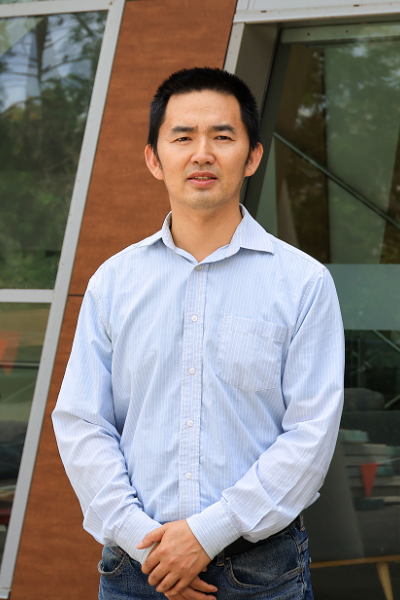
Dr. Larry Weifeng Liu is a Research Fellow at the Arndt-Corden Department of Economics within the Crawford School of Public Policy at the Australian National University (ANU). He is affiliated with the Centre for Applied Macroeconomic Analysis (CAMA), the Australian Research Council's Centre of Excellence in Population Ageing Research (CEPAR), and the National Health and Medical Research Council's Centre of Excellence in Stronger Investments for Infectious Diseases (STRIDE). His research focuses on macroeconomics, public economics, and international economics, with an emphasis on long-term global challenges such as demographic shifts, climate policies, and international collective action. Education: PhD in Economics, Australian National University Master of Economics, Shanghai Jiao Tong University Bachelor of Computer Science, Shanghai Jiao Tong University Research Interests: His work integrates general equilibrium modeling (CGE, dynamic models, OLG) with econometric techniques like vector autoregressive models and causal inference. Key themes include global demographic impacts on capital flows and interest rates, climate policy design (e.g., carbon taxation, border adjustments), and mechanisms for coordinating international public goods provision. Grants & Projects: Chief Investigator in STRIDE (2024-2028): Focuses on infectious disease investment strategies PI of 'China's Population Ageing and Climate Policy' (2023-2024): Examines demographic-climate policy interactions Labs & Teams: Collaborates extensively with CAMA and CEPAR, contributing to scenario-based modeling frameworks like the NGFS climate scenarios and G-Cubed macroeconomic models.
Nicolas Madsen, M.D., M.P.H., serves as Associate Professor of Pediatrics and Population and Data Scientists at UT Southwestern Medical Center, where he is Chief of Pediatric Cardiology. He concurrently holds leadership roles as Chief of Cardiology and Co-Director of The Heart Center at Children’s Health, and maintains a formal appointment at Aarhus University’s Department of Clinical Epidemiology in Denmark, enabling international epidemiological research on congenital heart disease (CHD) outcomes. Education: M.D. and M.P.H. from the University of Washington Residency completed in 2008 at the University of Washington Epidemiology Fellowship completed in 2009 at the University of Washington Pediatric Cardiology Fellowship completed in 2012 at the University of Washington Dr. Madsen’s research centers on acute care cardiology and long-term outcomes for children with CHD, utilizing population-based epidemiological methods. His work examines neurological complications, economic impacts, and care variation across healthcare systems, often through large-scale collaborations like the Pediatric Acute Care Cardiology Collaborative (PAC3). He emphasizes translating research into quality improvement initiatives, particularly for hospitalized cardiac patients, and investigates health literacy barriers in caregiver education. His dual expertise in clinical cardiology and epidemiology drives innovative studies on stroke risk, dementia, and resource utilization in CHD populations. Analysis of his 15 most recent publications (2018-2020) reveals a dominant focus on CHD outcomes research, spanning epidemiological cohort studies, quality improvement science, and clinical interventions. Key themes include neurological complications (stroke, CNS infections), socioeconomic impacts, care standardization across centers, and innovative educational approaches for caregivers. His work consistently leverages multicenter networks and population datasets to address gaps in long-term CHD management. Scientific Awards: Mentees have received international recognition including American Academy of Pediatrics (AAP) and American Heart Association (AHA) awards Dr. Madsen actively mentors medical students, PhD candidates, post-doctoral fellows, and cardiology fellows, fostering the next generation of CHD researchers. His collaborative projects with the NIH and external institutions focus on designing evidence-based interventions for hospitalized cardiac patients. As co-founder and Executive Director of PAC3—an international network of 40+ hospitals—he leads quality improvement initiatives targeting alarm reduction, chest tube management, and length-of-stay optimization. He co-founded and directs the Pediatric Acute Care Cardiology Collaborative (PAC3), driving system-wide improvements in acute cardiac care through data-sharing and collaborative science. Within Children’s Health, he co-leads The Heart Center, integrating clinical care, research, and education to advance CHD outcomes. His work bridges clinical practice, epidemiology, and health services research to transform care delivery for vulnerable cardiac populations.
Ayşen Demirören is a Professor in the Department of Electrical Engineering at Istanbul Technical University, where she has been actively contributing to research and academia since at least 1994. Her work spans power systems, control engineering, and intelligent systems, with a strong emphasis on modern grid technologies and optimization. Her research interests include: Power System Protection and Control IEC 61850-based Substation Automation Automatic Generation Control Superconducting Magnetic Energy Storage Artificial Neural Networks in Power Systems Deep Learning for Cyber Attack Detection Fractional Order PID Controller Design Functional Electrical Stimulation Systems Metaheuristic Optimization Algorithms The recent articles show a clear trend toward integrating artificial intelligence and advanced control techniques into both power and biomedical systems. Her work combines simulation, optimization, and real-world application, particularly in smart grids and medical engineering. She frequently collaborates with researchers and students on interdisciplinary projects involving control theory, electrical networks, and computational intelligence. She has received significant scholarly recognition, with over 1,300 citations on Scopus and an h-index of 18. While no specific awards are listed, her publication record in high-quality journals and conferences reflects sustained excellence. She actively supervises graduate students, with 25 theses in progress, indicating a strong mentorship role. Her collaborations span both national and international institutions, though specific partners are not detailed. She does not appear to lead a named lab or research center in the provided text, but her research output suggests an active research group in control and power systems.
Angela Greulich is a Professor at Sciences Po and a key researcher at the Centre for Research on Social Inequalities (CRIS). She holds the prestigious title of HDR (Habilitation à Diriger des Recherches) and is a junior fellow of the Institut universitaire de France (IUF) from 2021 to 2026, underscoring her national recognition in the field of sociology and demography. Her academic work bridges sociology, economics, and public policy, with a strong focus on European comparative studies. Her research interests include: Sociodemographic dynamics Family evolution and fertility behavior Gender inequality and women's labor market participation Impact of social and family policies on demographic trends Domestic violence and economic empowerment Her methodological expertise lies in advanced quantitative analysis using large-scale European datasets such as EU-SILC, OECD Family Database, and the Human Fertility Database. She frequently employs regression models, Bayesian estimation, and multiple imputation techniques to address measurement biases in demographic data. Her recent publications (2021–2025) reveal a consistent focus on fertility trends, gender disparities in academia, climate impacts on reproduction, and the socioeconomic determinants of family formation. These works span disciplines including demography, sociology, economics, and public health, with a strong emphasis on policy implications. Notably, her research on Turkey explores the complex relationship between women's economic participation and domestic violence, while her European studies examine how employment stability and childcare access influence fertility decisions. She has received significant recognition, including: Junior Fellow, Institut universitaire de France (IUF), 2021–2026 Angela Greulich teaches courses on demography and climate change at the undergraduate level, and advanced quantitative methods, population studies, and demography with policy implications at the Master’s level in Sociology. She collaborates extensively with researchers from institutions such as INED, University of Nanterre, and international universities. While formal advisees are not listed, her collaborations suggest active mentorship of junior researchers. She is not part-time, retired, or a former staff member, and remains a central figure in contemporary demographic and sociological research in Europe.
Johannes Wachs is an Associate Professor at the Institute of Data Analytics and Information Science, Corvinus University of Budapest, and a Research Fellow at the Centre for Economic and Regional Studies. He is affiliated with the Complexity Science Hub Vienna, where he has been a faculty member since April 2020. His interdisciplinary research bridges data science, network science, and complexity to study digital economies, open source software, and societal challenges. PhD in Network Science, Central European University (2019) MS in Applied Mathematics, Central European University (2012) BS in Mathematics and Economics, Tulane University (2009) His research focuses on the application of network and data science to understand social, economic, and technical systems. Key interests include open source software ecosystems, AI’s impact on knowledge sharing, corruption detection, urban inequality, and digital innovation. He uses large-scale digital trace data to model complex behaviors in online communities, software development, and public policy. His recent publications reveal a strong trend in analyzing digital platforms such as GitHub and Stack Overflow, studying brain drain in tech, and assessing climate and health risks in Austria. His work combines network modeling, machine learning, and empirical analysis to uncover patterns in human behavior and systemic risk. IMF Anti-Corruption Challenge Winner (2020) Principal Investigator, CRISP Project (2021–2024), funded by FFG Grants from Hungarian Research Funding Agency (OTKA), City of Vienna, and WU Projects Johannes Wachs actively supervises PhD and Master’s students, including Hannah Schuster and Brigi Németh. He has taught courses in computational social science, social networks, and data mining at institutions including RWTH Aachen, CEU, and WU Vienna. He is launching a new MSc in Social Data Science at Corvinus in 2025. He leads the CRISP project, which builds semantic data pools for real-time crisis response and intervention, integrating heterogeneous data sources for impact forecasting and policy transparency.
Michele Coscia is an Associate Professor in the Department of Computer Science at the IT University of Copenhagen (ITU), where he conducts research at the intersection of network science, digital humanities, and data analytics. He leads the NERDS research group and supervises PhD students and postdoctoral researchers working on financial crime detection, archaeological networks, and work environment modeling. PhD in Computer Science, University of Pisa (2012) Former researcher at the Center for International Development (CID), Harvard University (6 years) Visiting researcher at Barabási Lab, Northeastern University His research focuses on developing and applying network science methodologies such as noise-corrected backboning , node attribute analysis , and network variance to study complex systems. His work spans diverse domains including: Archaeology : Inferring social and biological relationships from material culture at Neolithic sites like Çatalhöyük. Cultural Analytics : Mapping Italian music networks, analyzing Wikipedia’s gender bias, and studying ideological polarization on social media. Social Media Dynamics : Investigating meritocracy vs. topocracy, intolerance feedback loops, and information virality on platforms like Reddit and Twitter. Sports Analytics : Analyzing predictability trends in team sports and the impact of economic systems on league competitiveness. His publications appear in high-impact journals such as Science Advances , EPJ Data Science , and Applied Network Science . He is the author of The Atlas for the Aspiring Network Scientist , a comprehensive open-access textbook now in its second edition, which covers graph theory, machine learning on graphs, and statistical foundations of network analysis. Recent trends in his work show a growing emphasis on interdisciplinary applications of network science, particularly in archaeology and cultural studies, often in collaboration with institutions such as Aarhus University and the National Research Center for Work Environment. His research consistently promotes open science, with datasets and code publicly shared. Co-PI on a Villum Synergy project applying network analysis to Roman Empire archaeological data Active contributor to the CUDAN (Cultural Data Analytics) community Developing methods for uncertain and incomplete network data Michele Coscia’s work demonstrates a strong commitment to methodological innovation and real-world impact across the humanities, social sciences, and computational domains.
Geoffrey Schwartz is a full Professor at the Faculty of English, Adam Mickiewicz University in Poznań, Poland. He holds the title of University Professor, awarded in December 2021, and has been a central figure in the linguistics community at AMU since the mid-1990s. His work bridges theoretical and applied phonology, with strong emphasis on second language acquisition and Slavic linguistics. Education: BA in Slavic Languages and Linguistics, University of Toronto, 1991 MA in Slavic Linguistics, University of Washington, 1993 PhD in Slavic Linguistics, University of Washington, Seattle, 2000 D. Litt. in English Linguistics, Adam Mickiewicz University, Poznań, 2010 His research focuses on the phonetics–phonology interface , speech perception , historical phonology , and second language acquisition , particularly in the context of Polish learners of English. He investigates vowel dynamics, consonant synchronicity, and laryngeal feature modulation, combining experimental and theoretical approaches. His work is deeply informed by both Slavic and general phonological theory. The recent publications and conference presentations reflect a sustained engagement with core issues in phonological theory, including laryngeal representation, prosodic structure, and recursion in phonology. His research increasingly emphasizes cross-linguistic and second-language phonetic phenomena, with a strong experimental component evident in lab-based studies and acoustic analysis. Scientific Awards: Adam Mickiewicz University Rector's prize for publications (2016, 2013) Finalist for Excellence in Teaching Award, University of Washington (1999–2000) Teaching Prize, University of Washington Slavic Dept. (1999–2000) Polish Home Language prize, University of Washington (1995–96) Willie Ann Luckett Prize, University of Toronto (1991) Slavic Linguistics Prize, University of Toronto (1990) Geoffrey Schwartz has secured multiple competitive research grants from the Polish National Science Centre (NCN) as Principal Investigator, including projects on Sandhi in Second Language Speech , Vowel dynamics in the speech of Polish learners of English , Modulation in laryngeal features , Consonant synchronicity in Polish and English , and Phonation in L1 and L2 speech . These grants demonstrate sustained research leadership and funding success. He has supervised numerous students and early-career researchers, though specific names are not listed in the source text. He has organized key conference sessions and delivered invited talks at leading institutions including MIT, UCL, Boston University, and McGill. He is actively involved in the academic community through conference organization, including sessions at the Poznań Linguistic Meeting on topics such as Interfaces , Dynamic Phonology , and Beyond VOT . His research is conducted within a collaborative framework, often with colleagues such as Anna Balas and Arkadiusz Rojczyk, and is disseminated through international venues like LabPhon, GLOW, and the Manchester Phonology Meeting.
Csilla Suskovics is an Associate Professor at the Institute of Sport Sciences within the Faculty of Physical Education at the University of West Hungary. Her research focuses on pediatric growth studies, secular trends in physical development, and the biological maturation of children and adolescents. She leads the long-term Körmend Growth Study, tracking growth patterns in Central Europe over six decades. Her work investigates BMI trajectories, somatotypes, and the impacts of hormonal changes on athletic performance. Key publications analyze menarche and spermarche trends, regional body composition differences, and skeletal development in children. She has also studied sport aptitude in young athletes and public health implications of childhood obesity in Hungary. Ms. Suskovics collaborates on interdisciplinary projects involving anthropology, epidemiology, and sports science. Her research has contributed to understanding secular changes in growth and health across generations in Western Hungary.
Michael Farrell is an Adjunct Associate Professor in the Department of Medical Imaging & Radiation Sciences at Monash University, Faculty of Medicine, Nursing and Health Sciences. His research focuses on understanding how the brain regulates the internal state of the body through neuroimaging techniques. Research Interests: Dr. Farrell specializes in functional brain imaging (fMRI, PET) to investigate interoceptive sensations such as pain, cough, thirst, and temperature, as well as associated regulatory behaviors and autonomic responses. His work aims to uncover the neural mechanisms underlying chronic conditions like chronic cough and thirst dysregulation. Publication Trends: His recent publications (2021–2024) demonstrate a strong focus on cough hypersensitivity, pain modulation, and sensory processing using advanced neuroimaging. The research integrates human behavioral studies with brain activity mapping, particularly in brainstem and cortical regions involved in respiratory and sensory control. Scientific Awards: No awards are mentioned in the provided text. Grants and Advising: Dr. Farrell has served as Primary Chief Investigator on NHMRC-funded projects including 'Neural dysfunction in chronic cough' (2013–2015) and 'Dissecting the central organisation of cough neural networks' (2015–2018), and as Associate Investigator on other collaborative projects. While no students are listed, he collaborates extensively with researchers such as Professor Stuart Mazzone and Michael Fahey. Labs and Teams: He is part of a research network investigating brain-body interactions, particularly in respiratory and sensory neuroscience, with collaborations across Monash University and external institutions. His work contributes to UN Sustainable Development Goals related to brain health and well-being.