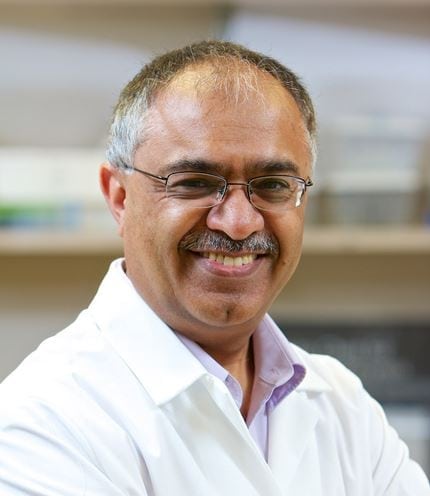
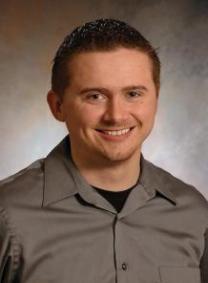
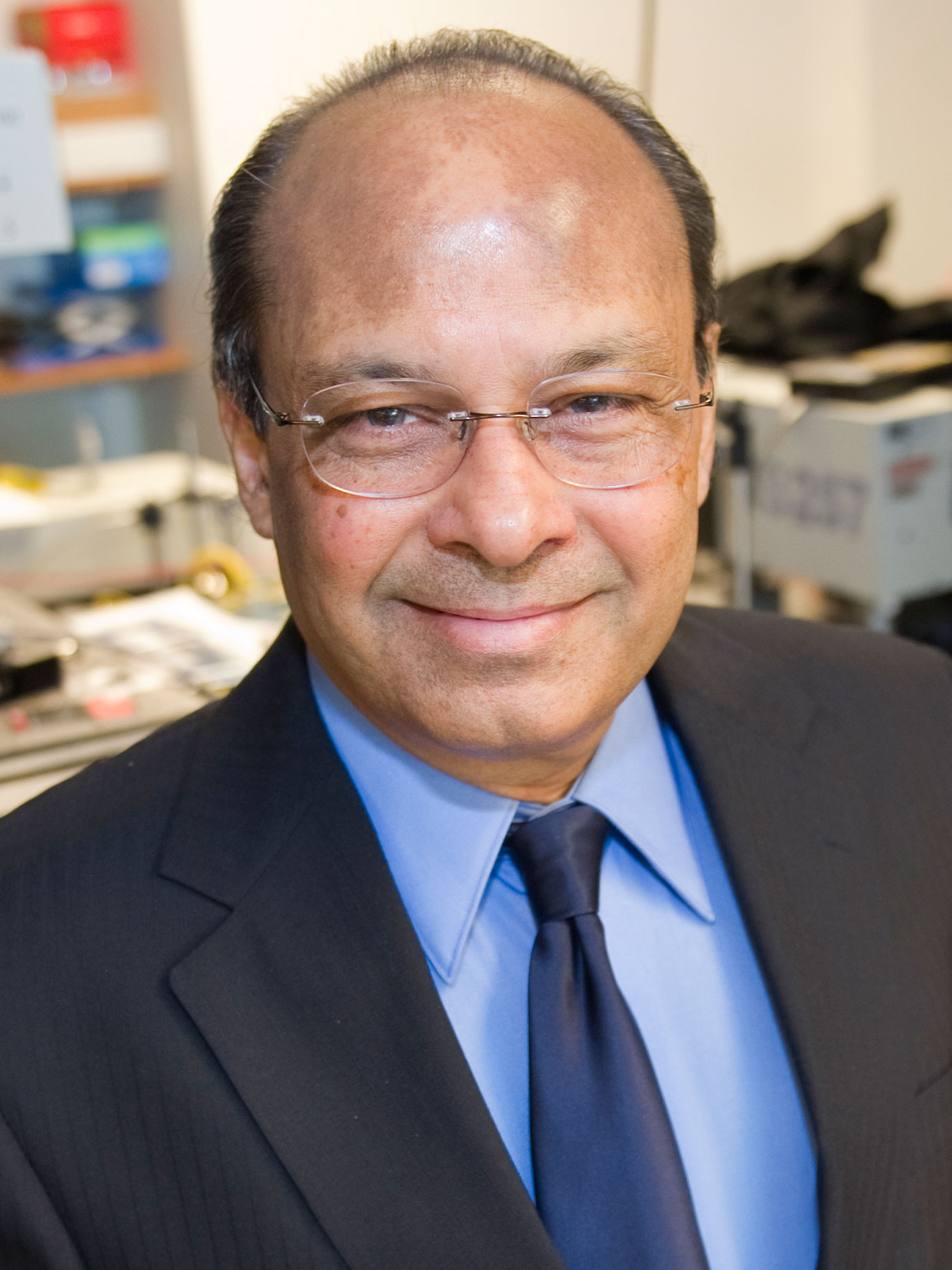
Uwe Himmelreich is a Full Professor at the Faculty of Medicine, KU Leuven , leading the Biomedical MRI unit. He is actively involved in the Medical Imaging Division , KU Leuven Brain Institute , KU Leuven Institute for Integration of Micro- and Nano-scale Technologies , and KU Leuven Cancer Institute . Role: Full Professor and Head of Biomedical MRI Affiliations: Faculty of Medicine, Medical Imaging Division, LBI, LIMNI, LKI His research spans neuroscience , cardiovascular imaging , and nano/micro-scale technologies . Key projects include: MindMAP: Radiotherapy-induced neurotoxicity in juvenile brains Preclinical cancer models for oral tumors Quantitative T2 mapping of lung disease in murine models Neuroinflammation and cognitive decline in cryptococcosis Resistance training effects on cortical thickness in aging cohorts His work integrates MRI , multi-photon microscopy , and novel contrast agents for longitudinal in vivo studies. Methodologies include vascular density mapping , proton therapy verification , and preclinical radiotherapy evaluation . Notable contributions include: 2025: JAK/STAT inhibition in malaria-induced inflammation 2025: Manganese-enhanced MRI for cardiac injury 2025: Quantitative lung imaging at 9.4T 2024: IVIM as vascular density marker in rat brain 2024: Phase-change ultrasound agents for proton therapy
Olivier Lortholary is Professor of Medicine at Paris Descartes University and holds multiple significant positions in the field of medical mycology and infectious diseases. He serves as Deputy Director of the French National Reference Center for Invasive Mycoses and Antifungals, and is Head of the Necker-Pasteur Center for Infectious Diseases and Tropical Medicine at Necker Hospital in Paris. His work is closely associated with the Institut Pasteur in Paris, France, where he is actively involved in research and teaching initiatives. Dr. Lortholary's educational background includes an M.D. from the Paris 6 School of Medicine and a Ph.D. from Paris 7 University. His extensive academic career has positioned him as a leading expert in medical mycology, with particular focus on fungal infections in immunocompromised patients. His research primarily centers on translational aspects of medical mycology, with special emphasis on Cryptococcus neoformans and cryptococcal meningitis, which represents the leading opportunistic fungal infection in advanced HIV-infected patients. He also investigates new immune deficiencies that predispose individuals to invasive fungal infections, develops diagnostic and therapeutic innovations for these conditions, and conducts clinical and microbiological studies of central nervous system infections and emerging infectious diseases. Dr. Lortholary has made substantial contributions to the field, with over 590 published papers, including more than 12 invited contributions to prestigious journals such as Clinical Infectious Diseases and Lancet Infectious Diseases. His research spans epidemiology of fungal infections, antifungal susceptibility testing, and clinical management approaches across various patient populations. He plays a significant role in shaping clinical guidelines as a member of various international expert panels, including the Infectious Diseases Society of America (for cryptococcosis management), the American Society of Transplantation (for donor-derived fungal infections), and ESCMID (for Candida and other fungal infections). Additionally, he serves as the French representative on the EUCAST Antifungal Susceptibility Testing Committee. As an educator, Dr. Lortholary co-directs the Medical Mycology course at the Pasteur Institute and has developed a MOOC (Massive Open Online Course) on Medical Mycology available through FUN-MOOC, reaching a global audience of healthcare professionals and researchers.
University Medical Center Hamburg-EppendorfGermany
Byron Crape, PhD, MSPH, is an Associate Professor of Practice at the Nazarbayev University School of Medicine, Department of Biomedical Sciences. He has previously served as Assistant Professor of Practice at the same institution and has held academic positions at the American University of Armenia College of Health Sciences, Anton de Kom University School of Medicine in Suriname, and King Saud University College of Medicine. His extensive career spans global health roles with WHO, Johns Hopkins University, and the Maryland State Department of Health. Education: PhD in Infectious Disease Epidemiology, Johns Hopkins University (2006) MSPH in Biostatistics, Loma Linda University Health (1988) BS in Physics, University of Washington (1980) Research Interests: Dr. Crape's research focuses on Evidence-Based Medicine , Infectious Diseases , Chronic Diseases , Mental Health , and Environmental Health . He employs Population-Based Research Methodologies and Clinical Research approaches to address global health challenges, particularly in resource-limited settings. His work on Disaster Surveillance systems has been critical in managing public health emergencies. His recent publications demonstrate a strong focus on COVID-19 , neurological disorders , and environmental health impacts in Central Asia, especially Kazakhstan. The research spans from assessing the burden of Parkinson's disease to evaluating the neurotoxic effects of indoor air pollution from cooking. Scientific Awards: While specific awards are not detailed in the provided text, his significant contributions are evidenced by a substantial publication record and active research funding. Projects and Funding: Prerequisites for end-of-life care provision in Kazakhstan (2021-2025, PI) Effectiveness of preloaded combination nicotine replacement therapy on smoking cessation in Kazakhstan (2022-2024, Co-PI) Exposure to Cooking Ultrafine Particles and Neurodegenerative Diseases (2022-2024, Co-PI) Clinico-epidemiological assessment of COVID-19 infection in Kazakhstan (2021-2022, Co-Investigator) Longitudinal Tracking of COVID-19 seroprevalence in Kazakhstan (2021-2024, Co-Investigator) Laboratory and Team: Dr. Crape collaborates extensively with multidisciplinary teams across institutions, mentoring students and junior researchers. His projects involve partnerships with WHO, national ministries of health, and academic institutions worldwide, fostering a collaborative environment for global health research.
Sonia Mayoral is the Robert J. and Nancy D. Carney Assistant Professor of Neuroscience at Brown University. Her research focuses on studying cell-cell interactions in the brain, particularly the development and function of oligodendrocytes – glial cells critical for myelin formation. She explores how these cells contribute to myelination, remyelination processes, and their roles in neurological disorders like multiple sclerosis. Her work integrates cellular neuroscience, immunology, and drug screening methodologies. Research interests include glial cell biology, neuron-glial interactions, and the molecular mechanisms governing myelin repair. She investigates how environmental cues and signaling pathways regulate oligodendrocyte differentiation and function. Notable projects involve developing high-throughput screening platforms for MS therapeutics and studying sex-specific responses to neurodegenerative challenges. Her lab’s recent work includes clinical trials (Re-WRAP) evaluating Bazedoxifene for remyelination in women, and fundamental studies on regulatory T cell roles in myelin regeneration. She also examines how mechanical stimulation and epigenetic changes influence oligodendrocyte behavior. Her research bridges basic science and translational efforts, aiming to advance treatments for myelin-related disorders. Dr. Mayoral’s lab is active at Brown University, with a dedicated website detailing ongoing projects and collaborations. While no specific grants or students are listed here, her work reflects a strong focus on interdisciplinary approaches to neurodegenerative disease mechanisms.
Jashvant Unadkat, Ph.D. is a Professor of Pharmaceutics at the University of Washington School of Pharmacy. He holds appointments in the Department of Pharmaceutics and is actively involved with the UWPKDAP (Program on Pharmacokinetics of Drugs of Abuse during Pregnancy). His research spans drug transport, metabolism, and pharmacokinetics with special emphasis on pregnancy and fetal pharmacology. Dr. Unadkat received his B.Pharm. from the University of London (1977), his Ph.D. from the University of Manchester (1982), and completed postdoctoral training at the University of California at San Francisco (1982-85). His educational background laid the foundation for his extensive career in pharmaceutical sciences. His research interests focus on mechanisms of drug transport and metabolism, particularly during pregnancy. Dr. Unadkat has made significant contributions to understanding placental drug transporters, blood-brain barrier function, and quantitative approaches to pharmacokinetics-pharmacodynamics. His work bridges computational modeling with experimental approaches to address complex questions in drug disposition. Analysis of his recent publications reveals a strong trend toward understanding drug interactions during pregnancy, cannabinoid pharmacology, and the application of physiologically based pharmacokinetic (PBPK) modeling to predict drug behavior in special populations. His research spans pharmacology, computational biology, obstetrics, and toxicology with particular emphasis on drug transporters and their regulation. Fellow of AAAS Fellow of AAPS Fellow of JSSX AAPS Research Achievement Award (2012) ISSX Research Achievement Award (2023) Founding co-chair (1999-2001) of AAPS focus group on Drug Transport and Uptake Dr. Unadkat has led significant research initiatives including the UW Research Affiliates Program on Transporters (UWRAPT) for 10 years, the NIDA-funded UWPKDAP program on drug disposition during pregnancy, and co-leads the NICHD-funded UW Transporter Elucidation Center. His work has generated over 250 peer-reviewed publications and has significantly influenced regulatory science and drug development practices. He is actively involved in research teams focusing on placental transport, hepatic drug metabolism, and quantitative pharmacology. His current work with the UW Transporter Elucidation Center aims to identify and characterize novel transporters in the placenta and developing intestine, with implications for drug safety during pregnancy and pediatric pharmacotherapy.
Alison Elder, Ph.D., is an Associate Professor in the Department of Environmental Medicine at the University of Rochester School of Medicine and Dentistry. She is affiliated with several research programs including the Environmental Health Sciences Center, the Inhalation Exposure Facility, the Toxicology Training Program (as Co-Director), the Lung Biology and Disease Program, and the Multidisciplinary Training in Pulmonary Research Program. Her research focuses on the toxicology of inhaled ultrafine particles (UFPs) and engineered nanomaterials, with implications for pulmonary, cardiovascular, and central nervous system health. Ph.D. in Environmental Toxicology, University of California, Irvine (1997) B.S. in Chemistry, Chatham College (1992) Post-doctoral Fellow, Department of Environmental Medicine, University of Rochester (1997–2000) Dr. Elder’s research centers on the health impacts of airborne particulate matter, particularly how age, co-pollutants, and health status influence responses to inhaled particles. Her work explores the translocation of particles to extrapulmonary tissues, including the brain, and their role in neurodegenerative diseases like Alzheimer’s. She investigates mechanisms such as oxidative stress, inflammation, and glymphatic dysfunction. Her lab also studies airborne micro- and nanoplastics, focusing on exposure characterization and health implications. Her recent publications span topics including Alzheimer’s disease models, glymphatic impairment, nanoparticle dissolution, and diesel exhaust effects on lung barriers. These works emphasize particle-induced inflammation, neurotoxicity, and the intersection of environmental exposure with neurological outcomes. Young Investigator Award, Society of Toxicology (2009) Cornerstone Alumna Award, Chatham University (2007) Graduate Student Fellowship, U.S. EPA (1995–1996) College Chemistry Award, Society for Analytical Chemists of Pittsburgh (1992) Dr. Elder mentors graduate students in toxicology and has trained numerous postdoctoral fellows and technicians. She leads an active research laboratory funded by NIH and DOD, investigating air pollution’s role in brain health and military burn pit exposures. Her collaborative research includes work with experts in neuroscience, materials science, and environmental engineering. She is also involved in national workshops on nanomaterial risk assessment and children’s environmental health. She leads the Elder Lab, which conducts studies on air pollution and Alzheimer’s disease, characterizes airborne micro- and nanoplastics, and develops models for nanoparticle toxicity. The lab uses advanced techniques in particle characterization, animal modeling, and cellular assays to assess health risks.
Dr. Le Zhang is an Assistant Professor of Neurology and of Neuroscience at Yale University School of Medicine. She holds primary appointment in the Department of Neurology and secondary appointment in the Department of Neuroscience, with affiliations across multiple research centers including the Center for Brain & Mind Health, Hafler Lab, Interdepartmental Neuroscience Program, WHRY Pilot Project Program Investigators, Women's Health Research at Yale, Wu Tsai Institute, and Yale Combined Program in the Biological and Biomedical Sciences (BBS). Dr. Zhang received her educational training through: B.S. in Biological Science from Peking University (2004) Ph.D. in Molecular Biology and Biochemistry from the University of Hong Kong (2010) Postdoctoral Fellow at University of Pennsylvania School of Medicine (2011) Research Fellow at Harvard Medical School (2016) Dr. Zhang's research program focuses on immune responses of the central nervous system in neurodegenerative diseases. Her work integrates cutting-edge single cell technologies, human research and mouse genetics to elucidate the body-to-brain immune axis in both health and disease. She has made significant contributions to understanding neuroinflammation in Parkinson's disease, Alzheimer's disease, HIV-associated neurocognitive disorder, and Multiple sclerosis. Her laboratory employs advanced techniques including single-cell transcriptomics, proteomics, and computational approaches to unravel complex immune mechanisms in neurological disorders. An analysis of Dr. Zhang's recent publications (2022-2025) reveals a strong focus on neuroimmunology and single-cell analysis of neurological disorders. Her work spans Parkinson's disease, Alzheimer's disease, multiple sclerosis, and HIV-associated neurocognitive disorders, with particular emphasis on how immune cells interact with the central nervous system. The research employs cutting-edge single-cell technologies to create detailed cellular atlases of diseased brains, revealing novel immune mechanisms and potential therapeutic targets. Dr. Zhang has received several prestigious awards recognizing her research contributions: NIH Blueprint for Neuroscience Interoception Research Initiative Early-Stage Investigator Award (2023) NIH NIDA's Avenir Award (DP2) (2022) Yale Alzheimer's Disease Research Center (ADRC) Research Scholar Award (2021) Kavli Institute for Neuroscience Innovative Research Award (2019) Dr. Zhang serves as Principal Investigator of the Zhang Lab, which focuses on understanding the immune network of the central nervous system. Her laboratory is actively recruiting highly motivated scientists to work on neuroimmunology and technology development. She has been involved in significant research initiatives including the SCORCH consortium for studying single-cell opioid responses in the context of HIV. Dr. Zhang previously served on the Yale School of Medicine Faculty Advisory Council from 2018-2023. Dr. Zhang's work has important implications for developing new therapeutic approaches for neurodegenerative diseases by targeting the immune system. Her research on the gut-brain axis and body-to-brain immune communication represents a paradigm shift in understanding how peripheral immune responses influence neurological health and disease.
Greg J. Norman is Associate Professor, Associate Chair, and Director of Graduate Studies in the Department of Psychology at the University of Chicago, with a secondary appointment in Psychiatry and Behavioral Neuroscience. He joined the faculty in 2012 after completing his Ph.D. and postdoctoral research at the same institution. Education: Bachelor's in Psychology and Philosophy, The Ohio State University Ph.D. in Psychology (Behavioral Neuroscience), The Ohio State University, 2010 Postdoctoral Research Scholar, University of Chicago, Laboratory of John T. Cacioppo Dr. Norman's research lies at the intersection of social neuroscience, psychophysiology, behavioral endocrinology, and behavioral genetics. He investigates how social interactions modulate physiological systems—including the autonomic nervous system, neuroendocrine axes, and inflammatory responses—to influence health outcomes. His work employs both human and animal models, with a particular focus on oxytocin signaling, stress reactivity, and neural mechanisms of social evaluation. He uses multilevel assessment techniques to bridge behavior, biology, and social context. His recent publications reveal a strong thematic focus on the neurobiological underpinnings of social behavior and health. Key areas include oxytocin's role in autonomic regulation and social buffering, the impact of loneliness and social isolation on neuroinflammatory and cardiovascular responses, and the neural basis of evaluative processing in social contexts. His work frequently appears in high-impact journals such as PNAS , Psychosomatic Medicine , and Hormones and Behavior , reflecting interdisciplinary rigor and clinical relevance. Scientific Awards: No awards listed in the provided text. As Director of Graduate Studies, Dr. Norman plays a central role in mentoring and shaping the training of graduate students in psychology. While specific students are not named, his extensive publication record with multidisciplinary teams suggests active supervision and collaboration. He has contributed to major handbooks and has been involved in research supported by institutional and federal funding, though specific grants are not detailed in the text. Labs and Research Teams: His research is conducted in laboratories associated with the Department of Psychology and the former Center for Cognitive and Social Neuroscience at the University of Chicago. He has collaborated extensively with prominent researchers including John T. Cacioppo, Gary G. Berntson, A. Courtney DeVries, and Louise Hawkley, indicating membership in a large, interdisciplinary social neuroscience research group.
Dr. Kanwarpal Singh is an Associate Professor in the Department of Electrical & Computer Engineering at McMaster University. His research focuses on developing novel endoscopic devices using advanced optical imaging techniques, including optical coherence tomography (OCT), hyperspectral imaging, and multiphoton microscopy. His work aims to improve imaging of internal organs for medical applications, particularly in gastrointestinal and cardiovascular diagnostics. Dr. Singh leads a lab dedicated to advancing biomedical technologies, with a strong emphasis on device innovation and clinical translation. He teaches courses such as ECE 6BB3 (Cellular Bioelectricity) and IBEHS 4QZ3 (Modelling of Biological Systems). His research interests span biomaterials, health technology, and imaging systems. He has developed endoscopic devices for longitudinal monitoring of inflammatory bowel disease and coronary artery crystal detection. His publications emphasize optical imaging advancements, including motion-corrected microscopy and three-dimensional luminal reconstruction. Dr. Singh collaborates on projects involving tissue engineering, drug delivery, and material science. His work bridges engineering and medicine, with applications in cardiology, dermatology, and neurology. Dr. Singh’s lab also explores elastography and Brillouin microscopy for biomechanical property assessment. He has contributed to portable OCT systems and smartphone-based imaging platforms. While no formal awards are listed, his extensive publication record reflects significant contributions to biomedical imaging and device development. His research addresses clinical challenges through cutting-edge optical technologies, aiming to improve diagnostic accuracy and patient outcomes.
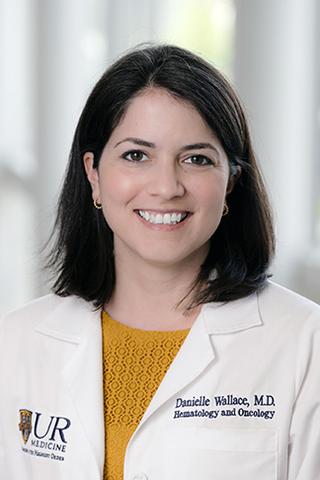
Danielle S. Wallace, M.D., is an Assistant Professor at the University of Rochester School of Medicine and Dentistry , affiliated with the Department of Medicine, Hematology/Oncology . As a clinician researcher, she specializes in the treatment of lymphoma , with a focus on nodal and cutaneous T-cell lymphomas, and is actively involved in clinical trials for cellular therapies like CAR T-cell treatment. MD | SUNY Upstate Medical University College of Medicine, 2016 Fellowship, Hematology & Oncology, University of Rochester Medical Center, 2020-2023 Residency, Internal Medicine, University of Rochester Medical Center, 2017-2019 Certified by American Board of Internal Medicine in Hematology, Internal Medicine, and Medical Oncology Her research emphasizes lymphoma treatment optimization , molecular classification , and targeted therapies . She leads clinical trials such as a Phase 2 Study of Epcoritamab and Rituximab for Follicular Lymphoma and a Randomized Phase 3 Trial of Zanubrutinib for Mantle Cell Lymphoma . Her work spans clinical trials , biomarker analysis , and patient-centered care in immune-privileged sites. Scientific awards include: Wilmot Physician Scientist-Fellowship Program (2025-2028) Wilmot Investigator Initiated Trial Support Program (2025-2027) Lymphoma Scientific Research Mentoring Program (2024-2026) Arnold P. Gold Foundation Humanism and Excellence in Teaching Award (2018) She is part of the multidisciplinary team at Wilmot Cancer Center , collaborating with clinical trial offices, radiation oncologists, and pathologists to enhance patient experiences. Her grants focus on hematologic malignancies , innovative therapies , and medical education initiatives .
Srinivas Sridhar is a University Distinguished Professor of Physics, Biomedical Engineering, and Chemical Engineering at Northeastern University, with a secondary appointment as Lecturer on Radiation Oncology at Harvard Medical School. He previously served as Vice Provost for Research at Northeastern University (2004–2008), overseeing its research portfolio. As an elected Fellow of the American Physical Society and the American Institute of Medical and Biological Engineering, his research spans nanomedicine, neurotechnology, drug delivery, and quantitative MRI, with over 450 publications and patents. He founded the Nanomedicine Innovation Center and directs major NIH/NSF programs like CaNCURE and IGERT, focusing on undergraduate and graduate training in nanomedicine, particularly for underrepresented communities. His research interests include Nanomedicine Neurotechnology Quantitative MRI Drug Delivery Systems Metamaterials and Nanophotonics Quantum Chaos Superconductivity . Recent work involves machine learning-enhanced diagnostics for glaucoma, engineered nanoparticles for BRCA-deficient cancers, and portable neuro-ophthalmic devices. His publications from 2025–2017 reflect interdisciplinary applications in oncology, neurology, and materials science, with a focus on therapeutic and diagnostic innovation. Scientific accolades include the 2016 Biomedical Engineering Society Diversity Award University Distinguished Professorship . As an educator and entrepreneur, he has trained over 120 researchers, developed first-of-their-kind nanomedicine courses, and founded companies commercializing technologies like QUTE-CE MRI. His lab leads projects on cancer nanomedicine, quantitative imaging, and nanoscale magnetism, supported by grants from NIH, NSF, DoD, and private foundations.
Rutgers, The State University of New JerseyUnited States
Pabitra Sahoo is an Assistant Professor in the Department of Biological Sciences at Rutgers University, leading a research group focused on axonal mRNA dynamics and stress granule biology. His work bridges molecular neuroscience and regenerative medicine with direct implications for neural repair mechanisms. His educational background includes: B.S. from Utkal University, India (2005) M.S. from University of Hyderabad, India (2007) Ph.D. from National Centre for Cell Science, University of Pune (2013) Postdoctoral fellowship at Twiss Lab, University of South Carolina (2023) Dr. Sahoo's research centers on stress granules in axons and their dual role in physiological mRNA storage and pathological inhibition of nerve regeneration. His lab investigates how localized protein synthesis mechanisms govern neural repair, neurodevelopment, and neurodegenerative processes through cutting-edge approaches in spatial transcriptomics and axonal biology. Key discoveries include the identification of G3BP1 as a critical regulator of axonal mRNA translation and the demonstration that stress granules exist under normal physiological conditions in neurons. Analysis of his 2021-2025 publications reveals a dominant focus on stress granule disassembly mechanisms (particularly involving G3BP1), RNA-binding protein functions in axonal mRNA stability, and therapeutic targeting of these pathways for nerve regeneration. His work consistently connects fundamental molecular mechanisms to applications in spinal cord injury, peripheral nerve repair, and neurodegenerative conditions like ALS. The Sahoo Lab operates as a collaborative team of "curiosity driven, fun, and coffee loving scientists" investigating how mRNA storage granules respond to neuronal signals. Current projects specifically examine stress granule dynamics in neuronal development models and their dysfunction in neurodevelopmental disorders (e.g., Down syndrome) and neurodegenerative diseases, with therapeutic strategies emerging from multiple patent filings.
Professor Chew Sing Yian is a distinguished academic at Nanyang Technological University (NTU), Singapore, holding professorial appointments across three schools: the School of Chemistry, Chemical Engineering and Biotechnology (CCEB), the Lee Kong Chian School of Medicine, and the School of Materials Science & Engineering (as a courtesy appointment). She leads the Chew Lab, which focuses on biologically-inspired materials for regenerative medicine, with a particular emphasis on neural tissue engineering and drug/gene delivery systems. Professor Chew's research interests center on designing biomimetic scaffolds to understand and control cell fate. Her work specifically focuses on scaffold-mediated delivery of gene-silencing and biomimicking physical signals for neural tissue regeneration and remyelination. She engineers bio-functional platforms for long-term delivery of biologics, with applications in understanding and directing neural tissue regeneration after traumatic injuries, stem cell fate determination, and host-implant integration. Her lab employs combinatorial approaches involving substrate topography/compliance and biochemical cues from drugs, genes and cells to mediate tissue regeneration. Professor Chew's extensive publication record demonstrates consistent leadership in neural tissue engineering, with a focus on microRNA delivery for spinal cord injury treatment, bioprinted scaffolds for neuronal differentiation, and biomimetic materials for drug delivery. Her work spans fundamental science to translational research, with particular emphasis on scaffold-mediated gene-silencing approaches to understand and direct neural tissue regeneration, stem cell differentiation, and host-implant integration. Professor Chew has received notable recognition including: Fellow of Tissue Engineering and Regenerative Medicine (FTERM) Professor Chew actively mentors students and researchers, with evidence of her students achieving recognition such as the 'Young Scientist Travel Fellowship Prize' awarded to Jiah Shin. Her lab, the Chew Lab, has secured significant funding including the ScaNCellS project, which represents a Singapore/France collaboration with Laurent David from IMP. The lab is currently recruiting highly motivated PhD students for ongoing research in neural tissue engineering. The Chew Lab is at the forefront of developing bio-functional micro- and nano-structured scaffolds for regenerative medicine applications. Current research focuses on three main areas: cell-substrate interactions to understand how biomimicking nanofiber structures alter cell fate; controlled delivery scaffolds for sustained drug and gene delivery; and translational studies on tissue regeneration and host-implant integration for traumatic nerve injuries in both peripheral and central nervous systems.
Dr. Samantha Spencer is an Assistant Professor of Orthopedic Surgery at Harvard Medical School and a practicing Orthopedic Surgeon at Boston Children's Hospital, where she serves as Director of the Lower Extremity and Deformity Program. She has been on staff since 2006, specializing in congenital and traumatic pediatric orthopedic conditions. Her clinical practice spans Boston, Waltham, and Weymouth locations. Education: Northwestern University (BS, 1996) University of Michigan Medical School (MD, 2000) Harvard Combined Orthopedic Residency Program (Residency, 2005) Boston Children's Hospital (Pediatric Orthopedic Fellowship, 2006) Research Focus: Dr. Spencer's work centers on lower extremity reconstruction, bone dysplasias (particularly osteogenesis imperfecta), and vascular anomalies. She collaborates with multidisciplinary programs including the Osteogenesis Imperfecta Clinic, Vascular Anomalies Center, and Lower Extremity Research Group. Her publications emphasize surgical outcomes, classification systems, and clinical guidelines for rare orthopedic and vascular conditions. Publications: Her recent work demonstrates strong focus on pediatric orthopedic surgery outcomes (68% of last 15 papers), with secondary themes in vascular anomalies (20%) and developmental biology (12%). Notably, 40% involve multicenter collaborations addressing complex disorders like skeletal dysplasia and tarsal coalition. Community Engagement: Dr. Spencer provides national outreach through patient advocacy organizations including Little People of America, Osteogenesis Imperfecta Foundation, and CLOVES Foundation Medical Advisory Board.
Jay Baraban is a Professor in the Solomon H. Snyder Department of Neuroscience at Johns Hopkins University School of Medicine, where he plays a central role in neuroscience education and research training. He is actively engaged in teaching and academic leadership across undergraduate, graduate, and medical programs. Research Interests: Dr. Baraban's academic focus lies in fundamental neuroscience, particularly synaptic plasticity, neurotransmission, and the pathophysiology of neurological and psychiatric disorders. His educational leadership reflects a deep engagement with both classical and modern discoveries in the field, including the neuron doctrine, chemical neurotransmission, endocannabinoids, leptin, and prions. His work bridges foundational knowledge with contemporary advances in neuroscience. Teaching and Academic Contributions: He co-directs the Diseases and Disorders of the Nervous System elective for undergraduates with Dr. Dani Smith, hosts a seminar on Great Discoveries in Neuroscience , and supervises the Neuroscience BS/MS research program. For graduate students, he lectures in the NeuroCog sequence, and for first-year medical students, he leads neuroanatomy lab sections and delivers lectures on neurotransmitters and synaptic plasticity. Scientific Awards: Advising and Grants: Dr. Baraban supervises the Neuroscience BS/MS program, mentoring high-achieving undergraduates in year-long intensive research projects. While specific grants are not mentioned, his role indicates active involvement in research training and academic mentorship across multiple levels of education. Labs and Teams: While no specific lab name or research team is mentioned in the text, his integration into the Solomon H. Snyder Department of Neuroscience and participation in multiple educational programs suggest strong collaborative and institutional ties within the neuroscience community at Johns Hopkins.