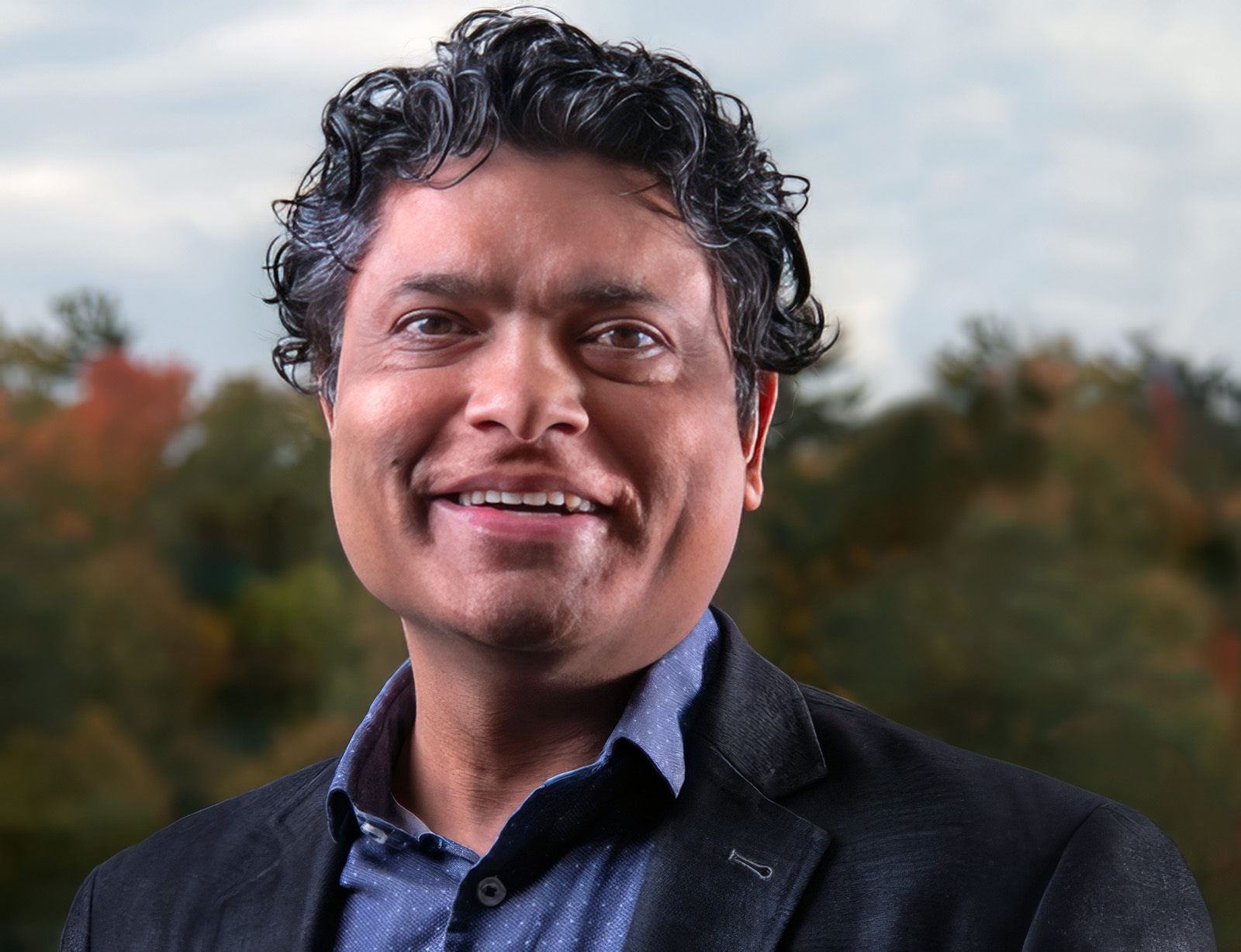
Douglas SlobodView profile
Professor
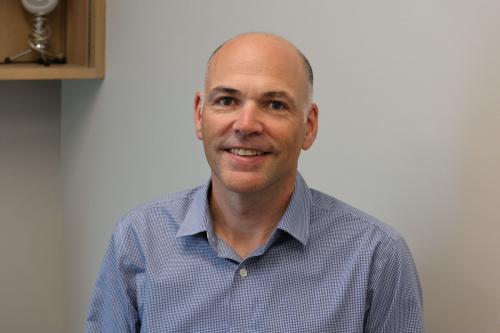
Douglas Slobod, MD, FRCPC serves as an Investigator at the Research Institute of the McGill University Health Centre (RI-MUHC) at the Glen site, affiliated with the Translational Research in Respiratory Diseases Program within the Centre for Outcomes Research and Evaluation (CORE). He maintains dual roles as both a research scientist and clinical intensivist in the Critical Care Medicine Program at the McGill University Health Centre. Dr. Slobod's research program centers on cardiopulmonary interactions in critically ill patients, with particular emphasis on how mechanical ventilation impacts right ventricular function. His work spans physiological investigations of lung injury mechanisms and clinical development of personalized respiratory support strategies for patients with acute respiratory failure. This research has significant implications for optimizing mechanical ventilation in acute respiratory distress syndrome (ARDS) while minimizing cardiovascular compromise. Analysis of his publication record reveals a consistent trajectory of high-impact research in critical care physiology. Recent work demonstrates growing sophistication in monitoring techniques (including electrical impedance tomography and esophageal pressure monitoring) and a shift toward personalized ventilation approaches. His publications frequently address the complex interplay between respiratory mechanics and cardiovascular function, with particular attention to right ventricular performance during different ventilation strategies. Dr. Slobod maintains an active collaborative network with researchers across North America and Europe, contributing to both clinical trials and physiological investigations that address fundamental questions in mechanical ventilation. His work appears in premier journals including the American Journal of Respiratory and Critical Care Medicine, Critical Care, and Intensive Care Medicine. As a clinician-scientist, Dr. Slobod exemplifies the translational research model, directly connecting physiological insights from the laboratory to clinical practice at the bedside. His ongoing research continues to refine our understanding of how to optimize respiratory support while preserving cardiovascular function in critically ill patients.