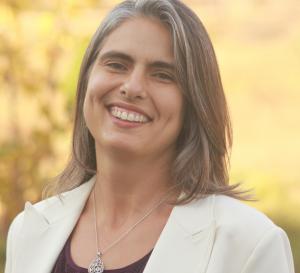
Fangqi Wen is an Assistant Professor in the Department of Sociology at The Ohio State University. She previously held positions at the Australian National University, Nuffield College (University of Oxford), and the University of Oxford. Her research focuses on gender inequality, social stratification, demography, and historical social mobility. She earned her Ph.D. in Sociology from New York University in 2019. Her work explores how informal norms like patrilineality shape demographic patterns and gender disparities, investigates historical roots of inequality through studies of the Tang Dynasty and Scottish social mobility, and examines public misperceptions of social mobility. Her research has been published in leading journals such as Demography , Proceedings of the National Academy of Sciences , and Population and Development Review , and featured in media like the Wall Street Journal . Wen employs rigorous methodologies, including census record linking and advanced statistical techniques, to analyze large-scale demographic data. Her interdisciplinary approach bridges historical sociology, demography, and social inequality studies.
Stephanie Koning is an Assistant Professor in the Department of Health Behavior, Policy, and Administration Sciences within the School of Public Health at the University of Nevada, Reno. She maintains multiple significant academic affiliations including Faculty Affiliate at the Department of Gender, Race and Identity at UNR, Adjunct Professor at Mahidol University's Faculty of Public Health in Bangkok, Thailand, and Research Affiliate positions at the Carolina Population Center (UNC Chapel Hill), Institute for Policy Research (Northwestern University), Center for Demography & Ecology (University of Wisconsin-Madison), and School of Medicine and Public Health (University of Wisconsin-Madison). Dr. Koning's research program focuses on how varied sources of contextual stress shape health and inequities across generations, with four key contribution areas: (1) social stress in maternal and child health inequities; (2) violence as a multidimensional determinant of health; (3) biopsychosocial mechanisms underlying early-life health origins; and (4) health implications of migration, forced displacement, and legal status. Her work spans Northern Nevada, North America, and Southeast Asia, with special focus on the Thailand-Myanmar border region where she has conducted extensive fieldwork including the UNESCO Highland Peoples Survey health module - the largest census of statelessness globally covering over 77,000 household members. Her methodological approach integrates both qualitative and quantitative techniques, including ethnographic fieldwork, surveys, interviews, biostatistics, epidemiology, and quasi-experimental designs. Dr. Koning has led multiple major data collection projects, including a population-based maternal and child health survey of 824 mother-child pairs grounded in over a year of preparatory ethnography and three years of total fieldwork on the Thailand-Myanmar border. Analysis of Dr. Koning's 15 most recent publications reveals consistent focus on violence, stress, and health inequities across the life course. Her work demonstrates sophisticated understanding of how structural factors like racism, displacement, and early-life adversity manifest through biological pathways to produce health disparities. Key themes include timing of exposure to adversity, intersectional identities, and cross-generational health transmission. Among her significant scientific contributions are findings on: How maternal early-life disadvantage predicts lower birth weight and signs of accelerated maternal weathering The development of novel measures for 'toxic stressor landscapes' to predict social patterns of adverse birth outcomes How breastfeeding in the first three months explains 80% of the socioeconomic gradient in adult chronic inflammation How historical conflict and displacement shape maternal stress and mental health impacts after childbirth How harmful chains of violence operate through displacement origin and destination contexts jointly Dr. Koning currently serves as Principal Investigator on an NIH-funded project (R21 HD115143) investigating racialized inequities in birth outcomes. She teaches graduate courses including CHS 701: Social and Behavioral Dimensions of Public Health, CHS 729: Applied Multivariable Statistics, and CHS 796: MPH Capstone. Her educational background includes a Ph.D. in Population Health (Epidemiology emphasis) and M.S. in Sociology (Demography emphasis) from the University of Wisconsin-Madison (2018), and a B.S. in Biology from Wheaton College (2008).
Richard Breen is a Professor of Sociology and Fellow of Nuffield College at the University of Oxford. His career includes prestigious roles such as William Graham Sumner Professor of Sociology at Yale (2007–15), Official Fellow at Nuffield College (2001–06), and Professorial positions at the European University Institute and Queen's University Belfast. He specializes in social inequality, mobility, and quantitative methods. Research focuses on intergenerational mobility, causal inference in observational data, and the intersection of demography and inequality. Notable contributions include methodologies for analyzing sibling data and addressing collider bias. Awards: Fellow of the British Academy, Member of the Royal Irish Academy, and Member of Academia Europaea. Teaching & Advising: Supervises doctoral/master's students on inequality, mobility, and methodological topics. Emphasizes causal effects estimation and quantitative techniques. Labs/Teams: No specific lab mentioned, but collaborates widely on international projects analyzing inequality trends and policy impacts.
Dr. Edward S. Peters is an Adjunct Professor at the LSU School of Public Health’s Epidemiology Program and an Epidemiologist with the Louisiana Tumor Registry. He has been affiliated with LSU since 2004, leading the development of the MPH and Ph.D. programs in Epidemiology. His research focuses on cancer epidemiology, molecular epidemiology, and health disparities, with a particular emphasis on ovarian, colorectal, and head and neck cancers. He co-leads the Women’s and Their Children’s Health Study examining the health impacts of the Deepwater Horizon Oil Spill. Education: ScD in Epidemiology, Harvard University School of Public Health (1999) SM in Health Policy & Management, Harvard University (1995) DMD, University of Connecticut School of Dentistry (1990) BA in Biology, Clark University (1985) Research Interests: Dr. Peters’ work integrates molecular and classical epidemiology to study cancer etiology, heterogeneity, and survival. Key areas include: Molecular characterization of cancer susceptibility (e.g., epigenetics, stress/inflammation pathways) Social determinants of health and their influence on disease outcomes Cancer prevention, control, and survivorship in underserved populations Transdisciplinary approaches linking environmental factors to health disparities Recent Research Trends: His recent articles emphasize: Neighborhood and social determinants of cancer survival Rural-urban disparities in cancer care and outcomes Psychosocial factors (e.g., stress, trauma) in cancer progression Environmental exposures (e.g., oil spills, air pollution) and health impacts Teaching and Leadership: Dr. Peters directs the LSU School of Public Health’s Epidemiology Data Center and has held leadership roles, including: Full Professor, Tenured (since 2017) Former Assistant Chief for Research at Brigham and Women’s Hospital Grants and Collaborations: His research is supported by collaborations with institutions such as the Louisiana Cancer Research Center, Dana-Farber Cancer Institute, and the National Cancer Institute (NCI). Labs/Teams: Leads the Epidemiology Data Center, providing research infrastructure for regional investigators, and collaborates on projects like the African American Cancer Epidemiology Study (AACES).
Erika Arenas is an Associate Professor at the University of California, Santa Barbara, specializing in Sociology. Her research focuses on migration, social stratification based on skin color, and the impact of social programs on socio-economic outcomes. She holds a Ph.D. from UCLA and is a co-Principal Investigator (co-PI) and co-Director of the fourth wave of the Mexican Family Life Survey (MxFLS-4), a groundbreaking transnational panel study. Her work explores how undocumented status affects mental health, the role of skin color in life opportunities using novel measurement tools, and evaluating programs like Mexico's Seguro Popular and Prospera. She has contributed to methodological advancements in census practices, particularly for Afro-Mexican population counting. Erika's research spans interdisciplinary areas including demography, public policy analysis, and health disparities. Her recent studies highlight the fluidity of Mestizaje identity and the intersection of anti-Indigenous/Black racism with economic trajectories. She has secured grants such as UC-Mexus funding for migration and health studies. Her teaching portfolio includes courses like SOC 10 Logics of Inquiry and SOC 205B Statistics, reflecting her commitment to both undergraduate and graduate education in sociological methods and migration studies.
Professor Wojtek Tomaszewski serves as Deputy Director (Research) and Research Group Leader at the Institute for Social Science Research at the University of Queensland, Faculty of Humanities, Arts and Social Sciences. He is also a Chief Investigator in the Australian Research Council Centre of Excellence for Children and Families over the Life Course. Previously, he worked at the National Centre for Social Research in London. His educational background includes a BSc and MSc in Mathematics, an MA in Sociology from the University of Warsaw, Poland, and a PhD in Social Sciences from the European University Institute in Florence, Italy. His expertise centers on quantitative research methods and advanced statistical analysis in social science contexts. Professor Tomaszewski's research primarily investigates educational inequalities, with particular focus on how socio-economic disadvantage impacts educational and labor market outcomes for young people. His work examines student engagement, wellbeing, and the long-term effects of disadvantage across the life course. He employs sophisticated statistical methodologies to analyze large-scale administrative and survey datasets, often using linked data approaches to track longitudinal outcomes. His publication record shows a consistent focus on educational equity issues, with recent work expanding into AI applications in education, immigrant educational pathways, and the development of evaluation frameworks for student equity in higher education. His research demonstrates methodological sophistication while maintaining practical relevance for policy development. Professor Tomaszewski has successfully secured numerous competitive research grants from Australian and international funding bodies, including multiple ARC grants and projects commissioned by government departments. His work has direct policy implications for educational systems and social support structures. He has supervised multiple PhD students, primarily focusing on topics related to educational disadvantage, migration, and labor market outcomes. His approach to supervision emphasizes methodological rigor and policy relevance, with students often working on projects connected to his larger research programs. As Deputy Director (Research) at the Institute for Social Science Research, Professor Tomaszewski plays a key leadership role in shaping research directions and fostering collaborative research initiatives focused on social inequality and educational outcomes.
Professor Ashley Akbari serves as a Research Professor of Population Data Science at Swansea University's School of Medicine, where she has worked since 2008. She plays a significant role in major research programs using population-scale data through the SAIL Data Bank, leading multidisciplinary collaborations to develop research that informs policy across academia and government. Her research interests center on Population Data Science, Public Health, Epidemiology, and Health of Populations, with particular expertise in advancing team science and developing the next generation of data scientists. She promotes learning outcomes that translate into policy improvements through structured query language (SQL), project management, and agile methodologies. Her work frequently employs linked electronic health records to examine health disparities, chronic disease management, and pandemic impacts across Welsh populations. Ashley directs the Population Data Science Internship Programme, providing undergraduate and postgraduate students with funded summer placements in research teams. Her scholarly output demonstrates consistent focus on health inequalities, multimorbidity patterns, and data linkage methodology, with numerous high-impact publications in journals including Nature Communications, The Lancet, and BMJ Open. She actively promotes team science and collaborates with multidisciplinary groups to develop research that improves services and people's lives. Her work spans cardiovascular health, mental-physical health interactions, pandemic response evaluation, and methodological innovations in population health data science.
Joseph Price is a Professor of Economics at Brigham Young University (BYU), where he directs the Record Linking Lab. He is also a Faculty Research Fellow at the National Bureau of Economic Research (NBER) and a Fellow at the Wheatley Institute. His research integrates family history data with machine learning to create large linked datasets, focusing on intergenerational mobility, labor economics, and family structure analysis. PhD in Economics from Cornell University (2007) BA in Economics from Brigham Young University (2003) Price's work spans economic history, demographic studies, and educational policy, with over 50 publications in top journals like the Quarterly Journal of Economics and Journal of Labor Economics . He mentors over 60 undergraduate research assistants and 400 BYU Pathway students in Africa. His key projects include the Census Tree—linking 700 million historical U.S. census records— and studies on marriage premiums, NBA referee bias, and farm succession. Recent research trends include multigenerational mobility analysis (2025), lifespan transmission studies (2023), and machine learning applications in historical record linking (2019). His work often addresses socioeconomic disparities, policy impacts, and structural changes over time. NBER Faculty Research Fellow Wheatley Institute Fellow Price advises numerous mentored research projects and contributes to policy discussions through grants and datasets. His lab develops methods for analyzing historical socioeconomic mobility and family dynamics. Personal details include being a father of seven children (two at BYU, one in Uruguay missionary service).
Professor Raymond Chambers is a distinguished statistician currently serving as an Honorary Fellow at the School of Mathematics and Applied Statistics, Faculty of Engineering and Information Sciences, University of Wollongong (2022–present). His career spans leadership roles at the University of Southampton (2003–2006 as Director, Southampton Statistical Sciences Research Institute; 1995–2000 as Professor and Head of Department of Social Statistics; 1999–2000 as Leverhulme Professor) and the Australian National University (1989–1995 as Senior Lecturer in Statistics). He completed his PhD in Biostatistics at Johns Hopkins University (1979–1983) and has supervised 9 PhD students in areas like Small Area Estimation , Robust Inference , and Survey Methodology . His research focuses on Sample Survey Design and Analysis , Robust Statistical Methods , Statistical Modelling and Inference , and Analysis of Computer-Linked Data . Recent publications emphasize Small Area Estimation , Probabilistic Data Linkage , and Non-Linear Spatial Models , reflecting his expertise in integrating survey data with advanced statistical techniques. Professor Chambers has received multiple accolades, including Elected Member of the International Statistical Institute Elected Fellow of the American Statistical Association Elected Fellow of the Academy of Social Sciences in Australia Leadership roles as President of the International Association of Survey Statisticians (2011–2013) He has secured significant funding from Australian and international agencies, including Discovery Projects and Linkage International grants, supporting research in Small Group Analysis , Missing Data Handling , and Longitudinal Survey Methodology . His professional contributions include editorial roles at the Journal of the Royal Statistical Society and The Annals of Statistics .
Greg Jansen is a Senior Research Software Architect at the University of Maryland's College of Information Studies. He is affiliated with the Applied Research Lab for Intelligence and Security (ARLIS) and the Advanced Information Collaboratory (AIC). His research focuses on applying computer vision, machine learning, and data science to challenges in archival science, digital humanities, and information systems. Notable projects include developing the Brown Dog data transformation ecosystem, enhancing access to historical records, and creating frameworks for collaborative computational archival education. Key research interests include digital curation at scale, autocuration infrastructure, and the ethical use of cultural big data. His work spans government records analysis, census data sifting, and preservation of legacy systems like punchcards. Recent projects emphasize linking disparate datasets (e.g., WWII incarceration biographies) and building scalable cyberinfrastructure for billion-record archives. Publications highlight trends in applying AI-driven methods to historical data challenges, designing open-source tools for repositories, and ensuring equitable access to archival materials. Collaborations include work with the World Bank on social media analytics and international institutions to create transparency portals for sensitive datasets. Jansen leads technical development for initiatives like the 'Window Into Neuroregulation' (WIN) project and has pioneered frameworks for distributed historical data distribution (DRAS-TIC Linked Data). His contributions bridge software architecture with archival practice, advancing both technical and scholarly outcomes in information science.
Michele Postigliola is a Researcher at Sapienza University of Rome's Department of Methods and Models for Economy, Territory and Finance. His work focuses on economic history, public debt analysis, and institutional impacts on development. He teaches Economic History and has published extensively on Italian financial systems, Napoleonic reforms, and sustainable development. Research keywords include: economic history, institutional economics, public finance, demographic economics, and sustainable development. His recent publications examine land-use patterns, urban growth dynamics, and historical debt sustainability. He contributes to the academic community through historical data reconstruction and analysis of Italian cooperative credit systems.
Elien Dalman is a Postdoctoral Fellow at Lund University, affiliated with the Department of Sociology, Centre for Economic Demography, and Department of Economic History. Their research focuses on interdisciplinary quantitative social science, particularly social stratification, mobility, and inequality with historical roots. Research Interests: Social Stratification, Intergenerational Mobility, Economic History, Sweden, Gender Studies. Projects: 'Surnames and social mobility across three centuries' and 'Changing gender and class relations in the wake of RUT and ROT usage.' Methodology: Utilizes longitudinally linked Swedish census and register data, including historical data harmonized through SWEDPOP/SWECENS and contemporary data from Statistics Sweden. Collaborates with institutions like Socialstyrelsen and Skatteverket. Teaching: Courses on economic/demographic developments, sociological theory, and econometrics/statistics. Contributes to UN Sustainable Development Goals related to inequality and social mobility.
Sara Grineski is a Professor in the Department of Sociology and Criminology at the University of Utah, with a secondary appointment in Environmental Studies. She holds an academic position within the School of Environment, Society and Sustainability. Her career includes prior roles as an Assistant Professor at the University of Texas at El Paso (UTEP), where she led the NIH-funded BUILD award's research mentoring programs. She has a BA in Sociology and Biology from Concordia College (Minnesota), an MA and PhD in Sociology from Arizona State University, with a minor in Geography. Her research focuses on environmental health disparities, children’s health, and environmental justice, with additional expertise in human geography, development studies, and epidemiology. She investigates how race/ethnicity, socioeconomic status, and other social factors intersect to shape exposure to air pollution, flooding, and other environmental hazards, particularly in marginalized communities. Her work also addresses mentorship dynamics in STEM education, including the impact of mentoring relationships on undergraduate researchers. Grineski’s articles (2023–2025) reveal a focus on disaster inequities (e.g., Hurricane Harvey, Winter Storm Uri), distributional environmental justice in urban cores, and the societal implications of climate change. She emphasizes disparities in access to resources like air conditioning and flood protection, often linking these to historical policies like redlining. Her recent studies also explore how academic mentorship quality influences students’ mental health, graduate school intentions, and research outcomes. Scientific Awards: National Science Foundation (NSF) Integrative Graduate Education and Research Training (IGERT) Fellowship in Urban Ecology (2001–2006). In grants and advising, Grineski has secured funding as a PI/Co-PI from NSF, NIH, and EPA. She prioritizes student involvement in research, with over half of her publications including student co-authors. Her research programs aim to bridge academia and community action, such as participatory sensing initiatives to address air quality inequities.
Professor Patricia Murrieta-Flores is a faculty member at Lancaster University's School of Global Affairs and Co-Director of the Digital Humanities Centre. Her research focuses on the intersection of Digital Humanities, Artificial Intelligence, and Spatial Humanities to study Latin American colonial history, particularly 16th–18th century New Spain. She employs GIS, NLP, Computer Vision, and Machine Learning to analyze epidemics, economic systems, and indigenous spatial epistemologies. Research Grants : TAP/ESRC: Digging into Early Colonial Mexico AHRC/NEH: Unlocking the Colonial Archive ESRC: The Fleets of New Spain (2024–) Scientific Awards : Fellow, Royal Historical Society Fellow, Centre for Apocalyptic and Postapocalyptic Studies (Heidelberg) PhD Supervision : Katherine Bellamy Edward Moore Collaborative Networks : Cross-institutional projects with University of Lisbon, LLILAS Benson, and others Interdisciplinary teams combining Computer Science, History, and Archaeology
Yehua Dennis Wei is a Professor at the School of Environment, Society & Sustainability at the University of Utah since 2007. He holds a PhD in Geography from UCLA (1998) and has held visiting professorships at Zhejiang University and East China Normal University. Education: BS in Economic Geography and Urban Planning (Zhejiang University, China, 1984), MS in Human Geography (Nanjing Institute of Geography, CAS, 1987), MA in Urban Planning (University of Akron, 1991), MA in Geography (University of Akron, 1993). His research spans Human Geography , Urban and Regional Planning , and Environmental Policy . Recent work explores the links between teleworking and well-being , socio-spatial polarization and health , and polycentric urban development in China . He investigates how urban form and environmental factors influence mental health , intergenerational mobility , and industrial sustainability through spatial analysis and global-local dynamics. His scientific awards include: Highly Cited Researcher (2024, Clarivate) World's Top 2% Scientist (2024, Stanford) Fellow (2024, American Association of Geographers) Distinguished Scholar Award (2006, AAG) He teaches courses on Global Economic Geography , Geography of China & Asia , and Geography and Business , with a focus on thesis research advising. His grants include multiple awards from the Ford Foundation , Lincoln Institute of Land Policy , and National Science Foundation on topics like urban housing, transit-oriented development, and industrial eco-efficiency in China. Professional roles include serving on committees for the Regional Science Association of China and Association of American Geographers .