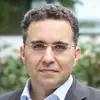
Prof. Waldemar Kolanus leads the Molecular Immunology and Cell Biology department at the University of Bonn's Life & Medical Sciences Institute (LIMES) . His research bridges immunoregulation , stem cell dynamics , and metabolic stress responses in immune cells. Unit 2 member at LIMES Principal investigator in SFB 704 and ImmunoSensation Cluster Leads a multidisciplinary lab with postdocs, PhD students, and technical staff His work focuses on intracellular signaling pathways connecting immune activation to tissue homeostasis, particularly through: Cytohesin proteins in integrin-mediated adhesion and migration TRIM71 in stem cell regulation and congenital hydrocephalus High-salt environments affecting macrophage function Publication trends show expertise in immune cell migration , genetic models , and chemical inhibition , with frequent use of mice and zebrafish for in vivo studies. Key articles explore: TRIM71's dual role in auditory development and germ cell maintenance Cytohesin family's Golgi regulation and insulin signaling Ruxolitinib's off-target migration inhibition of dendritic cells Contact details: Address: LIMES Institute, Carl-Troll-Straße 31, Bonn Email: kolanus.sekretariat@uni-bonn.de Phone: +49 228 73-62788
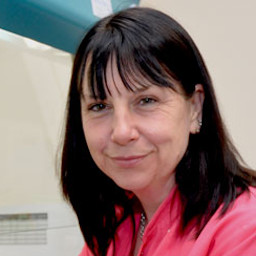
Dr. Beibei Ren is an Assistant Professor in the Department of Mechanical Engineering at Texas Tech University. She earned her Ph.D. in Electrical and Computer Engineering from the National University of Singapore (NUS) in 2010, followed by postdoctoral work at UCSD and a research fellowship at NUS. Education: Ph.D. in Electrical and Computer Engineering (NUS, 2010) Previous Positions: Postdoctoral Scholar (UCSD, 2010-2013), Research Fellow (NUS, 2009-2010) Her research focuses on dynamic systems and control with applications in renewable energy integration, microgrids, UAVs, MEMS, marine systems, and manufacturing. At Texas Tech, she directs the Dynamic Intelligent Systems, Control and Optimization (DISCO) Group , emphasizing robust control strategies for uncertain systems. The 15 most recent publications highlight her expertise in uncertainty and disturbance estimator (UDE)-based control , with applications in smart grid technologies, wind and solar energy systems, quadrotor robotics, and power electronics. Her work bridges theoretical control theory with practical implementations in renewable energy and autonomous systems. STEM Outreach: Actively promotes diversity in engineering through Texas Tech's STEM CORE programs.
Lin He is the Thomas and Stacey Siebel Distinguished Chair in Stem Cell Research and Professor of Cell Biology and Physiology at the University of California, Berkeley. His laboratory focuses on understanding the biological functions of non-coding RNAs in development and disease, with particular emphasis on microRNAs (miRNAs) in cancer, stem cell biology, and developmental processes. He developed the CRISPR-EZ method for highly efficient mouse genome editing, significantly advancing genetic research. Research interests include miRNAs' roles in tumor progression, metastasis, and pluripotency regulation in stem cells. His work bridges mouse genetics, genomics, and molecular biology to uncover mechanisms governing non-coding RNA functions. Current projects address miRNAs in oncogenesis, stem cell fate determination, and the interplay between non-coding RNAs and retrotransposons in development. Key contributions include identifying miRNA networks in cancer pathways, demonstrating miRNA requirements for ciliogenesis and lung development, and advancing CRISPR-based genome editing techniques. His interdisciplinary approach integrates genetic, genomic, and cellular tools to explore fundamental questions in biology and medicine. Lab website: helabucb.org CRISPR-EZ technology enables 100% genome editing efficiency in mouse zygotes Pioneering studies on miRNA regulation of PTEN, p53, and oncogene pathways
Dr. Alexandra Piotrowski-Daspit is an Assistant Professor in the Biomedical Engineering department and Internal Medicine – Pulmonary and Critical Care Medicine at the University of Michigan Medical School. She is a chemical/biological engineer with expertise in polymeric biomaterials for gene therapies, focusing on in vivo behavior of delivery vehicles and strategies to optimize biodistribution. Education: Ph.D. in Chemical/Biological Engineering Her research bridges polymer chemistry, gene delivery, and translational medicine, emphasizing in utero interventions and pulmonary targeting. Key areas include nanoparticle surface engineering, macrophage decoys, and computational pharmacokinetic modeling. Recent publications highlight systemic in utero gene editing for cystic fibrosis, poly(amine-co-ester) nanoparticle tunability, and mucosal vaccination platforms. She also explores miRNA therapies for congenital diaphragmatic hernia and triplex-forming PNAs for CFTR correction. PhRMA Foundation Awardee (2024) Her work involves interdisciplinary collaborations, DEI initiatives, and translational projects from postdoc foundations in W. Mark Saltzman’s lab. Labs like Saltzman and SCGE teams support her research.
Ueli Grossniklaus is an Ordinary Professor at the University of Zurich within the Faculty of Mathematical and Natural Sciences , affiliated with the Department of Plant and Microbiology . His work focuses on plant developmental biology, particularly epigenetic and genetic mechanisms governing reproduction and adaptation. Key Courses: Epigenetics, Plant Biology Workshop, Group Seminars on Current Research Laboratory Techniques: Advanced methods in plant cell mechanics, transcriptomics, and genome editing Research Interests span plant epigenetics, reproductive biology, and the interplay between environmental stress and genetic regulation. He investigates: Mechanistic control of gametogenesis and fertilization Epigenetic contributions to plant adaptation Evolutionary implications of asexual reproduction Biophysical forces in plant cell growth Publication Trends (2025–2018) reveal expertise in: Arabidopsis and fern model systems Epigenetic regulation (DNA methylation, histone dynamics) Apomixis and hybrid seed failure mechanisms Biomechanics of pollen tubes and carnivorous plants Genome editing tools (CRISPR) and long-read sequencing Scientific Collaborations include interdisciplinary projects on: Microfluidic devices for plant cell analysis Gene drive ecology and ethics 3D imaging of plant reproductive structures Advising and Grants focus on mentoring through research internships in developmental biology, genetics, and systems biology. His lab engages in: Epigenetic response to environmental stress Cell wall mechanics in reproduction Computational modeling of plant growth Laboratory Teams integrate plant biologists, bioengineers, and computational scientists to study: Mechanistic gene regulation Evolutionary developmental biology Microrobotics for cellular force measurement
Prof. Dr. Sven Panke is a Full Professor and Head of the Department of Biosystems Science and Engineering at ETH Zürich. His research focuses on bioprocess engineering, synthetic biology, and enzymatic process development. Key areas include miniaturized bioreactor systems, microbial engineering for novel metabolite production, and high-throughput screening methodologies. Education: Studied Biotechnology at TU Braunschweig, with postgraduate research at the German National Research Center for Biotechnology and ETH Zurich. Transitioned from industry (DSM) to academia in 2001 as an Assistant Professor, progressing to Associate Professor (2007-2009) before leading the BSS department. Research interests emphasize directed evolution of enzymes, metabolic pathway engineering, and systems biology approaches to optimize microbial production systems. Current projects include bio-indigo synthesis, antimicrobial peptide discovery, and synthetic biology tools for cellular engineering. Labs/Teams: Leads the Bioprocess Engineering Lab at ETH Zurich, collaborating on projects like the E. coli import system design and γ-glutamyltransferase engineering. Active in developing microfluidics platforms for parallel reaction analysis. Grants/Advising: Funded by initiatives in sustainable biomanufacturing and synthetic biology. Supervises graduate students in bioprocess design and microbial systems engineering.
Dr. Junfang Wu is a Professor in the Department of Anesthesiology and holds a secondary appointment in Neurobiology at the University of Maryland School of Medicine. She serves as Associate Director of UM-MIND (University of Maryland - Medicine Institute for Neuroscience Discovery), Director of the Anesthesiology Center for Neuroscience Research, and Vice-Chair for Translational Research in the Department of Anesthesiology. Her academic journey includes a BM in Medicine, MS in Pharmacology from Jiangxi Medical College, and PhD in Neuropharmacology from Nanjing Medical University, followed by postdoctoral training at China's Institute of Materia Medica and NIH. Research Focus: Neurotrauma, neuroinflammation, autophagy-lysosomal pathway, extracellular vesicles, Hv1/NOX2/ROS, TrkB.T1 Key Techniques: Rodent models of SCI/TBI, behavioral evaluations, EV characterization, quantitative imaging, molecular/cellular biology Dr. Wu's research explores the cellular and molecular mechanisms of neurological dysfunction following CNS trauma, with emphasis on autophagy-lysosomal disruption, microglial Hv1 channels, and EV-mediated neuroinflammatory signaling. Her 2025 Aging and disease study reveals age-dependent transcriptional changes post-anesthesia, while 2024 Brain, Behavior, and Immunity work demonstrates how SCI alters EV cargoes to drive brain neuroinflammation. Her team recently discovered that Hv1 proton channel ablation in microglia provides neuroprotection in SCI models. Her scientific contributions are recognized through the 2025 Matjasko Professorship in Anesthesiology Research. She has secured multiple NIH grants including: R01 NS145443 (2025-2030): cGAS signaling in brain trauma-induced neuroinflammation R01 AG077541 (2022-2027): TBI olfactory dysfunction and dementia progression 2RF1 NS094527 (2016-2027): Autophagy mechanisms in SCI R01 NS110825 (2020-2026): Hv1 channel in SCI/TBI Dr. Wu's laboratory personnel include Research Associates Yun Li and Zhuofan Lei, Post-doctoral Fellows Balaji Krishnamachary and Zihui Wang, Research Assistant Hui Li, and medical student Ruth Park. Her work spans from bench research on lysosomal damage to clinical implications for Alzheimer's disease-related dementia (AD/ADRD) and potential therapeutic strategies.
Claudio R. Alarcón is an Associate Professor in Pharmacology at Yale University School of Medicine. His research focuses on RNA metabolism's role in development, health, and disease, particularly RNA modifications and non-coding RNAs. He joined Yale in 2017 after postdoctoral training at The Rockefeller University and holds a PhD from Cornell University (2009) and a BSc from Pontificia Universidad Católica de Chile (1999). Research Interests: Functional roles of m6A RNA modifications MicroRNA biogenesis and cancer progression Non-coding RNA regulation in metastasis Key Appointments: Primary Faculty, Yale Cancer Biology Institute Member, Yale Cancer Center Faculty, Yale Combined Program in Biological and Biomedical Sciences His lab integrates bioinformatics, molecular, and cellular approaches to study cancer metastasis mechanisms, including miRNA processing disruptions and SOX4/TMEM2 pathways linked to clinical outcomes.
Miler T. Lee is an Associate Professor at the University of Pittsburgh , focusing on gene regulation during early embryonic development through high-throughput experimental and computational genomics. He earned his Ph.D. in Genomics and Computational Biology in 2009 from the University of Pennsylvania under Dr. Junhyong Kim, followed by postdoctoral work with Dr. Antonio Giraldez at Yale University. Joining the university in 2016, his research spans maternal-to-zygotic transition (MZT), RNA stability, pluripotency networks, and evolutionary developmental biology, utilizing model organisms like zebrafish, Xenopus, and Hydractinia symbiolongicarpus. Key Research Themes: Maternally inherited RNA dynamics during embryogenesis Mechanisms of RNA degradation and transcriptome remodeling Evolution of pluripotency networks in hybrid species Role of zinc signaling in fertilization barriers Computational tools for RNA regulation and sensing Scientific Awards: Pan-American Society for Evolutionary Developmental Biology Junior Faculty Award (2024) Outstanding New Investigator – International Xenopus Board (2023) Basil O'Connor Scholar – March of Dimes (2017-2019) Recent publications highlight his work on enhancer classification, RNA degradation mechanisms, and cross-species MZT comparisons. His lab develops innovative methods like RESA for regulatory sequence analysis and studies evolutionary divergence in RNA localization patterns. While the articles span computational and experimental approaches, they consistently address RNA's role in cellular identity, developmental timing, and evolutionary adaptation. Applications include understanding pluripotency, designing RNA biosensors, and elucidating fertilization barriers. Prospective Ph.D. students are encouraged to contact him for opportunities in gene regulation, development, evo-devo, and computational genomics.
Michael Boutros is a Full Professor at Heidelberg University and Head of Division at the German Cancer Research Center (DKFZ). He currently serves as Dean of the Medical Faculty at Heidelberg University (since 2023) and Director of the Marsilius Kolleg (since 2020). He has held leadership roles including Coordinator of the Functional and Structural Genomics Program at DKFZ (2014–2023) and Acting Scientific Director (2015–2016). His academic base is within the Medical Faculty, focusing on molecular oncology and functional genomics. PhD, Witten/Herdecke University (1993–1996) Postdoctoral Research, Harvard Medical School (1999–2003) MPA, John F. Kennedy School of Government, Harvard University (1999–2001) Additional training: Cold Spring Harbor Laboratory, SUNY Stony Brook His research centers on Wnt signaling, functional genomics, and cancer pathways. He leads major research initiatives such as CRC 1324 on Wnt signaling and the ERC Synergy Grant DECODE. His work integrates high-throughput screening, CRISPR, and systems biology to dissect signaling networks in cancer and development. He has pioneered genome-wide RNAi and CRISPR screens to identify novel regulators of Wnt signaling across models. The 15 most recent articles reflect a strong focus on Wnt pathway regulation using functional genomics in both Drosophila and mammalian systems. Themes include high-throughput screening, CRISPR-based validation, cross-species conservation, and therapeutic targeting. Keywords span Cancer Biology, Systems Biology, and Signal Transduction, with subfields like RNAi, ubiquitination, stem cell regulation, and machine learning in image analysis. Michael Boutros has received numerous scientific honors: Elected member, Leopoldina National Academy of Sciences (2022) Elected member, Heidelberg Academy of Sciences (2022) EMBO Member (2013) ERC Advanced Grant (2012) Johann-Georg Zimmermann Research Award (2007) EMBO Young Investigator (2005) Member, 'Die Junge Akademie' (2003) He has been a recipient of the Emmy-Noether Program, McCloy Fellowship, Boehringer Ingelheim PhD Fellowship, Studienstiftung Fellowship, and Fulbright Fellowship. As a mentor and research leader, he has supervised numerous early-career scientists and coordinated large collaborative grants including the FP7 'CancerPathways' project. He currently serves as Speaker of the Research and Strategy Commission at Heidelberg University and Managing Director of the Health and Life Science Alliance Heidelberg Mannheim. He leads the CRC 1324 on Wnt signaling and is Coordinating PI of the ERC Synergy Grant DECODE. He is also Spokesperson of DFG Research Group 1036 and Coordinator of the former FP7 Coordinated Project 'CancerPathways'. His lab employs cutting-edge functional genomics tools to decode signaling networks in cancer and development.
Professor Susan Brooks is a faculty member at Oxford Brookes University in the School of Biological and Medical Sciences . Her research focuses on glycobiology , cancer progression , and the role of extracellular vesicles in metastasis. Professor of Cell Biology Director of Researcher Development Focus on breast and ovarian cancer Specialized in glycosylation mechanisms Research Interests : Dr. Brooks' work explores how aberrant glycosylation of proteins and glycans influences cancer cell behavior, including metastasis and drug resistance . Her recent studies examine extracellular vesicles as diagnostic tools and therapeutic targets. Article Trends : Over 25 years, Dr. Brooks has published 15+ articles on glycosylation patterns in breast and ovarian cancer. Key areas include lectin binding , miRNA regulation , and radiation-induced metastatic changes . Her work bridges cell biology and clinical applications .
Prof. Valentina Boeva is an Assistant Professor at the Department of Computer Science, ETH Zürich, specializing in biomedical informatics. Her research focuses on integrating machine learning and computational methods to address challenges in genomics, oncology, and precision medicine. She holds a position in the Professur für Biomedizininformatik (Biomedical Informatics) and is based at CAB G32.2, Universitätstrasse 6, Zürich, Switzerland. Her work emphasizes applications such as cancer biomarker discovery, tumor heterogeneity analysis, and epigenetic profiling. She teaches courses including Machine Learning Seminar, Data Science Lab, and Machine Learning for Genomics. Her research group develops computational tools like CDState and UniversalEPI to decode complex biological systems. She actively publishes in top-tier journals, with recent work on exosome-driven diagnostics and chromatin interaction modeling. Her scientific contributions span methodologies for single-cell data analysis, survival modeling, and drug response prediction. She collaborates across disciplines to bridge computational science with clinical applications in cancer research.
Dr. Zhi-Ping Feng is a Bioinformatician at the John Curtin School of Medical Research (JCSMR), Australian National University (ANU). Her research focuses on integrating omics data with protein structure-function relationships to study interactions between macromolecules. She has expertise in analyzing genomic and transcriptomic data (e.g., RNA-Seq, ChIP-Seq) and protein structure determination via nuclear magnetic resonance (NMR) spectroscopy. Previously, she held a Senior Research Fellow position at the Walter and Eliza Hall Institute (WEHI) from 2009, working on quality control in omics research and genomic data analysis. Her postdoctoral work at WEHI (2002–2005) involved structural biology of malaria-related proteins, supported by an Australian Postdoctoral Fellowship. She holds a PhD in protein bioinformatics from China and a physics background from Peking University. Education: PhD in Protein Bioinformatics (China) Bachelor’s in Physics, Peking University Research Interests: Her work bridges computational biology and structural biology, with emphasis on: Intrinsically unstructured proteins (IUPs) and their applications in malaria proteomics Omics data integration for disease modeling (e.g., cancer, diabetes, neurodegeneration) Protein-protein interaction networks and structural bioinformatics Publications: Recent work spans cancer immunotherapy, miRNA regulation in retinal degeneration, and T cell biology, with contributions to understanding Wnt signaling in joint replacement complications and genetic fusions in pediatric brain tumors. Awards: Australian Postdoctoral Fellowship (2005) Grants/Teams: Currently affiliated with ANU Bioinformatics Consultancy, supporting translational medical research in immunology, cancer, and genomics. Labs/Teams: Collaborates with the JCSMR’s multidisciplinary teams focusing on biomedical informatics and translational research.
Dr. Lin Su is a Lecturer in Engineering Biology at Queen Mary University of London, leading the Biohybrids group. His research focuses on biohybrid systems in synthetic biology, particularly electron transfer mechanisms between microorganisms and materials, with applications in bioelectrical systems and artificial photosynthesis. Dr. Su holds a PhD in Biomedical Engineering from Southeast University (2021), with postdoctoral research at the University of Cambridge (2021–present). His work includes collaborations with Lawrence Berkeley National Lab and Rice University (2016–2021). He is a Leverhulme Early Career Fellow (2022–2025) and an Isaac Newton Trust Grant recipient. He also serves as a Fellow at Lucy Cavendish College, Cambridge. Research interests span synthetic biology, microbial-material interfaces, and energy-related bioengineering. His lab develops novel platforms integrating living and non-living components for sustainable technologies. Awards: Leverhulme Early Career Fellowship Isaac Newton Trust Grant Fellow of Lucy Cavendish College Grants: Collaborative funding via Leverhulme Trust and Isaac Newton Trust. Labs/Teams: Director of the Biohybrids Group (https://biohybrids.group/), focusing on interdisciplinary engineering-biology research.
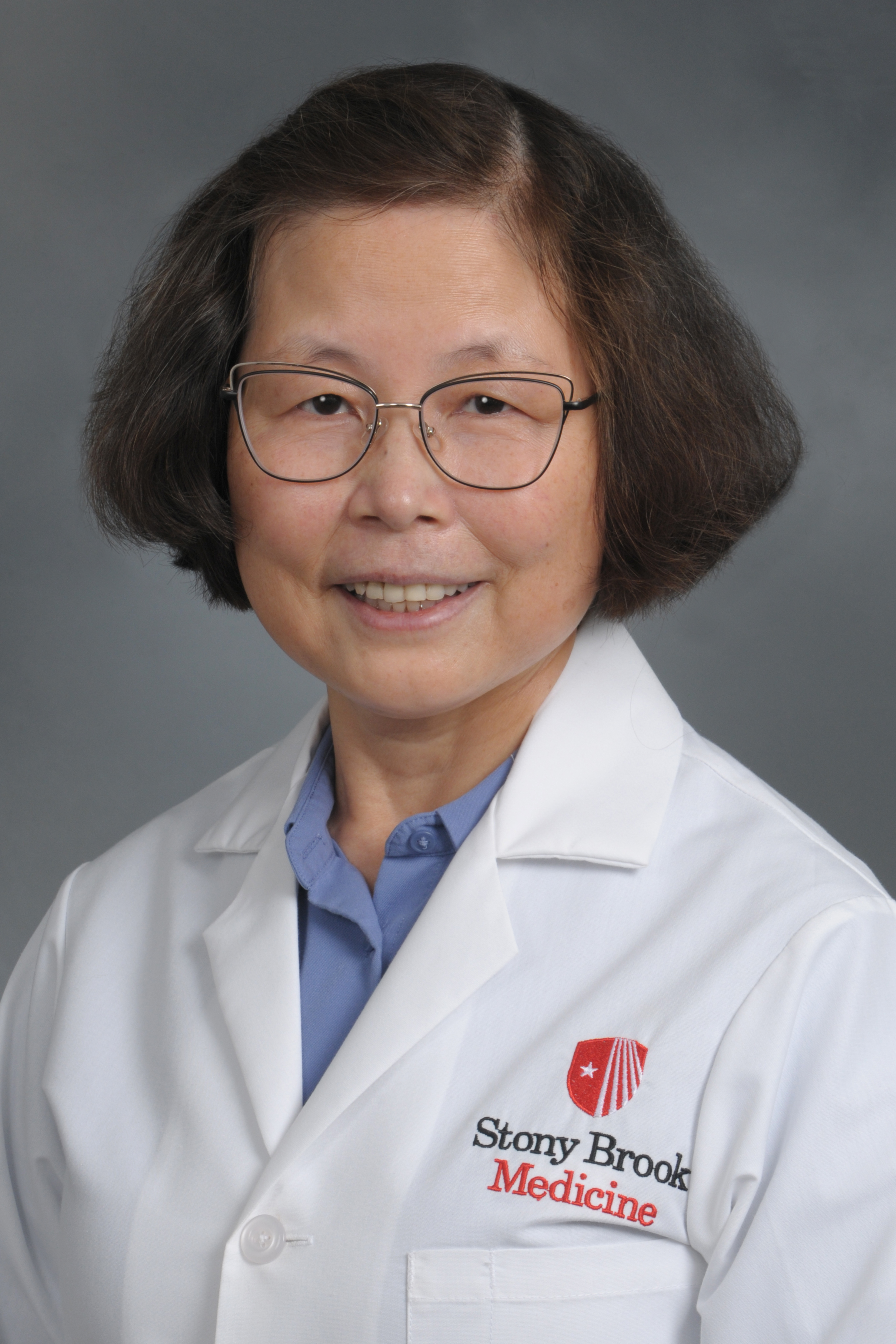
Zhishan Wang, MD, PhD is a Research Professor in the Department of Pathology at Stony Brook University's Renaissance School of Medicine . His work focuses on environmental carcinogenesis , particularly mechanisms of cancer biology and cancer therapy , with a specialization in metal-induced carcinogenicity. Research Interests: Environmental Carcinogenesis Epigenetic and Epitranscriptomic Mechanisms Tumor Microenvironment Remodeling Metal Toxicity Pathobiology Non-Coding RNA Regulatory Networks Scientific Contributions: Analysis of 15 recent publications reveals expertise in: Metal-Induced Oncogenic Pathways (e.g., NF-κB activation, Hedgehog signaling) RNA Modification Dynamics (m6A, lncRNA-splicing interactions) Stem Cell Plasticity in Carcinogenesis Multi-Carcinogen Synergy Mechanisms Epigenetic-Genotoxic Interplay Transcriptomic Reprogramming by Toxicants