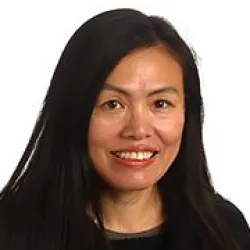
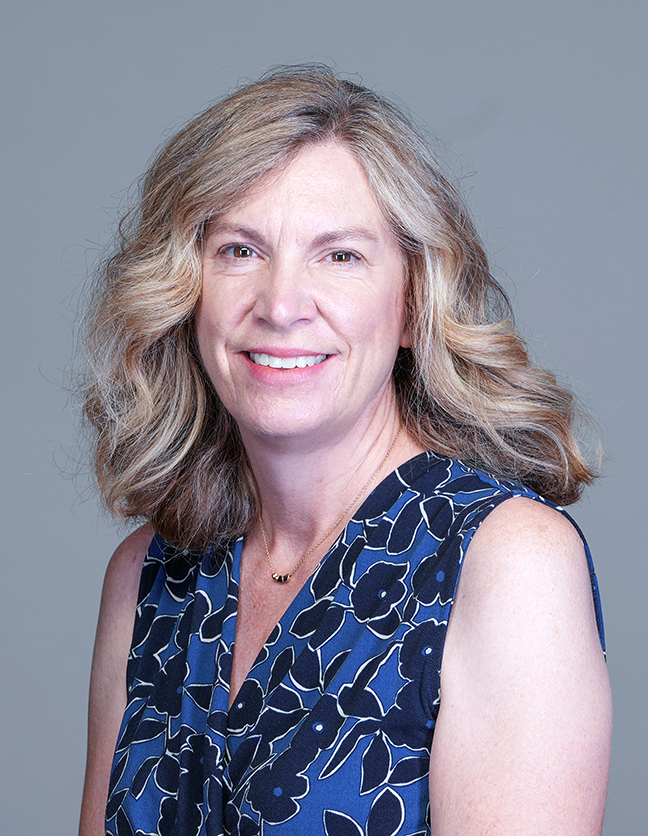
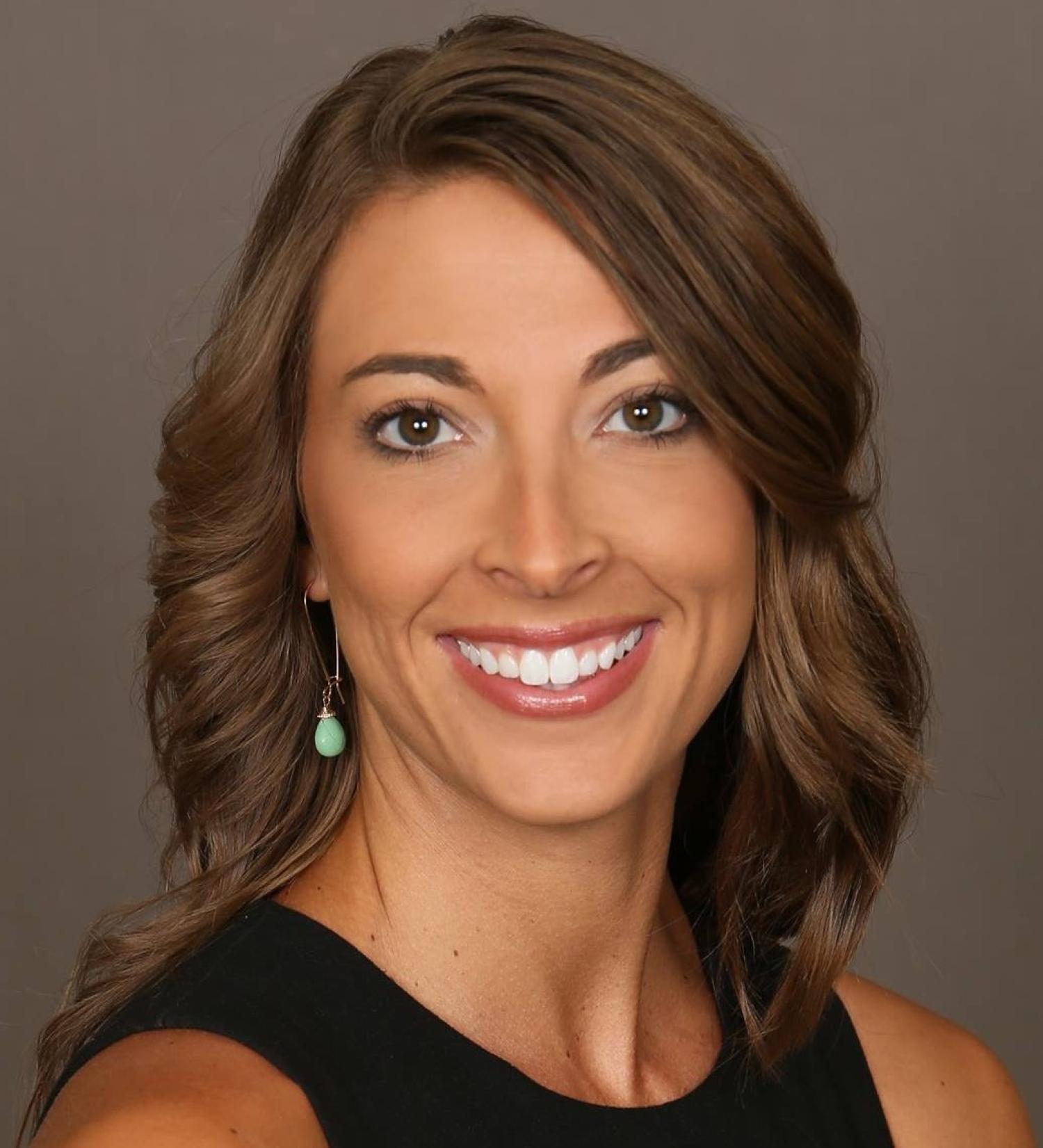
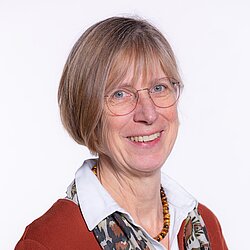
Associate Professor Jean (Jiayu) Wen holds positions at The Australian National University (ANU), including Group Leader of The Wen Group, ARC Future Fellow, and Deputy Director of The Shine-Dalgarno Centre for RNA Innovation. She specializes in computational and molecular biology, focusing on RNA regulation, gene expression, and cancer genomics. Her affiliations include ANU’s Division of Genome Sciences and Cancer, and the Centre for Computational Biomedical Sciences. Education: BEng in Electronic Engineering (Beijing), MSc in Computer Science (Lakehead University), PhD in Computational Biology (ANU). Postdoctoral training at Copenhagen University and Memorial Sloan-Kettering Cancer Center. Research interests span RNA structures, microRNA biogenesis, transcriptome dynamics, and epigenetic regulation. Her work addresses intragenomic conflicts, cancer mechanisms, and neural development. Notable projects include RNA-based machine learning models for RNA-RNA interactions and immune cell differentiation studies. Publications highlight contributions to RNA interference pathways, tumor development, and Drosophila genetics. Awards include the ARC Future Fellowship. She leads interdisciplinary teams advancing computational and experimental approaches in genomics and systems biology.
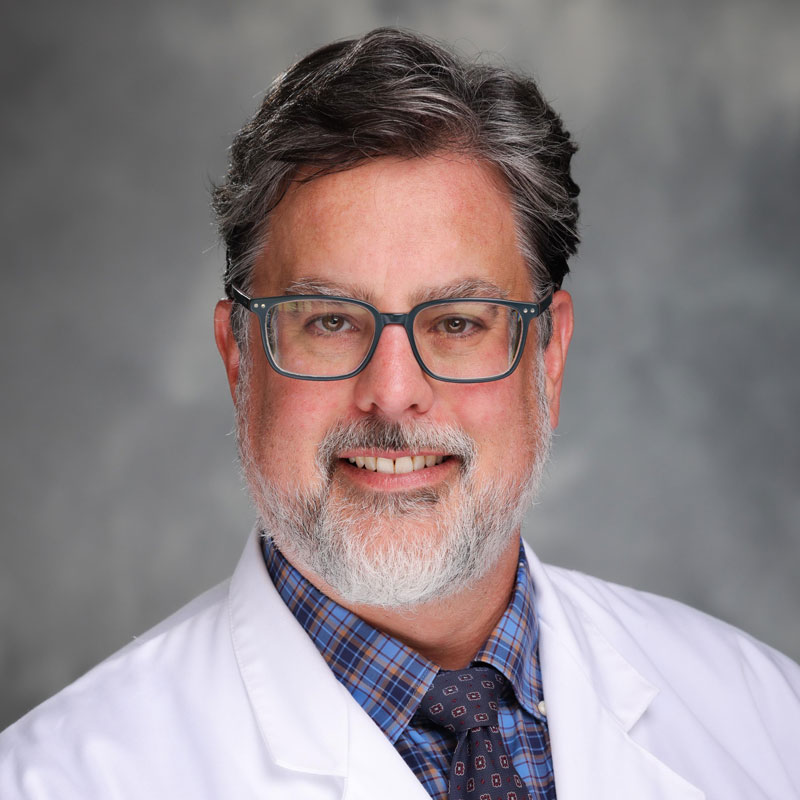
Scott Richard Floyd is the Gary Hock and Lyn Proctor Associate Professor of Radiation Oncology at Duke University School of Medicine, with secondary appointments as Associate Professor of Radiation Oncology and Assistant Research Professor in Pharmacology and Cancer Biology. He is also a Member of the Duke Cancer Institute and serves as Associate Radiation Director of the Duke Center for Brain and Spine Metastasis and Associate Program Director of the Duke Radiation Oncology Residency Program. Dr. Floyd received his M.D. and Ph.D. from Yale University in 2002. His professional training includes: Internship in Internal Medicine at Hospital of Saint Raphael (2002-2003) Residency in Radiation Oncology at Harvard Medical School, Harvard Radiation Oncology Program (2003-2007) Clinical Investigator position at MIT Koch Institute for Integrative Cancer Research (2012-) Dr. Floyd's research focuses on DNA damage signaling and repair in brain tumor cells, particularly investigating how chromatin changes mediated by epigenetic modifiers affect the DNA damage response (DDR). His lab develops small animal irradiation techniques and mouse models of glioblastoma to test the effects of epigenetic writers and readers on DDR in clinically relevant model systems. He aims to identify strategies to enhance tumor cell killing while protecting normal brain tissues from radiation damage. His work on brain slice models provides a platform for studying stroke, Alzheimer's disease, Huntington's disease, and brain tumors while reducing animal use. Analysis of Dr. Floyd's recent publications reveals a strong focus on brain metastases, radiation necrosis, and the application of artificial intelligence in radiation oncology. His work increasingly integrates radiogenomics, machine learning, and novel radiation techniques to improve outcomes for patients with brain tumors. There's a clear trend toward interdisciplinary collaboration, particularly in combining radiation therapy with immunotherapy and targeted agents, as evidenced by his leadership in the Consortium for Intracranial Metastasis Academic Research (CIMARa). Dr. Floyd has secured significant research funding, including: NEUROD1 function in SCLC fate and plasticity (NIH, 2024-2029) Synthetic lethality with BET bromodomain inhibition (American Cancer Society, 2025-2026) ASPET SURF Institutional Award (2018-2028) Multiple NIH R01 grants supporting his research on DNA damage response and brain tumor biology Dr. Floyd leads the Floyd Lab, which focuses on studying mechanisms of DNA damage signaling and repair in brain tumor and other mammalian cells. His lab utilizes advanced techniques including small animal irradiation, mouse models of glioblastoma, and organotypic brain slice culture platforms. He is also involved in Project Brainslice, which develops experimental model systems using brain slices to research new treatments for brain diseases. His clinical expertise centers on the treatment of benign, primary, and metastatic tumors of the brain and spine, making him a key figure in Duke's brain and spine metastasis program.
Valerie Kouskoff is a Reader in the Division of Developmental Biology and Medicine at the University of Manchester, UK (2016–present). Previously, she held roles including Group Leader at the CRUK Manchester Institute (2003–2016) and Assistant Professor at Mount Sinai School of Medicine, New York (2002–2003). She earned her PhD from Louis Pasteur University, Strasbourg, France (1988–1994). Her research focuses on understanding hematopoietic stem cell (HSC) development during embryogenesis, particularly the endothelial-to-hematopoietic transition and genetic/epigenetic mechanisms regulating blood cell specification. Key areas include the role of transcription factors (RUNX1, SOX7, GFI1), hemogenic endothelium differentiation, and therapeutic applications of stem cell engineering. Her work contributes to UN Sustainable Development Goals related to health and regenerative medicine. Recent articles highlight advancements in AML treatment via KAT6A inhibitors, CD82’s role in blood specification, and SOX7-dependent lymphatic patterning. Collaborations span institutions like the Manchester Regenerative Medicine Network and Christabel Pankhurst Institute. She has supervised 8 research projects and published over 100 peer-reviewed articles. Her studies explore genomic instability in cancer, reprogramming fibroblasts to hematopoietic cells, and the interplay between vascular and blood development.
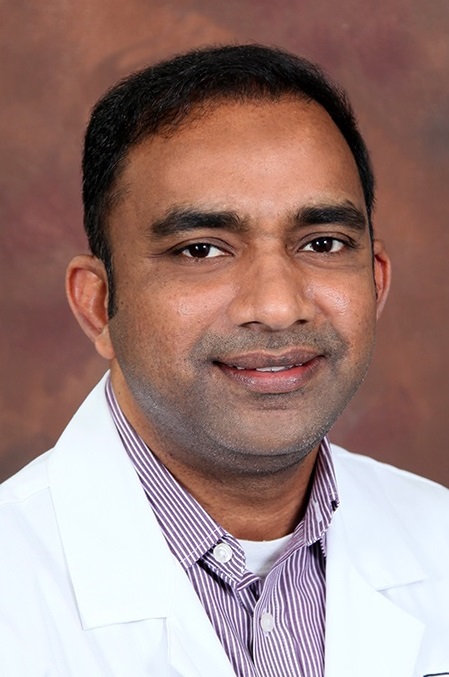
Satyanarayana Ande is an Associate Professor in the Department of Biochemistry and Molecular Biology at the Medical College of Georgia, Augusta University. He is a member of the Molecular Oncology and Biomarkers Program at the Georgia Cancer Center. His research focuses on liver cancer, cancer metabolism, and obesity-associated liver diseases. Dr. Ande earned his Ph.D. in Natural Sciences from Universität Hannover (2004), and holds an MS (Biotechnology, 1998) and BS (Biotechnology, 1996) from Nagarjuna University. Research Interests: His laboratory investigates novel cytokines and transcription factors in liver and adipose tissues, particularly their roles in hepatocellular carcinoma (HCC), metabolic adaptation of cancer cells, and obesity-induced non-alcoholic fatty liver disease (NAFLD). Techniques include RNAseq, Mass-Spec, and mouse models to study metabolic pathways and tumor suppression mechanisms. Recent work highlights NADP(P)H quinone dehydrogenase 1's role in HCC metabolic pathways and ZAG's promotion of adipose tissue browning. Service Contributions: Served on Augusta University's Faculty Rules and Responsibilities committee (2019–present), and contributed to the GCC-RIP Seminar Series (2019–2020). Courses taught include MEDI 6220 (Cardiopulmonary/Heme) and BIOM 8215 (Fundamentals of Oncology I). Laboratory: The Ande Lab is located at the Georgia Cancer Center's M. Bert Storey Research Building. Contact: sande@augusta.edu
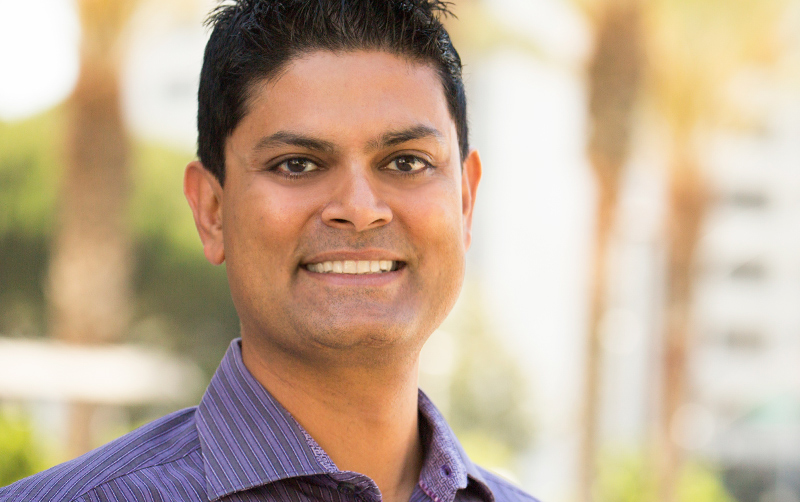
Dr. Nilay Patel is an Associate Professor in the Department of Biological Science at California State University, Fullerton (CSUF). His research focuses on drug discovery, particularly the anti-proliferative effects of niclosamide and related compounds on cancer cells, with collaborations in chemistry and biochemistry. He investigates signal transduction pathways and gene expression regulation in cell cycle processes. Dr. Patel teaches courses in cellular/molecular biology, stem cell biology, and related advanced topics. Education: PhD, The State University of New York, Stony Brook BS, University of Cincinnati Research Interests: Design and testing of anti-cancer compounds targeting β-catenin reduction Impact of signal transduction pathways on cancer proliferation Collaborative drug development with CSUF Chemistry & Biochemistry Department Publications Trends: His work bridges pharmacology and cell biology, emphasizing stem cell pluripotency, neurodegenerative disease mechanisms, and aging-related biomarkers. Key themes include caloric restriction effects on amyloid accumulation and glial cell functions. Awards/Grants: Bridges to Stem Cell Research (BSCR) Program Advising & Mentorship: Supervised multiple student co-authors in stem cell and cancer biology research projects. Active in training through internships (BIOL 495C) and advanced seminars.
Dr. Leah Chase-Wallar serves as Professor of Biology & Chemistry at Hope College since 2000, maintaining active research in the A. Paul Schaap Science Center with dual departmental affiliations in Chemistry and Biology. Her work bridges neurochemistry and molecular biology through investigations of oxidative stress mechanisms in neurodegenerative disorders. She earned her B.S. from the University of Michigan – Flint (1993) followed by a Ph.D. from the University of Minnesota (1999), establishing her foundation in biochemical neuroscience. Her research program centers on system x c - regulation, specifically examining how hydrogen peroxide modulates cystine/glutamate exchange to protect dopaminergic neurons in Parkinson's disease models. This involves advanced techniques including mammalian cell culture, immunocytochemical analysis, western blotting, and enzymatic assays for glutathione/peroxide measurement. Her publication trajectory (1994-2007) reveals evolving specialization: early comparative physiology work on reindeer nutrition transitioned into focused neuroscience research on glutamate transport systems, metabotropic receptor pharmacology, and neurotoxin mechanisms. The most recent publications demonstrate increasing emphasis on oxidative stress pathways relevant to Parkinson's disease. Dr. Chase-Wallar has secured substantial research funding including multiple Campbell Foundation grants (2001-2007), a Towsley Research Scholar award (2003-2006), and NSF support (2002-2003) for neuroscience laboratory development. Her Chase-Wallar Research Group actively involves undergraduate students in project design and execution within Hope College's Chemistry Department framework, with facilities in the A. Paul Schaap Science Center enabling cellular and molecular investigations of dopaminergic systems.
Eduardo Maldonado is an Associate Professor in the Drug Discovery and Biomedical Sciences department at the College of Pharmacy, Medical University of South Carolina (MUSC) . His research focuses on mitochondrial metabolism in cancer cells, T cells, and cancer stem cells, particularly targeting mechanisms regulating Voltage-Dependent Anion Channels (VDAC) to develop therapeutic strategies. Education: DVM from Universidad Nacional del Centro (1986), PhD in Human Pathophysiology from Universidad Nacional del Sur (2001), Postdoctoral training at MUSC (2006, 2010), Predoctoral research at University of the Basque Country (1999). Research Interests: Mitochondrial metabolism regulation in cancer, VDAC-targeted small molecules, T cell immunometabolism, and cancer stem cell biology. His lab (established in 2015) explores how modulating VDAC channels through tubulin interactions or NADH-binding pockets can alter tumor proliferation and survival. Article Trends: Recent publications highlight VDAC's role in cancer bioenergetics, immunometabolic reprogramming (e.g., H2S-Prdx4 axis), and synergistic drug combinations. Earlier works emphasize mitochondrial ROS, lipid metabolism, and Golgi stress in disease contexts. Labs & Teams: Leads a research group at MUSC's College of Pharmacy, affiliated with the Developmental Cancer Therapeutics Program at Hollings Cancer Center. His work bridges mitochondrial physiology, cancer metabolism, and pharmacological intervention.
Kimberly E. Beatty is a faculty member at Oregon Health & Science University (OHSU), affiliated with the School of Medicine. Her research focuses on developing innovative chemical tools and technologies to study human diseases, particularly tuberculosis (TB) and breast cancer. The Beatty group employs interdisciplinary and collaborative strategies to investigate molecular mechanisms underlying disease pathology, drug susceptibility, and resistance. Education: B.S. from University of California, Santa Barbara (2002) Ph.D. in Chemistry from California Institute of Technology (2008) under David Tirrell Postdoctoral training at UC Berkeley with Carolyn Bertozzi Her research projects include: chemical tools for Mtb hydrolase detection, drug susceptibility imaging, protein mapping via VIPER technology, breast cancer drug resistance mechanisms, and fluorescent probe synthesis. Publications span proteomics, molecular imaging, and biochemical diagnostics. She has mentored researchers such as Kaylyn L. Devlin and Julia K. Doh.
Rachel K. Rowe is an Assistant Professor in Integrative Physiology at University of Colorado Boulder. Her research examines bidirectional relationships between sleep disturbances and neuroinflammation after traumatic brain injury (TBI), particularly in pediatric populations. Education includes PhD in Anatomy and Neurobiology from University of Kentucky (2014) and postdoctoral training at Barrow Neurological Institute. Research focuses on how injury timing (age-at-injury) affects long-term outcomes, mechanisms linking TBI to neurodegeneration, and microglial roles in sleep regulation post-injury. Her lab employs rodent models of TBI and advanced neuroimaging techniques. Awards include National Neurotrauma Society Rising Star Award (2022) and World Sleep Society Young Investigator Award (2019). She has received NIH funding for TBI-sleep research.
Max Staller is an Assistant Professor in the Department of Molecular and Cell Biology at the University of California, Berkeley, affiliated with the College of Letters & Science and the Center for Computational Biology. His lab focuses on understanding how transcriptional activation domains regulate gene expression through interdisciplinary approaches combining experimental, computational, and theoretical methods. Research Interests: Transcriptional regulation mechanisms in development and stress responses Functional analysis of intrinsically disordered protein domains Machine learning applications in protein sequence-function prediction Evolutionary dynamics of transcription factors Grants & Collaborations: Lead investigator on the NSF-funded PlantSynBio project (2021) for identifying transcriptional activation domains across plant species. Collaborates with the Cohen Lab (Washington University) on mutational scanning studies. Labs & Affiliations: Director of the Staller Lab, which integrates high-throughput experiments with computational modeling. Active in the Berkeley Bioscience community and the Center for Computational Biology.
Ulrich G. Steidl, M.D., Ph.D., is a Professor in the Departments of Cell Biology, Oncology, and Medicine at Albert Einstein College of Medicine. He serves as Chair of the Department of Cell Biology and holds the Edward P. Evans Endowed Professorship for Myelodysplastic Syndromes. He is also Co-Director of the Blood Cancer Institute and Deputy Director/Associate Director for Basic Science at the Montefiore Einstein Comprehensive Cancer Center. His research focuses on understanding the molecular mechanisms driving the transformation of hematopoietic stem cells (HSC) into pre-leukemic and leukemia stem cells (LSC), with a particular emphasis on transcription dynamics, epigenetic regulation, and targeted therapy development. Key areas include investigating how transcriptional plasticity and signaling mediators contribute to leukemia progression, and developing strategies to intercept cancer at the pre-leukemic stage. Selected publications highlight breakthroughs in transcription factor activity modulation, glycan-based cell characterization, and MDMX-driven AML progression. His work advances translational computational biology and drug development for precision therapies targeting stem cell pathways. Steidl’s contributions span the Montefiore Einstein Comprehensive Cancer Center and Blood Cancer Institute, emphasizing collaborative efforts in basic science and clinical translation. His research addresses critical gaps in understanding therapy resistance and disease relapse mechanisms.
Dr. Irwin J. Kurland is an Associate Professor in the Department of Medicine (Endocrinology) at Albert Einstein College of Medicine. He directs the Stable Isotope Metabolomics Core within the Diabetes Research Center. His research focuses on understanding metabolic inflexibility in diabetes and its relationship to insulin resistance, leveraging advanced stable isotope-based flux methodologies combined with 'omics approaches. Dr. Kurland’s work integrates GC/MS profiling, metabolomics, and proteomics to dissect tissue-specific metabolic networks and their regulatory mechanisms, particularly involving acetyl CoA signaling and protein acetylation. Research Interests: Dr. Kurland investigates how metabolic dysregulation impacts cellular signaling pathways, emphasizing the role of acetyl CoA as a metabolic sensor. His lab develops tiered frameworks for metabolic analysis, starting with whole-body phenotyping (e.g., HR-dGTT tests) to guide multi-omic studies. Key areas include: Metabolic flexibility and fuel switching Acetylation-driven enzyme regulation Animal models of insulin resistance (e.g., PPAR alpha-null, MKR mice) Systems biology approaches to diabesity Publications Highlight: Dr. Kurland has contributed to seminal studies on Sirt6’s role in glucose homeostasis, lipogenesis regulation via CDK8, and the metabolic acetylome’s role in fuel switching. His work bridges basic research with translational applications, including patented methodologies like the hepatic recycling deuterated glucose tolerance test (HR-dGTT). Labs/Teams: As director of the Stable Isotope Metabolomics Core, he oversees cutting-edge facilities for flux phenotyping and metabolomic analysis. Collaborations with labs such as Accili, Haeusler, and Mostoslavsky expand his research into integrative metabolic networks and epigenetic regulation.
Christopher M. Sassetti is a Professor in the Department of Microbiology at the University of Massachusetts Chan Medical School (UMass Chan Medical School) and T.H. Chan School of Medicine. His research focuses on the pathogenesis of Mycobacterium tuberculosis, specifically understanding how the bacterium adapts to host environments, acquires nutrients, regulates its cell wall physiology, and survives antibiotic treatment. He completed his BS in Biology at Santa Clara University and his PhD in Immunology at the University of California, San Francisco. Dr. Sassetti leads the Sassetti Lab, which employs genetic, biochemical, and systems biology approaches to study tuberculosis. His work has identified critical metabolic pathways and survival mechanisms in M. tuberculosis, including cholesterol utilization and cell wall synthesis regulation. He holds additional academic roles in the Morningside Graduate School of Biomedical Sciences, including the Immunology and Microbiology Program, MD/PhD Program, and Postbaccalaureate Research Education Program. Recent research highlights include studies on host immune responses to tuberculosis, antibiotic efficacy under infection conditions, and the role of genetic interactions in pathogen survival. His lab has discovered that host fatty acid metabolism and autophagy pathways play key roles in restricting bacterial growth. Dr. Sassetti has been recognized as a Damon Runyon Foundation Scholar and has contributed to high-impact publications in Immunity , Science , and Cell . Current projects include understanding nutrient acquisition in vivo, phosphosignaling regulation of cell wall synthesis, and metabolic mechanisms driving antibiotic tolerance. Collaborative efforts with institutions like the Morningside Graduate School and global networks drive translational research toward novel tuberculosis therapies and vaccines.
Prof. Dagmar Wirth is a Research Professor and Head of the 'Model Systems for Infection and Immunity' research group at the Helmholtz Centre for Infection Research (HZI). Her work focuses on gene regulation, viral infections, and immune evasion mechanisms, with a particular emphasis on developing genetically modified mouse models for studying infectious diseases and immune responses. She leads the Service Unit 'Transgenic Mice' (TGSM), providing expertise in transgenic model systems to the HZI community. Affiliations: HZI (since 2004), previously at the Medical University of Hannover. Education: Chemistry studies in Braunschweig, PhD at GBF (now HZI), postdoctoral research on viral recombination and gene therapy. Her research interests include viral pathogenesis (e.g., Kaposi's sarcoma-associated herpesvirus), engineered cell-based therapies, and controlled drug delivery systems using macrophages and nanoparticles. She has pioneered models for hepatitis C virus infection in mice and developed biosensors to detect bacterial infections. Publications: Over 150 peer-reviewed articles, focusing on virology, immunology, and genetic engineering. Recent work includes studies on antibacterial coatings for implants, ultrasound-activated drug release, and the role of senescence in herpesvirus infection. Labs/Teams: Leads the MSYS group and collaborates with teams in virology, immunology, and biomedical engineering. Active in developing 3D in vitro models for studying infection and immune responses.
Dr. Che Colpitts is an Assistant Professor in the Department of Biomedical and Molecular Sciences at Queen's University, affiliated with the Faculty of Health Sciences and the Translational Institute of Medicine (TIME). She holds a PhD in Virology from the University of Alberta (2014), and completed postdoctoral training at the University of Strasbourg and University College London. Her research focuses on understanding how positive-sense RNA viruses, including hepatitis C virus (HCV), dengue virus, and coronaviruses, manipulate host cell biology to replicate and evade immune responses. Key research areas include: (1) roles of cyclophilin A in HCV immune evasion, (2) membrane rearrangements during viral replication, (3) TLR4 activation by viral glycoproteins, and (4) antiviral strategies targeting viral entry mechanisms. Current teaching includes MICR 451/BMED 851. The Colpitts Lab actively collaborates on projects involving ER stress responses, glycobiology, and broad-spectrum antiviral development. Notable recent publications explore SARS-CoV-2 pathogenesis, cyclophilin-mediated viral cloaking, and pan-coronavirus inhibitors. Her work bridges basic virology with translational medicine, aiming to identify novel antiviral approaches against emerging and untreatable viral threats.