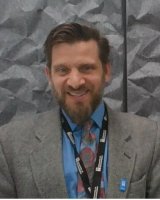
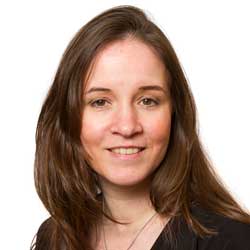
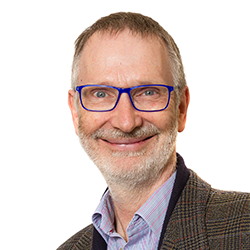
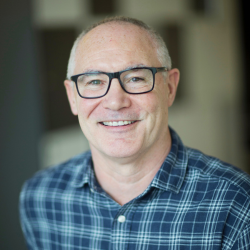
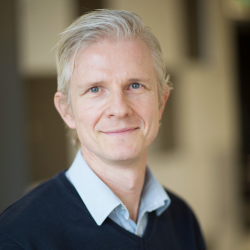
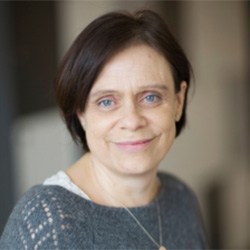
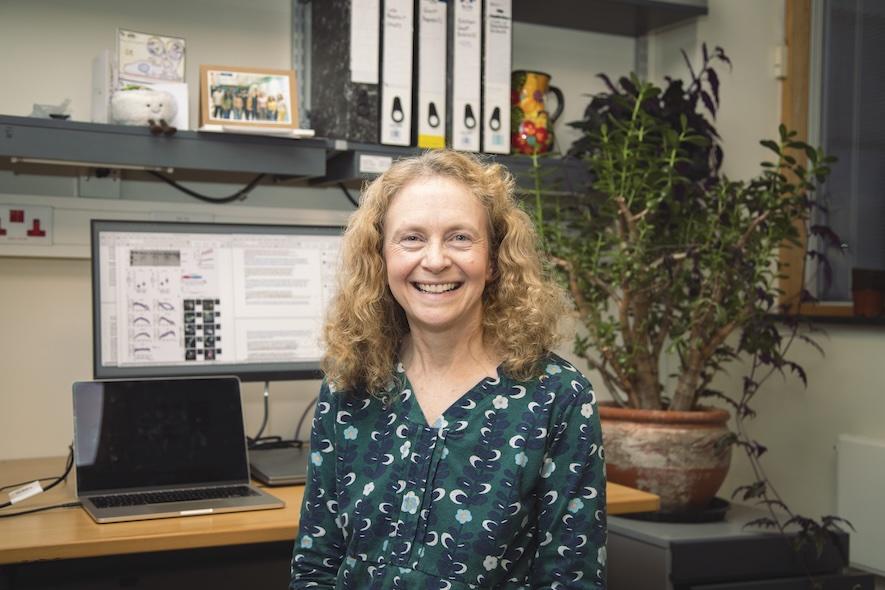
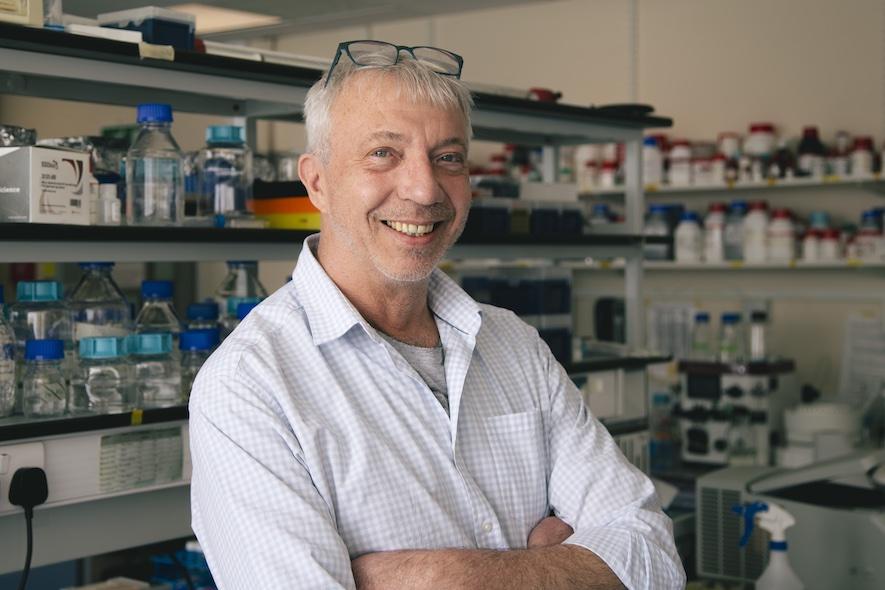
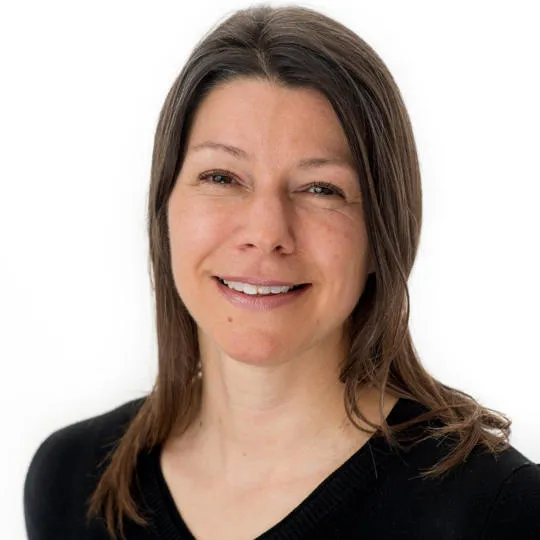
Dr. Lucy Crompton is a Senior Lecturer in Neuroscience and Principal Investigator at the Faculty of Health and Applied Sciences (HAS) at the University of the West of England (UWE Bristol). She collaborates with institutions including the University of Bristol, Aston University, Newcastle University, and Trinity College, Dublin. Research Focus: Neuroinflammation in Parkinson's disease, with emphasis on astrocyte-mediated mechanisms in neuronal health and degeneration. Techniques: Utilizes hiPSC-derived in vitro models for cellular mechanism studies. Expertise Areas : Parkinson's disease, astrocytes, α-synuclein, neurodegeneration, neuroinflammation, induced pluripotent stem cells, cellular reprogramming, regenerative medicine.
Andia Redpath is a Research Fellow at the University of Oxford within the Department of Physiology, Anatomy and Genetics (DPAG). Supported by prestigious fellowships including the Oxford BHF CRE Basic Science Intermediate Transition Fellowship and John Fell OUP Research Fund, her research explores epicardial biology , cardiac inflammation , and regenerative strategies for cardiovascular diseases. BSc, MRes, PhD in Biochemistry and Biomedical Sciences from Imperial College London Her work focuses on the cardiac mesothelium 's role in immune responses and disease pathogenesis, particularly in conditions like systemic lupus erythematosus (SLE) and heart failure with reduced ejection fraction (HFrEF) . She investigates how reprogramming mesothelial-immune interactions can dampen chronic inflammation and autoimmunity, supported by experts like Prof. Paul Riley and Prof. Nicola Smart. Recent publications highlight her contributions to understanding heparan sulfate signaling , mesothelium-growth factor interactions , and vascular protection mechanisms . Her 2025 preprints on organ-specific gene regulation and SULF2 signaling in arthritis underscore her interdisciplinary approach bridging developmental biology and immunology. Scientific awards include the BHF CRE Fellowship and NHLI Studentship . She actively supervises DPhil students and teaches cardiovascular regenerative medicine to undergraduates.
Mark Wainwright is a Research Fellow in the Department of Physiology, Anatomy and Genetics at the University of Oxford, affiliated with the Wilson Group. His contact details include email mark.wainwright@dpag.ox.ac.uk and telephone numbers 01865 282661, 01865 272185. His research spans cell biology with specialized focus on exosome biogenesis, membrane trafficking mechanisms, and cancer cell metabolism. Key interests include Rab GTPase regulation, ESCRT complex functions, and metabolic stress responses in tumor environments. This work integrates Drosophila developmental models with cancer cell line systems to elucidate fundamental cellular processes. Analysis of his recent publications reveals strong emphasis on molecular mechanisms of exosome formation, particularly Rab protein transitions and ESCRT-mediated sorting pathways. His work bridges developmental biology and cancer research through investigations of nutrient deprivation effects on vesicular communication. No scientific awards were documented in the source material. Active within the Wilson Group research team, Dr. Wainwright's current work involves experimental studies of cellular secretion pathways without documented student supervision or grant management responsibilities in the provided information.
Professor Majlinda Lako is a leading researcher at Newcastle University , specializing in stem cell biology and its applications to ocular diseases. Her work bridges retinal development , genetic disorders , and regenerative medicine , with a focus on patient-derived models. Her research portfolio includes Investigating genotype-phenotype correlations in inherited retinal dystrophies Developing iPSC-derived retinal organoids for drug toxicity screening and therapeutic evaluation Exploring complement system interactions in age-related macular degeneration Advancing 3D culture systems for enhanced retinal tissue development Recent publications highlight her contributions to understanding spliceosome kinetics in retinal disease and optimizing stem cell transplantation protocols. While her specific educational background isn't detailed here, her collaborative work spans multidisciplinary teams in ophthalmology, molecular genetics, and bioinformatics, often intersecting with single-cell transcriptomics and mitochondrial dysfunction studies.
Dr. Jane Carr-Wilkinson is affiliated with Newcastle University , where she contributes to research in stem cell biology and regenerative medicine. Her work focuses on cellular reprogramming and disease modeling , particularly through the generation of induced pluripotent stem cells (iPSCs) from prostate and bladder tissues. This research has implications for understanding urinary tract differentiation and developing regenerative therapies. The 2013 publication highlights her expertise in creating iPSC-based models for tissue engineering and disease studies, bridging stem cell research with urology.
Abdenour Soufi serves as a Senior Lecturer in the School of Biological Sciences at the University of Edinburgh, leading research within the Centre for Regenerative Medicine and Institute for Regeneration and Repair. His laboratory investigates chromatin structure dynamics and cellular identity mechanisms with focus on developing safe reprogramming technologies for regenerative medicine. Dr. Soufi's research centers on chromatin structure and cellular identity , specifically examining how reprogramming factors (Oct4, Sox2, Klf4, c-Myc) convert fibroblasts to induced pluripotent stem cells. His group discovered that OSKM factors interact differently with fibroblast genomes compared to embryonic stem cells and face barriers accessing critical genomic regions. This foundational work drives their current efforts to engineer synthetic reprogramming factors that avoid tumorigenic risks associated with conventional methods. Analysis of his 12 publications (2014-2024) reveals consistent focus on nucleosome dynamics , transcription factor binding mechanisms , and cellular reprogramming barriers . His 2024 Nature paper demonstrates how nucleosome topology guides enhancer binding, while earlier work established how pioneer factors target partial DNA motifs on nucleosomes. Research spans fundamental chromatin biochemistry to translational applications in cancer and regenerative medicine. Scientific Awards and Recognition: MRC Career Development Award University of Edinburgh Chancellor's Fellowship Darwin Trust of Edinburgh Fellowship Diabetes Research & Wellness Foundation Grant Dr. Soufi actively supervises six PhD students including Katharine Furlong and Michael O'Dwyer, and collaborates extensively with Edinburgh colleagues (Chambers, Kaji, Lowell) and international partners (Buganim, Jauch, Skoultchi). His research receives funding from CRUK, EPSRC, MRC, and BBSRC. The Soufi group maintains strong ties with the Edinburgh Mammalian Synthetic Biology Research Centre and focuses on developing clinically viable reprogramming technologies through interdisciplinary approaches combining biochemistry, genomics, and synthetic biology.
Dr. Alexander Lehner is a Senior Lecturer in Human Nutrition at the University of Northampton, affiliated with the Science Centre for Physical Activity and Life Sciences. He is actively engaged in research related to mitochondrial bioenergetics, aging, tissue engineering, and human health. He supervises multiple postgraduate students and contributes to both academic and public-facing initiatives. Senior Lecturer in Human Nutrition Science Centre for Physical Activity and Life Sciences University of Northampton ORCID: 0000-0001-9184-5604 Accepting PhD students Dr. Lehner’s research focuses on the intersection of nutrition, cellular metabolism, and regenerative medicine. His work explores mitochondrial programming in relation to immune responses and healthspan, utilizing yeast and animal models. He also investigates biomaterials—particularly gelatin-based porous scaffolds—for skin tissue engineering and wound management, employing techniques such as in situ gas foaming and crosslinking. His studies contribute to understanding how early-life nutritional interventions affect long-term organ function. The recent publications (2015–2025) reflect a strong trend in biomaterials development, mitochondrial bioenergetics, and clinical rehabilitation. Key themes include scaffold fabrication, cytotoxicity assessment, metabolic regulation, and translational applications in stroke recovery and aging. The interdisciplinary nature of his work bridges nutrition science, biomedical engineering, and public health innovation. Scientific and Professional Activities: Organized the 'Enterprise Public Health - UON Partnership Away Day' (2023) Delivered an invited talk on the 'Reaching For Health Initiative' (2024) Featured in press coverage about a UON social enterprise improving quality of life in aging (2022) Dr. Lehner actively supervises PhD and research students including Lauren Samet, Neill Friedman, Zib Atkins, and Sayed Ali Poursamar. His projects involve bioenergetic analysis, aging biomarkers, and biocomposite development. He has contributed to collaborative research toolkits aimed at strengthening healthcare partnerships and integrated care models in Northamptonshire. These efforts highlight his commitment to applied research with societal impact. His work is associated with initiatives linking academic research to enterprise and public health outcomes, particularly through the Reaching For Health Initiative and collaborations with regional healthcare stakeholders. These activities underscore a broader vision of translating scientific findings into community wellness programs and sustainable social enterprises.
Dr. Maria Alcolea is a Principal Investigator at the Wellcome-MRC Cambridge Stem Cell Institute and an affiliate of the Department of Oncology at the University of Cambridge. She holds a Wellcome/The Royal Society Sir Henry Dale Fellowship and has been recognized with a Marie Curie Intra-European Fellowship (FP7). Her research focuses on epithelial stem cell plasticity, tissue regeneration, and cancer biology, utilizing genetic lineage tracing, live-imaging, and single-cell molecular profiling. Maria’s research explores the adaptive behavior of epithelial progenitor cells in response to injury and preneoplastic mutations. She investigates mechanisms governing tissue homeostasis, wound repair, and early cancer development, with a particular emphasis on the balance between controlled regeneration and oncogenic processes. Her work spans in vivo and 3D in vitro systems, including oesophagus and skin models. Her recent publications highlight advancements in understanding clonal dynamics, transcriptional networks, and biomechanical regulation in epithelial tissues, contributing to fields such as cancer genetics, regenerative medicine, and developmental biology. She has mentored numerous PhD and postdoctoral researchers, including Harikrishnan Ajith, Undine-Sophie Deumer, Shiqing (Angel) Ma, and others. Scientific Awards: Marie Curie Intra-European Fellowship (FP7) Wellcome/The Royal Society Sir Henry Dale Fellowship Grants: Funded by Wellcome, Royal Society, Isaac Newton Trust, Medical Research Council, Worldwide Cancer Research, and The Leverhulme Trust. Current Lab Members: Harikrishnan Ajith (Research Assistant) Maria T. Bejar (Post-doc Researcher) Undine-Sophie Deumer (PhD Student) Emily Jane Hill (PhD Student) Shiqing (Angel) Ma (PhD Student) Davide Rossetti (CRUK CC 1+3 PhD) Greta Skrupskelyte (Post-doc Researcher)
Professor Tony Green is a leading academic at the University of Cambridge , affiliated with the Cambridge Stem Cell Institute and the Department of Haematology . His research focuses on the molecular mechanisms underlying haematopoiesis and haematological malignancies , particularly the role of JAK/STAT signaling in myeloproliferative neoplasms (MPNs). Education: Medicine (University of Cambridge, University College Hospital London), PhD in oncogenic retroviruses (ICRF, London 1987) Academic Leadership: Professor of Haemato-oncology since 1999, Head of Haematology Department (2000-2020), Director of Cambridge Stem Cell Institute (2016-2022) His research explores how blood stem cells become dysregulated in cancers like MPNs, with key findings on mutation order effects, non-canonical JAK/STAT signaling, and somatic mutation tracing in human hematopoiesis. His work bridges basic science , translational research , and clinical practice , with discoveries that transformed MPN diagnosis and JAK inhibitor development. Scientific recognition includes: Jean Bernard Award (European Haematology Association, 2020) Donald Metcalf Award (International Society for Experimental Hematology, 2021) His laboratory at the Jeffrey Cheah Biomedical Centre has produced seminal work on MPN mutational landscapes and stem cell fate regulation . Current research continues to investigate stem cell reprogramming in leukemogenesis.
Professor Brian Huntly is a clinical research scientist at the University of Cambridge , leading the Department of Haematology and conducting research at the Cambridge Stem Cell Institute . As a Consultant Haematologist at Addenbrooke’s Hospital, he bridges clinical practice with fundamental research in leukaemia stem cell biology and malignant haematopoiesis . MD from University of Edinburgh PhD in Cambridge Postdoctoral training at Harvard Fellow of Royal College of Pathologists Member of Royal College of Physicians Chair of EHA Fellowships and Grants Committee His research explores how transcriptional and epigenetic alterations drive acute myeloid leukaemia (AML) and malignant lymphomas , with a focus on: Chromatin remodeling Enhancer dysfunction Cancer stem cell dependencies Metabolic vulnerabilities Therapeutic target discovery Mutation-specific disease mechanisms Recent publications highlight: 2025: BET inhibitor resistance mechanisms 2024: CREBBP inactivation in ALL 2024: BCR::ABL1 variant analysis 2023: Chromatin factor screening 2022: UTX/KDM6a tumor suppression Scientific awards and grants include: EHA-José Carreras Young Investigator Award AstraZeneca research funding Cancer Research UK European Hematology Association European Research Council Kay Kendall Leukaemia Fund Wellcome Trust Key collaborations with George Vassiliou and Tony Kouzarides have led to breakthroughs in AML epigenetics and BET protein inhibitors . His group maintains laboratory facilities at the Jeffrey Cheah Biomedical Centre on Cambridge Biomedical Campus. Students and researchers in his group investigate: Leukaemia initiation mechanisms Epigenetic priming Metabolic dependencies DNA repair vulnerabilities Chromatin organization Stem cell fate transitions
Matthias Zilbauer is a Clinical Professor of Paediatric Gastroenterology at the University of Cambridge, affiliated with the Department of Paediatric Gastroenterology, Hepatology and Nutrition and the Cambridge Stem Cell Institute. He holds an MD from the University of Mainz and a PhD from University College London (UCL), focusing on mucosal immunology. His research group studies intestinal epithelial stem cell biology, epigenetic mechanisms in health and diseases like Inflammatory Bowel Diseases (IBD) and Necrotising Enterocolitis (NEC). Key projects include developing clinical biomarkers for IBD, testing novel therapies using organoid models, and creating 2D/3D co-culture systems integrating immune cells and microbiota. His team maintains a large biobank of over 1000 human intestinal organoid lines. Key collaborators include the Medical Research Council (MRC), Helmsley Charitable Trust, and Action Medical Research. Zilbauer leads a dynamic group with active PhD students and postdocs, focusing on translational research to improve pediatric gastrointestinal care. His work bridges basic science and clinical applications, emphasizing epigenetic regulation, organoid technology, and precision medicine.
Professor Anna Philpott is a developmental biologist and Pro-Vice-Chancellor for Resources and Operations at the University of Cambridge, where she is a Fellow of Clare College. Her research focuses on cell fate determination, differentiation mechanisms in embryonic development, and how these processes are subverted in cancer cells. PhD in Chromatin Biology, University of Cambridge Postdoctoral Fellowships, Harvard Medical School Her work integrates Xenopus frog models and molecular biology to study phosphorylation-regulated transcription factors like ASCL1 in cell cycle-stage-specific differentiation. Recent articles highlight her contributions to neuroblastoma and glioblastoma stem cell differentiation, CDK4/6 inhibitors, and chromatin dynamics in reprogramming. Scientific Honors: European Molecular Biology Organisation (EMBO) member, 2020 Academy of Medical Sciences, 2022 Anna Philpott advises PhD students like William Beckman and Roberta Azzarelli, and her lab at the Cambridge Stem Cell Institute explores cancer-related dysregulation of developmental pathways.
Laura Machesky is the Sir William Dunn Professor of Biochemistry at the University of Cambridge's Department of Biochemistry. Her research focuses on cell migration, actin dynamics, and cancer metastasis, particularly how cancer cells adapt to environmental stresses like extracellular matrix stiffness and metabolic challenges. She leads a lab investigating mechanoresponsive metabolic adaptations in pancreatic cancer and the interplay between cytoskeletal dynamics and nutrient uptake. Her work combines bioengineering to model in vivo conditions with molecular biology to uncover mechanisms driving metastasis. Key research areas include actin cytoskeleton regulation, metabolic reprogramming in tumors, and cellular decision-making between migration and nutrient acquisition via macropinocytosis. Awards: Fellow of the Royal Society of Edinburgh (FRSE), Fellow of the Academy of Medical Sciences (FMedSci) Key Projects: Mechanoresponsive metabolism in cancer, cytoskeleton-metabolism crosstalk, 3D tumor microenvironment models Publications from her group have advanced understanding of CYRI proteins' roles in migration suppression, Rac1 signaling, and metabolic pathways fueling metastasis. Collaborations span bioengineering and clinical oncology to translate mechanistic insights into therapeutic strategies.
Martin Welch is a Professor in the Department of Biochemistry at the University of Cambridge, where he leads research on bacterial pathogenesis, specifically focusing on Pseudomonas aeruginosa , a critical priority pathogen identified by the WHO. His work investigates the regulation of virulence, biofilm formation, and antibiotic resistance in this opportunistic human pathogen. Professor Welch's research interests span several key areas in microbial pathogenesis and bacterial metabolism. His work examines how metabolic and nutritional cues, environmental stress, and inter-cellular signaling systems such as quorum sensing regulate bacterial virulence. A significant focus of his research involves understanding how P. aeruginosa interacts with other bacterial species in polymicrobial environments, particularly in the respiratory tracts of patients with cystic fibrosis or chronic obstructive pulmonary disease. His laboratory employs a diverse range of techniques including molecular genetics, 'omics approaches (genome, transcriptome, proteome, metabolome and fluxome), protein chemistry and enzymology, and biophysics/structural biology. The research conducted by Professor Welch and his team has revealed important insights into bacterial metabolism and virulence regulation. Their work has shown how metabolic pathways influence virulence expression, how environmental stressors affect biofilm formation, and how polymicrobial interactions can alter antibiotic efficacy. Recent discoveries include unexpected targets of quorum sensing signals and mechanisms of metabolic flexibility in P. aeruginosa . Systems-wide analysis of organic acid assimilation in P. aeruginosa Metabolic flexibility in central carbon metabolism Global reprogramming of virulence through genetic mutations Evolutionary plasticity in metabolic enzymes Regulation of metabolic pathways through precursor availability Structural characterization of key metabolic enzymes Professor Welch actively mentors students and researchers at all levels, welcoming enquiries from prospective interns, undergraduate students, postgraduate students, and postdoctoral researchers to join The Welch Group. His laboratory is based in the Hopkins Building at the Downing Site of the University of Cambridge.
Professor Elizabeth Bradbury is a Professor of Regenerative Medicine & Neuroplasticity at King's College London, co-Head of the Wolfson Sensory, Pain and Regeneration Centre (Wolfson SPaRC), and part of the Institute of Psychiatry, Psychology & Neuroscience. Her research focuses on developing regenerative therapies to restore nervous system function after spinal cord injury, including gene therapies targeting scar inhibition and neuroinflammation. She leads projects on chondroitinase ABC, TLR4 modulation, and combinatorial therapies to enhance axonal growth and functional recovery. Affiliations: Wolfson SPaRC, School of Neuroscience, and Wolfson Centre for Age-Related Diseases Key Roles: Co-Head of Department, Principal Investigator on multiple grants (MRC, EPSRC, Rosetrees Trust) Her research interests include spinal cord injury repair, neuroinflammation, and translating preclinical findings into clinical therapies. Notable achievements include the 2023 G. Heiner Sell Lectureship Award and the Suffrage Science Award. Her lab collaborates with institutions like the Netherlands Institute for Neuroscience and the Miami Project to Cure Paralysis. Key publications highlight advances in scar modulation, immune regulation (e.g., TLR4 deletion), and stem cell therapies. She actively engages in public outreach, including school work experience programs and exhibitions like the ‘Inspiring Women’ initiative at IoPPN. Grants & Projects: Active funding includes ReWire (EPSRC), chondroitinase gene therapy optimization (Rosetrees Trust), and neuroplasticity regulation (MRC) Awards: MRC Career Development Award, Schellenberg Prize, and ASIA Lectureship Her work aligns with UN Sustainable Development Goals related to health and disability, emphasizing long-term disability reduction through regenerative strategies.