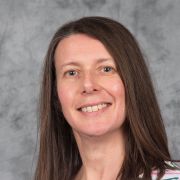
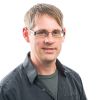
Susan Kimber is a Professor of Stem Cells and Development at the Faculty of Life Sciences, University of Manchester. She co-directs the North West Embryonic Stem Cell Centre and directs cGMP-grade cell production facilities licensed for clinical applications. PhD in Developmental Biology, University of Cambridge 30+ years expertise in mammalian embryology Co-director of UK's first HFEA-licensed stem cell center Her research integrates human embryonic stem cells (hESCs) and iPSCs to study: • Developmental Biology : Blastocyst formation, ICM differentiation • Disease Modeling : Skeletal dysplasias, CADSIL stroke, HNF-1β kidney disorders • Therapeutic Applications : Cartilage regeneration protocols, organoid development Article trends show strong focus on epigenetic regulation in Kabuki Syndrome, vascular tissue engineering , and secretome analysis for pluripotency markers. Collaborative work spans nephric, skeletal, and neural lineage differentiation. Leadership Roles : Co-founder, Manchester Regenerative Medicine Network Director, Mercia Stem Cell Alliance Current MRC Regenerative Medicine Grant Panel member Lab Achievements : Generated 17 hESC lines (7 clinical-grade) Developed 14-day serum-free chondrogenesis protocol Created kidney organoids for disease modeling
Dr Nicola Green is a Senior Lecturer in Bioengineering at the University of Sheffield within the School of Chemical, Materials and Biological Engineering. She leads the Biomedical Engineering program and contributes to modules in biomaterials, bioimaging, and advanced biomedical topics. Education PhD in Biotechnology, University of Kent (1998) BSc Hons in Biochemistry and Genetics, Nottingham University (1992) Research Focus : Dr Green specializes in biomaterials and tissue engineering, with key interests in biohybrid scaffolds, in vitro tissue modeling, and advanced imaging techniques like second harmonic generation (SHG) microscopy. Her work develops 3D models for drug discovery and post-implantation material behavior analysis. Scientific Trends : Her recent publications highlight innovations in porous scaffolds for bone regeneration, adipose-derived tissue repair mechanisms, and microphysiological cancer models. Techniques span from SHG imaging of collagen to digital reconstruction of tissue interfaces. Awards Fellow of the Royal Microscopical Society Research Supervision : Dr Green supervises PhD students researching topics spanning bioreactor design, collagen imaging, and musculoskeletal modeling. Grants Multi-materials additive manufacturing for musculoskeletal applications (Royal Society, £12,000) Reversing skin contraction in burns (Sheffield Hospitals Charity, £426,288) Metalorganic frameworks for bone regeneration (Newton Mobility, £11,930)
Dr Robert Salmond is an Associate Professor in the School of Medicine at the University of Leeds, Faculty of Medicine and Health, based at the Leeds Institute of Medical Research at St James's (LIMR). He leads a research group investigating fundamental mechanisms of T cell biology and immunology. Education: BSc (Hons) in Medical Microbiology, University of Edinburgh, 1998 PhD in Immunology, University of Bristol, 2002 Research Interests: Dr Salmond's work centers on two interconnected themes: (1) dissecting T cell receptor signaling pathways and negative regulators (notably PTPN22) in T cell development/activation, and (2) leveraging metabolic reprogramming (including asparagine metabolism) to enhance anti-tumor immunity. His multidisciplinary approach combines transgenic mouse models with cellular immunology techniques to bridge basic mechanisms with cancer immunotherapy applications. Scientific Awards: No scientific awards listed. Advising and Grants: He serves as Academic Personal Tutor for MBChB students, delivers lectures across undergraduate/postgraduate programs, and supervises postgraduate researchers including Scott Gregory. His research is funded by the Medical Research Council (MRC) and Cancer Research UK, supporting projects on T cell metabolism and cancer immunotherapy. Labs and Collaborations: His LIMR laboratory maintains active collaborations with Professor Rose Zamoyska (University of Edinburgh) and Leeds-based researchers (Drs. Mihaela Lorger, Graham Cook, Alison Taylor, Adel Samson), focusing on translational immunology and therapeutic development for cancer.
Dr. Laura Jardine is a researcher affiliated with Newcastle University , focusing on immunology and hematopoiesis. Her work spans single-cell transcriptomics, immune system development, and disease mechanisms in conditions like leukemia and graft-versus-host disease (GVHD). Research Interests: Immune regulation, dendritic cell biology, fetal development, and applications of multi-omics analysis. Publication Trends: Recent articles highlight her contributions to mapping immune system development across organs, understanding T and B cell interactions in lymphomas, and leveraging single-cell technologies for disease modeling. Her studies often bridge developmental biology and immunopathology in conditions like Down syndrome and inflammatory skin diseases. Collaborative Networks: She works extensively with teams studying hematopoiesis, transplantation immunology, and bioinformatics, including collaborations with senior researchers like Professor Muzlifah Haniffa and Professor Matthew Collin.
Kile Green is a researcher at Newcastle University with a focus on immunology, respiratory infections, and diagnostic testing. His work spans clinical applications for cystic fibrosis, SARS-CoV-2 point-of-care testing, and fundamental immunological mechanisms in inflammatory diseases. Year : 2024-2013 Affiliation : Newcastle University Role : Researcher Research Interests Dr. Green's research explores: Immunopathogenesis of respiratory infections and cystic fibrosis Development of point-of-care diagnostics during pandemics Mechanisms of graft-versus-host disease and dendritic cell biology Role of immune cells in inflammatory and age-related diseases Publications His contributions include studies on: Diagnostic test optimization for respiratory infections Temporal dynamics of SARS-CoV-2 detection Immune cell interactions in organ-specific microenvironments Genetic regulation of dendritic cell development
Professor Bernardo Villarreal-Ramos is a leading researcher in the Department of Life Sciences at Aberystwyth University, specializing in bovine immunology , microbiology , and metabolomics . His work addresses global health challenges through the One Health Initiative , integrating human, animal, and environmental health. With over 100 research outputs, his recent focus includes Mycobacterium bovis (bovine tuberculosis), vaccine efficacy , and metabolic profiling for disease biomarkers. Key Research Areas : Immunology, Microbiology, Metabolomics, One Health, Vaccinology, Bovine Tuberculosis Awards : Sêr Cymru II Professor His 2025 articles explore dietary interventions like green tea with rhubarb root for metabolic health and oral supplements for aging populations. Earlier work in 2022-2021 examines badger microbiomes and Mycobacterium bovis genetics. Media coverage highlights his contributions to TB eradication and metabolite research . Scientific Impact : 16+ Citations on PLoS Pathogens (2021) Collaborations with institutions in Current Microbiology and Vaccine Dataset contributions on Zenodo and Elsevier His research informs policy and practice for zoonotic disease control , emphasizing interdisciplinary approaches to achieve UN Sustainable Development Goals in health and wellbeing.
Robert Thomas is a Professor of Manufacturing for Cell and Gene Therapies at Loughborough University, holding an RCUK Academic Fellowship in Biomanufacturing. He leads the Healthcare Engineering Research Group and specializes in optimizing therapeutic cell manufacturing processes. Education: MPharm (Nottingham University, 2001), PhD in Tissue Engineering (Nottingham University, 2006) His research focuses on scalable bioprocessing, automation in cell therapy production, and improving manufacturing consistency for regenerative medicines. Key areas include stem cell expansion, cryopreservation systems, and mechanistic modeling for process optimization. Notable contributions include developing automated vial thawers for mesenchymal stem cells and evaluating novel container systems for viral vectors. His work bridges engineering principles with biomedical applications to advance clinical-grade cell therapies. Awards: RCUK Academic Fellowship (2007) Grants and advising details are not explicitly listed in the provided text. He collaborates extensively with industry partners to translate lab-scale processes into clinical manufacturing solutions.
Dr. Ioannis Smyrnias is a Senior Lecturer in Cardiovascular Sciences at the University of Surrey. He holds a BSc (Hons), MRes, and PhD from the University of Cambridge, where his thesis focused on hormonal regulation of calcium signaling in cardiomyocytes. His postdoctoral research at King’s College London explored mitochondrial stress responses, particularly the protective role of ATF5-dependent UPRmt in the heart. He joined Surrey in 2020 to investigate mechanisms maintaining mitochondrial homeostasis under stress, with a focus on MQC pathways like mitophagy and stress granule formation. His work integrates signaling events regulated by ATF5, NRF2, and PGAM5 to identify cardioprotective therapies. Dr. Smyrnias’ research is supported by grants from the British Heart Foundation (BHF project grant) and MRC (Capital Equipment award). He mentors PhD students exploring SGs within the UPRmt axis and links between mitochondrial dysfunction and cardiac arrhythmias. His lab’s findings have been published in journals like JACC , Cardiovascular Research , and Journal of Molecular and Cellular Cardiology , advancing understanding of mitochondrial stress responses in heart disease. Key areas of focus include mitochondrial unfolded protein response (UPRmt), mitochondrial quality control (MQC), and the interplay between MQC and stress granules. His recent studies highlight the role of NRF2 in metabolic reprogramming and the protective effects of UPRmt activation during cardiac stress. Ongoing projects aim to translate these insights into novel therapeutic strategies for heart failure and mitochondrial dysfunction-related disorders.
Clare Dempsey is a Research Programme Manager at the Division of Cancer Sciences, University of Manchester, affiliated with the Manchester Cancer Research Centre. Her research focuses on acute lymphoblastic leukemia, xenograft models, and extracellular vesicle biology. She has contributed to studies on antibody-drug conjugates, metabolic reprogramming in leukemia, and real-world evidence in radiotherapy. Key research outputs include work on leukemia cell biology, therapeutic strategies using xenograft models, and optimizing radiotherapy protocols. Her articles span oncology, hematology, and pharmacology, addressing both basic and translational aspects of cancer research. Clare has collaborated on projects involving clinical data analysis, MRI surveillance for small-cell lung cancer, and preclinical drug testing. She has supervised one research project but no student names are listed. Her work aligns with UN Sustainable Development Goals related to health and well-being.
Professor Colin Jahoda is affiliated with Durham University's Department of Biosciences. His research focuses on developmental biology of skin and its appendages, with applications in tissue engineering for regenerative medicine and dermatology. Key interests include epithelial-mesenchymal interactions, stem cell reprogramming, mesenchymal progenitor cell potential, and wound healing. He collaborates with institutions like the University of Grenoble (France) on projects involving corneal and amnion epithelium transformation. His work explores mechanisms to induce hair follicles using cultured dermal cells and investigates their roles in adipose, osteogenic, and hematopoietic differentiation. Two PhD students, Masi Yousefi and Matthew Morrison, are currently under his supervision. The lab's findings aim to develop clinically relevant skin substitutes and therapeutic solutions for hair loss and tissue regeneration. Research Postgraduate (PhD) students include: Masi Yousefi Matthew Morrison Key research themes are: Epithelial-mesenchymal interactions in skin appendage development Stem cell plasticity and transdifferentiation Regenerative approaches to skin wound healing Biomimetic tissue engineering for hair follicle induction Publications highlight advancements in: 3D culture-based reprogramming of dermal cells Role of Wnt/β-Catenin signaling in dermal cell fate Genetic basis of hair follicle formation
Nancy Rothwell is the President and Vice-Chancellor of The University of Manchester and holds the academic rank of Professor of Physiology. She obtained a BSc, PhD, and DSc from the University of London. Her research focuses on inflammation’s role in brain diseases, particularly stroke and brain hemorrhage, emphasizing the cytokine interleukin-1 (IL-1). She has led clinical trials of IL-1 inhibitors and contributed to advancements in stroke treatment. Key roles include Co-Chair of the Prime Minister’s Council for Science and Technology, President of the British Science Association, and membership in organizations like the Dementia Research Institute UK Board. Her awards include the Pfizer Research Prize (2003), FRS (2004), and DBE (2005). Research interests span mechanisms of IL-1 release, inflammation’s impact on brain injury, and translational studies on stroke treatments. Her work bridges molecular, cellular, and clinical research, with collaborations at the University of Manchester and Salford Royal NHS Foundation Trust. Notable projects include investigations into IL-1’s role in cerebral ischemia and clinical trials of Kineret. Her contributions to public science communication include Royal Institution Christmas Lectures and media appearances.
Dr. Adam Byron is a Lecturer in Bioscience at the University of Manchester, affiliated with the Division of Molecular and Cellular Function within the School of Biological Sciences, Faculty of Biology, Medicine and Health. His research focuses on cellular interactions with the tumor microenvironment, particularly how these influence cancer cell behavior through adhesion protein networks. His teaching emphasizes biochemistry and cancer biology. Education: PhD in Biochemistry, University of Manchester (2004–2008) BSc (Hons) Biochemistry with Intercalated Year, University of Warwick (2000–2004) Research Interests: Investigating cell adhesion mechanisms in cancer, using proteomics, bioinformatics, and super-resolution imaging. Key areas include tumor microenvironment signaling, integrin adhesion complexes, and therapeutic targeting of adhesion networks. Collaborations span institutions like the University of Edinburgh and Karolinska Institutet. Awards: Includes the 2009 BSPR Early Career Award and 2010 BSMB Young Investigator Award. He is a Chartered Biologist and Associate Fellow of the Higher Education Academy. Advising: Supervises PhD and undergraduate students in cancer cell adhesion, including current students Aleksandra Slawinska and Athanasia Yiapanas. Over 20 past students have contributed to projects on tumor biology and metastasis. Labs/Teams: Member of the Manchester Cell-Matrix Centre and collaborates with researchers across multiple institutions on projects like the 'Cellular Dynamics and Compartmentalisation' initiative. Active in organizing conferences and serving on academic committees.
Professor Tristan McKay is a Professor in Stem Cell Biology at Manchester Metropolitan University, Department of Life Sciences. He holds an honorary Senior Lecturer title at Queen Mary University of London. His research focuses on induced pluripotent stem cells (iPSC) and their application to study neural differentiation and neurodegenerative diseases such as Parkinson’s, Alzheimer’s, and lysosomal storage disorders. The McKay Group develops advanced genetic modification tools and models for understanding disease mechanisms and testing therapies. Key areas include iPSC reprogramming, mitochondrial biology, and somatotransgenic bioimaging for real-time disease monitoring. Research interests span stem cell engineering, neural differentiation pathways, and metabolic changes during cellular reprogramming. His work combines molecular biology, gene therapy, and in vivo models to address challenges in regenerative medicine and neurodegenerative diseases. Collaborations with institutions like UCL and DKFZ Cancer Institute expand his translational research impact. Recent articles highlight advancements in iPSC-based therapies for MPS IIIA, dysregulated signaling in Parkinson’s models, and CLN7 disease mechanisms. His group pioneered episomal DNA vectors for safe genetic modification and developed novel mouse models for lysosomal storage disorders. Grant review roles include Wellcome Trust, BBSRC, and MRC, reflecting his leadership in the field. Advisory roles include the William Harvey iPSC Centre and thesis committees at DKFZ. The McKay Group’s lab integrates cutting-edge bioimaging and stem cell technologies to advance therapeutic strategies for incurable diseases.
Dr. Shafiq U Ahmed serves as a Senior Lecturer in Molecular Biology at the University of Sunderland's School of Medicine, a position he assumed in 2021 after previously serving as a Senior Lecturer in Biochemistry in the School of Pharmacy, Pharmaceutical and Cosmetic Sciences since 2016. His research laboratory focuses on glioblastomas, an incurable form of brain tumor that affects adults, with the goal of identifying novel therapeutic targets through molecular and cellular approaches. Dr. Ahmed received his BSc (Hons) in Biochemistry from Queen Mary (University of London) in 2001 and completed his PhD in 2005 from the Northern Institute for Cancer Research at the University of Newcastle, where he developed small molecule inhibitors targeting protein-protein interactions for cancer treatment. His postdoctoral training included research at the University of York investigating basal signaling pathways in cancers and later at the CRUK Beaton Institute and Institute of Cancer Sciences at the University of Glasgow. His primary research interest centers on glioblastoma stem-like cells (GSCs), which drive tumor recurrence following standard treatments of surgery, chemotherapy, and radiotherapy. His laboratory employs metabolomics, DNA damage signaling analysis, and high-throughput screening approaches to identify vulnerabilities in GSCs that could be targeted therapeutically. His work has revealed distinct metabolic alterations in GSC circuitry and optimal strategies to target this resistant cell population. Dr. Ahmed's publication record demonstrates consistent focus on brain tumor biology, DNA damage response mechanisms, and cancer therapeutics development. His most recent work explores vitamin B6 pathways in glioblastoma cell survival, while earlier publications examine replication stress, glutamine metabolism, and protein-protein interactions as therapeutic targets. His research bridges fundamental molecular biology with translational applications for improving patient outcomes. As an educator, Dr. Ahmed teaches across multiple programs including MBChB Medicine, MPharm Pharmacy, MSc Drug Discovery and Development, and MSc Pharmaceutical and Biopharmaceutical Formulation. He currently supervises two PhD students investigating metabolic signatures and small molecule inhibitors for glioblastoma treatment, and has previously mentored a PhD student whose work on 2D and 3D glioblastoma stem-like cell culture models led to a research scientist position at Histocyte Laboratories in Newcastle. Dr. Ahmed's laboratory utilizes advanced techniques including metabolomics studies, DNA damage response analysis, high-throughput siRNA screening, and drug library screening in glioblastoma stem cells. His research program represents a comprehensive approach to understanding the fundamental biology of glioblastoma recurrence mechanisms while actively developing novel therapeutic strategies to target this devastating disease.
Anke Bruning-Richardson is a Senior Lecturer in Biomedicine/Pharmacology at the University of Huddersfield, affiliated with the School of Applied Sciences and multiple research centers including the Centre for Biomarker Research, Cellular and Molecular Models of Disease Centre, and Pharmacology and Therapeutics Centre. She holds a PhD in Biology (Parasitology) from Imperial College London and has extensive postdoctoral experience, including work on the global rinderpest eradication program. Her research focuses on understanding disease mechanisms in veterinary and medical contexts, particularly glioblastoma and pediatric brain tumors, emphasizing cell migration inhibition as a therapeutic strategy. She actively engages in public outreach, creating educational resources like brain tumor awareness videos and soft toys. Education: BSc Biology, Imperial College London PhD in Biology (Parasitology), Imperial College London Research Interests: Her work spans cell biology, cancer biology, and drug development. She investigates glioma cell migration mechanisms, oncolytic virus therapies, and biomarkers for improved cancer diagnosis/treatment. Recent projects include developing anti-migratory drug combinations and 3D tumor models. Grants & Awards: Recognized for public engagement initiatives, including awards for innovative educational tools. Collaborates internationally on neuro-oncology research and serves on the Yorkshire Brain Tumour Charity. Labs & Teams: Leads projects in the School of Applied Sciences labs, collaborating with interdisciplinary teams on pre-clinical models and translational research. Co-develops tools like SpheroidAnalyseR and Cloudbuster for 3D tumor analysis. Future Work: Expanding studies on migrastatic inhibitors, exploring plant-derived compounds for cancer treatment, and advancing animal-free pre-clinical models for neuro-oncology research.