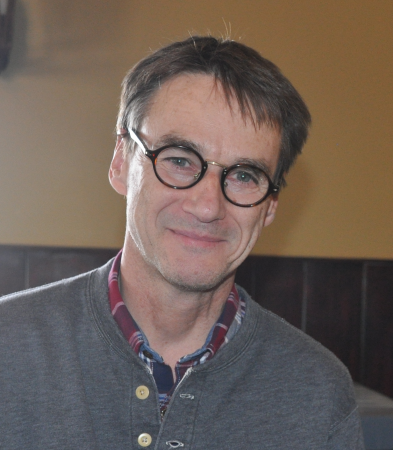
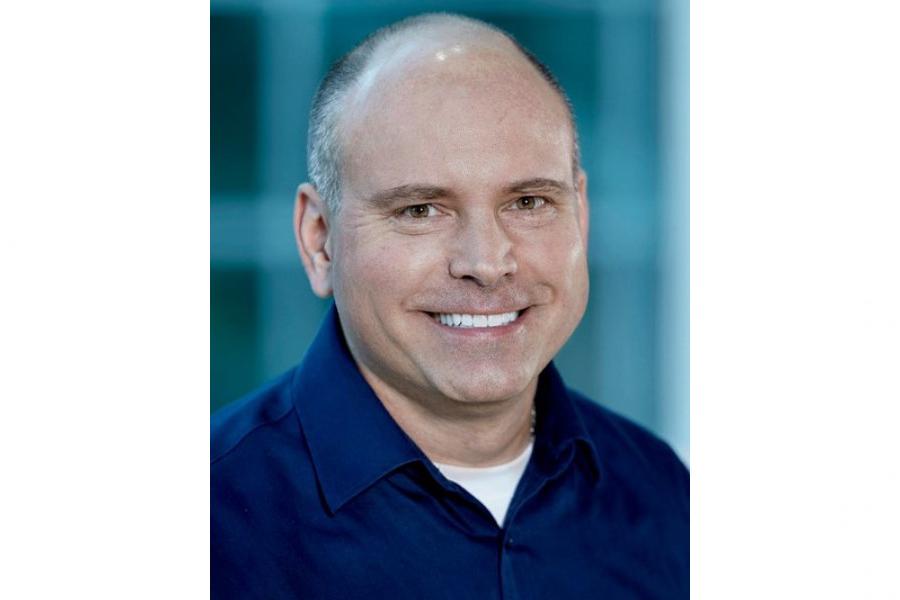
Jacques Thibodeau is a Full Professor in the Department of Microbiology, Infectious Diseases and Immunology at the Faculty of Medicine, University of Montreal. He maintains his laboratory in the Roger-Gaudry building (room S-644) and serves as Director of the Flow Cytometry Department. Dr. Thibodeau holds the prestigious Saputo Chair in Biomedical Valorization of Dairy Products and is a co-founder of Immunologie-Montréal, a non-profit organization promoting immunology research. Dr. Thibodeau's research focuses on molecular mechanisms regulating antigen presentation in tumor cells, with particular emphasis on the role of the non-classical class II molecule HLA-DO. His laboratory investigates how E3 ubiquitin ligases of the MARCH family modulate immune responses and tolerance, with applications in cancer immunotherapy. His work bridges fundamental immunology with clinical applications, particularly in understanding how tumor cells evade immune surveillance. His recent publications reveal a strong focus on MARCH1 ubiquitin ligase, antigen presentation pathways, and tumor immunology. The research demonstrates how ubiquitination regulates MHC class II molecules and impacts immune responses in cancer and autoimmune diseases. His team has made significant contributions to understanding how di-arginine motifs control protein trafficking and how these mechanisms can be exploited for therapeutic interventions. Saputo Chair in Biomedical Valorization of Dairy Products Dr. Thibodeau has supervised over 25 graduate students to completion and currently mentors a diverse team including postdoctoral fellows, PhD and Master's students. His laboratory staff includes researchers specializing in molecular immunology, protein biochemistry, and cancer biology. He has secured continuous funding from major Canadian research agencies including CIHR, NSERC, and the Cancer Research Society for over 15 years, with current projects extending through 2027. His research has direct implications for developing novel immunotherapies targeting ubiquitin-mediated regulation of antigen presentation.
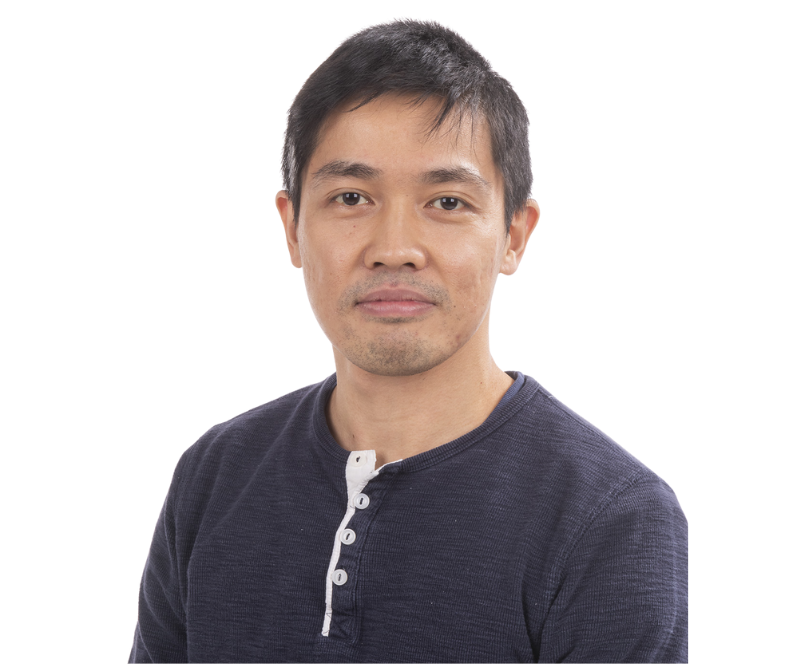
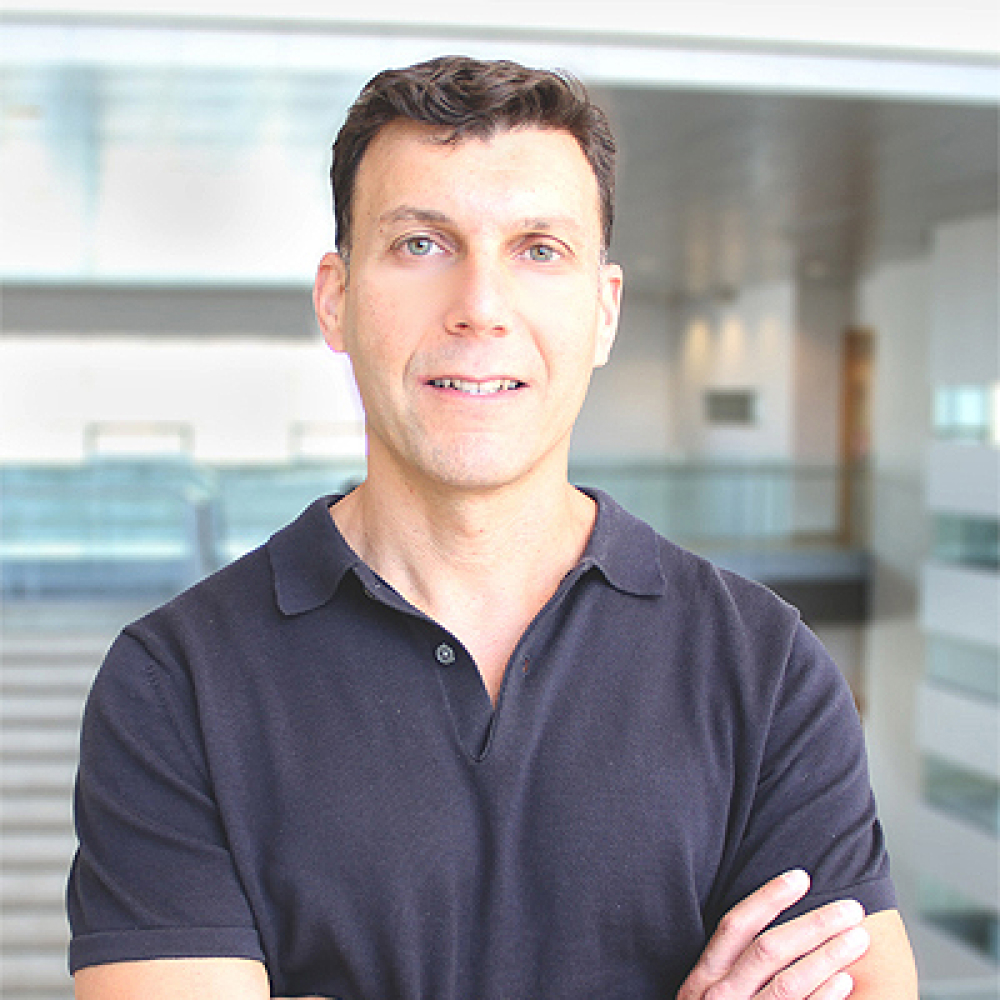
Yoshiaki Tanaka is an Associate Professor at the University of Montreal's Faculty of Medicine, Department of Medicine. He leads the Functional Genomics and Bioinformatics Research Unit at the Maisonneuve-Rosemont Hospital Research Center (CRHMR). His research focuses on understanding tumor progression, metastasis, and drug resistance using 3D in vitro brain organoids and large-scale genomic data analysis techniques like single-cell RNA-seq, ATAC-seq, and ChIP-seq. Dr. Tanaka’s team integrates computational methods with cellular models to develop novel therapeutic strategies for brain tumors and neurological diseases. Education: BSc in Pharmaceutical Sciences (2006, Tokyo University of Science), PhD in Life Sciences (2011, University of Tokyo under Dr. Kenta Nakai), Postdoctoral training (2011–2020) at Yale University under Dr. In-Hyun Park, specializing in stem cell pluripotency and tissue development. Research Interests: Molecular mechanisms of brain tumors, organoid-based disease modeling, AI-driven genomic data analysis, chromatin dynamics, and neurodevelopmental disorders. His lab develops 3D brain organoids to study glioblastoma microenvironment interactions and leverages machine learning for single-cell data interpretation. Grants and Awards: 2020 Quebec Research Fund - Health Junior 1 Fellowship. Active projects include NSERC-funded studies on BRD4’s role in brain development, FRQS-supported AI-driven tumor subtype analysis, and IRSC-backed investigations into glioblastoma microenvironment interactions using organoids. Labs/Teams: Directs the Functional Genomics and Bioinformatics Unit at CRHMR. Collaborates with institutions like the CIUSSS de l'Est-de-l'Île-de-Montréal. Current trainees include Nicolas Paradis-Isler, Samantha Yuen, and Saber Saharkhiz.
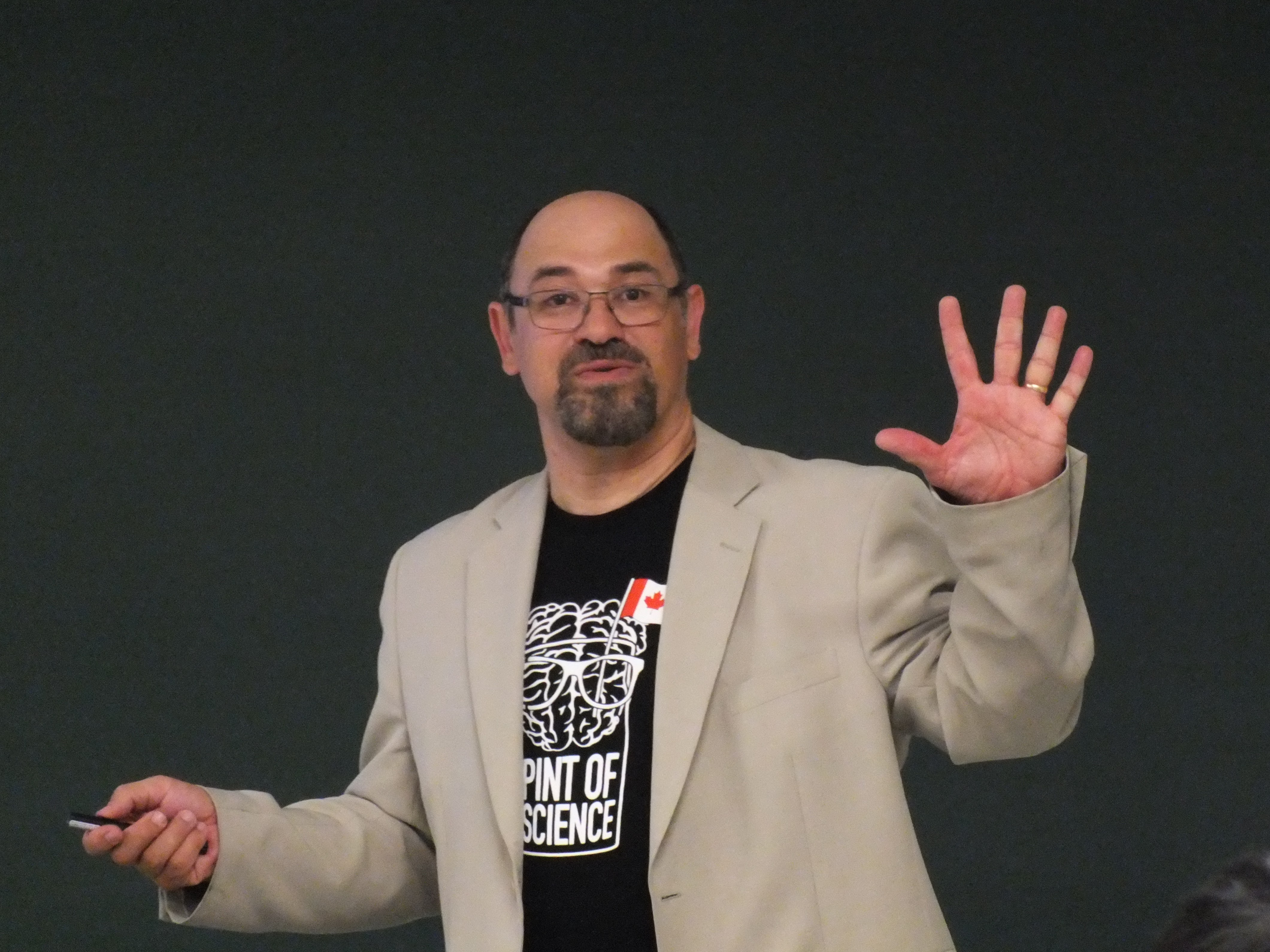
Dr. Myron R Szewczuk is a Full Professor in the Department of Biomedical and Molecular Sciences at Queen's University's School of Medicine, Faculty of Health Sciences. With over thirty-five years of experience at Queen's University, he has established himself as a leading researcher in cancer immunology, cell biology, and receptor signaling. His work focuses on the molecular mechanisms underlying cancer progression, inflammation, and receptor activation, with particular emphasis on glycosylation processes and Neu1 sialidase activity. Department of Biomedical and Molecular Sciences, School of Medicine, Faculty of Health Sciences Translational Institute of Medicine (TIME), Research Centres & Institutes Editor-in-Chief of MOJ Polymer Science special issue on Insulin Receptor Signaling Editorial Board Member of Discovery Medicine Section Board Member of Biomolecules journal Dr. Szewczuk earned his B.Sc. (Hons.) in Physical Chemistry from the University of Guelph in 1971, followed by an M.Sc. in Biochemistry and Thermodynamics of Protein-Protein Interactions from the same institution in 1972. He completed his Ph.D. in Biology and Immunochemistry at the University of Windsor in 1974. His postdoctoral training included positions as a Killiam and NIH Post-doctoral Research Scholar at Cornell University Medical College, focusing on cellular immunology under Dr. Greg Siskind. Dr. Szewczuk's research program centers on several interconnected areas that reveal fundamental mechanisms in disease pathophysiology. His work on Neu1 sialidase has uncovered its critical role in receptor activation across multiple systems, including TOLL-like receptors, insulin receptors, and cancer-related pathways. His laboratory has identified that Neu1 sialidase forms a molecular platform with matrix metalloproteinase-9 (MMP-9) and G-protein coupled receptors (GPCRs) that is essential for receptor activation in health and disease. This discovery has significant implications for understanding cancer progression, inflammation, and metabolic disorders. His research on biased GPCR agonism has revealed novel mechanisms by which receptors can be selectively activated, opening new therapeutic possibilities. His work on medicinal marijuana has provided scientific foundations for understanding cannabinoid effects on cancer cells through specific receptor mechanisms. Analysis of Dr. Szewczuk's recent publications reveals a strong focus on the intersection of receptor signaling, cancer metastasis, and therapeutic interventions. His work consistently explores how glycosylation processes regulate receptor activation and how this knowledge can be translated into novel cancer therapies. A significant theme is drug repurposing, particularly using oseltamivir phosphate (Tamiflu) and aspirin in combination with standard chemotherapeutics to overcome treatment resistance. His research increasingly incorporates nanomedicine approaches for targeted drug delivery, especially using folate receptor-targeted systems. The laboratory has made significant contributions to understanding how cytokines, sweeteners, and cannabinoids influence cancer cell behavior through receptor transactivation mechanisms, particularly focusing on epithelial-mesenchymal transition and tunneling nanotube formation in cancer metastasis. Nominated for Best Paper Award 2024 for 'Cutting-Edge Approach to Targeted Therapy' Editor-in-Chief appointment for MOJ Polymer Science special issue on Insulin Receptor Signaling Section Board Member for Biomolecules journal (Impact Factor: 6.064) Editorial Board Member for Discovery Medicine (Impact Factor: 3.222) Co-organizer of International Conference on Cancer Research & Nucleic Acids 2021 Conference Chair for International Conference on Cancer Science and Therapeutics Dr. Szewczuk has mentored numerous graduate and undergraduate students, with many going on to successful careers in academia, medicine, and biotechnology. His trainees have consistently published in high-impact journals, with many receiving prestigious awards including Vanier Canada Graduate Scholarships, Terry Fox Research Institute fellowships, and Queen's Graduate Awards. He has supervised PhD students to completion in approximately 3 years and MSc students in 1.5 years, with most students publishing multiple first-author papers. His undergraduate research students have contributed to publications and have gone on to medical schools and graduate programs. Dr. Szewczuk has secured funding from various sources including Mitacs Accelerate Postdoctoral Fellowships and industry partnerships with Encyt Biotechnologies. His research has resulted in an international patent filing (PCT/CA2011/050690) related to cancer treatment approaches targeting Neu1 sialidase. Dr. Szewczuk leads a vibrant research laboratory that focuses on the molecular mechanisms of receptor activation and their implications in cancer and inflammatory diseases. His team employs advanced techniques in cell biology, molecular signaling, and nanomedicine to investigate how glycosylation processes regulate receptor function. The laboratory has developed innovative models for studying 3D multicellular tumor spheroids and has made significant contributions to understanding the role of Neu1 sialidase in receptor signaling platforms. The research group collaborates extensively with clinicians and scientists both nationally and internationally, contributing to a robust research environment that bridges basic science with clinical applications.
Dean Betts is a Professor at the University of Western Ontario's Schulich School of Medicine & Dentistry. He holds a BSc and MSc from the University of Western Ontario's Department of Zoology, a PhD from the University of Guelph's Department of Biomedical Sciences, and completed a postdoctoral fellowship at Case Western Reserve University's Department of Genetics. His research focuses on early embryo development, pluripotent stem cells, and metabolic pathways, with a particular interest in translating canine stem cell therapies to human applications. He leads the Betts Lab, emphasizing regenerative medicine and cellular metabolism. His work explores p66Shc's role in stem cell behavior, metabolic reprogramming for pluripotency induction, and overcoming barriers in veterinary stem cell therapies. Dr. Betts' research has produced over 60 publications, including studies on fatty acid effects on embryo development, autophagy regulation, and canine iPSC generation. He mentors students, emphasizing their growth in scientific inquiry and innovation. His lab collaborates on projects addressing metabolic plasticity, microRNA expression in embryos, and educational strategies for inclusive higher education.
Dr. Antonio Nanci is a Full Professor at the Faculty of Dental Medicine and an Accredited Professor in the Department of Biochemistry and Molecular Medicine at the Faculty of Medicine, University of Montreal. He has served as Vice-Dean for Research and Graduate Studies (2018-2024) and directs the Electron Microscopy Platform. His research focuses on calcified tissues, biomaterials, and cellular/molecular biology. PhD, MSc, and postdoctoral supervisees Active in research since 1982 International collaborations (University of São Paulo, University of Messina, Bologna Academy) Research Interests: Characterization of dental and bone proteins Effects of drugs/pathologies on calcified tissues Ultrastructure of calcified tissues Mineralization mechanisms Periodontal health Gene therapy for tissue repair Bioactive molecule-modified biomaterials Novel surgical approaches for biopolymer delivery Tissue engineering Grants & Projects: Continuous funding from IRSC, CRSNG, NIH, and FRQ. Key projects include Canada Research Chair in Calcified Tissues and Biomaterials, electron microscopy infrastructure grants, and studies on SCPPPQ1 protein, nanotopography, and implant healing. Scientific Awards: Doctor Honoris Causa (Università di Messina, 2016) CIHR Research Profile features (2009, 2008) Maffo Vialli International Award (2007) Québec Science 10 Discoveries of the Year (1997, 1995) Editorial roles in two scientific journals Over 130 invited lectures globally Labs & Teams: Leads the Calcium Tissues and Biomaterials Research Laboratory. Directs the Electron Microscopy Platform and collaborates with international consortia like PLASMA-Québec. Education: PhD in Anatomy and Cell Biology (McGill, 1982), Postdoc at USC (1982), MSc in Pathology (Université de Montréal, 1978).
Borhane Annabi is an Associate Professor in the Department of Pharmacology and Physiology at the Université de Montréal's Faculty of Medicine. He also holds a position as Chair of Research in Cancer Prevention and Treatment. His research focuses on cancer biology, particularly targeting signaling pathways and cancer stem cells in glioblastoma, breast, and ovarian cancers. He leads a laboratory with active PhD and M.Sc. students and has mentored over 30 alumni researchers. Education: Dr. Annabi earned his Ph.D. in Biochemistry from Université de Montréal (1997), following M.Sc. (1994) and B.Sc. (1990) degrees in the same field. He completed postdoctoral training at the Research Center – Hôpital Sainte-Justine (2001) and the National Institute of Child Health and Human Development (1998). Research Interests: His work integrates molecular biology, pharmacology, and cell biology to study tumor microenvironment interactions, vasculogenic mimicry, and the role of phytochemicals in cancer prevention. Key areas include TGF-β signaling modulation, STAT3 pathway inhibition, and targeted drug delivery via peptide-conjugates. Publications: Dr. Annabi’s recent work explores YAP/TEAD inhibitors (LM98), docetaxel-peptide conjugates (TH1902), and EGCG’s anti-cancer mechanisms. His studies highlight translational approaches linking basic science to clinical applications in oncology. Affiliations: He is director of the Cancer Prevention & Treatment Research Chair, and member of ThéCELL (Cellular Therapy Network), the Center of Excellence in Orphan Diseases, and the Quebec Cancer Coalition. Grants & Advising: He oversees grants related to cancer stem cell targeting and microbiome impacts in colorectal surgery. His lab collaborates with institutions like UQAM (Chemistry Department) and industry partners in drug development.
Francis Lin is a Professor in the Department of Physics and Astronomy at the University of Manitoba. His research focuses on biophysics, biomedical engineering, immunology, microfluidics, and cell migration mechanisms. He develops microfluidic tools for studying cell migration and trafficking, particularly in response to chemical and electrical cues. His work includes applications in chronic disease diagnosis and cancer therapy. Lin collaborates on projects involving microfluidic platforms for neutrophil chemotaxis analysis, bacterial toxin effects on immune cells, and the design of portable diagnostic devices. He leads research on electrotaxis, cell group dynamics, and the integration of microfluidics with smartphones for biomedical assays. Education : Not explicitly detailed in the text. Research Interests : Biophysics of cell migration Microfluidic device development Chemotaxis and electrotaxis mechanisms Neutrophil and cancer cell behavior Diagnostic tools for chronic diseases Biomedical applications of microfluidics Publications : His recent work emphasizes electrotactic cell behavior, microfluidic-based diagnostics, and cancer cell sorting. Key themes include the use of electric fields to guide cell migration and the development of low-cost, portable assays for clinical use. Lab/Teams : Research is conducted in the Physics and Astronomy Department at the University of Manitoba, with collaborations across immunology, biomedical engineering, and clinical disciplines.
Dr. Brad Doble is an Associate Professor in Pediatrics and Child Health and Biochemistry and Medical Genetics at the Max Rady College of Medicine, University of Manitoba. He holds the Bihler Chair in Stem Cell Research and is a Canada Research Chair in Stem Cell Signaling. His research focuses on stem cell biology, particularly the roles of Wnt signaling pathways in development, cancer, and pediatric diseases like medulloblastoma. He leads the Doble Lab, which employs CRISPR/Cas9, micropatterning, and proteomic analyses to study stem cell differentiation and oncogenesis. Education: PhD in Physiology (University of Manitoba), BSc (Honors Genetics) (University of Manitoba) Postdoctoral Training: Ontario Cancer Institute/Princess Margaret Hospital under Dr. Jim Woodgett Research interests include epigenetic regulation, genome editing (TALENs/CRISPR), and cellular models of medulloblastoma. His lab has developed novel mouse models targeting GSK-3 kinases, contributing to understanding Alzheimer’s, diabetes, and cancer. Key awards: Bihler Chair (2019), Canada Research Chair Tier II (2007–2017). The lab collaborates with the Children’s Hospital Research Institute of Manitoba (CHRIM) and maintains active grants in stem cell signaling and pediatric cancer research. Lab members include MSc and PhD candidates studying TCF/LEF transcription factors, medulloblastoma stem cells, and Wnt pathway activation. Former trainees have transitioned to academic, clinical, and industry roles.
Thomas Merritt is a Full Professor in the Department of Chemistry & Biochemistry at Laurentian University's School of Natural Sciences, where he has led research since 2006. His academic progression includes Assistant Professor (2006-2011), Associate Professor (2011-2014), and Full Professor (2014-present), complemented by a Tier 2 Canada Research Chair in Bioinformatics and Genomics (2010-2019). His educational background comprises: Ph.D. in Biological Sciences, University of South Carolina (2000) on vertebrate neural isozyme evolution M.Sc. in Zoology, Oregon State University (1995) on doublesex gene regulation of genital muscles B.Sc. with Honors & Distinction in Biology, University of North Carolina, Chapel Hill (1991) Dr. Merritt's research integrates bioinformatics, functional genomics, and experimental biology to investigate metabolic regulation and genetic networks. His work focuses on stress response systems, including oxidative stress mechanisms involving NADP(H) enzymes and environmental interactions using diverse models like Drosophila melanogaster. A distinctive aspect involves leveraging SNOLAB's underground laboratory (2 km below surface) to study deep-earth physiology, alongside investigations into metal tolerance and acid mine drainage microbial communities. Analysis of his recent publications reveals strong interdisciplinary trends spanning metabolomics, oxidative stress, and evolutionary genetics. His work bridges computational biology with experimental validation, frequently utilizing Drosophila models while extending to environmental microbiology and biomechanics through collaborations with engineering and sports science researchers. Key scientific recognition includes: Tier 2 Canada Research Chair in Bioinformatics and Genomics (2010-2019) Dr. Merritt mentors graduate students as evidenced by asterisk-denoted authorships in publications and has secured significant research funding, notably through the Canada Research Chair program. His group maintains active collaborations with SNOLAB for underground physiology studies and Science North for public engagement initiatives. Beyond traditional research, he founded an award-winning ParaSport program promoting adaptive paddling and rowing for athletes with physical, intellectual, or developmental disabilities, establishing Northern Ontario as a leader in accessible sports.
Anthony Scimè is an Associate Professor in the Faculty of Science at York University , affiliated with the Biology Graduate Program. His research explores the intersection of metabolism and stem cell biology, with implications for diseases like type II diabetes, obesity, and cancer. Contact him at ascime@yorku.ca . Research Focus: Metabolism's role in stem cell fate decisions (quiescence, activation, differentiation, self-renewal) in muscle and adipose tissue, linking to metabolic disorders, cancer, and regenerative medicine. Publication Trends: Recent work investigates mitochondrial dynamics, metabolic checkpoints, and transcriptional regulators (e.g., p107) in stem cell regulation. Studies span muscle biology, adipocyte lineage, cancer-associated stem cells, and epithelial-mesenchymal transition.
Simon-Pierre Gravel is an Associate Professor at the University of Montreal's Faculté de pharmacie. He holds a PhD in Pharmacy (2011) and completed postdoctoral training at McGill University (2016), focusing on breast cancer metabolism and skin aging. His research investigates the metabolic basis of inflammation in chronic diseases, cancer, and viral infections, with a focus on PGC-1 coactivators' roles in linking cellular metabolism to immune activation. He leads studies on immunometabolism in melanoma and skin aging, supported by grants from the Canadian Institutes of Health Research (CIHR), Natural Sciences and Engineering Research Council (NSERC), and the Canadian Cancer Society. Education: PhD in Pharmacy (University of Montreal, 2011), Postdoc at McGill University's Goodman Cancer Research Centre (2016) Research interests include: 1) PGC-1 family proteins' regulation of mitochondrial biology and transcriptional programs, 2) Metabolic drivers of immunosuppression in cancer, 3) Development of therapies targeting metabolism-inflammation axis. His lab has identified stress-induced PGC-1 downregulation as a pro-inflammatory trigger in skin and melanoma contexts. Recent work highlights mitochondrial biogenesis rheostat functions in skin aging and immunometabolic landscapes, with projects funded through NSERC (2023-2029), CIHR (2021-2028), and cancer-focused grants. Over 15 students have been mentored since 2018, including master's theses on PGC-1β modulation and immunotherapy response. Key grants include a 2023 NSERC Discovery Grant for skin aging studies and a 2023 Canadian Cancer Society grant targeting melanoma immunometabolism. He also collaborates on nanoparticle delivery systems for gene therapy and anti-inflammatory drugs. Administrative roles include committee work for the BSc in Biopharmaceutical Sciences program and biosafety oversight. Editor for Metabolites (2019), and peer reviewer for multiple national funding agencies.
Dr. Gerardo Ferbeyre is a Full Professor at the University of Montreal's Faculty of Medicine, Department of Biochemistry and Molecular Medicine. His research focuses on cellular senescence, cancer biology, and molecular mechanisms of aging, particularly how oncogenes and DNA damage activate senescence pathways. He leads a multidisciplinary team investigating senescence-associated secretory phenotypes, ribosomal stress, and therapeutic targets like metformin and senolytics. Collaborations include the Research Center of the University of Montreal Hospital Center (CRCHUM) and the AIDS and Infectious Diseases Network (AIDS/ID). Key areas include senescence's role in cancer suppression, metabolic reprogramming, and senolytic drug development. His work bridges basic science with clinical implications in oncology and aging. Research Themes: Senescence Biology, Oncogene-Induced Stress, PML Nuclear Bodies Techniques: Molecular biology, cell signaling analysis, drug screening Recent studies highlight senescence’s connection to mitochondrial function, ribosome biogenesis defects, and how metabolic pathways like NAD+ regulation influence senescence bypass. His lab explores translational research, including biguanide-PROTACs for pancreatic cancer and senolytic therapies for age-related diseases. Key collaborations include work with Professors François Major (miRNA engineering), Ivan Topisirovic (metabolism), and Michael Pollak (metformin studies). Funding includes grants from the Canadian Institutes of Health Research and industry partnerships.
Dr. Lisheng Wang is a Professor in the Department of Biochemistry, Microbiology, and Immunology at the University of Ottawa's Faculty of Medicine. He holds core membership at the Ottawa Institute of Systems Biology and affiliation with the Ottawa Health Research Institute. His academic journey includes a PhD from the University of Sydney (1999), postdoctoral training at Harvard Medical School, and further specialization in stem cell biology at Robarts Research Institute. Dr. Wang’s research focuses on cancer treatment innovation, particularly breast cancer, and regenerative medicine using stem cell technologies. His research interests span embryonic stem cell signaling, cancer stem cell targeting, nanoparticle-based therapies, and immune cell modulation. He has pioneered strategies to enhance breast cancer treatment efficacy and develop transplantable immune/circulatory cells from embryonic stem cells. Recent work includes co-developing triple-drug nanotherapies, viral vector vaccines, and biomanufacturing workflows for NK cell-derived extracellular vesicles. Dr. Wang’s laboratory emphasizes translational research at the intersection of biochemistry, immunology, and nanomedicine. His publications reflect interdisciplinary approaches to cancer biology, including tumor microenvironment targeting, immune checkpoint modulation, and molecularly imprinted nanoparticles for drug delivery. Collaborations span institutions like CHEO-RI and the Ottawa Hospital Research Institute, fostering clinical translation of findings.
Dr. Michele Ardolino is an Associate Professor at the Department of Biochemistry, Microbiology and Immunology at the University of Ottawa and a Senior Scientist at the Ottawa Hospital Research Institute (OHRI) . He completed his BSc (Hons) in Biotechnology and MSc in Medical Cellular and Molecular Biotechnology at the University of Rome (Sapienza) , followed by a PhD in Immunological Sciences at the same institution. He then pursued a Postdoctoral Fellowship in the Laboratory of David Raulet at the University of California, Berkeley , focusing on tumor immunology. His research centers on immune regulation in cancer , particularly the mechanisms of NK cell dysfunction and strategies to enhance their anti-cancer potential through PD-1/PD-L1 blockade , metabolic reprogramming , and repurposable drugs . His work has identified key pathways in NK cell suppression via trogocytosis and PD-L1's cell-intrinsic metabolic regulation in tumors. Dr. Ardolino leads the Cancer Immunology Lab at OHRI, with affiliations across multiple research programs including Basic Research , Translational Research , and Clinical Research . His lab investigates NK cell effector functions , PD-L1 downstream pathways , and ILC2 roles in ovarian immunity , collaborating extensively in oncolytic virotherapy and immunotherapy projects.
Dr. Julie St-Pierre is a Professor in the Department of Biochemistry, Microbiology and Immunology at the University of Ottawa Faculty of Medicine. Her research focuses on mitochondrial metabolism, cancer biology, and metabolic reprogramming, particularly in breast cancer progression. She previously served as Director of the Metabolomics Core Facility at McGill University (2009-2017) and has held appointments as Assistant and Associate Professor at McGill (2008-2017). BSc, Université Laval MSc, Université Laval PhD, Cambridge University, UK The St-Pierre laboratory investigates how mitochondrial functions contribute to energy homeostasis in physiological and pathological conditions. Key projects examine PGC-1s' roles in cancer metastasis, therapeutic resistance, and metabolic dependencies, using real-time bioenergetics measurements, metabolomics, and transcription profiling. Her team collaborates internationally to advance understanding of metabolic adaptations in disease. Her recent publications highlight metabolic drug sensitivity, mitochondrial regulation of cancer progression, and cross-talk between metabolic pathways and cellular stress responses. The laboratory's work spans cancer biology, metabolic diseases, and neurodegeneration, with methodological emphasis on systems-level metabolomics. Dr. St-Pierre's lab operates in Roger Guindon Hall, Room 4510B (office) and 4210 (lab), and can be reached at julie.st-pierre@uOttawa.ca.