Declan Ali serves as Dean of the Faculty of Science and Professor in the Department of Biological Sciences at the University of Alberta. His dual role combines administrative leadership with active research in developmental neurobiology. Contact details include two email addresses and phone numbers associated with his administrative and academic positions. Research focuses on synaptic development mechanisms, particularly presynaptic and postsynaptic receptor modulation during synapse formation. Key models include zebrafish embryology to study cannabinoid impacts on neurodevelopment and cancer signaling pathways like Wnt/β-catenin. Recent work examines cannabinoid teratogenicity, TRP channel roles in carcinogenesis, and autophagy regulatory networks. Publications (2023-2025) highlight intergenerational THC effects, miRNA regulation in lung cancer, and autophagy-lysosomal pathway modulation. No scientific awards explicitly mentioned, though research contributions are substantial. Advising details and grants remain unspecified. Laboratory work emphasizes in vivo zebrafish models and molecular oncology approaches.
Adam Runions is an Assistant Professor in the Department of Computer Science at the University of Calgary, within the Faculty of Science. His research focuses on computational modeling of plant development, integrating principles from computer graphics, computational morphodynamics, and procedural modeling. He holds a PhD and MSc in Computer Science from the University of Calgary. His work explores how genetic and mechanical factors influence leaf shape diversification, with a particular emphasis on growth dynamics, tissue patterning, and the interplay between auxin signaling and developmental processes. He develops computational tools like MorphoGraphX to analyze biological images and simulate morphogenetic processes. Runions teaches courses on computer animation and computational morphodynamics (CPSC 587, CPSC 601.10, CPSC 687). His research spans topics such as auxin-driven patterning, biomechanical forces in cell shape formation, and evolutionary mechanisms underlying plant form. His contributions bridge computational methods and biological systems, advancing understanding of developmental biology and plant morphology.
Dr. Andre Buret serves as Professor in the Department of Biological Sciences at the University of Calgary's Faculty of Science, with adjunct appointment in Physiology and Pharmacology. He holds multiple research affiliations including the Snyder Institute for Chronic Diseases. His research program investigates microbial-host interactions in gastrointestinal and pulmonary systems, focusing on inflammation and chronic disease mechanisms. Research expertise includes: Pathophysiology of infectious diseases Microbiota dysbiosis in chronic inflammation Immunomodulatory effects of antibiotics Host-parasite interactions Microbial biofilm pathogenesis Publication analysis demonstrates consistent focus on giardiasis mechanisms and host responses, with recent expansion into biofilm-mediated immune evasion and hypoxia adaptations. His work bridges basic science with translational applications in human and veterinary medicine. Scientific Awards: Order of University of Calgary (2013) Fellow: Royal Society Tropical Medicine & Hygiene (2001), Canadian Association of Gastroenterology (2020), American Gastroenterological Association (2009) NSERC Synergy Award (2007) Research Excellence Award - CAG (2007) Robert A. Wardle Medal (2008) Stoll-Stunkard Award (2019) Killam Professorship (2012) Research Leadership: Mentored over 100 undergraduate researchers, 40 PhD/MSc students, and 14 postdoctoral fellows. Directed NSERC-CREATE training program on Host-Parasite Interactions training 170+ students. Current laboratory focuses on microbial pathogenesis at the Snyder Institute for Chronic Diseases.
Thomas Parmentier is an Associate Professor at the Faculty of Veterinary Medicine, Université de Montréal, within the Department of Clinical Sciences. He leads a laboratory focused on both fundamental and clinical neuroscience research, addressing neurological diseases in humans and companion animals. His work combines in vitro models using stem cells and brain organoids to study molecular and cellular mechanisms, alongside clinical studies in veterinary patients with neurological conditions like epilepsy. Key affiliations include the Centre Hospitalier Universitaire Vétérinaire (CHUV) and the American College of Veterinary Internal Medicine (ACVIM)-Neurology. Education: PhD in Neuroscience (2021, University of Guelph), Veterinary Residency in Neurology (2018, University of Guelph), and DVM (2014, École Nationale Vétérinaire de Nantes). Research Interests: Modeling neurological diseases using patient-derived stem cells, biomarker discovery for epilepsy, and translational research linking in vitro findings to clinical applications in veterinary medicine. Current projects include studies on canine transposable elements in brain function and drug resistance in epilepsy, funded by CRSNG and the AKC Canine Health Foundation. Advising: Currently recruiting a master’s student for projects integrating stem cell biology and clinical neurology. Grants include two CRSNG Discovery Grants (2024–2030) and AKC funding (2022–2026). Labs & Teams: Laboratory integrates clinical and basic neuroscience research, with a focus on translating discoveries from organoid models to veterinary patients. Collaborations span molecular biology, electrophysiology, and clinical diagnostics.
David Knapp is a Principal Researcher at the Institute for Research in Immunology and Cancer (IRIC) within the University of Montreal . His research focuses on understanding the molecular basis of cell identity through single-cell analysis and synthetic genetic circuits, with applications in regenerative medicine and cancer therapy. Previously, he completed his PhD in Experimental Medicine at the University of British Columbia and a postdoctoral fellowship at the University of Oxford. Academic Role: Researcher, Department of Pathology and Cell Biology Research Unit: Cellular Engineering Research Unit Contact: david.knapp@umontreal.ca His work explores the attractor state model of cell identity, investigating transitions between stable molecular states regulated by genetic networks. This research has implications for cell reprogramming, oncogenesis, and therapeutic target identification. He employs technologies like single-cell sequencing and synthetic biology to manipulate and analyze cell fate. Recent publications highlight his expertise in hematopoietic stem cell dynamics , CRISPR optimization , and immune cell engineering . Articles span topics from Waddington-like landscapes to Cas9 guide RNA expression systems , reflecting his interdisciplinary approach. Scientific Awards and Scholarships: SEDA Learning Support Award (2019) CIHR Postdoctoral Fellowship (2016–2019) CIHR Canada Graduate Scholarship - Master’s (2011–2012) CIHR Transplantation Research Scholarship (2010–2011) David Knapp's research has been supported by grants from Canadian Institutes of Health Research (CIHR) and other national funding bodies. His laboratory at IRIC investigates molecular determinants of cell identity and collaborates with teams studying hematopoiesis, cancer signaling, and immunotherapies.
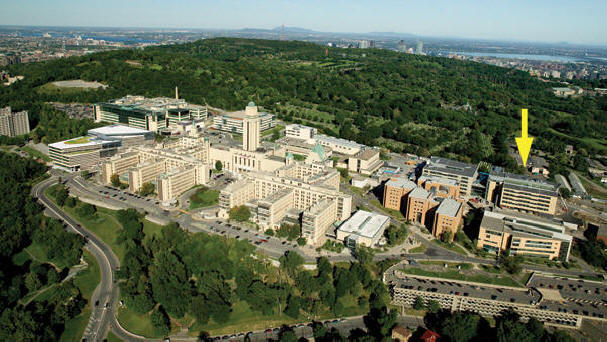
Philippe P. Roux is a Full Professor in the Department of Pathology and Cell Biology at the Faculty of Medicine, University of Montreal. He serves as the Scientific Director of the Institute for Research in Immunology and Cancer (IRIC) and leads the Cell Signalling and Proteomics Research Unit. Dr. Roux was promoted to full Professor in 2018 and succeeded Marc Therrien as Scientific Director of IRIC in 2023. He is also a senior Research Fellow of the Fonds de recherche du Québec – Santé, reflecting his significant contributions to cancer research in Quebec. Dr. Roux's educational journey began with a B.Sc. in Biological Sciences with a focus on Immunology and Microbiology from the University of Montreal (1995), followed by an M.Sc. in Microbiology and Immunology from the University of Montreal - Sainte-Justine Hospital Research Center (1997). He earned his Ph.D. in Molecular Neuroscience from McGill University - Montreal Neurological Institute (2002) and completed a postdoctoral fellowship in cancer biology at Harvard Medical School (2006). Dr. Roux's research focuses on understanding the molecular mechanisms by which oncogenes transform normal cells into cancerous ones. His laboratory investigates cell signaling mechanisms essential for cells to integrate signals from the external environment and generate appropriate responses. The team specifically studies how deregulation of these mechanisms by mutations in signaling proteins leads to various pathologies, particularly cancer. Their work centers on decoding signaling networks within cancer cells to facilitate the development of new anticancer treatments, with particular attention to pathways involving KRAS, BRAF, PIK3CA, PTEN, APC, and TP53. The lab employs mouse genetic, biochemical, molecular and cellular biological techniques, as well as proteomics, to study these processes. An analysis of Dr. Roux's recent publications reveals a consistent focus on cancer signaling pathways, particularly examining protein phosphorylation, kinase regulation, and metabolic reprogramming in cancer cells. His work spans multiple cancer types including melanoma, leukemia, breast cancer, and colorectal cancer, with a growing emphasis on immunotherapy approaches and the tumor microenvironment. The research increasingly integrates proteomics, CRISPR screening, and advanced molecular techniques to identify novel therapeutic targets and understand resistance mechanisms. Dr. Roux has received numerous prestigious awards throughout his career, including: Chercheur-boursier sénior, Fonds de recherche du Québec - Santé (FRQS) 2016-2020 Prix Nouveau scientifique GE Healthcare, 2013 Chaire de recherche du Canada en signalisation cellulaire et protéomique, 2006-2016 Bourse Développement de la carrière, Human Frontier Science Program, 2007- Boursier postdoctoral, Human Frontier Science Program, 2003-2006 His laboratory is generously supported by multiple funding agencies including the Canada Foundation for Innovation (CFI), Canadian Institutes of Health Research (CIHR), Canadian Cancer Society Research Institute (CCSRI), The Cancer Research Society (CRS), and the Human Frontier Science Program (HFSP). Dr. Roux actively mentors graduate students and postdoctoral fellows, fostering the next generation of cancer researchers while advancing innovative approaches to understand and treat cancer. The Roux Laboratory of Cell Signalling and Proteomics is located at the IRIC, Marcelle-Coutu Pavilion, on the University of Montreal campus. The lab team includes researchers specializing in molecular biology, proteomics, and cancer biology who employ advanced techniques to investigate oncogenic signal transduction. Their collaborative environment has produced significant contributions to understanding kinase signaling pathways and their role in cancer development and progression.
Paul Dutchak is an Assistant Professor at the Department of Psychiatry and Neuroscience, Faculty of Medicine, Laval University. His research focuses on neurometabolic pathways in brain health and disease, particularly epilepsy, autism, and tuberous sclerosis. He investigates how genetic mutations affect metabolic regulation via complexes like GATOR1 and mTORC1. B.Sc., M.Sc.: University of Saskatchewan, Biochemistry Ph.D.: University of Texas Southwestern Medical Center Dr. Dutchak’s work maps metabolic dysregulation in neurological disorders, exploring mechanisms like: mTORC1 signaling in neuronal function GATOR1 complex mutations linked to epilepsy Metabolic-epigenetic interactions in neurodegeneration RNA granule dynamics in ALS/FTD Recent publications highlight collaborations across neuroscience, molecular biology, and metabolic research. His lab develops therapeutic strategies targeting metabolic regulators like GRN mRNA and NPRL2. Scientific awards include: Brain Canada Future Leaders Award (2023–25) NSERC Discovery Grant (2018–25) FRQS Junior 1 Award (2020–24) Dr. Dutchak mentors graduate students and postdocs, with team members like Maéline Muller and Chantelle Sephton. His work intersects metabolism, neurodegeneration, and translational neuroscience.
Eden Fussner-Dupas is an Assistant Professor in the Department of Biochemistry and Molecular Biology at the University of British Columbia's Faculty of Medicine. With a background in biochemistry education from the University of Toronto (BSc, MSc, PhD), her work bridges structural biology and nuclear organization research. Department: Biochemistry and Molecular Biology University: University of British Columbia Academic Rank: Assistant Professor Her research focuses on nuclear architecture and chromatin structure , employing advanced techniques like electron spectroscopic imaging to explore DNA-RNA-protein interactions in genome regulation. Recent publications highlight her contributions to understanding chromatin fiber density in pluripotency, heterochromatin reorganization during cell reprogramming, and phase transitions in membraneless organelles. Contact: Biological Sciences Building, Room 3119 | Phone: (604) 822-8260 | Email: eden.fussner@ubc.ca
Werner Glanzner is an Assistant Professor (Research) in Applied Embryology and Genomics at the Macdonald Campus of McGill University. His work bridges molecular biology and agricultural science, focusing on embryo development, epigenetic regulation, and biotechnological applications in large animals. Department: Animal Science Research Focus: Epigenetics in embryo development, somatic cell nuclear transfer (SCNT), gene editing, and animal models for biomedical research Specialization: Biotechnology and embryo development Research interests center on epigenetic reprogramming in mammalian embryos, particularly pigs and cattle. His work investigates: Transcriptional and epigenomic dynamics during somatic cell nuclear transfer Metabolic stress impacts on embryo viability Chromatin modifications affecting developmental competence Gene editing techniques for agricultural and biomedical applications Optimization of in vitro embryo production systems Recent publications highlight advancements in porcine SCNT efficiency , CRISPR/Cas9 gene editing strategies, and metabolic regulators of embryo development. His team employs transcriptomics, epigenetic profiling, and biochemical assays to address challenges in reproductive biotechnology.
Shusen Wang is an Adjunct Professor at the School of Earth, Environment and Society at McMaster University. His research spans interdisciplinary domains including remote sensing , climate change , hydrology , and diabetes/transplantation biology , with a focus on satellite data analysis, water resource modeling, and pancreatic islet function. McMaster University, Adjunct Professor Research Interests Dr. Wang's work integrates ecological modeling with transplantation research , analyzing spatiotemporal patterns in climate-vegetation interactions and developing machine learning methods for environmental monitoring. His biomedical research explores β-cell function , islet transplantation , and microRNA regulation in diabetes. Article Trends Recent publications highlight two parallel themes: climate-water dynamics (e.g., GRACE satellite downscaling, evapotranspiration modeling) and diabetes mechanisms (e.g., β-cell stress, islet preservation techniques). His work bridges computational methods (e.g., deep learning, spectral analysis) with experimental biology. Collaborative Networks Co-authored 117 publications over 10 years Active in ecological informatics and transplantation communities Interdisciplinary approach combining environmental science and medical research
Ilan Azuelos is an Assistant Professor at the Department of Medicine, Faculty of Medicine and Health Sciences, McGill University , and an Investigator at the RI-MUHC, Glen site within the Translational Research in Respiratory Diseases Program . His research focuses on the molecular mechanisms underlying lung fibrosis , particularly the role of myofibroblasts and the mTOR pathway in metabolic reprogramming for collagen biosynthesis , a field he has termed fibrometabolism . Research Trends Key themes include TGF-β signaling in fibrosis Metabolic pathways in myofibroblast activation ACE2/Ang-(1-7)/MasR axis in COVID-19-related fibrosis Role of RNA-binding protein HuR in lung fibroblast differentiation Mitochondrial dynamics in ventilator-induced diaphragmatic dysfunction Interdisciplinary links between respiratory medicine , cell biology , and metabolic disorders Publications 2023: Semionov et al. - Radiological analysis of pulmonary calcification in central pulmonary embolism 2022: Martin et al. - Debate on HB-EGF origin in fibrosis 2021: Selvarajah et al. - mTORC1's role in serine-glycine pathway for collagen 2021: Morganstein et al. - ACE2 axis in pulmonary fibrosis and COVID-19 2021: Al-Habeeb et al. - HuR's impact on extracellular matrix production 2021: Trivlidis et al. - HuR activation under hypoxia in fibroblasts 2019: Selvarajah et al. - mTORC1 and glycine metabolism in fibrosis 2018: Liang et al. - Ventilator effects on diaphragm dysfunction in MDX mice 2015: Picard et al. - Mitochondrial abnormalities from mechanical ventilation 2015: Azuelos et al. - Autophagy's role in ventilator-induced diaphragm dysfunction
Arnold Kristof serves as a Scientist at the Research Institute of the McGill University Health Centre (RI-MUHC) at the Glen site and holds the position of Associate Professor in the Department of Medicine, Faculty of Medicine and Health Sciences at McGill University. He is affiliated with the Translational Research in Respiratory Diseases Program within the Centre for Translational Biology and the Department of Medicine, Division of Respiratory Medicine at the McGill University Health Centre (MUHC). Dr. Kristof's research primarily focuses on mTOR (mammalian target of rapamycin) signaling pathways in respiratory diseases, particularly lymphangioleiomyomatosis (LAM) and acute lung injury. His work investigates how mTOR regulates cellular processes including growth, division, survival, and stress responses, with specific attention to how dysregulation contributes to lung pathologies. His research integrates molecular biology, cellular physiology, and translational approaches to develop better diagnostic and therapeutic strategies for patients with respiratory conditions. Analysis of his publication record reveals a sustained research trajectory spanning three decades with recent publications (2023-2025) emphasizing critical care nutrition, molecular mechanisms of lung injury, and precision medicine approaches to respiratory diseases. His work increasingly incorporates multi-omics approaches, advanced disease modeling, and clinical translation of basic science findings. Key thematic areas include mTOR signaling in LAM pathogenesis, nutritional interventions in critical illness, and molecular diagnostics for respiratory conditions. Dr. Kristof maintains an active research program with multiple clinical trials and collaborative projects, particularly within the Canadian Critical Care Trials Group framework. His work demonstrates strong integration between basic science investigations and clinical applications, with particular emphasis on developing targeted therapies for rare respiratory disorders.
Dr. Nika Shakiba is an Allen Distinguished Investigator and Assistant Professor at the School of Biomedical Engineering, University of British Columbia. Her research program focuses on understanding cell competition in developmental systems through integrated systems and synthetic biology approaches. She holds a PhD from the University of Toronto and completed postdoctoral training at MIT. Her primary research interests include stem cell bioengineering, synthetic genetic circuit design, cellular reprogramming, and engineered cell therapies. She develops computational models and experimental techniques to reverse-engineer cell competition mechanisms and forward-engineer stem cell fitness for regenerative medicine applications. Dr. Shakiba's recent publications demonstrate strong focus on: Stem cell heterogeneity and fate determination (2025) Genetic engineering tools for cell lineage tracing (2023-2025) Synthetic biology approaches to cellular reprogramming (2023) Novel methods for cell competition analysis (2022-2025) She has received the prestigious Allen Distinguished Investigator award for her innovative work in stem cell engineering. Her research group focuses on developing genetic barcoding systems, synthetic circuits, and computational models to advance cell therapy manufacturing and efficacy.
Dr. Pamela Hoodless is a Professor in the Department of Medical Genetics and School of Biomedical Engineering at the University of British Columbia, where she also serves as Director and Distinguished Scientist at the Terry Fox Laboratory. She holds a PhD from Queen's University and completed postdoctoral training at Rockefeller University and The Hospital for Sick Children. Her research focuses on transcriptional regulation of organ development, particularly in liver and heart valve formation, using genomic technologies, mouse models, and human pluripotent stem cells. Key areas include: Epigenetic mechanisms controlling tissue-specific gene expression Cell-cell communication in embryonic liver development SOX9-mediated transcriptional networks in heart valve formation Recent publications demonstrate advanced applications of single-cell transcriptomics and proteomics to map developmental pathways, with consistent focus on gene regulatory networks across both liver and cardiovascular systems.
Introduction Mohan Babu is a Professor and Chancellors Research Chair in Network Biology at the University of Regina's Department of Biochemistry, Faculty of Science. He also serves as an Adjunct Professor in the Department of Anatomy, Physiology and Pharmacology at the University of Saskatchewan. His research focuses on systems biology, proteomics, and network medicine, addressing critical challenges in antimicrobial resistance, mitochondrial dysfunction, and neurodegenerative diseases. Education & Career Postdoc: Donnelly CCBR/University of Toronto, University of Western Ontario (Canada); Ohio State University/University California Davis (USA) PhD: Not explicitly stated, inferred from roles and publications. Research Interests Dr. Babu's work integrates quantitative genetics, systems proteomics, and interactome mapping to explore the molecular basis of human diseases and microbial infections. Key areas include: - Antimicrobial Resistance: Investigating mechanisms and developing novel therapies. - Mitochondrial Medicine: Uncovering roles in neurodegenerative and metabolic disorders. - Network Medicine: Leveraging interaction networks for precision interventions. - Systems Neuroscience: Studying neuronal reprogramming and mitochondrial dynamics. Publications & Trends Recent work highlights proteomic analyses of SARS-CoV-2 interactions, E. coli genetic networks, and mitochondrial protein complexes. Studies emphasize translational applications, such as antiviral therapies and biomarker discovery, driven by multi-omics integration. Awards & Recognition CIHR New Investigator Maud-Menten Finalist Lab & Collaborations He leads the Babu Lab at the University of Regina, collaborating with institutions like the MitoSYSTEMS Research Centre. The lab recruits experts in computational biology, structural biology, and mass spectrometry to advance precision health initiatives. Current projects include developing proteomics tools and exploring therapeutic targets for rare diseases.