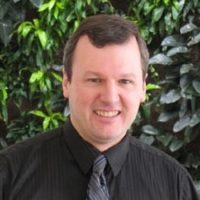
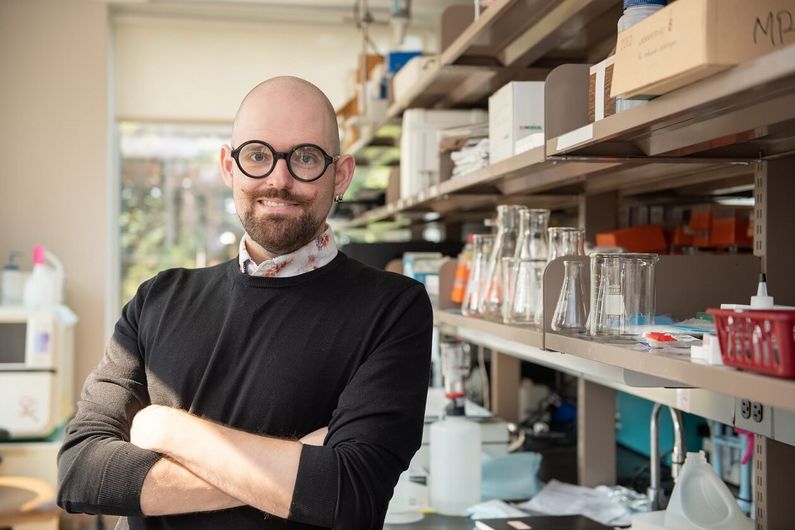
Bill Willmore is a Professor in the Department of Biology at Carleton University's Faculty of Science . His research explores oxygen-dependent regulation of protein structure and function, particularly under hypoxic conditions relevant to high-altitude physiology, developmental biology, and clinical pathologies like ischemic heart disease and stroke. B.Sc. (University of Guelph) Ph.D. (Carleton University) Research Interests: 1. Hypoxia-Inducible Factor-1 (HIF-1) Pathways : Investigates oxygen-dependent post-translational modifications controlling gene expression during hypoxia, focusing on angiogenesis and metabolic reprogramming. 2. Redox Signaling : Studies oxidative modifications of proteins by reactive oxygen species (ROS) and their protective mechanisms using antioxidants. Key Publications Trends (2009–2011) reveal work on: HIF-1 mediated hypoxia survival mechanisms ROS-induced enzyme inactivation Environmental contaminant impacts on experimental systems
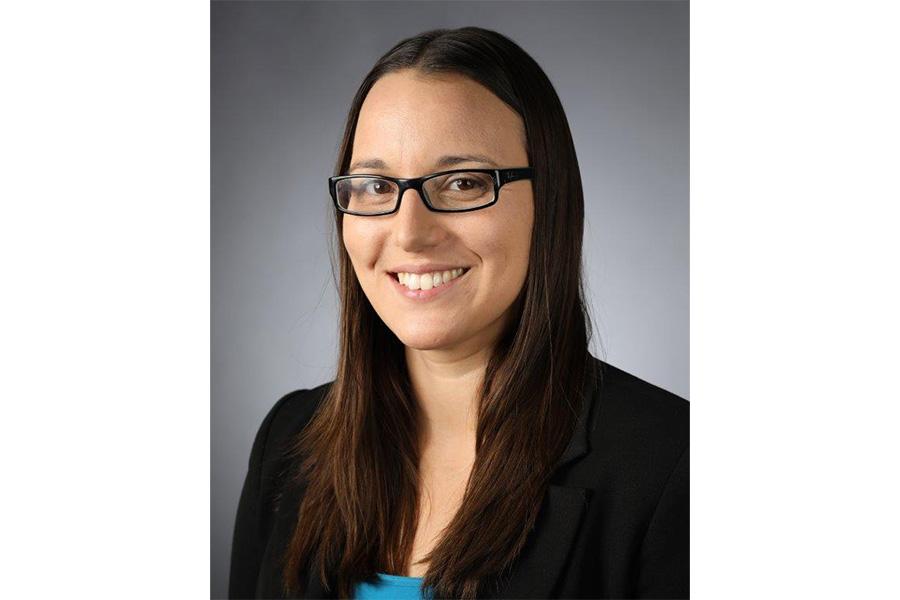
Samantha Pauls is an Assistant Professor in the College of Pharmacy at the University of Manitoba's Rady Faculty of Health Sciences. Her research examines links between innate immune cell activation and metabolic states, particularly in obesity, type 2 diabetes, and cardiovascular disease contexts within the Molecular Biotherapeutics research theme. Her laboratory investigates two primary questions: 1) How metabolic states of monocytes and macrophages influence disease progression, and 2) How pharmacological and dietary interventions can restore health through immune-metabolic pathway modulation. Research employs molecular biology techniques, bioenergetic profiling, and lipidomics to analyze immune cell function. Dr. Pauls' publication record demonstrates expertise in fatty acid immunology, with studies comparing effects of different omega-3 sources on macrophage function, oxylipin profiles, and metabolic outcomes. Her work appears in journals including BMC Health Services Research and Scientific Reports. With cross-disciplinary training in biochemistry and medical genetics, she mentors graduate students exploring immune-metabolic relationships and maintains affiliations with the Canadian Centre for Agri-Food Research in Health and Medicine. Current projects focus on pharmacologic modulation of monocyte bioenergetics in metabolic disorders.
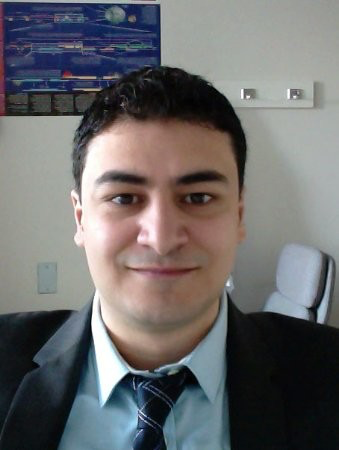
Dr. Yassine El Hiani is an Associate Professor at Dalhousie University in the Department of Physiology and Biophysics (Faculty of Medicine). His research focuses on ion channel biology and its role in cancer pathophysiology, cystic fibrosis, and cellular signaling. He holds a PhD from Université de Picardie Jules Verne (France) and completed a postdoctoral fellowship at Dalhousie University. Education: BA/BSc: Ibn Zohr University, Agadir, Morocco MA/MSc: Université de Picardie Jules Verne, Amiens, France PhD: Université de Picardie Jules Verne, Amiens, France Postdoctoral Fellowship: Dalhousie University, Halifax, Canada Research Interests: Dr. El Hiani investigates ion channel regulation under oxidative stress, particularly in cancer cells and cystic fibrosis. His lab studies mechanisms linking ion channels to cancer metabolism, chemoresistance, and metastasis. Key areas include TRP channel signaling, lysosomal-mitochondrial crosstalk, and anion transport in CFTR/SLC26A9 channels. Research Trends: Recent work emphasizes lysosomal ion channels (TRPML1/TRPML3) as oncogenic drivers, autophagy regulation, and drug resistance mechanisms. Publications highlight therapeutic potential of targeting ion channels in cancer and metabolic diseases. Lab & Mentorship: Actively mentoring students in MSc/PhD programs and undergraduate research projects. Students contribute to manuscripts and conference presentations. Lab emphasizes translational research bridging basic science and clinical applications. Laboratory Location: Tupper Building, Dalhousie University Medical Campus, Halifax, Nova Scotia.
Janelle Drouin-Ouellet is an Associate Professor at the Faculty of Pharmacy, Université de Montréal. She holds the Canada Research Chair in Direct Neural Reprogramming for Neurodegenerative Disorders and is affiliated with the SNC – Neural Signaling and Circuiterie Group and CIRCA – Interdisciplinary Brain and Learning Research Center . PhD in Neurobiology from Université Laval Postdoctoral training at University of Cambridge and University of Lund Her research focuses on direct neuronal reprogramming of patient-derived dermal fibroblasts to model neurodegenerative diseases, particularly Parkinson's. Key areas include: MicroRNA maturation targeting alpha-synuclein Sex differences in innate immune responses in Parkinson's Mitochondrial dysfunction in sporadic Parkinson's disease Conversion of fibroblasts into Schwann cells for nerve repair Role of PD-related proteins in T cell-mediated dopaminergic neuron death Microglial aging effects on dopamine neurons She leads or co-leads major funded projects including grants from: Canadian Institutes of Health Research (CIHR) Natural Sciences and Engineering Research Council (NSERC) Michael J. Fox Foundation Parkinson Canada Brain Canada Fonds de recherche du Québec – Santé (FRQS) Drouin-Ouellet has supervised Master's students in projects related to human microglial aging models and Schwann cell reprogramming. Her work bridges pharmacology , neuroscience , and regenerative medicine .
Antonio Calà Lesina is a Full Professor in Computational Photonics at the Leibniz University Hannover , leading research at the Hannover Centre for Optical Technologies . His academic journey includes a PhD in Information and Communication Technology from the University of Trento (2013), followed by postdoctoral and associate professor roles at the University of Ottawa (2013–2020). His research spans Nanophotonics , Metamaterials , and Plasmonics , focusing on inverse design, topology optimization, and dynamic control of optical systems via multiphysics simulations. Education : PhD (University of Trento, 2013); MSc in Telecommunications Engineering (University of Catania); BSc in Electronics Engineering (University of Catania) Current Position : Full Professor (Leibniz University Hannover, 2020–2025) His work explores Light-Matter Interactions and Nanostructures , with recent publications on anapole states , multiresonant metasurfaces , and hyperbolic metamaterials . He employs Finite-Difference Time-Domain (FDTD) simulations and deep learning for inverse design in nanophotonics. Collaborations include institutions like the University of Ottawa and research centers in Europe, aligning with the EULiST alliance . Despite no explicit awards mentioned, his contributions to optical beam steering , nonlinear metasurfaces , and machine learning integration highlight his impact in the field.
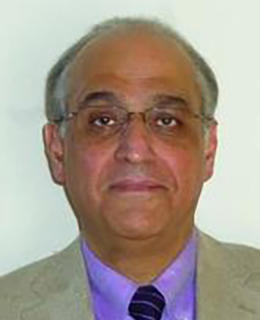
Sherif Abou Elela is a researcher affiliated with the University of Sherbrooke and its Centre de recherche du CHUS . His work focuses on RNA processing, stability, and alternative splicing, with implications in cancer biology and gene expression regulation. Education: Postdoctorate, University of California, Santa Cruz (1997) PhD in Biology, University of Guelph (1994) BSc, University of Qatar (1987) Research Interests: RNA processing and stability in gene expression, splicing program modulation in cancer and stress, snoRNA biology, yeast RNA metabolism, and RNA-binding proteins. He explores how RNA decay and splicing mechanisms can inform mammalian models and human disease diagnostics. Article Trends: Recent work emphasizes snoRNA annotation tools (e.g., SnoBIRD), stress-induced splicing adaptations (cells resist starvation), yeast RNase III roles in gene regulation, and cancer-specific non-coding RNA interactions (e.g., H/ACA snoRNAs). Computational approaches (snoDB, SAPFIR, snoGloBe) and yeast as a model organism are recurring themes. Patents & Contributions: He holds patents for methods to reprogram splice site selection and cancer biomarker discovery. He organized the Ribo Club conference, indicating leadership in RNA research.
Hamid Habibi is Professor in the Department of Biological Sciences at University of Calgary, with cross-appointment to the Libin Cardiovascular Institute. His research explores endocrine control of reproduction and growth in vertebrates, emphasizing gonadotropin regulation, GnRH applications, and environmental endocrine disruption using fish models. Awarded the Khwarizmi International Prize and UNESCO/TWAS professorship, his innovations include transgenic plant-based fish growth enhancement. Education includes a PhD and B.S. in Biological Sciences from University of Birmingham. Research integrates molecular endocrinology with environmental toxicology, examining GnRH functional diversity, thyroid-reproductive interactions, endocrine disruption mechanisms, and probiotic interventions against contaminants. Studies utilize goldfish and zebrafish models to dissect hypothalamic-pituitary-gonadal axis regulation. Recent publications demonstrate strong focus on endocrine disruptor impacts (BPA, glyphosate, phthalates) in aquatic models, thyroid-gonadal crosstalk, and probiotic mitigation strategies. Metabolomic/transcriptomic approaches reveal contaminant effects on reproduction and metabolism. Visiting Professorship, Università Politecnica delle Marche, Italy (2015) 18th Khwarazmi International Distinguished Research Award (2005) Grace Pickford Medal (2001) UNESCO/TWAS Professorship in Sustainable Development (2001) Leads projects on agrochemical impacts funded by NSERC and industry partners. Supervises graduate trainees in cellular/molecular biology techniques within the Aquatic Endocrinology Laboratory.
Dr. Adnane Sellam is an Associate Professor in the Department of Microbiology-Infectiology and Immunology at the University of Montreal and a researcher at the Montreal Heart Institute. He previously held positions at Laval University and CHU de Québec. His research integrates genomics and systems biology to study fungal pathogenesis in opportunistic yeasts like Candida albicans and C. auris . Research Focus: His program investigates: 1) Hypoxia's impact on fungal virulence and fitness, 2) Discovery of novel antifungal molecules (including clinical-phase candidates against fungal vaginosis), and 3) Coordination of growth and cell division mechanisms in pathogenic yeasts. His work bridges fundamental biology with therapeutic development. Funding & Collaboration: Supported by federal (CIHR, NSERC, CFI) and provincial (FRQS, CQDM) agencies, Merck-Frost, and international collaborators. Current lab members include PhD student Inès Khemiri and research associate Faiza Tebbji.
Dr. Faith Brennan is an Assistant Professor in the Department of Biomedical and Molecular Sciences at Queen's University, Canada, leading the Neurotrauma Laboratory. She holds academic appointments in the Faculty of Health Sciences and is affiliated with the Translational Institute of Medicine (TIME). Her research focuses on neuroinflammation and peripheral complications post-neurotrauma, particularly spinal cord injury. Brennan completed her Ph.D. in Physiology at the University of Queensland (2015) and post-doctoral work at The Ohio State University, supported by prestigious fellowships. Her educational background includes a B.Sc. Hons (Class I) and a B.Sc. in Medical Science from the University of Queensland. She has secured significant funding, including grants from the NSERC, CFI, and Wings for Life Foundation. Her lab investigates microglial roles in neural repair, autonomic plasticity, and systemic immune interactions post-injury. Key achievements include awards such as the EBIC Sir Graham Teasdale Award (2021) and recognition for mentorship. The Brennan Lab actively recruits students and researchers in neuroscience, immunology, and genomics. Their work bridges basic science and clinical applications, aiming to improve outcomes for neurotrauma patients. Labs/Teams: Neurotrauma Laboratory (Queen's University), part of the Department of Biomedical & Molecular Sciences. Lab location: 7th floor of Botterell Hall.
Dr. Li-Fang Chu serves as an Assistant Professor (Teaching & Research) in the Department of Comparative Biology & Experimental Medicine at the University of Calgary's Faculty of Veterinary Medicine. He holds a Tier II Canada Research Chair in Cellular Reprogramming and maintains significant affiliations with the Alberta Children's Hospital Research Institute (ACHRI) as a Child Health & Wellness Researcher and with the McCaig Institute for Bone and Joint Health as an Associate Member. Dr. Chu leads the Reproduction and Regenerative Medicine Research Group and directs the Chu Lab, which focuses on fundamental questions in developmental biology. Dr. Chu received his BSc from National Taiwan University followed by a PhD in cell and molecular biology from Baylor College of Medicine. He completed postdoctoral training with Dr. James Thomson at the Morgridge Institute for Research, University of Wisconsin-Madison, where he developed expertise in stem cell biology and developmental timing. He joined the University of Calgary in August 2020. Dr. Chu's research program centers on understanding the principles governing temporal and spatial patterning in development and disease. His lab is particularly interested in the developmental clock - investigating why different species have vastly different gestation periods and how genes regulate the tempo of embryonic development. The Chu Lab developed an in vitro segmentation clock model derived from human embryonic stem cells, which recapitulates species-specific gene oscillatory periodicity. This innovative system allows researchers to study how the developmental clock operates and how its misregulation causes congenital vertebral malformations. Analysis of Dr. Chu's publication record reveals a consistent focus on developmental timing mechanisms, cellular reprogramming, and stem cell-based disease modeling. His work bridges fundamental developmental biology with potential clinical applications in regenerative medicine. The research demonstrates increasing sophistication in methodology, incorporating advanced techniques like single-cell transcriptomics, real-time live-cell imaging, and 3D organoid systems to address complex questions in developmental biology. Dr. Chu's scientific recognition includes: Tier II Canada Research Chair in Cellular Reprogramming (CIHR, 2021) Dr. Chu teaches several courses including VETM 422 Virology, VETM 702 Advanced Topics in Stem Cell Biology and Regenerative Medicine, VETM 324 Genetics and Molecular Biology, and MDSC 609.02 Genes and Development. His research has attracted significant attention, with multiple news features highlighting his work on pig-human genetic relationships, pig retinal cells for eye treatments, reindeer antlers and human limb regeneration, and the observation of the human developmental clock. The Chu Lab employs a multidisciplinary approach combining pluripotent stem cell culture, differentiation, organoids, cellular reprogramming, gene editing, real-time live-cell imaging, luminescence imaging, lineage-tracing, mouse genetics, flow cytometry, and single-cell and bulk RNA-seq. The lab's long-term goals include understanding fundamental mechanisms regulating developmental timing, identifying genetic factors controlling developmental clocks across species, and pursuing novel therapeutic strategies for disorders caused by misregulation of developmental clocks.
Julie Brind'Amour is an Adjunct Professor at the Faculty of Veterinary Medicine, Université de Montréal, affiliated with the Department of Veterinary Biomedicine. She is a member of the Centre de recherche en reproduction et fertilité (CRRF) and the Centre d'expertise et de recherche clinique en santé et bien-être animal (CERCL). B.Sc. in Microbiology (Université Laval, 2003) M.Sc. in Molecular and Cellular Biology (Université Laval, 2005) Ph.D. in Medical Genetics (University of British Columbia, 2011) Postdoctoral research in Medical Genetics (University of British Columbia, 2012-2019) Her research focuses on epigenetic remodeling during germline and early embryonic development, particularly examining the effects of interventions or mutations on maternal epigenome establishment and their impact on offspring. Key projects include studies on heterochromatin proteins, maternal genetic effects, and bovine epigenetic markers. Recent publications highlight her work on retrotransposon-driven epigenetic modifications, histone-DNA methylation interplay, and low-input ChIP-sequencing methodologies. These studies span genetics, epigenetics, and developmental biology with applications in reproductive health and veterinary medicine. Post-Doctoral Fellowship Award, Michael Smith Foundation for Health Research (2015) She collaborates with researchers like Greg Fitzharris and contributes to projects funded by agencies including FRQNT, CIHR, and NSERC. Her work bridges fundamental biological mechanisms with practical applications in animal reproduction and epigenetic disorder detection.
Dr. Subash Sad is a Full Professor specializing in Biochemistry, Microbiology, and Immunology. His research focuses on mechanisms of inflammation and immune system regulation, particularly necroptosis—a form of programmed cell death. His laboratory investigates how macrophage necroptosis contributes to chronic inflammatory diseases like sepsis, cystic fibrosis, and gut inflammation. Current projects include evaluating the role of interferon signaling in necroptosis, mechanisms of pulmonary exacerbations in cystic fibrosis, and the transcription factor FoxO3a's impact on intestinal inflammation. Research methodologies involve cell biological and genomic approaches, including recombinant pathogen engineering, knockout mice models, and in vivo/in vitro functional assays. Key findings include identifying interferon as a critical upstream regulator of necroptosis and linking FoxO3a to glutaminolysis control in T cells. Dr. Sad's work bridges basic immunology with translational applications, targeting therapies for inflammatory diseases. Recent publications emphasize bacterial pathogenesis (e.g., Salmonella, Pseudomonas), NK cell metabolism, and inflammasome regulation. These studies underscore the interplay between cellular metabolism, immune signaling, and disease progression. Ongoing projects aim to develop novel therapeutic strategies by modulating necroptosis pathways and understanding host-pathogen interactions in chronic infections. His research has implications for treating sepsis, cystic fibrosis exacerbations, and intestinal inflammation. Collaborative efforts focus on translating mechanistic insights into clinical applications, such as bacteriophage therapy and immune-based interventions.
Deborah Sloboda is a Professor in the Department of Biochemistry and Biomedical Sciences at McMaster University , with associate memberships in Obstetrics, Gynecology, and Pediatrics. She maintains an Honorary Research Fellow position at the Liggins Institute in New Zealand and leads the Sloboda Lab , focusing on developmental programming and maternal-fetal health. Tier 2 Canada Research Chair in Perinatal Programming (2012–2022) Founding Co-President, DOHaD Society of Canada Former Secretary, International Society for Developmental Origins of Health and Disease Research Interests span developmental programming, maternal nutrition, placental function, and long-term health outcomes. Her work integrates evolutionary anthropology, epigenetics, and microbiome studies to understand how early-life nutritional adversity affects metabolic and reproductive systems. Scientific Awards International Society of DOHaD Nick Hales Award (2015) Hamilton YWCA Woman of Distinction Award in Science, Trade, and Technology (2017) Publications (>130) emphasize sex-specific effects of maternal diets, glucocorticoid exposure , and microbiome-immune interactions in pregnancy. Recent work explores syndemic effects of food insecurity and epigenetic impacts of paternal obesity.
Locke Davenport Huyer, PhD, is an Assistant Professor at Dalhousie University within the School of Biomedical Engineering, cross-appointed to the Departments of Biomaterials & Applied Oral Sciences, Biomedical Engineering, and Microbiology & Immunology. He is also an Affiliate Scientist with Nova Scotia Health. His research focuses on engineering biomaterials that modulate host immune responses to medical implants, integrating immunometabolism and mechanistic immunology with polymer design. Key research areas include Decoding immune cell behavior at biomaterial interfaces using gene expression, metabolomics, and flow cytometry Developing immunometabolism-inspired degradable polymer libraries Designing next-generation implantable materials with tunable immune-regulatory properties Scientific awards include the Dalhousie University President’s Research Excellence Award – Emerging Investigator (2024) as well as editorial advisory roles. His lab collaborates with clinical and engineering teams, leveraging animal models, patient samples, and in vitro systems to translate technologies into degradable medical devices. He also contributes to STEM education initiatives through the Discovery program for high school students.
Sergio Crespo-Garcia is an Assistant Professor at the University of Montreal, affiliated with both the School of Optometry and the Department of Pharmacology and Physiology within the Faculty of Medicine. His research focuses on retinal degeneration, diabetes, and vascular biology, particularly investigating interactions between retinal blood vessels and cellular senescence in ocular diseases. Education: B.Sc. in Biology (2012, IE University, Spain) M.Sc. in Cellular Biology (2013, Universidad Complutense de Madrid) Post-graduate Certificate in Ophthalmology (2016, University of Lincoln, UK) Dr. rer. med. in Biomedical Sciences (2017, Charité Universitätsmedizin Berlin) Postdoctoral training in Medical Biochemistry (2022, Maisonneuve-Rosemont Hospital Research Center, Canada) Research Interests: His work explores mechanisms underlying retinal vascular diseases, including diabetic retinopathy and age-related macular degeneration. Key areas include cellular senescence, metabolic pathways, and therapeutic approaches targeting senescent cells using senolytics. He investigates how senescent cells contribute to pathological angiogenesis and vascular dysfunction. Notable Achievements: Recipient of the HMR Foundation Publication Prize (2022) and Relève Étoile Jacques-Genest Award (2021) for work in Cell Metabolism . Developed novel models for diabetic retinopathy and identified therapeutic targets like BCL-xL inhibitors. Leading projects funded by agencies such as FRQS, CRSNG, and the Canadian Heart & Stroke Foundation. Grants & Collaborations: He leads or co-leads multiple grants, including studies on glycocalyx intercellular causality (CRSNG), faulty perivascular metabolism (Heart & Stroke Foundation), and pre-clinical assays for geographic atrophy (RRSV Network). Labs & Teams: Runs a lab focusing on neurovascular interactions in the retina, collaborating with the Marie Curie Alumni Association and networks like GRUM and RRSV.