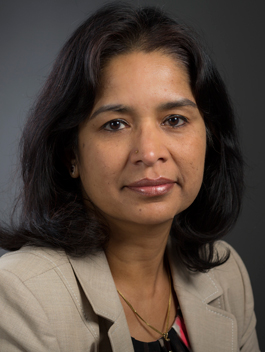
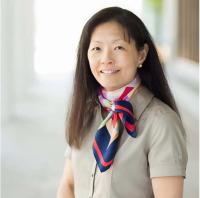
Dr. Tamar Avin-Wittenberg is a Group Leader in the Department of Plant and Environmental Sciences at the Hebrew University of Jerusalem. Her research focuses on plant cellular recycling mechanisms, particularly autophagy, and its role in metabolic adaptation during development and stress conditions. She investigates how plants manage energy resources by degrading cellular components to enhance resilience and yield potential. Education: BSc in Life Sciences (Ben-Gurion University, 2003), MSc in Immunology (Weizmann Institute, 2006), PhD in Plant Sciences (Weizmann Institute, 2012), and Postdoc in Plant Metabolism (Max Planck Institute, Germany, 2016). Research Interests: Autophagy's role in lipid metabolism, stress responses, seed development, and metabolic reprogramming. Her work bridges molecular mechanisms with whole-plant physiology, aiming to improve crop tolerance and yield through metabolic insights. Lab Members: Includes PhD/MSc students (Shahar Weiss, May Barani Maung, Yakov Zelzer, etc.) and research interns. Alumni include Dr. Sahar Magen (2020–2025). Publications Highlight: Over 30 peer-reviewed articles, including studies on autophagy-lipid interactions, seed development regulation, and metabolic adaptations under stress. Key work published in Plant Physiology , New Phytologist , and Autophagy .
Professor Ben Simons is a faculty member at the University of Cambridge, affiliated with the Department of Applied Mathematics and Theoretical Physics and serving as a Senior Group Leader at the Wellcome Trust-CRUK Gurdon Institute. With a background in theoretical condensed matter physics, he has pioneered the application of non-equilibrium statistical physics and mathematical modeling to stem cell biology. His research focuses on stem cell fate dynamics in tissue development, maintenance, and disease, particularly in epithelial tissues like brain, epidermis, intestine, lung, and testis. He has developed innovative lineage tracing methodologies and single-cell analysis frameworks to understand stochastic renewal programs and cellular reprogramming in cancer. Key publications reveal trends in computational stem cell biology , clonal competition , and mechanistic modeling of tissue architecture . His group collaborates extensively across developmental biology , cancer research , and regenerative medicine . Scientific accolades include: Royal Society EP Abraham Professorship Wellcome Trust Investigator Award Royal Society Research Fellowship Herchel Smith Chair in Physics The Simons Group includes researchers like Lemonia Chatzeli (Research Assistant) and Yanbo Yin (PhD Student), working at the Gurdon Institute on projects spanning stem cell homeostasis, tumor initiation, and human epithelial development using 3D organoid models .
Jens Schmidt is an Associate Professor in the Department of Obstetrics, Gynecology and Reproductive Biology at Michigan State University. His research focuses on cell biological and biophysical mechanisms underlying genomic integrity and cancer prevention. He earned his Ph.D. in Biology from the Massachusetts Institute of Technology, studying chromosome segregation, followed by postdoctoral training in the Department of Chemistry and Biochemistry at the University of Colorado Boulder. Dr. Schmidt’s lab investigates telomerase-mediated telomere maintenance using biochemical and single-molecule techniques. Key research themes include understanding how telomerase interacts with telomeres (fast probing vs. long-static interactions) and quantifying telomere elongation events for potential cancer therapy applications. His work bridges molecular biology and quantitative analysis to address fundamental questions in cellular oncogenesis. No specific scientific awards or grants are listed in the provided text. The Schmidt Lab collaborates on projects targeting telomerase as a therapeutic strategy, emphasizing interdisciplinary approaches between cell biology and biophysics.
William Griffith is the Interim Senior Associate Dean for Faculty Affairs and Faculty Development at the Texas A&M University School of Medicine, holding the rank of Regents Professor in the Department of Neuroscience & Experimental Therapeutics. He is affiliated with Texas A&M University in Bryan, Texas. Education: PhD from the University of Texas Medical Branch (1980), followed by postdoctoral training at Baylor School of Medicine's Department of Neurology. Research focuses on rapid non-genomic actions of estrogens during aging and reproductive senescence, particularly their roles in neuronal physiology, stroke, cognitive impairment, and inflammation. Techniques include electrophysiology, calcium signaling analysis, and laser confocal microscopy. His work aims to uncover mechanisms underlying age-related neurological changes to inform therapeutic targets. Awards: Distinguished Alumnus Award from UTMB (Galveston). No specific grants or advising details are provided in the text. His research utilizes rodent models of ovarian aging and examines estrogen therapy effects on synaptic function.
Professor Mark A Febbraio is a Senior Principal Research Fellow at Monash Institute of Pharmaceutical Sciences, Monash University, Australia. He heads the Cellular and Molecular Metabolism Laboratory within the Drug Discovery Program. His research focuses on exercise physiology, obesity, type 2 diabetes, and cancer, with a goal to develop novel pharmaceutical therapies for lifestyle-related diseases. He also serves as CSO of N-Gene Research Laboratories (USA) and founder/CSO of Kinomedica. Research Interests His work spans cellular metabolism, drug discovery targeting metabolic pathways, and mechanisms linking exercise to healthspan extension. Key areas include: Exercise-induced signaling molecules (myokines/exerkines) Metabolic reprogramming in obesity-related cancers Role of extracellular vesicles in inter-organ communication Ceramide-driven insulin resistance and NASH progression Notable Achievements Over 260 peer-reviewed publications (H-index 105) 35,000+ career citations Awarded prestigious prizes including the A K McIntyre Prize (1999), ESA/ADS Plenary Lecture (2009), and Kellion Award (2017) Current Projects Development of GPCR-targeted therapeutics for heart failure Targeting gut ceramides to improve insulin sensitivity Mapping inter-organ cross-talk during exercise Collaborations & Industry He collaborates internationally and leads industry partnerships through his roles in biotech companies, focusing on translating lab discoveries into clinical treatments for metabolic disorders.
Susan Fisher is a distinguished Professor at the University of California San Francisco (UCSF) School of Medicine, where she leads a multifaceted research program focused on placental development, trophoblast biology, and pregnancy complications. Her work bridges basic science and clinical applications, with particular emphasis on understanding the molecular mechanisms underlying normal and pathological pregnancy processes. As Principal Investigator on numerous NIH-funded projects since 1982, she has established herself as a leader in reproductive biology research. Dr. Fisher's educational foundation includes: A.B. in Biology and Chemistry from Hope College, Holland, Michigan (1972) M.S. in Anatomy from University of Michigan, Ann Arbor (1973) Ph.D. in Anatomy from University of Kentucky, Lexington (1977) Postdoctoral training in Mass Spectrometry at University of Kentucky (1977-1982) Her research program centers on three interconnected areas. First, she investigates the cellular mechanisms of trophoblast invasion during normal pregnancy, discovering how cytotrophoblasts regulate their invasive potential through balanced expression of pro- and anti-invasive molecules and how oxygen tension controls their differentiation. Second, her lab studies early human development using embryonic stem cell models, with recent work on apical-basal polarization and constructing human embryo fate maps. Third, she applies mass spectrometry approaches to proteome analyses, including salivary proteome mapping for disease diagnosis and environmental impact studies on placental development. Analysis of her recent publications reveals a strong trend toward multi-omics approaches (transcriptomics, proteomics, lipidomics) to investigate environmental impacts on pregnancy. Her work increasingly examines how chemicals like pesticides, flame retardants, and bisphenol analogs affect placental function, with particular focus on molecular mechanisms linking environmental exposures to pregnancy complications like preeclampsia. This represents a significant shift toward translational environmental reproductive health research. Dr. Fisher's scientific excellence has been recognized through numerous prestigious awards: Multiple NIH MERIT Awards (DE07244 in 2002 and HD076253 in 2014) UCSF Academic Senate Distinguished Teaching Award (1987) Pew Foundation Faculty Development Award (1988) UCSF Graduate Association Outstanding Mentor Award (2004) Frontiers in Reproduction Research Program Pioneer Award (2013) NIH State of the Art Lecture invitation As a dedicated mentor and investigator, Dr. Fisher has maintained continuous NIH funding since 1982, directing major research initiatives including the UCSF Pregnancy Exposures to Environmental Chemicals (PEEC) Children's Center. Her laboratory has trained numerous graduate students and postdoctoral fellows, contributing significantly to the field through both scientific discoveries and人才培养. Her collaborative approach spans multiple disciplines, integrating cell biology, molecular techniques, and clinical perspectives to advance understanding of reproductive health. Dr. Fisher leads a dynamic research team that combines traditional cell biology approaches with cutting-edge omics technologies. Her laboratory participates in several major collaborative initiatives at UCSF, particularly the PEEC Children's Center, which brings together environmental health scientists, obstetricians, and molecular biologists to investigate how environmental factors impact pregnancy outcomes. This interdisciplinary approach characterizes her research philosophy, bridging basic science with clinical applications to address critical issues in women's reproductive health.
Dr. Stanley Fisher is a Professor at SUNY Downstate Medical Center with a primary appointment in the Department of Pediatrics. His research spans both clinical pediatrics and genetic neuroscience, with a notable shift from early work on neonatal hepatic injury to more recent large-scale genetic studies. He maintains a secondary appointment in the Department of Cell Biology and collaborates extensively with researchers across multiple institutions. Primary Appointment: Department of Pediatrics Secondary Appointment: Department of Cell Biology Institution: SUNY Downstate Medical Center, Brooklyn, New York Dr. Fisher's research interests have evolved significantly over his career. Early work focused on lipoprotein metabolism in neonatal hepatic injury and fibrosis, particularly examining how endotoxin affects lipoprotein production in developing livers. More recently, his research has shifted toward genetic neuroscience, with significant contributions to understanding the genetic architecture of brain development, dyslexia, and neurodevelopmental disorders. His work often involves large international collaborations such as the ENIGMA consortium. Analysis of Dr. Fisher's publication history reveals a clear transition from pediatric physiology to genetic neuroscience. His early publications (1997-1998) focused on placental physiology, neonatal liver function, and inflammatory bowel disease in children. Since 2018, he has been consistently publishing in high-impact genetics and neuroscience journals, contributing to major studies on neurodevelopmental disorders, brain structure genetics, and dyslexia. This represents a significant evolution in research focus while maintaining a connection to pediatric and developmental conditions. Dr. Fisher has participated in numerous high-impact collaborative research projects, particularly in the field of genetic neuroscience. His work with the ENIGMA consortium represents a major contribution to global neuroscience research. Dr. Fisher collaborates with multiple researchers including Dr. Mahmood Hussain (Cell Biology) and Dr. Andras Divald (Pediatrics) on projects related to neonatal physiology. His more recent work involves extensive international collaborations across dozens of institutions for large-scale genetic studies.
Paulino Martinez Portela is a Professor at the University of Santiago de Compostela, affiliated with the Faculty of Veterinary Medicine and the Department of Zoology, Genetics and Physical Anthropology. His research is centered within the Strategic Grouping in Sustainable Management and Production of Bioresources (BioReDes) and the ACUIGEN research group focused on Genetics for aquaculture and resource conservation. Dr. Martinez Portela earned his doctorate from the University of Santiago de Compostela in 1992 with a thesis on "Cytogenetic characterization and allozyme analysis in 'Salmo trutta' conservation of genetic resources," directed by Dra. Laura Sánchez Piñón. His research spans multiple areas of genetics with a strong emphasis on aquaculture applications. Martinez Portela's work primarily focuses on fish genetics, genome analysis, and sex determination systems across various marine species. His expertise encompasses population genetics, molecular evolution, and conservation genetics, with particular attention to economically important species like turbot, sole, and oysters. The researcher has made significant contributions to understanding chromosome structure, gene function, and adaptation mechanisms in aquatic organisms. Analysis of Martinez Portela's recent publications reveals a strong trend toward advanced genomic techniques including chromosome-level genome assembly, transcriptomic analysis, and population genomics approaches. His work frequently addresses practical aquaculture challenges such as disease resistance, reproductive management, and selective breeding. The research spans fundamental genetic mechanisms to applied solutions for sustainable aquaculture production, with particular emphasis on European marine species. Dr. Martinez Portela is actively involved in multiple research initiatives including the Strategic Grouping in Sustainable Management and Production of Bioresources (BioReDes) and leads the ACUIGEN research group. His laboratory work focuses on cutting-edge genomic technologies applied to aquaculture species, with emphasis on understanding genetic mechanisms underlying economically important traits.
Professor Austin Smith is a faculty member at the University of Exeter, where he serves as Director of the Living Systems Institute and holds the Medical Research Council Professor title. He has previously held leadership roles at the University of Edinburgh and University of Cambridge, including founding Director of the Cambridge Stem Cell Institute and Director of the Institute for Stem Cell Research. His research focuses on pluripotent stem cell biology, investigating how cellular potency and lineage competence are encoded in dynamic regulatory networks. He explores mechanisms of cell fate decision-making and applies this knowledge to optimize stem cells for biomedical applications such as disease modeling and cell therapy. Professor Smith welcomes PhD and postdoctoral researchers with expertise in stem cell biology, developmental signaling, computational biology, and genetic manipulation. His group has mentored clinical fellows and MB PhD students through the GW4-CAT Programme for Health Professionals. Scientific Awards FRS (Fellow of the Royal Society)
Dr. Lakshmi Krishnan is an Adjunct Professor at the Department of Biochemistry, Microbiology and Immunology within the Faculty of Medicine at the University of Ottawa. Concurrently, she serves as the Director General of the National Research Council of Canada (NRC)'s Human Health Therapeutics Research Centre, leading initiatives in infectious diseases and cancer therapeutics. Education: Master's in Bio-medical Genetics (University of Madras), Ph.D. in Immunology (National Institute of Immunology, India), Postdoctoral studies at the University of Alberta Dr. Krishnan's research focuses on vaccine adjuvant development, host-pathogen interactions, and immunotherapy. Her work bridges immunology and microbiology to address critical challenges in infectious diseases and oncology. She has secured competitive research grants from agencies like CIHR, NIH, and OICR, supporting her contributions to therapeutic innovation. She chairs the Federal Vaccine Research Innovation and Development committee, fostering cross-departmental collaboration in Canada. Her career spans over two decades at the NRC, where she previously led vaccine programs and directed R&D initiatives in immunobiology.
Valeria Groma is an Associate Professor at Riga Stradins University's Faculty of Medicine, Institute of Anatomy and Anthropology, Department of Morphology. She also serves as the Head of the Interdepartmental Electron Microscopy Laboratory, demonstrating her leadership in advanced microscopic techniques and pathological analysis. Dr. Groma earned her Doctor's diploma from Riga Medical Institute's Faculty of Medicine (1975-1981), followed by a Candidate of Medical Sciences diploma (1987-1992), Dr.med. from the Latvian Academy of Medicine (1992-1998), and ultimately a Dr. habil. med. from Riga Stradins University (1998-present). Her academic journey reflects a deep commitment to medical sciences and pathology. Her primary research interests encompass cell biology, histology, and electron microscopy with specific focus on cytoskeleton organization and its changes in disease states, ultrastructural characteristics of apoptosis, and the study of neurotrophins and their receptors in non-neural tissues. She has made significant contributions to understanding salivary gland pathology, oral mucosa morphology, hepatic stellate cells in liver diseases, and the role of viral infections in various pathological conditions. Her work bridges basic morphological research with clinical applications, particularly in cardiac valve pathology, autoimmune disorders, and biomaterials. Dr. Groma's recent publications demonstrate a strong focus on the intersection of virology and pathology, particularly examining how herpesviruses (HHV-6, HHV-7) and parvovirus B19 contribute to various pathological conditions including encephalopathy, autoimmune thyroid diseases, and cardiac valve disorders. Her research employs sophisticated techniques including electron microscopy, immunohistochemistry, and molecular analysis to uncover the underlying mechanisms of disease. Zelta ābele award (2012) for her monograph ŠŪNA: uzbūve, funkcijas, molekulārie pamati (Cell: structure, functions, molecular foundations) RSU Administration award (2010) for contribution to Scientists Night event Academic award Best Academic Unit 2010 (2010) Scientific laboratory 2016 award (2016) Dr. Groma has supervised numerous PhD candidates including A. Kazanceva (Ivanova) on salivary gland tumors, S. Skuja on CNS changes in toxic exposures, and has served as scientific consultant or co-supervisor for several other researchers. Her research has been supported by multiple grants from the Latvian Academy of Sciences, including projects on growth factors in salivary gland dysfunction, neurotrophins in non-neuronal tissues, viral infections in autoimmune disorders, and cardiac valve pathology associated with viral infections. As head of the Interdepartmental Electron Microscopy Laboratory, Dr. Groma oversees advanced microscopic analysis that supports research across multiple disciplines. She has organized and chaired several international microscopy conferences including Diagnostic Electron Microscopy Basic Research & Oncology - Ultrapath XVI in Regensburg, Germany (2012), and the MC 2011 Microscopy Conference in Kiel, Germany.
Dr. Yvonne Lin-Liu is a Board Certified Gynecologic Oncologist and Staff Physician in the Division of Gynecologic Oncology within the Department of Obstetrics, Gynecology and Reproductive Sciences at the University of California, San Francisco (UCSF). She specializes in treating gynecologic cancers with a patient-centered approach, focusing on helping patients understand their disease biology and available treatment options, particularly serving women seeking second opinions. Dr. Lin-Liu's educational background includes: SB in Chemistry from Massachusetts Institute of Technology (1993) MS in Epidemiology from Harvard School of Public Health (1995) MD from University of California-Irvine College of Medicine (2001) Residency in Obstetrics & Gynecology from Beth Israel Deaconess Medical Center (2005) Fellowship in Gynecologic Oncology from The University of Texas M.D. Anderson Cancer Center (2009) Her research focuses on molecular mechanisms of gynecologic cancers, particularly examining the role of glucose-regulated protein-78 (GRP78), AKT signaling pathways, and the impact of obesity on cellular stress in endometrial cancer development. She has investigated natural compounds like curcumin for cancer treatment and explored the relationship between chronic stress and cancer progression. Her work bridges basic science discoveries with clinical applications to improve patient outcomes. Analysis of her publication record reveals a consistent trajectory in gynecologic oncology research, with emphasis on molecular pathways in endometrial and ovarian cancers. Her work spans from fundamental molecular investigations to clinical studies examining treatment patterns, demonstrating an integrated approach to cancer research that connects laboratory findings with patient care considerations. Dr. Lin-Liu has received significant recognition for her contributions to the field: NIH/NCI Career Development Award (2013) Gynecologic Cancer Foundation/St. Louis Ovarian Cancer Awareness Research Award (2011) Dr. Lin-Liu was previously an NCI-funded physician-scientist at UCSF studying obesity's impact on endometrial cancer before joining Genentech in 2014 as a Group Medical Director. Despite her industry role, she maintains active clinical practice, believing direct patient care is essential to developing effective cancer therapies. She serves on various professional society committees focused on development and editorial boards of prominent journals, demonstrating ongoing commitment to academic medicine. She is an active member of the Society of Gynecologic Oncology, Western Association of Gynecologic Oncologists, American Association for Cancer Research, and American Society of Clinical Oncology, contributing to the broader cancer research community through these professional affiliations.
Richard M. Amasino is the Carlos O. Miller Professor of Biochemistry and a Howard Hughes Medical Institute Professor at the University of Wisconsin-Madison. He studies the biochemical and genetic mechanisms of plant development, particularly vernalization and flowering regulation in species like Arabidopsis thaliana and Brachypodium distachyon . Education: B.S., Pennsylvania State University; Ph.D., Indiana University His research focuses on developmental biology, gene expression, RNA biology, and epigenetic regulation of flowering. He investigates how prolonged cold exposure (vernalization) epigenetically silences the FLC gene in Arabidopsis , ensuring flowering occurs only after winter. The articles listed highlight his work on vernalization, epigenetics, and genetic regulation across plant species. Trends include molecular mechanisms of flowering time, cold response, and agricultural biotechnology applications. Scientific Awards: U.S. National Academy of Sciences (2006) Howard Hughes Medical Institute Professor (2006) Carlos O. Miller Professorship (2018) Kellett Award (2005) AAAS Fellow (2011) Amasino contributes to science education initiatives and serves as a leader in plant biochemistry and genetics at UW-Madison. His lab’s work with the Great Lakes Bioenergy Research Center explores biomass traits in Brachypodium distachyon .
Alan K Fotoohi is a Researcher affiliated with the Department of Laboratory Medicine at Karolinska Institutet in Stockholm, Sweden, holding a position from 2023 to 2026. He earned his PhD from the Department of Oncology-Pathology at Karolinska Institutet in 2007. His educational background includes: Doctor of Philosophy, Department of Oncology-Pathology, Karolinska Institutet, 2007 Fotoohi's research spans Cancer and Oncology, Clinical Laboratory Medicine, and Pharmacology and Toxicology. His work focuses on pharmacogenetics, drug metabolism, and chemotherapy, particularly investigating genetic polymorphisms that influence drug response and toxicity in cancer patients. He has developed and validated laboratory methods for drug monitoring and has conducted population studies in diverse ethnic groups, including Ethiopian and Kurdish populations. Analysis of his 15 most recent publications (2004-2022) reveals a strong emphasis on personalized medicine in oncology. His studies frequently examine the impact of genetic variants (e.g., in DPYD, CYP2D6, CYP2J2, and thiopurine methyltransferase) on the pharmacokinetics and pharmacodynamics of chemotherapeutic agents such as tamoxifen, cyclophosphamide, and thiopurines. This research has contributed to understanding interindividual variability in drug response and optimizing dosing strategies.
John N. Buchholz, PhD is a Professor and Vice Chair of the Pharmacology Division within the Basic Sciences department at Loma Linda University School of Medicine. With over three decades of academic service, he maintains an active research program focused on cerebrovascular physiology and pharmacology, particularly examining intracellular calcium signaling mechanisms in endothelium, smooth muscle cells, and vascular sympathetic neurons. Dr. Buchholz's educational background includes a PhD (1989), MS (1984), and BS (1980), all from Loma Linda University. His teaching responsibilities encompass Neuropharmacology (PHRM 554), Cardiovascular & Renal Pharmacology (PHRM 564), and Advanced Physiology & Pathophysiology (PHSL 506). PhD, Loma Linda University (1989) MS, Loma Linda University (1984) BS, Loma Linda University (1980) His research interests span cardiovascular and neurophysiology, with particular focus on intracellular calcium signaling, cerebrovascular function, and the impact of aging on vascular mechanisms. Recent work has increasingly examined the relationship between cerebrovascular function and Alzheimer's Disease, exploring how aging alters cerebrovascular endothelial GPCR and K+ channel function with divergent roles based on biological sex. Analysis of Dr. Buchholz's publication record (64 total publications) reveals a consistent focus on vascular physiology with evolving emphasis from basic calcium signaling mechanisms to age-related cerebrovascular changes and their relationship to neurodegenerative conditions. His work spans molecular, cellular, and systems-level approaches, often employing animal models to examine developmental and aging processes. Dr. Buchholz received the Bernard D Griggs, MD Enowed Pharmacology Award in 2022, recognizing his contributions to the field. Bernard D Griggs, MD Enowed Pharmacology Award (2022) As an active mentor and committee member, Dr. Buchholz has served on numerous institutional committees including the Basic Sciences Administrative Team, Admissions Committee, Academic Review Committee, and Promotions Committee. His grant portfolio includes significant NIH funding, most notably as Co-Investigator on the current project 'Cerebrovascular Endothelial Function During Age-Related Development of Alzheimer's Disease' (2022-2027), and previously as Co-PD/PI on the 'Center for Brain Hemorrhage Research' (2014-2019). Dr. Buchholz maintains active involvement in professional societies including the Associated Societies for Pharmacology and Experimental Therapeutics (ASPET) and the Society for Neuroscience (SFN), and has served on review committees including the American Heart Association Western States Affiliate Cardiovascular Sciences II.