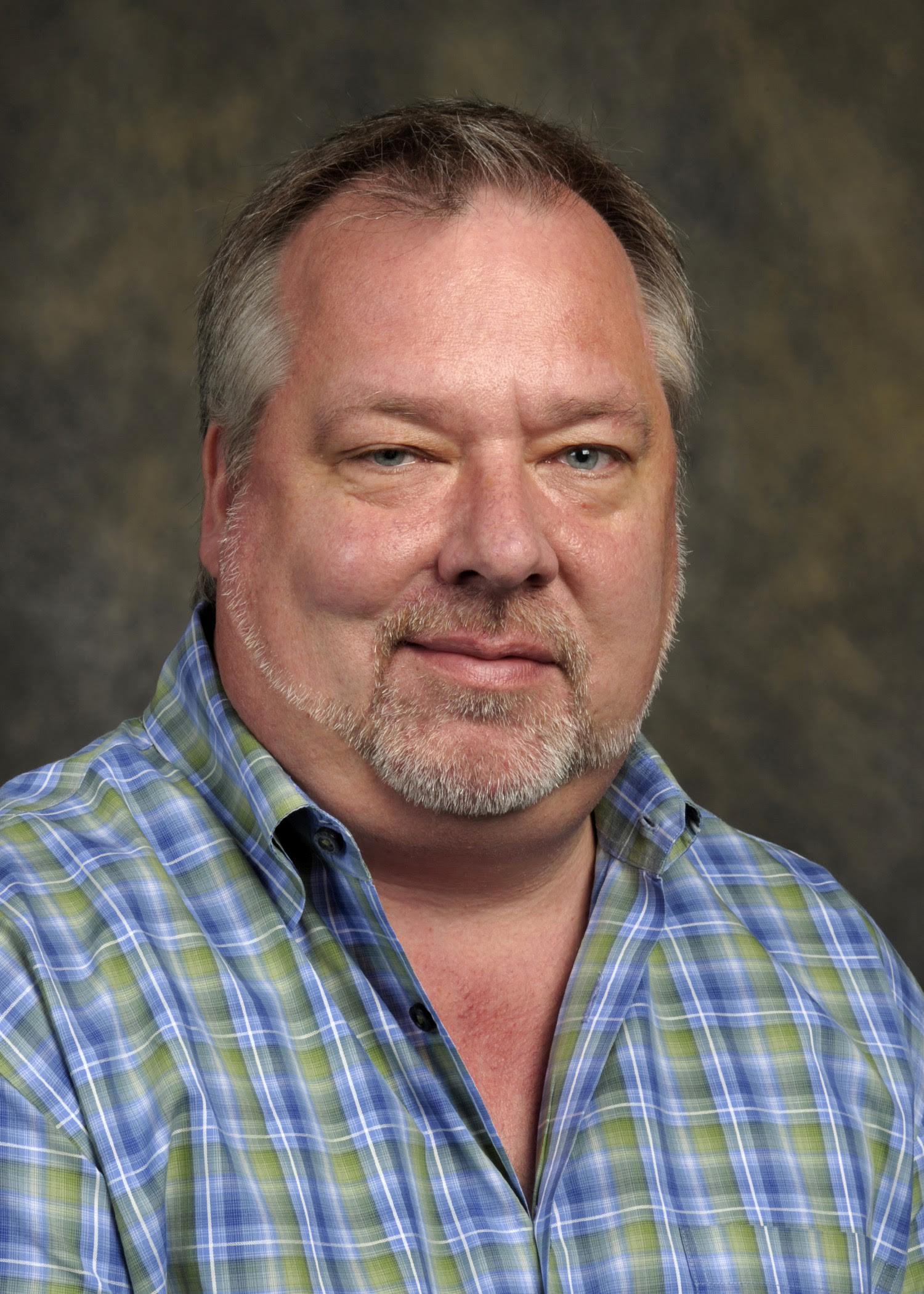
Sebastian Risi is a Professor at the IT University of Copenhagen , where he directs the Creative AI Lab and co-directs the Robotics, Evolution and Art Lab (REAL) . His work bridges computational evolution, deep learning, and collective intelligence for applications in robotics, art, and video game design. His research focuses on self-organizing AI systems that grow or assemble through local interactions, inspired by biological development. Key areas include neuroevolution , neural cellular automata , and generative modeling , with applications in adaptive robotics, game content creation, and damage-resilient AI. Recent publications highlight trends in self-assembling neural architectures (NDPs) and 3D functional machine generation (Minecraft experiments). Awards include ERC Consolidator Grant (2022), Best Paper at FDG’21 , and Google Faculty Award (2019). Scientific Awards : ERC Consolidator Grant (GROW-AI), Best Paper FDG’21, Runner-Up IEEE Games’20, GECCO 2017 Competition Winner, Sapere Aude Grant, Amazon/Google Faculty Awards He advises on projects like GROW-AI (EU-funded), AI-TESTER (game testing), and C2SIM (military systems). Media coverage includes Science , Wired , and Popular Science .
Helmut H. Strey is an Associate Professor in the Department of Biomedical Engineering at Stony Brook University. His research focuses on micro- and nanotechnologies for quantitative biology , including single-cell analysis, cancer metabolism modeling, and functional MRI data analysis. He holds academic appointments since 2008 and has pioneered technologies like tumor-on-a-chip and optical decoders for translation stages. Education: PhD in Biophysics (Technical University München, 1993), postdoctoral training at NIH (1994-1998). Awards include the NSF CAREER Award (2000-2005), Dillon Medal (2003), and Weston Visiting Professorship (2020). Research interests span cell-to-cell variability , Warburg effect in cancer , and Bayesian analysis of time-series data . His lab develops tools for 3D tumor microenvironments, MRI-compatible drug delivery systems, and biomimetic neural circuit models. Teaching includes advanced numerical methods in biomedical engineering, quantitative biology, and biomolecular analysis. Active in open hardware projects, including microfluidics controllers and IoT devices for health monitoring.
Jouni Hirvonen is a Professor in the Division of Pharmaceutical Chemistry and Technology at the University of Helsinki's Faculty of Pharmacy. He serves as Supervisor for doctoral programmes in both the Doctoral Programme in Drug Research and the Doctoral Programme in Materials Research and Nanosciences. With an extensive publication record spanning over three decades, Hirvonen has contributed 384 research outputs and participated in 3 major research projects. His research interests focus on pharmaceutical technology, particularly in drug delivery systems, nanoparticles, and drug dissolution and absorption. His work bridges pharmaceutical chemistry with cutting-edge nanotechnology applications, developing innovative delivery systems for therapeutic agents. His research spans from fundamental pharmaceutical sciences to translational applications in regenerative medicine, immunotherapy, and cardiovascular pharmacology. The analysis of his recent publications reveals a strong focus on advanced drug delivery platforms, particularly utilizing nanoparticles, lipid-based systems, and biomaterials for targeted delivery. His work increasingly integrates microfluidic technology for precise nanoparticle preparation, with applications spanning cancer immunotherapy, cardiovascular repair, tendon regeneration, and inflammatory disease treatment. The trend shows a growing emphasis on combination therapies, RNA delivery, and cell-mediated drug delivery approaches. Hirvonen has received several prestigious awards throughout his career: CRS/Eurand Grand Prize Award on Innovations in Oral Drug Delivery Technologies (2007) Suomen Valkoisen Ruusun Ritarikunnan I luokan ritarimerkki (2013) The Young Scientist in the University of Kuopio (1993) University of Helsinki Quality Teaching Unit, Faculty of Pharmacy (2005) Visiting Professor award (2015) With 25 instances of supervising doctoral theses and numerous academic activities including conference organization, committee memberships, and editorial work, Hirvonen has made significant contributions to academic mentorship and institutional development. His research has been supported by projects including Generation Green, 3i REGENERATION, and IVIVRe. His work appears to involve collaboration with multiple research teams focusing on drug delivery applications across various therapeutic areas.
Peter Chien is an Adjunct Professor in the Department of Biochemistry and Molecular Biology at the University of Massachusetts Amherst. His research focuses on regulated protein degradation and quality control in bacteria, with a particular emphasis on mechanisms governing proteolysis during the bacterial cell cycle. PhD, University of California, San Francisco Postdoctoral Training, Massachusetts Institute of Technology The Chien Lab employs interdisciplinary approaches including biochemistry, structural biology, and cell biology to study proteolytic mechanisms in Caulobacter crescentus. Their work explores how AAA+ proteases like ClpXP and Lon recognize substrates with precision and how this impacts cellular regulatory networks. Recent research trends from the lab include investigations into Lon protease modulation , DNA damage responses , protein homeostasis under stress , and genetic regulators of proteostasis . Studies often integrate structural analysis with functional assays to uncover molecular principles of protease specificity. The lab is affiliated with multiple graduate programs, including the Molecular and Cellular Biology (MCB) program, Chemistry-Biology Interface Program, Biotechnology Training Program, and the Institute for Applied Life Sciences at UMass Amherst.
Owen Skinner is an Assistant Professor in the Department of Chemistry and Chemical Biology at Northeastern University, affiliated with the Barnett Institute of Chemical and Biological Analysis. He leads the Skinner Lab, which specializes in high-resolution mass spectrometry to study protein-metabolite interactions in health and disease. Skinner earned his Ph.D. from Northwestern University and conducted postdoctoral research at Massachusetts General Hospital. His research focuses on thiol redox regulation, vitamin cofactor metabolism, and oxidative phosphorylation dynamics. Education: Ph.D. in Chemistry (Northwestern University), Postdoctoral Fellowship in Analytical Chemistry (Massachusetts General Hospital). Research interests include proteomics, metabolomics, mitochondrial dysfunction, and metabolic signaling. The lab actively recruits graduate students, undergraduates, and postdoctoral researchers across Northeastern's scientific community. Affiliations: Barnett Institute, College of Science Lab Members: PhD students Yifan Liu, Michael Xiao, Angela Rojas-Merchan; Undergraduates Helena Rittenhouse, Ridha Shah; High School collaborator Helen Loango Techniques: Native mass spectrometry, proteomics, metabolomics, redox biology Publications span mitochondrial metabolism, metabolic biomarkers in septic shock, and enzyme engineering. The lab emphasizes interdisciplinary collaboration and supports students through Northeastern's experiential learning programs.
Thomas Efferth is Full Professor and Director of the Institute of Pharmaceutical and Biomedical Sciences at Johannes Gutenberg University Mainz, Germany. He leads the Department of Pharmaceutical Biology, specializing in molecular pharmacology and drug discovery. His research spans cancer therapeutics, infectious diseases, and traditional Chinese medicine, with a strong focus on artemisinin and natural products. Education includes a PhD from the German Cancer Research Center (1990) and habilitation from RWTH Aachen University (1997). Professional positions include research leadership at the German Cancer Research Center (2005), associate professorship at Heidelberg University (2007), and his current role since 2009. Research interests integrate systems biology approaches with: Molecular mechanisms of anticancer drugs Bioinformatic pharmacology for personalized medicine Artemisinin repurposing for cancer/viral infections Toxicological profiling of natural products Publications demonstrate strong focus on phytomedicine, antiviral therapies, and cancer drug resistance. Awards and honors include: Qihuang International Award (2017) World Academy of Sciences membership (2018) Stanford Top 2% Scientist citation ranking (2020) Dr. Wilmar Schwabe Award (2006) Multiple honorary professorships in China/Hong Kong Editorial leadership includes Editor-in-Chief roles for Phytomedicine and board memberships in 20+ journals. Society roles feature vice-presidency of the Specialty Committee on Immunology of TCM and executive positions in IUPHAR and DPhG.
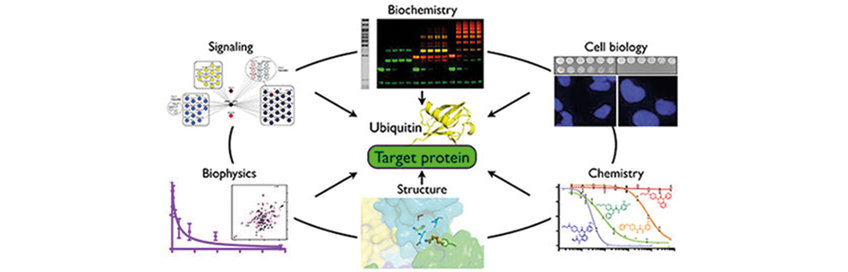
Brenda Schulman is a Professor and Director of the Molecular Machines and Signaling Pathways department at the Max Planck Institute of Biochemistry in Martinsried, Germany. She also holds an honorary professorship at the Technical University of Munich's Department of Chemistry and serves as Adjunct Faculty at St. Jude Children's Research Hospital in Memphis, TN, USA. Her research focuses on understanding how ubiquitin and ubiquitin-like proteins regulate cellular processes through protein modification. Dr. Schulman's research interests center on structural biology of the ubiquitin-proteasome system and ubiquitin-like proteins. Her work has shown that hundreds of dynamic multiprotein complexes are transiently converted into different conformations by specialized regulatory factors that control ubiquitin and ubiquitin-like proteins, thereby monitoring virtually all processes in cell biology. She combines biochemical reconstitution, structural analysis, enzymology, protein design, cell biology, and genetics to understand how these molecular machines function. Her research has significant implications for understanding diseases such as cancer, neurodegenerative disorders, and viral infections where defects in ubiquitin pathways are implicated. Her extensive publication record demonstrates expertise in ubiquitin signaling, protein degradation mechanisms, structural biology of E3 ligases, and molecular machines. Her work spans from fundamental mechanisms of ubiquitin chain formation to therapeutic applications in targeted protein degradation. Among her numerous scientific accolades are the Feldberg Prize for Anglo-German Scientific Exchange (2025), ERC Advanced Grant (2023), Louis-Jeantet Prize for Medicine (2023), Gottfried Wilhelm Leibniz Prize (2019), and election to the National Academy of Sciences (2014). She has also received the Dorothy Crowfoot Hodgkin Award from The Protein Society and has been an Investigator of the Howard Hughes Medical Institute. Dr. Schulman leads an active research group that has produced numerous high-impact publications in top journals including Nature, Cell, and Nature Structural & Molecular Biology. Her team has made significant contributions to understanding the structural mechanisms of ubiquitin transfer, E3 ligase specificity, and the role of ubiquitin in cellular quality control pathways. Current research in her lab focuses on deciphering the ubiquitin code and developing novel approaches for targeted protein degradation.
Dr. Guangliang Cheng is an Associate Professor in the Department of Computer Science at the University of Liverpool. His research focuses on deep learning, computer vision, and perception algorithms with applications in remote sensing, medical imaging, and autonomous systems. Prior to his current role, he served as a vice research director in the Autonomous Driving Group at SenseTime and completed postdoctoral research at the Aerospace Information Research Institute, Chinese Academy of Sciences. Ph.D. in Pattern Recognition from the National Laboratory of Pattern Recognition (NLPR), Institute of Automation, Chinese Academy of Sciences (CASIA) Postdoctoral Researcher at Aerospace Information Research Institute, Chinese Academy of Sciences (2017–2019) Dr. Cheng’s research integrates computer vision and deep learning to address challenges in semantic segmentation, domain adaptation, and robust detection. Recent work explores wavelet-based multimodal fusion for remote sensing and attention-guided architectures for medical imaging. His 2025 publications span journals like GIScience & Remote Sensing and Knowledge-Based Systems , emphasizing scalable solutions for geospatial and biomedical applications. In 2025, Dr. Cheng’s article trends highlight remote sensing semantic segmentation, cross-domain medical imaging, and drone-based fire detection. His collaborations span institutions such as SenseTime, Chinese Academy of Sciences, and University of Liverpool teams, focusing on frequency-domain fusion, attention mechanisms, and GPU optimization. As a supervisor, Dr. Cheng seeks highly motivated PhD students to join projects supported by scholarships including the Centres for Doctoral Training (CDT) and Duncan Norman Scholarship. He serves as Module Co-ordinator for COMP338: Computer Vision (2024–2025) and actively reviews for top-tier journals and conferences.
Dr. Andrew Bassett serves as Head of the Cellular and Gene Editing Research group at the Wellcome Sanger Institute, where he develops cutting-edge genome engineering techniques using human pluripotent stem cells to investigate neurodegenerative diseases including Alzheimer's and Parkinson's. His work focuses on scaling genetic screening approaches and improving CRISPR specificity for modeling complex disease mechanisms. His academic training includes: PhD at the MRC Laboratory of Molecular Biology (MRC-LMB) with Andrew Travers on chromatin remodelling in heterochromatin formation Postdoctoral research with David Baulcombe at the University of Cambridge studying small RNA roles in chromatin modification Additional postdoctoral work with Chris Ponting at the MRC Functional Genomics Unit (MRC-FGU) in Oxford, where he pioneered CRISPR applications in Drosophila Bassett's research program centers on developing advanced genome engineering methodologies for precise modulation of gene expression networks during development and neurodegeneration. His group specializes in creating complex editing events (SNPs, paired knockouts, enhancer perturbations) within iPSC-derived models, with particular emphasis on epigenetic regulation and transcriptional control. Current projects integrate single-cell 'omics and phenotypic assays to decode genetic causes of neurodegenerative disorders through the OpenTargets consortium. Analysis of his 15 most recent publications reveals dominant trends in CRISPR technology development (35%), neurodegenerative disease modeling (30%), and single-cell functional genomics (25%). His work consistently bridges methodological innovation with disease mechanism studies, increasingly incorporating multi-omics approaches and expanding into cancer immunology and infectious disease applications since 2022. As group leader, Bassett mentors postdoctoral researchers and PhD students while securing major funding for genome engineering initiatives. His team operates within the Sanger Institute's Cellular Operations division and maintains critical partnerships with the OpenTargets consortium for therapeutic target validation. The laboratory specializes in high-throughput screening platforms using iPSC-derived neural and microglial models, with recent methodological advances including scSNV-seq and ONE-STEP tagging systems that significantly enhance precision genome editing capabilities.
Dr Juliet Coates is an Associate Professor in Plant Molecular Genetics at the University of Birmingham, School of Biosciences, working part-time. Her research focuses on plant development, evolution, and cell biology, particularly the transition of plants to land. She advocates strongly for inclusion and diversity in academia, holding roles such as Quality Assurance and Enhancement (QAE) lead and APP lead. She earned her PhD from University College London and undergraduate degree from the University of Cambridge, specializing in Natural Sciences. Her teaching spans undergraduate and postgraduate levels, including courses on plant science, molecular genetics, and communication skills. Recent research projects include investigating submergence tolerance in seaweeds, MYB93 protein function in Arabidopsis and tomatoes, and DELLA proteins in moss. She has been awarded the University of Birmingham’s Excellent Practice Award and a Royal Society-Leverhulme Trust fellowship. Coates collaborates widely, including with artists and on public engagement projects like the 'Kelp Road' exhibition. Key roles: QAE Lead, APP Lead, Equality & Diversity Champion Research Themes: Plant evolution, environmental adaptation, and molecular genetics Grants: BBSRC, Gatsby Foundation, EU-Marie Skłodowska Curie Outreach: STEM ambassador, author of popular science, radio features
Prof. Vera Meyer is a Professor in the Department of Applied and Molecular Microbiology at Technische Universität Berlin’s Faculty III - Process Sciences. Her research focuses on optimizing fungal production systems for bioactive compounds, antifungal agents, and secondary metabolites. She leads projects such as the MY-CO SPACE exhibition, exploring fungal-based materials in architecture and sustainability. Notable contributions include work on Aspergillus niger morphology, pyomelanin synthesis for radiation shielding, and co-authoring over 150 publications. Meyer holds patents on fungal biosynthetic processes and collaborates internationally on interdisciplinary bioeconomy initiatives. Contact: vera.meyer@tu-berlin.de . Education details are not explicitly listed, but her career includes leadership roles in TU Berlin’s biotechnology programs and UniCat collaborations. Research emphasizes systems biology approaches to microbial engineering, combining microbiology, mathematics, and engineering for predictive models of cellular processes. Recent projects include the MY-CO SPACE exhibition at Bundeskunsthalle Bonn (2025-2026), showcasing fungal-based construction materials.
Professor Hakan Ali Çırpan is a distinguished faculty member at Istanbul Technical University's Faculty of Electrical and Electronics Engineering, where he serves as Professor in the Department of Electronics and Communication Engineering. He also holds the position of Vice Dean at Istanbul Technical University since 2021. With over three decades of academic experience, Professor Çırpan has established himself as a leading researcher in signal processing and communications. His educational background includes: PhD from Stevens Institute of Technology (1993-1997) Master's degree in Electrical-Electronic Engineering (with thesis) from Istanbul University (1989-1992) Bachelor's degree in Electrical and Electronic Engineering from Uludağ University (1985-1989) Professor Çırpan's research spans multiple domains within signal processing and communications. His primary interests include wireless communications, radar systems, machine learning applications in communications, and electronic warfare. His work on channel estimation, orthogonal frequency division multiplexing, and maximum likelihood methods has been particularly influential. He has pioneered research in areas such as source localization, spectrum sensing, and physical layer security. His recent work focuses on 5G/6G networks, AI-enhanced communications, and integrated sensing and communication systems. Analysis of his recent publications (2023-2025) reveals a strong focus on next-generation wireless technologies, particularly 5G/6G networks, AI integration in communications, and electronic warfare applications. His research demonstrates a consistent pattern of addressing fundamental challenges in signal processing while adapting to emerging technological needs. A significant portion of his recent work involves machine learning applications for spectrum management, optimization techniques for radar systems, and novel approaches to network slicing and resource allocation. His notable scientific achievements include: ASELSAN ACADEMY THESIS COMPETITION WINNER (2020) Professor Çırpan has supervised 59 theses throughout his career, mentoring numerous graduate students in the fields of signal processing and communications. He has secured significant research funding, including the "AI-Enhanced 5G/6G Networks with Integrated Camera and ISAC Systems" project (2023-2024) and the "Railway Vehicle Infrastructure New Generation Secure Communication Systems" TÜBİTAK project with a budget of ₺955,000. His research has practical applications in defense systems, railway communications, and next-generation wireless networks. His laboratory work focuses on wireless communications systems, radar signal processing, and AI-enhanced communication technologies. Professor Çırpan leads research teams working on projects related to 5G/6G networks, electronic warfare countermeasures, and secure communication systems. His group collaborates with industry partners like ASELSAN and conducts research with practical applications in national defense and critical infrastructure.
Ramanujan Hegde serves as a Professor and Group Leader at the MRC Laboratory of Molecular Biology (LMB), University of Cambridge, where he directs research on membrane protein biosynthesis and cellular quality control mechanisms. His work examines how membrane proteins are accurately targeted to organelles, inserted into lipid bilayers, folded, and assembled into functional complexes, with emphasis on the cellular pathways that eliminate defective proteins to prevent disease. Professor Hegde's research program focuses on fundamental questions in cell biology: How do cells ensure precise membrane protein localization? What molecular machinery governs protein insertion and folding? How do quality control systems detect and degrade misfolded proteins? His investigations reveal that biosynthetic failures are common, triggering degradation pathways linked to diseases like neurodegeneration. Key research areas include: Intramembrane chaperone mechanisms for multipass membrane proteins Orphan subunit recognition during complex assembly Ribosome-associated mRNA degradation in autoregulation Proteasome assembly quality control ER membrane protein complex functions Molecular basis of protein aggregation diseases His 2017-2023 publications in Cell, Nature, and Science demonstrate consistent innovation in protein quality control, with landmark discoveries including UBE2O's role in orphan subunit degradation, the EMC as a transmembrane domain insertase, and TTC5-mediated tubulin autoregulation. These works bridge basic cell biology with disease mechanisms through rigorous biochemical and structural approaches. Professor Hegde mentors a research team of 11 scientists: Christine Desroches Altamirano Zhong Yan Gan Dino Janssen Ryan Judy Jennifer Miao Elizabeth Miller Tim Stevens Julia Toplak Huping Wang Haoxi Wu Eszter Zavodszky His laboratory operates within the MRC LMB's world-class infrastructure, utilizing advanced techniques in biochemistry, structural biology, and cell imaging. Supported by Medical Research Council funding, the group maintains strong collaborations across Cambridge and internationally to dissect protein biogenesis pathways with implications for therapeutic development in protein-misfolding disorders.
Axel Schülzgen is a Professor of Optics at CREOL, The College of Optics and Photonics, University of Central Florida. He also holds an Adjunct Research Professor position at the University of Arizona's College of Optical Sciences. His research focuses on fiber fabrication, nano-structured fibers, nonlinear materials, and applications in fiber lasers, sensing, and communications. He earned a PhD in Physics from Humboldt-University of Berlin, Germany. His expertise spans optical fiber devices, components, and structures, with a strong emphasis on advancing high-power laser delivery and sensing technologies. Research Interests: - Development of hollow-core fibers for low-loss light transmission - Anti-resonant fiber designs for multi-mode guidance - Nonlinear optical materials for fiber lasers - Applications in fiber optic sensing and medical imaging - Disordered media imaging using optical fibers Awards & Honors: OSA Fellow (Optical Society of America) SPIE Fellow (International Society for Optics and Photonics) 2021 Excellence in Graduate Teaching Award 2015 CREOL Excellence in Research Award Advising & Labs: - Current advisees: Ameen Alhalemi, Caleb Dobias, Md Abu Sufian - Notable alumni: Xiaowen Hu (2022), Stefan Gausmann (2021), and Jian Zhao (2019) - Research Group: Focuses on fiber fabrication technology, nanotechnology in fibers, and photonics applications
Salman Durrani is a Professor and Associate Director Education at the School of Engineering, Australian National University. He holds a PhD in Electrical Engineering from the University of Queensland and a BSc (First Class Honours) from the University of Engineering & Technology, Lahore, Pakistan. His research spans Internet of Things networks, satellite/UAV communications, machine learning applications in wireless systems, early wildfire detection, and backscatter communications. Current projects focus on terahertz communication security, UAV-assisted networks, and IoT-based environmental monitoring. His recent publications demonstrate strong emphasis on wireless security, terahertz technology optimization, UAV network design, and IoT applications for environmental protection. Technological innovations include novel beamforming techniques and lightweight authentication protocols. AI 2000 Internet of Things Most Influential Scholar (2020, 2022, 2023) IEEE ComSoc Asia Pacific Outstanding Paper Award (2016) Australian Council of Graduate Research Excellence Award (2019) ANU Vice-Chancellor's Awards for Supervision (2018) and Education (2012) He has supervised 15 PhD students to completion and secured $1.9M in research funding as chief investigator for six grants. Current projects include participation in the ANU Optus Bushfire Research Centre of Excellence.