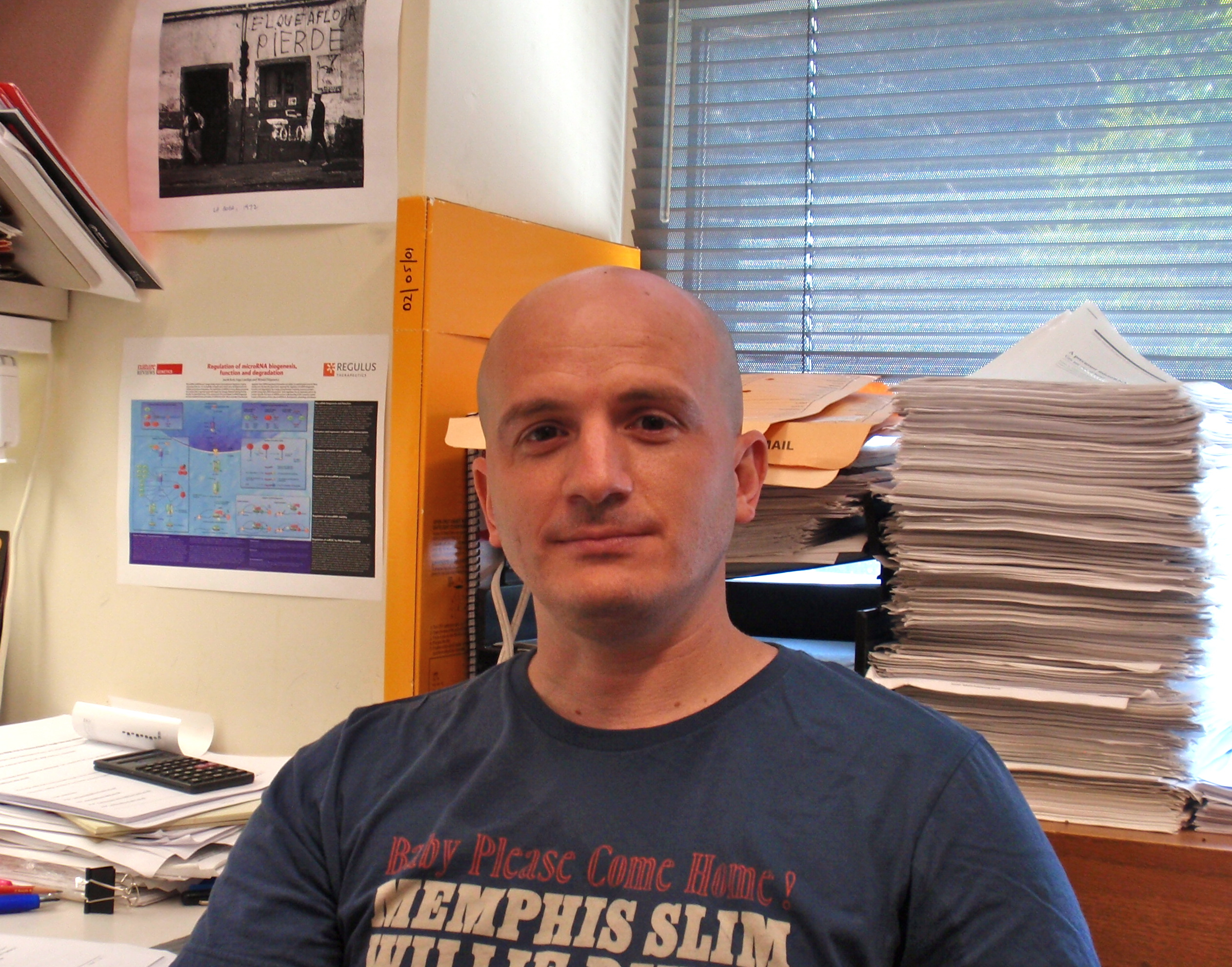
Demian Cazalla is an Associate Professor in the Department of Biochemistry at the University of Utah, focusing on the functional roles of non-coding RNAs (ncRNAs) in gene expression regulation. He is affiliated with the Molecular Biology Program and Biological Chemistry Program, contributing to interdisciplinary research in RNA biology. Education: M.Sc., University of Buenos Aires, Argentina Ph.D., Open University/MRC Human Genetics Unit, Edinburgh, Scotland Dr. Cazalla's research investigates how ncRNAs, particularly those expressed by oncogenic herpesviruses like Herpesvirus saimiri (HVS), regulate gene expression. His lab explores the structural and molecular mechanisms of viral ncRNAs (HSURs), their interactions with host miRNAs, and their role in viral oncogenesis through miRNA degradation and mRNA targeting. Current projects involve biochemical analysis of RNA-protein complexes and high-throughput sequencing to identify RNA targets. His recent publications highlight viral miRNA biogenesis pathways, ncRNA structural dynamics, and RNA-based regulatory networks. The work spans molecular virology, RNA biochemistry, and gene expression control in complex organisms.
Prof. Dr. Haris Gačanin is a faculty member at RWTH Aachen University, affiliated with the Institute for Distributed Signal Processing under the College of Electrical Engineering. His research focuses on integrating machine learning with wireless communication systems, particularly in industrial IoT, edge computing, and network optimization. Current academic rank: Professor Contact: harisg@dsp.rwth-aachen.de Research Interests: Wireless systems, machine learning, signal processing, and network optimization. Key contributions include: Adaptive resource allocation in IIoT and vehicular networks AI-driven channel estimation and feedback mechanisms Security-oriented emitter identification via metric learning Federated/transfer learning for edge environments Hardware-efficient deep learning models for mmWave and THz communications Methodological Focus: Combines reinforcement learning, attention mechanisms, and robust neural architectures with practical implementations on FPGA and vehicular systems.
Dr. Wolfgang Hübner is a Researcher at the Faculty of Physics at University of Bielefeld, Germany, affiliated with the Biomolecular Photonics Group. His work focuses on advanced optical imaging techniques applied to cellular and molecular structures. He maintains an active research program as evidenced by numerous publications from 2023-2025. His research interests center on photonics, biophotonics, optical microscopy, super-resolution imaging techniques, cellular biophysics, and molecular imaging. Dr. Hübner's work bridges physics and biology, developing and applying cutting-edge microscopy methods to address biological questions at the nanoscale level. His recent publications demonstrate a strong focus on super-resolution microscopy techniques, particularly structured illumination microscopy, fluorescence lifetime imaging, and correlative imaging approaches. His research investigates cellular structures like liver sinusoidal endothelial cells, dystroglycan mutants, and mitochondrial dynamics, revealing how advanced optical methods can visualize biological processes at unprecedented resolution. Dr. Hübner's research shows consistent development in both methodological advances in optical imaging and biological applications. His work spans from fundamental optical engineering to biomedical applications, demonstrating interdisciplinary expertise across physics, engineering, and cell biology.
Dr. Timothy J. Collier is a Professor of Translational Neuroscience at Michigan State University College of Human Medicine, where he serves as Director of the Michigan State University Udall Center of Excellence in Parkinson's Disease Research. He holds dual appointments in the MSU Neuroscience Program and MSU BioMolecular Science Gateway Faculty, with his laboratory based at the Grand Rapids Research Center. Dr. Collier received his undergraduate training in psychology at the University of Minnesota (B.A., 1974) and completed his graduate studies in psychology and neuroscience at Northwestern University (M.S., 1979; Ph.D., 1983). He conducted postdoctoral training at the University of Rochester with Dr. John Sladek Jr., focusing on cell transplantation in animal models of Parkinson's disease and aging. His research program investigates the fundamental relationship between aging and neurodegenerative diseases, particularly Parkinson's disease. Dr. Collier's laboratory employs a range of models from primary cell culture to nonhuman primates, with current projects examining cellular senescence mechanisms, progerin and klotho gene effects on neurodegeneration, and repurposing existing drugs for Parkinson's treatment. His work bridges basic neuroscience with translational applications, emphasizing how aging serves as an active driver rather than merely a risk factor for neurodegenerative conditions. Analysis of Dr. Collier's recent publications reveals a strong interdisciplinary focus spanning neuroscience, cardiology methodology, and statistical approaches to clinical research. His work demonstrates consistent contributions to understanding Parkinson's disease mechanisms while also advancing methodological approaches in clinical trial design, particularly in cardiology. The integration of aging biology with neurodegenerative disease processes represents a distinctive hallmark of his research program. Dr. Collier maintains active collaborations across multiple research groups studying Parkinson's disease, including the Counts Lab, Gordon Lab, Kanaan Lab, Lipton Lab, Morgan Lab, Sammi Lab, Sortwell Lab, Steece-Collier Lab, and Vega Lab at Michigan State University. His technical expertise encompasses primary neuronal cultures, stereotaxic surgery, immunohistochemistry, brain tissue microdissection, behavioral evaluations of motor performance in rodents, and stereology. These methodologies support his laboratory's investigation of both fundamental mechanisms of neurodegeneration and potential therapeutic interventions.
Janet V. Cross, Ph.D., is an Associate Professor in the Department of Pathology at the University of Virginia Health System (UVA Health). Her research focuses on the molecular mechanisms of cancer chemoprevention and the anti-inflammatory benefits of dietary nutrient compounds, particularly isothiocyanates found in cruciferous vegetables like broccoli. Her work investigates how bioactive nutrients interact with cellular proteins to prevent tumor development and modulate inflammatory diseases such as rheumatoid arthritis and asthma. Using proteomics and in vitro models, she explores the role of isothiocyanates in signal transduction, apoptosis, and inflammation, linking these processes to cancer risk and therapeutic targets. Publications highlight her contributions to understanding how dietary compounds affect pathogenesis, including studies on Helicobacter pylori-related gastritis, air pollution's impact on brain immunity, and the role of macrophage migration inhibitory factor (MIF) in tumor progression. Her research bridges nutritional biochemistry and pathology, emphasizing the intersection of inflammation and cancer chemoprevention.
Verena Carvalho is a Lecturer in the Department of Microbiology at the University of Massachusetts Amherst. With a Ph.D. in Marine Microbiology from the University of Bremen, Germany (2011), her research focuses on large sulfur bacteria, microbial ecology, and biogeochemical processes in marine and extreme environments. Department: Microbiology Email: vcarvalho@umass.edu Location: 306 Morrill Science Center IVN Her work explores the physiology, genome plasticity, and ecological roles of giant sulfur bacteria like Achromatium oxaliferum and Beggiatoaceae. This includes studies of calcium carbonate dynamics, sulfur cycling, and adaptation mechanisms in hydrocarbon seeps, Arctic sediments, and salt marshes. She employs single-cell sequencing and field experiments to investigate microbial community interactions and their environmental impacts. Key article trends highlight her expertise in microbial biogeochemistry, sulfur cycling, and extremophile adaptation. Publications span topics such as intracellular calcite formation, denitrification processes, and evolutionary complexity in giant bacteria.
Dr Sanjeev Gambhir is a Senior Research Fellow at the Intelligent Polymer Research Institute, University of Wollongong. With over 30 years of experience in chemistry, he leads bioinks synthesis and scale-up activities at TRICEP (Translational Research Initiative for Cellular Engineering and Printing) facility. His work bridges academic research with commercial translation, particularly in 3D bioprinting of living tissues. B.Sc. and M.Sc. in Organic Chemistry from Garhwal University Ph.D. in Organic Chemistry from Indian Institute of Petroleum Research focuses on 3D bioprinting technologies, graphene composites, conducting polymers, and hydrogel engineering. Key challenges addressed include biomaterial diversity limitations, bioprinted construct characterisation, and scalable bioink formulation. His work spans tissue engineering, regenerative medicine, and industrial applications. Major publications appear in Nature Communications , Journal of the American Chemical Society , and Advanced Materials . With 60+ peer-reviewed papers and an H-index of 28, his research on graphene composites and conducting hydrogels has significant citations in biomedical and materials science domains. Frater Award (Australian National Fabrication Facility, 2013) Active in mentoring junior staff and students, Gambhir collaborates with Inventia Life Science Pty Ltd and Professor Fiona Wood at the University of Western Australia. Current funding includes MRFF grants for intraoperative skin regeneration systems and translational projects through University of Wollongong infrastructure grants.
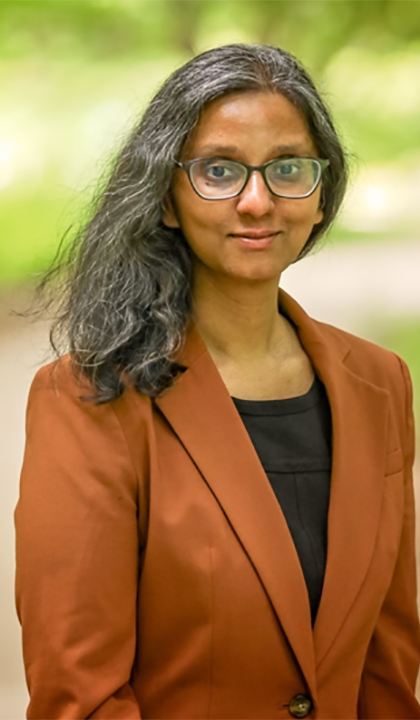
Theanne Griffith is an Assistant Professor in the Department of Physiology and Membrane Biology at the University of California, Davis. Her research focuses on understanding cellular and molecular mechanisms related to membrane biology and physiological processes. She can be reached at tgriffith@ucdavis.edu and is located at 1 Shields Avenue, Davis, CA 95616.
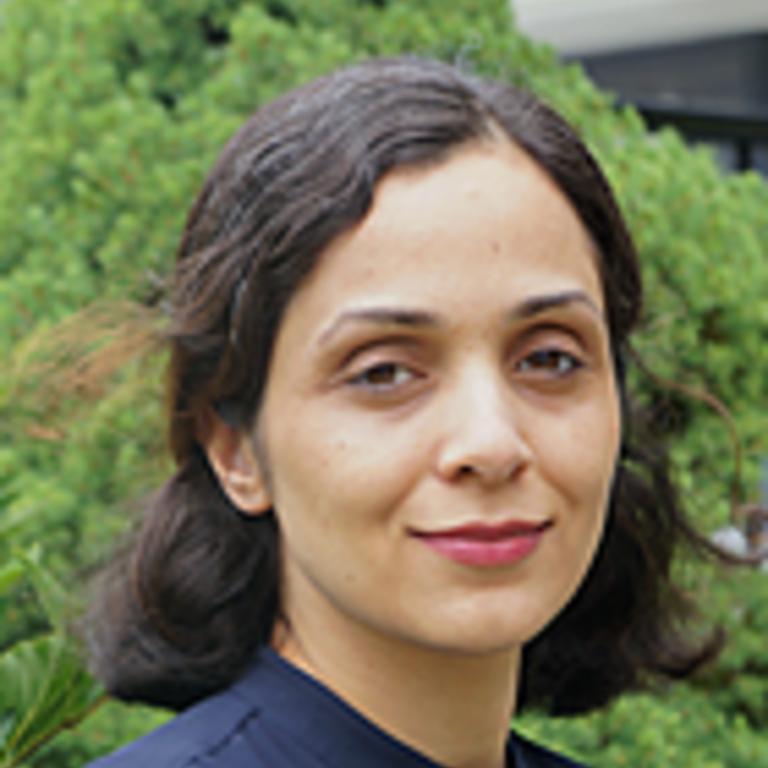
Zahra Aminzare is an Associate Professor of Mathematics at the University of Iowa. She is affiliated with the Department of Mathematics within the College of Liberal Arts and Sciences. Her research focuses on Mathematical Biology and Dynamical Systems, with emphasis on modeling biological systems such as cellular homeostasis, insect locomotion, and neural oscillators. She holds a PhD from Rutgers University. Her work explores topics including synchronization in nonlinear networks, stochastic processes in biological systems, and the application of contraction theory to stability analysis. Notable contributions include studies on ion transport dynamics, bacterial chemotaxis, and phase reduction in noisy oscillators. Her research bridges mathematical methodologies with biological phenomena, addressing questions related to system robustness and emergent behaviors. Aminzare’s publications span across journals and conferences, with recent work addressing rhythmicity in insect locomotion, spike-generation mechanisms in multi-timescale systems, and stochastic synchronization in networked systems. She maintains an active research lab focused on interdisciplinary applications of dynamical systems theory.
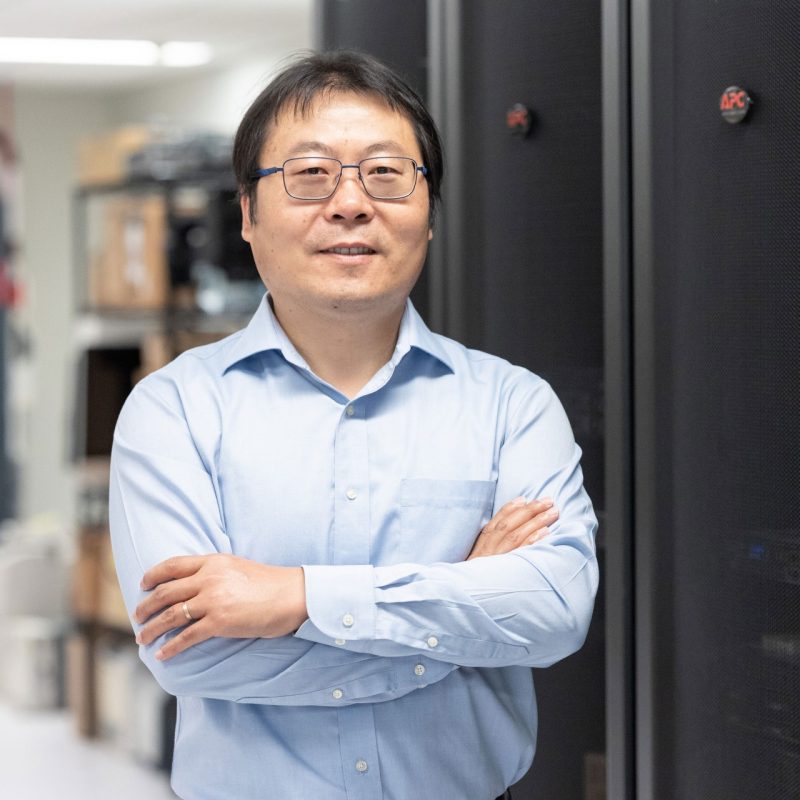
Guoqiang Yu is a Professor in the Bradley Department of Electrical and Computer Engineering at Virginia Tech. He holds a joint appointment at the Virginia Tech Research Center - Arlington. His research focuses on integrating machine learning, signal processing, and statistical methods to develop computational tools for analyzing multiplatform biomedical data. Key areas include neuroinformatics, bioinformatics, and systems biology, with applications in understanding human diseases through genomic, proteomic, and imaging data integration. Education: Ph.D. in Electrical Engineering, Virginia Tech (2011) Postdoctoral Fellowship at Stanford University (2012) M.S. Tsinghua University (2004) B.S. Shandong University (2001) Research Interests: Machine learning methodologies for biomedical data analysis, pattern recognition in complex datasets, optimization algorithms for high-dimensional data, stochastic signal processing, and their applications in neurodegenerative diseases (e.g., ALS, Alzheimer's), glial cell biology, and precision medicine. His work emphasizes developing open-source tools like ABDS, CAM3.0, and SynQuant for data normalization, deconvolution, and quantitative imaging analysis. Awards & Service: NSF Career Award (2018) Dean's Award for Excellence in Research (2022) Member of NIH BRAIN Initiative Consortium (2021–present) Associate Editor for BMC Bioinformatics (2017–present) Labs & Teams: Leads the Yu Lab at Virginia Tech, collaborating with multidisciplinary teams in neuroscience, bioengineering, and computational biology. Active in NIH-funded consortia focused on brain data science and large-scale neuroimaging initiatives.
Premila P. Samuel Russell is an Assistant Professor of Chemistry at Saint Louis University (SLU), within the School of Science and Engineering. Her research focuses on computational modeling of human cell environments to study biomolecular dynamics and hidden states inaccessible via traditional experiments. She integrates in silico simulations with experimental assays for validation. Education: B.A. in Chemistry, Berea College, Kentucky, 2012 Ph.D. in Biochemistry, Rice University, Texas, 2017 Research Interests: Computational Chemistry: Developing atomistic models of cytoplasmic environments to simulate protein behavior. Biophysics: Exploring protein folding, misfolding, and interactions in cellular contexts. Protein Dynamics: Investigating enzyme choreography and metabolon formation through all-atom simulations. Drug Design: Analyzing hemoglobin structure for therapeutic applications like Voxelotor. Her recent work emphasizes 'cells-on-computers' simulations and high-throughput experimental assays, addressing limitations in spatial-temporal resolution of conventional methods. Awards: Cooley’s Anemia Foundation Research Fellowship (2023) D.E. Shaw Research Women’s Fellowship (2021) Rice University’s George J. Schroepfer Awards for Thesis and Research Excellence (2017–2018) Her lab (Premila Research Group) bridges computational and experimental approaches to advance understanding of biomolecular systems. Contact: premila.russell@slu.edu at Monsanto Hall, SLU.
Gabriela F. Ciocarlie is a Researcher at SRI International, focusing on advancing cybersecurity, IoT security, and formal verification techniques. Her work bridges theoretical computer science with practical applications in critical infrastructure protection and manufacturing systems. She has contributed to over 48 publications across conferences like CCS, NDSS, and IEEE venues. Her research interests span adversarial machine learning, secure manufacturing automation, and resilient biomanufacturing systems. Notable projects include developing frameworks for verifying manufacturing design integrity and creating end-to-end security solutions for cyber-physical systems. She has also pioneered work on deployable adversarial attacks against neural networks and automated attack investigation tools like autoMPI. Key collaborations include partnerships with institutions like Columbia University (former affiliation) and industry leaders. Her work often addresses real-world challenges such as pandemic-resilient biomanufacturing and securing critical infrastructure through cyber-physical integration.
Yuecheng Zhou is an Assistant Professor at the University of Illinois, affiliated with the departments of Materials Science and Engineering, Bioengineering, the Materials Research Lab, and the Beckman Institute for Advanced Science and Technology. His research focuses on polymer dynamics, liquid-liquid phase separation, and electrochromic materials for biomedical applications. Zhou’s work bridges fundamental polymer science with practical applications in biomedicine and material design. His research interests include studying single polymer dynamics under various flow conditions, developing optical recording techniques for bioelectric potentials using electrochromic materials, and investigating the rheological behavior of complex polymer solutions. He has contributed significantly to understanding the dynamics of ring-linear polymer blends and the role of molecular architecture in non-equilibrium systems. Zhou’s recent publications highlight advancements in label-free optical detection of cellular signals, liquid-liquid phase separation in synthetic biosystems, and theoretical insights into viscoelastic hysteresis using fluctuation theorems. These studies underscore his interdisciplinary approach, combining experimental and computational methods to address challenges in materials science and biophysics. His work is supported by affiliations with leading research institutes at the University of Illinois, enabling collaborative projects across engineering, physics, and biology. Zhou’s research has implications for developing novel materials for biomedical diagnostics, energy storage, and advanced sensor technologies.
William L. Kath is the Margaret B. Fuller Boos Professor of Engineering Sciences and Applied Mathematics at Northwestern University's McCormick School of Engineering. He holds affiliations as Deputy Director of the National Institute for Theory and Mathematics in Biology, courtesy faculty in Neurobiology, and member of the Northwestern Institute on Complex Systems. His research bridges quantitative biology, neuroscience, and optics, focusing on dynamical models of biological systems and high-speed optical communication systems. Key projects include the EMBEDR algorithm for single-cell omics analysis and computational models of temperature sensing in Drosophila. Research interests emphasize quantitative and computational biology, particularly circadian rhythms, neuronal circuit modeling, and single-cell genomics. Collaborations include the Gallio lab (Drosophila thermosensation), Daniel Dombeck's lab (hippocampal neuron behavior), and Nelson Spruston's group (hippocampal microcircuits). His work on optics includes nonlinear pulse propagation and rare event analysis in fiber optics. Scientific awards include Fellowships from the Society for Industrial and Applied Mathematics and the Optical Society of America. He advises over 20 graduate students and has developed courses like ESAM 472 (RNA sequencing analysis) and ESAM 370 (Computational Neuroscience). Current students include Richard Suhendra and Nan Ding (jointly advised). Labs/teams: Leads the National Institute for Theory and Mathematics in Biology, co-leads the Gallio lab collaboration on thermosensory circuits, and maintains active projects in computational neuroscience and optics at Northwestern.
Wilson W. Wong is a Professor in the Department of Biomedical Engineering at Boston University's College of Engineering. His research focuses on synthetic biology and engineering cellular therapies, particularly CAR T and CAR-NK cells for cancer, diabetes, and vaccine applications. He leads the Wilson Wong Lab, developing genetic circuits for precise control of cell functions through molecular, chemical, and optogenetic tools. Key achievements include FDA-approved drug-gated circuits, light-inducible recombinases, and saRNA platforms for reduced immunogenicity. Education: PhD in Chemical Engineering (UCLA), B.S. in Chemical Engineering (UC Berkeley). Awards include the Allen Distinguished Investigator Award (2022), NAE German-American Frontiers Invitee (2021), and NIH Director’s New Innovator Award (2013). He collaborates with institutions like MIT and Harvard on lung regeneration projects through the Allen Distinguished Investigators program. Research Highlights: Logic-gated CAR therapies, optogenetic cell patterning, and saRNA-based vaccines Lab Members: Supervises students including Cristina, Huishan, Josh, and Justin Letendre Grants: Allen Foundation, NSF CAREER Award, NIH funding His work bridges synthetic biology with clinical translation, emphasizing spatiotemporal control of cell functions for regenerative medicine and oncology. Recent breakthroughs include multiplex light-inducible circuits and saRNA modifications enhancing therapeutic efficacy.