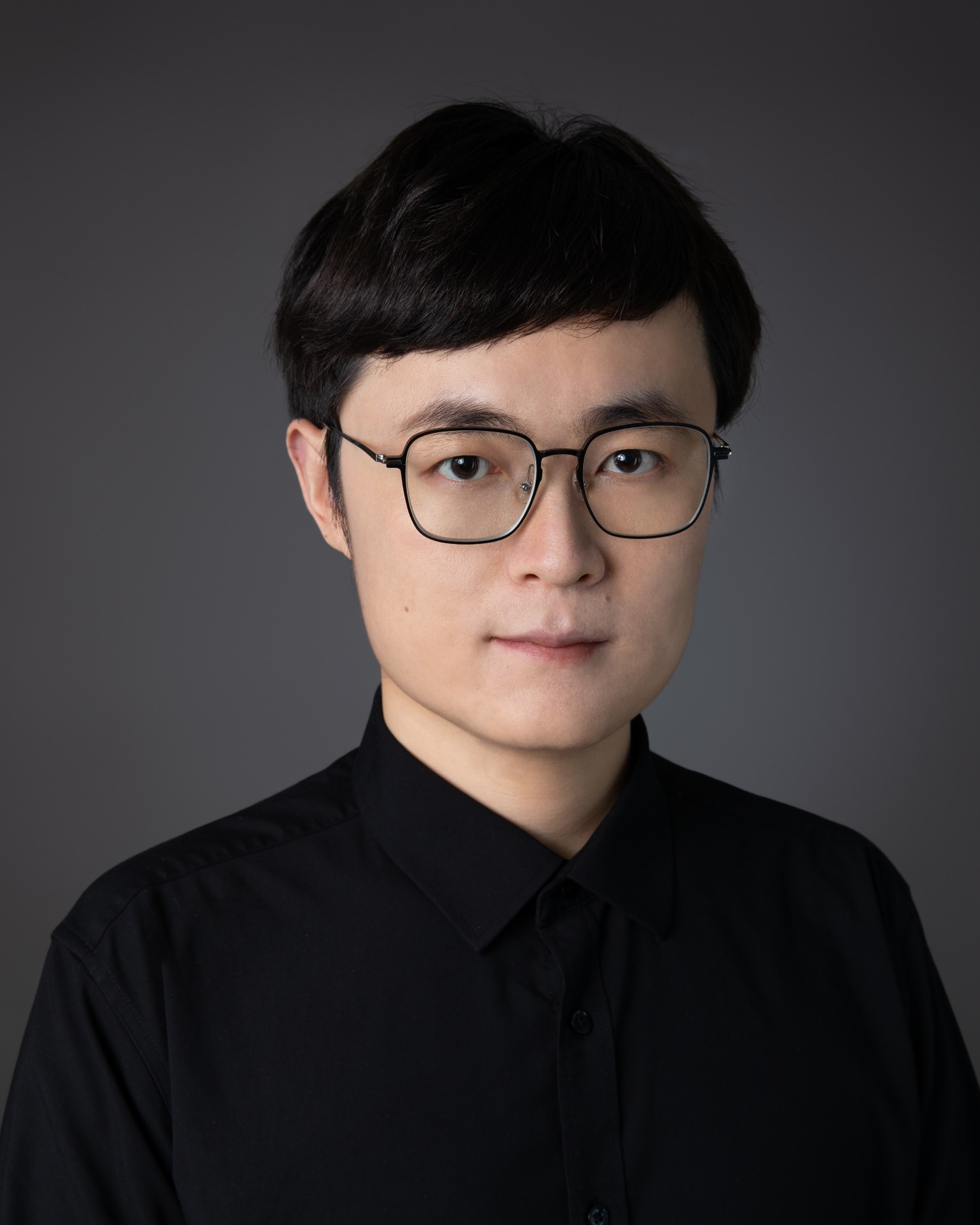
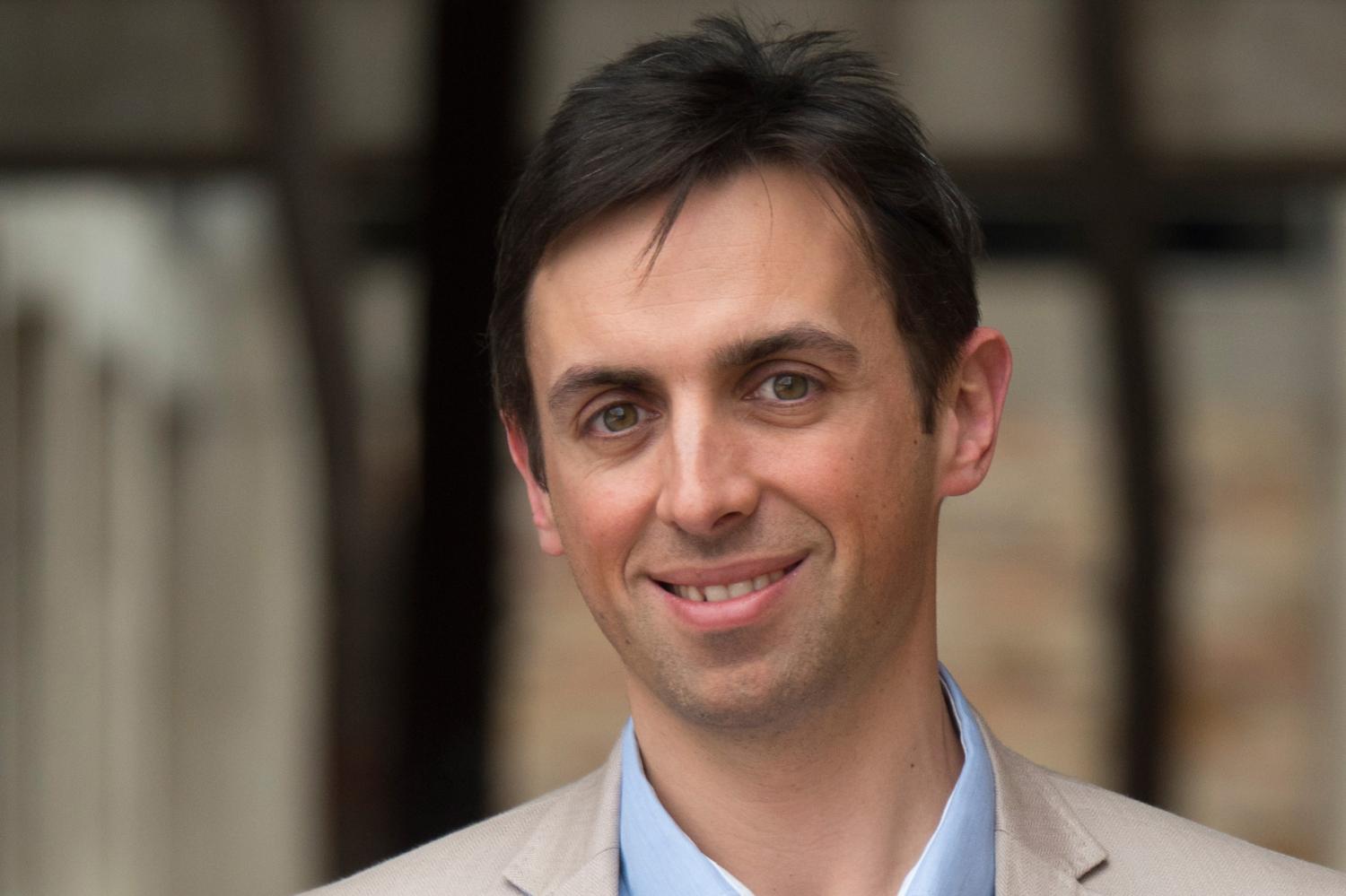
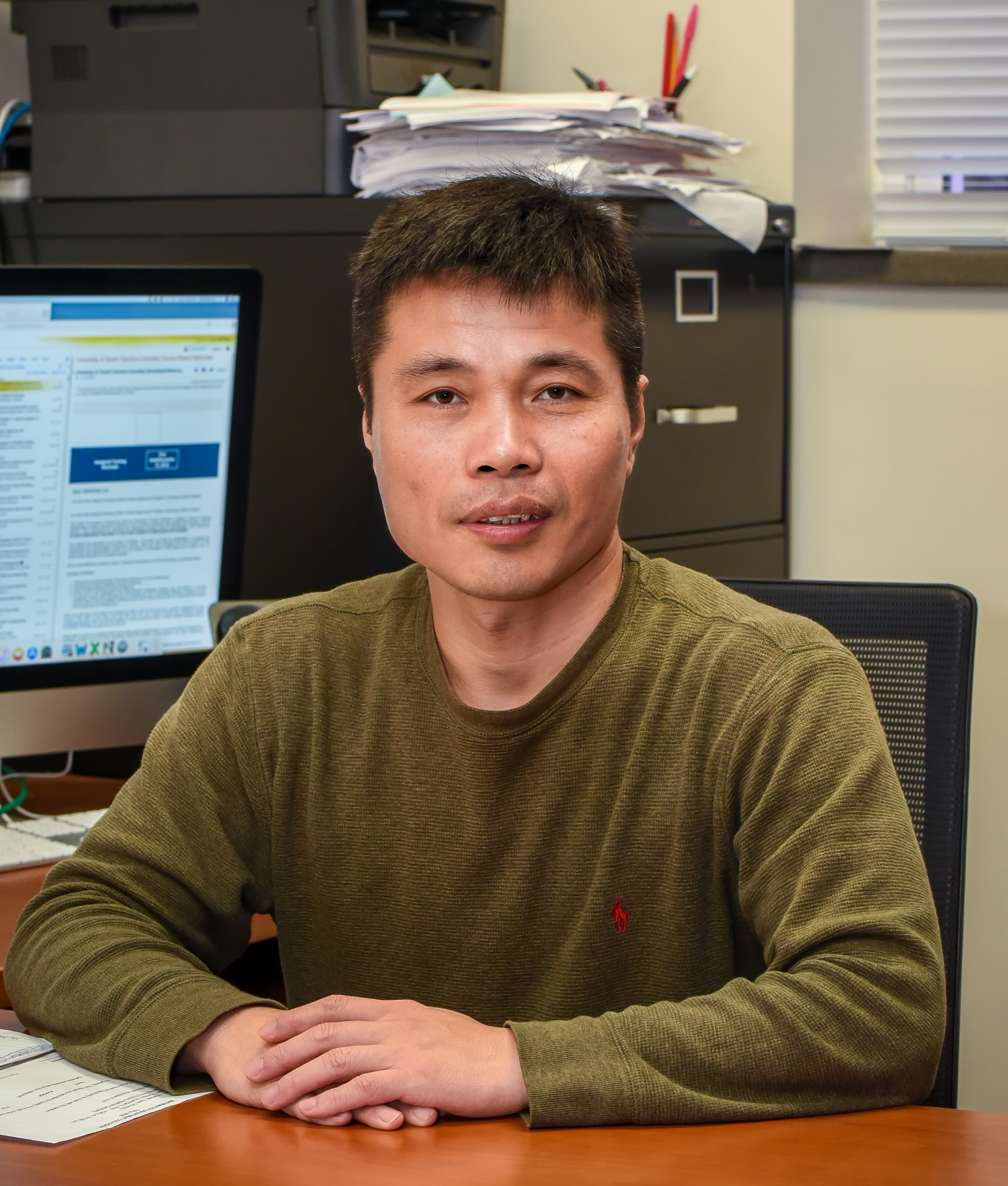
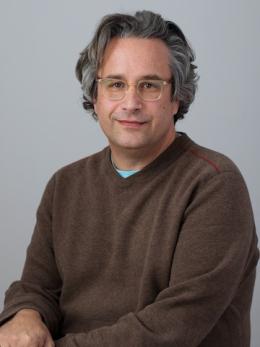
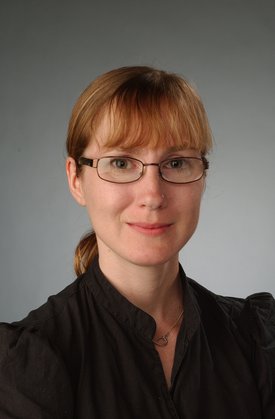
Christian Bettstetter is a Professor at the Institute for Networked and Embedded Systems at the University of Klagenfurt, Austria, and the Scientific Director of Lakeside Labs. He leads research in wireless communications, autonomous systems, and self-organizing networks. As Coordinator for International Relations of the Faculty of Engineering and Head of his institute, he oversees interdisciplinary projects involving drone networks, synchronization algorithms, and industrial IoT applications. His research interests span robotics , swarm intelligence , and drone communication protocols , with notable contributions to synchronization in oscillator networks and multi-robot exploration. He teaches courses on mobile communications and electricity & magnetism , and his work has been recognized with the 2022 Lehrepreis for excellence in teaching. Key projects include: Developing self-organized drone swarms using the swarmalator model Investigating interference management in 5G-connected drones Creating ROS-based frameworks for coordinated multi-robot systems He advises over 10 PhD candidates and has pioneered UWB sensor networks for industrial applications. Current work focuses on bridging simulation-to-reality gaps in drone swarm development and optimizing cellular connectivity for aerial vehicles.
Prof. Anderson Ho Cheung Shum is a Professor in the Department of Mechanical Engineering and core member of the Biomedical Engineering Programme at The University of Hong Kong (HKU). He serves as Associate Vice-President (Research and Innovation) at HKU. His research focuses on microfluidics, soft matter, and biomedical engineering, with contributions to aqueous phase separation, droplet-based materials, and nanomedicine. He has pioneered studies on all-aqueous multiphase systems and their applications in drug delivery, diagnostics, and biomimetic robotics. Education: B.S.E. (Princeton), S.M. and Ph.D. (Harvard). Awards include the HKU Outstanding Researcher Award (2022), NSFC Excellent Young Scientist Fund (2019), and multiple international medals. He holds editorial roles in journals like Biomicrofluidics and Scientific Reports. Research highlights include Aquabots (soft liquid robots), TransfOrigami microfluidics, and phase-separation-based drug delivery systems. His work bridges fundamental science with clinical applications, with over 100 publications and 20 patents, 7 licensed. He co-founded startups and chairs entrepreneurship initiatives to commercialize innovations.
Graeme Boswell is a Senior Lecturer in Mathematics at the University of South Wales, affiliated with the Faculty of Computing, Engineering and Science. He leads the BSc Mathematics program and focuses on applied mathematics, particularly in mathematical biology and ecology. His research explores fungal interactions, liquid crystals, and system dynamics, with a strong emphasis on mathematical modeling of biological systems. He has contributed to over 18 peer-reviewed articles since 2001, covering topics ranging from fungal mycelia networks to liquid crystal structures. His research interests include modeling nutrient influence on fungal competition, causal loop impacts in system dynamics, and the behavior of hyphal networks in heterogeneous environments. Recent work has addressed siderophore-iron interactions in fungi and the structural analysis of smectic-A liquid crystals. Boswell's articles often combine numerical solutions with ecological and physical systems modeling, reflecting his interdisciplinary approach. He maintains an active research profile with collaborations in mathematical biology and applied mathematics, and his work has been cited in numerous academic contexts, including patents and Wikipedia. His research page and Pure profile provide further details on his publications and ongoing projects.
Franck Vernerey is a Professor in the Department of Mechanical Engineering at the University of Colorado Boulder, affiliated with the Materials Science and IQ Biology programs. He serves as Director of the Advanced Mechanics and Failure Analysis Graduate Certificate. His research focuses on soft matter mechanics, computational modeling, and biological systems. Key interests include mechanics of dynamic networks, bio-polymer behavior, cell collective motion, and swarm intelligence. His group bridges statistical mechanics, continuum theory, and computational simulations to study emergent phenomena in biological and engineered materials. Education: Ph.D. in Theoretical and Applied Mechanics from Northwestern University (2006). Research Highlights Soft matter mechanics of polymers, gels, and biological tissues. Active matter systems: fire ant rafts, cell networks, and smart hydrogels. Multiscale modeling linking molecular dynamics to macroscopic behavior. Labs/Teams Director of the Vernerey Soft Matter Mechanics Group, investigating adaptive materials and biological networks. Collaborates with applied mathematicians, biologists, and materials scientists.
Thoa Thieu is an Assistant Professor at the School of Mathematical and Statistical Sciences and College of Health Professions at the University of Texas Rio Grande Valley. She holds email addresses at thoa.thieu@utrgv.edu and thoathieu28@gmail.com . Dr. Thieu's education includes a Double Ph.D. in Mathematics from Gran Sasso Science Institute (Italy) and Karlstad University (Sweden), supervised by Prof. Adrian Muntean and Dr. Matteo Colangeli. She earned a Master's in Applied Mathematics from the University of Orleans and Tours (France), and a B.S. in Mathematics and Statistics from the University of Science in Vietnam. Her research focuses on stochastic systems modeling with applications in: Neuroscience (neuronal dynamics, synaptic plasticity) Crowd behavior analysis (pedestrian flows, active-passive interactions) Biological systems (insulin transport in beta cells, cellular cytoskeleton dynamics) Interdisciplinary computational methods (coupled Skorokhod SDEs, lattice gas frameworks) Her recent work emphasizes multi-fidelity modeling and well-posedness analysis in complex systems. She has contributed to neuromorphic computing applications and disaster-evacuation simulations through her mathematical frameworks. Professional experience includes Postdoctoral Fellowships at Indiana University (2023-2024) under Dr. William Holmes, and at Wilfrid Laurier University (2021-2022) under Prof. Roderick Melnik. Her research outputs bridge pure mathematics (stochastic PDEs, uniqueness proofs) with applied domains in health sciences and social dynamics.
Olguta Buse is an Associate Professor in the Department of Mathematics at Indiana University-Purdue University Indianapolis (IUPUI), with research spanning symplectic geometry and mathematical biology. Her work bridges pure mathematics with biological applications, particularly in gene regulatory networks and geometric structures. Her academic background includes: PhD in Mathematics from Stony Brook University (2002), advised by Dusa McDuff Postdoctoral Associate at Michigan State University Research member at the Mathematical Sciences Research Institute (MSRI) in Berkeley (Spring 2010) Dr. Buse's research in Symplectic and Contact Geometry focuses on embeddings, four-manifolds, and singularities, while her Mathematical Biology work investigates dynamical systems in gene networks like the repressilator. She employs advanced techniques from Gromov-Witten theory and symplectomorphism groups to address geometric stability and embedding problems. Her publication trends reveal a dual trajectory: quantitative symplectic geometry (2005-2011) emphasizing ellipsoid embeddings and symplectomorphism stability, alongside mathematical biology contributions (2009-2010) analyzing limit cycles and oscillatory behavior in synthetic gene networks. Both strands demonstrate rigorous mathematical formalism applied to concrete geometric and biological phenomena. Dr. Buse actively contributes to academia through conference organization and educational leadership, having co-organized the Illinois-Indiana Symplectic Geometry Conferences (2008-2009) and serving as course coordinator for IUPUI's Calculus sequence since Fall 2010.
Xinfeng Liu serves as Professor and Undergraduate Director in the Department of Mathematics at the University of South Carolina. His academic journey includes progression from Assistant Professor (2009-2013) to Associate Professor (2013-2017) and finally to full Professor (2018-present), following a Visiting Assistant Professor position at UC Irvine (2006-2009). His research spans Computational Biology with focus on cancer stem cell modeling and signal transduction mechanisms, alongside Numerical PDEs specializing in front tracking methods and integration factor techniques. Liu's work bridges mathematical theory with biological applications, particularly in morphogen gradient formation and MAPK cascade regulation. His computational approaches address complex phenomena like Rayleigh-Taylor instability in fluid dynamics. Liu's recent publications demonstrate strong trends in developing numerical methods for free boundary problems in biological systems, with significant contributions to cancer stem cell modeling. His work increasingly integrates stochastic elements and time-delay systems in therapeutic response modeling. NSF Mathematical Biology Division grant DMS1853365 (2019-2022) NSF Mathematical Biology Division grant DMS1308948 (2013-2017) NSF Mathematical Biology Division grant DMS1019544 (2010-2014) University of South Carolina ASPIRE I grant (2013-2014) South Carolina EPSCoR/IDeA GEAR program (2011-2013) Liu has mentored three doctoral students to completion, all securing competitive postdoctoral positions at Los Alamos National Lab, University of Waterloo, and University of North Texas. His teaching portfolio spans computational mathematics, differential equations, and advanced analysis courses since 2009, including honors sections and specialized topics like Modeling of Complex Biological Systems.
Santiago Schnell is the Provost and Professor of Mathematics at Dartmouth College , with adjunct appointments in Biochemistry & Cell Biology and Biomedical Data Science. His research spans mathematical biology , enzyme kinetics , and scientometrics , focusing on rigorous, reproducible methodologies for biomedical data interpretation and analysis. Primary Affiliation: Department of Mathematics, Dartmouth Adjunct Affiliations: Departments of Biomedical Data Science and Biochemistry & Cell Biology Research Interests: Mathematical Biology: Deriving rate equations and models to measure biochemical reaction parameters under varying conditions. Scientometrics: Developing metrics to evaluate and enhance research university performance and academic policies. Data Standards: Co-developing EnzymeML (FAIR-compliant XML format) and STRENDA guidelines for enzyme kinetics data validation. Recent Publications highlight interdisciplinary work in enzyme kinetics, computational biology, and data science, with collaborations across institutions in the U.S., U.K., Germany, and beyond. His team investigates topics like quasi-steady-state approximations , hormetic behavior , and macromolecular crowding effects , often integrating mathematical modeling with experimental validation . Team Members: Abhishek Mallela (Postdoctoral Fellow): Specializing in parameter estimation for enzyme-catalyzed assays and minimal reaction mechanisms for hormesis. Isabella Gimon (Doctoral Candidate): Studying protein aggregation networks via rule-based modeling to explore neurodegenerative disease mechanisms. Collaborations include global experts in mathematical biology, biochemical kinetics, and scientometrics, such as Philip K. Maini (Oxford), Jürgen Pleiss (Stuttgart), and Justin Eilertsen (Stony Brook University).
Robert Bosch is a Professor of Mathematics at Oberlin College, holding the James F. Clark Professorship and Robert and Eleanor Biggs Professorship of Natural Science. He earned his B.A. from Oberlin College (1985), M.S. from Rensselaer Polytechnic Institute (1987), and Ph.D. from Yale University (1991). His research focuses on Opt Art, applying optimization techniques to create visual art such as TSP Art and Domino Artwork. Notable works include portraits using traveling salesman problem tours and domino tilings. His teaching includes courses like Discrete Mathematics and Nonlinear Optimization. Bosch has collaborated with students, including Robert Klock and Xiaoyun Gong, on projects presented at conferences like Bridges Math/Art. He actively engages in public talks, such as his 2020 'Opt Art' lecture at Google and his 2024 presentation at the Rose-Hulman Conference. His artwork has been exhibited in venues like DominoArtwork.com and virtual galleries, emphasizing the intersection of mathematics and aesthetics.
Lorand Gabriel Parajdi is a Lecturer at the Department of Mathematics, Faculty of Mathematics and Computer Science, Babeș-Bolyai University in Cluj-Napoca, Romania. He holds a Ph.D. in Mathematics (2019) and has held academic positions including Postdoctoral Researcher at West Virginia University (2021–2025) and roles such as Assistant Professor and Associate Assistant Professor at Babeș-Bolyai University. His research focuses on mathematical modeling in hematology and oncology, particularly in chronic myeloid leukemia and solid tumors. Education: Ph.D. in Mathematics (2019), Babeș-Bolyai University M.Sc. in Applied Mathematics (2015), Babeș-Bolyai University B.Sc. in Pure Mathematics (2013), Babeș-Bolyai University Research Interests: Mathematical modeling of cell dynamics, differential equations, optimal control in medical contexts, hematopoiesis, leukemia progression, and biomathematical systems. He actively contributes to theoretical and computational studies of stem cell transplantation, treatment optimization, and residual disease assessment in chronic myeloid leukemia. Research Projects: Includes work on clonal hematopoiesis, chemical reaction networks, and DSR cycles in biochemical systems. His projects often integrate numerical methods and stability analysis for biomedical applications. Affiliations: Member of research groups such as the WVU Mathbio Research Group and the Nonlinear Operators and Differential Equations Group at Babeș-Bolyai University. Professional memberships include the American Mathematical Society and European Society for Mathematical and Theoretical Biology. Grants: Supported by projects like POCU 153310 (STEAM+Health) for optimal control in cell dynamics. His work aligns with interdisciplinary research in STEM+Health. Labs/Teams: Collaborates with interdisciplinary teams in mathematical biology, computational medicine, and systems biology at both national and international levels.
Prof. Pier Luigi Gentili is an Associate Professor of Physical Chemistry at the University of Perugia's Department of Chemistry, Biology, and Biotechnology. His research focuses on integrating chemistry with artificial intelligence, neuromorphic engineering, and complexity science. Key areas include chemical artificial intelligence (CAI), photochromic materials, oscillatory reactions, and sustainability-driven innovations. He explores how biological mechanisms can inspire novel computing paradigms and advocates for interdisciplinary education to address 21st-century challenges. His work bridges molecular-level studies with macroscopic systems, emphasizing emergent properties in out-of-equilibrium systems. Recent projects involve neuromorphic engineering in 'wetware' (biological-inspired computing), quantum AI development, and microheterogeneity analysis in materials. He also designs courses merging chemistry, complexity science, and global citizenship education to prepare future scientists for sustainability and ethical challenges. Publications highlight contributions to photochromic oscillators, chemical neural networks, and the application of fuzzy logic in molecular systems. While no awards are listed, his research has advanced unconventional computing approaches using minimal resources and earth-abundant materials. Grants and collaborations are implied through his active publication record but not explicitly detailed in the provided text.
Christian D Santangelo is a Professor in the Department of Physics at Syracuse University and serves as the Director of Graduate Studies. He holds a Ph.D. from the University of California, Santa Barbara (2004) and a B.A. from Cornell University (1997). His research focuses on extreme mechanics, nonlinear elasticity, mechanical metamaterials, self-assembly, origami engineering, and liquid crystals. He has authored over 75 peer-reviewed articles and secured nearly $4.5 million in external grants. Research Highlights: Design of tunable mechanical metamaterials and self-folding structures. Investigation of geometric frustration in materials and stress accumulation in mechanical systems. Study of curvature effects in elastic structures and wave localization phenomena. Recent Work: Recent publications explore topics such as bifurcations in inflated materials, configuration space topology in mechanisms, and the mechanics of bacterial cell growth. His research bridges theoretical physics and applied engineering, with implications for soft matter and materials science. Awards: William Wasserstrom Prize (2024), APS Early Career Award, NSF CAREER Award, and Fellow of the American Physical Society. Grants: Includes NSF-funded projects on wave propagation in curved surfaces and 4D printing of mechanical metamaterials. Service: Served as program chair for the APS March Meeting and co-leader of the BioInspired Institute's Smart Materials Focus Group. Labs/Teams: Part of the BioInspired Institute and the Division of Soft Matter (DSOFT), contributing to interdisciplinary collaborations in soft matter physics and materials design.
Jennifer M. Schwarz is a Professor of Physics at Syracuse University's College of Arts & Sciences. Her research focuses on percolation transitions, rigidity transitions, and emergent properties in biological and nonliving systems. She holds affiliations with the Biophysical Science program and leads the Schwarz Theory Group. Education: B.A./B.S. in History/Physics, University of Maryland (1994) M.A./Ph.D. in Physics, Harvard University (2001) Research Interests: Her work integrates mechanical biology, condensed matter physics, and biophysics to study systems such as jamming transitions in granular materials, cytoskeletal mechanics, and brain organoid development. Notable projects include modeling tumor invasion in extracellular matrices and investigating SARS-CoV-2 cellular entry mechanisms. Grants & Collaborations: NSF-funded projects on mechanical homeostasis and cancer metastasis DoD grant for brain organoid computer development Collaborations with experimentalists in cell biology, materials science, and neuroscience Awards: Isaac Newton Award (2020), Social Justice Award (2021), Teaching Award (2022) Editorships at Biophysical Journal and Physical Biology Labs/Teams: Leads the interdisciplinary Schwarz Theory Group, focusing on multiscale modeling and emergent learning systems. Active collaborations span Syracuse's Soft and Living Matter group and international research networks.
Professor Kim Christensen is a Professor of Theoretical Physics at the Department of Physics within the Faculty of Natural Sciences at Imperial College London. His research focuses on theoretical and numerical aspects of complex systems, particularly the spontaneous emergence of patterns and organization in non-equilibrium systems. He holds affiliations with the Centre for Cardiac Engineering, Centre for Complexity Science, Condensed Matter Theory Group, and other interdisciplinary initiatives. Christensen earned a Ph.D. in Science (1993) and a Master of Science (1990) from the University of Århus, Denmark. His work integrates theoretical, computational, and experimental studies across disciplines including geology, atmospheric physics, biology, sociology, medicine, and fire safety. A key contribution is the textbook Complexity and Criticality (2005), co-authored with Nicholas Moloney, which is widely used globally. His research interests emphasize interdisciplinary complexity science, with a focus on applying transferable tools to real-world systems. Recent work includes studies on atmospheric rivers, cardiac electrophysiology modeling, quantum networks, and venture capital network dynamics. He has over 8,150 citations (Google Scholar, June 2025), reflecting his impactful contributions to identifying universal research questions and knowledge transfer. Labs/Teams: Condensed Matter Theory Group, Physics of Life, ElectroCardioMaths Programme Grants/Awards: Not explicitly listed but implied by citation impact and textbook影响力
William J. Schwartz, MD, is Adjunct Professor of Neurology at UMass Chan Medical School and also affiliated with the Stroke and Vascular Neurology Division of the T.H. Chan School of Medicine. A leading figure in circadian neurobiology, he has spent more than four decades dissecting how the brain’s master clock, the suprachiasmatic nucleus (SCN), orchestrates daily rhythms across molecules, cells, tissues and entire organisms. Education & Training B.S., Biological Sciences – University of California, Irvine M.D. – University of California, San Francisco Residency in Neurology (1978-1981) – UCSF Research Fellowship – National Institute of Mental Health (1975-1978) Research Focus Schwartz’s laboratory investigates multi-level organization of circadian timing. At the molecular and cellular scale, his work maps gene expression and metabolic activity within individual SCN neurons. At the tissue level, he explores how networks of coupled oscillators generate emergent properties such as “splitting” and photoperiodic encoding. More recently, his group has moved into social chronobiology , asking how group living and ecological context shape rhythmic behavior in semi-natural environments. Methodologically, the lab integrates in vivo rodent neurosurgery, longitudinal behavioral tracking, confocal imaging, autoradiography, and computational modeling of oscillator networks. Publication Trends Across >120 publications spanning 2001-2024, one can trace a clear arc: early work defined SCN circuitry and metabolic markers; mid-career studies introduced dual-oscillator models and mathematical frameworks; current papers increasingly address translational and ecological dimensions—exercise effects on circadian health, social synchronization, and disease-related rhythm disruption in ALS models. Scientific Awards & Honors While no formal awards are enumerated in the text, Schwartz has been recognized with prestigious international visiting professorships: Boerhaave Professor, Leiden University Medical Centre (2005) Baerends Visiting Chair, Rijksuniversiteit Groningen (2008) Hood Fellow, University of Auckland (2012) Training & Collaboration The lab welcomes rotation students and post-doctoral fellows interested in combining wet-lab neurobiology with quantitative analysis. While individual trainees are not named in the provided text, Schwartz’s extensive co-author list indicates active collaborations with computational biologists, endocrinologists, and ecologists worldwide. Laboratory The Schwartz Lab operates within the Department of Neurology at UMass Chan Medical School, Worcester, MA, and maintains facilities for stereotaxic surgery, long-term behavioral monitoring, histochemistry, and confocal microscopy.