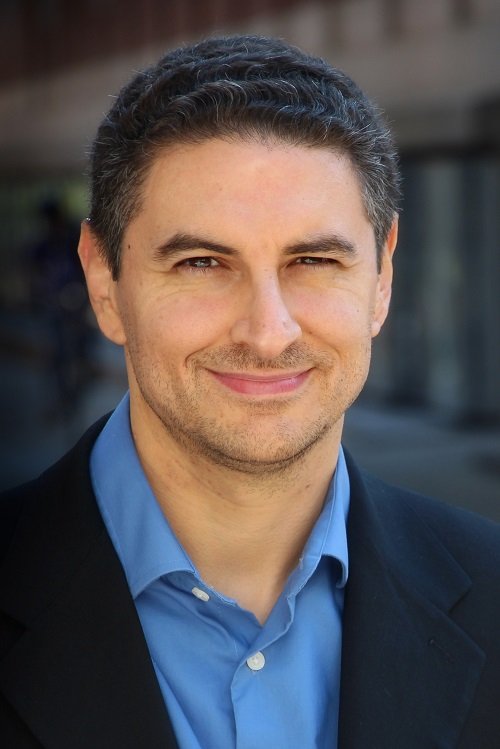
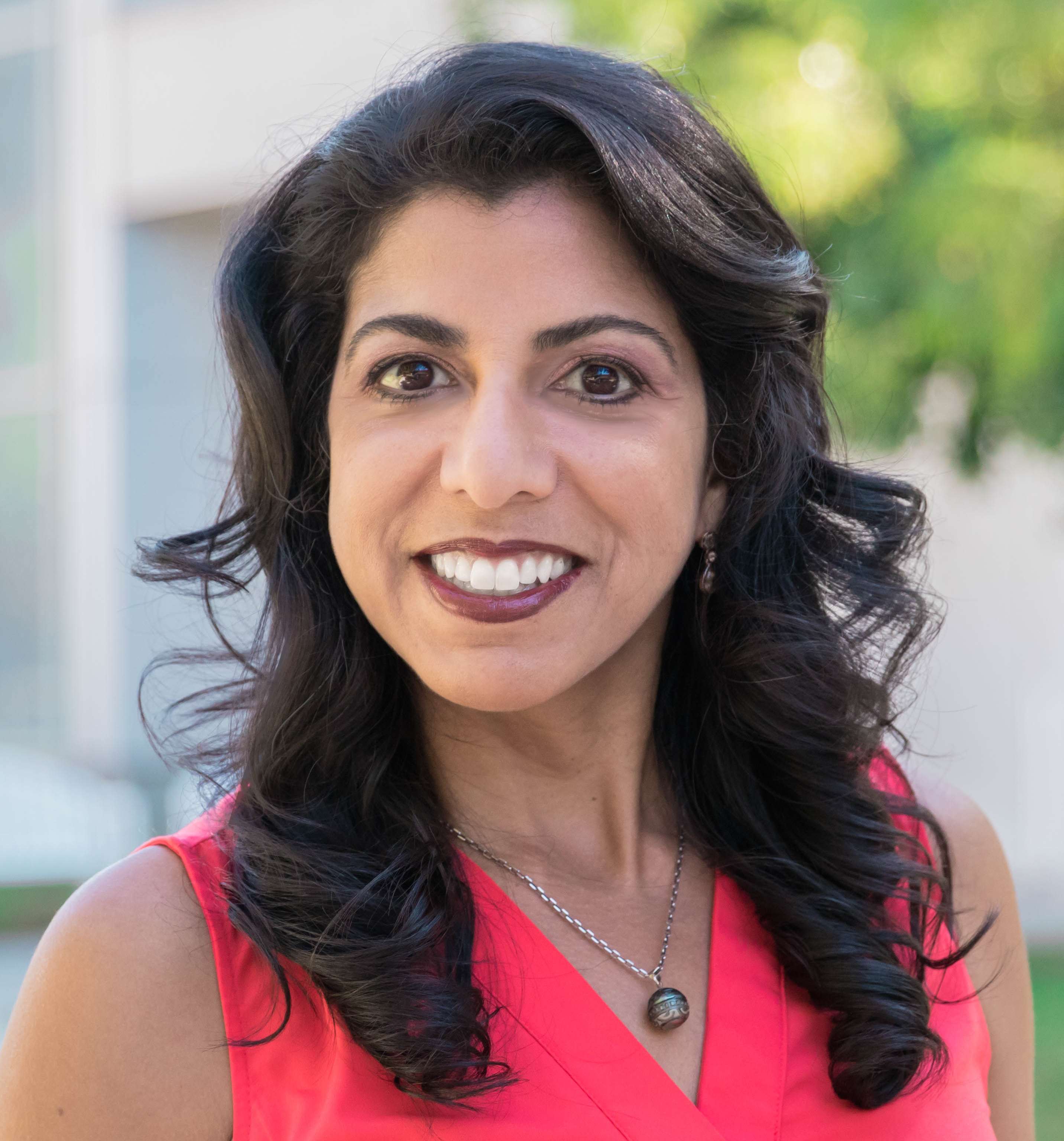
Michael McAlpine is a Professor in the Mechanical Engineering department at the University of Minnesota . He also holds affiliations with the Biomedical Engineering and Electrical and Computer Engineering departments. His research focuses on 3D printing functional materials & devices , Nanoscale inks , Biomedical devices , Bioelectronics , and Flexible Microsystems . Research Interests : 3D Printing, Biomedical Engineering, Nanotechnology, Flexible Electronics, Microfluidics Labs : ME 361/363 Contact : mcalpine@umn.edu , (612) 626-3303, ME 117 Recent Research Trends include 3D Printed Biomedical Devices , Flexible Electronics , and Bioprinting Applications . His work spans from Spinal Organoid Formation to Programmable Drug Release Capsules . Scientific Award : Circulation Research 2020 Best Manuscript Award
James Briscoe is a Senior Group Leader at The Francis Crick Institute in London, where he leads a research group focused on developmental biology and morphogen signaling. He previously held positions at the Medical Research Council's National Institute for Medical Research, which later became part of the Francis Crick Institute. Education: BSc in Microbiology and Virology from the University of Warwick, UK PhD from Imperial Cancer Research Fund/King's College London Postdoctoral training at Columbia University with Thomas Jessell Dr. Briscoe's research focuses on the molecular and cellular mechanisms of graded signaling by morphogens and the role of transcriptional networks in cell fate specification. His laboratory employs a range of experimental and computational techniques using model systems including mouse and chick embryos and embryonic stem cells. His work has significant implications for understanding developmental processes and their relationship to disease. His recent publications demonstrate a continued focus on morphogen gradients, neural tube development, and computational approaches to understanding cell fate decisions. His research increasingly integrates single-cell technologies and computational modeling to unravel the complexities of developmental patterning. Scientific Awards and Honors: EMBO Young Investigator (2001) EMBO Gold Medal (2008) Elected to EMBO (2009) Fellow of the Academy of Medical Sciences (2019) Fellow of the Royal Society (2019) As Editor-in-Chief of the journal Development since 2018, Dr. Briscoe plays a significant role in shaping the field of developmental biology. His leadership extends to mentoring researchers and contributing to scientific policy discussions, as evidenced by his recent publication 'Science under siege: protecting scientific progress in turbulent times.' Dr. Briscoe's laboratory at the Crick Institute is well-equipped with access to advanced facilities including light microscopy, flow cytometry, genomics, and computational resources, enabling a multidisciplinary approach to developmental biology questions.
Perla Maiolino serves as an Associate Professor in Engineering Science at the University of Oxford and Principal Investigator of the Soft Robotics Lab (SRL) within the Oxford Robotics Institute. Her academic foundation includes BEng, MEng, and PhD degrees in Robotics and Automation from the University of Genoa, where she pioneered CySkin technology for distributed tactile sensing in robots—later exhibited at the Science Museum in London. She expanded her expertise during a 2017-2018 postdoctoral fellowship at Cambridge University's Biologically Inspired Robotics Lab, focusing on soft robotics and tactile perception. Dr. Maiolino's research centers on developing artificial skin systems, soft robotic actuators, and distributed sensing architectures. Her work bridges biological inspiration with engineering innovation to create robots capable of safe human interaction and dexterous manipulation in unstructured environments. Key contributions include compliant beaded-string jamming mechanisms for anthropomorphic fingers, monolithic 3D-printed soft pneumatic arms (JAMMit!), and distributed time-of-flight sensor networks for robotic self-awareness. Recent publications (2024-2025) reveal a strong convergence of tactile sensing with machine learning, featuring optical flow for gesture recognition, diffusion models for artificial skin simulation, and zero-shot sim-to-real transfer techniques. Her team has made significant advances in multi-modal sensing integration, variable stiffness actuation, and scene flow estimation for robots operating in dynamic surroundings. Scientific Awards No specific awards were documented in the provided institutional materials. Advising and Grants While her leadership of the Soft Robotics Lab implies active student supervision and grant management, detailed information about advisees or funded projects was not included in the source documentation. Labs and Teams As Principal Investigator of the Soft Robotics Lab at Oxford Robotics Institute, Dr. Maiolino directs research on tactile perception systems, soft actuation mechanisms, and sensor-integrated robotic structures. The lab's work focuses on applications requiring safe physical interaction, including healthcare robotics and human-robot collaboration scenarios, with emphasis on multi-material 3D printing and embedded sensing technologies.
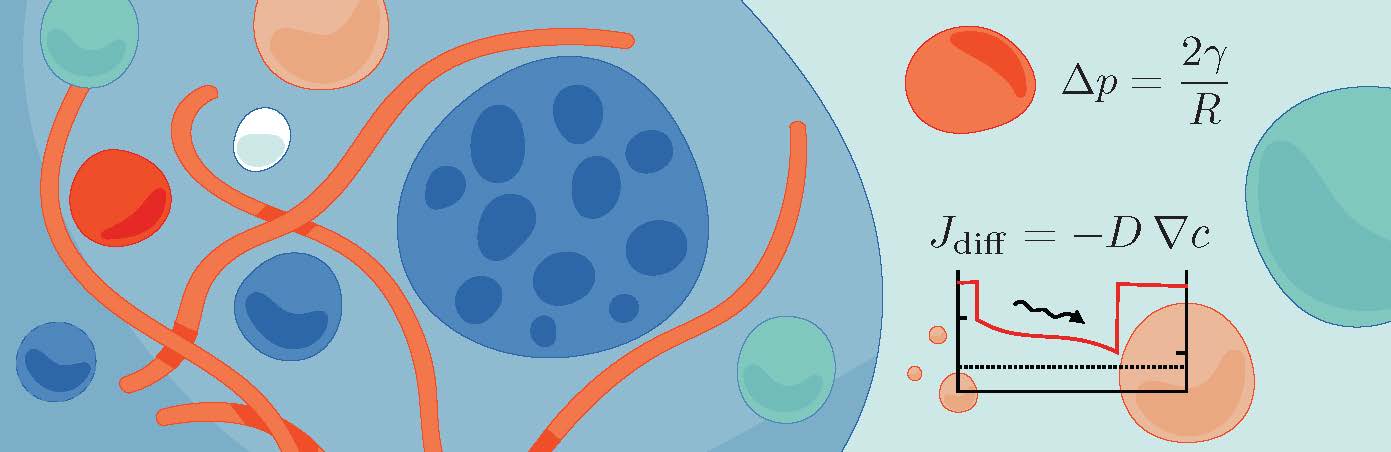
Professor Mikko Haataja is a distinguished faculty member in the Department of Mechanical and Aerospace Engineering at Princeton University's School of Engineering and Applied Science. Holding a Ph.D. from McGill University (2003), he leads the Haataja Research Group focused on theoretical and computational approaches to materials science and physical biology. His office is located in D404C Engineering Quadrangle, and he serves as an advisor to numerous graduate students working at the intersection of physics, materials science, and biology. Professor Haataja's research spans multiple domains including theoretical and computational materials science, physics of materials, and physical biology. His work examines microstructure formation during solid-solid phase transformations and solidification, growth of electrodeposited thin films and quantum heterostructures, dynamics of driven interfaces with mobile impurities, recrystallization kinetics, cell signaling mechanisms, and the regulation & self-organization of 'lipid rafts' in plasma membranes. His group has pioneered concepts in 'dynamically programmable electromechanical 2D materials' and investigates phase separation phenomena in biological systems. His publication record demonstrates significant contributions across several key areas: intracellular phase transitions and biomolecular condensates, 2D transition metal dichalcogenide materials, lipid bilayer membrane physics, solid oxide fuel cells and batteries, and organic semiconductor thin films. His most recent work focuses on amyloid-like fibril formation, liquid-liquid phase separation in biological contexts, and defect engineering in 2D materials, reflecting his interdisciplinary approach that bridges physics, materials science, and biology. Professor Haataja actively mentors graduate students and postdoctoral researchers, with numerous co-authored publications indicating strong advising relationships. His research program encompasses multiple funded projects investigating materials for energy conversion and storage, intracellular organization mechanisms, and novel 2D material systems. The Haataja Group maintains strong collaborations with other Princeton researchers and external institutions, particularly in the fields of biophysics and advanced materials. The Haataja Group operates as a dynamic research laboratory employing computational modeling and theoretical approaches to address fundamental questions in materials science and biophysics. Their work spans from atomic-scale simulations to continuum modeling, with particular emphasis on phase-field crystal models, membrane biophysics, and 2D material systems. The group maintains specialized computational infrastructure for multiscale modeling and collaborates extensively with experimental groups to validate theoretical predictions.
Thomas Michaels is an Assistant Professor at the Department of Biology, ETH Zürich, leading the Michaels Group . His research focuses on theoretical models of biomolecular condensates and protein aggregation in biological systems. Research Themes : Protein aggregation, liquid-liquid phase separation, membrane biophysics, and the role of condensates in neurodegenerative diseases like Alzheimer’s and Parkinson’s. Collaborative Approach : Integrates theoretical physics, control theory, and computational biology with experimental validation to design therapeutic strategies. Recent Publications highlight his work on amyloid formation mechanisms, lipid interactions, and phase-separated compartments as biochemical reactors. His group trains PhD students in systems biology and biocondensate physics.
Raul Astudillo Marban is a Postdoctoral Scholar Research Associate in the Department of Computing and Mathematical Sciences at Caltech, hosted by Professor Yisong Yue. He will join MBZUAI as a tenure-track Assistant Professor in August 2025. His research focuses on adaptive learning and decision-making in complex, data-intensive environments, with applications in personalized healthcare, engineering design, and scientific discovery. He earned his Ph.D. in Operations Research and Information Engineering from Cornell University under Professor Peter Frazier and holds an undergraduate degree in Mathematics from the University of Guanajuato and the Center for Research in Mathematics. His work integrates Bayesian optimization and machine learning to address real-world challenges such as protein engineering, plant breeding, and computational biology. Key contributions include steering generative models with experimental data, preferential multi-objective optimization, and cost-aware Bayesian strategies. He has received recognition as a Rising Star in Management Science and Engineering (Stanford) and a Rising Star in Data Science (University of Chicago/UCSD). Recent research highlights include optimizing protein fitness through generative models, active learning in directed evolution, and Bayesian optimization for budget allocation in agriculture. His publications span top venues like NeurIPS, Nature Communications, and TMLR. He actively recruits students/researchers for projects in machine learning and optimization.
Thibault Mayor is a Professor in the Department of Biochemistry and Molecular Biology and the Michael Smith Laboratories at the University of British Columbia (Vancouver). His research focuses on understanding how cells manage misfolded proteins, with implications for neurodegenerative diseases like Parkinson's and Alzheimer's. He holds academic affiliations with the Centre for High-Throughput Biology (CHiBi) and has been recognized with awards including the UBC Killam Teaching Award (2020). Education: BSc, University of Geneva, Switzerland (1997) PhD, University of Geneva & Max Planck Institute of Biochemistry, Germany (2001) Postdoctoral Fellow, California Institute of Technology (2002) Research Interests: Mayor's lab investigates protein homeostasis, ubiquitin-proteasome system dynamics, and the molecular mechanisms underlying protein aggregation in aging and disease. Projects include proteomic approaches to identify aggregation-prone proteins and develop microbial cell factories for protein production. Grants & Awards: CIHR Project Grant ($730K, 2018) Michael Smith Foundation Career Award (2012) UBC Killam Teaching Award (2020) Labs & Collaborations: The Mayor Lab is part of the Michael Smith Laboratories and collaborates with computational biologists like Jörg Gsponer. They maintain active partnerships in proteomics and systems biology, contributing to initiatives like the BC Proteomics Network.
Dr. Cassandra Sampaio Baptista is a Lecturer at the University of Glasgow's School of Psychology & Neuroscience. Her research focuses on brain plasticity in adulthood, particularly exploring how experiences like skill learning or rehabilitation influence structural and functional changes in the brain. She employs neuroimaging techniques such as fMRI neurofeedback and MRI to investigate mechanisms of myelin and white matter plasticity. Her work emphasizes translational applications, including stroke rehabilitation and promoting healthy aging. Key contributions include demonstrating myelin's role in motor learning and developing MRI protocols for white matter analysis. She collaborates on projects funded by the BIAL Foundation (2025–2026) and has supervised multiple postgraduate students. Recent publications highlight studies on oligodendrocyte dynamics, neurofeedback interventions for stroke survivors, and cross-species neuroscience approaches. While no specific awards are listed, her extensive publication record reflects her leadership in neuroplasticity research.
Yao Qin is an Assistant Professor in the Department of Electrical and Computer Engineering at the University of California, Santa Barbara (UCSB), with dual affiliation in the Department of Computer Science. She concurrently serves as Co-Director of the REAL AI Initiative at UCSB and holds a Senior Research Scientist position at Google DeepMind, where she contributes to the Gemini Multimodal project. Her academic credentials include a PhD in Computer Science and Engineering from the University of California, San Diego (advised by Prof. Garrison W. Cottrell) and a BS in Electrical Engineering from Dalian University of Technology. During her doctoral studies, she completed internships with pioneering researchers Geoffrey Hinton and Ian Goodfellow. Dr. Qin's research program centers on machine learning robustness, with emphasis on adversarial robustness, out-of-distribution generalization, and fairness. She develops reliable AI systems specifically for healthcare applications, with diabetes management as a primary focus. Her lab explores critical themes including AI safety in multimodal models and diabetes-specific AI solutions, particularly exercise metabolism modeling and glycemic effect prediction. Recent publications reveal a strong trajectory in robust machine learning with cross-domain applications. Her work consistently bridges theoretical robustness concepts with practical healthcare implementations, particularly in diabetes care. Key publication venues include CVPR, ICML, NeurIPS, and ICLR, with notable contributions to out-of-distribution detection, adversarial transfer learning, and multimodal AI safety. Her distinguished recognition includes: EECS Rising Star at MIT (2021) UCSB Regents' Junior Faculty Fellowship Award Helmsley Charitable Trust award for Type 1 diabetes research UCSB Faculty Research Grant American Diabetes Association Abstract Award (ADA-2025) Dr. Qin actively mentors four PhD students—Mehak Dhaliwal, Andong Hua, Kenan Tang, and Youngseok Yoon—on projects spanning LLMs for diabetes, multimodal robustness, and generative time-series modeling. Her research is funded by the Helmsley Charitable Trust and UCSB, with recent grants supporting exercise-specific AID algorithms for diabetes management. As Co-Director of the REAL AI Initiative, she leads a research ecosystem focused on developing reliable artificial intelligence. Current lab activities include organizing workshops at NeurIPS-2024 (AdvML-Frontiers and AIM-FM) and developing next-generation diabetes management tools through collaborations with medical institutions.
Georgia Gkioxari is an Assistant Professor in the Division of Computing and Mathematical Sciences at Caltech , with a part-time affiliation at Meta AI . Her work focuses on extending visual perception models through advanced 2D and 3D representation learning, spatial reasoning, and generative models. Education: Not explicitly mentioned in the text Research interests span 3D perception , spatial reasoning , and vision-language integration , with projects like Visual Agentic AI for Spatial Reasoning and Token-by-Token Multimodal Alignment . Her publications emphasize 3D object detection , reconstruction , and generative modeling techniques including diffusion models and transformers . Scientific recognition includes the Meta LLM Evaluation Research Grant , Okawa Research Grant , Google Faculty Scholar Award 2024 , and Amazon Research Award . She teaches courses like Large Language & Vision Models (EE/CS 148) and Learning & 3D (CS 101) at Caltech. Labs & Teams: Leads Glab with members including Ilona Demler, Ziqi Ma, and Damiano Marsili
John Paisley is an Associate Professor of Electrical Engineering at Columbia University's Fu Foundation School of Engineering and Applied Science, and a member of Columbia's Data Science Institute (DSI). He holds a B.S., M.S., and Ph.D. in Electrical and Computer Engineering from Duke University (2004-2010), followed by postdoctoral research in Computer Science at Princeton University and UC Berkeley. His research focuses on Bayesian models, posterior inference techniques for Big Data, and applications in data analysis, recommendation systems, information retrieval, and compressed sensing. He has pioneered methods like Bayesian Gaussian Process ODEs and Double Normalizing Flows, with recent work emphasizing uncertainty quantification in environmental modeling and neuroimaging analysis. His collaborative workflows (e.g., bneR ) address air pollution exposure and PM2.5 concentration uncertainties, combining Bayesian nonparametric ensembles with geospatial data. He has also developed frameworks for neural network interpretability, image denoising, and compressed sensing MRI. Paisley's work bridges statistical theory and applied machine learning, with applications in healthcare, environmental science, and geophysics. His academic contributions include over 50 publications since 2016, spanning topics like deep metric learning, adversarial learning, and variational inference optimization. He maintains an active research group and serves on editorial boards for machine learning and signal processing journals.
Rebecca Schulman is an Associate Professor in the Department of Chemical and Biomolecular Engineering at the Whiting School of Engineering, Johns Hopkins University. She holds secondary appointments in Chemistry and Computer Science and is affiliated with multiple interdisciplinary institutes, including the Institute for NanoBioTechnology, the Hopkins Extreme Materials Institute, the Chemistry-Biology Interface Program, the Center for Cell Dynamics, and the Laboratory for Computational Sensing and Robotics. She currently co-directs the Passport to Future Technology Leadership program for PhD students. Research Interests: Schulman's research lies at the intersection of DNA nanotechnology, synthetic biology, and smart materials. Her group develops intelligent, adaptive biomolecular materials and nanostructures by integrating concepts from materials science, biochemistry, circuit design, and soft matter physics. The team focuses on engineering dynamic self-assembly processes using DNA to create reconfigurable materials, molecular circuits, and autonomous soft micro-robots. Key themes include self-healing nanostructures, feedback-regulated crystallization, programmable hydrogels, and synthetic genetic networks for materials control. Publication Trends: Her recent publications demonstrate a consistent focus on using DNA-based chemical reaction networks to program spatial and temporal behavior in materials. The work spans from fundamental mechanisms like catalytic polymerization and crystal growth regulation to applications in soft robotics, self-wiring circuits, and synthetic pattern formation. The research is highly interdisciplinary, combining synthetic biology with materials engineering to achieve life-like functionalities in non-living systems. Scientific Awards: AIMBE Fellowship Award Vannevar Bush Faculty Fellowship Award Hartwell Individual Biomolecular Research Award President’s Early Career Award in Science and Engineering (PECASE) DARPA Young Faculty Award DARPA Directors Fellowship NSF CAREER Award Turing Scholar Award DOE Early Career Award Advising and Grants: Schulman mentors graduate students and leads a vibrant research group focused on next-generation biomolecular engineering. Her work is supported by major federal grants, including the NSF CAREER, DOE Early Career, DARPA, and the Vannevar Bush Fellowship—a prestigious Department of Defense award for basic research. She is actively involved in training future leaders through programs like the Passport to Future Technology Leadership. Labs and Teams: The Schulman Lab at Johns Hopkins is a multidisciplinary team working on DNA-powered materials and molecular programming. The lab is embedded within several collaborative centers, enabling strong cross-departmental and cross-institutional research. Their work combines experimental biochemistry with theoretical modeling to design and implement complex molecular systems.
Andrew Spakowitz is a Professor of Chemical Engineering, Materials Science and Engineering, and by courtesy, Applied Physics and Chemistry at Stanford University. He currently serves as the Senior Associate Dean for Research and Faculty Affairs and holds the Tang Family Foundation Chair of the Department of Chemical Engineering. His academic career at Stanford spans from Assistant Professor (2006-2014) to Associate Professor (2014-2020) and now Professor since 2020. Dr. Spakowitz earned his PhD in 2004, MS in 2001 from the California Institute of Technology, and his BS in Chemical Engineering from the University of Wisconsin, Madison in 1999. He completed postdoctoral training in Molecular and Cell Biology and Biophysics at UC Berkeley from 2004-2006. His research focuses on theoretical and computational approaches to understanding biological processes and complex materials. The Spakowitz lab addresses fundamental chemical and physical phenomena through four main research themes: chromosomal organization and dynamics, protein self-assembly, polymer membranes, and charge transport in conducting polymers. His group employs diverse theoretical and computational methods including analytical theory of semiflexible polymers, polymer field theory, continuum elastic mechanics, Brownian dynamics simulation, equilibrium and dynamic Monte Carlo simulations, and reaction-diffusion modeling. Analysis of his recent publications reveals a strong emphasis on epigenetics and chromatin dynamics, with significant work on DNA methylation patterns, nucleosome clustering, and chromosome organization. His research also extends to polymer physics applications in biological systems, particularly in respiratory diseases, water purification membranes, and bacterial phage interactions with human mucus. Tang Family Foundation Chair of the Department of Chemical Engineering Professor Spakowitz mentors several graduate students and postdoctoral scholars in the Chemical Engineering and Materials Science departments. His lab members work on diverse projects spanning from chromatin dynamics to polymer membranes for water purification. He teaches multiple courses including CHEMENG 120B (Energy and Mass Transport), CHEMENG 340 (Molecular Thermodynamics), CHEMENG 466 (Polymer Physics), and CHEMENG 467 (Physics of Biomacromolecules). The Spakowitz lab operates from Clark S295 at Stanford University, conducting theoretical and computational research that bridges chemistry, physics, biology, and engineering disciplines to address complex problems across multiple length and time scales.
Raissa M. D'Souza is a Professor and Associate Dean of Research in the College of Engineering at the University of California, Davis. She holds joint appointments in the Department of Computer Science, Department of Mechanical and Aerospace Engineering, Graduate Group in Applied Mathematics, and Graduate Group in Physics. Her research focuses on complex networks, percolation theory, cascades, and interdependent systems, with applications to social, biological, and technological networks. She leads the Networks and Control research group and is a Founding Lead Editor of Physical Review Research . Her work spans interdisciplinary collaborations, including with the Santa Fe Institute and the Complexity Sciences Hub Vienna. Key awards include Fellowships from AAAS (2024), APS (2016), and the Network Science Society (2019), as well as the Euler Award for her contributions to network science. Dr. D'Souza has advised over 10 PhD students and has secured grants from agencies including the NSF. Her lab explores topics like explosive percolation, synchronization in oscillator networks, and network controllability. Notable recent work includes studies on exotic synchronization patterns and strategies for mitigating cascading failures in interdependent systems.
Thomas Perlmann is a Professor in Molecular Developmental Biology at the Karolinska Institutet , leading research at the Department of Cell and Molecular Biology and serving as Director of the Stockholm Branch of the Ludwig Institute for Cancer Research. He also holds the position of Secretary General of the Nobel Assembly and Nobel Committee for Physiology or Medicine since 2016. Ph.D. , Karolinska Institutet, 1991 M.Sc. , Stockholm University, 1987 Research Interests : The Perlmann lab investigates the specification and maintenance of dopamine neurons in the central nervous system, with a focus on transcriptional regulation , signaling pathways , and regenerative medicine applications for Parkinson’s disease and other neurodegenerative disorders. His work bridges developmental biology and neuroscience , emphasizing the role of transcription factors in neuronal identity and function. Recent Research Trends : Perlmann’s recent publications highlight the use of single-cell RNA sequencing to dissect dopamine neuron heterogeneity , epigenetic regulation during development, and transcriptomic changes in Parkinson’s disease models. His studies increasingly leverage multiomics and bioinformatics to map neuronal lineage trajectories and gene expression dynamics. Scientific Awards : Royal Medal by HM the King (2025) Nicholson Lecturer, Rockefeller University (2011) Göran Gustafsson Prize in Molecular Biology (1999) Eric K. Fernström Young Investigator Prize (1997) Advising & Collaborations : While no student names are explicitly listed, Perlmann collaborates extensively with researchers such as Malin Parmar , Agnete Kirkeby , and Per Svenningsson on projects related to neuronal development and cell therapy . His lab receives funding from institutions like the Ludwig Institute for Cancer Research . Labs & Teams : The Perlmann Lab at Karolinska Institutet includes researchers like Linda Gillberg , Laura Lahti , and Behzad Yaghmaeian Salmani , who work on mouse models , single-cell transcriptomics , and bioinformatics to study dopamine neuron biology.