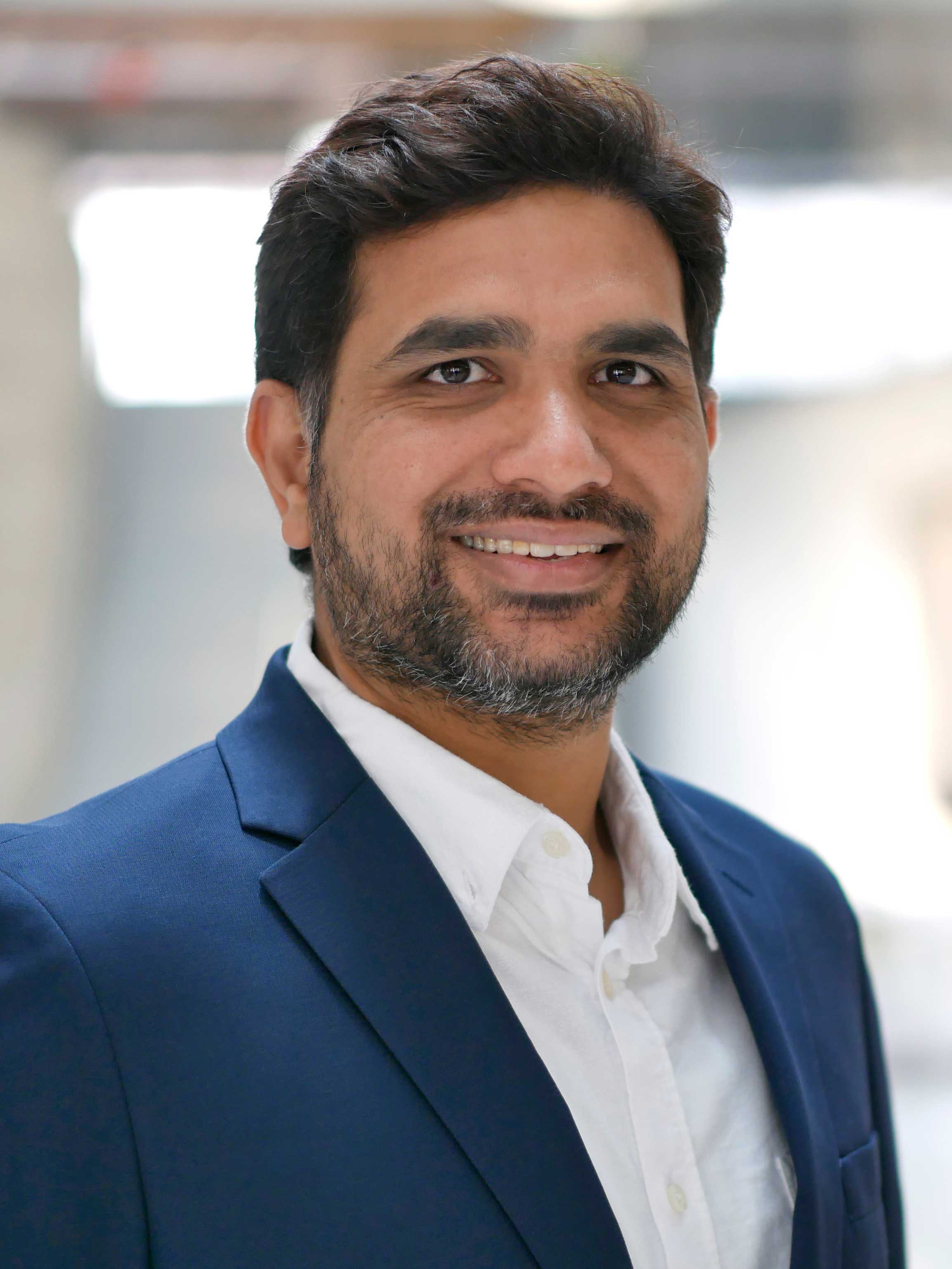
Naveen Naik Sapavath is an Assistant Teaching Professor at Northeastern University's Electrical and Computer Engineering department. He holds a PhD from Howard University and a Master's from the Indian Institute of Science (IISc). His research focuses on next-generation cellular systems including O-RAN security, AI/ML-driven wireless optimization, and low-latency communications. He is affiliated with Northeastern's Institute for the Wireless Internet of Things. Education: PhD in Electrical and Computer Engineering, Howard University Master of Engineering in Electrical Engineering, Indian Institute of Science Research Interests: Dr. Sapavath explores cutting-edge areas such as 5G/Next-G networks, cybersecurity in wireless systems, and applying game theory to resource allocation. His work bridges theoretical advancements with practical implementations in AI-driven network architectures. Awards: IEEE CSCloud 2021 Best Student Paper Award Multiple NSF Student Travel Grants Professional Experience: Previously served as Postdoctoral Researcher at UC Davis, Researcher at George Mason University's Next G Lab, and Technical Project Manager at Iowa State University for the NSF-funded ARA project. Serves as reviewer for IEEE journals including Transactions on Cognitive Communications and Networking. Labs/Initiatives: Active contributor to Northeastern's Institute for the Wireless Internet of Things and NSF PAWR program through the ARA project.
Michael L. McGuire is an Associate Professor and Chair in the Department of Electrical and Computer Engineering at the University of Victoria. He holds a BEng and MASc from UVic, and a PhD from the University of Toronto (PEng licensed). His research focuses on digital signal processing applications in wireless networks, including proactive resource allocation, indoor radiolocation (achieving 3-meter accuracy 80% of the time), and dynamic estimator algorithms. His work is supported by grants from NSERC, Bell Canada, and Nokia Products, Ltd. Teaching includes courses such as ELEC 360 (Control Theory), ELEC 407 (Digital Signal Processing II), and ELEC 450 (Communications Theory). Prior to academia, he worked at Lucent Technologies in New Jersey. His PhD thesis explored location estimation algorithms for cellular networks, addressing challenges like Non Line of Sight (NLOS) propagation and multipath interference.
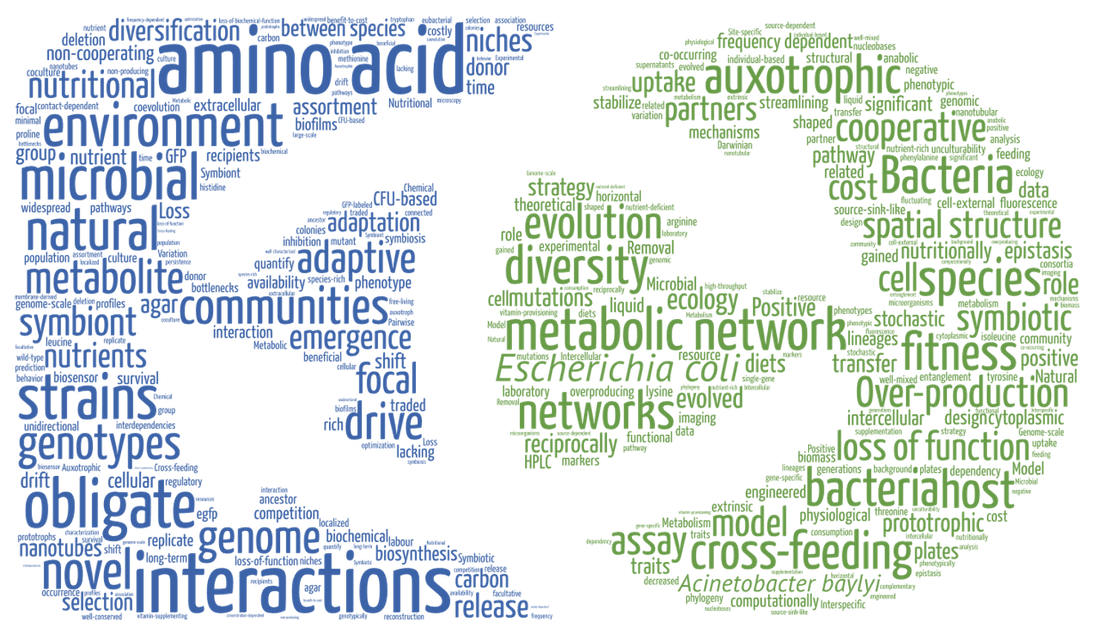
Prof. Dr. Christian Kost is a Professor in the Department of Ecology at the University of Osnabrück. His research focuses on the molecular and ecological mechanisms underlying cooperative interactions between organisms, particularly metabolic cross-feeding in bacteria. He leads the Experimental Ecology and Evolution group, investigating how cooperation evolves and its physiological consequences. Key research topics include the evolution of cooperation, synergistic coevolution, microbial community dynamics, bacterial multicellularity, and phenotypic heterogeneity. Methodologies employed include experimental evolution, synthetic ecology, genomics, microscopy/microfluidics, and theoretical modeling. Recent work highlights obligate cross-feeding’s role in expanding bacterial metabolic niches and the prevalence of reciprocity in mutualistic interactions. Kost’s lab has published influential studies on microbial symbiosis, including landmark papers in Nature Ecology & Evolution and Current Biology . Current projects explore ecological interaction networks, predator-prey dynamics (e.g., ciliate-bacteria), and synthetic microbial communities. The lab actively collaborates with international researchers and employs cutting-edge techniques like omics profiling and individual-based modeling (e.g., McComedy tool development). Recent lab additions include bachelor students Karmen Lohstroh, Pía-Kathleen Habekost, and Finn Dinnus. Kost’s work bridges theoretical and experimental approaches, aiming to define principles governing microbial cooperation and its ecological significance.
Rebecca L. Carrier is a Distinguished Professor in the Department of Chemical Engineering at Northeastern University and affiliated faculty in Bioengineering and Biology. Her research focuses on biological systems-material interactions, spanning intestinal tissue engineering, retinal regenerative medicine, and oral drug delivery. Education: PhD in Chemical Engineering from MIT (2000), BS from Rensselaer Polytechnic Institute (1995) Research Interests: Carrier’s work advances understanding of compound transport in biological systems and develops biomimetic biomaterials. Key areas include lipid impact on oral absorption, mucus barrier mechanics, and retinal/intestinal tissue engineering. The Advanced Drug Delivery Research Lab employs engineering principles to create disease models and therapeutic delivery systems. Publication Trends: Recent articles highlight interdisciplinary approaches to drug transport modeling, mucosal barrier engineering, and biomaterials for organoid culture. Studies integrate chemical engineering, microbiology, and biomedical applications. Scientific Awards: Fellow, Controlled Release Society (2024) Distinguished Faculty Award (2024) AIMBE Fellow (2018) Søren Buus Outstanding Research Award (2017) NSF CAREER Award (2008) Advising & Grants: Carrier advises PhD and capstone design students, including Ronak Ansaripour’s award-winning team. She secured NIH grants for lipid absorption studies and a Spark Fund award for algorithm-driven drug delivery optimization. Collaborations include research with University College Dublin (2024). Labs & Teams: The Advanced Drug Delivery Research Lab (ADDRES) investigates retinal cell transplantation, gut microbiome interactions, and mucosal barrier dynamics. Lab values emphasize diversity, anti-racism, and ethical scientific collaboration.
Pekka Vallittu is a Professor and Chair of Biomaterials Science at the Institute of Dentistry, Faculty of Medicine, University of Turku, Finland. He holds adjunct and visiting professorships at the University of Hong Kong and King Saud University, respectively, and was awarded an honorary Doctor of Odontology from the University of Eastern Finland. With 742 peer-reviewed publications and an h-index of 111, he is a leading figure in dental biomaterials research. Current Roles: Full Professor (University of Turku, 2004–present), Director of Turku Clinical Biomaterials Centre Academic Honors: Distinguished Scientist Award (IADR), Acta Odontologica Scandinavica Big Prize His research focuses on fiber-reinforced composites (FRC), bioceramics, bioactive glasses, and nanocellulose for dental and orthopedic implants. Recent work includes sustainable 3D printing technologies and hydrating compounds for medical applications. Collaborations span oral surgery, otolaryngology, and materials chemistry. The 15 most recent articles (2025) examine biomaterial adhesion, mechanical properties, and clinical applications of fiber composites, bioactive glasses, and ceramic implants. Keywords span Biomaterials , Dentistry , 3D Printing , and Regenerative Medicine , with sub-fields like Bond Strength , Hydroxyapatite Coatings , and Ion Release . Scientific Awards: Distinguished Scientist Award (IADR), Acta Odontologica Scandinavica Big Prize, Bensow-Äyräpää Prize, George Winter Award Patents: Over 150 international patents from 45+ inventions Vallittu’s work bridges academic research and clinical translation through spin-off companies, regulatory frameworks (MDR-EU, FDA), and interdisciplinary teams in cell biology and materials science. He serves on the Board of the University of Turku (2018–present) and is a Fellow of the Academy of Dental Materials.
Professor Steffi Krause serves as Professor of Electroanalytical Systems and Director of Academic Standards at Queen Mary University of London's School of Engineering and Materials Science. She leads the Electrochemical Sensors Group and maintains an active research program in electrochemical imaging and sensor development. Her academic career began with a PhD from Humboldt-University of Berlin in 1994, followed by postdoctoral research at Newcastle and Glasgow Universities. She served as Lecturer and EPSRC Advanced Research Fellow at Sheffield University's Chemistry Department from 1997-2004 before joining Queen Mary's Materials Department. Professor Krause's research focuses on photoelectrochemical imaging with high spatiotemporal resolution for functional imaging of living cells. Her group has developed advanced Light-Addressable Potentiometric Sensors (LAPS) and Scanning Photo-induced Impedance Microscopy (SPIM) techniques capable of measuring local changes in surface potential and impedance. Recent work demonstrates applications in cellular imaging, particularly for monitoring cardiomyocyte action potentials, calcium ion detection, and cell surface charge mapping with submicron resolution. Her publication record spans over three decades with recent high-impact work showing a clear trajectory toward increasingly sophisticated biomedical applications. The research demonstrates strong interdisciplinary integration of materials science, electrochemistry, and biomedical engineering principles. Professional distinctions include: Member of the Royal Society of Chemistry (MRSC) Member of the International Society of Electrochemistry Fellow of the Higher Education Academy (FHEA) Professor Krause actively mentors PhD students and has successfully guided numerous doctoral candidates to completion. Her current research is supported by significant funding from EPSRC, EU Horizon 2020, and industry partners including McGowan Sensor Labs Limited. She serves as module organizer for Clinical Sensors and Measurements courses (EMS706P/EMS706U) and delivered her inaugural lecture 'Sensing to seeing: an electrochemical approach' on March 5, 2025. The Electrochemical Sensors Group maintains strong industry and international collaborations, with research directions focused on developing next-generation sensor technologies for biomedical diagnostics and environmental monitoring applications.
Young-Hee Lee is a Ph.D. candidate and Lecturer at the Technical University of Munich (TUM), affiliated with the TUM School of Engineering and Design and the Institute for Communications and Navigation. Her research focuses on proteomics, with emphasis on protein citrullination dynamics, phosphoproteomics in cancer diagnostics, and advanced mass spectrometry techniques. Her recent work includes the development of high-throughput proteomic workflows for ischemic stroke biomarker discovery and the application of deep learning to enhance citrullination identification. She contributes to methodological innovations in peptide extraction and single-cell proteomics sensitivity. Lee is part of the Chair of Communication and Navigation led by Prof. Christoph Günther, located at Theresienstraße 90, Munich. Her research bridges computational biology and biochemical analysis, with applications in cancer, neuroscience, and viral proteomics.
Martin Delacourt is a Lecturer at the University of Orléans, affiliated with the LIFO (Laboratoire d'informatique fondamentale d'Orléans). He earned his PhD on December 5, 2011, under the joint supervision of Bruno Durand and Victor Poupet at LIF Marseille. His research focuses on cellular automata, including directional dynamics, limit sets, and decidability of computational problems. PhD: University of Montpellier 2 (2011) ENS Lyon: Bachelor (2006), Master (2008) His research explores cellular automata through computational complexity, symbolic dynamics, and formal verification. Key themes include limit set characterization, defect dynamics, and algorithmic properties of number systems. He has published in conferences like AUTOMATA, MFCS, and CiE. Teaching responsibilities include courses in network engineering, computability, complexity theory, operating systems, and algorithm analysis at the University of Orléans. He has supervised work-study students in the MIAGE program since 2018.
Luciano De Sio is an Associate Professor at Sapienza University of Rome, affiliated with the Department of Medical-Surgical Sciences and Biotechnologies. He leads a research group focused on biotechnology, liquid crystals, nanotechnology, optics, and bio-photonics. De Sio has over five years of experience as a senior research scientist at Beam Engineering for Advanced Measurements in Orlando, FL, with collaborations spanning U.S. agencies like AFOSR and AFRL. Current position: Associate Professor Institution: Sapienza University of Rome Department: Department of Medical-Surgical Sciences and Biotechnologies His research integrates nanotechnology with biomedical applications, including photo-thermal therapy and reusable biosensors . Notably, he has co-authored 140 ISI-JCR publications, holds 18 international patents, and has delivered over 50 conference presentations. Recent work involves NATO-funded projects for nanotechnology-inspired biosensors with photo-responsive liquid crystals. NATO Science for Peace and Security Programme European Office of Aerospace Research & Development (EOARD) De Sio's projects include advanced thermoplasmonic optical filters , smart windows , and multifunctional face masks with hybrid nanostructures. His expertise spans computational modeling of heat transfer, plasmonic nanoparticle synthesis, and bio-photonic device development. He teaches foundational physics courses for Medicine, Dentistry, and Nursing programs, including Medical Physics and Basics of Cellular and Molecular Biology . His group operates in the Laboratory of Biofotonica and Laboratorio di Biofotonica Ultrafast , advancing technologies from microfluidic circuits to gamma imaging systems.
Dr. John F. Eberth is an Associate Professor at Drexel University's School of Biomedical Engineering, Science and Health Systems. As a cardiovascular engineer with expertise in mechanical controls, continuum biomechanics, and hydrogel-based extracellular matrix mimetics, he leads the Applied Biomechanics and Mechanobiology Lab (ABML) to investigate vascular behavior under mechanical stimuli. PhD in Biomedical Engineering from Texas A&M University (2008) MS in Mechanical Engineering from Clemson University (2004) BS in Mechanical Engineering from Clarkson University (2001) His research focuses on vascular pathology and mechanobiology, including: Aortopathy and aneurysm mechanics Endothelial dysfunction and arterial stiffening Hydrogel-based vascular grafts Calcification chelation therapy Coronary artery disease Perfusion tissue culture Recent publications demonstrate expertise in vascular imaging techniques, mechanical modeling, and therapeutic interventions. Key themes include drug-coated balloon development, collagen fiber mechanics, and bioreactor systems for vascular conditioning.
Dr. Amir K. Miri is an Assistant Professor in the Department of Biomedical Engineering at New Jersey Institute of Technology (NJIT) and Director of the Advanced Biofabrication Lab. His work focuses on additive manufacturing for biomedical applications, particularly bioprinting technologies for tissue regeneration and disease modeling. After receiving his PhD in Mechanical Engineering from McGill University (2013) and completing postdoctoral training at the MIT-Harvard Division of Health Sciences and Technology, he began his academic career at Rowan University before joining NJIT. PhD, Mechanical Engineering, McGill University (2013) MSc, Mechanical Engineering, Sharif University of Technology (2007) BSc, Mechanical Engineering, Iran University of Science and Technology (2005) Dr. Miri's research spans advanced bioprinting platforms, including multi-axial extrusion, handheld printers, and digital light projection systems. His work emphasizes the development of biomimetic models for cancer, vocal fold tissue, and vascular systems, with a particular focus on microfluidic integration and material optimization for bioprinting. He has pioneered low-cost prototyping solutions for resource-limited settings and explored the role of extracellular matrix mechanics in cellular behavior. Key trends in his publications include 3D bioprinting for tumor modeling, microfluidic device applications in drug screening, and the use of hydrogels like GelMA in cancer research. His group has also advanced acoustic metasurface technology for biomedical wave manipulation and investigated the interplay between biomaterial rheology and bioprinting resolution. Dr. Miri leads a research team at NJIT focused on biofabrication and microfluidics, though specific student advisees are not listed in the provided information. His lab emphasizes interdisciplinary collaboration, particularly in the development of multi-material and multi-scale tissue constructs.
George M. Church is a Professor of Genetics at Harvard Medical School and affiliated with MIT, where he directs PersonalGenomes.org, providing open-access genomic, environmental and trait data. His laboratory focuses on transformative technologies for reading and writing 3D/4D biological structures with attention to ethics, safety, and equitable access. Church has co-initiated major scientific initiatives including the BRAIN Initiative (2011) and multiple Genome Projects (GP-Read-1984, GP-Write-2016, PGP-2005). Church's research spans multiple cutting-edge domains including genome engineering, synthetic biology, aging reversal, and space genetics. His lab pioneered foundational methods for direct genome sequencing, molecular multiplexing and barcoding in 1984, leading to the first genome sequence in 1994. His innovations contributed to nearly all next-generation DNA sequencing methods and companies. Current research directions include machine learning for protein engineering, tissue reprogramming, organoids, gene therapy, and in situ 3D DNA/RNA/protein imaging. His work bridges fundamental biology with therapeutic applications across diverse fields from Alzheimer's disease to de-extinction biology. Church's recent publications reveal a remarkable breadth of scientific inquiry, spanning from fundamental genome editing techniques to applications in aging research, neuroscience, and space biology. His work increasingly integrates artificial intelligence with biological systems, as seen in papers on machine-guided cell-fate engineering and automation of systematic reviews with large language models. His research maintains a strong translational focus, with numerous papers addressing therapeutic applications in cancer immunotherapy, gene therapy, and diagnostics. The consistent theme across his diverse publications is the development and application of transformative technologies to address fundamental biological questions and medical challenges. National Academy of Sciences (NAS) membership National Academy of Engineering (NAE) membership Franklin Bower Laureate for Achievement in Science Co-initiator of the BRAIN Initiative (2011) Director of multiple NIH Centers for Excellence in Genomic Science (2004-2020) Church directs numerous research centers including the NIH-CEGS, Personal Genome Project (PGP), Lipper Center for Computational Genetics, and Wyss Institute Synthetic Biology center. His laboratory has trained PhD students across multiple Harvard and MIT programs including Biophysics, BBS, Biomedical Informatics, ChemBio, Chemistry, SSQB, MCO, Virology, HST, EE/CS, Physics and Applied Math. His commercial impact is extensive through companies spanning medical diagnostics (Knome/PierianDx, Alacris, Nebula, Veritas) and synthetic biology/therapeutics (AbVitro/Juno, Gen9/enEvolv/Zymergen/Warpdrive/Gingko, Editas, Egenesis). Church also pioneered new privacy, biosafety, ELSI, environmental and biosecurity policies. The Church Lab operates across multiple research domains including molecular multiplexing, next-generation sequencing, nanopore technology, and genome engineering. The lab maintains strong connections with the Personal Genome Project, Wyss Institute, and multiple commercial ventures. Current research directions include the Spatial Atlas of Human Anatomy (SAHA), human skin rejuvenation via mRNA, and space genetics research through the Consortium for Space Genetics and BioAstra. The lab's mission focuses on transformative technologies for reading and writing 3D/4D structures at any scale, inspired by but not limited by biology.
Michelle Krogsgaard is an Associate Professor in the Department of Pathology at NYU Grossman School of Medicine, where she leads the Krogsgaard Lab at the Smilow Research Center in New York. Her research focuses on the molecular mechanisms of T-cell receptor (TCR) signaling in the context of cancer immunology, autoimmunity, and immunotherapy development. Research Interests: Dr. Krogsgaard's work lies at the intersection of immunology, biophysics, and structural biology. Her lab investigates how T cells recognize antigens, with a particular emphasis on TCR sensitivity, receptor signaling dynamics, and the structural basis of immune recognition. This includes studying neoantigens, TCR-CD3 complex assembly, and strategies to enhance immunotherapy while minimizing autoimmune side effects. Publication Trends: Her recent publications, appearing in high-impact journals such as Nature , Cell Reports , and PNAS , reflect a strong trajectory in structural immunology and translational cancer research. Themes include TCR engineering, phosphopeptide immunogenicity, mitochondrial influences on immune response, and the balance between antitumor efficacy and autoimmunity. The work combines molecular, structural, and clinical approaches to advance precision immunotherapy. Scientific Awards: No specific awards are listed in the provided text. Advising and Grants: Dr. Krogsgaard leads an active research laboratory and mentors trainees in immunology and cancer research. Her lab has received support from programs such as the Blood Cancer Pilot Grants, which fund translational research in novel immunotherapies. While specific grant amounts and student names are not provided, her extensive publication record and lab leadership indicate a robust program of funded research and academic mentorship. Labs and Teams: The Krogsgaard Lab is based at the Smilow Research Center and employs a multidisciplinary approach, including structural biology, animal models, and human tissue analysis. The team investigates fundamental TCR signaling mechanisms to inform the development of safer and more effective cancer immunotherapies.
Professor Bianxiao Cui is the Job and Gertrud Tamaki Professor of Chemistry at Stanford University and a fellow of the Wu Tsai Stanford Neuroscience Institute. Her research integrates biophysics, cell biology, chemistry, and nanotechnology to develop tools for studying the nano-bio interface, membrane curvature, electrophysiology, and signal transduction in health and disease. Ph.D. in Chemistry, University of Chicago (2002) B.S. in Material Science & Engineering, University of Science & Technology of China (1998) Her group bridges biochemistry, material science, and neuroscience to probe cellular processes at nanoscale. Key projects include: Mechanisms of Membrane Curvature: How nanoscale topography regulates integrin adhesions, ER-PM contacts, and ion channel activity. Electrophysiological Tools: Nanoelectrode arrays (NEAs) and electrochromic optical recording (ECORE) for scalable, label-free action potential monitoring. Protein Relocalization: Using shuttle proteins to rewire subcellular localization for disease intervention. Recent articles highlight advancements in 3D cell adhesion , AI-driven electrophysiology , and optogenetic pain models . Her work spans biochemical assays, nanofabrication, and in vivo studies . Scientific Awards: Ono Pharma Breakthrough Science Initiative Award (2022-2025) NIH New Innovator Award (2012-2017) NSF CAREER and INSPIRE Awards Packard and Searle Fellowships Teaching & Advising: She mentors PhD students in Chemistry and Biophysics, including Krishna Raghavan and Pengwei Sun , and supervises postdoctoral fellows like Dr. Wei Zhang . She teaches Biophysical Chemistry and advises on cellular nanomechanics and optogenetics . Labs & Collaborations: The Cui Lab collaborates with the Melosh and Khosla labs, focusing on cell-material interactions and neurotechnology development (e.g., Kirigami electronics for organoid stimulation).
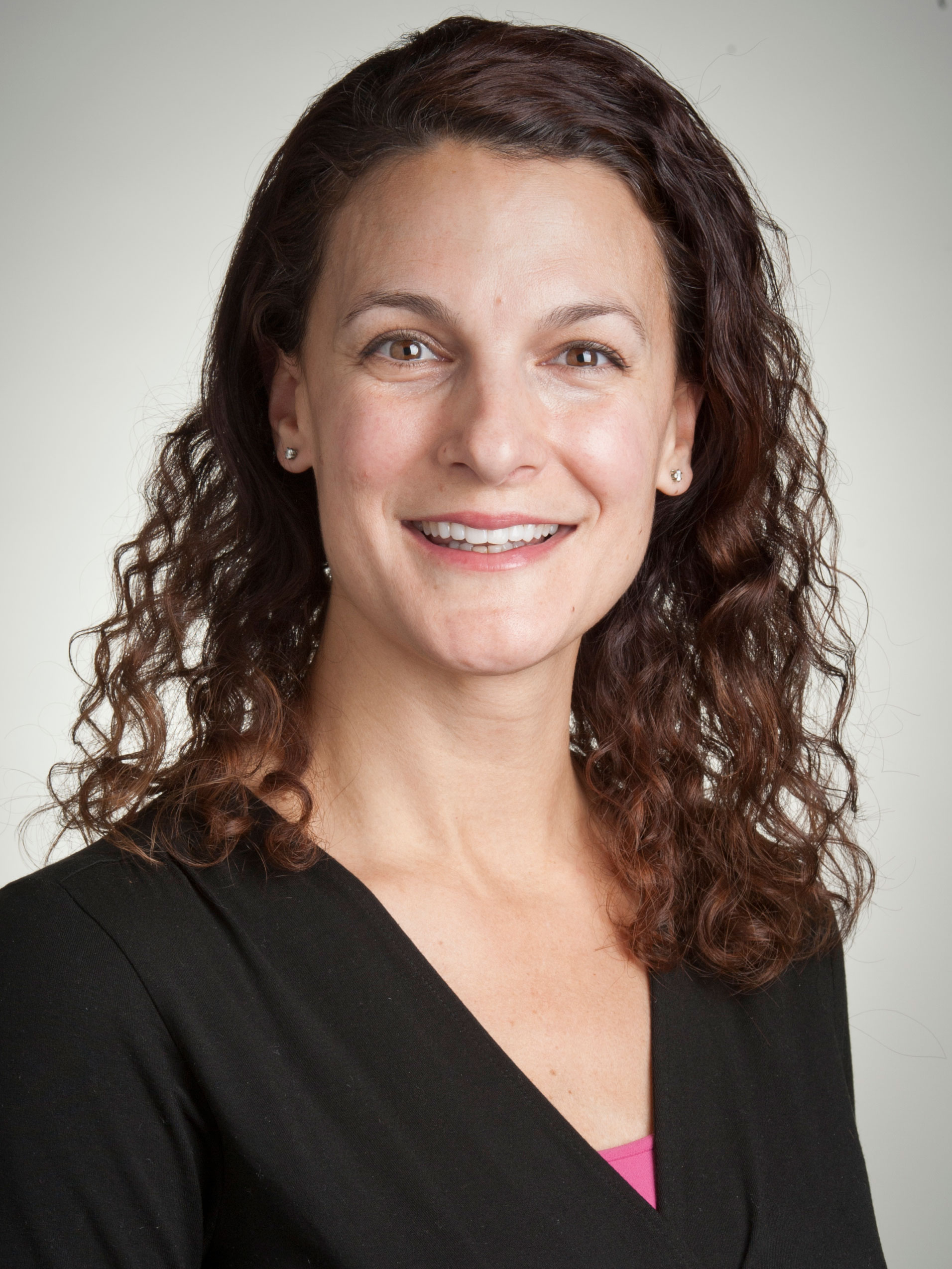
Catherine Neto is a Professor in the Department of Chemistry & Biochemistry at the University of Massachusetts Dartmouth. She can be reached via phone at 508-910-6928 or 508-999-9167, or by email at cneto@umassd.edu . Her office is located in Science & Engineering 301A. Teaching Programs: CHM 265: Organic Chemistry Lab I CHM 600: Thesis/Dissertation Rsch CHM 650: Graduate Seminar Her research focuses on Phytochemicals with anti-cancer, antimicrobial, and antioxidant activity from cranberries and other plant sources , emphasizing bioactivity, purification, and analysis of natural products, as well as factors influencing secondary metabolite production. This work intersects with functional food development and cellular protective mechanisms. She has secured significant funding for cranberry health research, including grants from the Massachusetts Department of Public Health and Ocean Spray Cranberries, Inc., totaling over $449,408 for projects related to oxidative stress, inflammation, gut health, and triterpenoid characterization.





/prod01/production-cdn-pxl/media/umassdartmouth/profiles/arts-and-sciences/chemistry/CatherineNeto_150312_0010a.jpg)