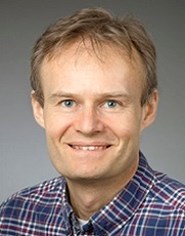
Paul Stevenson is an Assistant Professor of Physics at Northeastern University's College of Science, leading the Stevenson Group. His research focuses on quantum sensing and biophysical dynamics using solid-state spins, particularly nitrogen vacancy centers in diamond. He develops nanoscale sensors for probing molecular motion and quantum communication technologies. Notably, his work bridges physics, chemistry, and biology, addressing challenges such as magnetism in complex systems and single-molecule imaging. He is a 2023 TIER1 Awardee and collaborates with institutions like Brown University and UC Berkeley. Stevenson's lab explores quantum materials and spintronics, leveraging interdisciplinary approaches to advance quantum hardware and biophysical understanding. His group's innovations include ultrasensitive magnetometers and tools for studying antiferromagnetic ordering. Contact: p.stevenson@northeastern.edu .
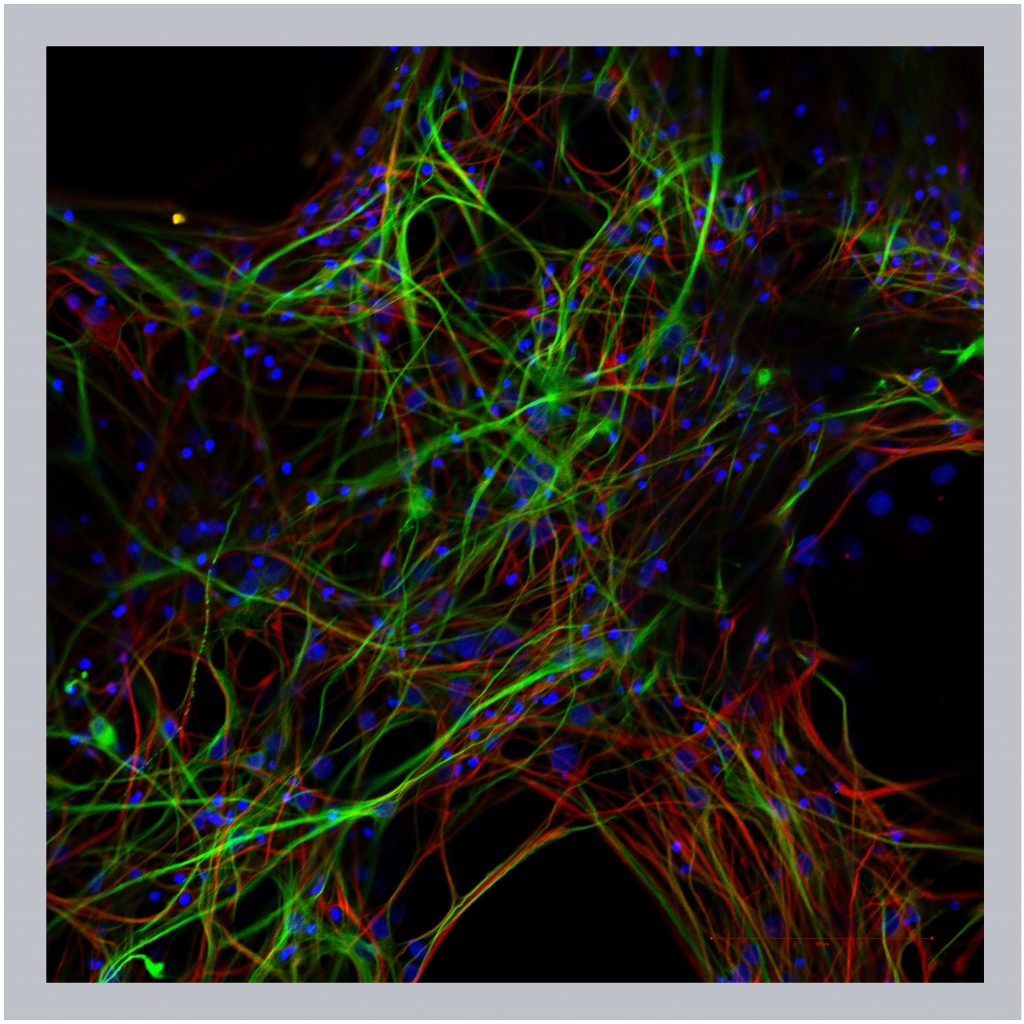
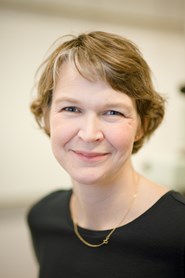
Professor Elisa Hill is a distinguished academic at RMIT University where she serves as a Professor in the Department of Health and Biomedical Sciences within the College of Science. She leads the Gut-Brain Axis Laboratory and holds the significant position of Deputy Chair of the Academic Board at RMIT University. Her career spans prestigious institutions including The University of Melbourne and research collaborations in Paris, France. Professor Hill earned her PhD in Neuroscience from The University of Melbourne in 2002. She subsequently undertook a CNRS postdoctoral position in Paris studying cortical neuronal diversity. Returning to Melbourne in 2006 as an NHMRC Howard Florey Centenary Fellow, she joined Prof Steve Petrou's laboratory to investigate neuronal networks in genetic mouse models of epilepsy. In 2009, she imported the Neuroligin-3R451C mouse model of autism to Australia, establishing herself as a pioneer in gut-brain axis research. Her research program focuses on three interconnected areas: identifying causes of gut dysfunction in transgenic mouse models of neurological disease, determining how neurons communicate with the lymphoid system and inflammation, and understanding interactions between the nervous system and bacteria. Professor Hill has demonstrated that gene variations associated with autism alter neuron populations in the mouse enteric nervous system, affecting gut motility, permeability, microbiome composition, and behavior. Her laboratory has developed sophisticated capabilities including video-imaging assays for gut motility, immunofluorescence for neuronal and immune cell analysis, and whole-cell patch clamp electrophysiology for neuronal activity profiling. Analysis of her recent publications reveals a strong focus on the gut-brain axis in autism, with particular attention to the Neuroligin-3R451C mouse model. Her work spans neuroimmunology, gastrointestinal physiology, microbiome interactions, and behavioral neuroscience, demonstrating an increasingly interdisciplinary approach that integrates molecular, cellular, and systems-level perspectives. A notable trend is the expansion of her research into translational applications, including biomaterial development for urogynaecological health. NHMMRC Howard Florey Centenary Fellowship ARC Future Fellowship RMIT Senior Vice Chancellor's Research Fellowship Professor Hill actively supervises numerous PhD students including Vic Lin, Yuansong Li, and Mohammed Al Alamoudi, among others. Her research has been supported by major funding bodies including NHMRC, US Department of Defense CDMRP, CNRS, ARC, and RMIT. She leads the Gut-Brain Axis Laboratory, which collaborates extensively with researchers across institutions, particularly with Prof Ashley Franks at La Trobe University. The laboratory employs a multidisciplinary team with expertise in neuroscience, microbiology, immunology, and gastrointestinal physiology, utilizing advanced techniques to investigate the complex interactions between the nervous system, immune system, and gut microbiome.
Sara Pedron Haba is a Research Assistant Professor at the University of Illinois at Urbana-Champaign, affiliated with the Carle Illinois College of Medicine, Carl R. Woese Institute for Genomic Biology, and Department of Chemical & Biomolecular Engineering. She holds a PhD in Materials Science and Engineering from the University Carlos III Madrid and a BS in Chemistry from the University of Valencia. Her research focuses on developing biomaterial-based platforms to study brain physiology and neurological diseases, particularly glioblastoma. Key research areas include biomaterials for tissue engineering, tumor microenvironment modeling, and hyaluronic acid's role in cancer progression. Dr. Haba's work emphasizes creating microphysiological systems to bridge the gap between in vitro models and clinical applications. She has received notable awards, including the AACR NextGen Star (2021) and the Nature Publishing Award from the Society for Biomaterials (2016). Her lab collaborates widely, integrating expertise from chemical engineering, biomedical science, and oncology to advance therapeutic strategies for brain cancers. Education: PhD, Materials Science and Engineering, University Carlos III Madrid (2004–2009) BS, Chemistry, University of Valencia (2001) Awards: NextGen Star, AACR (2021) Nature Publishing Award, Society for Biomaterials (2016) CPLC 10K Pilot Program (2014) Research Themes: Biomaterials for brain tumor modeling Extracellular matrix dynamics in glioblastoma Therapeutic efficacy assessment platforms Her lab's efforts aim to improve patient-specific therapies and understand tumor-stroma interactions through innovative biomaterial systems.
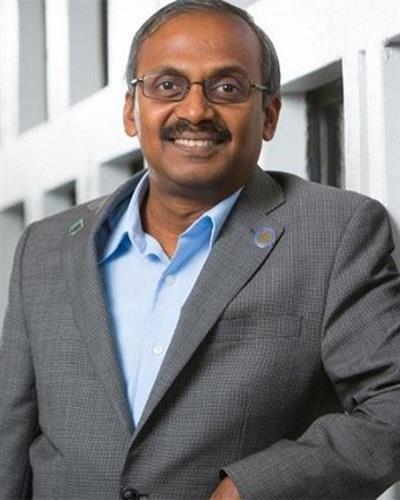
Abani Patra is a Professor of Computer Science, Mathematics, Mechanical Engineering, and Civil and Environmental Engineering at Tufts University. He also serves as the Center Director for Data Science at the Tufts Institute for Artificial Intelligence (TIAI). His research focuses on computational sciences and data-driven modeling, with applications spanning environmental systems, biomedical imaging, and geophysical hazards. He has directed major initiatives at the National Science Foundation (NSF) and U.S. Department of Energy (DOE), and previously founded the Institute for Computational and Data Sciences at the University at Buffalo. Education: PhD in Mathematics, University of Texas, 1995 MS in Mechanical Engineering, University of Missouri, 1990 BSc in Engineering, Birla Institute of Technology & Science, India Research Interests: Large-scale computational modeling and uncertainty quantification Data-driven approaches for geophysical hazards (e.g., debris flows, volcanic eruptions) Biomedical imaging and metabolic analysis Open science platforms for glaciology and volcanology Key Projects: Developed the Ghub platform for open cryosphere research Launched VICTOR, a cyberinfrastructure for volcanology Advanced AI-driven techniques for postfire debris flow prediction Grants & Leadership: Directed NSF and DOE programs in computational science PI for NSF Cyberinfrastructure grants Former director of the Institute for Computational and Data Sciences
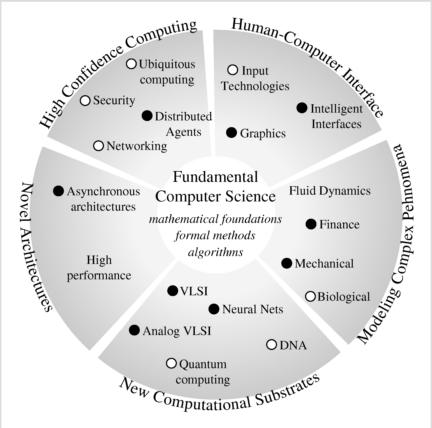
Alan H. Barr is a Professor of Computer Science at the California Institute of Technology (Caltech), affiliated with the Division of Engineering and Applied Science and the Computation & Neural Systems (CNS) department. He is a founding member of the Caltech Computer Graphics Group and a leader in developing mathematically rigorous methods for computer graphics and predictive modeling. His research focuses on enhancing computational modeling accuracy through approaches like interval analysis and constraint-based systems. Notable contributions include deformable models, quaternion interpolation, and cellular simulation frameworks. He has advised over 20 graduate students, many of whom became industry leaders at Pixar, Microsoft Research, and academic institutions like NYU and Brown University. Awards include the ACM SIGGRAPH Achievement Award (1988) and ACM Fellow (1995). Research Interests: Predictive modeling with error bounds Scientific visualization and MRI data analysis Biophysical systems simulation (e.g., cellular organelles) Self-assembling robotic structures for space colonization Mathematically robust computer graphics techniques Key Collaborations: Caltech Biological Imaging Center (Beckman Institute) JPL (Jet Propulsion Laboratory) New computational substrates research (quantum/DNA computing) Recent Work: Expanding into computational biology, medical imaging optimization, and high-confidence systems for managing complex computational interactions. Active in interdisciplinary projects across Caltech divisions.
Kazuki Sato is an Associate Research Scientist in the Department of Cell Biology at Yale School of Medicine. His research focuses on immune regulation, inflammation, and cancer biology with particular emphasis on the roles of immune receptors like DNAM-1 and TIGIT in tumor progression and regulatory T cell function. He has conducted studies on B cell biology, macrophage subpopulations, and the interplay between gut permeability and cardiovascular inflammation. Education: PhD from University of Tsukuba (2017), MS (2013), BA (2011). His work has been supported by awards including the Overseas Research Fellowship and Daiichi Sankyo Foundation of Life Science grant. He leads research in the Su Lab, investigating immune mechanisms in chronic inflammation and cancer. Key contributions include identifying marginal reticular cells' role in germinal center apoptosis clearance and developing protocols for isolating follicular dendritic cells. Research interests span immune checkpoint modulation, tumor immunology, and the gut-immune axis. His publications highlight translational insights into cytokine signaling pathways (e.g., IFN-γ, IL-6) and cellular interactions in inflammation-driven diseases.
Linda Sandblad is Associate Professor at the Department of Chemistry, Umeå University, and Research Fellow at Molecular Infection Medicine Sweden (MIMS). She directs the Umeå Centre for Electron Microscopy and leads research into cytoskeletal organization using advanced imaging techniques. Her research investigates: FilP protein dynamics in Streptomyces coelicolor bacterial model Keratin filament assembly in epithelial tissues Microtubule dynamics and associated protein functions Advanced electron microscopy method development Recent publications demonstrate applications of cryoelectron tomography, fluorescence imaging, and structural analysis across bacterial and eukaryotic systems, with particular focus on membrane proteins, cellular division mechanisms, and host-pathogen interactions. She received the Bo and Barbro Hammarström Prize for outstanding contributions to research infrastructure development.
Stephen Bustin is a Professor of Molecular Medicine at Anglia Ruskin University , UK. He has held multiple academic positions, including Professor of Molecular Science at Queen Mary University of London (2004-2012) and Senior Lecturer/Reader at Barts and The London School of Medicine & Dentistry. Academic Ranks: Professor (Molecular Medicine, Anglia Ruskin University, 2014-present) Education: PhD in Molecular Genetics, Trinity College Dublin Research Interests: Bustin's work focuses on improving molecular diagnostic techniques, particularly PCR, with applications in infectious disease testing (e.g., SARS-CoV-2) and cancer biomarkers (e.g., colorectal cancer). He pioneered the MIQE guidelines for standardized qPCR reporting and developed rapid diagnostic assays like CoV2-ID for point-of-care testing. Publication Trends: Recent articles emphasize PCR standardization, reproducibility challenges, and rapid diagnostic solutions for SARS-CoV-2. His work spans molecular diagnostics, assay design, and scientific integrity, with a strong focus on clinical applications. Awards: 2010 : Fellow of the Society of Biology (FSB) 2006-2013 : Visiting Professor of Molecular Biology, University of Middlesex Expert Testimony: Bustin served as an expert witness in high-profile trials, including the MMR vaccine-autism class action (2003-2007) and the Lundy murders (2015), where he critiqued flawed molecular evidence. Grants & Collaborations: While no specific grants are listed, he led international consortia for MIQE guidelines and collaborated with institutions like TATAA Biocenter and Kim-Il-Sung University. His work includes developing rapid PCR assays and debunking misinformation about diagnostic techniques. Labs & Teams: Bustin's research has been conducted at Anglia Ruskin University, with collaborations in the UK, Switzerland, and New Zealand. He actively promotes transparency in molecular research through his publications and advocacy.
Anders Hofer is an Associate Professor and Docent in Medical Biochemistry at Umeå University's Department of Medical Biochemistry and Biophysics, serving as Director of Studies. His research focuses on nucleotide metabolism in pathogens and mammalian cells, with an emphasis on enzymes like ribonucleotide reductase and nucleoside kinases. His work targets pathogens such as Trypanosoma brucei (African sleeping sickness), Giardia intestinalis, and Borrelia burgdorferi (Lyme disease), aiming to develop drugs exploiting their metabolic vulnerabilities. His lab employs techniques like GEMMA analysis, mass photometry, and nucleotide quantification methods. Recent grants include a three-year strategic research grant from the Medical Faculty in 2023. Key projects include studying nucleotide salvage pathways in pathogens and developing adenosine analogues as antiparasitics. Collaborations span structural biology, enzymology, and drug discovery. His work addresses antibiotic resistance by targeting unique pathogen features.
Eduardo N. Chini, M.D., Ph.D., is a Professor at Mayo Clinic with primary and joint appointments in the Department of Anesthesiology and Perioperative Medicine and the Department of Cancer Biology. He is based in Rochester, Minnesota, and leads a research program focused on NAD metabolism, aging, and their roles in diseases such as cancer, obesity, and kidney disease. Education: BS in Biology, Centro Educacional de Niteroi-RJ MD, Universidade do Rio de Janeiro PhD in Biological Chemistry, Universidade do Rio de Janeiro Fellow, Department of Physiology and Biophysics, Mayo Clinic Resident in Anesthesiology, Mayo Clinic College of Medicine Research Interests: Eduardo N. Chini's research investigates the central role of nicotinamide adenine dinucleotide (NAD) in cellular metabolism, aging, and disease. His lab has made foundational discoveries in NAD catabolism, identifying CD38 as the primary enzyme regulating NAD levels in mammals. His work explores SIRT1 regulation via CD38 and DBC1, NAD metabolism in cancer, and its implications in polycystic kidney disease. He is particularly interested in how NAD signaling influences aging, metabolic syndrome, and organ dysfunction. Recent Research Trends: His recent publications (2023–2025) reveal a strong focus on the role of CD38 in aging, immune function, and tissue metabolism. Key themes include NAD+ depletion triggering inflammatory responses, CD38 inhibition as a therapeutic strategy for cardiotoxicity and metabolic aging, and the interplay between senescence, stem cell function, and mitochondrial health. His work increasingly integrates translational models with molecular mechanisms in aging and cancer. Scientific Awards: Florida Investigator of the Year, Mayo Clinic (2024) Glenn/AFAR Breakthroughs in Gerontology Award (2007) Edward C. Kendall Award, Mayo Clinic Alumni Association (2002) Directors Award for Aging Research, Kogod Center on Aging (2018) Distinguished Scientist Seminar Series, Georgetown Medical School (2022) Grants and Leadership: Dr. Chini is a co-Principal Investigator on multiple NIH-funded grants, including projects on CD38 in scleroderma, CLL, and male reproductive aging. He is Co-Director of the Mayo Clinic Mitochondrial Care Center and Associate Director of the Robert and Arlene Kogod Center on Aging. He has served on numerous national review panels and advisory councils, including the NIH Hepatobiliary Pathophysiology Study Section and AFAR's National Scientific Advisory Council. Labs and Teams: Dr. Chini leads a research laboratory at Mayo Clinic focused on NAD metabolism and aging. His team collaborates extensively with experts in cancer biology, mitochondrial medicine, and aging research. He is affiliated with the Mayo Clinic Comprehensive Cancer Center, the Kogod Center on Aging, and the Robert M. and Billie Kelley Pirnie Translational PKD Center.
Chi (Jesse) Zhang is a Research Professor at Purdue University's Department of Chemistry, leading the Zhang Research Group. His work focuses on developing novel optical spectroscopy, imaging, and opto-control technologies to study chemical processes in living systems. He has pioneered techniques like Real-Time Precision Opto-Control (RPOC) and applies them to biomedical problems, including cancer metabolism and neurodegenerative diseases. His lab collaborates with institutions like Merck and has been recognized with awards such as the Astronaut Scholarship and Alice Watson Kramer Award. Education details are not explicitly provided, but his postdoctoral research at the Beckman Institute (2018–2020) indicates prior training in advanced scientific technology. His research integrates optical engineering with biological systems, emphasizing label-free imaging and real-time manipulation of cellular components. Key achievements include over 50 peer-reviewed publications and the development of the photokinesis technology platform (http://www.photokinesis.tech). His group hosts an active wet lab with projects ranging from lipid metabolism studies to optical device innovation. Recent milestones include successful student defenses, conference presentations, and impactful publications in ACS Photonics , Anal. Chem , and npj Imaging .
Robert Furbank is a Professor and Centre Director at the Australian National University (ANU), leading the ARC Centre of Excellence for Translational Photosynthesis. He specializes in enhancing crop yields through improving photosynthesis and abiotic stress tolerance in cereals like wheat and rice. His work spans plant phenomics, genetic manipulation, and high-throughput phenotyping techniques. He co-leads the C4 Rice Consortium, aiming to introduce C4 photosynthesis into rice to boost productivity. Furbank holds a BSc (Hons) from the University of Wollongong (1979) and a PhD from ANU (1982). He has received prestigious awards, including the Queen Elizabeth II Research Fellowship (1987) and the CSIRO Plant Industry Leadership Award (2014). Research interests include C3/C4 photosynthesis mechanisms, carbon allocation, and developing tools for plant phenomics. He collaborates internationally with organizations like CIMMYT and IRRI, focusing on translational research to bridge experimental findings with crop improvement. His recent projects address heat tolerance in wheat and satellite-based phenotyping for crop analysis. Education: Bachelor of Science (First Class Honours), University of Wollongong, 1979 PhD, Australian National University, 1982 Research Highlights: Combining molecular genetics and phenomics to understand genetic variation in photosynthesis; developing CO2-concentrating mechanisms in rice; improving wheat yield via high-throughput measurement tools. Awards: Queen Elizabeth II Research Fellowship (1987) ACT ICT Innovation Award (2013) CSIRO Plant Industry Leadership Award (2014) Grants and Collaborations: Leads major initiatives like the ARC Centre and participates in global consortia such as the International Wheat Yield Partnership. His work integrates advanced imaging and machine learning for crop trait prediction.
Nuno Pinto is a Senior Lecturer in Urban Planning and Urban Design at the University of Manchester's School of Environment, Education and Development. He holds a PhD in Planning from BarcelonaTech (Spain) and a Civil Engineering degree from the University of Coimbra (Portugal). Previously, he held academic positions at the University of Coimbra and served as a Researcher at the Polytechnic Institute of Leiria. His research focuses on quantitative approaches to urban planning, including decision support systems, urban simulation, integrated transport planning, and big data applications. He is particularly known for his work on cellular automata models and agent-based simulations in urban policy analysis. Nuno has secured significant funding, including a £663k EPSRC grant for the 'Resilience Beyond Observed Capabilities Network+' and a £19k Turing-Manchester grant for VR analytics in digital twins. Teaching expertise spans data science applications in planning, GIS, and decision-support methods across multiple master's programs. He advises on PhD topics combining quantitative methods with Iberian/Latin American urban contexts. Nuno is a Fellow of the Higher Education Academy and recipient of the 2011 Breheny Prize for outstanding urban planning research. Notable projects include 'Synthetic Cities' digital twin frameworks, peri-urban climate change analyses (PERI-CENE), and cross-border collaborations like the FAPESP-University of Manchester initiative. Current research explores smart city strategies in Latin America and carbon accounting systems. Supervised over a dozen PhD students, including works on mobility decision systems, metropolitan data analytics, and serious gaming for urban participation. Active in professional networks such as the COST TU1408 Air Transport and Regional Development initiative.
Dr. Deborah Goberdhan is an Associate Professor at the University of Oxford , affiliated with the Department of Physiology, Anatomy and Genetics (DPAG) . She leads an independent research group investigating amino acid sensing , mTORC1 signaling , and exosome-mediated communication in cancer progression using both human cancer cells and Drosophila models . She serves on the Cancer Research UK Oxford Centre Research Committee , teaches Medical and Biomedical Sciences undergraduates , and acts as Academic Public Engagement Lead for her department. Her research focuses on cell growth regulation through Proton-assisted Amino acid Transporters (PATs) , which function as 'transceptors' modulating mTORC1 activity . This work has expanded to examine exosome heterogeneity and therapeutic delivery mechanisms with support from BBSRC and Cancer Research UK . She co-founded Oxosome , the Oxford extracellular vesicle interest group , to foster interdisciplinary collaboration. Key research areas include Cancer cell communication via exosomes Amino acid signaling in tumor progression Drosophila as cancer model system Clinical collaborations with Prof Adrian L Harris , Prof Freddie C Hamdy , and Prof Clare Verrill Recent publications highlight her group's contributions to exosome biogenesis (2023), brain-targeted siRNA delivery (2021), and nutrient stress responses in cancer (2020). She actively promotes scientific communication through ISEV social media initiatives.
Mohsen Heidari is an Assistant Professor in the Department of Computer Science at Indiana University, Bloomington. He is affiliated with the IU Quantum Science and Engineering Center (QSEc) and the NSF Center for Science of Information (CSoI). He previously held positions as a Visiting Assistant Professor at Purdue University and as a Postdoctoral Research Associate at CSoI. Ph.D. in Electrical Engineering (2019) and M.Sc. in Applied Mathematics (2017) from the University of Michigan His research focuses span quantum computing, theoretical machine learning, and information theory. Key themes include: Quantum algorithm design and sample complexity Fourier-based learning frameworks Quantum-classical duality in learning problems Information-theoretic approaches to biological systems Article trends show a strong emphasis on quantum-classical learning intersections (6/15 papers), Fourier analysis applications (5/15), and information-theoretic foundations (12/15). Notable venues include NeurIPS, IEEE Transactions, and ISIT. He directs research involving: Quantum Neural Network development Quantum measurement simulation Quantum data compression techniques Quantum algorithm implementation constraints