Dr. Giulia Biancon is an Assistant Professor Adjunct in the Department of Medical Oncology and Hematology at Yale School of Medicine. She holds a PhD from the University of Milan (2019) and is a member of the Halene Lab, focusing on RNA biology and hematologic malignancies. Her research combines high-throughput methodologies to study RNA mechanisms in diseases like myeloid leukemias and splicing factor mutations. Education: PhD in Molecular Biology from the University of Milan (2019). Research Interests: RNA splicing, stress granules in cancer, epitranscriptomics, clonal hematopoiesis, and the interplay between genetic mutations and cellular pathways in blood cancers. Awards: 2024 Eclipse Award, 2022 ASH Abstract Achievement Award, and 2022 RNA Society Best Poster Award. Her work has been published in journals like Cell Reports , Blood , and Molecular Cell . Labs/Teams: Principal member of the Halene Lab and coordinator at the Yale Center for RNA Science and Medicine. Collaborates with institutions like the SeroNet network for immunology studies.
Laura Solt, Ph.D. is an Associate Professor in the Department of Immunology and Microbiology at the Herbert Wertheim UF Scripps Institute for Biomedical Innovation & Technology in Jupiter, Florida. She also serves as Associate Dean of the Skaggs Graduate School of Chemical and Biological Sciences. Dr. Solt began her independent research career at Scripps Florida in 2013 and has established herself as a leading researcher in nuclear receptor biology within the immune system. Her research focuses on understanding the biologically relevant roles of nuclear receptors, particularly RORα and REV-ERBs, in the immune system with emphasis on TH17 cell development and autoimmune disease. Her lab employs a multidisciplinary approach combining molecular biology, genetic techniques, and chemical biology coupled with mouse models of autoimmunity and chronic inflammation. Dr. Solt's laboratory has made significant contributions to understanding how nuclear receptors regulate immune cell function, particularly in TH17-mediated inflammation. Her work has demonstrated roles for RORα and REV-ERBs in TH17 cell development and has developed synthetic ligands to these receptors for potential therapeutic applications in autoimmune diseases. Her extensive publication record shows a clear trajectory of research focused on nuclear receptor signaling in immunity, with recent work expanding into applications for cancer immunotherapy, neuroimmunology, and metabolic aspects of immune cell function. Her articles demonstrate expertise in both basic nuclear receptor mechanisms and translational applications. Ruth L. Kirschstein National Research Service Awards (2010-2013) Dr. Solt actively mentors graduate students including Adrianna Wilson (recipient of NIDDK F31 and Scheller Graduate Student Fellowship) and Sarah Mosure (recipient of NIH NRSA F31 award and Wendy Havran award). Her laboratory receives substantial funding from multiple NIH institutes (NIDDK, NCI, NIAID, NIGMS) as well as the Crohn's & Colitis Foundation. Current research directions include investigating the roles of NR2F6 in TH17 cells, exploring RORα function in CD8 T cells, and developing novel nuclear receptor modulators for therapeutic applications.
Josh Atkinson is an Assistant Professor in the Department of Civil and Environmental Engineering and the Omenn-Darling Bioengineering Institute at Princeton University. His research focuses on using synthetic biology and protein engineering to control electron transport in microbes for environmental applications, such as bioelectronic sensors and bioremediation. The Atkinson Lab investigates microbial energy processing, biofilm-electronic interfaces, and sustainable biotechnologies. Affiliations: Princeton University, Omenn-Darling Bioengineering Institute Research Interests: Microbial electron transport, bioelectronic systems, environmental monitoring, sustainable catalysis His work bridges disciplines like electrochemistry, bioengineering, and environmental science to engineer living materials for real-world challenges. The lab recruits students across levels, emphasizing diversity and interdisciplinary collaboration. Recent projects include real-time contaminant sensors and light-controlled biofilm patterning. Articles highlight innovations in bioelectronics and microbial systems engineering. The lab’s future directions involve scaling-up bioelectronic devices and enhancing microbial community understanding.
Dr. Angelika Rambold is a Group Leader at the Max Planck Institute of Immunobiology and Epigenetics in Freiburg, Germany, heading the Laboratory for Metabolic Organelle Networks in Immunology within the Department of Developmental Immunology. Previously affiliated with the University of Münster's Center for Molecular Biology of Inflammation (ZMBE) and Institute of Medical Biochemistry until January 2025, she investigates how intracellular organelle networks regulate immune cell function during inflammation, infection, and metabolic stress. Her research centers on dynamic interactions between mitochondria, lysosomes, lipid droplets, and autophagosomes during cellular adaptation to nutrient deprivation and pathogen challenge. Key interests include organelle communication mechanisms in immune cell activation, metabolic reprogramming in T cells and macrophages, and how defects in organelle networks drive primary immunodeficiencies like Chediak-Higashi syndrome. She employs advanced live-cell microscopy, super-resolution imaging, metabolomics, and single-cell transcriptomics to dissect these processes in primary immune cells and human disease models. Analysis of her publication record reveals consistent focus on mitochondrial dynamics as a central regulator of immune cell metabolism and fate determination. Landmark studies demonstrate TFEB-mediated itaconate synthesis for bacterial control in macrophages and coordinated organelle network responses during starvation, establishing critical links between organelle communication, immunometabolism, and disease pathogenesis across multiple immune cell types. Dr. Rambold serves as a supervisor in the Cells in Motion International Max Planck Research School (CiM-IMPRS) Graduate Programme, mentoring PhD students in interdisciplinary research. Her laboratory maintains active collaboration with the Center for Chronic Immunodeficiency (CCI) at the University of Freiburg to translate basic findings on organelle-mediated immune defects into clinical insights for patient-oriented research.
Joshua D. Rabinowitz is a Professor of Chemistry and the Lewis-Sigler Institute for Integrative Genomics at Princeton University, where he also serves as Director of the Ludwig Princeton Branch. His research focuses on achieving a quantitative, comprehensive understanding of cellular metabolism, with applications in both basic science and medical research. Dr. Rabinowitz's research interests span multiple areas of metabolism and systems biology: Quantitative analysis of metabolic networks and regulation Metabolomics and measurement of metabolite concentrations and fluxes Cancer cell metabolism and therapeutic targeting Metabolic regulation in microbes (E. coli, Saccharomyces cerevisiae) Biofuel production (focusing on Clostridium acetobutylicum) Metabolic impact of pathogen infection (viral infection of human cells) His laboratory has developed innovative methods for measuring cellular metabolites using state-of-the-art mass spectrometry technology and approaches for quantitating metabolic fluxes through isotope-labeling data interpretation. Analysis of recent publications reveals a strong focus on NAD+ metabolism, cancer metabolism, metabolic adaptations in disease states, and the intersection of metabolism with immunology and neuroscience, particularly in areas like T cell metabolism, Alzheimer's disease, and cardiac function. Dr. Rabinowitz has received recognition as a Highly Cited Researcher by Web of Science, indicating significant impact in his field. He advises several graduate students and has mentored numerous alumni, including Michel I. Nofal, Edmundo Leiva III, and Sean Hackett. His research is supported by multiple programs including NIH NHGRI Training Program and QCB Graduate Program. The Rabinowitz Lab operates at the intersection of chemistry, biology, and computational science, with all projects involving a mix of biological experiments, metabolomics, and computation to achieve their goal of a holistic understanding of cellular metabolism.
Martin Jastroch is a Professor at Stockholm University's Department of Molecular Biosciences, The Wenner-Gren Institute. His research focuses on the physiology and molecular mechanisms of energy metabolism from organism to molecule level. His primary research interests include: Energy metabolism physiology and molecular mechanisms Obesity and metabolic aspects Adipose tissue biology Mitochondrial mechanisms Thermogenesis and brown fat function Metabolic regulation in health and disease Professor Jastroch's research spans multiple disciplines, connecting molecular mechanisms with whole-organism physiology. His work on mitochondrial bioenergetics and thermogenesis has contributed significantly to understanding how energy metabolism is regulated across different biological scales. Recent publications show a growing interest in the evolutionary aspects of thermogenesis and the role of brown adipose tissue in metabolic diseases, with particular focus on UCP1 function, mitochondrial adaptations, and metabolic reprogramming in disease states. His scientific contributions include important findings on: UCP1 (Uncoupling Protein 1) function and regulation Mitochondrial bioenergetics in different tissue types Evolutionary aspects of mammalian thermogenesis Metabolic regulation in obesity and related disorders Links between mitochondrial dysfunction and neurodegenerative diseases Professor Jastroch leads 'Group Jastroch' at Stockholm University, where his team investigates the complex interplay between cellular energy metabolism and whole-body physiology, with implications for understanding and treating metabolic disorders.
Markus Babst is a Professor of Biological Sciences at the University of Utah, where he leads research at the Center of Cell and Genome Science. His work focuses on protein trafficking mechanisms in eukaryotic cells using Saccharomyces cerevisiae as a primary model system. His educational background includes: Diploma from Federal Institute of Technology, Switzerland Ph.D. from Federal Institute of Technology, Switzerland Dr. Babst's research centers on post-translational regulation of plasma membrane proteins through endocytosis and endosomal sorting. Key investigations include ESCRT-mediated protein sorting into multivesicular bodies for lysosomal degradation and eisosome-regulated storage of nutrient transporters. His work demonstrates how calcium signaling and proton gradients control eisosome disassembly and transporter endocytosis, revealing fundamental mechanisms of cellular stress adaptation. This research bridges membrane biophysics, metabolic regulation, and organelle dynamics. Analysis of his 15 most recent publications shows persistent thematic focus on membrane tension regulation, ESCRT complex dynamics, and nutrient transporter control. His work increasingly integrates mitochondrial metabolism with plasma membrane organization while maintaining yeast genetics as the core methodology. Recurring subfields include membrane contact sites, lipid domain organization, and stress-induced protein trafficking changes. Dr. Babst's scientific contributions are evidenced by his extensive publication record in high-impact journals, though specific awards are not documented in available sources. While student mentorship details are unavailable in the provided materials, his laboratory employs biochemical, genetic, and cell biological approaches to investigate membrane protein regulation. Grant funding specifics are not mentioned in the source text. His laboratory operates within the University of Utah's biological research ecosystem, utilizing S. cerevisiae to dissect conserved eukaryotic mechanisms. Current work emphasizes plasma membrane tension dynamics, ER-plasma membrane contact sites, and metabolic regulation of membrane protein trafficking, with implications for understanding cellular adaptation in changing environments.
Dr. Nicholas Broskey is an Associate Professor in the Department of Kinesiology at the College of Health and Human Performance, East Carolina University. His research bridges translational science and clinical practice, focusing on skeletal muscle physiology and mitochondrial biology to address metabolic diseases through exercise interventions. Dr. Broskey's work explores how maternal health during pregnancy programs infants' metabolic health outcomes, utilizing mesenchymal stem cell models to study developmental programming of obesity and diabetes. He combines clinical expertise in exercise prescription and metabolic assessment (e.g., hyperinsulinemic-euglycemic clamp, indirect calorimetry) with basic science techniques to evaluate mitochondrial content and function. His recent publications highlight maternal exercise effects on offspring metabolism, mitochondrial heterogeneity in racial health disparities, and bioenergetic adaptations in cancer cells. Grants from NIH, Brody Brothers' Foundation, and Duke University support his research on maternal-fetal metabolic programming and exercise transducers. Scientific Awards Outstanding Researcher or Creative Activity Award 2023-2024 Early Career Grant Challenge 2018 Endowed Postdoctoral Fellowship 2015 Best Poster 2012 Dr. Broskey actively serves on editorial boards for Clinical Experimental Obstetrics and Gynecology (2023) and International Journal of Sports Medicine (2022).
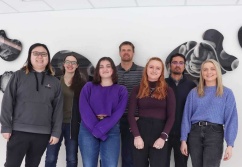
Owen Skinner is an Assistant Professor in the Department of Chemistry and Chemical Biology at Northeastern University, affiliated with the Barnett Institute of Chemical and Biological Analysis. He leads the Skinner Lab, which specializes in high-resolution mass spectrometry to study protein-metabolite interactions in health and disease. Skinner earned his Ph.D. from Northwestern University and conducted postdoctoral research at Massachusetts General Hospital. His research focuses on thiol redox regulation, vitamin cofactor metabolism, and oxidative phosphorylation dynamics. Education: Ph.D. in Chemistry (Northwestern University), Postdoctoral Fellowship in Analytical Chemistry (Massachusetts General Hospital). Research interests include proteomics, metabolomics, mitochondrial dysfunction, and metabolic signaling. The lab actively recruits graduate students, undergraduates, and postdoctoral researchers across Northeastern's scientific community. Affiliations: Barnett Institute, College of Science Lab Members: PhD students Yifan Liu, Michael Xiao, Angela Rojas-Merchan; Undergraduates Helena Rittenhouse, Ridha Shah; High School collaborator Helen Loango Techniques: Native mass spectrometry, proteomics, metabolomics, redox biology Publications span mitochondrial metabolism, metabolic biomarkers in septic shock, and enzyme engineering. The lab emphasizes interdisciplinary collaboration and supports students through Northeastern's experiential learning programs.
Moira Whyte serves as Sir John Crofton Professor of Respiratory Medicine and Head of Edinburgh Medical School at the University of Edinburgh, while directing the MRC University of Edinburgh Centre for Inflammation Research. Her leadership spans clinical academia and major research initiatives focused on respiratory pathophysiology. Her educational background includes a 1st Class B.Sc. (1981), M.B., B.S. (1984), and Ph.D. (1993) from the University of London, complemented by professional qualifications: M.R.C.P. (1987), F.R.C.P. (1998), and F.Med.Sci. (2005) from the Academy of Medical Sciences. Whyte's research centers on neutrophil biology, macrophage function, and hypoxia signaling pathways in respiratory diseases. Her work explores how oxygen-sensing mechanisms like HIF pathways regulate immune cell function in COPD, pulmonary fibrosis, and bacterial infections, with particular focus on cellular metabolism and inflammation resolution. Analysis of her 15 most recent publications reveals consistent focus on neutrophil and macrophage biology within respiratory diseases, with growing emphasis on metabolic regulation of immune responses. Her work bridges basic science (using zebrafish models) with clinical applications, particularly in COPD and pulmonary fibrosis. Her scientific recognition includes: 2014 OBE for Services to Respiratory Medicine 2014 Foundation Fellow of the European Respiratory Society 2005 Fellow, Academy of Medical Sciences 2002 Tudor Edwards Lecturer of the Royal College of Physicians 1994 Wellcome Trust Advanced Fellowship 1989 MRC Clinical Training Fellowship Whyte directs substantial research funding, including a £6.4M Wellcome Trust Clinical PhD Programme (ECAT-Plus) and multiple grants investigating macrophage function in COPD, hypoxia pathways in pulmonary fibrosis, and neutrophilic inflammation regulation. Her collaborative approach is evident in multi-institutional projects like the EME-TIPAC study on pulmonary fibrosis. As Director of the MRC Centre for Inflammation Research, she leads a multidisciplinary team investigating fundamental mechanisms of inflammation across multiple disease contexts, with particular strength in respiratory immunology and translational applications.
Rick T. Dobrowsky is a Professor in the Department of Pharmacology & Toxicology at the University of Kansas School of Pharmacy. He also serves as Director of the Graduate Program in Neuroscience. His research focuses on diabetic neuropathy and molecular chaperones, exploring how hyperglycemia impacts neurotrophin signaling and mitochondrial function in peripheral nerves. Education: Ph.D. in Pharmacology, North Carolina State University (1990) Postdoctoral Training at Duke University Medical Center (1995) Research Interests: His work examines molecular mechanisms underlying diabetic neuropathy, including neuregulin signaling, mitochondrial proteome changes, and the role of molecular chaperones like Hsp70 and Hsp90. Current projects investigate how hyperglycemia alters IGF-1 signaling and neuregulinism to drive neuropathic damage. Publications: Recent work highlights therapies targeting molecular chaperones to treat diabetic neuropathy and Charcot-Marie-Tooth disease, including cemdomespib and noviomimetic compounds. Key findings include improved mitochondrial function and reduced demyelination in animal models. Advising & Grants: He has advised students like Sukhmanjit Kaur and Yssa Rodriguez. His lab collaborates on NIH-funded projects exploring mitochondrial dysfunction in diabetes and molecular chaperone-based therapies. Labs: Director of the Dobrowsky Lab, which studies signaling pathways in nerve degeneration and develops novel therapeutic approaches for peripheral neuropathies.
David N. Langelaan is an Associate Professor in the Department of Biochemistry and Molecular Biology at Dalhousie University, within the Faculty of Medicine. He holds a PhD from Dalhousie University and has been a department member since 2016. His research focuses on structural biology, protein-protein interactions, cellular signaling, and protein engineering. Key projects include hydrophobin characterization and engineering, studying MITF's role in melanoma and development, and analyzing rhodoquinone biosynthesis in anaerobic environments. Education: PhD, Dalhousie University. Research Themes: Structural biology, protein assemblies, microbial biochemistry, cancer biology. His lab employs techniques like NMR spectroscopy, X-ray crystallography, and isothermal titration calorimetry. Current lab members include graduate students (Raymond He, Trilok Neupane) and honours students (Alex Bouchard, Janani Venkat). Funding is provided by agencies such as NSERC, CFI, and the Dalhousie Medical Research Foundation. Publications highlight contributions to antimicrobial mechanisms, transcription factor signaling, and hydrophobin self-assembly. Recent work examines MITF coactivator interactions and rhodoquinone biosynthesis pathways in bacteria.
Edward J. Usherwood is a Professor of Microbiology and Immunology at the Geisel School of Medicine, Dartmouth College. His research focuses on T cell-mediated immune surveillance in persistent virus infections and cancer, aiming to develop novel immunotherapies by understanding T cell memory and metabolic regulation. Department: Microbiology and Immunology Address: 630E Borwell Building, One Medical Center Drive HB 7556, Lebanon, NH 03756 Contact: 603-650-7730 (office), 603-650-7760 (lab), Edward.J.Usherwood@dartmouth.edu His work explores how persistent viruses interact with the immune system and how T cells can be reprogrammed to enhance memory differentiation for adoptive immunotherapy. Current projects include optimizing T cell metabolism to combat tumor microenvironments and identifying molecular requirements for T cell subpopulation maintenance. Recent publications highlight studies on genetic variation in immune responses, memory CD8 T cell differentiation mechanisms, and metabolic triggers for glycolytic activation. These works emphasize broad themes in immunology, genetics, and cellular bioenergetics. The lab trains graduate students and postdoctoral researchers, with alumni now holding academic and industry positions, including Joshua Obar (Geisel), Rameeza Allie (University of Pennsylvania), and Zhuting Hu (ElevateBio). Collaborations span programs like the Norris Cotton Cancer Center and American Association of Immunologists.
Jian Zhang is an Assistant Professor in the Department of Biomedical Engineering at the University of Arkansas. He obtained his B.S. in Theoretical and Applied Mechanics from Peking University (2011) and a Ph.D. in Biomedical Engineering from Carnegie Mellon University (2016), followed by postdoctoral research at Vanderbilt University (2017-2022). His work integrates engineering , mechanics , and computational biology to study cancer mechanobiology and regenerative medicine. Education: B.S., Theoretical & Applied Mechanics, Peking University (2011) Ph.D., Biomedical Engineering, Carnegie Mellon University (2016) Dr. Zhang's research focuses on cancer mechano-metabolism —how mechanical forces interact with cellular bioenergetics to influence tumor progression. His lab develops bioengineering tools and computational models to study cell migration in 3D environments, nuclear mechanics, and extracellular matrix interactions. Recent work explores leader-follower dynamics in collective invasion and mitochondrial transfer in aggressive cancers. The 15 most recent publications highlight themes in cancer metabolism , nuclear deformation , and matrix stiffness , with applications in metastasis and regenerative medicine. His articles span computational modeling of energy-driven invasion hierarchies, biophysical studies of nuclear mechanics, and translational research connecting tissue density to cancer progression. At the University of Arkansas, Dr. Zhang teaches BMEG 26104 Introduction to Biomedical Engineering (Fall) and BMEG 4700V/5700V Special Topics: Physics of the Cell (Spring). The Zhang Lab (Cell Biophysics Laboratory) emphasizes collaborative research, mentorship, and the development of precision mechanomedicine tools to address challenges in cancer and regenerative medicine.
Jingwei Cheng is an Assistant Professor in the Department of Molecular, Cellular, and Biomedical Sciences at the University of New Hampshire's College of Life Sciences and Agriculture. His research focuses on understanding the molecular mechanisms of DNA tumor viruses, particularly polyomaviruses, and their roles in cancer development. Specifically, his work investigates how Merkel cell polyomavirus (MCV) contributes to Merkel cell carcinoma (MCC) through interactions with tumor suppressors like p53 and RB, and the epigenetic regulation of transcriptional complexes. Cheng completed his B.S. in Biotechnology at Peking University and earned his Ph.D. in Biochemistry from the University of Illinois at Urbana-Champaign. His lab explores viral oncogenesis, MYC-driven cancers, and the interplay between transcriptional activation (via the SLaP complex) and repression (via PRC1.6) in neuroendocrine tumors. He also studies RNA methylation and splicing regulation in cancer cells with MYC overexpression. Cheng's research has identified druggable targets such as PRMT5 and the Tip60-p400 complex, aiming to develop therapies targeting MYC-driven cancers. His work bridges virology and cancer biology, with implications for neuroendocrine tumors like MCC and small cell lung cancer. He teaches courses on virology and cancer biochemistry and mentors students in molecular oncology research. His recent publications focus on viral mechanisms of immune evasion, molecular markers in MCC subtypes, and the therapeutic potential of targeting viral and epigenetic pathways. Cheng collaborates on genome-scale CRISPR screens and omics technologies to uncover cancer dependencies.