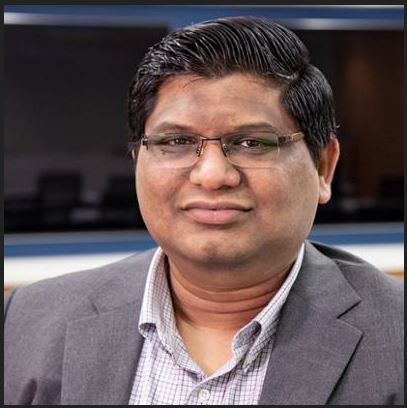
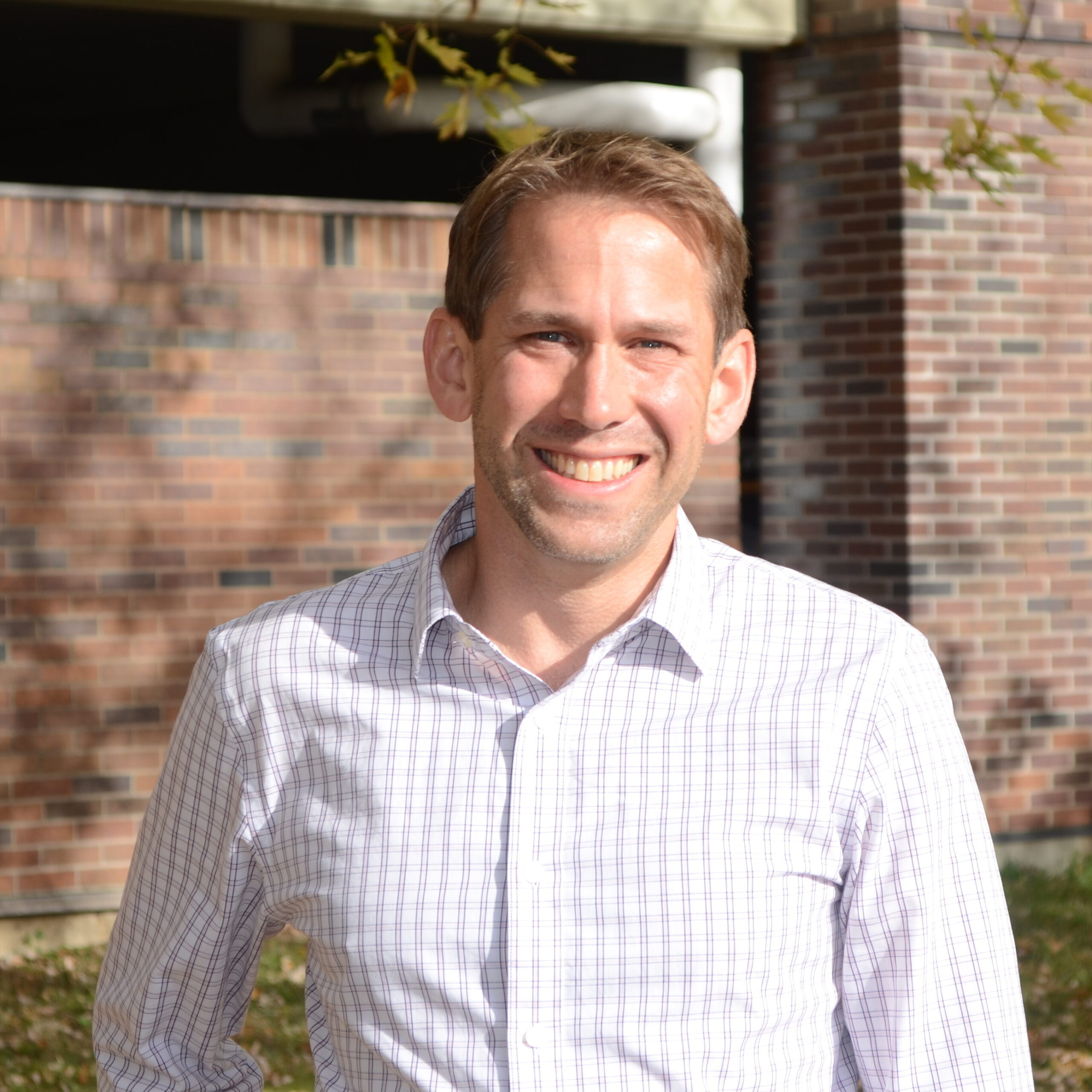
Nicolas BARBEZIER is an Associate Professor in Molecular and Cellular Biology affiliated with the EGEAL research unit. His work focuses on understanding the impacts of dietary components and environmental contaminants on intestinal health, microbiota dynamics, and chronic disease mechanisms. He holds a PhD from the University of Perpignan Via Domitia and specializes in translational research bridging basic biology, nutrition science, and veterinary medicine. Research interests include the effects of advanced glycation end-products (AGEs), plant-derived tannins, and nutritional interventions on gut integrity, immune responses, and microbiome composition. His studies often utilize in vitro models of intestinal barriers and animal husbandry systems to evaluate novel nutritional solutions for improving health outcomes in both humans and livestock. Key contributions span over 20 peer-reviewed articles since 2006, with recent work emphasizing early-life exposure to contaminants, microbiota modulation in weaned piglets, and the mechanistic basis of muscular dystrophies linked to proteostasis defects. His interdisciplinary approach integrates molecular biology techniques, advanced analytical chemistry, and systems biology to address multifaceted health challenges. Current affiliations include collaborative research within the EGEAL unit, focusing on developing biomimetic in vitro systems and exploring natural compounds for biomedical and agricultural applications.
Hemant Tiwari is a full-time Professor of Biostatistics at the University of Alabama at Birmingham (UAB) School of Public Health , with simultaneous senior scientist appointments at multiple UAB research centers including the Nephrology Research & Training Center and Center for Clinical and Translational Science (CCTS) . Holding a PhD in Mathematics from the University of Notre Dame, he transitioned to statistical genetics through postdoctoral work at LSU Medical Center and Case Western Reserve University, joining UAB in 2002. Doctor of Philosophy, Mathematics - University of Notre Dame (1986) His research focuses on genetic epidemiology , epigenetics , and multi-omics analysis of complex diseases like stroke, obesity, and autoimmune disorders. He has pioneered methods for polygenic risk score calibration and ancestry-specific genomic studies , particularly in African American populations. Recent work highlights include machine learning stroke prediction models for Sub-Saharan Africa and African ancestry-specific BMI risk alleles . Grants from the National Heart, Lung, and Blood Institute and American Heart Association support his research on cardiorenal genomics and stress-induced epigenetic modifications. As Vice Chair for Research and Faculty Development , he oversees academic initiatives while maintaining active collaborations across UAB's Comprehensive Diabetes Center , Cancer Center , and other multidisciplinary hubs.
Dr. Mubarak A Mujawar is a Research Professor at Florida International University's Department of Electrical and Computer Engineering, focusing on low-temperature plasma applications in nanofabrication, biotechnology, and biosensor development. His research spans IoT-enabled wearable sensors, electrochemical biosensing systems, and physics/engineering education innovations for large-scale course environments. Education: Ph.D. Plasma Science & Technology, Dublin City University, Ireland M.Sc. Physics with Materials Science, University of Pune, India B.Sc. Physics with Electronics, Willingdon College, India Research Interests: Combines plasma engineering with biomedical applications, developing smart biosensors for healthcare (e.g., cortisol monitoring, SARS-CoV-2 detection). Active in IoT/wearable sensor systems and collaborative engineering education methodologies. Recent work includes plasma-modified nanomaterials for enhanced electrochemical sensing and automated high-throughput biomedical devices. Teaching Focus: Leads courses in circuits analysis, IoT systems, senior design projects, and engineering fundamentals. Integrates hands-on learning strategies for large enrollment classes. Labs & Teams: Engaged in interdisciplinary projects at FIU's ECE department, collaborating on plasma-assisted nanofabrication and biomedical sensor development initiatives.
Kyle Biggar is an Associate Professor at the Department of Biology, Faculty of Science, Carleton University. His research bridges functional proteomics, post-translational modifications (particularly lysine methylation), and their roles in cancer and hypoxia. He leads a multidisciplinary lab with expertise in biochemical techniques, peptide array synthesis, and computational modeling of enzyme-substrate interactions. Education: B.Sc. (St. Francis Xavier), Ph.D. (Carleton) Research Themes: Regulation of protein interaction networks by lysine methylation, hypoxia signaling, therapeutic peptide design, and environmental stress adaptation Collaborations: Co-supervises students with Dr. James Green, partners with NuvoBio for cancer therapeutics His publications focus on enzyme specificity, methyllysine proteomics, and stress-responsive microRNA mechanisms. The lab trains students in advanced cellular and biochemical methods, with alumni contributing to fields like neurodegenerative disease and DNA repair. Recent work includes AI-driven protein interaction prediction, exploring lysine PTM competition in cancer, and developing KDM5C/SETD6 inhibitors. The lab also investigates mTOR-IGFBP-1 signaling in intrauterine growth restriction and employs peptide arrays for drug discovery. Lab Members & Students: Current: Francois Charih (NSERC PGS-D), Ruofan Wang, Mullen Boutler, Mitch Allen, Ella De Nicola, Johanna Enright Alumni: Dr. Hemanta Adhikary (KMT/KDM inhibitors), Viktoria Xing (methyl-binding domains), Ryan Collins (MLL4 substrates)
Michael Hildebrand is a Professor in the Department of Neuroscience at Carleton University and an Affiliate Investigator at The Ottawa Hospital. He serves as Associate Vice-Provost (Graduate Student Affairs), overseeing graduate policies, student crisis mediation, and thesis defense processes across the university. His educational background includes a PhD in neurophysiology from the University of British Columbia (UBC), followed by an industrial R&D fellowship at NeuroMed Pharmaceuticals and an academic postdoctoral fellowship at Sick Kids Hospital. Hildebrand's research focuses on spinal mechanisms of pain processing using molecular, pharmacological, electrophysiological, and behavioral approaches. His lab bridges translational gaps between basic science and clinical needs by studying acute/chronic pain states in both rodent and human spinal cord models. Key interests include sexual dimorphism in pain pathways , T-type calcium channel functions , and NMDA receptor subunit contributions to identify novel pain treatment targets. Analysis of his 15 most recent publications reveals dominant trends in sex-specific pain mechanisms, human spinal cord translational models, and molecular targets like calcium channels and NMDA receptors. His work consistently integrates rodent and human tissue studies to address chronic pain's clinical challenges. Scientific recognition includes: Ronald Melzack, Canadian Journal of Pain Paper of the Year Award (2023) Hildebrand mentors undergraduate, graduate, and postdoctoral researchers while securing major funding from NSERC, CIHR, MITACS, and industry partners. His leadership extends to national roles including Chair of the Canadian Pain Society's Scientific Program Committee. The Hildebrand Lab operates within Carleton's Health Sciences Building, utilizing pioneering human spinal cord preclinical assays alongside animal models to investigate pain mechanisms and therapeutic interventions.
Jennifer Evans is an Associate Professor in the Department of Biomedical Sciences at Marquette University . She holds a Ph.D. in Psychology from the University of California, San Diego, and completed postdoctoral research at the Morehouse School of Medicine. Her lab investigates neural circuits driving circadian rhythms using molecular, cellular, and behavioral approaches, with a focus on sex differences and light-induced plasticity. Research Interests include: Neural circuit organization in the suprachiasmatic nucleus Biological sex influences on circadian systems Light exposure effects on clock function Molecular signaling in clock synchronization Pathological consequences of circadian disruption Recent Publications reveal trends in: SCN circuit mapping , sex-based clock variability , neuropeptide signaling , and environmental entrainment . Her work has uncovered sex-specific responses to light and roles of somatostatin/VIP in clock regulation. Scientific Contributions include Faculty Fellowship from University of California Key discoveries about SCN intercellular coupling Establishing sex differences in circadian plasticity Defining non-photic entrainment mechanisms Elucidating seasonal GABA signaling Advising : Graduate student Sydney McGraw works in her lab. The Evans Laboratory explores circadian network dynamics and their health impacts, with ongoing projects on clock neuron specialization and downstream tissue regulation.
Jessica Rouge is an Associate Professor in the Department of Chemistry at the University of Connecticut. Her research focuses on engineering enzymes and nucleic acids to develop targeted chemical and biological systems for sensing, diagnostics, and therapeutics. She earned a B.S. in Biochemistry from Boston College (2006), a Ph.D. in Chemistry from the University of Colorado (2012), and completed a postdoctoral fellowship at Northwestern University (2013–2015). Her group investigates nucleic acid nanocapsules for drug delivery, including CRISPR-based assays and endosomal escape mechanisms. Recent work explores viral mimicry in nanocarrier design and stimuli-responsive systems for controlled release of therapeutics. Key projects include Alzheimer’s miRNA biomarker sensors and enzyme-responsive drug delivery platforms. Rouge leads the Rouge Group, advancing interdisciplinary approaches at the interface of chemistry and medicine.
Suresh Kumar, PhD, is an Associate Professor in the Department of Pathology & Laboratory Medicine at the Medical College of Wisconsin (MCW). He serves as Scientific Director for both the Children’s Wisconsin Research Institute's Imaging Core and MCW’s Neuroscience Research Institute Imaging Core. He holds a PhD in Biochemistry from Osmania University, India (1998). His research focuses on endothelial cell dysfunction in vascular anomalies, oxidative stress mechanisms in cardiovascular diseases, and congenital heart disease. He also develops imaging tools for translational research, managing advanced microscopy facilities including confocal, multiphoton, and laser-based systems. Research interests include studying infantile hemangioma, Sturge-Weber syndrome, and Cobb syndrome through proteomic, imaging, and biochemical approaches. His lab investigates nitric oxide synthase and indoleamine 2,3-dioxygenase pathways, linking fatty acid deficiencies to heart disease progression. Collaborations span multiple disciplines, leveraging imaging cores to advance experimental design and data analysis in 2D/3D/4D formats. Teaching responsibilities include microscopy and analytical methods training. The imaging facilities he oversees support high-resolution imaging for researchers across institutions, emphasizing accuracy and reproducibility. His work integrates basic science discoveries with clinical applications through multi-investigator collaborations.
Prof. Dr. Britta Trappmann is a newly appointed Professor for Complex 3D Cellular Systems at TU Dortmund University since April 2023. Her position is affiliated with the Department of Chemistry and Chemical Biology and the Dortmund Life Science Center (DOLCE). She holds a PhD in Chemistry from the University of Cambridge (2011) and a diploma in Chemistry from TU Dortmund (2007). Her research focuses on 3D tissue models, artificial blood vessel development, cell-ECM interactions, and biomaterial design. Professional Journey: 2016-2023: Group Leader at Max Planck Institute for Molecular Biomedicine (Münster) 2013-2016: Postdoc at Boston University & Harvard Wyss Institute (USA) 2012-2013: Postdoc at University of Pennsylvania (USA) Research Highlights: Pioneering work on biomimetic hydrogels mimicking ECM properties Development of tunable materials for studying vascular formation Investigations into mechanotransduction mechanisms in endothelial cells Creation of ex utero embryo-trophoblast co-culture systems Publications Trends: Recent work emphasizes hydrogel-based models for angiogenesis and mechanobiology. Key themes include ECM design principles, force-regulated signaling pathways, and biomaterials enabling controlled cell behavior. Over 20 scientific articles published since 2010 span materials science, cell biology, and biomedical engineering disciplines. Lab & Collaborations: Leads the Complex 3D Cellular Systems group at TU Dortmund, focusing on interdisciplinary research combining chemistry, engineering, and biology. Active collaborations with Max Planck Institutes and institutions in the U.S. on regenerative medicine applications.
Anant Menon, PhD, is a Professor of Biochemistry at Weill Cornell Medical College, Cornell University, since 2005. He holds a PhD from Cornell University (1986), MS from Cornell (1982), and MSc from Indian Institute of Technology Kanpur (1980). His research focuses on cellular membrane biogenesis, lipid biosynthesis, and phospholipid scrambling mechanisms. Key areas include translocation of lipids across bilayers, membrane transport proteins, and ER membrane dynamics. His work employs biochemical, biophysical, and genetic approaches to study lipid scramblases, GPCRs, and membrane protein dysfunction in diseases like congenital disorders of glycosylation. Recent studies include cholesterol regulation of phospholipid scrambling, mitochondrial lipid import via VDAC, and molecular simulations of MTCH2 insertases. Menon has secured grants from NIH (e.g., Scramblases for protein glycosylation, 2022-2026) and NSF (Biology and mechanism of ancestral opsin function, 2024-2027). He collaborates with the Max Planck Institute of Molecular Cell Biology and Genetics. His lab’s contributions span over 200 publications, including landmark studies on lipid topogenesis and membrane homeostasis.
Heidi Hehnly is an Associate Professor in the Department of Biology at Syracuse University's College of Arts & Sciences. She serves as Associate Director of the BioInspired Institute and Director of the Blatt Imaging Center. Her research focuses on cellular mechanisms connecting cytoskeletal dynamics, membrane transport, and centrosome function to control essential cellular processes such as cell division, fate, and polarity. Education: Ph.D., Molecular Physiology and Biophysics, University of Iowa (2009) B.S., Biochemistry and Biophysics, University of Rochester (2003) Dr. Hehnly's laboratory investigates the interface between cytoskeletal dynamics and membrane transport, with particular focus on how these systems co-regulate one another during cellular processes. Her research program addresses the fundamental question: how are ciliated tissues assembled during tissue development? Using zebrafish, mammalian tissue culture, C. elegans, and murine models, her lab employs cell biology, biochemistry, live cell imaging, and high-resolution imaging techniques to study centrosome function, Rab GTPases, and their roles in cellular organization. A major focus is understanding how membrane trafficking events controlled by Rab11 interact with the centrosome to regulate cellular processes. Analysis of Dr. Hehnly's recent publications reveals a consistent focus on the relationship between membrane trafficking (particularly Rab GTPases) and centrosome function. Her work has increasingly incorporated advanced imaging techniques and expanded into studying cellular mechanics, particularly the role of vimentin intermediate filaments. Key themes include the coordination of lumen and cilia formation during development, mechanisms of centrosome positioning, and the role of pericentriolar matrix integrity in cell division. Scientific Awards: Renée Crown Professor in the Sciences & Mathematics, Syracuse University (2022-2025) Inaugural member of the Women in Leadership Cohort, Syracuse University (2022) James K. Dual-Agyeman Award for Outstanding faculty (2022) New Investigator Idea award, DOD (2020) Dr. Hehnly has mentored numerous graduate students, postdoctoral researchers, and undergraduate students, many of whom have gone on to prestigious medical and graduate programs. Her research is supported by multiple significant grants including an NSF NRT-URoL grant (2024-2029) as Co-PI, and several NIH grants as PI including 'Cell Cycle Dependent Mechanisms Triggering Lumen Formation in vivo' (2021-2025) and 'Four-Dimensional Prediction and Quantification of How Physical Forces Impact Organogenesis in Zebrafish' (2020-2025). She has also pioneered BioArt initiatives at Syracuse University, including the CHIMERA Art and Science Exhibition Programming. The Hehnly Laboratory, established in 2015, operates the Blatt Imaging Center at Syracuse University. The lab brings together researchers from diverse backgrounds to study cellular mechanisms using cutting-edge techniques including live cell imaging, optogenetics, and biosensor assays. The lab has developed novel methodologies for in vivo experimentation and maintains strong collaborative relationships with researchers across disciplines to gain novel perspectives on centrosome protein interactions during development.
Dr. Dong U Ahn is a Professor at Iowa State University, specializing in poultry product science and functional food components. His research focuses on lipid oxidation mechanisms, pathogen reduction in meat, and the development of bioactive peptides from egg proteins. He holds a Ph.D. from the University of Wisconsin-Madison (1988), and degrees from Seoul National University (M.Sc. 1983; B.Sc. 1978). His work spans food chemistry, immunology, and material science, with a strong emphasis on translating egg-derived components into functional foods and medical applications. Notable research includes improving food quality via enzymatic interventions, enhancing calcium absorption through phosvitin phosphopeptides, and creating antimicrobial biomaterials from eggshell membrane hydrolysates. Dr. Ahn’s recent studies (2023–2025) explore immunomodulatory peptides, wound-healing biomaterials, and the structural-functional relationships of proteins like ovalbumin. His articles highlight advancements in nutrient delivery systems, food safety, and osteogenic scaffold development. No scientific awards or grants are explicitly listed in the provided information. His advising and team collaborations are not detailed here, but his extensive publication record reflects a highly active research profile in food science and biotechnology.
Dr. Carine Gaiser is a Researcher at the School of Life Sciences, FHNW University of Applied Sciences and Arts Northwestern Switzerland. She is affiliated with the Institute for Chemistry and Bioanalytics, focusing on cell biology and in vitro toxicology. Her research employs cell cultures and tissue engineering to investigate disease mechanisms and substance efficacy/toxicity. Key collaborations include work on blood-brain barrier models, neuroregenerative scaffolds, and liver toxicity pathways. Her research interests span regenerative medicine, drug toxicity assessment, and biomarker discovery for fibrosis. She contributes to 'New Approach Methodology' (NAM) initiatives promoting non-animal testing strategies. Dr. Gaiser has published on topics ranging from miRNA roles in liver fibrosis to 3D cell culture platforms for high-throughput screening. Her work emphasizes translational applications, including in vitro models for drug development and tissue engineering innovations. She has presented findings at conferences like the ASHP Midyear Meeting and collaborates with interdisciplinary teams to advance alternative toxicology methods.
Steven W. Graves is a Professor in the Department of Chemical and Biological Engineering at the University of New Mexico, with a secondary appointment in the Department of Biochemistry and Molecular Biology. He serves as the Director of the Center for Biomedical Engineering and has held various leadership roles including Associate Dean for Research for the UNM School of Engineering and Director of the Biomedical Engineering Graduate Program. Dr. Graves received his Ph.D. from The Pennsylvania State University in 1998 and completed postdoctoral research at Los Alamos National Laboratory before joining UNM in 2008. His research spans two primary areas: Biomedical/Environmental Instrumentation and Diagnostics, and Biomolecular Engineering for Protease Studies, Screening, and Molecular Computation. His laboratory develops innovative technologies including low-cost portable flow cytometry systems for resource-limited settings, acoustic focusing methods for high-throughput cellular analysis, and molecular computation approaches for disease detection. Current research projects include enhanced imaging flow cytometry for plankton studies, parallel systems for high-throughput flow cytometry, and computing with biomolecules. Dr. Graves has received significant research funding from NIH, NSF, and USDA, and has been awarded the 2007 R&D100 award for the development of Portable Acoustic Cytometry. He has co-founded two companies, Eta Diagnostics, Inc. and Helion Scientific, Inc., to commercialize his research innovations. 2015-Present: Professor, Department of Chemical & Biological Engineering, University of New Mexico 2014: Associate Dean for Research, School of Engineering, University of New Mexico 2010-2014: Director, Biomedical Engineering Graduate Program, University of New Mexico 2008-2015: Associate Professor, Department of Chemical & Nuclear Engineering, University of New Mexico 2007-2008: Team Leader, Optical Spectroscopy and Instrumentation, Los Alamos National Laboratory His research group includes postdoctoral researchers, graduate students from multiple disciplines, and undergraduate students working collaboratively on interdisciplinary projects spanning engineering, biology, and chemistry.
Hadley D. Sikes is an Associate Professor of Chemical Engineering at MIT, holding the Esther and Harold E. Edgerton Career Development Professorship. She leads the Sikes Lab, focusing on biomolecular engineering, redox biology, and clinical diagnostics. Her research develops innovative diagnostic tools and explores H₂O₂ signaling in cancer therapies. Sikes joined MIT in 2009 after postdoctoral work at the University of Colorado and Caltech. She earned a Ph.D. in Physical Chemistry from Stanford University (2003) and a B.S. from Tulane University (1997). Education: Ph.D., Stanford University, Physical Chemistry (2003) B.S., Tulane University, Chemistry (1997) Research Interests: Her lab investigates epigenetic modifications, redox-directed cancer therapies, and diagnostic technologies. Key projects include improving medical diagnostics for diseases like malaria and cancer, and developing paper-based assays for rapid disease detection. She emphasizes ethical research practices, student well-being, and fostering an inclusive lab environment. Awards & Recognition: Willard Henry Dow Professorship of Chemical Engineering (2023) MIT Committed to Caring (C2C) Award (2019) ACS Best of BIOT Award (2018) NAE Innovative Young Engineer (2017) Grants & Advising: Sikes mentors students holistically, prioritizing mental health and work-life balance. Her lab has pioneered methods to reduce student isolation and improve lab dynamics. She actively advises on career development, balancing academic rigor with personal growth. Labs & Teams: The Sikes Lab is part of MIT’s Chemical Engineering Department, collaborating with institutions globally on projects like SARS-CoV-2 antibody testing and cancer metabolism studies. Their work bridges fundamental research with clinical applications.