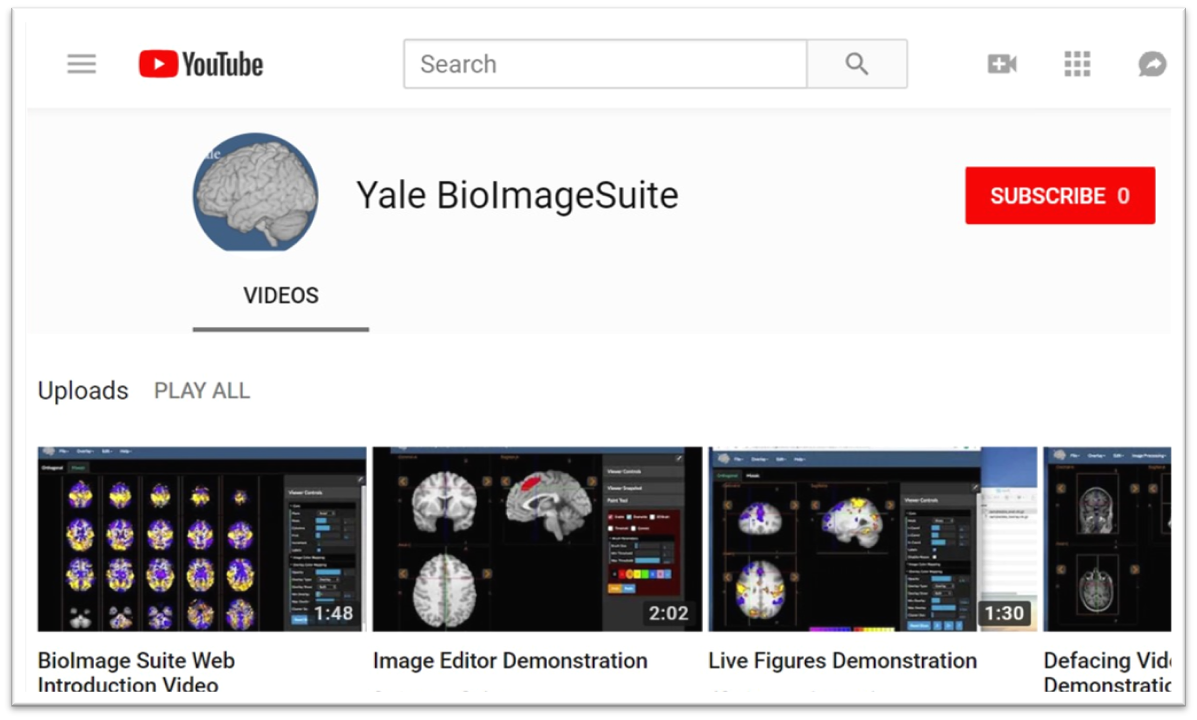
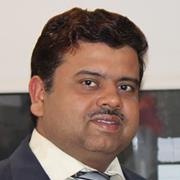
Xenophon Papademetris is a Professor of Biomedical Informatics & Data Science and Radiology & Biomedical Imaging at Yale School of Medicine. He serves as Associate Director of Biomedical Imaging Data Sciences at Yale Biomedical Imaging Institute and directs the Medical Software and Medical Artificial Intelligence Certificate Program. PhD in Electrical and Information Sciences from Yale University (2000) BA from Cambridge University (1994) Postdoctoral Fellowship at Yale University (2002) His research focuses on medical image analysis, machine learning, and biomedical software development. He has developed tools like BioImage Suite Web and contributed to standards committees at the Association for the Advancement of Medical Instrumentation (AAMI). His work spans modalities including MRI, CT, PET, and optical imaging. Recent publications emphasize neuroimaging analysis, explainable AI in healthcare, and multimodal data integration across species. He leads NIH-funded research under the BRAIN Initiative (R24 MH114805) and has authored a textbook on Medical Software published by Cambridge University Press. IEEE Senior Member Yale Brown-Coxe Postdoctoral Fellowship Harding Bliss Prize for Excellence in Engineering He directs the BioImage Suite Project, creating web-based image analysis tools using JavaScript and WebAssembly. His teaching includes both academic courses and a Coursera program on Medical Software with over 14,000 enrollments.
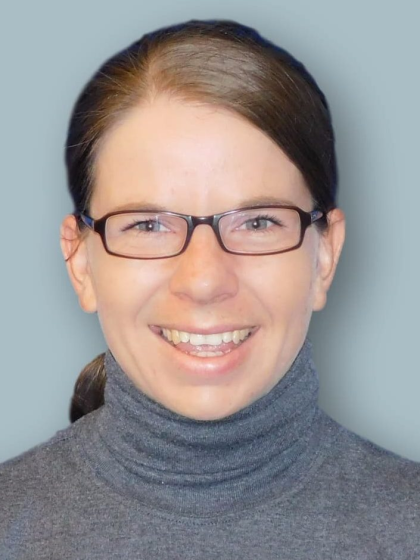
Gabriela Minigo serves as an Honorary Fellow in Global and Tropical Health and Associate Dean - Learning and Teaching within the Faculty of Health. Her academic profile demonstrates active engagement in malaria immunology research with a recent expansion into circadian rhythm and metabolic health investigations. Dr. Minigo completed her PhD at the University of Melbourne (awarded March 31, 2007) and earned a Master of Clinical Epidemiology from the University of Newcastle (awarded December 8, 2017). Her educational background provides a strong foundation in both basic science and clinical epidemiology. Her primary research focuses on immunological responses to malaria, with particular expertise in T follicular helper cells, dendritic cell function, and regulatory T cells in Plasmodium falciparum and Plasmodium vivax infections. Analysis of her research fingerprint reveals significant contributions to Plasmodium falciparum Immunology and Microbiology (100%), Dendritic Cell Immunology and Microbiology (45%), Regulatory T Cell Immunology and Microbiology (38%), and other related fields. In recent years, she has expanded her research to investigate the relationship between photoperiod, circadian rhythm, and metabolic health, as evidenced by her 2024 publications on these topics. Dr. Minigo's scholarly output shows an evolving research trajectory from fundamental malaria immunology toward interdisciplinary investigations connecting circadian biology with metabolic health. Her recent publications (2022-2024) demonstrate continued strong contributions to malaria immunology while incorporating new dimensions related to light exposure, sleep patterns, and glucose control. She has secured research funding for multiple projects including 'Rainmaker start up- Does exposure to artificial light alter circadian rhythm and glucose control in Australian adults? A pilot study' (2023-2026) where she serves as Co-Investigator, and 'Effect of Extended Photoperiod Exposure on Circadian Rhythm and Glucose Control' (2024-present) where she is Principal Investigator. Previously, she contributed as Chief Investigator C to 'Manipulating T follicular helper cells to improve human malaria vaccines' (2020-2023). As Associate Dean for Learning and Teaching, Dr. Minigo holds significant educational leadership responsibilities within the Faculty of Health. She is registered to supervise postgraduate research, indicating her active role in mentoring graduate students in immunology and tropical medicine research.
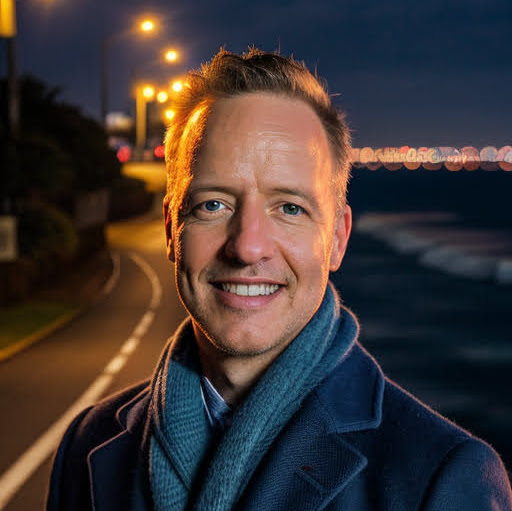
Dr. Julia Kamenz is an Assistant Professor (Rosalind Franklin fellow) at the University of Groningen's Faculty of Science and Engineering, where she leads research in the Molecular Systems Biology group within the Groningen Biomolecular Sciences and Biotechnology Institute (GBB). Her work focuses on understanding the molecular mechanisms that regulate cell cycle progression and cell division. Dr. Kamenz received her undergraduate training in Biochemistry at the University of Tuebingen, completed her PhD at the Friedrich Miescher Laboratory of the Max Planck Society under Dr. Silke Hauf (defended February 2015 with highest honors), and conducted postdoctoral research at Stanford University with Prof. James E. Ferrell. Her PhD work was supported by a Boehringer Ingelheim Fonds fellowship, and her postdoc was funded by a German Research Foundation (DFG) Postdoctoral Fellowship. Her research expertise spans cell cycle regulation and dynamics, post-translational modifications, Xenopus laevis model systems, and live cell microscopy. Dr. Kamenz investigates how kinases and phosphatases intricately regulate cell proliferation and division, with particular interest in the molecular mechanisms that ensure faithful chromosome segregation during mitosis. Her recent work has revealed novel insights into mitotic checkpoint signaling, particularly in early embryonic development where these checkpoints appear to function differently than in somatic cells. Dr. Kamenz's publication record demonstrates a strong focus on the dynamics of cell cycle transitions, with recent papers appearing in high-impact journals including Nature, The Journal of Biological Chemistry, and The Journal of Cell Biology. Her research integrates experimental biochemistry, live-cell imaging, and computational modeling approaches to understand complex regulatory networks. ERC Starting Grant (November 2022) NWO Vidi Grant (July 2021) Mansour Postdoctoral Travel Award (2019) Dr. Kamenz has secured significant research funding including an ERC Starting Grant (€1.5 million) and an NWO XS grant (€50,000) for her project "What limits mitotic checkpoint signaling in the early embryo?" Her research contributes to understanding fundamental biological processes with implications for developmental biology and cancer research. She collaborates extensively within the University of Groningen and with international partners, particularly in the areas of cell cycle research and biophysical approaches to biological problems. Dr. Kamenz leads a research group focused on cell cycle regulation within the Molecular Systems Biology division of the Groningen Biomolecular Sciences and Biotechnology Institute. Her lab combines biochemical approaches using Xenopus egg extracts with live-cell imaging and computational modeling to dissect the molecular mechanisms controlling cell division.
Claus Hélix-Nielsen is a Professor and Head of Department at the Department of Environmental and Resource Engineering, DTU Sustain, Technical University of Denmark. His research focuses on lipid-protein interactions, biomimetic membranes, membrane transport, and membrane channel proteins, utilizing electrophysiology, fluorescence spectroscopy, and computational modeling. Current Position: Professor and Head of Department Institution: Technical University of Denmark Research Unit: DTU Sustain Department: Environmental and Resource Engineering Research Interests: Dr. Hélix-Nielsen investigates how the hydrophobic coupling between transmembrane proteins and lipid bilayers regulates protein function through bilayer mechanical properties. His work also explores how these properties influence membrane dynamics, including vesiculation. He develops biomimetic membranes for biosensor and separation technologies, employing advanced techniques like Raman spectroscopy and molecular dynamics simulations. Recent Publications Trends: His 15 most recent articles emphasize biomimetic membrane engineering, membrane biophysics, and applications in environmental and biomedical fields. Topics range from artificial ion channels and drug delivery systems to computational modeling of lipid-protein interactions and environmental monitoring sensors. Techniques: Key methodologies include electrophysiology, fluorescence spectroscopy, electron paramagnetic resonance, Raman spectroscopy, and molecular dynamics simulations.
Istvan Albert is a Research Professor of Bioinformatics at Pennsylvania State University , affiliated with the Department of Biochemistry and Molecular Biology . He leads the Bioinformatics Consulting Center and teaches BMMB 852: Applied Bioinformatics . Research Interests: Specializing in bioinformatics, large-scale biological data analysis, microarray and sequence analysis, scientific programming, algorithm development, and database-driven web development. His work spans gene ontology visualization , RNA-Seq analysis , and coronavirus research . Software Development: Created GeneScape for gene function visualization and bio for bioinformatics workflows. Maintains the Biostar Handbook series and the Biostars Q&A Forum , a leading bioinformatics resource.
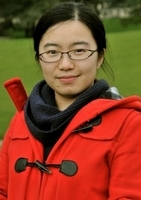
Dr. Xin Zhou is an Oxford-Bristol Myers Squibb Fellow at the Department of Computer Science, University of Oxford. Her research integrates computational modeling, clinical data, and experimental findings to investigate cardiac disease mechanisms and develop human-based simulations for drug evaluation. BSc and MSc in Life Sciences, Beijing Normal University DPhil in Computational Biology, University of Oxford Her work focuses on multi-scale cardiac modeling , particularly in ischemic heart disease and heart failure, exploring ionic currents, tissue conduction, and organ-level dynamics. She develops electromechanical simulations to study cardiac alternans and arrhythmic risks, translating these into clinical applications for patient stratification and pharmaceutical testing. Recent publications emphasize in silico clinical trials , sex-specific cardiometabolic analysis, and Purkinje network modeling. Collaborative efforts with clinicians and pharmaceutical partners highlight her translational approach to regulatory science. Model of the Year 2024, BioModels EPSRC Impact Acceleration Account Microsoft Research Project Award Recognition Award, University of Oxford She supervises PhD and MSc students in computational cardiology, while serving on the editorial board of Frontiers in Physiology . Her current projects involve digital twinning and predictive cardiac safety models to reduce animal testing reliance.
Brinton Seashore-Ludlow is an Associate Professor at the Department of Oncology-Pathology, Karolinska Institute (KI), where he serves as team leader in Olli Kallioniemi's research group and group leader of the biology team at Chemical Biology Consortium Sweden (CBCS), SciLifeLab's national infrastructure. PhD in Biochemistry, KTH Royal Institute of Technology (2012) MSc in Chemical Biology, California Institute of Technology (2007) BA in Biochemistry, Macalester College (2001) His research bridges precision medicine and cancer biology through: Developing ex vivo patient-derived models for drug response prediction Molecular determinants of therapeutic efficacy Integration of high-content imaging with translational studies Focus on ovarian, breast, and pediatric cancers AI-driven analysis of drug sensitivity data Recent articles demonstrate: 3D tumor spheroid platforms for drug testing Epigenetic regulators in neuroblastoma Microfluidics for high-throughput assays Cancer-stroma interactions in treatment resistance Clinical validation of precision diagnostics He co-organizes the Overview Course in Cancer Drug Discovery at KI and leads projects funded by the Swedish Childhood Cancer Foundation.
John Capobianco, PhD, is a Professor in the Department of Chemistry and Biochemistry at Concordia University and holds the Honorary Concordia University Research Chair in Nanoscience. His research focuses on lanthanide-doped nanoparticles, upconversion luminescence, and biomedical applications. PhD, University of Geneva Key research areas include: Nanomaterials synthesis and spectroscopy Upconversion for biomedical imaging Drug delivery systems Photodynamic therapy for cancer treatment Optical thermometry and sensing Recent publications highlight advancements in: X-ray detection via photochromic nanoparticles Lipid-coated nanoparticles for lung permeation Cooperative energy transfer in Yb3+/Eu3+ complexes Biocompatible nanomaterials for secure information storage Pr3+-doped radiosensitizers for glioblastoma therapy Scientific recognitions: Honorary Concordia University Research Chair in Nanoscience Teaching includes undergraduate and graduate courses in inorganic chemistry and spectroscopy. His work bridges fundamental material science with applied biomedical engineering, emphasizing optical properties and therapeutic applications of lanthanide-based nanomaterials.
Ana Maria Velez is an Associate Professor at the Department of Entomology, University of Nebraska-Lincoln. Her research focuses on insect responses to chemical stressors, particularly RNA interference (RNAi) and Bt toxins for pest management. With a 80% research and 20% teaching appointment, she leads the Insect Toxicology Lab and teaches courses like 'Toxins in the Environment' and 'Insecticide Toxicology.' Education: Ph.D. in Entomology, University of Nebraska-Lincoln, 2013 M.S. in Entomology, Universidad Nacional de Colombia, 2009 B.S. in Biology, Pontificia Universidad Javeriana, Colombia, 2006 Her research spans molecular, organismal, and population levels to evaluate transgenic crops and RNAi technologies. Key areas include resistance mechanisms, non-target effects, and risk assessment frameworks. She has extensive publications on western corn rootworm and fall armyworm, emphasizing sustainable pest control. Her work also addresses sublethal impacts on non-target species like monarch butterflies and honeybees. Recent articles highlight RNAi delivery optimization, Bt resistance dynamics, and ecological impacts of insecticides. Her lab collaborates on patents for RNAi-based pest suppression methods targeting chromatin remodeling and developmental genes. Scientific Awards Distinguished Multicultural Alumni (2019) DuPont Young Professor Award (2016) International Congress of Entomology Travel Awards (2016) Widaman Trust Distinguished Graduate Assistant (2011) Milton E. Mohr Teaching Fellowship (2012) The Vélez Arango Lab investigates durability and safety of insect control technologies, with emphasis on RNAi and Bt crops. Their work informs integrated pest management (IPM) systems and regulatory frameworks.
Jeffrey Beekman is a Full Professor at the University Medical Center Utrecht, specializing in translational research for chronic diseases through the Department of Pediatric Pulmonology. His work bridges basic and clinical research to develop novel diagnostics and therapeutics for conditions like cystic fibrosis (CF) and Primary Ciliary Dyskinesia. Education: PhD in Molecular Immunology (2004) Key Roles: Principle Investigator since 2010, co-founder of FAIR Therapeutics, Board Member of the Dutch Society for Stem Cell Research His research focuses on patient-derived organoid models to study disease mechanisms, validate therapeutic targets, and optimize drug development. Strategic programs include Child Health and Regenerative Medicine & Stem Cells . Recent publications highlight his work on CFTR gene therapy, organoid-based drug efficacy testing, and host-pathogen interactions in CF. Collaborations span molecular biology, clinical pulmonology, and biotech translation. Key Techniques: Organoid modeling, RNA sequencing, Forskolin-induced swelling assay Diseases Studied: Cystic Fibrosis, Colorectal Cancer Susceptibility, Primary Ciliary Dyskinesia
Steven R. Caliari is an Associate Professor in the Department of Chemical Engineering with a secondary appointment in Biomedical Engineering at the University of Virginia’s School of Engineering and Applied Science. He serves as the ChE Graduate Program Director and is a SEAS Copenhaver Fellow (2023). His research focuses on designing biomaterials to study cell-microenvironment interactions, addressing challenges in disease and tissue engineering. He holds a B.S. (2007, University of Florida), M.S. (2010), and Ph.D. (2013) in Chemical Engineering from the University of Illinois, followed by an NIH postdoctoral fellowship at the University of Pennsylvania. His research interests include biomaterials, mechanobiology, musculoskeletal tissue engineering, and advanced manufacturing for biological applications. His lab has pioneered viscoelastic hydrogel platforms and conductive collagen scaffolds, supported by NIH, NSF, DoD, and industry grants. Notable awards include the NSF CAREER Award (2021) and NIH MIRA (2020). Grants: NIH (NIGMS), NSF CAREER, V Foundation, UVA-Coulter Partnership Courses: Tissue Engineering (BME/CHE 4417), Transport Processes I (CHE 3321) Labs: Caliari Lab focuses on biomaterial design and mechanobiological studies His work bridges fundamental science and translational applications, emphasizing dynamic material systems for regenerative medicine and disease modeling.
Dr. Rebecca San Gil is a Lecturer at the School of Medical Sciences , University of Sydney, Australia. She leads the NeuroMolecular Discovery Group within the Neuroscience theme and is a member of the Charles Perkins Centre . Her research focuses on the molecular mechanisms underlying neurodegenerative diseases such as motor neuron disease (MND) and frontotemporal dementia (FTD) , with an emphasis on protein aggregation, stress responses, and therapeutic discovery. PhD, University of Wollongong (2018) Postdoctoral Research, Queensland Brain Institute (2018–2025) Endeavour Research Fellow (University College London) Her research spans molecular biology , neurosciences , and biochemistry , integrating techniques like genome-wide CRISPR screening , multi-omics analysis , and translational research . Key themes include the role of molecular chaperones , heat shock response , and protein folding dynamics in mitigating neurodegeneration. Dr. San Gil’s recent publications (2016–2025) highlight her work on TDP-43 pathology , heat shock proteins , and therapeutic strategies across ALS/FTD models. She has received awards such as the FightMND Early Career Research Fellow and the Sydney Dementia Network Future Research Leader Award (Travel Support Scheme) in 2025. Scientific Awards : FightMND Early Career Research Fellow, Sydney Dementia Network Future Research Leader Award (2025) Dr. San Gil actively mentors researchers like Celine CHYE and collaborates with institutions globally. Her team welcomes new members to explore neurodegenerative disease biology and therapeutic discovery .
Prof. Dr. Soeren Lienkamp is an Assistant Professor at the Institute of Anatomy , Faculty of Medicine , University of Zurich . His work bridges digital education and genetic research , focusing on enhancing medical teaching through innovative formats. Research Interests : Genetics, developmental biology, kidney disease modeling, CRISPR applications, digital medical education, and advanced microscopy. Methodologies : Combines Xenopus tropicalis models, deep learning , and bioengineering to study genetic kidney disorders and improve diagnostic tools. Publication Trends : His recent articles highlight predictable genome editing , 3D imaging technologies , and mechanistic insights into kidney and eye development. Earlier works focus on ciliary function , Wnt signaling , and metabolic stress in renal cells.
Jeff S Abramson is a Professor of Physiology in the David Geffen School of Medicine at the University of California Los Angeles (UCLA). His research focuses on the structural and functional characterization of membrane transport proteins, particularly sugar transporters and mitochondrial channels. He maintains an active laboratory investigating the molecular mechanisms of cellular transport processes. Dr. Abramson's primary research interests center on membrane transport proteins, with particular emphasis on sugar symporters and voltage-dependent anion channels (VDACs). His work combines structural biology, biophysics, and biochemistry to understand the molecular mechanisms of transport, including conformational changes during transport cycles, substrate recognition, and regulation by membrane potential. His research has significant implications for understanding metabolic disorders, mitochondrial function, and potential therapeutic targets. Analysis of Dr. Abramson's publication record reveals a consistent focus on membrane protein structure-function relationships over the past two decades. His work demonstrates expertise in X-ray crystallography, cryo-electron microscopy, and functional assays to characterize transport proteins. Recent publications show increasing emphasis on mitochondrial biology, particularly VDAC structure and function, while maintaining his longstanding interest in sugar transport mechanisms. His research bridges fundamental biophysical principles with potential biomedical applications in metabolic diseases. Dr. Abramson has been awarded multiple NIH grants supporting his research, including the R35GM135175 grant titled 'Deciphering molecular details of cellular sugar transport and their roles in disease' (2020-2024), R01GM124783 'Functional and structural studies of unique pathogenic transporters involved in glycobiology' (2017-2021), and R01GM078844 'Structural and functional characterization of sugar transporters in health and disease' (2006-2020). As Principal Investigator, Dr. Abramson has mentored numerous graduate students and postdoctoral researchers. His laboratory has made significant contributions to understanding the structure-function relationships of membrane transport proteins through collaborations with researchers across multiple disciplines. The lab utilizes advanced techniques including X-ray crystallography, cryo-EM, electrophysiology, and computational modeling to address fundamental questions about membrane protein mechanisms. Dr. Abramson's laboratory is part of UCLA's broader research ecosystem focused on structural biology and membrane protein research. His work intersects with several research centers at UCLA including those focused on metabolic diseases and structural biology. The lab maintains active collaborations with researchers specializing in biophysics, computational modeling, and disease mechanisms to translate basic findings into potential biomedical applications.
Professor Ravi Shukla is a faculty member at RMIT University's School of Science, holding the title of Professor and Deputy Head of Department (Research). He specializes in Nanobiotechnology, with research spanning biomaterials, drug delivery systems, and medical diagnostics. His work integrates biosciences, materials science, and food technology to advance understanding of nanomaterial-biomolecular interactions. Academic History: Professor Shukla has held roles at RMIT since 2011, progressing from Research Fellow to his current professorship. He also serves as an Adjunct Professor at the University of Missouri and Theme Leader for Nanobiotechnology at RMIT’s Center for Advanced Materials and Industrial Chemistry. His teaching focuses on fostering student belonging and innovation in biotechnology education, including coordinating RMIT’s undergraduate Biotechnology program. Research Interests: His lab explores hybrid biomaterial synthesis, nano-enabled proteomics, and non-viral gene therapy using MOFs. Recent work emphasizes applications in diabetes biosensing, CRISPR/Cas9 delivery, and antimicrobial resistance mitigation through nanostrategies. Over 130+ publications and substantial research funding highlight his interdisciplinary impact. Professional Engagement: Editor roles in Frontiers in Bioengineering and Biotechnology , Co-Editor-in-Chief of Current Research in Nutrition and Food Science , and advisor to the Australasian Association of Ayurveda underscore his leadership. He actively mentors students in projects like nano-antimicrobial wound healing and aptamer-based hepatitis A detection. Key Achievements: Pioneered nucleic acid-encapsulated MOFs for cancer therapy and developed paper-based biosensors for rapid diagnostics. His work aligns with UN Sustainable Development Goals 2 (Zero Hunger) and 3 (Good Health).