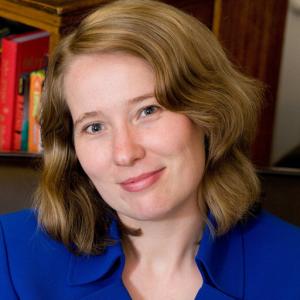
Jennifer Ross is a Professor of Physics and Associate Dean for Creativity, Scholarship, and Research at the College of Arts & Sciences of Syracuse University . As a biophysicist, she investigates how cells organize their interiors through self-assembly and active matter principles, focusing on the microtubule cytoskeleton and enzyme-driven systems using single-molecule imaging . Her research bridges fundamental physics with biological organization . Education: Ph.D. in Physics, University of California, Santa Barbara (2004) B.A. in Physics and Mathematics, Wellesley College (2000) Research Focus: Self-organization of cytoskeletal networks Active matter dynamics in biological systems Motor protein interactions and cargo transport Programming circadian materials via biomolecular systems Microtubule severing mechanisms Recent Article Trends: 2025 studies explore kinesin-driven cytoskeletal composites, urease-DNA origami engineering, and crosslinker-regulated network mechanics 2024-2023 work examines ionic strength effects on microtubules, programmable circadian materials, and motor-cargo dynamics Earlier studies analyze actin-microtubule composites, liquid crystal phase control, and severing enzyme mechanisms Scientific Awards: Fellow of the American Physical Society (APS) and American Association for the Advancement of Science (AAAS) Cottrell Scholar (2025) and STAR Award Margaret Oakley Dayhoff Award (Biophysical Society) Grants: Leads multiple NSF, Sloan Foundation, and Research Corporation grants for projects like "Energy and Entropy Sculpting" and "Explorations: SUPER-Tech SHIP" . Teaching: Offers courses in experimental physics, microscopy, and biophysics, including a globally adopted hands-on microscope-building curriculum. Lab: Heads the Bio-Active Matter Lab , studying how cells harness noisy systems for autonomous organization.
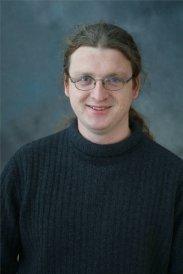
Yaojun Zhang is an Assistant Professor in the Department of Physics & Astronomy and the Department of Biophysics at Johns Hopkins University. She earned her PhD in Physics from the University of California, San Diego (2015), followed by postdoctoral fellowships at the Princeton Center for Theoretical Science (2015-2018) and the Princeton Center for the Physics of Biological Function (2018-2021). Her research focuses on biological physics, particularly the complex behaviors of biomolecules and their assemblies across scales—from single-molecule folding to intracellular transport and biomolecular phase separation. She employs theoretical, mathematical, and computational tools to bridge biological questions with physical principles. Education PhD in Physics, University of California, San Diego (2015) Postdoctoral Fellowships: Princeton University (2015-2021) Research Interests Her group studies biomolecular condensates and liquid-liquid phase separation, exploring how microscopic interactions determine macroscopic properties of cellular compartments. Key areas include: Biomolecular condensate formation and dynamics Phase separation in cellular environments Interactions between biomolecules and cellular components Biophysics of intracellular transport Collaborations & Tools Zhang collaborates with experimentalists to validate theoretical models and develops frameworks for understanding condensate functions, such as surface tension, stoichiometry, and phase diagrams. Her work addresses challenges like condensate stability, molecular exclusion, and biological function regulation. Labs & Resources She leads the Zhang Lab , which integrates experimental and computational approaches. Her team’s research is supported by resources at the Bloomberg Center for Physics and Astronomy.
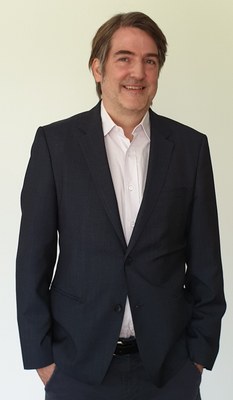
Michael McAlpine is a Professor in the Mechanical Engineering department at the University of Minnesota . He also holds affiliations with the Biomedical Engineering and Electrical and Computer Engineering departments. His research focuses on 3D printing functional materials & devices , Nanoscale inks , Biomedical devices , Bioelectronics , and Flexible Microsystems . Research Interests : 3D Printing, Biomedical Engineering, Nanotechnology, Flexible Electronics, Microfluidics Labs : ME 361/363 Contact : mcalpine@umn.edu , (612) 626-3303, ME 117 Recent Research Trends include 3D Printed Biomedical Devices , Flexible Electronics , and Bioprinting Applications . His work spans from Spinal Organoid Formation to Programmable Drug Release Capsules . Scientific Award : Circulation Research 2020 Best Manuscript Award
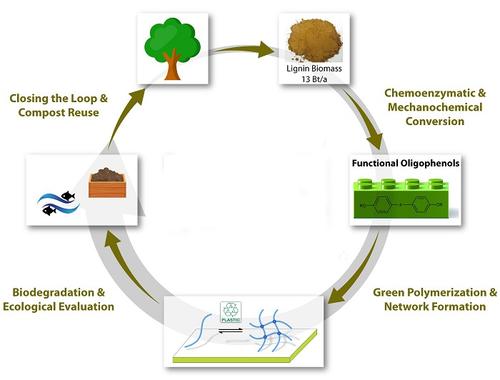
Rainer Haag is a Professor at the Department of Chemistry, Freie Universität Berlin, leading the Haag Group in the Institute of Chemistry and Biochemistry. His research focuses on biodegradable and sustainable materials, dynamic hydrogels, and polymeric nanosystems for biomedical applications. Department of Chemistry, Freie Universität Berlin Member of SFB 1449: Dynamic Hydrogels at Biointerfaces Collaborator in the StemGel startup project Co-founder of CSR|Berlin interdisciplinary research institute Research Interests: Development of stimuli-responsive polymers, multivalent virus inhibitors, and functional biointerfaces. Key projects include: Antiviral coatings using heteromultivalent polymers Thermoresponsive hydrogels for stem cell expansion Graphene derivatives for bacterial capture and disinfection Lignin upcycling for sustainable resin materials Supramolecular nanosystems for drug delivery Publication Trends highlight interdisciplinary work in polymer chemistry, nanotechnology, and biomedical applications. Recent articles focus on: 2D polyglycerols for virus interactions Redox-responsive nanogels Mucus-inspired adhesive hydrogels Tumor-targeting micelles Bacterial disinfection using graphene composites Labs & Collaborations include the Polymeric and Supramolecular Nanosystems subgroup, the Dynamic Hydrogels and Biointerfaces team, and partnerships with MIT in developing bioinspired adhesives. His group contributes to DFG-funded SFB 1449 and CSR|Berlin initiatives.
Wengong Jin is an Assistant Professor at the Khoury College of Computer Sciences, Northeastern University, and a visiting research scientist at the Eric and Wendy Schmidt Center at the Broad Institute. He holds a PhD from MIT CSAIL, advised by Prof. Regina Barzilay and Prof. Tommi Jaakkola. Research Interests: His work focuses on geometric and generative AI models for drug discovery, biology, and chemical engineering. Key areas include equivariant neural networks (e.g., FAFormer), diffusion models for binding energy prediction, antibody/enzyme design (RefineGNN, SurfPro), and molecular design through graph neural networks (Junction Tree VAE). He also explores domain generalization and systems for autonomous molecular discovery. Publications: His research has been published in top venues like NeurIPS, ICLR, ICML, Nature, Science, and Cell. Recent breakthroughs include discovering novel antibiotics using explainable AI and designing synergistic drug combinations for cancer treatment. Awards: He has received the BroadIgnite Award, Dimitris N. Chorafas Prize, and MIT EECS Outstanding Thesis Award for his contributions to computational biology and AI-driven drug discovery. Teaching: Currently teaches a PhD seminar on AI for Science, focusing on integrating machine learning into scientific discovery processes.
Prof. Waldemar Kolanus leads the Molecular Immunology and Cell Biology department at the University of Bonn's Life & Medical Sciences Institute (LIMES) . His research bridges immunoregulation , stem cell dynamics , and metabolic stress responses in immune cells. Unit 2 member at LIMES Principal investigator in SFB 704 and ImmunoSensation Cluster Leads a multidisciplinary lab with postdocs, PhD students, and technical staff His work focuses on intracellular signaling pathways connecting immune activation to tissue homeostasis, particularly through: Cytohesin proteins in integrin-mediated adhesion and migration TRIM71 in stem cell regulation and congenital hydrocephalus High-salt environments affecting macrophage function Publication trends show expertise in immune cell migration , genetic models , and chemical inhibition , with frequent use of mice and zebrafish for in vivo studies. Key articles explore: TRIM71's dual role in auditory development and germ cell maintenance Cytohesin family's Golgi regulation and insulin signaling Ruxolitinib's off-target migration inhibition of dendritic cells Contact details: Address: LIMES Institute, Carl-Troll-Straße 31, Bonn Email: kolanus.sekretariat@uni-bonn.de Phone: +49 228 73-62788
Christian Friedrich Wilhelm Becker is a full Professor at the University of Vienna, holding a position within the Faculty of Chemistry and the Department of Biological Chemistry. His research profile shows extensive activity in protein chemistry and biochemistry, with particular focus on post-translational modifications and their implications in disease mechanisms. His work bridges chemical biology, biochemistry, and biomedical applications, contributing significantly to the academic and research landscape at one of Europe's oldest and most prestigious universities. Faculty of Chemistry, University of Vienna Department of Biological Chemistry Active research leader with numerous ongoing projects Significant publication record spanning multiple disciplines Professor Becker's research primarily focuses on protein chemistry, particularly post-translational modifications and their role in protein function and dysfunction. His work spans multiple interconnected areas including ubiquitination, protein aggregation, prion protein behavior, and biomimetic approaches to protein analysis. His research has significant implications for understanding neurodegenerative diseases and developing novel therapeutic approaches. The fingerprint analysis of his work shows strong connections to biochemistry, molecular biology, and chemistry, with particular emphasis on cysteine chemistry, glycosylation, and amino acid modifications. Analysis of Professor Becker's recent publications (2021-2025) reveals a consistent research trajectory focused on protein modification techniques and their biological implications. His work shows increasing sophistication in chemical biology approaches to study protein function, with particular emphasis on ubiquitination pathways and protein aggregation mechanisms. The integration of chemical synthesis methods with biological analysis represents a hallmark of his research approach. His publications span high-impact journals in biochemistry, chemical biology, and peptide science, demonstrating the interdisciplinary nature of his contributions. Professor Becker has received notable recognition for his research contributions, most prominently the Cathay Award in 2020. This award acknowledges his significant contributions to the field of protein chemistry and chemical biology. His work appears to have practical applications in therapeutic development, particularly in the areas of targeted protein degradation and immunotherapy, which likely contributed to this recognition. Cathay Award (2020) Professor Becker leads multiple significant research projects, including 'Targeted protein degradation - from small molecules to complex organelles' (2020-2024), 'Taktira: Development of an improved, low-side-effect and sustainable immunotherapy' (2019-2023), and 'Structure Zoom: Zooming in on protein functional sites with atomic resolution' (2018-2021). These projects demonstrate substantial grant funding and collaborative research efforts across multiple institutions. His active participation in 290 recorded activities through 2025 indicates a highly engaged research program with numerous collaborators and trainees. Targeted protein degradation project (2020-2024) Taktira immunotherapy project (2019-2023) Structure Zoom project (2018-2021) Professor Becker's research environment includes a robust team of collaborators and junior researchers, as evidenced by the numerous co-authored publications and activities. His work intersects with multiple research groups studying protein function, modification, and therapeutic applications. The international collaboration network shown in his profile indicates significant engagement with researchers across multiple countries, creating a dynamic research ecosystem focused on advancing protein science and its biomedical applications.
Dr. Daniel Roxbury is an Associate Professor and Graduate Director at the Department of Chemical, Biomolecular and Materials Engineering within the University of Rhode Island's College of Engineering. With expertise in nanoscience and carbon nanomaterials, his research focuses on nano-bio interactions, developing functionalized nanotubes for biomedical applications and environmental monitoring through his NanoBio Engineering Laboratory. His work spans multiple disciplines including: Biomedical nanosensors Smart wearable biomaterials Targeted drug delivery systems Environmental nanotechnology Single-molecule imaging Nanotoxicology Recent publications emphasize machine learning-enhanced spectral analysis, coral reef conservation nanotechnology, and wearable stress monitoring textiles. His 2024 ACS Nano study introduces AI-driven macrophage phenotyping, while 2023 Nature Nanotechnology work explores coral reef restoration strategies using nanomaterials. Awarded the 2019 NSF CAREER grant for cellular nanometrology, he leads multiple NIH-funded projects including: $820,000 NSF CAREER: Spectral Imaging for Sub-Cellular Nanometrology $140,000 Miriam Hospital COBRE: Cortisol Detection Textiles $700,000 NSF EAGER: Multiplexed Wound Biomarker Detection His laboratory houses state-of-the-art equipment including: Near Infrared Hyperspectral Microscope Custom NIR Fluorescence Spectrometer Jasco UV/VIS/NIR Spectrophotometer Biosafety Cabinet Cell Culture Incubator Cryo-Storage System
James C. Gumbart is an Adjunct Professor in the School of Physics at Georgia Institute of Technology, with additional affiliation to the School of Chemistry and the Institute for Bioengineering and Bioscience . His research leverages molecular dynamics simulations to decode the atomic-level mechanisms of bacterial proteins and cellular structures. B.S., Physics and Mathematics, Western Illinois University, 2003 Ph.D., Physics, University of Illinois at Urbana Champaign, 2009 Dr. Gumbart's work bridges computational biophysics and biochemistry to understand: Mechanisms of bacterial membrane protein insertion and nutrient import Structural dynamics of cell wall mechanics SARS-CoV-2 spike protein interactions with ACE2 Free-energy calculations for protein-ligand binding Applications of machine learning in biomolecular simulations His publications reflect trends in membrane protein biophysics , viral dynamics , and computational drug design , with a strong emphasis on interdisciplinary techniques. Awards include multiple fellowships and grants from NSF , DOE , and NIAID . He has mentored numerous PhD students, including Zijian Zhang , David Ryoo , and Andrew Pang , whose work has advanced understanding of bacterial systems and viral proteins. The Gumbart Lab integrates high-powered supercomputing and advanced software to model biomolecular processes, fostering collaborations with institutions like the National Institutes of Health and Argonne National Laboratory .
Jennifer Curtis is a Full Professor in the School of Physics at Georgia Institute of Technology and serves as an ADVANCE Professor for the College of Sciences. Her research focuses on the physics of cell-cell and cell-extracellular matrix interactions, particularly within glycobiology and immunobiology contexts. Dr. Curtis earned her Ph.D. in Physics from the University of Chicago (2002) and her B.A. in Physics from Columbia University (1997). Her research interests span biophysics at interfaces, quantitative modeling of collective cellular interactions, cell mechanics, motility, adhesion, and the role of bulky sugars in tissue organization. Her laboratory investigates collective and single cell migration, immunophage therapy (combining immune cells with phages to combat bacterial infections), and molecular biophysics of hyaluronan synthase. Recent work demonstrates applications in soft materials, biomaterials, tissue engineering, and advanced characterization techniques. Analysis of her publication record reveals consistent focus on glyco-biophysics and cellular mechanics, with increasing emphasis on microbial communities and therapeutic applications. Her work bridges physics, biology, and engineering through interdisciplinary approaches. Honors include the NSF CAREER Award (2010), Georgia Tech College of Sciences Faculty Mentor Award (2015), and Cullen Peck Award (2020). She serves on the Biophysical Journal editorial board. Dr. Curtis actively mentors students through the Georgia Tech Physics REU program (which she directs) and collaborates with biologists, chemists, and materials scientists. Her laboratory maintains strong partnerships with institutions including Emory University and international collaborators. The Curtis Lab operates the Cell Physics Laboratory in the Molecular Science & Engineering Building, utilizing advanced techniques including holographic optical tweezers, thermochemical nanolithography, and single-molecule imaging to study cellular mechanics and polymer physics at biological interfaces.
Steven A. Soper is a Foundation Distinguished Professor in the Department of Chemistry and Mechanical Engineering at the University of Kansas. He serves as Director of the NIH-funded Center for BioModular Multi-Scale Systems for Precision Medicine and leads international collaborations with institutions like UNIST in South Korea. His career spans faculty roles at LSU, UNC, and KU, with interdisciplinary research bridging chemistry, biomedical engineering, and materials science. Ph.D. in Bioanalytical Chemistry, University of Kansas (1989) Postdoctoral Fellow, Los Alamos National Laboratory (1991) B.S. in Chemistry and Psychology, University of Nebraska (1980-1982) Research Interests focus on micro-/nanofabricated biochemical analysis systems for clinical diagnostics, particularly circulating tumor cell analysis , cell-free DNA detection , and single-molecule fluorescence applications. His work integrates polymer microfabrication, FRET-based assays, and thermoplastic nanofluidics for cancer, stroke, and infectious disease diagnostics. Scientific Awards include: R&D 100 Award (2010) Shannon Award (NIH) (1994) Distinguished Research Master, LSU (2002) Fellow, AAAS/RSC/SAS (2010) Sutton Family Research Impact Award (2021) Teaching & Collaboration involves mentoring 39 professional-degree recipients, organizing multidisciplinary research teams, and co-teaching courses in Biofluid Mechanics and Nanotechnology . His lab partners with institutions in South Korea and UNC/NCSU, while hosting international students and professionals. Labs & Centers : Leads the Soper Research Group and the Center for BioModular Multi-Scale Systems , which provides access to state-of-the-art nanofabrication tools and collaborative expertise across 12 institutions.
Dr. Matthew Kimber is a Professor in the Department of Molecular and Cellular Biology at the University of Guelph. His research focuses on structural biology of bacterial systems, particularly bacterial polysaccharides and microcompartments. He employs x-ray crystallography to study molecular architectures, with current projects exploring mechanisms of bacterial surface polysaccharide assembly and bacterial microcompartment function. Education: B.Sc. (Hons) Molecular Genetics and Molecular Cell Biology from the University of Toronto (1993), Ph.D. in Molecular and Medical Genetics from the University of Toronto (2000). Research Interests: Structural basis of polysaccharide assembly and modification, bacterial microcompartment structure-function relationships, and enzyme mechanisms. Key projects include studies on glycosyltransferases, carboxysomes, and aminoacetone degradation pathways. Lab Members: Current graduate students include Laura Seidel, Liam Noseworthy, Manitabhai Govind, and Shaoqian Zong. Former members include Patrick Ryan, Evan Mallette, and Tom Keeling. Lab Focus: Probing structural details of biological molecules to understand function, with emphasis on bacteria’s strategies for polysaccharide modification and microcompartment assembly. Recent work includes characterization of enzymes involved in O-antigen biosynthesis and microcompartment shell proteins.
Dr. Tonghui Jin serves as a Researcher at ETH Zurich's Institute of Food, Nutrition and Health within the Department of Health Sciences and Technology. Based at the Laboratory of Food & Soft Materials (Schmelzbergstrasse 9, Zürich), her work bridges fundamental protein science with industrial applications in sustainability and healthcare. Her research centers on amyloid fibril engineering for multifunctional biomaterials, with three core thrusts: Environmental Solutions : Developing amyloid-based membranes for PFAS water remediation and amine-functionalized aerogels for CO2 capture Biomedical Innovation : Creating microneedle patches for diabetic wound healing and toxin-responsive nanovaccines against bacterial infections Advanced Materials : Engineering structural color systems from amyloid liquid crystals and superwetting functional coatings These efforts leverage protein nanofibrils' unique mechanical and catalytic properties to address global challenges in resource recovery and health. Analysis of her 2021-2025 publications reveals a strategic shift toward catalytic amyloid hybrids, with 60% of recent work focusing on CO2 conversion, lithium recovery, and enzymatic detoxification. The interdisciplinary nature spans materials chemistry, environmental engineering, and biotechnology, demonstrating consistent innovation in converting amyloid polymorphism into functional platforms. No scientific awards were documented in available sources. Dr. Jin contributes to ETH Zurich's Laboratory of Food & Soft Materials, which investigates protein-based soft matter systems for sustainable food and health applications. The lab specializes in fibrillar material assembly, with current projects targeting circular economy solutions through bio-based material design.
Prof. Oliver Seitz leads the Bioorganic Synthesis research group at the Department of Chemistry, Faculty of Mathematics and Natural Sciences, Humboldt University of Berlin. His lab focuses on cutting-edge chemical biology approaches for protein/nucleic acid interrogation, with recent work advancing DNA/RNA-programmed assemblies for cellular imaging and therapeutic applications. Research spans chemical protein synthesis, glycoprotein/phosphoprotein engineering, and nucleic acid-templated reactions. Key innovations include Forced Intercalation (FIT) probes for wash-free RNA imaging, loss-of-affinity principles for catalytic efficiency, and peptide-PNA conjugates for targeted cellular delivery. The group actively develops tools for live-cell protein labeling and biomolecular spatial screening. Recent publications (2021-2024) emphasize fluorescence-based detection systems, catalytic templated reactions, and therapeutic peptide synthesis. Trends show increasing sophistication in multi-dye probes, glycan engineering, and RNA-triggered pro-drug activation. Scientific awards include: Max Bergmann Award (2019) Prof. Seitz actively advises doctoral students, with recent graduates Marvin Björn Stutz (2023, magna cum laude ), Dino Gluhacevic von Krüchten (2023, summa cum laude ), and Sophie Schöllkopf (2023, magna cum laude ). Current PhD candidates include Ekaterina Kazakova (glycoprotein synthesis), Alina Herfort (phosphoproteins), and Lina-Marie Beck (peptide-nucleic acid conjugates), with postdocs like Dr. Mandana Oloub (viscosity sensors). The Bioorganic Synthesis lab operates within Berlin's vibrant chemical research ecosystem, utilizing specialized techniques for chemical protein synthesis and nucleic acid detection. Recent team growth reflects ongoing projects in RNA imaging, catalytic templated reactions, and therapeutic conjugate development, supported by open positions for new researchers.
Hatice Altug is a Full Professor at EPFL's Institute of Bioengineering within the School of Engineering, where she leads the Bionanophotonic Systems Laboratory. Her research integrates nanophotonics, plasmonics, and microfluidics to develop advanced biosensors for real-time molecular diagnostics. She holds dual roles in EPFL's doctoral programs and academic committees. Education: PhD in Applied Physics, Stanford University (2000-2007) B.S. in Physics, Bilkent University (1996-2000) Her research centers on creating label-free, high-sensitivity optical biosensors using nanophotonic technologies. Key innovations include dielectric metasurfaces for mid-infrared spectroscopy, AI-enhanced detection platforms, and portable nanoplasmonic imagers for point-of-care diagnostics. Her work bridges fundamental light-matter interactions with clinical applications like sepsis monitoring and cancer biomarker detection. Her publications emphasize nanophotonic biosensor design, metasurface applications, and single-cell analysis. Recent trends show increased focus on AI integration, vibrational spectroscopy, and wafer-scale manufacturing for clinical translation. Awards & Honors: Optical Society Fellow (2020) Presidential Early Career Award (PECASE, 2011) ERC Consolidator Grant (2016) IEEE Photonics Society Young Investigator Award (2011) She mentors numerous PhD students and leads interdisciplinary teams developing optofluidic platforms. Her laboratory pioneers nanoplasmonic microarrays and collaborates globally on projects like neurodegenerative disease biomarker detection. She co-directs EPFL's doctoral program in photonics and champions women in STEM through executive roles in diversity initiatives.