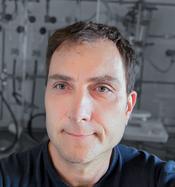
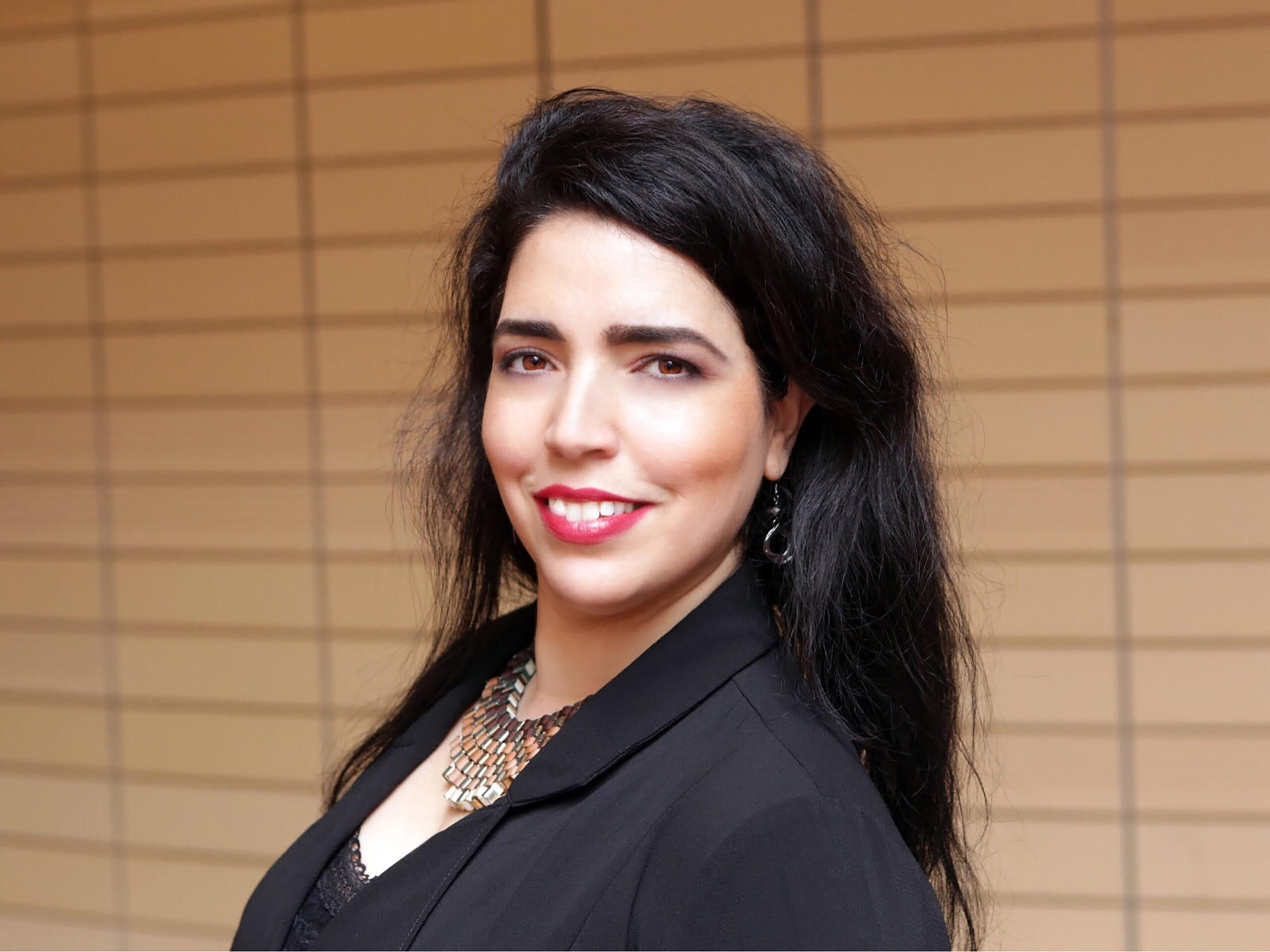
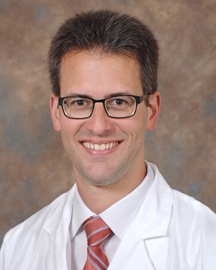
Tom F.A. de Greef is a Full Professor at Eindhoven University of Technology's Biomedical Engineering department, leading pioneering research at the intersection of synthetic biology, molecular computing, and engineered living systems. He founded the Center of Living Technologies and serves as a Core Professor at the Institute for Complex Molecular Systems (ICMS). Key research areas: Biological Computing Devices, DNA-based Data Storage, Engineered Living Materials, Synthetic Cell Engineering, Digital Chemistry, and Protocell Communication. His work has resulted in over 100 publications in Nature , Nature Chemistry , and Nature Nanotechnology , supported by prestigious awards including ERC Consolidator, Starting, and PoC grants, as well as NWO's VICI, VIDI, and VENI grants. He received the Cram-Lehn-Pedersen Prize in 2017 and was named a Groundbreaking TU/e Researcher in 2022. Leadership roles: Founding member of Center of Living Technologies, Principal Investigator at TU/e, and Fellow of the Netherlands Academy of Engineering. He supervises a large research group with >15 PhD students and leads collaborations across international institutions, focusing on programmable molecular systems and sustainable technologies aligned with UN SDGs.
Prof. Chris Meier is a distinguished Professor of Organic Chemistry at the University of Hamburg, Germany, where he leads the research group AG Meier within the Institute of Organic Chemistry, Department of Chemistry, Faculty of Mathematics, Informatics and Natural Sciences (MIN Faculty). With over two decades of academic leadership, he serves as Co-Speaker of Collaborative Research Center 1648 "Emerging Infections" and has held significant roles including Scientific Director of the Centre for Structural Systems Biology (CSSB) and President of the International Society for Nucleosides, Nucleotides and Nucleic Acids (IS3NA). Dr. Meier's educational background includes a Chemistry degree (Dipl. Chem.) from the University of Marburg/Lahn (1982-1987), followed by his doctorate in Organic Chemistry from the same institution (1987-1989). He completed postdoctoral research at the Pasteur Institute in Paris (1990-1991) and habilitated at Goethe University Frankfurt (1996) before his appointment as C4/W3 Professor at the University of Hamburg in 1999. Professor Meier's research program focuses on nucleoside and nucleotide chemistry, with particular emphasis on pronucleotide development, antisense oligonucleotide chemistry, and stereoselective synthesis of carbocyclic nucleoside analogs. His laboratory investigates molecular mechanisms of chemical carcinogenesis through synthesis of arylamine-modified oligonucleotides and develops innovative organic synthesis methods based on solid support. The group's work bridges fundamental organic chemistry with biomedical applications, particularly in antiviral and anticancer drug development. Recent publications highlight advancements in TriPPP ro -technology for nucleoside triphosphate delivery and metabolic labeling applications. 2018: Antonín Holý Memorial Award from the International Society for Antiviral Research (ISAR) 2007: William Prusoff Award from ISAR 1995: Adolf-Messer Prize for Interdisciplinary Research 1992-1996: Habilitation Scholarship from the German Research Foundation (DFG) 1990-1992: Liebig Postdoctoral Fellowship Professor Meier has successfully mentored numerous doctoral students and postdoctoral researchers, many of whom have gone on to establish independent research careers. His laboratory maintains active collaborations with virology and immunology groups across Europe, particularly with institutions in France (Pasteur Institute, University of Aix-Marseille) and Belgium (KU Leuven). The group has secured substantial funding through multiple Collaborative Research Centers (SFBs) and has developed several patented technologies related to pronucleotide delivery systems. The Meier laboratory operates state-of-the-art organic synthesis facilities within the Institute of Organic Chemistry and maintains close ties with the Centre for Structural Systems Biology (CSSB), where they utilize advanced imaging and structural biology techniques to characterize their compounds. The research group actively participates in the International Society for Antiviral Research and contributes to the development of novel antiviral strategies through both basic research and translational applications.
Laura Dassama is an Assistant Professor at Stanford University with appointments in both the Department of Chemistry and Department of Microbiology & Immunology . She is actively affiliated with multiple interdisciplinary institutes including Bio-X , SPARK at Stanford , MCHRI , Sarafan ChEM-H , and Wu Tsai Neurosciences Institute . PhD in Biochemistry and Molecular Biology from Pennsylvania State University (2013) Postdoctoral training at Northwestern University (Molecular Biosciences, 2017) Research Associate position at Boston Children's Hospital/Harvard Medical School/Dana-Farber Cancer Institute (2018) Laboratory research focuses on chemical biology approaches to understand biomolecular interactions, particularly bacterial lipid trafficking and targeted protein degradation . Key methodologies include bioinformatic analyses , structural studies , and machine learning algorithms like SLiPP for lipid-binding pocket prediction. Recent publications emphasize antimicrobial resistance challenges and opportunities, protein delivery systems for erythroid cells, and structure-function relationships in lipid transport proteins. These studies demonstrate innovative approaches to address therapeutic limitations through chemical biology tools and interdisciplinary methods . MAC3 Impact Philanthropies Faculty Fellow (2023-2025) Terman Faculty Fellowship (2022-2025, 2018-2021) Hellman Faculty Scholar (2019-2020) Gabilan Junior Faculty Fellowship (2018-2021) Active advisor to multiple PhD candidates and postdoctoral researchers , with formal advising roles in Biophysics , Cancer Biology , and Microbiology & Immunology graduate programs. Laboratory located at Rm. W215 ChEM-H/Neuro Research Complex .
Professor Aideen Sullivan is Head of the Department of Anatomy and Neuroscience at University College Cork (UCC). With a career spanning over two decades at UCC, she leads research on neuroprotective therapies for Parkinson's disease, focusing on growth factors, stem cell applications, and epigenetic mechanisms. She established Ireland's first BSc in Neuroscience and co-developed the cross-College BSc in Medical and Health Sciences (CK707). BSc (First Class Honours) in Pharmacology, University College Dublin (1992) PhD in Neuropharmacology, University of Cambridge (1995) Her research program investigates Parkinson's disease through five key themes: viral vector delivery of neurotrophic factors, molecular mechanisms of neuroprotection, biomarker discovery, neuronal degeneration models, and stem cell-based treatments. She has secured significant grants from Health Research Board, Enterprise Ireland, and the Wellcome Trust. Recent publications (2022-2020) emphasize epigenetic regulation (HDAC inhibitors), microbiome-gut-brain axis interactions, and novel neurotrophic strategies. Articles highlight GDF5's neuroprotective effects, miRNA modulation, and molecular pathways like BMP-Smad and p38-MAPK. Scientific awards include: Postgraduate Certificate in Teaching and Learning (UCC, 2006) FETAC Certificate in Peer-Mentoring (2010) Leadership Foundation Aurora Programme Scholarship (2015) Over €2 million in research grants She mentors undergraduate and postgraduate students, chairs UCC's Athena SWAN 'Flexible Working' group, and serves as Editor-in-Chief of Neuronal Signaling . Her work spans laboratory research, public engagement, and educational innovation.
Professor Graham Ogg is a leading academic at the University of Oxford, where he serves as Professor of Dermatology and leads the Skin Immunology Group. His research focuses on cutaneous immunity, particularly the role of CD1a-restricted T cells in inflammatory skin diseases. He is affiliated with the MRC Human Immunology Unit and MRC Weatherall Institute of Molecular Medicine, driving translational research on lipid antigen presentation and skin immune responses. Professor Ogg's investigations center on molecular mechanisms of skin inflammation, with emphasis on CD1a-mediated T cell activation and its implications for atopic dermatitis, psoriasis, and vaccine development. His work bridges fundamental immunology with clinical applications, exploring how lipid metabolism influences immune pathways in barrier tissues. Research themes include: CD1a-lipid interactions in cutaneous inflammation Therapeutic modulation of skin-specific T cell responses Translational models for dermatological drug delivery Immune mechanisms in allergic skin disorders Analysis of his recent publications (2024-2025) reveals dominant research streams: 1) Clinical dermatology focusing on systemic therapies for atopic eczema, 2) Immunological studies of dengue pathogenesis and metabolic interactions, 3) COVID-19 sequelae and immunity dynamics, and 4) Fundamental T cell biology in autoimmune/inflammatory contexts. This corpus demonstrates interdisciplinary integration of dermatology, virology, and immunometabolism. His scientific recognition includes: Fellowship of the Academy of Medical Sciences (FMedSci) Professor Ogg directs the Skin Immunology Group at the MRC Weatherall Institute, coordinating translational projects that investigate cutaneous immune circuits. The team employs single-cell analysis, spatial transcriptomics, and immunological profiling to dissect skin-specific immune responses, with ongoing work exploring CD1a-targeted therapeutic strategies.
Julie K. Schwarz, MD, PhD, FASTRO is a tenured Professor of Radiation Oncology at Washington University School of Medicine, where she serves as Vice-Chair of Research and Director of the Cancer Biology Division. She also holds appointments as Professor of Cell Biology and Physiology and is affiliated with the Roy and Diana Vagelos Division of Biology & Biomedical Sciences, specifically within the Cancer Biology and Molecular Cell Biology programs. Dr. Schwarz is a key member of the Siteman Cancer Center and co-leads one of only five centers comprising the NIH's Radiation Oncology-Biology Integration Network (ROBIN). Dr. Schwarz completed her BS in Biology at Duke University (1995) followed by an MD/PhD in Cell and Molecular Biology at Washington University School of Medicine (2004) through the Medical Scientist Training Program. She completed her Internal Medicine internship (2005) and Radiation Oncology residency (2009) at Barnes-Jewish Hospital, becoming board-certified by the American Board of Radiology in Radiation Oncology (2010). Her research program focuses on translational studies of gynecologic cancers, particularly cervical cancer, with emphasis on tumor metabolism, biomarker discovery, and treatment resistance mechanisms. Dr. Schwarz's laboratory maintains one of the largest tumor repositories for cervical cancer, which includes specimens collected before and during chemoradiation treatment. Her work has demonstrated the critical role of pretreatment and post-treatment FDG-PET scanning for cervical cancer patients and has identified alterations in PI3K/Akt pathway genes associated with treatment response. Recent research directions include studying obesity's paradoxical favorable impact on cervical cancer outcomes, glucose and glutamine metabolism as targets for cancer therapy, and the role of tumor immunology in therapy resistance. Analysis of Dr. Schwarz's most recent publications reveals a strong focus on cervical cancer biology, tumor metabolism, and novel therapeutic approaches. Her work integrates clinical data with laboratory research to identify biomarkers and develop improved treatment strategies. Current research emphasizes the interface between tumor metabolism, the microenvironment, and response to therapy, with particular attention to HPV-related cancers, tumor imaging, and metabolic targets for radiosensitization. Fellow of American Society for Radiation Oncology (ASTRO) (2024) Danforth WashU Physician-Scientist Scholar Award (2024) Elected into American Society for Clinical Investigation (2022) Michael Fry Research Award for Outstanding Junior Investigator: Radiation Research Society (2012) Fellow: National Cancer Care Network (2008) RSNA Roentgen Resident/Fellow Research Award (2008) As a dedicated mentor, Dr. Schwarz has guided numerous trainees across all levels including undergraduates, graduate students, medical students, residents, fellows, and postdoctoral researchers. Her Schwarz Lab is highly collaborative and actively recruits students and researchers, with recent successes including Leahan Castillo receiving an Honorable Mention at AACR and Brett Tortelli developing significant research on the vaginal microbiome's relationship to cervical cancer treatment response. Dr. Schwarz is R01-funded and leads multiple research projects, including work on the TARGET Center which focuses on understanding the biologic effects of radiation therapy in cancer treatment. She actively participates in national organizations including the ASTRO/NCI Radiobiology Consensus Workshop, AACR Radiation Oncology Think Tank, and the ASTRO Community of Radiation Oncology Physician Scientists. Dr. Schwarz directs the Schwarz Lab, which is growing and actively recruiting postdocs, staff scientists, and graduate students. The lab employs a multidisciplinary approach combining well-annotated clinical databases, prospectively collected patient tumor banks, and state-of-the-art sequencing technologies. Current research directions include single-cell sequencing approaches to study treatment effects on tumor cells and immune cells within the tumor microenvironment, glucose and glutamine metabolism as targets for cancer therapy, and targeting myeloid-derived cells to improve anti-tumor immunity. The lab is highly collaborative and studies multiple tumor types including cervical, pancreatic, and ovarian cancers.
Mara Bonelli is an Associate Professor in the Department of Medicine and Surgery at the University of Parma, Italy, teaching General Pathology across Nursing, Medicine and Surgery, and Speech and Language Therapy programs since 2013/2014 with appointments extending to 2025/2026. Education: Graduated with honors in Biological Sciences (1995), University of Parma PhD in Biology and Molecular Pathology (1999), University of Parma Research Focus: Her work centers on translational oncology , developing molecular-targeted and immunotherapeutic strategies for malignant pleural mesothelioma, breast, renal, and lung carcinomas using in vitro cell models and in vivo animal studies to overcome treatment resistance through technological innovation. Publication Trends: 2024 research demonstrates concentrated efforts in NSCLC resistance mechanisms via metabolic targeting (glucose starvation, glucosylceramide synthase) and immunomodulation of antiangiogenic drugs in renal carcinoma to enhance anti-PD-1 efficacy, reflecting interdisciplinary approaches in oncological therapeutics. Collaborations: Actively partners with Italian and international research groups in translational oncology initiatives.
Stephen A. Krawetz is a Professor at Wayne State University with dual appointments in the Departments of Obstetrics and Gynecology and Molecular Medicine and Genetics . He serves as the Charlotte B. Failing Professor of Fetal Therapy and Diagnosis and Associate Director of the C.S. Mott Center for Human Growth and Development .
Marianna Tryfonidou is a Professor at Utrecht University's Faculty of Veterinary Medicine, Department of Clinical Sciences, where she leads the Surgery of Companion Animals division and the Regenerative Orthopedics research group. She holds the position of EBVS® European Specialist in Small Animal Surgery and delivered her inaugural lecture on July 11, 2019. Professor Tryfonidou's research focuses on developing innovative treatments for osteoarthritis and back pain caused by intervertebral disc degeneration. Her work follows the One Health-One Medicine principle, aiming to create therapies that benefit both canine and human patients. She employs spontaneous diseased canine models as preclinical platforms for translation toward human applications, recognizing that dogs suffer from similar degenerative processes as humans. Her research has identified two primary treatment approaches: innovative drug delivery systems using biomaterials for pain relief in early-stage degeneration, and advanced stem cell therapies for advanced disc degeneration. Her iPSpine consortium received 15 million euros from the European Union to develop stem cell-based treatments that could rejuvenate worn intervertebral discs. Schimmel-Viruly Award (2008) NWO subsidy of €183,000 (2007) Tryfonidou has led multiple significant research projects including BioAID (biomimetic artificial intervertebral disc), William Hunter Revisited (cartilage repair), and ArIADNE (anti-inflammatory drug delivery systems). Her Regenerative Orthopedics group operates within the Regenerative Medicine Center Utrecht (RMCU) at Utrecht Science Park and maintains a biobank containing mesenchymal stromal cells, joint cartilage, and disc tissue from both healthy and degenerated sources.
Professor Gerhard Wolber leads the Molecular Drug Design research group at the Institute of Pharmacy , Freie Universitaet Berlin. His work focuses on computational approaches to drug discovery, with expertise in G-protein coupled receptors (GPCRs) , cytochrome P450 enzymes , Toll-like receptors , and viral protease inhibitors . He supervises a team of 13 PhD candidates 3 researchers 2 Master's students engaged in projects ranging from calcium channel blockers to CYP enzyme modulators for cancer therapy. Recent publications highlight his lab's contributions to pan-coronavirus drug discovery, TLR8 antagonism, and calcium channel inhibition. The team employs advanced methodologies including Molecular dynamics simulations Fragment-based de novo design Bayesian neural networks DFT calculations 3D pharmacophore modeling to bridge computational predictions with experimental validation. Notable projects include Virtual screening for TREM2-targeted glioblastoma therapeutics Allosteric communication path analysis via MDPath Immune checkpoint inhibitors for cancer immunotherapy Biased GPCR ligand development demonstrating a multidisciplinary approach to contemporary drug design challenges.
Satoshi Tsuneda is a Professor at Waseda University’s School of Advanced Science and Engineering, attached to the Department of Life and Medical Sciences and jointly stationed at the Center for Advanced Biomedical Sciences (TWIns). Since earning his Ph.D. in Engineering from the University of Tokyo (1994) he has built a highly cited research program (> 15 800 citations, h-index 70) spanning environmental biotechnology and medical microbiology. Education: Doctor of Engineering, The University of Tokyo, 1994 Master of Engineering, The University of Tokyo, 1991 Bachelor of Engineering, The University of Tokyo, 1989 Research Interests: Tsuneda’s group integrates molecular microbiology with engineering to address global health and environmental challenges. They elucidate nitrification and anammox processes, design phage-based antimicrobials, decode bacterial persistence mechanisms, and develop microfluidic cultivation platforms. Their work links fundamental insights in bacteriophage biology, toxin-antitoxin systems, and nitrifying bacteria to practical applications in wastewater treatment, aquaculture, and alternative antimicrobials. Publication Trends: Recent articles (2022-2025) reveal two dominant directions: (i) phage engineering and phage cocktail design to combat multidrug-resistant E. coli and other pathogens, and (ii) ecophysiology of nitrifying bacteria (Nitrosomonas, Nitrotoga, anammox) aimed at optimizing nitrogen removal in engineered and natural systems. Additional themes include bacterial persistence, RNA toxin specificity, and micro-droplet technologies for high-throughput microbe isolation. Scientific Awards: Ministry of the Environment Director-General's Award for Environmental Regeneration and Resource Recycling (2022) Japan Society on Water Environment Distinguished Service Award (2022) Society for Biotechnology, Japan, Paper Award (2018) Nagase Science and Technology Foundation Research Promotion Award (2017) Multiple best-paper awards from JSWE, SCEJ, and SBTJ (2001-2014) Advising & Grants: Tsuneda currently advises a large cohort of graduate researchers; names of individual students are not listed in the supplied text. His laboratory has been continuously funded for interdisciplinary projects coupling microbiology with environmental engineering, although explicit grant numbers or titles are not provided. Laboratory & Teams: The Tsuneda Laboratory (est. 1996) operates within Waseda University and the TWIns joint research center, maintaining collaborations with Tokyo Women’s Medical University, Juntendo University, and AIST. The team specializes in molecular microbial ecology, phage isolation/engineering, and advanced bioreactor technologies.
Nao Nishida serves as Assistant Professor at Waseda University's Institute for Advanced Study since 2022, following appointments at Tokyo Medical University and Fred Hutchinson Cancer Center. Her research bridges cancer biology and cell-cell communication mechanisms within tumor microenvironments. Her educational background includes: PhD in Agriculture (2014) from Kyoto University Master's in Applied Life Sciences (2011) from Kyoto University Bachelor's in Applied Life Sciences (2009) from Kyoto University Nishida's research centers on extracellular vesicle-mediated tumor-stroma crosstalk, with particular focus on exosome-driven metastasis, tumor-associated macrophage reprogramming, and organotypic culture modeling. She investigates how lipid composition and serine metabolism in cancer-derived EVs regulate microenvironmental remodeling and therapeutic resistance. Her work integrates advanced lipidomics, real-time tissue imaging, and spatial EV distribution analysis to uncover metastatic mechanisms. Analysis of her 17 publications reveals dominant themes in exosome biology (71% of works), cancer microenvironment dynamics (63%), and therapeutic targeting strategies (41%). Recent work increasingly incorporates spatial tissue context (2022-2024) and clinical translation potential. Her awards include: ISEV2025 New Parents Scholarship Japan Society for Promotion of Science Outstanding Researcher Candidate (2021) ISEV2017 Junior Member Scholarship Young Researcher Excellent Presentation Award (2015) Nishida directs multiple active grants including JSPS KAKENHI projects on EV secretion mechanisms (2023-2026) and nutritional stress adaptation (2025-2028), plus Mitsubishi Foundation and Uehara Memorial Foundation awards. She mentors through Waseda's bioscience curriculum while developing organotypic slice platforms for drug screening. Her laboratory utilizes advanced tumor slice culture systems and spatial EV mapping techniques to dissect microenvironmental heterogeneity, with current work focusing on stromal contribution to therapeutic resistance and organ-specific metastatic niches.
Kari Alitalo is an Academy Professor and Research Director at HUS Radiology and Pathology, University of Helsinki. He serves as a Supervisor in the Doctoral Programme in Integrative Life Science and the Doctoral Programme in Biomedicine. Alitalo directs the CAN-PRO - Translational Cancer Medicine Program and has led the Cancer Biology Research Programme at the University of Helsinki since 1999. His research primarily focuses on blood and lymphatic vessel growth factors with applications in cancer treatment and cardiovascular diseases. Alitalo's work spans angiogenesis, lymphangiogenesis, molecular biology, and translational medicine. His research group has made significant contributions to understanding vascular endothelial growth factors and their therapeutic applications. Alitalo's publication record shows consistent productivity with approximately 670 research outputs. His recent work (2023-2025) demonstrates continued focus on lymphatic system biology, vascular growth factors, and their therapeutic applications in cancer and cardiovascular diseases. The publications reveal a strong emphasis on molecular mechanisms of lymphangiogenesis, tumor angiogenesis, and potential therapeutic interventions. A.I. Virtanen Prize (2013) Biomedicum Helsinki lecture and Medal (2010) Eric K Fernström Foundation's Nordic Prize (2005) Finnish Science Prize (2013) Louis-Jeantet Prize For Medicine (2006) Professor Alitalo has supervised numerous doctoral students, with 52 dissertation supervisor or co-supervisor activities documented. He currently leads multiple active research projects including Cancer Foundation 2025/Alitalo, Biocenter Finland FIRI2023, and Juselius 2023-2026. His research group continues to explore vascular biology with significant implications for cancer treatment and cardiovascular medicine.
Ronit Freeman, PhD is an Associate Professor in the Department of Applied Physical Sciences at the University of North Carolina at Chapel Hill , where she is also affiliated with the UNC Lineberger Comprehensive Cancer Center . Research Focus : Cellular response to extracellular matrix (ECM) cues across multiple length/time scales Methodologies : Synthetic biology, supramolecular chemistry, DNA/RNA aptamer technology Dr. Freeman's work develops reconfigurable ECM platforms to study and engineer cellular fate decisions through: Controllable biochemical and biomechanical signaling Advanced fibrous architecture design Dynamic topography and mechanics modulation Applications in cancer therapy, wound healing, and fibrosis reversal Key collaborations include: Shawn Hingtgen's lab - Therapeutic cell engineering RNA Discovery Center (led by Chad Pecot) Scientific Achievements: Recipient of Eshelman Institute for Innovation Award (2020) Gordon & Betty Moore Foundation Collaborative Innovation Award (2019) Scialog Fellow (2019) Multiple early-career fellowships (EMBO, Clore, Converging Technologies) Her interdisciplinary team combines expertise from chemistry, cell biology, synthetic biology, medicine, engineering, and physics to address cutting-edge bio-nanotechnology challenges.
Dr. Justin L. Benoit is an Assistant Professor at the University of Cincinnati College of Medicine, Department of Emergency Medicine. His work focuses on prehospital medicine, cardiac arrest resuscitation, and blood-based biomarkers, with a clinical emphasis on cardiovascular disease and airway management. He is board-certified in Emergency Medicine and Emergency Medical Services by the American Board of Emergency Medicine. Bachelor's Degree: University of Maryland, College Park (Cell and Molecular Biology and Genetics) Master's Degree: University of Cincinnati (Clinical and Translational Research) Medical Degree: Case Western Reserve University Residency: University of Cincinnati (Emergency Medicine) Fellowship: University of Cincinnati (EMS and Clinical Research) His research spans sudden cardiac arrest, emergency airway management, and biomarker development, particularly in the context of OHCA and SARS-CoV-2. Recent publications highlight advancements in ECPR accessibility, cooling duration protocols, and ventilation practices. He leads multiple federally and privately funded grants, including NIH and Bill & Melinda Gates Foundation projects. Dr. Benoit's work integrates emergency medicine, critical care, and public health, emphasizing data-driven improvements in resuscitation and pandemic response. Collaborations with international researchers and institutions underscore his impact on global clinical practices.