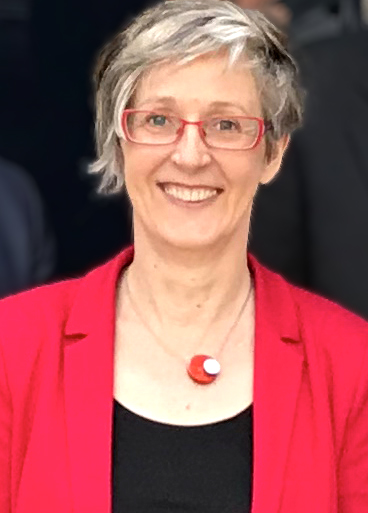
Gordana Wozniak-Knopp is a researcher at the University of Natural Resources and Life Sciences, Vienna (BOKU), affiliated with the Institute of Molecular Biotechnology under the Department of Biotechnology and Food Science. Her work focuses on antibody engineering, molecular biotechnology, and protein stability optimization. Key research areas include Development of multispecific antibodies using controlled Fab-arm exchange and SEED technology Engineering antigen-binding sites in Fc regions Stabilization of antibody fragments via disulfide bonds and domain exchange Extracellular vesicle functionalization for targeted drug delivery Design of diagnostic antibody microarrays and SARS-CoV-2 antigen platforms Between 2020–2024, she led an FWF-funded project on therapeutic antibodies for birch pollinosis and a 2016–2023 CD Laboratory for Innovative Immunotherapeutics. Her recent publications (2022–2023) emphasize trispecific antibody design, SARS-CoV-2 diagnostics, and CD81-based delivery systems. Scientific contributions include peer-review activities for journals like Protein Science , Nature Communications , and Scientific Reports , along with organizing events such as the Lange Nacht Der Forschung 2024 . She actively participates in international conferences and project evaluations for organizations like Poland’s National Science Centre.
Magdalena Zernicka-Goetz is a Bren Professor of Biology and Biological Engineering at the California Institute of Technology (Caltech), where she leads a lab focused on understanding early mammalian development. She holds a Ph.D. from the University of Warsaw (1993) and has held visiting roles at Caltech since 2018. Her research spans mouse and human embryo models, emphasizing cell lineage specification, self-organization of stem cells, and developmental mechanisms. Education: Ph.D., University of Warsaw, 1993 Research Interests: Her work explores how embryos self-organize from stem cells, focusing on mechanisms driving lineage allocation, morphogenesis, and the transition from totipotency to pluripotency. Key areas include synthetic embryo models, developmental clocks, and the role of signaling pathways (e.g., BMP4, PLC) in shaping embryonic patterns. Grant & Advising: Funded by NIH grants for projects like synthetic placenta systems and maternal-fetal interface studies. Advises over 15 graduate students and postdocs on topics ranging from stem cell engineering to IVF optimization. Labs & Collaborations: Her Caltech lab collaborates with the University of Cambridge and institutions globally, advancing embryo modeling technologies and ethical discourse on synthetic embryos.
Marios Georgakis is a clinician-scientist and Junior Group Leader at the Institute for Stroke and Dementia Research (ISD) at LMU Munich. He also holds a Visiting Scientist position at the Broad Institute of MIT and Harvard. His research focuses on leveraging multi-omics data and causal inference methods (e.g., Mendelian randomization) to discover drug targets for atherosclerosis, develop personalized risk stratification tools for cerebrovascular disease, and identify in vivo biomarkers of disease activity. His work bridges human genetics, molecular biology, and clinical translation. Education : MD and PhD (Epidemiology) from the National and Kapodistrian University of Athens; doctoral studies in Systemic Neurosciences at LMU Munich. Honors : Emmy Noether Award (DFG), CHARGE Consortium Early Career Achievement Award, Hertie Network Fellowship, and multiple scholarships/fellowships. Research Themes : Drug target discovery for cardiovascular disease via multiomics integration Molecular phenotyping of atherosclerosis using single-cell RNA-seq and spatial transcriptomics Development of AI-driven tools for vascular imaging and aging Genetic studies of inflammation, cytokines, and stroke subtypes Causal inference in vascular risk prediction and post-stroke outcomes Recent Article Trends : His team's publications (2024-2020) emphasize: Proteogenomic and genetic studies of atherosclerosis Cytokine signaling pathways (e.g., IL-6, CCL2/CCR2) Polygenic and genomic risk scores for stroke Multi-omics biomarkers in cerebrovascular disease Clinical translation of Mendelian randomization findings Meta-analyses of population-based data Scientific Awards : Emmy Noether Group Leader Award (DFG, 2023) CHARGE Consortium Early Career Achievement (2023) Hertie Network Fellowship (2023) Walter-Benjamin Postdoctoral Fellowship (2021-2022) Team Leadership : Georgakis mentors multiple PhD students and postdocs in his lab. His group collaborates with vascular surgeons, neurologists, and computational biologists. Current projects include the AtherOMICS biobank and AI-driven vascular phenotyping tools.
Dr Astrid Hauge Evans is a Senior Lecturer at the School of Life and Health Sciences, University of Roehampton. Her research focuses on diabetes, particularly the regulation of insulin production from pancreatic beta cells and intercellular communication within pancreatic islets. She is actively involved in PhD student supervision and holds external positions as a Visiting Researcher at King's College London. BSc in Biology from University of Copenhagen, Denmark MSc in Biomedical Sciences from King's College London PhD in Physiology from King's College London Her research explores: Mechanisms of beta cell dysfunction in diabetes Intra-islet communication dynamics Neuroendocrine regulation of insulin secretion Gut microbiota interactions in metabolic disease Wholegrain polyphenols' impact on islet function Sex-specific roles of peptides like LEAP2 Recent article trends show expertise in Diabetes type-specific therapies Cross-disciplinary studies combining nutrition and endocrinology Peptide hormone interactions in islet regulation Microbiome-diet-islet function relationships 3D cell culture models for diabetes research Neuroendocrine modulation of metabolic processes Scientific recognition includes Diabetes UK RD Lawrence Fellowship (2010) University of Roehampton Academic Staff Award (2025) Supervision and funding highlights Primary supervisor for multiple PhD projects on diabetes mechanisms Lead PI on grants from Diabetes Research and Wellness Foundation, Diabetes UK, Society for Endocrinology Collaborations with institutions across UK, Belgium, and Denmark
Dr. Marios Georgakis is a Clinician-Scientist and Junior Group Leader at the Institute for Stroke and Dementia Research (ISD) at Ludwig-Maximilians-Universität München (LMU Munich). He also serves as a Visiting Scientist at the Broad Institute of MIT and Harvard and is completing his clinical residency in Neurology at LMU University Hospital. As Principal Investigator of the Georgakis Lab, he leads a research team focused on developing precision medicine approaches for cerebrovascular diseases. Education: Medical studies (M.D.): Medical School, National and Kapodistrian University of Athens, Greece (2009-2015) Master studies (M.Sc.): Molecular Physiology (Neurosciences), National and Kapodistrian University of Athens, Greece (2015-2017) Doctoral studies (D.Sc.) in Epidemiology, National and Kapodistrian University of Athens, Greece (2015-2019) Doctoral studies (Ph.D.) in Graduate School of Systemic Neurosciences (GSN), LMU Munich, Germany (2017-2020) Dr. Georgakis' research focuses on leveraging big data from epidemiological studies and human biobanks to develop precise and personalized preventive and therapeutic strategies for cerebrovascular diseases. His work spans biomedical neuroscience with particular emphasis on cerebrovascular disease, stroke, atherosclerosis, cerebral small vessel disease, multi-omics, data science, epidemiology, and population genetics. He employs innovative bioinformatic tools including genome-wide association studies, Mendelian randomization, multi-omics integration, single-cell transcriptomics, spatial transcriptomics, and machine learning to discover causal mechanisms, identify therapeutic targets, develop risk stratification tools, and create accurate biomarkers for cerebrovascular diseases. His laboratory has established the AtherOMICS biobank for human atherosclerotic plaque samples and developed computational pipelines for big data analyses. Recent publication trends show a strong focus on genetic architecture of stroke, inflammatory pathways in cerebrovascular disease, and development of polygenic risk scores for clinical application. Scientific Awards: Emmy Noether Independent Group Leader Award, German Research Foundation (DFG), 2023 Early Career Achievement Award, CHARGE Consortium, 2023 Fellow of the Hertie Network of Excellence in Clinical Neuroscience, 2023 Clinician-Scientist Fellow of the Excellence Munich Cluster for Systems Neurology (SyNergy), 2023 Walter-Benjamin Fellowship for postdoctoral research by German Research Foundation (DFG), 2021-2022 Dr. Georgakis actively mentors a diverse team of 12 current students and postdocs including PhD students, MD students, and clinician scientists, with several alumni who have completed their training in his lab. His research is supported by multiple grants including the Emmy Noether program from the German Research Foundation, focusing on multi-omics characterization of immune mechanisms driving human atheroprogression, dissecting cerebrovascular atherosclerosis with population genetics, and developing personalized biomarkers using deep learning. The Georgakis Lab operates two main research platforms: the AtherOMICS Biobank for human atherosclerotic plaque samples and the Big Data Lab for computational analyses. These platforms enable his team to conduct deep phenotyping of human atherosclerosis, develop in vivo diagnostics, discover therapeutic targets, and create personalized diagnostic and risk prediction tools for cardiovascular diseases.
Dr. Benjamin Evans is an Assistant Professor in Computer Science & AI (Informatics) at the University of Sussex , affiliated with the School of Engineering and Informatics . His research integrates computational neuroscience and artificial intelligence, focusing on biologically inspired neural networks. Current Position: Assistant Professor, Department of Informatics, University of Sussex Previous Roles: Research Associate at University of Bristol, University of Exeter, Imperial College London, and University of Oxford Education: DPhil in Computational Neuroscience (University of Oxford), MSc in Intelligent Systems (UCL), BA in Experimental Psychology (Oxford) His research centers on how neural systems self-organize to produce intelligent behavior, studied through both biological and computational modeling. He investigates spiking neural networks , convolutional neural networks , and the role of biological constraints in enhancing AI robustness and human-like perception. He is particularly interested in how spike-based information processing contributes to adaptive cognition in noisy environments. His recent publications reveal a strong trend in evaluating deep neural networks as models of human vision, questioning their biological plausibility while proposing bio-inspired improvements. He also works on optogenetics simulation (e.g., PyRhO platform), developmental biology modeling , and reproducible data science through containerization tools like Docker. His scientific contributions have been recognized through publications in high-impact journals such as Nature Communications , PLoS Computational Biology , and Behavioral and Brain Sciences . EPSRC Grant: "Exploring the multiple loci of learning and computation in simple artificial neural networks" (2023–2024) EPSRC Grant: "Using ant biology and natural environments to enhance models of vision and robot navigation" (2022–2026) Dr. Evans actively contributes to open science through GitHub repositories (e.g., PyRhO, DPE, BioNet) and promotes reproducible research. He has no listed advisees in the provided data, but leads funded research projects involving junior researchers. He is a core member of the Informatics research group at Sussex, contributing to both AI and neuroscience domains.
Umamaheswari Natarajan is an Associate Research Scientist at Nova Southeastern University's Rumbaugh-Goodwin Institute for Cancer Research within the Barry and Judy Silverman College of Pharmacy. She earned a Ph.D. in Pharmacy from the University of Madras, India, and holds prior degrees including a D.Pharm., M.Sc., and B.Sc. from Indian institutions. Ph.D., University of Madras, India D.Pharm., The Tamil Nadu Dr. M.G.R. Medical University, India M.Sc., Madurai Kamaraj University, India B.Sc., Madurai Kamaraj University, India Dr. Natarajan's research focuses on epigenetic modifications in cancer, particularly identifying biomarkers for tumor aggressiveness and drug resistance, and improving delivery of anti-angiogenesis drugs like F16 and JFD for brain cancers. Her work spans breast, prostate, ovarian, lung, osteosarcoma, glioblastoma, and neuroblastoma studies. She has published 14 peer-reviewed papers and co-authored numerous conference presentations. Her Google Scholar publications reveal a strong emphasis on HDAC inhibitors, MDM2/MDMX regulation, AURKB interactions, and anti-angiogenic therapies. Subfields include neuroblastoma, lung cancer, and ovarian cancer treatment resistance mechanisms. Epigenetic modifications in cancer Drug discovery Angiogenesis Cell cycle regulation Apoptosis Pharmacogenomics Dr. Natarajan actively mentors graduate and undergraduate students in research electives, guiding presentations at conferences like ABRCMC and AACR. Her students have received multiple awards for their work. She also contributes to the Honors College as a course instructor. Current projects involve enhancing brain delivery of anti-angiogenesis drugs and exploring epigenetic biomarkers across cancers. Collaborations include Appu Rathinavelu, Ph.D., in developing research electives.
Erik C. Johnson is Professor and Chair of the Department of Biology at Wake Forest University, College of Arts and Sciences. He holds a Ph.D. and B.A. from the University of Maine and leads a research program focused on neurobiology, molecular signaling, and physiology in Drosophila melanogaster . His work bridges molecular mechanisms with organismal behavior and metabolic regulation. B.A., University of Maine, 1992 Ph.D., University of Maine, 2000 Dr. Johnson's research centers on the neural control of physiology and behavior, with emphasis on neurotransmitter and neuropeptide signaling, biological oscillators, and stress responses. He investigates how G-protein-coupled receptors (GPCRs) regulate neuronal physiology and shape behaviors through receptor desensitization and signaling dynamics. His lab uses Drosophila due to its powerful genetic tools and relevance to conserved biological mechanisms. The recent publications (2010–2023) reflect a strong focus on metabolic regulation, circadian control, neuroendocrine signaling, and sensory biology. Key themes include adipokinetic hormone signaling, AMPK-mediated energy sensing, TRP channel function, and GPCR dimerization. These studies integrate molecular, cellular, and behavioral approaches to dissect conserved physiological pathways. Dr. Johnson has contributed to major reference works such as Hormones, Brain and Behavior and has published in high-impact journals including Cell , PLoS ONE , Journal of Experimental Biology , and Frontiers in Physiology . While no formal awards are listed, his sustained publication record and leadership role indicate significant scholarly recognition. He has mentored numerous students and collaborators, including J.T. Braco, M.J. Rizzo, C.J. Saunders, and others who appear as co-authors on key studies. His research has been supported by internal and external grants, though specific funding sources are not detailed in the text. His lab continues to explore the intersection of neural signaling, metabolism, and behavior. The research is conducted in a molecular and cellular physiology lab within the Department of Biology, utilizing Drosophila genetics, biochemical assays, and behavioral analyses. The team investigates conserved mechanisms of neuronal signaling with implications for human metabolic and neurological disorders.
Prof. Dr. Bettina Siebers is a full Professor at the University of Duisburg-Essen, Faculty of Chemistry, where she leads the research group Molecular Enzyme Technology and Biochemistry (MEB). Her work is embedded in the Zentrum für Medizinische Biotechnologie (ZMB) and focuses on hyperthermophilic archaea, central carbohydrate metabolism, and biotechnological applications of extremozymes. She is actively involved in funded research projects, including a major €1.4 million grant from the VolkswagenStiftung for sustainable bio-production. Research Interests: Her research spans archaeal biochemistry, systems biology, metabolic engineering, and enzyme technology. She investigates the unique metabolic pathways in archaea, particularly under extreme conditions, combining classical biochemistry with genomics, transcriptomics, and computational modelling. Her group explores transcription regulation, stress responses, and protein phosphorylation in archaea as simplified models for eukaryotic processes. Publication Trends: Her recent publications emphasize enzyme cascade optimization, extremozyme discovery, metabolic pathway modelling (e.g., Weimberg pathway), and archaeal gene regulation. The interdisciplinary work bridges microbiology, biotechnology, and systems biology, with strong applications in sustainable bioproduction and industrial biocatalysis. Scientific Recognition: Lead Principal Investigator, VolkswagenStiftung 'Biofabrik' Project (€1.4 million) Active publications in high-impact journals including Nature , Nature Communications , FEMS Microbiology Reviews , and Nucleic Acids Research Member of ZMB and contributor to DFG, EU, and NRW-funded research programs Advising and Grants: While specific students are not listed, her group includes postdocs and researchers such as Dr. Christopher Bräsen. She leads major funded projects, including the VolkswagenStiftung initiative to replace microplastics with microbial lipids. Her work is supported by national and international collaborations, particularly with TU Wien. She integrates fundamental research with translational biotechnological applications. Labs and Teams: The MEB group at the University of Duisburg-Essen comprises a dedicated team including a laboratory manager, secretariat, and researchers. The group is part of the ZMB and collaborates within the Faculty of Chemistry and beyond, focusing on extremophile biochemistry and sustainable biotechnology.
Elin Nyman is the Head of the Department of Biomedical Engineering (IMT) and an Associate Professor at Linköping University. She leads the department, fostering an environment of trust and collaboration. Her research focuses on systems biology and e-health, integrating mathematical models with experimental data to advance drug development and clinical tools. She supervises students in both the Faculty of Science and Engineering and the Faculty of Medicine and Health Sciences, examining courses like TMBI28 and 8BKG45. Her research interests include systems biology, particularly in drug development and AI applications in healthcare. Key projects involve robust metabolic measurements, AI-driven diagnostic tools (M4-health), and knowledge-driven drug development with AstraZeneca. Recent publications highlight liver steatosis dynamics, IL-10 feedback mechanisms, and insulin resistance modeling. Her work bridges interdisciplinary collaboration, such as a course combining medical and engineering students to develop digital health solutions. She contributed to a SEK 13 million grant for AI-based crime-solving using detailed analyses and AI. Current affiliations include the Division of Biomedical Engineering (MT) and IMT department.
Amira Mahdi serves as an Assistant Professor in Biomedical Sciences at the University of Limerick's School of Medicine, where she joined in September 2023. She is an active member of the Limerick Digital Cancer Research Centre and currently accepts PhD students. Her work bridges molecular oncology and translational cancer research with focus on therapeutic resistance mechanisms. Her academic foundation includes a BSc (Hons) in Biomedical Science from the National University of Ireland, Galway (2016) and a PhD in Microenvironmental Regulation of Breast Cancer Progression from the University of Limerick (awarded August 2020). Her doctoral work examined newly synthesised proteins in breast cancer progression. Dr. Mahdi's research centers on two critical frontiers: (1) how tumor microenvironments drive therapeutic resistance in breast cancer, and (2) interactions between cancer treatments and the blood-brain barrier for brain metastasis management. Key investigations include Annexin A2 regulation, HER2+/ER+ breast cancer subtypes, and novel combination therapies targeting resistance pathways. Her fingerprint reveals strong expertise in Breast Cancer (66%), Brain Metastasis (50%), and Cancer Cell Biology (91%). Analysis of her 16 research outputs (2018-2025) shows escalating focus on targeted breast cancer therapies, with 75% of recent publications (2023-2025) examining drug combinations for HER2+ disease. Her work consistently explores resistance mechanisms through molecular profiling and preclinical modeling, increasingly incorporating brain metastasis contexts. Her major scientific recognitions include: Irish Research Council Post-graduate Scholarship (PhD funding) Science Foundation Ireland Strategic Partnerships Award (postdoctoral research with Puma Biotechnology) Dr. Mahdi secured significant grant support through the SFI Strategic Partnerships Award during her DCU postdoc, where she developed novel combination strategies for HER2+ breast cancer. She maintains active mentorship through PhD student supervision at UL and participates in the Irish Association for Cancer Research council. Her teaching philosophy emphasizes research-led, student-centered environments fostering critical thinking and scientific communication. She operates within the Limerick Digital Cancer Research Centre ecosystem, collaborating with NICB (DCU) and international partners as evidenced by her publication networks. Current work focuses on translating microenvironmental findings into clinical strategies for treatment-resistant breast cancer.
Rick Dobrowsky is a Professor and Director of the Graduate Program in Neuroscience at the University of Kansas School of Pharmacy , Department of Pharmacology & Toxicology. His research focuses on diabetic peripheral neuropathy, molecular chaperones, and sphingolipid signaling in neuronal degeneration. Location: Malott Hall, Room 5064, Lawrence, KS Contact: dobrowsky@ku.edu | 785-864-3531 Research Overview : The Dobrowsky Lab investigates how hyperglycemia alters neurotrophin signaling and mitochondrial proteomes in diabetic neuropathy. Key projects include: Hyperglycemia and IGF-1 signaling effects on superoxide generation Neuregulinism's role in segmental demyelination Development of HSP90 inhibitors for neuroprotection Publications (15 Most Recent): 2025: PERK signaling and Cemdomespib therapy in Charcot-Marie-Tooth disease 2024: Demyelination progression in R75W-Connexin 32 models 2023: Biphenyl amides as HSP90/HSP70 modulators 2022: Cyclohexyl noviomimetics and mitochondrial function 2021: HSP70/thioredoxin interactions in diabetic neurons 2020: HSP90 inhibition and c-Jun proteasomal clearance 2019: Mitochondrial superoxide reduction with KU-596 2018: HSP70 targeting for demyelination 2016: Cemdomespib and neurotrophin receptor dynamics 2015: Molecular chaperones and mitochondrial bioenergetics 2014: KU-32 and heat shock protein mechanisms 2013: Neuregulin-1 isoforms in diabetic neuropathy 2012: C-terminal HSP90 inhibitors in sensory neuron protection 2011: Mitochondrial proteome changes in diabetes 2010: P35/CDK5 in beta-amyloid toxicity
Carl Richards is a Professor of Medicine at McMaster University and serves as Director of the McMaster Immunology Research Centre (MIRC) since 2014. He is one of 14 faculty members within MIRC, housed in state-of-the-art research facilities at the Michael DeGroote Centre for Learning and Discovery (MDCL). Dr. Richards earned his MSc (1984) and PhD (1987) in Medical Sciences from McMaster University, followed by postdoctoral training at Cambridge University as a Canadian Arthritis Society Scholar (1988-1990). He served two terms (2001-2009) as Associate Dean of Graduate Studies (Health Sciences), developing the MD/PhD program and BioMedical Engineering graduate programs. He was a member of McMaster Senate (2010-2016) and chaired the Senate Committee on Appointments (2013-15). His research focuses on immunology with special emphasis on cytokine biology, particularly Oncostatin M. His work spans inflammation, bone remodeling, pulmonary immunology, and macrophage biology. Analysis of his recent publications reveals consistent focus on Oncostatin M's role in inflammatory pathways, lung fibrosis, macrophage polarization, and cytokine networks, with increasing emphasis on molecular mechanisms and therapeutic targeting. Dr. Richards has served on national peer-reviewed granting agencies including CIHR operating grant panels as Scientific Officer, and as a grant panel member for the Heart and Stroke Foundation and the Arthritic Society, where he chairs the Strategic Operating Grant Panel. He is an active member of the Canadian Society of Immunology, International Cytokine Society, and Canadian Connective Tissue Society (where he served as President and is currently Past-President). He continues to instruct undergraduate and graduate courses in immunology, including Advanced Immunobiology, Discover Immunology Today, and Inquiry II: Cell Biology, demonstrating his ongoing commitment to education alongside his research activities.
Judith West-Mays is a Professor in the Department of Pathology & Molecular Medicine at McMaster University . Her research focuses on: Molecular mechanisms of eye development and disease Role of transcription factors (AP-2β, AP-2α) in ocular morphogenesis Transforming Growth Factor Beta (TGF-β) signaling in epithelial-mesenchymal transition (EMT) Matrix Metalloproteinases (MMPs) in vision disorders Biomaterials for intraocular pressure management Key scientific contributions include: Elucidating AP-2β's role in trabecular meshwork formation and glaucoma Characterizing MMP-9's impact on aqueous humor drainage Developing conditional knockout mouse models for vision research Investigating YAP signaling in lens fibrosis Creating mucoadhesive micelles for glaucoma therapy Scientific awards : Brockhouse Canada Prize (2025) for interdisciplinary vision health research Teaching : Biomedical Engineering II (2018) at McMaster University. Collaborators include Taiyab, Sheardown, and Ball. Research hubs involve McMaster's interdisciplinary vision science team.
Anders Nykjær is a Professor at the Department of Biomedicine , Aarhus University , and Director of the DANDRITE - Nykjær Group . His research focuses on the role of VPS10p-domain receptors, particularly sortilin and SorCS2 , in neuronal viability, neurotrophic signaling, and neurodegenerative diseases. University: Aarhus University Department: Department of Biomedicine Lab: DANDRITE - Nykjær Group Nykjær's work spans neurodegenerative diseases (Alzheimer's, Huntington's), neurotrophic factors (BDNF, NGF), and receptor biology . His studies investigate how receptors like sortilin modulate amyloid-beta catabolism, dopaminergic neuron development, and neurovascular coupling. Recent articles highlight SorCS2 in motor neuron development and progranulin interactions. Article trends include neurovascular signaling (SorCS2 in astrocytic function), neurotrophic receptor dynamics (TrkB/GluN2B/SorCS2 complexes), and cardiovascular-neurological cross-talk (sortilin in atherosclerosis and diabetic retinal degeneration). His methods involve in vivo models, proteomics, and receptor-ligand interaction studies. Scientific contributions emphasize receptor biology in Neurodegenerative disease mechanisms Lipoprotein and neurotrophin receptor trafficking Neurovascular and synaptic signaling pathways