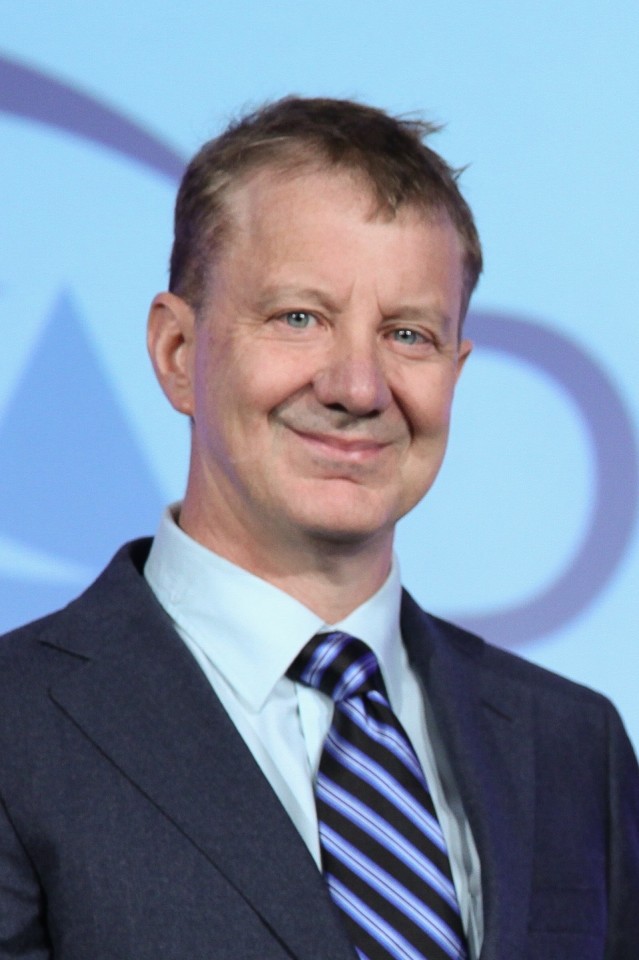
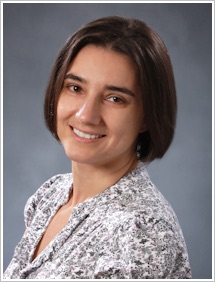
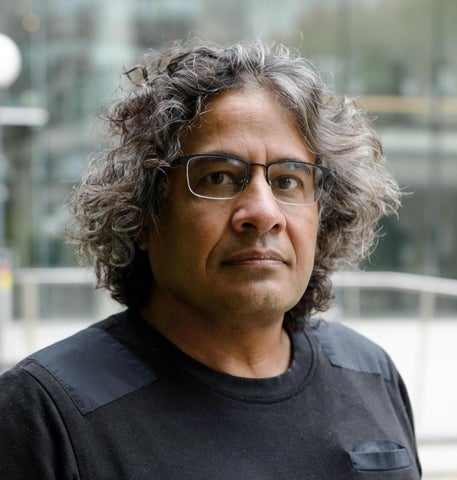
Dewey G. McCafferty is Professor of Chemistry at Duke University with appointments in Biochemistry and the Duke Cancer Institute. His research focuses on chemical biology of chromatin-modifying enzymes and ubiquitin signaling pathways relevant to neurodegeneration and infection. Notable work includes discovering the lasso peptide antibiotic Arcumycin, characterizing the Nedd4 ubiquitin ligase in Parkinson's disease models, and developing chemoproteomic approaches for target identification. Key contributions include elucidation of the futalosine pathway in Chlamydia infections, mechanisms of CPAF protease in bacterial pathogenesis, and engineering of histone demethylase enzymes. McCafferty received the Eli Lilly Award in Biological Chemistry (2005) and directs NIH-funded projects on ubiquitin ligases in neurodegeneration.
Christopher M. Overall is a Full Professor at the University of British Columbia in the Faculty of Dentistry, Department of Oral Biological and Medical Sciences . He is also a Principal Scientist at the Centre for Blood Research and holds associate memberships in UBC's Biochemistry & Molecular Biology , Obstetrics and Gynecology , and Bioinformatics Graduate Program departments. As a Canada Research Chair Laureate , he pioneered the field of degradomics to study proteases in vivo. B.D.S., University of Adelaide Ph.D., University of Toronto Postdoctoral Fellowship, UBC (with Nobel Laureate Michael Smith) Dr. Overall’s research focuses on protease proteomics and systems biology , particularly degradomics to analyze protease substrates in diseases like COVID-19 and immunodeficiency . His work on matrix metalloproteinases has revealed new therapeutic strategies for inflammatory diseases and cancer . His 15 most recent articles (2015–2008) demonstrate expertise in TAILS proteomics , protein terminomics , and protease network analysis with applications in arthritis , antiviral immunity , and precision medicine . Scientific Awards 2022 Helmut Holzer Award 2018 Royal Society of Canada Fellow 2014 Tony Pawson Canadian Proteomics Award 2013 IADR Distinguished Scientist Award Dr. Overall has mentored 61 trainees , including 9 full professors with department chairs, and received the UBC John McNeill Mentorship Award (2023). He leads the HUPO Chromosome-centric Human Proteome Project and consults for Genentech and Novartis .
Réka Albert is a Distinguished Professor of Physics at Pennsylvania State University, affiliated with the Eberly College of Science. Her research focuses on the application of network science to biological systems, including signal transduction networks, ecological interactions, and cancer systems biology. She holds editorial roles at npj Systems Biology and Applications , IET Systems Biology , and Bulletin of Mathematical Biology . Education: Ph.D. in Physics from the University of Notre Dame (2001), M.S. and B.S. from Babeș-Bolyai University, Romania (1995-1996). Research Interests: Modeling complex systems using network theory; Boolean network analysis of biological pathways; ecological community dynamics; systems-level understanding of disease mechanisms (e.g., cancer, AML). Her work bridges theoretical physics, computational biology, and experimental data to predict system behavior and therapeutic strategies. Awards: External member of the Hungarian Academy of Sciences (2016), APS Maria Goeppert-Mayer Award (2011), NSF CAREER Award (2007), and Alfred P. Sloan Fellowship (2004). Grants/Support: NSF awards (MCB 1715826, IIS 1814405), ARO MURI on hyperuniform systems, and collaborations with biologists like Sarah Assmann (plant signaling) and Katriona Shea (ecology). Labs/Teams: Leads a multidisciplinary research group at Penn State, mentoring over 20 PhD alumni and current students like Eli Newby and Fatemeh Nasrollahi. Active in developing tools like pystablemotifs for Boolean network analysis.
Johannes Larsch is a tenure-track Assistant Professor at the Center for Integrative Genomics within the Faculty of Biology and Medicine at Université de Lausanne (UNIL). His research focuses on understanding the neuronal mechanisms underlying social interactions, using larval zebrafish as a model organism. He employs advanced techniques like virtual reality and optical imaging to study how social signals are processed in the brain. Education: Bachelor of Biology, University of Konstanz, Germany PhD in Neurobiology, Rockefeller University, USA (lab of Cori Bargmann) Postdoc at Max Planck Institute of Neurobiology, Germany (with Herwig Baier) Research interests center on neuronal circuits driving group behavior, social recognition, and the interplay between genetics and environment in shaping behavior. His lab investigates how individual brains coordinate collective social behaviors through studies of neuronal activity and circuit dynamics. Current lab openings include fully funded PhD and PostDoc positions focused on social neuroscience and neurogenomics. Contact: johannes.larsch@unil.ch .
Dan A. Dixon is a Professor and Associate Director of Community Outreach and Engagement at the Winthrop P. Rockefeller Cancer Institute, University of Arkansas for Medical Sciences (UAMS), where his research focuses on post-transcriptional gene regulation mechanisms in cancer pathogenesis. His academic credentials include: Ph.D. from Northwestern University B.A. from Augustana University Dr. Dixon's research centers on RNA-binding proteins (notably HuR and tristetraprolin) and their role in destabilizing oncogenic mRNA networks. His laboratory investigates how dysregulation of these post-transcriptional controllers permits overexpression of tumor-promoting genes involved in proliferation, angiogenesis, and metastasis. Key focus areas include colorectal cancer mechanisms, autophagy regulation via Rab27B, stress granule dynamics in mutant p53 contexts, and extracellular vesicle-mediated tumor microenvironment activation. Analysis of his 2022-2025 publications reveals intensifying work on XPO1 inhibition for colorectal cancer chemoprevention, Rab27B-autophagy axis characterization, and mutant p53 vulnerabilities. His studies consistently employ molecular techniques, mouse models (APC Min/+ ), and translational approaches to identify biomarkers and therapeutic targets. Dr. Dixon maintains active laboratory facilities at WPRCI 947 and 951, directing research that bridges fundamental RNA biology with clinical oncology applications. His leadership in community outreach complements his bench-to-bedside research philosophy.
Anders Aagaard Rehfeld is a Postdoc at the University of Copenhagen's Department of Drug Design and Pharmacology, located at Jagtvej 160 in Copenhagen. His research focuses on reproductive biology and pharmacology, with particular emphasis on sperm function and calcium signaling pathways. His research interests center around the CatSper calcium channel in human sperm and how various compounds affect sperm function. He investigates the impact of pharmaceuticals, environmental chemicals, and natural compounds on male reproductive health. His work combines experimental pharmacology with reproductive biology to understand endocrine disruption mechanisms. Dr. Rehfeld's recent publications demonstrate a strong focus on how substances like paracetamol metabolites, pesticides, antidepressants, finasteride, and bisphenol analogs interact with sperm calcium signaling pathways. His research shows consistent patterns in examining chemical interference with the CatSper channel, which is crucial for sperm function and fertility. Scientific Recognition: PhD Cup 2018 Winner His collaborative work extends across multiple institutions in Copenhagen, particularly with Rigshospitalet researchers including Niels Skakkebæk, Anders Juul, and Katharina Main. His media presence includes an interview in Samvirke and a BRIDGE video interview in 2020, indicating engagement with both academic and public audiences. Dr. Rehfeld maintains an active research program with significant contributions to understanding environmental and pharmaceutical impacts on male reproductive health, particularly through the lens of calcium channel physiology in sperm cells.
Sachdev Sidhu is a Research Professor and Entrepreneur in Residence at the University of Waterloo. His research focuses on synthetic antibodies, protein engineering, and biotechnological applications. He leads efforts in developing novel therapeutic antibodies, engineered protein systems, and molecular tools for biomedical research. His work spans cancer therapy, viral infection countermeasures, and regenerative medicine. Sidhu is also involved in translational research, bridging academic discoveries with commercial applications through entrepreneurial ventures. Key research interests include synthetic antibody libraries, CAR T-cell engineering, ubiquitin-based therapeutics, and phage display technologies. He has contributed to advancements in targeted therapies for glioblastoma, leukemia, and ocular diseases. His team develops innovative methods for protein design, such as engineered ubiquitin variants and modular antibody architectures. Publications highlight breakthroughs in antibody-based treatments, including synNotch CAR T cells for glioblastoma and neutralizing antibodies against SARS-CoV-2. His work integrates structural biology, molecular biology, and computational approaches to address complex biomedical challenges. Sidhu collaborates with industry partners to advance technologies into clinical and commercial settings.
Dr. Susan Hua is an Associate Professor at the University of Newcastle's School of Biomedical Sciences and Pharmacy, specializing in translational nanopharmaceutics and therapeutic targeting. She established the first translational nanopharmaceutics laboratory in the Hunter region, focusing on drug delivery systems for gastrointestinal, musculoskeletal, and reproductive pathologies. Education: Bachelor of Pharmacy with Honours, University of Queensland (UQ) PhD in Neuroscience and Nanotechnology, UQ Research Interests: Her work centers on using nanotechnology to create targeted drug delivery systems for diseases such as chronic pain, inflammatory conditions, and obstetric complications. Key focuses include oxytocin receptor-targeted liposomes for uterine therapies and localized drug delivery to bypass biological barriers. Awards & Recognition: 2020 DVC(A) Educator Innovation Award 2017 NSW Premier's Early Career Researcher of the Year 2015 HMRI Early Career Researcher of the Year Grants & Collaborations: A/Prof Hua has secured over $5.5M in grants, including NHMRC and ARC funding. She collaborates with institutions like HMRI, John Hunter Hospital, and global teams on projects like nanoparticle-based treatments for preterm labor and uterine hemorrhage. Teaching & Leadership: She coordinates pharmacy programs, emphasizing clinical application and innovation. Her courses include Pharmacotherapeutics and Pharmacy Practice, with awards for teaching excellence (2020, 2011). Labs & Programs: Head of Therapeutic Targeting Program, University of Newcastle Director, Translational Pharmaceutics & Medical Technologies Theme (HMRI)
Zhe Ji is an Assistant Professor in the Department of Biomedical Engineering at McCormick School of Engineering and the Department of Pharmacology at Feinberg School of Medicine, Northwestern University. His research integrates computational and experimental genomics to study gene transcription and RNA translation in cell fate commitment and oncogenic processes, aiming to develop precision medicine strategies. **Education**: Postdoctoral Fellow in Cancer Systems Biology, Harvard Medical School Postdoctoral Fellow in Computational Biology, Broad Institute of MIT and Harvard Ph.D. in Computational Genomics, Rutgers University B.S. in Biotechnology, Nanjing University, China **Research Focus**: Keywords include Data Science, Computational Biology, Functional Genomics, RNA, Cancer, Inflammation, and Machine Learning. The lab explores regulatory mechanisms underlying disease, with a focus on translational control, cancer metastasis, and inflammatory networks. **Grants & Advising**: No specific grants or student advisees listed. The lab emphasizes collaborative projects and computational-experimental approaches. **Lab Affiliations**: Zhe Ji’s lab is part of Northwestern’s interdisciplinary environment, bridging engineering and medicine to advance genomic technologies and therapeutic strategies.
Prof. Waldemar Kolanus leads the Molecular Immunology and Cell Biology department at the University of Bonn's Life & Medical Sciences Institute (LIMES) . His research bridges immunoregulation , stem cell dynamics , and metabolic stress responses in immune cells. Unit 2 member at LIMES Principal investigator in SFB 704 and ImmunoSensation Cluster Leads a multidisciplinary lab with postdocs, PhD students, and technical staff His work focuses on intracellular signaling pathways connecting immune activation to tissue homeostasis, particularly through: Cytohesin proteins in integrin-mediated adhesion and migration TRIM71 in stem cell regulation and congenital hydrocephalus High-salt environments affecting macrophage function Publication trends show expertise in immune cell migration , genetic models , and chemical inhibition , with frequent use of mice and zebrafish for in vivo studies. Key articles explore: TRIM71's dual role in auditory development and germ cell maintenance Cytohesin family's Golgi regulation and insulin signaling Ruxolitinib's off-target migration inhibition of dendritic cells Contact details: Address: LIMES Institute, Carl-Troll-Straße 31, Bonn Email: kolanus.sekretariat@uni-bonn.de Phone: +49 228 73-62788
Guoyao Wu is a Distinguished Professor of Animal Nutrition at Texas A&M University's College of Agriculture & Life Sciences, holding dual appointments in the Department of Animal Science and the Graduate Faculty of Nutrition. His expertise spans nutritional biochemistry, protein metabolism, and reproductive physiology. Dr. Wu earned his B.Sc. from South China Agricultural University, M.Sc. degrees from Beijing Agricultural University and the University of Alberta, and a Ph.D. from the University of Alberta, followed by postdoctoral training at McGill University and Memorial University of Newfoundland. His research focuses on amino acid and protein metabolism across molecular, cellular, and whole-animal levels, using models like cattle, pigs, and aquatic species. Key areas include placental nutrient transport, fetal programming, and the role of amino acids in mitigating conditions like sarcopenia and intrauterine growth restriction. He has pioneered studies on glycine, creatine, and citrulline supplementation in livestock and aquaculture. Dr. Wu has received over 15 prestigious awards from China, Canada, and the U.S., including the Thousand-People-Talent Award and Changjiang Scholar Award. He serves on editorial boards of journals like Amino Acids and Frontiers in Bioscience , and teaches graduate courses in protein metabolism. His work bridges basic science and applied nutrition, with implications for improving livestock productivity, human health, and aquaculture sustainability. Current projects address amino acid requirements of companion animals, microgravity effects on metabolism, and placental biology in ruminants.
Benjamin Machta is an Assistant Professor of Physics at Yale University, affiliated with the Department of Physics and the QBio Institute. He holds a BS from Brown University and a PhD from Cornell University, followed by a postdoctoral fellowship at Princeton University. His research focuses on applying theoretical physics to understand biological systems, particularly leveraging statistical physics and information theory to study biological membranes near critical points and the energetic constraints of biological signaling. Education: BS in Physics (Brown University), PhD in Physics (Cornell University), Postdoc at Princeton University (Lewis-Sigler Theory Fellow). Research Interests include: membrane criticality, phase transitions in biological systems, information-theoretic limits in organism function, and energy dissipation in biological processes. His work often bridges theoretical models with experimental data, such as collaborations with Sarah Veatch’s lab on membrane phase behavior. Publications highlight themes like membrane criticality, protein phase separation, and energy constraints in signaling. His group’s current projects explore cochlear mechanics, thermodynamic control in biological systems, and the role of criticality in sensory systems. Awards: 2019 Simons Investigator Award. Lab Affiliations: QBio Institute and Department of Physics at Yale, located in YSB-C164. Group members include postdocs Isabella Graf and Michael Abbott, and graduate students Asheesh Momi, Mason Rouches, and others.
Callista Yee will join the University of British Columbia as an Assistant Professor in the Department of Zoology (Faculty of Science) starting September 2025. Her research focuses on decoding molecular mechanisms governing nervous system development and synaptogenesis using Caenorhabditis elegans as a model organism. Research Focus Dr. Yee's work investigates: Transcriptional programs activated by neuronal activity Role of Groucho co-repressors in cellular switches Proteostasis and stress resilience in neurons Molecular regulation of synapse formation Publication Trends Her recent articles (2017–2025) span developmental biology, neuroscience, and molecular genetics, with a consistent emphasis on C. elegans as a model system. Key themes include transcriptional regulation of cell invasion, protein degradation tools, and aging-related pathways.
Sungkwon Park is a Professor in the Department of Food Science and Biotechnology at Sejong University, specializing in advanced food science and biotechnology research with a focus on meat science, cultured meat production, and sustainable food systems. His research integrates molecular biology, food biotechnology, and systems biology to develop innovative food solutions. His educational background includes a Ph.D. from Purdue University (2008), M.S. from Yeungnam University (2001), and B.S. from Yeungnam University (1999). Prior to his current position, he worked as a Postdoctoral Fellow at Virginia Tech (2008-2012) and as a Research Officer at the National Institute of Animal Science, RDA (2012-2015). Professor Park's research interests focus on livestock production optimization, meat processing for health functionality, environmentally friendly animal production systems, and in vitro meat production. His work has led to significant achievements including the identification of calcium and glucose interaction mechanisms in muscle metabolism, development of oleogel-based meat processing techniques, optimization of feed ingredients for sustainable livestock, and establishment of in vitro meat production systems. His recent publications (2023-2025) demonstrate a strong focus on cultured meat technology, meat science, and sustainable food production. The research spans cellular mechanisms for cultured meat production, safety and regulatory aspects of alternative proteins, comparative analysis of muscle satellite cells, and optimization of meat processing techniques. His work shows a clear trend toward developing practical applications for next-generation meat products with emphasis on health functionality and environmental sustainability. Professor Park actively serves as a reviewer for Frontiers in Veterinary Science and is an Editorial Board Member of the Korean Society of Animal Science. His laboratory, the M&M'a lab (Functional Food Lab), conducts research on high-value-added, health-functional BioFood and future foods using bio-convergence technologies.
Chao Liu is an Associate Professor at the Department of Biomedical Engineering , Southern University of Science and Technology (2024.11–present). Previously, he served as an Assistant Professor at the same institution (2019–2024.11) and completed a Postdoctoral Fellowship at New York University (2016–2019) with joint appointments in the Department of Biomedical Engineering and Orthopedics at NYU Langone Health . He holds a PhD in Biomedical Engineering (2016) and MASc in Mechanical Engineering (2010) from University of Toronto , following a BASc in Engineering Science (2008). Education : PhD (IBBME, U of Toronto, 2016), MASc (Mechanical Engineering, U of Toronto, 2010), BASc (Engineering Science, U of Toronto, 2008) His research focuses on mechanobiology of stem cells , bone tissue engineering , and functional implants . He investigates how mechanical forces modulate osteogenic and angiogenic stem cells, designs implants with micro-geometry to enhance cellular activity, and develops 3D real-time imaging modalities for bone repair processes. His work spans biomechanics , regenerative medicine , and cellular mechanotransduction . The selected publications from 2022 to 2010 reveal trends in mechanical force applications for bone regeneration, pharmacological impairments in healing, nanostructured biomaterials for stem cell differentiation, and microfluidic platforms for osteocyte studies. These works are published in journals like Bone , FASEB Journal , and ACS Applied Materials & Interfaces . Scientific Awards : International Conference BME Young Investigator Award (2019), IFMRS Travel Grant (2017), ASBMR Young Investigator Grant (2016), CIHR Travel Awards (2010–2014), Ontario Graduate Scholarship (2011–2013), Barbara and Frank Milligan Fellowship (2008, 2010) Chao Liu mentors graduate students, including Zhang Jianing (2022 Master’s graduate). His lab ( https://abtrl.bme.sustech.edu.cn/ ) recruits postdocs and research assistants for projects in mechanical force applications , micro-geometric implants , and 3D imaging . He has contributed to 14 journal articles with 714 citations and presented at 6 international conferences in the past three years.