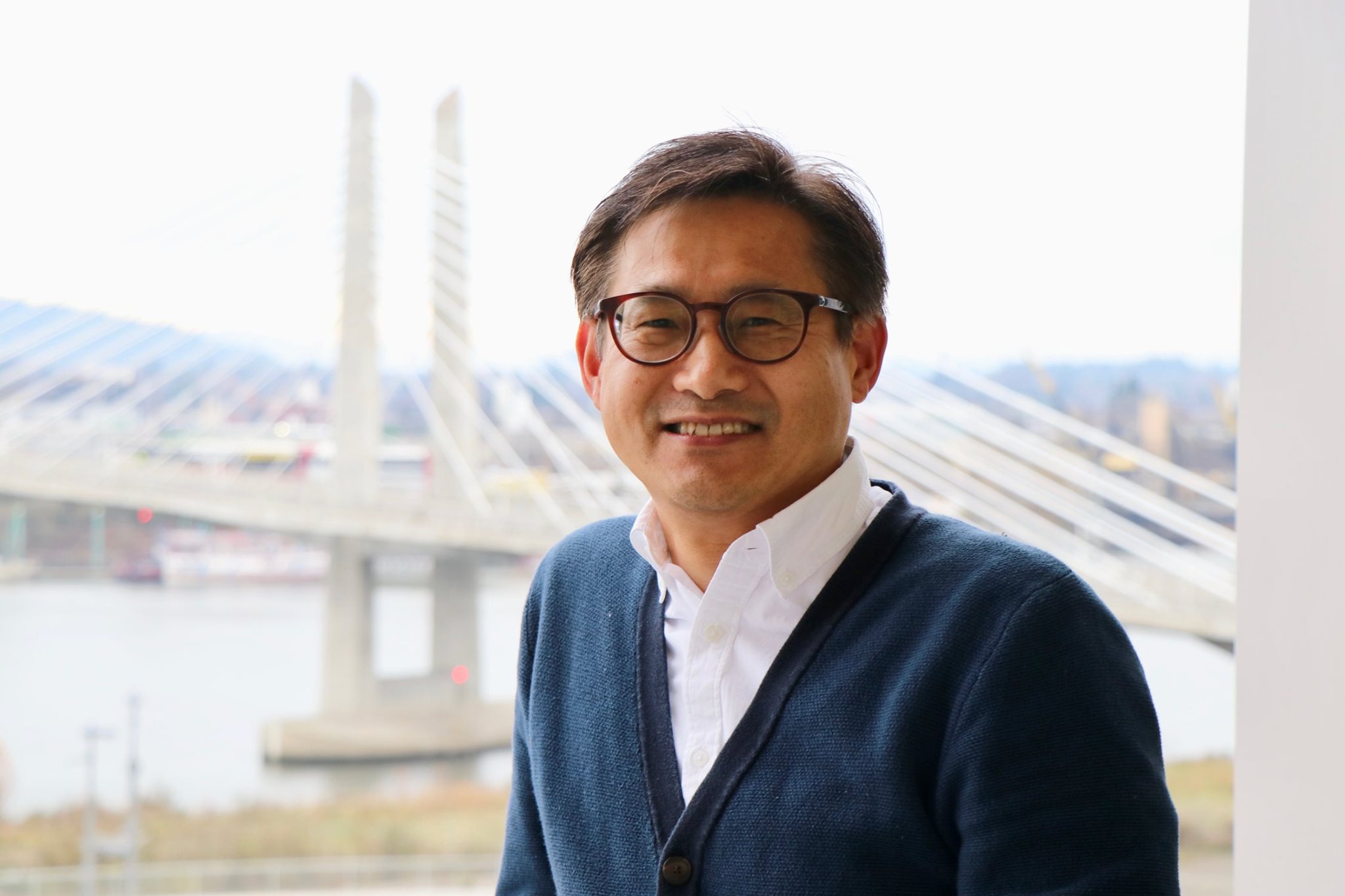
Richard GoodmanView profile
Professor
Richard Goodman is a Professor of Cell, Developmental and Cancer Biology and Biochemistry and Molecular Biology at Oregon Health & Science University, serving as a senior scientist at the Vollum Institute where he directed from 1990 to 2016. His research bridges molecular biology and neuroscience with focus on metabolic regulation of gene expression. His educational background includes: B.S. in Chemistry, Massachusetts Institute of Technology (1970) M.D., University of Pennsylvania (1976) Ph.D., University of Pennsylvania (1976) Dr. Goodman pioneered the characterization of the cAMP regulated enhancer (CRE) and identification of the CREB coactivator CBP. His lab conducts genome-wide analyses of transcription factor binding and investigates microRNA roles in neuronal plasticity, circadian rhythms, and metabolic regulation. Current work emphasizes activity-regulated genes and metabolic pathways in neuronal function. Analysis of his publication record reveals consistent innovation in molecular tools and conceptual advances. His lab developed fluorescent biosensors for metabolites like NAD+ and fructose-1,6-bisphosphate, enabling real-time metabolic imaging in neurons. Research spans from transcriptional mechanisms to in vivo synaptic plasticity, with microRNA regulation emerging as a unifying theme across neuronal development, circadian adaptation, and neurodegeneration. His scientific recognition includes: National Academy of Sciences, elected member (2002) Institute of Medicine, elected member (2005) Scientific Review Board, Howard Hughes Medical Institute (2008-2011) Dr. Goodman has mentored 14 graduate students and 29 fellows, many becoming independent investigators. His research is supported by sustained NIH funding for studies on transcriptional regulation, metabolic neuroscience, and microRNA mechanisms. Current grants focus on neuronal metabolism and activity-dependent gene expression. As a senior scientist at the Vollum Institute, he leads a multidisciplinary team developing cutting-edge metabolic imaging tools. His lab collaborates extensively across neuroscience and molecular biology departments, with ongoing projects examining glycolytic dynamics in neural circuits and microRNA-mediated regulation of synaptic function.