Giada De Palma is a Part-Time Assistant Professor in the Department of Medicine at McMaster University . Her research focuses on the gut microbiome , gut-brain axis , and their roles in irritable bowel syndrome (IBS) , chronic abdominal pain , and neuroimmune interactions . Key research themes: Gut-Brain Axis, Microbiota-Host Interactions, Visceral Pain Mechanisms, Dietary Interventions in IBS Academic collaborations: Premysl Bercik, Elena Verdu, Stephen Michael Collins, Michael Surette, Maria Pinto-Sanchez Her recent publications highlight lysophospholipid signaling in IBS, microbiota-induced CGRP production , and sex-dependent visceral sensitivity . She has contributed to understanding how histamine-producing gut bacteria and β-defensins influence pain and immune function. Her work also reveals microbial transfer effects on anxiety phenotypes and age-related memory decline . Notable methodological contributions include humanized mouse models and metabolomic profiling to study microbiota-diet interactions. Current research explores probiotic interventions like Saccharomyces boulardii for gut-brain axis dysfunction.
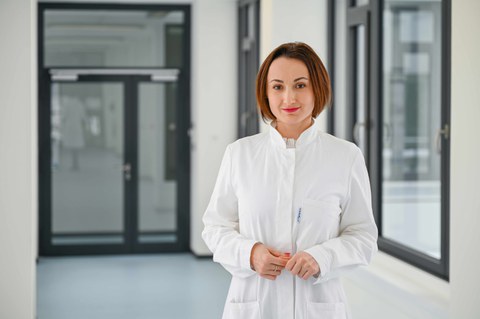
Larysa Baraban is a Professor and Chair of Medical Nanotechnology at the Faculty of Medicine Carl Gustav Carus (Dresden University of Technology) since May 2024, with a dual affiliation to the Helmholtz-Zentrum Dresden-Rossendorf (HZDR) and Else Kröner Fresenius Center (EKFZ) for Digital Health . She leads the Nano-Microsystems for Life Sciences department at HZDR. Her research focuses on nanoelectronics and microfluidics for cancer immunotherapy and pathogen detection , including development of smart biosensors and nanochips for personalized medicine. Her recent work emphasizes lab-on-a-chip systems , single-cell analysis , and real-time clinical monitoring . Scientific awards include the ERC Consolidator Grant . She leads interdisciplinary projects bridging materials science and clinical oncology , supported by the Helmholtz first-time professorial appointment program for female scientists.
James Kenyon is a Professor and Director of the Institute for Neuroscience at the University of Nevada, Reno. He can be contacted at jlkenyon@med.unr.edu and is affiliated with the Institute for Neuroscience in Reno, Nevada. His research focuses on ion channels , calcium signaling , and neuronal excitability , particularly in smooth muscle and gastrointestinal systems. Studies include the role of mitochondria in calcium regulation, temperature effects on neuronal calcium buffering, and phosphorylation mechanisms modulating potassium and chloride channels. Analysis of his 15 most recent articles reveals expertise in gastrointestinal physiology , neurophysiology , and computational modeling . Key themes include calcium-activated chloride channels , Kv channel regulation , and smooth muscle contractility in health and disease models like colitis.
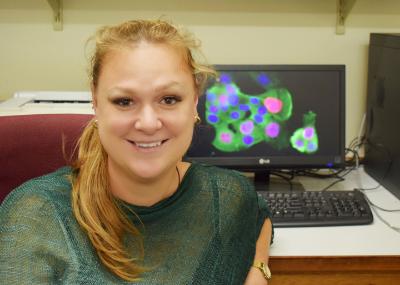
Caroline Cobine, Ph.D. is an Associate Professor in the Department of Physiology and Cell Biology at the University of Nevada, Reno School of Medicine. Her research focuses on smooth muscle physiology with particular emphasis on the role of interstitial cells in regulating motility in gastrointestinal sphincters. Her work spans from basic cellular mechanisms to translational applications in gastrointestinal disorders. Dr. Cobine earned her B.Sc. (Hons.) in Biomedical Science from Queen's University Belfast, Northern Ireland, followed by a Ph.D. in Cellular and Molecular Pharmacology and Physiology from the University of Nevada, Reno. Her academic journey reflects a strong foundation in both basic biomedical sciences and specialized physiological research. Her research program investigates the cellular and molecular mechanisms underlying gastrointestinal motility, with particular focus on interstitial cells of Cajal and their role as pacemaker cells and signal intermediaries between nerves and smooth muscle. Using advanced techniques including calcium imaging, immunohistochemistry, and electrophysiology, her laboratory has made significant contributions to understanding how calcium signaling in interstitial cells regulates sphincter tone and gastrointestinal motility patterns. Her work has important implications for understanding motility disorders affecting the esophagus, stomach, and anus. Analysis of Dr. Cobine's recent publications (2019-2025) reveals a consistent research trajectory focused on gastrointestinal physiology, particularly examining calcium signaling dynamics in interstitial cells of Cajal across different gastrointestinal regions. Her work spans multiple model systems including mice, monkeys, and human tissues, demonstrating translational relevance. Key themes include the spatial organization of interstitial cells, their relationship to neural elements, and the specific molecular mechanisms by which they regulate smooth muscle function in various sphincters. Dr. Cobine has established herself as a leading researcher in gastrointestinal motility through her extensive publication record in high-impact physiology journals including the Journal of Physiology, American Journal of Physiology, and Cell and Tissue Research. Her work has been supported by competitive research funding, though specific grants are not detailed in the provided information. Her laboratory collaborates extensively with researchers at UNR and other institutions, particularly with experts in gastrointestinal physiology including Sanders KM, Keef KD, Drumm BT, and Baker SA. These collaborations have yielded numerous high-impact publications that have advanced our understanding of gastrointestinal motor function.
Violeta Mutafova-Yambolieva serves as Professor and Vice Chair in the Department of Physiology and Cell Biology at the University of Nevada School of Medicine (UNSOM), Reno. Her research program investigates neuroeffector mechanisms in peripheral and central nervous systems with emphasis on purinergic neurotransmission and cotransmission. Education: Ph.D. in Pharmacology and Physiology, Sofia Medical Academy (1987) M.D., Sofia Medical Academy (1979) Research Focus: Dr. Mutafova-Yambolieva's laboratory examines how peripheral nerves regulate visceral smooth muscles and blood vessels, with particular focus on pre- and post-junctional neurotransmission mechanisms. Her groundbreaking work established β-nicotinamide adenine dinucleotide (NAD) and uridine adenosine tetraphosphate (Up4A) as novel neurotransmitters that fulfill key criteria for neurogenic regulation. Using neurochemistry, protein biochemistry, immunohistochemistry, and molecular biology techniques across species from genetically modified mice to non-human primates, her team investigates signal transduction pathways underlying conditions like hypertension, vasospasm, heart failure, and gastrointestinal motility disorders. Current work explores functional correlates of plurichemical neurotransmission in physiological and pathological human conditions. Publication Trends: Her 15 most recent publications (2004-2014) demonstrate consistent focus on purine-based neurotransmission mechanisms, particularly NAD and Up4A signaling in gastrointestinal and vascular systems. Key thematic developments include identification of multiple purine nucleotides as cotransmitters, characterization of receptor mechanisms (especially P2Y1), and translational applications for motility disorders. Her work bridges molecular neuroscience, physiology, and pharmacology with strong emphasis on experimental models relevant to human pathophysiology. Scientific Recognition: Fogarty International Center Fellowship (NIH) Teaching and Funding: Dr. Mutafova-Yambolieva teaches cardiovascular physiology to medical students (MED 632) and neuroeffector mechanisms to graduate students (CMPP 740, PCB 711). Her research has received continuous funding from the National Institutes of Health and American Heart Association since her faculty appointment. She maintains active collaborations within UNSOM and with external institutions across the USA, utilizing multidisciplinary approaches to study neuroeffector junctions in diverse physiological systems. Laboratory Operations: Her research group employs integrated methodologies spanning neurochemistry to functional physiology, working with genetically hypertensive animals, gene-knockout models, and human tissue samples. The laboratory environment emphasizes collaborative science with shared resources across the Department of Physiology and Cell Biology and School of Medicine.
Seungil Ro, Ph.D., is Associate Professor in the Department of Physiology & Cell Biology at the University of Nevada, Reno School of Medicine and serves as Director of the Cellular and Molecular Pharmacology and Physiology Graduate Program since 2019. His laboratory investigates microRNA-mediated control of metabolic and gastrointestinal diseases, translating findings into therapeutic strategies through the biotech startup RosVivo Therapeutics Inc. Education Ph.D., Cell & Molecular Biology, University of Nevada, Reno, 2002 M.S., Biological Sciences, California State University, Sacramento, 1999 M.S., Molecular Biology, Wonkwang University, Korea, 1994 B.S., Molecular Biology, Wonkwang University, Korea, 1992 Research Interests Dr. Ro’s research is centered on elucidating the roles of microRNAs (miRNAs) in diabetes, obesity, non-alcoholic fatty liver disease, gut neuromuscular disorders, and COVID-19. His team has identified anti-diabetic miRNAs that restore β-cell function, improve insulin sensitivity, and reverse obesity and hepatic steatosis in animal models. Parallel work has uncovered anti-coronavirus miRNAs that inhibit replication of SARS-CoV-2 and related viruses while dampening pro-inflammatory cytokine storms. These discoveries are progressing toward clinical translation through pre-clinical studies and industry partnerships. Scientific Awards & Honors $2 million grant (2018) for breakthrough diabetes research – Nevada Governor’s Office of Economic Development U.S. Patent 6,340,748 – Promoter of the tomato expansion gene LeExp-1 (issued 2002) U.S. Provisional Patent – MiR-10 mimic and targets for diabetes and GI motility disorders (2019) PCT International Patent WO/2020/219872 – Anti-diabetic miRNAs (with Rajan Singh & Se Eun Ha) Advising & Funding Dr. Ro has mentored numerous graduate students and post-doctoral fellows and holds continuous NIH and state funding. His 2018 $2 million award supports pre-clinical development of miRNA therapeutics, and RosVivo Therapeutics has secured Series A financing for clinical translation. Laboratory & Team The Ro laboratory is located in the Center for Molecular Medicine (CMM L-207 E) on the Reno campus. Core team includes Research Assistant Professor Se Eun Ha, post-doctoral fellows Rajan Singh, Lai (Lisa) Wei, and Brian Jorgensen, graduate students, a lab manager, and undergraduate researchers. The lab maintains three public UCSC genome browsers—Smooth Muscle Genome, Transcriptome, and Methylome Browsers—serving as global resources for the smooth-muscle research community.
Dr. Robert Harvey is a Professor and Chair of Pharmacology at the University of Nevada, Reno School of Medicine . His research focuses on understanding the interplay between the autonomic nervous system and cardiac function, particularly how sympathetic and parasympathetic stimulation influence arrhythmias and sudden cardiac death. He has extensively studied cardiac myocyte signaling mechanisms , neurotransmitter effects , and cAMP compartmentation using experimental and computational approaches. Education : B.S. in Pharmacy from Drake University, Ph.D. in Pharmacology from Northwestern University Dr. Harvey's research explores autonomic regulation of cardiac activity and has contributed to understanding neurotransmitter signaling in heart disease. His work spans disciplines including cardiology , neurophysiology , and cell biology , with recent studies analyzing mitochondrial signaling , interstitial cell function , and ion channel dynamics . Recent publication trends show emphasis on cardiac arrhythmias , autonomic nervous system , calcium signaling , and epigenetic factors in cardiovascular disease. His collaborative work involves institutions across the United States and Europe, with studies in mouse models , human physiology , and computational modeling .
Prof. Dr. Firdevs ÖRNEK is a distinguished Professor in the Department of Eye Diseases at the Faculty of Medicine, Ankara University. With over three decades of clinical and academic experience, she has established herself as a leading expert in corneal surgery, glaucoma management, and ocular diseases. Her professional journey spans multiple roles at Ankara Training and Research Hospital, where she has served as both Research Assistant (1983-1986) and Teaching Staff member (since 2001), in addition to educational leadership positions as Education Responsible (since 2012). Dr. ÖRNEK received her medical degree from Ankara University Faculty of Medicine (1973-1980) followed by specialized ophthalmology training at Ankara Training and Research Hospital (1983-1986). Her academic credentials include proficiency in English (YÖKDİL exam, 2018) and extensive participation in over thirty professional development courses spanning from 1985 to 2018, covering specialized areas such as ocular oncology, oculoplastic surgery, and facial paralysis management. Her research focuses primarily on corneal diseases and surgical techniques, with particular expertise in penetrating keratoplasty outcomes, corneal transplantation methods, and management of post-keratoplasty complications. She has conducted comparative studies on imported versus domestic donor corneas and investigated innovative approaches to corneal rehabilitation. Additional research interests include glaucoma management in complex cases (particularly uveitic glaucoma and post-keratoplasty glaucoma), retinal diseases, ocular trauma, and pediatric ophthalmology conditions. Her work on hydroxychloroquine retinal toxicity in autoimmune disease patients represents significant contributions to pharmacological ophthalmology. Analysis of her recent publications reveals consistent research productivity with emphasis on surgical outcomes, innovative treatment approaches, and evidence-based management of complex ocular conditions. Her work frequently addresses practical clinical challenges in corneal surgery, glaucoma management, and retinal disorders, with particular attention to patient-specific factors that influence treatment success. Dr. ÖRNEK has supervised multiple medical theses, including Barış Oral's research on surgical outcomes in childhood esotropia and Emine Atik's investigation of choroidal thickness in rheumatoid arthritis patients. Her academic mentorship extends to numerous professional development courses where she has contributed to ophthalmology education in Turkey. She maintains active collaboration with colleagues across multiple institutions, as evidenced by her extensive publication record of 391 works including 157 articles, 232 conference presentations, and 2 book chapters. Her research has been presented at numerous national ophthalmology congresses and international forums including the World Glaucoma Congress and European Glaucoma Society meetings.
Yasser Aboelkassem is an Assistant Professor of Engineering at the College of Innovation and Technology, University of Michigan - Flint . His research focuses on Biofluids , Cardiac Mechanics , Machine Learning , and Medical Devices , particularly in Multi-scale Computational Medicine applications. Email: yassera@umich.edu Lab: Computational Medicine and Biomechanics Lab Methodologies: Machine Learning, Mathematical and Statistical Modeling His work spans multi-scale modeling of cardiac electromechanical coupling, integrating molecular dynamics (sarcomere proteins) with finite element analysis at tissue/organ levels. Recent projects include AI-driven surrogate models for cardiac contraction, biofluid dynamics in reproductive systems, and bioinspired microdevices for medical applications. Key research areas from his publications include machine learning in cardiac biophysics , electroosmotic microfluidics , virus transport modeling , and fractional-order biomechanics for vascular aging. The Computational Medicine and Biomechanics Lab develops non-invasive diagnostic tools and in silico systems for virtual patients, with applications in arterial blood flow , cardiac mechanics , and medical device innovation . His lab’s methodologies combine computational modeling , experimental validation , and engineering science to address cardiac diseases and healthcare challenges. Projects include 4D MRI data visualization , hypertension blood flow models , and multi-scale cardiac simulations using protein elastic networks and stochastic algorithms .
Lisa L Satterwhite serves as an Associate Research Professor in the Department of Civil & Environmental Engineering at Duke University's Pratt School of Engineering, and is a Faculty Network Member of the Duke Institute for Brain Sciences. Her work bridges environmental engineering with neuroepidemiology through community-engaged research. Her research focuses on molecular epidemiology of environmental exposures , particularly pesticide exposure links to Parkinson's disease , cyanobacterial harmful algal blooms and ALS , and climate change resilient rural communities . She pioneered field studies with migrant farmworkers in eastern North Carolina, establishing direct genetic links between pesticide metabolites and neurodegenerative disease markers. Her current work integrates remote sensing, deep learning, and epigenetic analysis to monitor environmental toxins. Recent publications reveal a clear trajectory from cellular biophysics (2010-2014 sickle cell and cardiomyocyte imaging) toward environmental health epidemiology (2022-2025 epigenetic studies of pollution exposure). Her team develops field-deployable monitoring systems for cyanobacterial blooms while analyzing PM2.5 pollution sources in rural communities. Her active grants include: Community-led Validation of Remote Sensing for Cyanobacteria Blooms (2025-2026) Mapping Epigenetic Memory of Exposure (MEMENTO, 2019-2024) Protecting Neurodevelopment in Latino Migrant Children (2017-2019) Satterwhite teaches ENVIRON 393/394 and CEE 493/690 independent research courses, mentoring students in environmental health projects. Her work originated from investigating tetra-amelia birth defects among migrant farmworkers, driving her mission to end environmentally-caused chronic diseases through science-informed policy change.
Dr. Nikolina Stojanović is a Research Associate at the Ruđer Bošković Institute , affiliated with the Division of Molecular Biology . Her work focuses on integrin-mediated drug resistance, cell adhesion, and cytoskeletal dynamics in melanoma, breast cancer, and prostate cancer.
Igor Weber is a Professor and Head of the Laboratory of Cell Dynamics at the Ruđer Bošković Institute's Division of Molecular Biology in Zagreb, Croatia. With a PhD in Biophysics from Technische Universität München (1995), an MSc in Biophysics from Zagreb University (1992), and a BSc in Physics from Zagreb University's Faculty of Natural Sciences and Mathematics (1988), Dr. Weber has established himself as a leading researcher in cell biology and biophysics. Dr. Weber's primary research focuses on cell motility, cytoskeleton dynamics, biophotonics and bioimaging, small GTPases, and cell signaling, using Dictyostelium discoideum as a model organism. His work has significantly advanced our understanding of how the actin cytoskeleton is regulated during cell migration and endocytosis. He has pioneered techniques for visualizing and quantifying GTPase activity in living cells, particularly focusing on Rac1 dynamics and its role in establishing cell polarity. Dr. Weber's laboratory has made groundbreaking contributions to understanding IQGAP-related proteins and their dual roles in regulating actin dynamics through both effector and sequestrator mechanisms with small GTPases. Analysis of Dr. Weber's recent publications reveals a strong focus on the molecular mechanisms of cell motility and endocytosis, with particular emphasis on the regulation of small GTPases like Rac1 and Ras. His work bridges biophysics, cell biology, and computational modeling, as evidenced by his studies on oscillatory dynamics of Rac1 activity and mathematical modeling of cell migration. The research spans from fundamental molecular mechanisms to potential biomedical applications, including studies on DNA damage response, cancer cell migration, and development of novel imaging probes. Dr. Weber has successfully secured multiple research grants including the current Croatian Science Foundation project (IP-2024-05) on dissecting Rac1 isoform redundancy in Dictyostelium , and the Croatian-Swiss Research Program (CSRP 2017-2023) on phagocytosis and macropinocytosis. As an educator, he teaches courses on Cytoskeleton and Cell Motility at the University of Zagreb, Cell Biophysics at the University of Split, and Advanced Light Microscopy at the University of Zagreb. Professional Leadership: President of Croatian Microscopy Society (2012-2016) Member of Executive Board, European Microscopy Society (2016-2025) President of Croatian Society for Theoretical and Mathematical Biology (2005-2006) Dr. Weber's laboratory serves as a hub for advanced microscopy techniques and cell dynamics research in Croatia. He has organized multiple international microscopy conferences including the Multinational Congress on Microscopy and European Light Microscopy Initiative meetings. His collaborative network spans internationally, with significant collaborations with Pierre Cosson at the University of Geneva and other European research groups.
Dr. Jo-Anne de la Mare is a Senior Lecturer in the Department of Biochemistry at Rhodes University. Her research focuses on triple negative breast cancer cell biology, drug discovery, phenotypic screening of novel compounds, and establishment of cervical cancer cell lines. PhD in Biochemistry (2012) M.Sc in Microbiology with Distinction (2009) B.Sc Hons. in Microbiology with Distinction (2006) B.Sc in Microbiology and Biochemistry with Distinction (2005) Her work spans biochemical pharmacology, molecular biology, and medicinal chemistry, with a strong emphasis on anti-cancer and antiparasitic compound development. Recent publications highlight studies on metal-based complexes (palladacycles, ruthenium, and ferrocenyl derivatives) and marine-derived compounds targeting tumor cells and parasitic diseases. Claude Leon post-doctoral fellowship (2016) NRF Innovations post-doctoral fellowship (2012-2014) Contact: j.delamare@ru.ac.za | Rm 235, Biological Sciences Building, Rhodes University
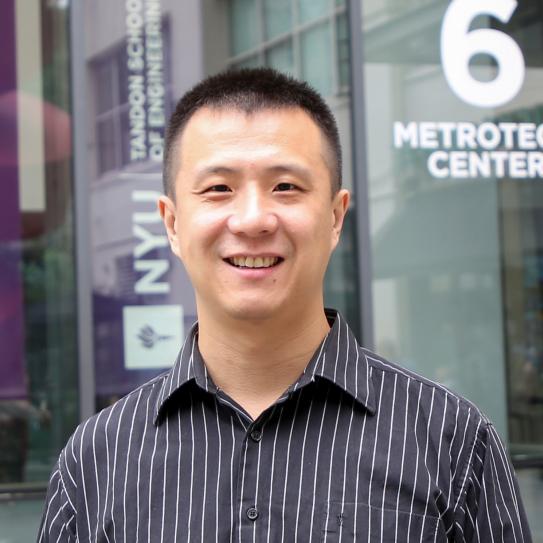
Dr. Xiao Ma serves as an Industry Assistant Professor of Biomedical Engineering at NYU Tandon School of Engineering since July 2019, conducting interdisciplinary research at the intersection of mechanobiology, computational biology, and nanotechnology. His work bridges molecular/cellular mechanics with micro/nanofabrication techniques to develop advanced biointerfaces and biosensors. His academic foundation includes: Bachelor of Science in Mechanical Engineering, Tsinghua University (2004) Master of Science in Mechanical Engineering, Tsinghua University (2007) Ph.D. in Mechanical Engineering, Iowa State University (2013) Dr. Ma's research centers on cellular morphodynamics, molecular biophysics, and cancer biology, with significant contributions to electro-responsive biointerface design. He employs machine learning for cellular image analysis and develops nanoscale platforms for controlled biomolecular binding/unbinding events, particularly focusing on thrombin-aptamer systems. His methodologies integrate atomic force microscopy, molecular dynamics simulations, and spatiotemporal spectrum decomposition to quantify cellular mechanics. Analysis of his 15 most recent publications reveals a cohesive research trajectory emphasizing force spectroscopy, computational modeling of cellular behavior, and electroactive biointerfaces. Key themes include real-time modulation of protein-DNA interactions through electrical stimuli, machine learning applications in morphodynamic profiling, and nanomechanical characterization of biosensor surfaces. His work consistently bridges theoretical computational models with experimental validation in biointerface engineering. His scientific recognition includes: Research Excellence Award, Iowa State University (2013) SES Conference Travel Awards for best graduate papers (2012, 2010) Teaching Excellence Award, Iowa State University (2009) While specific advising details aren't documented in available sources, his postdoctoral training at UT Southwestern Medical Center involved bioinformatics and cell biology research. Current laboratory infrastructure isn't explicitly described, but his publications indicate advanced capabilities in molecular dynamics simulation, atomic force microscopy, and microfabrication techniques for biointerface development.
Lisa-Marie Nisbett is an Assistant Professor in the Department of Microbiology at the College of Agriculture and Life Sciences (CALS), Cornell University. She earned her B.S. and M.S. in Biology from Long Island University's LIU Post Campus (2009 and 2012) and a Ph.D. in Biochemistry and Structural Biology from Stony Brook University (2018). Her postdoctoral work as an IRACDA NY-CAPS fellow at Stony Brook University focused on mycobacterial cell envelope biogenesis and lipid export pathways, particularly the role of the lipoprotein LprG in mycomembrane formation. Education: B.S. in Biology (2009), Long Island University - LIU Post Campus M.S. in Biology (2012), Long Island University - LIU Post Campus Ph.D. in Biochemistry and Structural Biology (2018), Stony Brook University The Nisbett Lab investigates the molecular mechanisms driving pathogenesis in nontuberculous mycobacteria (NTM), which are increasingly problematic clinical pathogens causing antibiotic-resistant pulmonary infections. Using Mycobacterium abscessus as a model, her team employs genetic, biochemical, and metabolite quantification approaches to study biofilm formation – a key factor in NTM persistence and treatment resistance. Her work explores how lipid transport systems like LprG contribute to mycomembrane integrity and whether these mechanisms can be targeted for novel anti-infective therapies. Research trends across her publications reveal a focus on bacterial signaling networks (e.g., c-di-GMP), NO/H-NOX pathways, and heme sensing mechanisms that regulate biofilm formation in diverse species including Shewanella oneidensis , Burkholderia thailandensis , and Mycobacterium smegmatis . These studies span molecular microbiology, structural biology, and chemical biology approaches to understanding microbial pathogenesis. Contact: lisa-marie.nisbett@cornell.edu | Wing Hall 113, Cornell University, Ithaca, NY 14853