Adrian Neild is a Professor in the Department of Mechanical and Aerospace Engineering at Monash University. His research focuses on non-linear ultrasound, microfluidic systems, acoustic streaming, and optical positioning technologies. He leads projects in sperm dynamics analysis, single-cell proteomics, and embryo imaging. Key research areas include acoustofluidic platforms for cell manipulation, lab-on-a-chip systems, and novel biomedical instrumentation. Collaborative projects involve developing technologies for male infertility diagnosis, embryo viability assessment, and bacterial detection in food safety contexts. Recent work highlights include: Acoustic-based sperm separation methods Light-sheet microscopy for non-invasive embryo imaging Ultrasound-enhanced cell motility systems Visible light positioning systems Active grants include NHMRC-funded single-cell proteomics facilities and IVF embryo safety studies. His lab develops innovative devices such as sound-activated nanosieves and acoustic micro-dispensers.
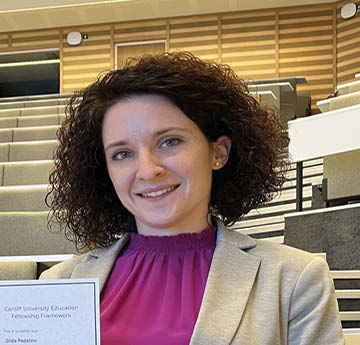
Dr. Gilda Padalino is a Lecturer in Biopharmaceutics at Swansea University’s Pharmacy Department within the Medical School. She holds a BSc/MSc in Medicinal Chemistry from the University of Salerno (Italy) and a PhD in Drug Discovery focusing on anti-schistosomal compounds. Her career includes roles as a registered pharmacist in Italy, a Postdoctoral Research Associate at Cardiff University (2022–2023), and a Postdoctoral position at Aberystwyth University (2019–2022). Her research focuses on developing anti-parasitic drugs targeting epigenetic mechanisms in Schistosoma mansoni and other pathogens. She teaches modules including Foundation Biological Chemistry (PM-000), Health, Disease and Patient (PMP101), and contributes to the Patient-Centred Learning series (PCLI/PCLII/PCLIII). Her research combines chemical synthesis, molecular biology, and computational methods to identify novel drug candidates. Notable projects include investigating BET bromodomain inhibitors and LSD1 demethylase modulation in schistosomes. She has secured grants totaling £28,050 as Principal Investigator/Co-Investigator for projects involving proteolysis-targeting chimeras (PROTACs) and chromatin structure analysis. She actively engages in public outreach as a STEM Ambassador and promotes women in parasitology through initiatives like Herminthology. Her teaching spans foundational pharmacy sciences, clinical pharmacy, and translational research, emphasizing patient-centered care and interprofessional collaboration. She supervises undergraduate research projects in areas like drug formulation, antimicrobial development, and precision pharmacy.
Dr. Zoe Johnston is a Lecturer at the University of Dundee, affiliated with the School of Medicine and the Department of Diabetes Endocrinology and Reproductive Biology. Her research focuses on male contraception development, reproductive biology, and the impact of environmental factors on fetal endocrine systems. She employs high-throughput screening platforms to identify compounds affecting sperm motility and develops tools for studying human spermatozoa. Her work also explores fetal adrenal gland development and the consequences of maternal smoking or exposure to chemicals like etoposide on fetal health. Research interests include male contraceptive mechanisms, pharmacological modulation of sperm function, steroidogenesis in fetal organs, and the effects of environmental toxins on endocrine systems. Her studies bridge medicinal chemistry, cell biology, and developmental biology to address fertility, contraception, and pregnancy-related health challenges. Dr. Johnston's recent publications highlight advancements in contraceptive drug discovery, fetal endocrine signaling disruptions linked to maternal obesity, and the impact of cigarette smoke components on adrenal steroid production. Her work contributes to understanding both normal developmental processes and pathological conditions arising from environmental or pharmacological exposures.
Sandip Patel is Professor of Cell Signalling in the Department of Cell and Developmental Biology , University College London (UCL). Since 2011 he has led a research programme exploring calcium signalling through acidic organelles, and in 2025 became Head of the Research Department of Cell & Developmental Biology. He is a member of Academia Europaea and recipient of the 2023 GL Brown Prize Lecture. Education & Career 1992 – BSc Medical Biochemistry, University of Birmingham 1995 – PhD Pharmacology, University of Cambridge (supervisor Colin W. Taylor) 1996-1998 – Wellcome Trust International Prize Travel Fellow, Thomas Jefferson University & UMDNJ (USA) 1999-2000 – Wellcome Trust Fellow, University of Oxford (with Antony Galione) 2000-2001 – Wellcome Trust Career Development Fellow & Hayward Junior Research Fellow, Oriel College, Oxford 2001-2004 – Lecturer (tenured), UCL 2007-2011 – Reader (Associate Professor), UCL 2011–present – Professor of Cell Signalling, UCL 2025–present – Head, Research Department of Cell & Developmental Biology, UCL Research Interests The Patel lab investigates how acidic Ca²⁺ stores—particularly lysosomes—shape cellular Ca²⁺ signalling in health and disease. Using interdisciplinary approaches (molecular & structural biology, electrophysiology, bioinformatics, modelling), the group has: • Defined NAADP as a Ca²⁺ messenger acting via two-pore channels (TPC1/2). • Identified Ca²⁺/H⁺ exchangers (CAX) in animals and their role in cell migration. • Elucidated membrane contact sites between endolysosomes and the ER as hubs for Ca²⁺ signalling. • Linked lysosomal Ca²⁺ dysregulation to Parkinson disease, proposing TPC inhibition as a therapeutic strategy. Publication & Funding Trends Since 1999 Patel has published >40 peer-reviewed articles that have shaped the field. Work spans discovery of NAADP receptors, structural/functional analysis of TPCs, in vivo roles of CAX in neural crest migration, and clinical studies in Parkinson disease patient cells. Funding (>£2.2 M since 2009) comes primarily from BBSRC, with recent awards focused on engineering ion-channel selectivity and ER-endolysosome membrane contact sites. Scientific Awards & Prizes 2023 – GL Brown Prize Lecture, The Physiological Society, UK 2020 – Elected Member, Academia Europaea (MAE) 2018 – Visiting Professor, UNIFESP, São Paulo, Brazil 2013 – Fellow, Royal Society of Biology (FRSB) 2000 – Hayward Junior Research Fellowship, Oriel College, Oxford 2000 – Wellcome Trust Career Development Fellowship 1996 – Wellcome Trust International Prize Travel Fellowship Grants & Committees Recent BBSRC grants include £620 k (2020) for engineering TPC selectivity and £529 k (2016) for ER-endolysosome Ca²⁺ hubs. Patel serves on the MRC Non-Clinical Training & Career Development Panel (2022-) and has evaluated grants for FWO (Belgium), Parkinson’s UK, and the Cyprus Agency for Quality Assurance. Editorial & Outreach Roles He is Senior Editor of Contact and Associate Editor of Messenger , and sits on the boards of Cell Calcium , Biochemical Journal and Faculty of 1000 . He co-organised the 17th European Calcium Society Meeting (2024) and the Physiological Society symposium “Lysophysiology” (2018). Laboratory & Collaborations The Patel Lab at UCL comprises post-docs, PhD students and technical staff working closely with collaborators across UCL, Oxford, Cambridge, York, and internationally (USA, Germany, Norway, Spain, Brazil, New Zealand). The group maintains active projects on channel structure, cellular migration, and lysosomal dysfunction in neurodegeneration.
Massimo Vergassola is a Professor at École Normale Supérieure-PSL (ENS-PSL) in Paris and Director of the ENS-PSL Center for Quantitative Biology. His research bridges physics and life sciences, focusing on the physics of living systems with emphasis on embryonic development , animal behavior , and biological navigation . He holds a joint appointment as CNRS Directeur de Recherche and leads initiatives at the PariSanté Campus Val-de-Grâce, integrating institutions like Inserm and Inria. Education: Laurea in Physics (University La Sapienza, Rome, 1985-1990); PhD in Physics (University Nice-Sophia Antipolis, 1990-1993); Post-doc at Princeton University (1994-1995) His research spans fluid dynamics , statistical physics , and biophysics , addressing problems like olfactory navigation , chemotaxis , cell size control , and mitotic wave dynamics . Recent work explores Bayesian search strategies in turbulent flows and topological interactions in developmental biology. His 15 most recent articles reveal a focus on olfactory search algorithms , embryonic patterning , gene regulation , and turbulent transport . Keywords include Biophysics , Computational Biology , and Nonlinear Dynamics . Scientific Awards : APS Fellow, APS Outstanding Referee, CNRS Bronze Medal, Fondation de France Thérèse Lebrasseur Prize, EADS Grand Prix, and Accademia dei Lincei student award Vergassola contributes to academic governance via editorial boards ( Physics Reports , JSTAT ) and grant committees (Human Frontier Science Project). His lab at ENS-PSL collaborates with institutions like Harvard Center for Quantitative Biology and Pasteur Institute.
Lyndsay Avery is an Assistant Professor of Biology at Saint Michael's College. She holds a PhD in Infectious Diseases & Microbiology from the University of Pittsburgh and a BS in Biology from Utica College. Her research focuses on T cell biology, particularly the molecular mechanisms underlying immune deficiencies like X-linked moesin-associated immunodeficiency (X-MAID), with implications for therapeutic development. Her research interests span immunology, cell biology, and infectious diseases, emphasizing T cell function, immune cell migration, and cytoskeletal defects in immunodeficiency disorders. Her publications reveal a consistent focus on T cell regulation, antiviral responses, and translational immunology. Awards include the Penn-PORT Postdoctoral Fellowship from the University of Pennsylvania. She mentors undergraduate researchers, including Ava Albis and Olivia Stebbins, guiding projects presented at national conferences like the American Society for Cell Biology.
Kaushal Parikh is a researcher at Erasmus MC, specifically within the Department of Gastroenterology & Hepatology. His work spans clinical and molecular aspects of gastrointestinal diseases, with a strong focus on inflammatory bowel disease, enteric nervous system biology, and translational clinical trials. His research interests include: Inflammatory Bowel Disease (Crohn’s disease and ulcerative colitis) Enteric glia and neurogastroenterology Kinome and kinase signaling pathways in gut health and disease Genotyping and genetic divergence in gastrointestinal disorders Mucosal immunology and immune response modulation Randomized controlled trials in gastroenterological interventions The recent publications highlight a trend toward integrating molecular mechanisms with clinical outcomes, especially in predicting disease recurrence and treatment response. His work often involves collaboration with multidisciplinary teams across Europe, particularly in large-scale trials such as the CoBaGI study. Topics frequently explored include mucosal healing, stent efficacy, and cellular heterogeneity in the gut. Scientific contributions include: Original research in high-impact journals like Gastroenterology and The Lancet Gastroenterology and Hepatology Systematic reviews synthesizing evidence on postoperative Crohn’s recurrence Commentaries on emerging concepts in intestinal motility and signaling Dr. Parikh has been involved in advising and collaborative research, particularly in projects related to Hirschsprung disease and IBD management, though no formal students are listed. He participates in major research consortia, such as the Dutch Mesenteric Ischemia Study Group, indicating active engagement in national and international networks. While specific grants are not mentioned, his involvement in multicenter trials suggests funded research activity. His work contributes to both mechanistic understanding and clinical innovation in gastroenterology. He is associated with advanced research environments focusing on: Molecular profiling of gastrointestinal tissues Translational models of gut innervation and inflammation Clinical trial design and execution in digestive diseases
Dr. Kate Cooper is a Professor of Biology at Loras College, specializing in cell biology, immunology, and biology education. She teaches courses such as introductory biology, immunology, and the biology of women, emphasizing hands-on learning. Her research focuses on cell migration mechanisms using Dictyostelium discoideum as a model organism, exploring its relevance to immune cell behavior and human health. Dr. Cooper holds a BA from Luther College (2002) and a PhD from the University of Wisconsin–Madison (2008). Her work bridges laboratory research and pedagogy, developing cost-effective, inquiry-based experiments for undergraduate students. Key research topics include mechanotransduction in Dictyostelium and the expression of FCHO2 and PSTPIP1 proteins in developmental and disease contexts. Her publications highlight innovative approaches to biology education, such as flipped classrooms and zebrafish-based labs, alongside studies on leukocyte motility in human diseases like PAPA syndrome and Muckle-Wells syndrome. She actively integrates undergraduate students into research projects, fostering engagement with microscopy and biochemistry techniques.
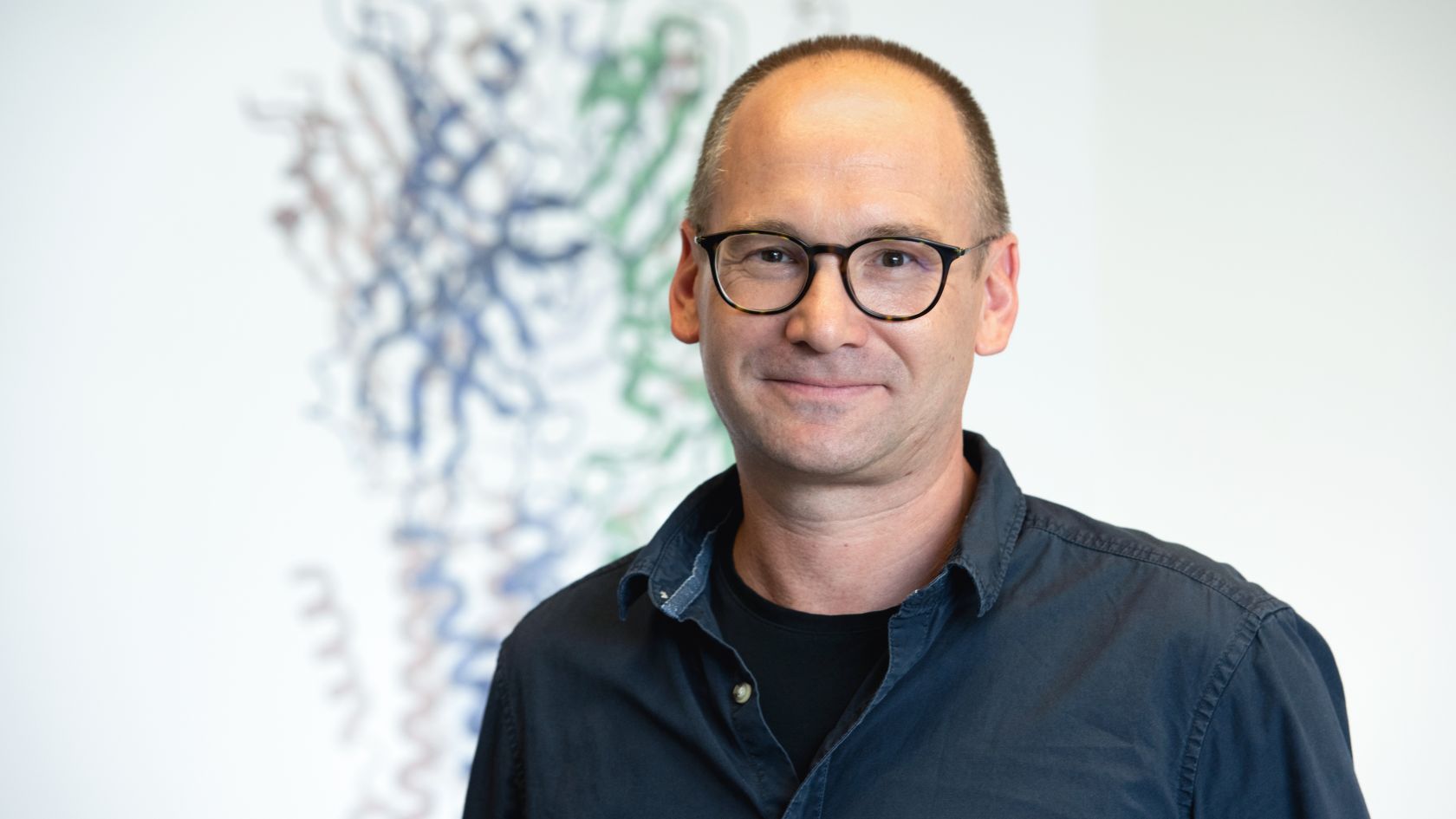
Dr. Matthias Eibauer is a Senior Scientist at the Department of Biochemistry, University of Zurich (UZH), working in Prof. Ohad Medalia's lab since 2015. He previously served as a Postdoc in the same lab (2011–2015) and completed his Ph.D. at the Max Planck Institute for Biochemistry (2007–2011), specializing in Biophysics. He holds a Physics degree from Ludwig Maximilian University of Munich (LMU, 2002–2007). He teaches the module BCH 630: Protein Crystallography and Electron Microscopy at UZH's Faculty of Science. Education: Ph.D. in Physics, Max Planck Institute of Biochemistry, 2011 Diploma in Physics, LMU Munich, 2007 Bachelor's in Physics, LMU Munich, 2002–2007 Research Interests: Dr. Eibauer focuses on structural biology and cryo-electron microscopy (Cryo-EM), particularly studying intermediate filaments, nuclear pore complexes, actin cytoskeleton dynamics, and cellular ultrastructure. His work bridges biophysics and biochemistry, elucidating molecular mechanisms of protein assemblies and cellular components. Publications: His research spans topics like vimentin filament architecture, nuclear lamina organization, and actin polarity. Recent studies highlight advancements in cryo-EM techniques and their application to complex biological structures. Labs/Teams: Active in Prof. Medalia’s lab at UZH, specializing in cutting-edge Cryo-EM methodologies and structural biology.
Dr Michael De Veer serves as the Preclinical Imaging Manager at Monash Biomedical Imaging, Monash University. He leads research in advanced imaging techniques with a focus on preclinical applications, including MRI and ultrasound technologies. His work bridges translational research in neurology, oncology, and regenerative medicine. Key roles: Preclinical Imaging Manager, Chief Investigator in multiple research projects Research areas: Focused ultrasound applications, stem cell delivery mechanisms, neuroinflammation, and translational imaging Collaborations include projects on neural stem cell repair for neonatal brain injury, ultrasound-mediated drug delivery, and cancer therapy optimization. He actively participates in conferences and interdisciplinary initiatives, contributing to global healthcare advancements.
Dr. BM (Bart) Gadella is an Associate Professor at Utrecht University's Faculty of Veterinary Medicine, affiliated with the Departments of Population Health Sciences and Biomolecular Health Sciences. His research focuses on reproductive cell biology, particularly sperm and oocyte maturation, in vitro fertilization, and embryo development. He leads the 'Biology of Reproductive Cells' research group, integrating clinical insights with molecular and biochemical approaches. Academic Roles: Associate Professor, Course Coordinator for Reproduction and Biomembranes in Veterinary Medicine and Science programs. Research Themes: Life Sciences (Future Food Utrecht), Cell Biology, and Advanced In Vitro Models. His work combines veterinary clinics with fundamental research to study fertilization processes, including sperm capacitation, oocyte maturation, and embryo development. Key projects include modeling endocrine disruptor effects on female reproduction and developing oviduct-on-a-chip systems for embryo culture. Publications span over two decades, emphasizing sperm membrane dynamics, lipid regulation, and the role of extracellular vesicles in reproduction. Gadella collaborates widely, contributing to interdisciplinary projects like the FREIA initiative on endocrine disruptors.
Dr. B. (Bart) Leemans is an Assistant Professor at Utrecht University's Faculty of Veterinary Medicine, Department of Clinical Sciences. His work focuses on equine reproduction, particularly oviductal biology, sperm capacitation, and in vitro fertilization challenges in horses. He holds an EBVS® certification as a European Veterinary Specialist in Equine Reproduction. Dr. Leemans has contributed extensively to research on equine reproductive physiology, including studies on oviduct epithelial cell culture, sperm-oviduct interactions, and the effects of environmental factors on gamete activation. His research spans molecular mechanisms (e.g., pH-dependent drug effects on gametes) to applied veterinary science (e.g., bluetongue virus transmission via insemination). Notable publications investigate equine IVF barriers, ciliation in oviduct cells, and steroid influences on oviduct function. Awards include his EBVS specialization.
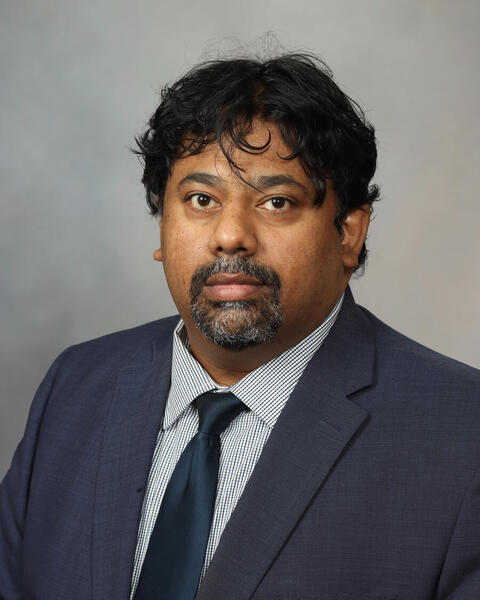
Nagarajan Kannan, Ph.D., is an Assistant Professor in the Department of Laboratory Medicine and Pathology at Mayo Clinic, Rochester, Minnesota. He holds an administrative appointment as Senior Associate Consultant I-Research in both the Division of Experimental Pathology and Laboratory Medicine and the Department of Cancer Biology. Dr. Kannan leads the Stem Cell and Cancer Biology Laboratory, where he integrates single-cell technologies, genetic clonal tracking, and functional assays to investigate the origins of breast cancer in epithelial stem and progenitor cells. Ph.D. in Molecular Medicine, University of Auckland Postdoctoral Fellowships in Stem Cell Biology, University of British Columbia and Terry Fox Laboratory M.Sc. in Industrial Biotechnology, Bharathiar University B.Sc. in Biochemistry, The American College Dr. Kannan's research focuses on the molecular mechanisms underlying cancer initiation, particularly in aging mammary stem and progenitor cells. His work explores lineage-specific tumor suppression, oxidative signaling in therapy resistance, and the role of clonal evolution in metastasis. His lab aims to identify pre-malignant cells in healthy tissues to enable early detection and preventive therapies for high-risk individuals. His recent publications highlight advancements in clonal tracking, single-cell proteomics, and organoid modeling, with applications in breast, ovarian, lung, and salivary gland cancers. These studies reflect a strong emphasis on translational research, integrating mass spectrometry, DNA barcoding, and functional genomics. Editorial Board Member, Reactive Oxygen Species , 2015–2018 Chair, Canadian Association of Postdoctoral Scholars, 2014–2015 Recipient, Mitacs Elevate Postdoctoral Award, 2013–2015 Recipient, Canadian Breast Cancer Foundation Postdoctoral Fellowship, 2011–2013 Multiple Scholar-in-Training Awards from AACR and other societies Dr. Kannan actively mentors trainees, serves on national grant review panels (NIH, DoD, NHMRC), and collaborates across disciplines to advance regenerative cancer medicine. His lab contributes to the Mayo Clinic Comprehensive Cancer Center and the Center for Regenerative Biotherapeutics, emphasizing interdisciplinary innovation in cancer biology.
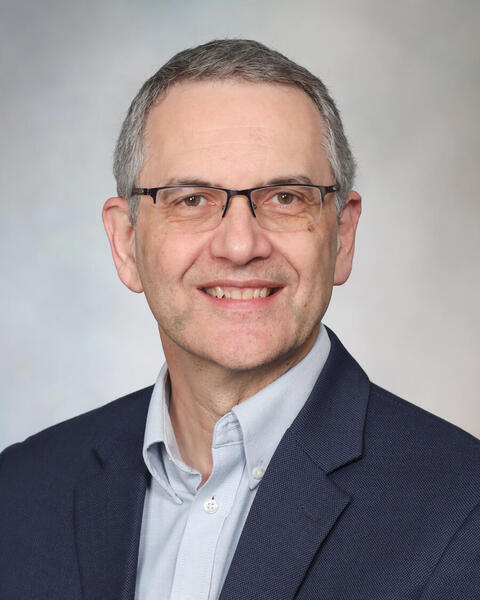
Panagiotis Z. Anastasiadis, Ph.D., is a Professor of Cancer Biology at Mayo Clinic in Jacksonville, Florida, with joint appointments in Neurosurgery. His research focuses on the molecular mechanisms of cancer progression, particularly through the study of cadherin adhesion receptors, p120 catenin, and Rho GTPases. Elucidating the dual role of p120 catenin in tumor suppression and progression Investigating the cadherin-catenin complex in brain tumors Exploring Rho GEFs and polarity complexes in glioma invasion His work has identified functionally distinct p120 complexes (PLEKHA7 vs. Src phosphorylation) with opposing effects on cancer. Grants include multiple NIH-funded projects on glioma therapy targets and Syx-RhoA signaling. Current research includes: VEGF-mediated vascular leakiness mechanisms Novel glioma therapy targets Proteomics of tumor microenvironment
Anna Huttenlocher is a Professor in the Department of Medical Microbiology & Immunology and Pediatrics at the University of Wisconsin–Madison, School of Medicine and Public Health. She leads an active research laboratory focused on cell migration, inflammation, and tissue repair, using zebrafish and human iPSC models. Research Interests: Her research centers on the molecular mechanisms regulating leukocyte migration, particularly neutrophils and macrophages, during inflammation, wound healing, and cancer. She investigates how reactive oxygen species (ROS), calcium signaling, and cytoskeletal dynamics control cell motility and tissue regeneration. Her lab also studies host-pathogen interactions, particularly with Aspergillus fumigatus and Candida auris , and how immune responses influence tumor progression. Using advanced live imaging, microfluidics, and organotypic models, her work bridges basic cell biology and translational immunology. Publication Trends: Her recent publications reflect a strong focus on in vivo imaging of immune cell dynamics, redox signaling in wound repair, neutrophil motility regulation, and host-pathogen interactions. There is a clear trend toward integrating human iPSC-derived models with zebrafish systems to study conserved mechanisms of inflammation and immunity. Scientific Awards: 2017: American Society of Cell Biology Fellow for Lifetime Achievement 2015: Elected to National Academy of Medicine 2011: UW-Madison WARF Kellett Mid-Career Awardee 2009: Elected to American Pediatric Society 2007: Burroughs Wellcome Foundation Clinical Scientist Award 2007: UW-Madison WARF Romnes Faculty Fellow 2005: Member, American Society of Clinical Investigation 2005: American Heart Association McClain Research Award 2001: Gerard B. Odell Award for Pediatric Research 2000: Shaw Scientist Award (Greater Milwaukee Foundation) Advising and Grants: Dr. Huttenlocher mentors numerous students and postdoctoral fellows, many of whom have secured independent fellowships (e.g., F31, F32) and faculty positions. Her lab has received funding from NIH, NSF, and institutional sources, supporting interdisciplinary collaborations with labs such as Beebe (microfluidics), Slukvin (iPSC), and Eliceiri (imaging). She fosters a collaborative, rigorous, and inclusive research environment. Labs and Teams: The Huttenlocher Lab is known for its innovative use of zebrafish for real-time imaging of inflammation and wound healing. The lab collaborates extensively with LOCI (Laboratory for Optical and Computational Instrumentation), the Beebe Lab (microfluidics), and the Slukvin Lab (iPSC-derived immune cells), forming a multidisciplinary team to address complex questions in immunology and cell biology.