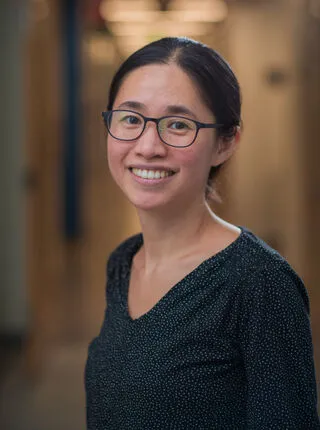
Carman Man-chung Li is an Assistant Professor of Cancer Biology at the Perelman School of Medicine, University of Pennsylvania. He is also an Assistant Investigator at the Abramson Family Cancer Research Institute and a Core Investigator at The Basser Center for BRCA. His research focuses on hereditary cancer mechanisms, particularly how heterozygous loss-of-function mutations in tumor suppressor genes drive early tumorigenesis beyond the classical 'two-hit' hypothesis. Education: A.B. in Molecular Biology (High Honors), Princeton University (2009); Ph.D. in Biology, Massachusetts Institute of Technology (2015) Using genetically engineered mouse models, organoid cultures, and multi-omics, his lab investigates gene haploinsufficiency effects, epigenetic alterations, and stromal-epithelial interactions. Recent work includes mapping early tumor drivers in BRCA1-mutant models and cross-ancestry cancer risk stratification. Scientific Affiliations: Abramson Family Cancer Research Institute The Basser Center for BRCA Graduate Groups: Pharmacology, Cell and Molecular Biology His lab collaborates with the Penn Medicine Biobank, VA Million Veterans Program, and EDISYN Consortium for translational studies in Li-Fraumeni Syndrome and BRCA-related cancers. Funding sources include the National Cancer Institute, Prostate Cancer Foundation, and Li Fraumeni Syndrome Association.
David Zwicker serves as a Max Planck Research Group Leader at the Max Planck Institute for Dynamics and Self-Organization in Göttingen, Germany, where he heads the Theory of Biological Fluids group. His research investigates how soft and fluid-like biological materials achieve precise spatial and temporal organization through physical principles. Dr. Zwicker's work centers on biomolecular condensates, pattern formation, and smart materials design. His group employs statistical physics, dynamical systems theory, and fluid dynamics to model biological processes including phase separation in cells, active matter systems, and nasal airflow mechanics. Current projects explore how phase transitions might enable cellular information processing and how chemical activity drives droplet self-propulsion. Recent publications (2024-2025) reveal strong focus on phase separation dynamics in biological contexts, with emerging themes in active condensates, multicomponent mixtures, and computational modeling tools. His group develops open-source software like flory for phase diagram analysis and py-pde for partial differential equations. Scientific recognition includes: ERC Starting Grant for biomolecular condensates research Dr. Zwicker leads an active research team currently comprising postdoctoral researchers Guido Kusters and Filipe Thewes (joined October 2024), with ongoing recruitment for ERC-funded projects. His group maintains strong computational focus while collaborating across physics and biology disciplines. The Theory of Biological Fluids group operates within the Max Planck Institute's Department of Fluid Dynamics, utilizing advanced modeling to bridge theoretical physics and cellular biology.
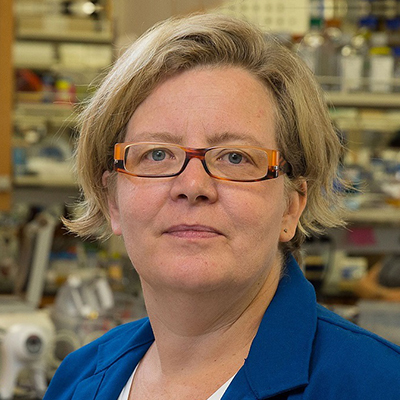
Sophia Tsoka is a Reader in Bioinformatics at King's College London specializing in computational genome analysis, network reconstruction, and machine learning applications in cancer immunology and microbiome research. She leads the 'Algorithms for Antibodies' project funded by the Royal Society and serves as Co-Investigator on multiple research projects including 'Understanding the significance of patient B cells and expressed antibodies in melanoma' supported by the British Skin Foundation. Dr. Tsoka's research focuses on computational genome analysis, genome data mining, network analysis and reconstruction, metabolic networks, protein interaction networks, and the evolution of genome properties and dynamics. Her work bridges bioinformatics, machine learning, and immunology, with particular emphasis on applying computational approaches to understand antibody mechanisms, tumor microenvironments, and microbiome dynamics. She has developed innovative algorithms for network analysis, classification, and multi-omics data integration that have advanced our understanding of complex biological systems. Her recent publications demonstrate a strong trajectory in applying computational methods to cancer immunology, with multiple high-impact papers in 2025 spanning IgE antibody therapeutics, tumor microenvironment analysis, and machine learning approaches for biomedical data. These works reveal a consistent focus on developing interpretable computational models that can translate complex biological data into clinically relevant insights. Best paper award (2022) Best Paper Award (2020) Dr. Tsoka supervises numerous research projects and has secured significant grant funding from prestigious organizations including the Royal Society and British Skin Foundation. Her collaborative work spans multiple disciplines, connecting computational scientists with immunologists and clinicians to advance cancer therapeutics. She has established herself as a key contributor to the field of computational immunology with over 4,800 citations to her work. Her laboratory focuses on developing and applying advanced computational methods for analyzing complex biological networks, with particular emphasis on cancer immunology applications. The team combines expertise in algorithm development, machine learning, and biological data analysis to address challenging problems in antibody engineering and tumor microenvironment characterization.
Kristian Gurashi is a Postdoctoral Researcher in the Mead Group at the University of Oxford, focusing on Normal and Malignant Haematopoietic Stem Cell Biology . His work integrates multiomic approaches to study myeloid malignancies such as chronic myelomonocytic leukemia (CMML), myelofibrosis, and myelodysplastic syndromes (MDS). Key Research Areas: Haematopoietic Stem Cell Biology Myeloid Malignancies Single-Cell Genomics Organoid Modeling Precision Medicine Immune Suppression Mechanisms His recent publications highlight the application of single-cell sequencing , spatial transcriptomics , and organoid models to dissect clonal evolution, microenvironmental interactions, and therapeutic resistance. Notable trends include studies on TP53 mutations , JAK2 allelic burden , and MDMX expression as prognostic and therapeutic indicators. His work also explores inflammatory signaling and aberrant cell communication in disease progression.
Kimberly M. Alonge is an Assistant Professor in the Department of Medicinal Chemistry at the University of Washington School of Pharmacy, with dual affiliation in the Division of Metabolism, Endocrinology, and Nutrition (DOM). She serves as Program Director for Matrix Biology at the UW Medicine Diabetes Institute and is faculty at the Plein Center for Aging. Her educational background: B.S. in Biology, Salisbury University Ph.D. in Biochemistry and Molecular Biology, West Virginia University School of Medicine Postdoctoral training at UW Medicine Diabetes Institute, University of Washington Dr. Alonge's research centers on glycobiology and extracellular matrix dynamics , with emphasis on perineuronal net reorganization, glycosaminoglycan sulfation patterning, and glycan sequencing technology. Her work bridges neuroscience (Alzheimer's, neurodegeneration), metabolic disorders (diabetes, obesity), and translational applications using advanced techniques like laser capture microdissection and mass spectrometry. Analysis of her 13 recent publications (2021-2025) reveals three dominant themes: (1) Perineuronal net alterations in Alzheimer's pathology across species, (2) Chondroitin sulfate sulfation signatures in metabolic and inflammatory diseases, and (3) Extracellular matrix roles in immune regulation and cancer. Her work demonstrates how glycan modifications serve as critical biomarkers and therapeutic targets. Dr. Alonge currently does not take students but mentors through the Alonge Lab , which collaborates with the Plein Center for Aging, UW Medicine Diabetes Institute, and CHOICE Institute. Her research is supported by institutional frameworks including the Matrix Biology Program and Washington Entrepreneurial Research Evaluation and Commercialization Hub (WE-REACH).
Fanxin Long, Ph.D., is a Professor of Orthopaedic Surgery at the University of Pennsylvania's Perelman School of Medicine, holding the William Wikoff Smith Endowed Chair in Pediatric Genomic Research at The Children's Hospital of Philadelphia. His research focuses on skeletal development, metabolic and epigenetic regulation of bone cells, and pathologies like diabetic osteopenia and osteoarthritis. Education: B.S. in Cell Biology, Peking University (1988) M.A. in Biochemistry and Molecular Biology, University of California, Santa Barbara (1992) Ph.D. in Developmental Biology, Tufts University School of Medicine (1997) Research Interests: The Long Lab investigates molecular mechanisms of skeletal development and diseases, emphasizing developmental signals (Hh, Wnt, Notch, Bmp) and their metabolic reprogramming roles. Key areas include osteoblast differentiation , diabetic osteopenia , osteoporosis , and skeletal aging , using mouse genetics and single-cell sequencing . Recent Publication Trends: Recent studies highlight metabolic pathways (glycolysis, glutamine catabolism, mitochondrial oxidation) in skeletal health, with applications in diabetes-induced bone loss , osteoarthritis , and anti-sclerostin therapy . Collaborative work explores Wnt7b and HIF1 as therapeutic targets, alongside biomaterials for RNA delivery. Honors: William Wikoff Smith Endowed Chair in Pediatric Genomic Research Labs & Collaborations: The Long Lab combines genetic lineage tracing with biochemical studies to uncover skeletal stem cell contributions to bone pathology. Collaborative projects include work on metabolic signaling and therapeutic interventions for bone disorders.
Carla R. Scanzello, MD, PhD, is an Associate Professor of Medicine (Rheumatology) at the University of Pennsylvania's Perelman School of Medicine. She holds affiliations with the Penn Institute for Immunology, Penn Center for Musculoskeletal Disorders, and Penn Institute for Translational Medicine and Therapeutics. Additionally, she serves as a Staff Physician at the Corporal Michael J. Cresenz VA Medical Center, where she co-directs the Translational Musculoskeletal Research Center and is Associate Director of the VA RR&D CReATE Motion Center. Education: B.S. in Biochemistry, University of Delaware (1991) Ph.D. in Immunology & Microbiology, Temple University School of Medicine (2001) M.D., Temple University School of Medicine (2001) Her research expertise centers on synovial inflammation in osteoarthritis (OA) and post-traumatic joint injury. She investigates molecular pathways like Toll-like receptors and chemokine signaling, aiming to develop anti-inflammatory therapies. Her work bridges clinical observations with preclinical models to understand how immune activation drives pain and structural degeneration. Recent publications (2023-2025) focus on CD14's role in OA pain and bone remodeling, novel therapeutic targets (e.g., RHO/ROCK pathway), advanced imaging techniques for synovial analysis, and translational challenges in OA drug development. Key themes include neuroimmune interactions, mechanobiology, and standardization of disease models. Laboratory & Teams: Dr. Scanzello leads the Scanzello Laboratory for Osteoarthritis Research, emphasizing bedside-to-bench approaches. She collaborates with multidisciplinary teams at Penn and the VA to explore immune mechanisms in joint degeneration. Current projects include defining synovial macrophage diversity, CD14 inhibition strategies, and vascular interactions in joint injury. The lab actively recruits postdoctoral fellows and research assistants to advance these initiatives.
Kathrin Plath, Ph.D., is a Professor and Vice Chair in the Department of Biological Chemistry at the David Geffen School of Medicine, University of California, Los Angeles (UCLA) . Her research focuses on epigenetic regulation of cell fate transitions, particularly in stem cell biology, reprogramming, and X-chromosome dynamics. Education: Ph.D., Biochemistry, Humboldt University, Germany (1999) Post-doctoral Fellowships: Stem Cell Biology (Whitehead Institute, 2006), Chromatin Biology (UC San Francisco, 2003), Cell Biology (Harvard Medical School, 2000) Research Interests: Plath investigates mechanisms governing pluripotency, X-chromosome inactivation, and nutrient regulation of stem cell differentiation. Her lab develops single-cell omics technologies like SEC-seq to study transcriptomes and secretomes simultaneously, and explores 3D genome organization's role in gene regulation. Scientific Awards: HHMI Faculty Scholar (2016) ISSCR Board of Directors (2011-2017) NIH Director’s New Innovator Award (2007) Kimmel Foundation Scholar (2007) V Foundation Scholar (2007) Advising & Collaborations: Mentors students like Clara Cano and Sasha Barinsky. Collaborates with Jason Ernst (UCLA), Dino Di Carlo (UCLA), and international researchers on projects involving iPSC reprogramming, X-chromosome dosage compensation, and lung disease modeling.
Maria Tenje is a Professor of Microsystems Engineering at the Department of Materials Science , Uppsala University. Since July 2021, she has served as Director of the Department of Medical Technology. She leads the EMBLA research group , focusing on miniaturized systems for life science applications through advanced micro- and nanofabrication methods integrated into microfluidic platforms. Research Interests : Her work centers on biomedical engineering , microfluidics , organ-on-chip technology , and acoustophoresis . Key areas include droplet-based microfluidics, biomaterial evaluation, and developing cell culture systems with enhanced physiological relevance. Recent publications highlight innovations in 3D acoustic mixing , antibiotic resistance detection , and microfluidic platforms for single-cell respiration . Publications Trends : Her 15 most recent articles (2021-2025) span droplet microfluidics, organ-on-chip systems, and acoustic particle manipulation. These studies explore biomaterial biocompatibility , cellular response modeling , and microscale diagnostic tools , often in collaboration with interdisciplinary teams.
Professor Alfredo Franco-Obregón is a Research Associate Professor at the National University of Singapore (NUS), with multiple appointments across the Yong Loo Lin School of Medicine. He holds positions in the Department of Surgery and the Department of Physiology, and is affiliated with the Institute for Health Innovation & Technology, the Healthy Longevity Translational Research Programme, the NUS Centre for Cancer Research, and the Nanomedicine Translational Research Programme. He leads the Biolonic Currents Electromagnetic Pulsing Systems (BICEPS) Laboratory, which focuses on developing non-invasive electromagnetic technologies to enhance muscle function and systemic health, particularly for aging populations and those with mobility limitations. Dr. Franco-Obregón's research centers on understanding how biophysical forces, particularly mechanical and electromagnetic stimuli, translate into tissue regeneration and survival. His work specifically investigates the role of Transient Receptor Potential (TRP) channels, particularly TRPC1, in skeletal muscle development and how magnetic fields can activate mitochondrial respiration through a process he terms "Magnetic Mitohormesis." This research has significant implications for metabolic health, cancer therapy, and aging interventions. His laboratory has demonstrated that brief (10-minute) weekly exposure to low-energy pulsed electromagnetic fields (PEMFs) can enhance muscle development, improve metabolic efficiency, and even produce anticancer effects through the activation of muscle secretome responses. His recent publication record demonstrates a strong focus on translating these findings into clinical applications, with numerous randomized controlled trials examining the effects of PEMF therapy on conditions including knee osteoarthritis, Achilles tendinopathy, metabolic disorders, and breast cancer. His research bridges fundamental cellular mechanisms with practical clinical applications, showing how magnetic field exposure can serve as a non-invasive exercise mimetic for populations unable to engage in physical activity. 2020: Innovation of the Year Product Winner by the Ageing Asia World Ageing Festival (for QuantumTx) 2015: Wong Hock Boon Society Best Mentor Award (NUS) 2008: Goldenen Eule (The Golden Owl Excellence in Teaching Award) (ETH) 1990: Martin Luther King Mentorship Award (UCSF) Dr. Franco-Obregón is actively engaged in mentoring students and collaborating on international research projects. He has established the BICEPS Laboratory as a hub for interdisciplinary research, bringing together engineers, clinicians, and basic scientists. His work has led to the founding of QuantumTx Pte. Ltd., a NUS spin-off company developing magnetic therapeutic devices, and he is currently conducting human clinical trials in Singapore, China, Southeast Asia, and the US to evaluate the efficacy of his magnetic therapeutic platforms. The BICEPS Laboratory operates at the intersection of engineering and clinical medicine, with a mission to develop non-invasive technologies that enhance muscle function and bioenergetics. The lab's research has significant potential to transform clinical practice, particularly in preventative medicine and rehabilitation. Dr. Franco-Obregón is also working to establish international collaborations, including potential student exchange programs between ETH/UZH and NUS, to further advance this field of research.
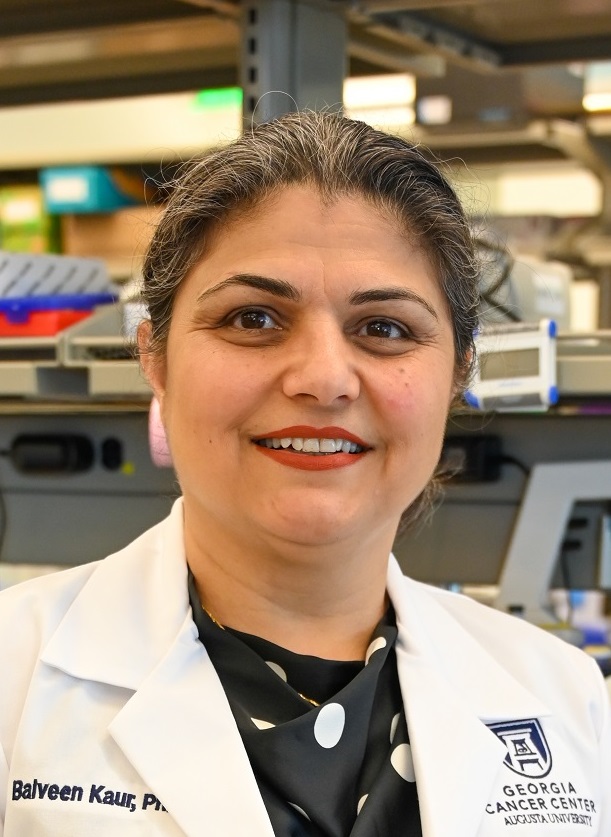
Balveen Kaur is Associate Director of Basic Science and Professor at the Medical College of Georgia , Augusta University. Her academic appointments span the Department of Pathology and Georgia Cancer Center , with a focus on oncolytic virotherapy and glioblastoma research. Ph.D. , Biomedical Sciences, Emory University (1999) B.S. , Biotechnology, University of Delhi (1990) Her research centers on oncolytic herpesvirus therapy , tumor-immune interactions, and signal transduction in glioblastoma multiforme and breast cancer brain metastasis . She investigates metabolic reprogramming, immunosuppressive pathway inhibition (e.g., IDO, IGF2-IGF1R), and the role of stromal cells in tumor progression. Her work often combines viral engineering with pharmacological and immunotherapeutic approaches to overcome treatment resistance. The 2025-2024 articles highlight her leadership in HSV-1 strain development , Notch and CD73 signaling , and multi-drug synergy for glioblastoma. Publications emphasize metabolic-immune crosstalk (reductive carboxylation, ferroptosis), bi-specific antibodies penetrating the blood-brain barrier, and targeted stromal modulation in pancreatic and ovarian cancers. These span disciplines like Virology , Cancer Biology , and Immunology , with subfields including tumor microenvironment engineering, epigenetic drug interactions, and neuro-immuno-oncology. Ande Leon and Dorothy Bloom Distinguished Chair in Cancer Research (2023) She chairs the GCC Research Retreat and MOI Career Development committee, and serves on the American Society for Cell and Gene Therapy meetings. Her work includes collaborations with UGA Cancer Center and translational applications in remote heart failure monitoring systems (TCC-HF).
Ankit Malik is an Assistant Professor at the University of North Carolina (UNC) School of Medicine, affiliated with the Department of Microbiology and Immunology. His research focuses on mucosal immunity, specifically how immune responses at gastrointestinal surfaces distinguish between pathogens, commensals, and environmental antigens, and how dysregulation leads to inflammatory bowel diseases (IBD) and gastrointestinal cancers. His interdisciplinary work combines immunology, genetic engineering, microbiology, and bioinformatics. Research Focus Dr. Malik’s lab investigates intestinal immune homeostasis , immune tolerance breakdown in inflammatory diseases , and chronic inflammation-driven carcinogenesis . Key projects include: Mapping cellular pathways that maintain gut immune balance Elucidating mechanisms linking gut inflammation to cancer Developing translational models for IBD and sepsis Publications His work spans immune signaling (e.g., IFNγ, TNF/TNFR, SYK-CARD9), inflammasome biology , and microbiome research . Recent contributions include studies on: 2023 : Epithelial IFNγ signaling in gut immunity 2022 : Autoimmune neuropathy after Campylobacter infection 2020 : Microbiota restoration in sepsis
Michael Hölzel serves as Professor and Director of the Institute of Experimental Oncology at University Hospital Bonn (University of Bonn), leading the Hölzel Lab within the Bonn cluster of excellence ImmunoSensation. His dual role bridges clinical oncology and fundamental cancer research. Education: 2003: Medical School, Ludwig-Maximilians University (LMU) Munich, Germany 2004: MD Doctorate Thesis, Helmholtz Zentrum München under Prof. Dirk Eick (c-Myc oncogene research) Residency in Hematology/Oncology, Klinikum Grosshadern (LMU Munich) Post-Doctoral Fellowship, Netherlands Cancer Institute under Prof. René Bernards (2007-2012) Research Focus: His work centers on three interconnected domains: tumor cell plasticity mechanisms driving therapy resistance; engineering novel adoptive cell transfer therapies; and spatial phenotyping of human tumor microenvironments to predict immunotherapy efficacy. These efforts aim to overcome treatment barriers in solid tumors through interdisciplinary approaches combining immunology, genomics, and clinical translation. Laboratory Leadership: As Principal Investigator of the Hölzel Lab, he directs a research program investigating inflammation-driven tumor evolution and microenvironmental determinants of immunotherapy response. His team operates at the intersection of the University Hospital Bonn's clinical infrastructure and the ImmunoSensation excellence cluster, facilitating direct patient-relevant discovery.
Terhi Hannele Kärpänen serves as a Lecturer at Nord University, where she teaches Molecular Cell Biology (BI210F) and actively supervises graduate research. Her academic foundation includes a PhD in Biomedical Sciences from the University of Helsinki (2006), establishing her expertise in molecular and developmental biology. Education: PhD in Biomedical Sciences, University of Helsinki, Finland (2006) Research Focus: Dr. Kärpänen's work centers on molecular regulation of early embryonic development through small regulatory RNAs, with significant contributions to lymphangiogenesis and cancer biology. Her competence spans lymphatic tumor metastasis, lymphedema mechanisms, and cancer immunotherapy development. She employs zebrafish models and molecular genetics to investigate vascular development pathways, particularly VEGF-C/VEGFR-3 signaling and lymphatic vessel formation. Publication Landscape: Her 15 most recent publications (2023-2008) reveal consistent focus on lymphatic system biology, with increasing emphasis on immunotherapy applications. Key trends include molecular dissection of VEGF-C activation mechanisms, genetic regulation of embryonic lymphangiogenesis, and translational T-cell receptor therapies for leukemia. Her work bridges basic developmental biology with oncological applications, frequently utilizing zebrafish models for in vivo validation. Academic Mentorship: Dr. Kärpänen has supervised 1 BSc and 4 MSc theses, demonstrating commitment to undergraduate and master's education. She currently co-supervises 3 PhD students, indicating active engagement in doctoral training and research leadership within her specialized fields.
Abdel Rahman Abdel Fattah is a Principal Investigator at CeMM Research Center for Molecular Medicine of the Austrian Academy of Sciences in Vienna, Austria. He previously held a postdoctoral position at CeMM (2022–2024) and KU Leuven (Belgium) (2018–2022). Education: BSc and PhD in Mechanical Engineering from McMaster University (Canada) Current Role: Lab Head at CeMM since 2024 Research Interests focus on multiscale mechanobiology, specifically how cells use mechanical forces and extracellular matrix (ECM) dynamics to coordinate tissue organization. His group combines bioengineered mechanical stimulation tools with advanced imaging and computational models to study: Dynamic Cellular and ECM Interactions in health and disease Mechano-Transcriptomic Mapping using spatial transcriptomics and atomic force microscopy (AFM) Computational Modeling of tissue organization via reaction-diffusion systems and positional information theory Disease Applications: Traumatic brain/spinal cord injuries and liver fibrosis Publications highlight interdisciplinary work across mechanobiology, bioengineering, and vascular pathology, with a focus on magnetic actuation, organoid modeling, and ECM dynamics. Articles appear in Nature Communications , Cell Reports , and Lab on a Chip . Recent studies (2024–2025) explore force-mediated vascular lesion growth and transcriptional hallmarks of aging using single-cell analysis. Technological Innovations include: Magnetic Microactuators for local organoid stimulation 3D Soft Microfluidic Systems for perfused tissues Diamagnetophoresis-Based Bioprinting Single-Cell Transcriptomic Atlases for mechanical stress responders