Maria Lidia Laginha Mestre Guerreiro da Palma is a researcher at Lusófona University's School of Health Sciences and Technologies and affiliated with the CBIOS Research Center for Biosciences & Health Technologies . She participates in the CYTED-funded Red Iberoamericana de Innovación para la Sostenibilidad de la Cadena de Valor de Alimentos (Ibero-Circular) project. Key Research Areas: • Grape pomace valorization • Functional foods development • Circular economy in food systems • Bioactive compound applications • Nutritional enhancement of plant-based products • Food waste mitigation strategies Her recent publications focus on brewer's spent grain in cookie formulations, Arbutus unedo L. fruits in dairy alternatives, and medronheiro compounds for glycemic control. She collaborates with European institutions on antimicrobial plant-based food research and has contributed to cannabis-derived substance safety assessments. Scientific Collaborations: • Universidade Lusofona (Lisbon, Portugal) • University of Trier (Germany) • IfaS (Germany) • IMAT (Circular Economy group)
Dr. Antonio Manuel Gutiérrez García is an Associate Professor at the Faculty of Medicine of the University of the Balearic Islands (UIB) and a Consultant in Hematology at Hospital Universitari Son Espases (HUSE) in Palma, Spain. He serves as Coordinator of the Lymphoma Unit and President of the Lymphoma Committee at HUSE, and leads the 'Biología y clínica de las neoplasias hematológicas' research group at IdISBa. He teaches Hematology to medical students and supervises Master’s and PhD candidates in Biomedical Research. His research focuses on clinical and molecular prognostic factors in lymphomas, including Hodgkin and non-Hodgkin subtypes. He has contributed to the development of the GemOx regimen and studies on dose intensity, microRNAs, and immunochemotherapy resistance. His work spans translational and clinical research, with collaborations across Spain and internationally. The most recent publications reflect a strong trend in real-world outcomes of novel lymphoma therapies, including CAR-T, bispecific antibodies (e.g., odronextamab), and targeted agents. There is also significant involvement in sarcoma research through the GEIS group, particularly in immunotherapy combinations. Principal Investigator, 'Biología y clínica de las neoplasias hematológicas', IdISBa Coordinator, Lymphoma Unit, HUSE Member, GELTAMO and GETH cooperative groups Active collaborator with Hospital del Mar (Barcelona) and international networks Dr. Gutiérrez has directed or is directing five doctoral theses and mentors MIR residents in Hematology. He has received no explicitly mentioned scientific awards in the provided text. His research is supported by clinical and academic affiliations, with no grants listed. He leads a multidisciplinary team focused on improving lymphoma outcomes through biomarker discovery and treatment optimization.
Leslie D. Bourquin is a Professor and Chairperson in the Department of Food Science and Human Nutrition at Michigan State University (MSU), part of the College of Agriculture & Natural Resources. He holds a PhD and MS from the University of Illinois at Urbana-Champaign (1993 and 1989, respectively). His research focuses on two key areas: (1) Diet and Colon Cancer, examining plant flavonoids' impact on intestinal tumors and dietary carbohydrate influences on colon cancer, and (2) Food Safety, analyzing food safety assurance programs' effectiveness, policy development, and international standards implementation. Dr. Bourquin has conducted extensive international outreach, including training programs in Bulgaria, Romania, India, China, Rwanda, Thailand, Vietnam, and Indonesia. He is an Extension food safety specialist, specializing in HACCP systems, good agricultural practices, and food safety management for restaurants and retail operations. His awards include the Fulbright Research Scholar (2007-08), MSU College of Human Ecology Outreach Award (2002), and National Science Foundation Graduate Fellowship (1988-1991). His research output spans food safety surveillance, dietary carbohydrate effects on cancer, and nutraceutical applications. Notable work includes studies on sucrose-induced tumorigenesis in mice and anthocyanin-based cancer prevention strategies. He has secured USDA grants for food safety improvements and co-authored over a dozen peer-reviewed publications since 2003. His interdisciplinary approach bridges laboratory research, policy advocacy, and global capacity-building initiatives.
Louisa Nelson is a Researcher in the Division of Cancer Sciences within the Faculty of Biology, Medicine and Health at the University of Manchester. She is affiliated with the Manchester Cancer Research Centre, contributing to cancer research that aligns with UN Sustainable Development Goals related to good health and well-being. Her research focuses on ovarian cancer, chromosome instability, and related molecular mechanisms. Key areas include SUMOylation pathways, DNA repair mechanisms, glycosidase function, and therapeutic resistance. She employs living biobanks, cancer cell models, and genomic approaches to understand disease mechanisms and identify therapeutic vulnerabilities. Nelson's publication record shows a strong focus on ovarian cancer therapeutics, particularly examining resistance mechanisms and novel treatment approaches. Her recent work (2021-2025) demonstrates increasing sophistication in modeling therapeutic resistance, with particular attention to DNA damage response pathways, chromosome instability as a biomarker, and combination therapies targeting multiple vulnerabilities in cancer cells. Her research has garnered significant attention, with her 2021 paper on ovarian cancer cell line stratification receiving 80 citations and 117 Mendeley readers, indicating substantial impact in the field. Nelson collaborates extensively within the University of Manchester and with external researchers, contributing to a robust network focused on advancing ovarian cancer research and therapeutic development.
Dr. Edita Aksamitiene is a Research Scientist at the Beckman Institute for Advanced Science and Technology since 2019. Her research focuses on extracellular vesicles, wound healing, and cell signaling networks, with a strong emphasis on advanced imaging techniques such as multiphoton microscopy and label-free detection systems. Education: Ph.D./Dr. Sc. in Biochemistry, Vytautas Magnus University M.S. in Molecular Biology & Biotechnology, Vytautas Magnus University B.S. in Biology, Vytautas Magnus University Research Interests: Development of novel imaging modalities for biomedical diagnostics, including hyperspectral and multiphoton microscopy. Characterization of extracellular vesicles in biofluids and tissues for disease biomarker discovery. Optogenetic and optoelectronic approaches to study cellular responses to light and magnetic fields. Translation of microplasma technology into clinical treatments for otitis media and other infections. Publications: Her work spans over 40 peer-reviewed articles, with recent focus on label-free imaging systems, real-time vesicle dynamics, and therapeutic applications of microplasma. She has pioneered techniques like SLAM microscopy and integrated Raman/OTC probes for in vivo diagnostics. Grants & Advising: While specific grant details are not listed, her publications imply sustained research funding in biomedical engineering and cell biology. No advisee names are recorded in the provided data. Labs: Conducts research within Beckman Institute's imaging and biomaterials research groups, collaborating with multidisciplinary teams to advance translational biomedical technologies.
Richard C. Elliott is a Clinical Assistant Professor at the Micron School of Materials Science and Engineering, Boise State University, where he joined in 2016 as an Assistant Research Professor. His academic appointment reflects his dual expertise in computational physics and public health, with a mission to eliminate malaria through innovative modeling approaches. He holds a Ph.D. in Physics from the University of Washington (2005) and a B.A. in Physics from Carleton College (1997), grounding his interdisciplinary work in rigorous scientific methodology. His educational background: Ph.D. in Physics, University of Washington, 2005 B.A. in Physics, Carleton College, 1997 Dr. Elliott's research integrates statistical field theories from physics with epidemiological modeling to address vector-borne diseases. His primary focus is malaria transmission dynamics, where he applies physical mechanisms to identify vulnerabilities in mosquito-to-host pathways. This work directly supports UN Sustainable Development Goal 3 (Good Health and Well-being). His secondary research stream explores materials science applications, particularly in ore processing for nickel and manganese extraction, demonstrating his unique cross-disciplinary approach. Recent publications (2020-2024) reveal a strategic pivot toward field-validated malaria interventions in Uganda, including quasi-experimental trials on indoor residual spraying and mass drug administration, while maintaining active contributions to materials science through microwave-based ore processing techniques. The malaria studies emphasize community-level implementation and policy optimization, whereas the materials research focuses on energy-efficient extraction methods. Professional engagements include: Research Consultant, Idaho Department of Health and Welfare (2020–present) Research Consultant/Project Manager, Sagebrush Scientific (2014–2019) Associate Faculty, Feather River College (2013–2014) His grant-funded work centers on malaria elimination strategies in sub-Saharan Africa, often involving partnerships with Ugandan health agencies and nonprofit organizations. These projects prioritize resource optimization and reduced chemical exposure while developing predictive models for disease control. Collaborations span computational modelers, epidemiologists, and field researchers across multiple continents. Dr. Elliott leads a hybrid research team that combines computational modelers focused on disease transmission dynamics with materials scientists developing ore processing techniques. Current projects include openMalaria simulations for intervention planning and microwave-based mineral extraction processes, both aiming for real-world implementation in resource-limited settings.
Kieran O'Toole is a research scientist at Newcastle University with a distinguished publication record spanning 2009-2015, focusing on molecular oncology and translational cancer research. His work primarily centers on pediatric brain tumors—particularly medulloblastoma—and thoracic malignancies including malignant pleural mesothelioma, with significant contributions to biomarker discovery and risk stratification methodologies. His research interests are anchored in Epigenetics , Cancer Genomics , and Therapeutic Biomarker Validation , with specific expertise in DNA methylomics for tumor subtyping, MYC gene family amplifications in prognosis, and folate receptor pathways in chemotherapy response. O'Toole's investigations into p53/MDM2/p14 ARF abnormalities in neuroblastoma relapse and thiothymidine-based photodynamic therapy for bladder cancer demonstrate his multidisciplinary approach bridging molecular biology and clinical oncology. Analysis of his 13 publications reveals consistent emphasis on molecular characterization of medulloblastoma subgroups through epigenetic profiling, with later work expanding into mesothelioma biomarkers for pemetrexed chemotherapy. Key trends include validation of DNA methylation signatures for risk stratification (2010-2015), exploration of metabolic pathways like MTAP expression (2010), and critical evaluation of prognostic biomarkers such as chromosome 1q gain (2009). His involvement in the multi-center HIT-SIOP-PNET4 clinical trial (2015) underscores translational impact. No scientific awards or honors were documented in the provided text, though his co-authorship on high-impact studies with leading oncologists like Professor Steven Clifford indicates significant scholarly recognition. Details regarding student mentorship, grant funding, or laboratory leadership are absent from the publication records, suggesting these may not constitute primary responsibilities in his role or were not captured in the ePrints dataset. The publications indicate extensive collaboration within Newcastle University's cancer research ecosystem, particularly with the Northern Institute for Cancer Research, but do not specify dedicated laboratory affiliations or team leadership structures for O'Toole.
Dominik Paquet is a Professor of Neurobiology at the Institute for Stroke and Dementia Research (ISD), University Hospital, Ludwig-Maximilians-University Munich, where he leads the Paquet Lab as part of the Munich Cluster for Systems Neurology (SyNergy). He is a full member of the Graduate School of Systemic Neuroscience and maintains active research collaborations across multiple institutions including DZNE (German Center for Neurodegenerative Diseases) and DENALI Inc. His educational journey includes a BSc and MSc from Eberhard-Karls-University Tübingen, followed by a PhD summa cum laude from LMU Munich under Christian Haass, where he developed the first transgenic zebrafish model of Alzheimer's disease and frontotemporal dementia. He completed postdoctoral training at the German Center for Neurodegenerative Diseases with Thomas Misgeld and Christian Haass, and at The Rockefeller University with Marc Tessier-Lavigne as a New York Stem Cell Foundation Druckenmiller Fellow, where he pioneered CRISPR/Cas9 gene editing in induced pluripotent stem cells for brain disease modeling. Paquet's research focuses on building advanced human tissue models to study neurodegenerative and neurovascular diseases, with particular emphasis on Alzheimer's disease, frontotemporal dementia, and stroke. His lab combines CRISPR/Cas genome editing, induced pluripotent stem cell technology, brain cell differentiation, and tissue engineering to create physiologically relevant models that bridge the gap between traditional animal models and human pathophysiology. His work has significantly advanced the field of stem cell-based disease modeling and CRISPR editing techniques. The most recent publications reveal a strong focus on complex 3D brain tissue models, neurovascular interactions, lysosomal dysfunction in neurodegeneration, and the development of standardized protocols for stem cell differentiation and CRISPR editing validation. His research increasingly incorporates multi-omics approaches and single-cell technologies to uncover disease mechanisms and identify therapeutic targets. Helga-Steinlein Award, Alzheimer-Forschungs-Initiative 2025 Sanofi iAward 2020 NCL Foundation Neurodegeneration Award 2018 Best poster award, The New York Stem Cell Foundation Innovators Retreat 2016 Best talk award, The New York Stem Cell Foundation Innovators Retreat 2015 Paquet has successfully mentored numerous graduate students through the Graduate School of Systemic Neuroscience, with current advisees including Merle Bublitz, Carolina Cardoso Goncalves, and Ishita Ajith. His lab has secured significant funding from the German Ministry for Education and Research (BMBF), the Alzheimer's Association E2A program, Foundation Leducq, and the Brightfocus Foundation. Current projects include developing human iPSC-based brain tissue models for Alzheimer's disease, investigating molecular mechanisms in frontotemporal dementia with progranulin mutations, and studying the role of vasculature in brain diseases. The Paquet Lab, located at the Center for Stroke and Dementia Research on the high-tech Grosshadern/Martinsried campus, comprises a multidisciplinary team of postdocs, graduate students, and technical staff. The lab maintains strong collaborations with Christian Haass at DZNE, Martin Dichgans at ISD, and international partners, creating a vibrant research environment focused on translating basic discoveries into therapeutic approaches for neurodegenerative and neurovascular disorders.
Nathaniel Vacanti is an Assistant Professor of Molecular Nutrition in the Division of Nutritional Sciences at Cornell University's College of Agriculture and Life Sciences. He joined the faculty in autumn 2018 after completing his postdoctoral work at Karolinska Institutet. His research sits at the interface of molecular nutrition, metabolic engineering, systems biology, and bioinformatics, focusing on understanding metabolic regulation in health and disease. Dr. Vacanti's educational background includes: BS in Chemical Engineering from the University of Connecticut (2008) MS in Chemical Engineering from MIT (2010) PhD in Bioengineering from UC San Diego (2015) Postdoctoral Training in Department of Oncology-Pathology at Karolinska Institute His research program combines high-throughput proteomics, metabolomics, and bioinformatic analyses with targeted metabolic investigative methods including stable-isotope tracing and respirometry measurements. Current projects focus on identifying targetable mechanisms regulating differential metabolism across breast cancer cell lines, computationally predicting drug targets or nutrient interventions to exploit or correct metabolic dysfunctions, and mapping the proteomic response to nutrient availability in developing skeletal muscle cells. His lab trains PhD students in Nutrition and Biomedical Engineering and offers the course 'Big Data in Molecular Nutrition: Proteins, Transcripts, and Metabolism' in the College of Human Ecology. Dr. Vacanti's publications demonstrate his expertise in metabolic analysis across diverse biological contexts, from cancer metabolism to stem cell biology and tissue regeneration. His work in Nature Communications (2019) on breast cancer proteomics and his development of computational tools like PolyMID for stable-isotope tracing experiments highlight his contributions to methodological advancements in the field. Through the Vacanti Lab, he mentors PhD students and contributes to the academic community by making large-scale molecular data analysis more accessible to traditional approaches in molecular nutrition.
Dr. Elnaz Irannezhad (also known as "Elli") is a Senior Lecturer at the School of Civil and Environmental Engineering, University of New South Wales (UNSW Sydney). She leads research at the Research Centre for Integrated Transport Innovation and bridges transport engineering with blockchain technology, automated vehicles, and decarbonisation. PhD in Civil Engineering from the University of Queensland (2014-2017) Postdoctoral Research Fellow at UQ Business School (2017-2020) Principal Engineer at Australian Road Research Board (2020-2022) Her research spans cross-disciplinary domains including: Behavioral and agent-based freight transport modelling Logistics 4.0 and blockchain applications Automated heavy vehicles and hydrogen fuel cell technology Smart supply chains and IoT integration Circular economy in logistics Decision support systems for transport networks Recent publications focus on blockchain platforms like LogisitcChain for supply chain optimization, machine learning for GPS-based truck behavior analysis, and behavioral econometric studies of maritime transport demand. She also contributes to human rights discourse as Associate of UNSW's Australian Human Rights Institute and Equity, Diversity, and Inclusion (EDI) Officer for the School of Civil Engineering. Teaching activities include: CVEN9421: Transport Logistics Engineering ENGG1400: Infrastructure Systems Engineering CVEN3402: Transport Engineering and Environmental Sustainability She co-leads the JINA Program for refugee background female students and co-chairs the virtual Bridging Transport Researchers (BTR) conference to reduce academic travel emissions.
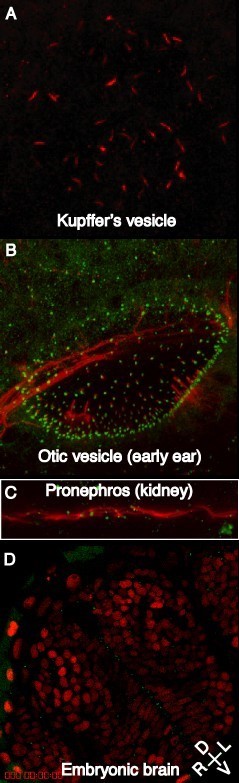
Christopher Wilkinson is a Lecturer in Biomedical Sciences at Royal Holloway, University of London, affiliated with the Department of Biological Sciences and the Centre for Biomedical Sciences. His research focuses on centrosomes and cilia in early vertebrate development using zebrafish embryos and cell lines. UN Sustainable Development Goals contributions: Human health, disease mechanisms Techniques: Confocal microscopy, time-lapse imaging, molecular biology His work investigates how mutations in centrosome/cilium proteins link to inherited diseases like Bardet-Biedl syndrome, primary microcephaly, and dwarfism. Recent studies include aggresome effects on centrosomes (linked to Parkinson's disease), centrosome overduplication in melanoma, and otolith formation mechanisms. His publications address ciliogenesis inhibition in neurodegenerative diseases, centrosome regulation in cancer, and biomineralization processes. Research spans cell biology, developmental genetics, and disease modeling. Projects were funded by Parkinson's UK, Royal Society, and University of London Central Research Fund, focusing on centrosome function, cilia control, and antibody costs for protein studies.
Sarah C. Kucenas is a Professor in the Department of Biology within the College of Arts and Sciences at the University of Virginia. Her research focuses on the development, function, and regeneration of glial cells in the nervous system, using zebrafish (Danio rerio) as a primary model organism. She leads the Kucenas Lab, which employs advanced techniques including in vivo time-lapse imaging, genetic perturbation, single-cell RNA sequencing, and laser ablation to study glial diversity and interactions. Education: BS in Biology, Valparaiso University PhD in Pharmacological & Physiological Sciences, Saint Louis University Postdoctoral Training in Developmental Neurobiology, Vanderbilt University Her research interests center on glial cell biology, particularly the roles of perineurial glia, motor exit point (MEP) glia, and oligodendrocyte progenitor cells in establishing and maintaining the boundaries between the central and peripheral nervous systems. She investigates how glia contribute to neural development, debris clearance, and regeneration after injury. Her work has revealed novel glial populations and mechanisms of glial-glial communication critical for nervous system integrity. The most recent publications highlight a consistent focus on glial development and function across multiple contexts—transition zones, injury response, phagocytosis, and metabolic regulation. Key themes include glial diversity, CNS-PNS boundary formation, in vivo imaging in zebrafish, and molecular signaling pathways such as TGF-β, adenosine, and glutamate. These studies span developmental neurobiology, regenerative medicine, and cellular metabolism. Scientific Awards: No awards explicitly mentioned in the provided text. Sarah Kucenas mentors students and researchers in her lab, contributing to graduate and postdoctoral training in neuroscience and developmental biology. While specific grant funding is not detailed, her extensive publication record in top-tier journals suggests sustained external research support. She actively develops genetic tools and imaging methods that benefit the broader scientific community. Labs and Research Teams: She leads the Kucenas Lab at the University of Virginia, a dynamic research group dedicated to uncovering the complex roles of glia in health and disease. The lab emphasizes innovation, collaboration, and the exploration of 'weird' biological phenomena to advance understanding of glial biology.
Tatsuya Ogura is a Research Assistant Professor in the Department of Biological Sciences at the University of Maryland, Baltimore County (UMBC), where he conducts research on the chemical senses. He is based in the Interdisciplinary Life Sciences Building (ILSB), Room 422. Education: Ph.D., Teikyo University School of Medicine, 1993 Doctoral Degree Program, Niigata University School of Medicine, 1987 M.S., Niigata University, 1985 B.S., Niigata University, 1983 His research focuses on the olfactory and trigeminal sensory systems, particularly how environmental chemicals affect sensory function and adaptation. Using transgenic mice, he employs electrophysiology, functional imaging, immunocytochemistry, and behavioral assays to study cellular and molecular mechanisms of chemoreception. A central theme is the role of TRPM5-expressing microvillous cells and cholinergic signaling in sensory epithelia. The 15 most recent publications (2009–2021) reveal a consistent focus on sensory transduction, neural plasticity in response to chemical exposure, and the function of specialized chemosensory cells. Key topics include electronic cigarette effects on olfaction, ATP and acetylcholine signaling, neurotrophin regulation, and methodological innovations in tissue preparation and imaging. The work spans molecular, cellular, systems, and behavioral levels, with strong emphasis on mouse models and cellular dynamics. No scientific awards are listed in the provided text. Dr. Ogura actively mentors students and junior researchers, as evidenced by co-authorships with individuals such as Kayla Lemons, Ziying Fu, and Abdullah AlMatrouk. He collaborates extensively with Dr. Weihong Lin and others on grants related to sensory biology and environmental health. While no specific labs or teams are named, his work is centered in the Interdisciplinary Life Sciences Building, suggesting integration within a broader life sciences research community at UMBC.
Kristina Djanashvili is an Associate Professor in the Department of Biotechnology at the Faculty of Applied Sciences, Delft University of Technology. She leads the Kristina Djanashvili Group, focusing on theranostic nanomaterials for biomedical imaging and targeted cancer therapy. Her research integrates chemistry, material science, and molecular biology, with strong clinical translation efforts in collaboration with medical centers. PhD in Chemistry, TU Delft (2009, Cum Laude) NWO VENI Grant Recipient (2013) Le Studium/Marie Skłodowska-Curie Research Fellow (France) Promoted to Associate Professor in 2019 Her research interests lie at the intersection of nanomedicine and molecular imaging, with a focus on developing multifunctional nanomaterials for MRI, PET, and optical imaging, combined with therapeutic functions like radiotherapy and magnetic hyperthermia. She explores nanozeolites, hybrid nanoparticles, and responsive probes for tumor targeting and signal enhancement. Her work emphasizes clinical translation and interdisciplinary collaboration. The 15 most recent publications reflect a strong trend in theranostics, particularly in magnetic hyperthermia, targeted alpha therapy, MRI contrast agents, and radiolabeling of nanomaterials. Key subfields include cancer nanotechnology, multimodal imaging, and radiochemistry, with a consistent focus on improving diagnostic accuracy and therapeutic efficacy in oncology. Dewis Award for best female PhD student NWO VENI grant Le Studium/Marie Skłodowska-Curie Research Fellowship Dr. Djanashvili actively supervises students and leads an independent research line in nanomedicine established through the NWO VENI grant. She chairs the sub-Board of Examiners for the MSc Life Science & Technology program and teaches key courses such as Advanced Protein Chemistry and Molecular Analytical Methods. Her research is supported by national and international collaborations, including projects with Erasmus MC. Her labs are located at the Reactor Institute, where she collaborates with the Applied Radioisotopes (ARI/RST) group to enable radiolabeling of materials for radiotherapeutic applications. She is part of the Biocatalysis research section and contributes to interdisciplinary research in biotechnology and society.
Laura Hunt is a Lecturer in Pharmacy at the School of Applied Sciences, University of Brighton, affiliated with the Centre for Lifelong Health. She teaches across the MPharm and Precision Medicine MSc programs and holds leadership roles as Module Leader for Molecular and Genomic Medicine and Co-Assistant Course Leader for first-year MPharm students. Education: PhD in Investigating the Role of the Srs2 DNA Helicase during Meiosis in S. cerevisiae, University of Sheffield (awarded 28 Mar 2018) Bachelor’s in Pharmacology, University of Liverpool (awarded 1 Jul 2012) Laura Hunt's research focuses on DNA damage and repair mechanisms, particularly in the context of cancer. She utilizes both yeast models ( S. cerevisiae ) and human cell lines to study meiosis, mismatch repair, crossover control, and recombination intermediates. Her work aims to uncover the molecular basis of DNA repair defects in cancer and explore therapeutic implications. She has a strong interest in the interplay between psychological stress and cancer development, particularly in endometrial cancer. Her two recent publications (2019, 2021) highlight her expertise in meiotic recombination, Srs2 helicase function, and mismatch repair pathways. These works demonstrate a consistent focus on genomic stability, DNA repair mechanisms, and their implications for cancer biology. Scientific Awards: No awards listed in the provided text. Laura Hunt is actively involved in research supervision and teaching. She co-supervises PhD student Sarah Becker in a project investigating the effects of psychological stress and glucocorticoid signalling on endometrial cancer, in collaboration with Dr. Melanie Flint. She is also engaged in curriculum development and student support, particularly through small-group and interactive teaching. Her external position as Visiting Lecturer at the University of Sussex reflects her ongoing academic engagement beyond her primary institution. Labs and Research Teams: Centre for Lifelong Health, University of Brighton Collaborative research with Professor Matt Neale (University of Sussex) and Professor Alastair Goldman (University of Sheffield) Collaboration with Dr. Melanie Flint on stress and cancer research