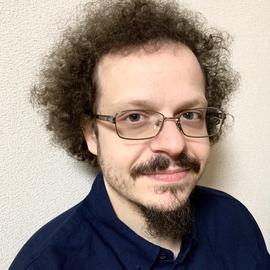

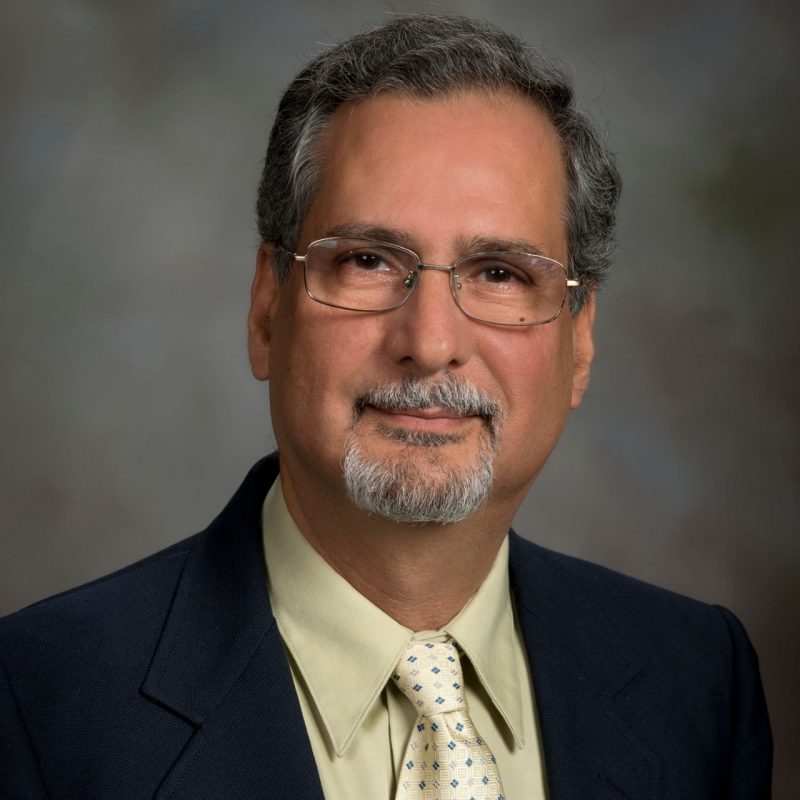
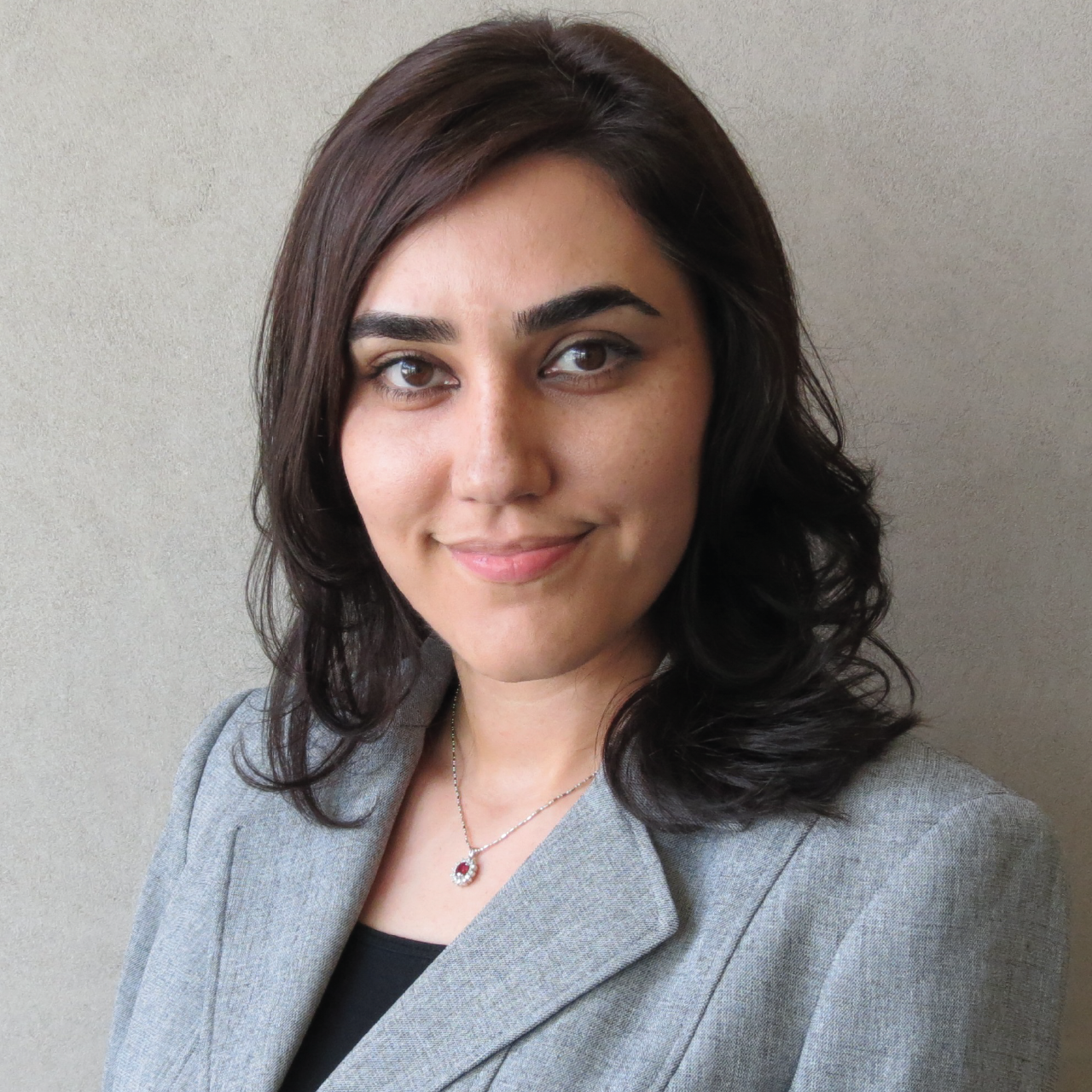
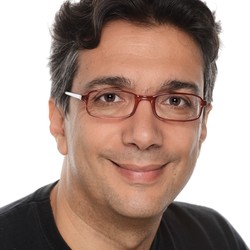
Mathieu Fontaine is an Associate Professor in Machine Listening at Télécom Paris , affiliated with the LTCI Lab within the IDS Department (Information, Data, Signal). His research focuses on machine listening for speech and audio signal processing. PhD in Informatics (2019), Lorraine University Master in Applied and Fundamental Mathematics (2015), Poitiers University BSc in Fundamental Mathematics (2013), Rennes University Fontaine's research spans speech enhancement , speaker separation , source localization , and music source separation using heavy-tailed probabilistic models and deep Bayesian networks , with applications in augmented reality . He has expertise in Python , signal processing , and machine learning (80% proficiency). His recent publications (2024) include work on diffusion models for speech synthesis , room acoustics estimation from 3D meshes , robust audio scene analysis , and direction-aware speech processing . Earlier publications (2022-2023) explore flow-based NMF , alpha-stable representations , and adaptive beamforming in multiparty environments. Fontaine collaborates with the S2A team and ADASP group at LTCI Lab. His work integrates probabilistic modeling with deep learning to address challenges in real-world audio processing, including reverberation, noise, and complex acoustic environments.
Lisa Hultman serves as a Professor at Uppsala University's Department of Peace and Conflict Research, where she leads groundbreaking research on peacekeeping operations, civilian protection, and conflict dynamics. Her work bridges academic rigor with practical policy implications for international peace and security institutions. Professor Hultman's research focuses on the empirical analysis of UN peacekeeping effectiveness, particularly examining how different mandate configurations impact violence against civilians and local conflict trajectories. Her work demonstrates sophisticated methodological approaches, frequently utilizing geocoded data and large-N quantitative analyses to assess peacekeeping outcomes at subnational levels. Key contributions include developing innovative datasets like the Geocoded Peacekeeping Operations (Geo-PKO) and examining the economic dimensions of peacekeeping deployments on local development. Her publication record reveals consistent engagement with critical questions in peace and conflict studies, with recent work exploring mandate complexity in UN operations, the relationship between peacekeeping and civilian protection norms, and forecasting models for political violence. Her research often involves extensive collaboration with leading scholars in the field, resulting in publications in top political science journals including the American Political Science Review , American Journal of Political Science , and Journal of Peace Research . Professor Hultman's influential 2019 book "Peacekeeping in the Midst of War" (co-authored with Jacob Kathman and Megan Shannon) synthesized years of research on peacekeeping effectiveness. Her work has been widely cited and referenced in both academic literature and policy discussions, demonstrating significant real-world impact on understanding how international interventions can effectively protect civilians and reduce violence in conflict zones.
Ana Lucic is an Assistant Professor in Artificial Intelligence at the University of Amsterdam , with a joint appointment between the Institute for Logic, Language and Computation and the Informatics Institute . Her research focuses on interpretable machine learning applications for scientific discovery and societal impact. Formerly at Microsoft Research AI for Science and Partnership on AI PhD in Explainable Machine Learning from University of Amsterdam (2022) BSc/MSc in Mathematics from McMaster University Research Highlights: Develops mechanistic interpretability methods for deep learning architectures. Created Aurora , a foundation model for Earth system forecasting outperforming traditional operational models in air quality prediction and tropical cyclone tracking. Pioneers Clifford-Steerable CNNs for geophysical data analysis. Actively hiring PhD students for AI transparency research . Collaborative Networks: Contributions to ELLIS Summer School and ICML workshops . Collaborates with Microsoft Research AI for Science team on climate-related ML projects. Involved in organizing TerraBytes workshop at ICML 2025. Recent Advancements: Key role in publishing Aurora model in Nature (2025), demonstrating superior performance in Earth system forecasting. Supervises Ege Erdogan , new PhD student focused on mechanistic interpretability. Actively contributes to open-source AI development through GitHub repositories and technical discussions.
Archer Yang is an Associate Professor in the Department of Mathematics and Statistics at McGill University, with additional affiliations as an Associate Academic Member of Mila - Quebec AI Institute, Associate Member of the School of Computer Science, and Member of the Quantitative Life Science Program. His academic journey began with a PhD from the University of Minnesota under the supervision of Hui Zou, establishing his foundation in statistical methodology and machine learning. Dr. Yang's research spans three interconnected themes: statistical machine learning, applications in drug discovery, and computational genomics and healthcare. In statistical machine learning, he focuses on developing dimensionality reduction, probabilistic models, and causality-inspired methods to address complex high-dimensional data challenges. His work in drug discovery involves creating machine learning models to accelerate drug candidate identification and enhance understanding of drug efficacy and safety. In computational genomics and healthcare, he develops techniques to analyze genomic data, identify biomarkers, and explore the genetic basis of diseases, with the goal of improving precision medicine and predicting patient outcomes. His overarching objective is to bridge advanced data-driven methodologies with impactful applications in pharmacology, genomics, and healthcare. His recent publications reveal a strong trend toward applying machine learning to healthcare challenges, particularly in congenital heart disease analysis, mortality prediction, and drug discovery. His work demonstrates expertise in developing interpretable models that can handle complex, high-dimensional biomedical data while maintaining statistical rigor. The integration of causal inference methods with machine learning appears to be a growing focus in his research trajectory. ICML Spotlight Paper (top 2.6%, 313/12,107) Dr. Yang actively supervises a large research group including multiple postdoctoral fellows, PhD students, and Master's students. His lab has developed several notable software tools, including ml-mr for machine learning in Mendelian randomization. His supervision extends across statistics, computer science, and biomedical applications, reflecting the interdisciplinary nature of his work. He appears to maintain strong collaborative relationships with researchers in healthcare and genomics fields. His laboratory, the Archer Yang Lab, maintains active GitHub repositories focused on machine learning applications in healthcare and drug discovery, with particular emphasis on interpretable models and statistical methodology development. The lab appears to work at the intersection of theoretical statistics and practical biomedical applications, with projects spanning from algorithm development to clinical implementation.
Caroline Margaux Gevaert serves as Associate Professor in the Department of Geo-information Processing at the University of Twente's Faculty of Geo-Information Science and Earth Observation (ITC), while also holding an appointment at the Digital Society Institute. Her academic career spans geospatial information systems, remote sensing, and the ethical applications of AI in geographical contexts. Dr. Gevaert earned her PhD in Informal Settlement Mapping with Unmanned Aerial Vehicles from the Faculty of Geo-Information Science and Earth Observation (ITC) in 2018, following Master's degrees in Geospatial Information Systems from Lund University (2014) and Remote Sensing from Universitat de Valencia (2013), and a Bachelor's in International Land and Water Management from Wageningen University & Research (2011). Her research focuses on the intersection of artificial intelligence and geospatial science, with particular emphasis on ethical dimensions of AI, algorithmic fairness in geo-intelligence workflows, and applications of machine learning for environmental monitoring. She has developed expertise in UAV applications for informal settlement mapping and flood vulnerability assessment, bridging technical innovation with societal impact. Analysis of her recent publications reveals a strong trend toward addressing ethical challenges in geospatial AI, with increasing focus on algorithmic fairness, explainable AI systems, and accountability frameworks. Her work demonstrates a consistent evolution from technical remote sensing applications toward socio-technical systems that consider both technological capabilities and societal implications. PhD Cum Laude (2018) Professor J.M. Tienstra Onderzoeksprijs 2020 Student Paper Competition Finalist (2017) Dr. Gevaert serves as Chair of De Jonge Akademie (2022-2027) and the International Society for Digital Earth (ISDE), while participating in the Frontier Technology Livestreaming Programme. Her external engagement includes consultancy for the World Bank and presentations on accountability in digital humanitarianism, demonstrating her commitment to applying geospatial intelligence for global development challenges. Her research activities center around geo-intelligence workflows, with particular focus on developing accountable and fair AI systems for spatial analysis. Current projects investigate causality frameworks for bias detection in flood vulnerability assessments and explainable workflows for ecological monitoring, positioning her at the forefront of ethical geospatial AI research.
Danesh Tafti is the William S. Cross Professor and Associate Department Head for Graduate Studies in the Department of Mechanical Engineering at Virginia Tech. He holds a PhD from Pennsylvania State University (1989) and has held roles at institutions including the University of Illinois at Urbana-Champaign and West Virginia Institute of Technology. His research focuses on computational fluid dynamics (CFD) and heat transfer, with applications in gas turbines, biomedical systems, and renewable energy. Key research areas include turbulence modeling, fluid-structure interaction, and biofluid mechanics, leveraging high-performance computing. His work spans aerodynamics of flapping flight, cardiovascular flows, and particle-laden flows. Tafti leads the High Performance Computational Fluid-Thermal Science and Engineering Lab, developing tools like GenIDLEST software for complex fluid-thermal systems analysis. Education: PhD (Penn State, 1989), MS (Texas Tech, 1983), BE (Bombay University, 1980) Awards: ASME Fellow (2014), Virginia Tech Dean’s Research Award (2012) Labs: High Performance Computational Fluid-Thermal Science and Engineering Lab Publications emphasize CFD advancements, machine learning integration, and multiphase flow modeling. Tafti’s work bridges computational methods with real-world applications in energy systems, aerospace, and biomedicine.
Niyousha Hosseinichimeh is an Associate Professor in the Grado Department of Industrial and Systems Engineering at Virginia Tech's College of Engineering. Her research focuses on improving health and healthcare systems through system dynamics modeling and simulation. She holds a Ph.D. in Public Policy from SUNY Albany (2012) and a B.S. in Mechanical Engineering from Sharif University of Technology (2001). Her work addresses complex issues like adolescent drinking/driving behaviors, major depressive disorder, and infant mortality. Methodologically, she advances calibration techniques for dynamic models and group model-building approaches. Her research has been funded by NIH, NSF, and the Ohio Department of Health. Notable contributions include modeling the hypothalamus-pituitary-adrenal axis and developing tools for rapid parameter estimation in system dynamics. She advises students such as Alba Rojas-Cordova (winner of multiple awards) and Arash Baghaei Lakeh. Her grants include projects on depression dynamics and emergency department utilization. Her work intersects systems engineering, public health, and computational methods, emphasizing practical policy and clinical applications.
Alain Hecq is a Full Professor in the department of QE Econometrics at the School of Business and Economics, Maastricht University. His research focuses on econometric methodologies, particularly in time series analysis, noncausal models, and financial econometrics. He has contributed significantly to the understanding of volatility dynamics, cryptocurrency markets, and inflation targeting regimes. His work often addresses policy-relevant questions in macroeconomics and financial markets. Key research interests include mixed causal-noncausal autoregressive models, volatility modeling with MARMA-GARCH frameworks, and the application of these techniques to real-world phenomena such as oil price bubbles and cryptocurrency volatility. He has also explored the credibility of central banking policies during crises, such as the Brazilian inflation-targeting regime during the pandemic. His recent work emphasizes methodological advancements in high-dimensional time series analysis, including spectral estimation, hierarchical regularizers for mixed-frequency data, and reduced-rank matrix autoregressive models. These contributions reflect a blend of theoretical rigor and practical applicability in addressing complex economic and financial problems. While no formal awards are listed, his extensive publication record and focus on cutting-edge econometric techniques underscore his scholarly impact. Advising and grant activities are not detailed in the provided information, but his research demonstrates sustained engagement with both academic and policy-oriented audiences.
Saria Awadalla is an Assistant Professor in the Department of Epidemiology and Biostatistics at the School of Public Health, University of Illinois Chicago. Her academic work bridges advanced biostatistical methodology with critical public health applications, focusing on health disparities and evidence-based interventions across diverse populations. Her research spans pharmacoepidemiology, women's health, and social determinants of health, with particular expertise in case-crossover study designs, medication adherence analysis, and health services research. She investigates bias in observational studies, cervical cancer screening disparities across sexual orientation and racial groups, and the impact of food insecurity on oral health outcomes. Her methodological rigor extends to developing predictive tools for emergency department triage and analyzing longitudinal pain trajectories. Analysis of her recent publications reveals a consistent emphasis on real-world evidence generation using national datasets, with strong attention to vulnerable populations including older adults, cisgender women, and urban underserved communities. Her work demonstrates sophisticated integration of epidemiological methods with clinical questions, particularly in chronic disease management and preventive health services. Key thematic areas include LGBTQ+ health equity, environmental exposures, and the intersection of social factors with biological outcomes.
Petros Dellaportas holds dual appointments as a Professor of Statistical Science at University College London (UCL) and a Professor of Statistics at the Athens University of Economics and Business (AUEB). His research focuses on Bayesian statistics, machine learning, financial econometrics, and dynamic pricing. He leads projects on topics such as Poisson processes for cybersecurity, reservoir computing for macroeconomic forecasting, and probabilistic fault detection in wind parks. His recent publications emphasize advancements in Bayesian methods, variational autoencoders, and spatio-temporal point processes. Dellaportas has supervised over 20 PhD students, contributing to areas like stochastic volatility models and inverse reinforcement learning. He co-founded Thales and Friends, an organization bridging mathematics and cultural activities, and organizes the Greek Stochastics workshop series on topics ranging from causal learning to computational statistics. Key projects include anomaly detection in VAT networks and scalable Gaussian process models. His work often integrates statistical theory with applications in finance, sports analytics, and environmental science. Dellaportas maintains active collaborations with institutions globally, advancing interdisciplinary research and methodological innovations in statistical science.
Marianne Winslett is a Professor at the University of Illinois' Siebel School of Computing and Data Science, affiliated with the Department of Computer Science since 1987. Her research focuses on data security, information management, and privacy in cyber-physical systems. She co-led the TrustBuilder project, advancing access control and authentication in open computing environments, and directed the Advanced Digital Sciences Center (ADSC) in Singapore from 2009–2013, addressing challenges in data analytics and smart grids. Her work includes pioneering methods to ensure privacy in biomedical data analysis. Education: Earned her doctorate in Computer Science from Stanford University and worked at Bell Labs before joining Illinois. Awards: ACM Fellow (2006), NSF Presidential Young Investigator (1989), University Scholar, and Stanley H. Pierce Award for advising. She has supervised 24 PhD theses and mentored numerous graduate students, particularly supporting female scholars. Research Interests Secure data management in distributed systems Privacy-preserving techniques for biomedical data Adversarial attack detection in cyber-physical systems like smart grids Elastic resource scheduling in cloud environments Query optimization under differential privacy constraints Key Contributions Developed frameworks for self-supervised learning in smart grid cybersecurity Pioneered causal mechanism transfer networks for mechanical system domain adaptation Advanced auto-scaling strategies for real-time stream processing (DRS/Elasticutor systems) Labs & Teams Former Director of the Advanced Digital Sciences Center (ADSC), a University of Illinois research outpost in Singapore focusing on data analytics and IoT applications.
Dr. Ronghui Xu is a Professor at the Herbert Wertheim School of Public Health & Human Longevity Science at the University of California, San Diego (UCSD). She holds affiliations with the Department of Family Medicine and Public Health and previously with the Department of Mathematics. Her research focuses on biostatistics, clinical and translational research, and reproductive toxicology. Dr. Xu leads the Biostatistics unit at UCSD's Clinical and Translational Research Institute (CTRI) and serves as lead statistician for the OTIS Collaborative Research Center, investigating topics like fetal alcohol spectrum disorders and pregnancy medication safety. Education: Bachelor of Science in Mathematics, Nankai University, China (1990) Master of Arts in Applied Mathematics, UCSD (1995) Ph.D. in Mathematics, UCSD (1996) Research Interests: Dr. Xu specializes in causal inference, high-dimensional data analysis, and survival analysis. Her work spans drug repurposing for neurodegenerative diseases, radiation therapy optimization for cancer, and maternal-fetal health outcomes. She develops statistical methodologies for competing risks and observational studies. Publications: Her recent work includes studies on ulcerative colitis treatment strategies, Alzheimer's drug candidates, and biomarkers for autism spectrum disorders. Key themes include clinical trial analysis, pharmacotherapy evaluation, and statistical modeling in epidemiology. Awards: David P. Byar Young Investigator Award (1998) Fellow of the American Statistical Association (2013) Grants & Teams: She directs the CTRI Biostatistics Unit, supported by NIH CTSA grants, and collaborates on projects like the Vaccine and Medication in Pregnancy Surveillance System. Her team addresses complex health questions through interdisciplinary approaches, including machine learning and large-scale clinical data analysis.
Joshua Hunte is a Visiting Professor at Queen Mary University of London's School of Electronic Engineering and Computer Science. His research focuses on applying Bayesian network methodologies to product safety, risk assessment, and medical device risk management. He specializes in causal modeling for safety protocols and consumer risk communication. Key research interests include developing causal Bayesian network frameworks for evaluating risks in smart technologies, medical devices, and consumer products. His work bridges artificial intelligence with practical safety standards, aiming to enhance decision-making processes in risk management. Recent publications highlight advancements in hybrid Bayesian networks for medical device safety and methodologies for building causal idioms in product safety analysis. His research emphasizes both theoretical causal modeling and real-world applications in industry and healthcare. No academic awards or grants are explicitly listed in the provided materials. He contributes to the School's research initiatives in electronic engineering and computer science, particularly in risk-related computational methods.
Dr. Ken Kitson is a Visiting Professor at Queen Mary University of London's School of Electronic Engineering and Computer Science. His research focuses on causal discovery, Bayesian networks, and machine learning methodologies. He specializes in developing algorithms that infer causal relationships from data, particularly through active learning frameworks that integrate human expert knowledge. Kitson's work emphasizes probabilistic graphical models and their applications in diverse fields such as healthcare, sports analytics, and epidemiology. He has contributed to improving the stability and accuracy of Bayesian network structure learning algorithms, addressing challenges like variable ordering instability and noisy data. His recent research trends highlight advancements in causal machine learning, including the use of large language models like GPT-4 to enhance causal discovery processes. His studies on sepsis and COVID-19 demonstrate practical applications of causal modeling in health informatics. Kitson's publications span algorithmic improvements, surveys of Bayesian network learning techniques, and empirical validations of methods in real-world scenarios. He holds a focus on bridging theoretical advancements with practical implementations in data-driven decision-making contexts.
D.L. (Daniala) Weir is an Assistant Professor at Utrecht University's Science college, specifically within the Pharmacoepidemiology and Clinical Pharmacology department. Her research bridges clinical pharmacology , epidemiology , and applied data science to enhance medication safety for patients with multimorbidity. Education: B.Sc. in Biological Sciences (University of Alberta, 2012) M.Sc. in Epidemiology (University of Alberta, 2014) Ph.D. in Epidemiology (McGill University, 2019) Postdoctoral Fellowship (University of Toronto, 2021) Her work combines causal inference frameworks with machine learning to address clinical challenges using real-world data from Canada, the UK, and the Netherlands. She collaborates across disciplines with biostatisticians , data scientists , and healthcare professionals , emphasizing patient-centered approaches through engagement with patients and caregivers. Key research areas include: Dynamic treatment regimens Medication-related harm prevention Adverse drug event detection mHealth applications for adherence Her publications demonstrate expertise in applied data science methodologies for time-to-event analysis , predictive modeling , and multimorbidity treatment optimization .