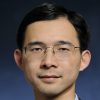
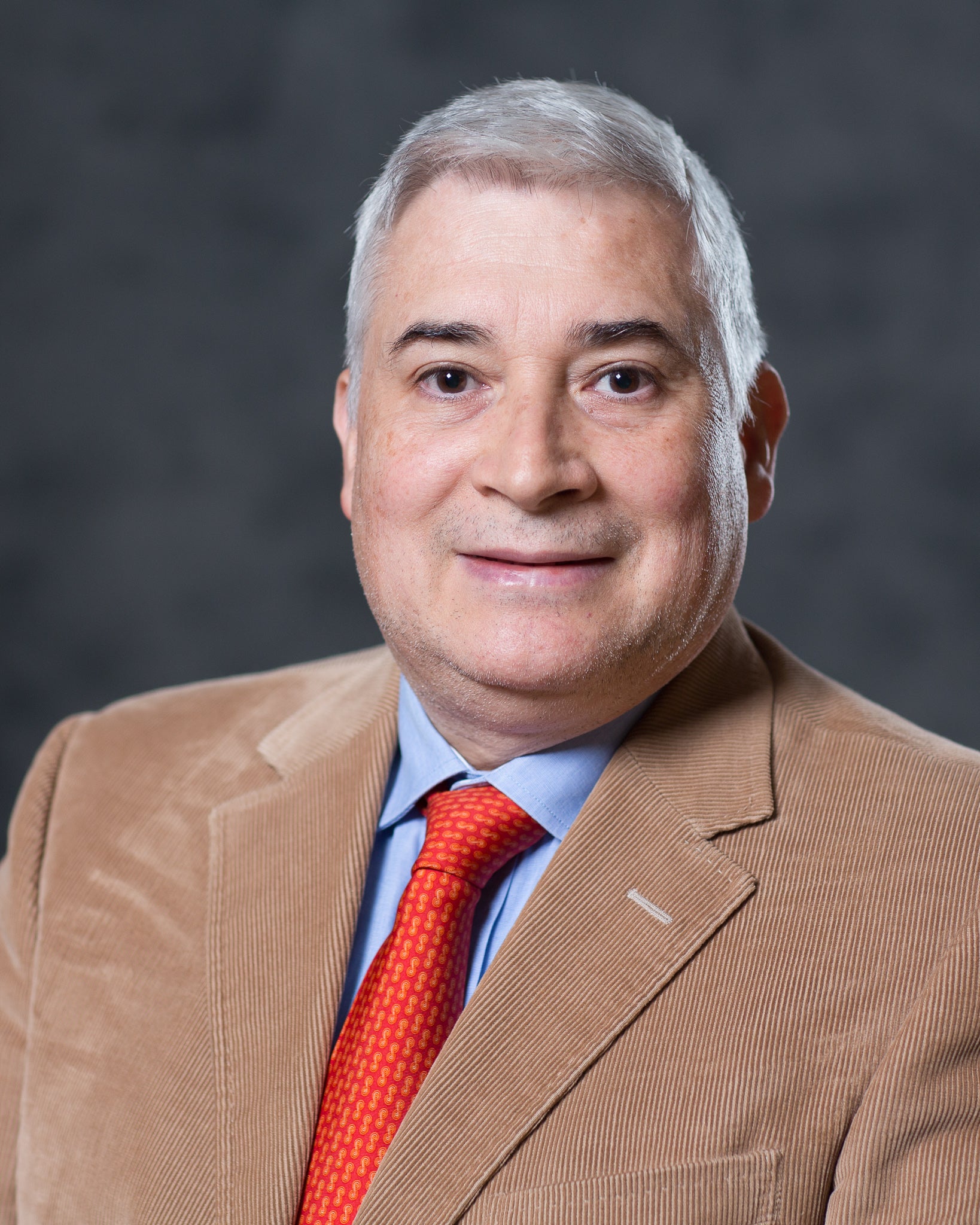
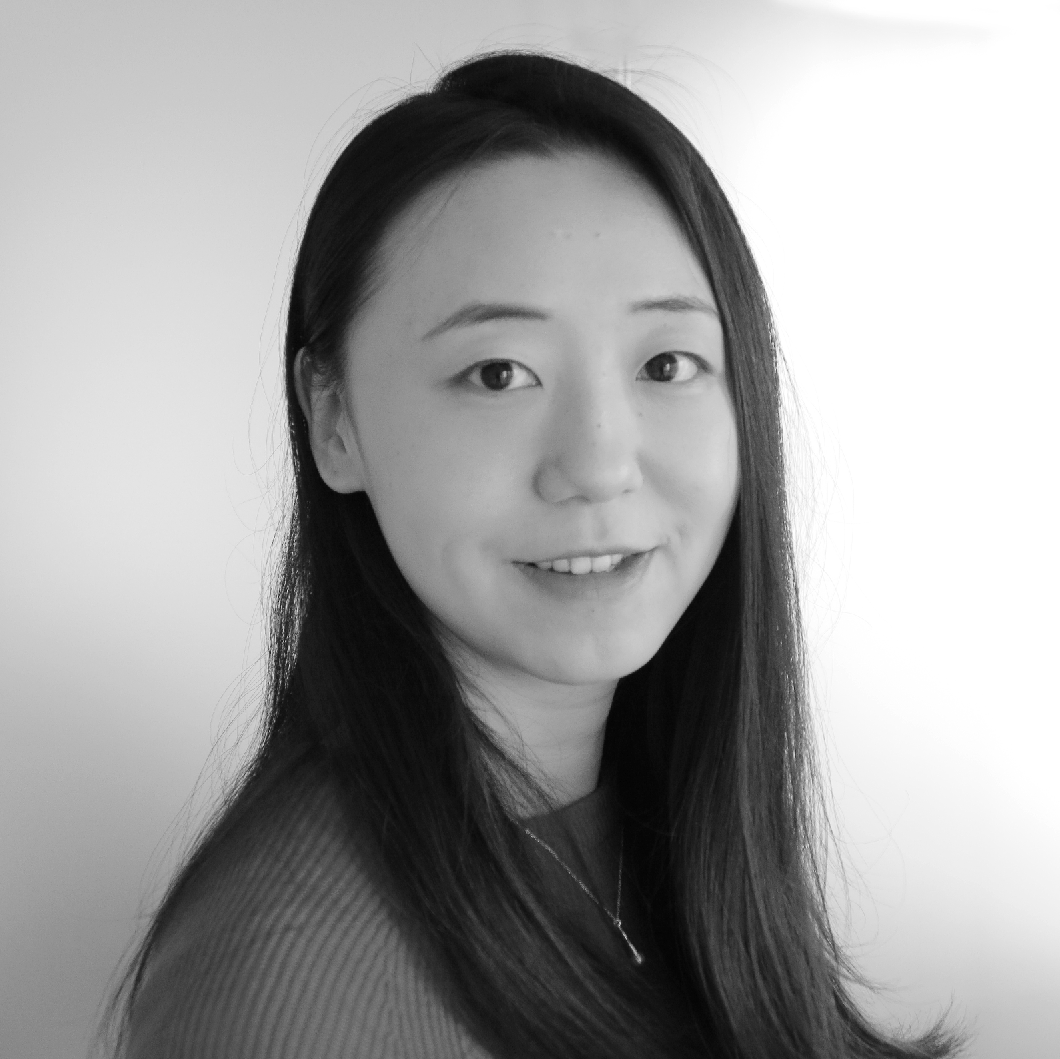
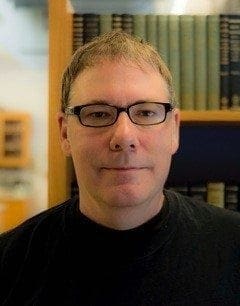
Jenny Y. Yang is a Professor in the Department of Chemistry at the University of California, Irvine. Her research focuses on the development of inorganic electrocatalysts for chemical fuel generation and utilization, emphasizing bio-inspired secondary coordination sphere effects and thermochemical property optimization. Institution: University of California, Irvine Department: Chemistry Research Interests: Oxygen activation mechanisms Hydrogen production and oxidation Carbon dioxide reduction for fuel synthesis Thermochemical property effects on catalysis Secondary coordination sphere engineering Electrochemical carbon capture systems Scientific Trends: Recent work spans from 2023–2025, covering CO2-to-methane conversion, quantum dot hybrid systems for hydrogen evolution, and computational approaches to CO2 capture agent design. Articles highlight interdisciplinary methods combining inorganic chemistry, electrochemistry, and sustainability-focused engineering. Contact: Office: 4080 ISEB | Phone: 949-824-1533 | Email: j.yang@uci.edu
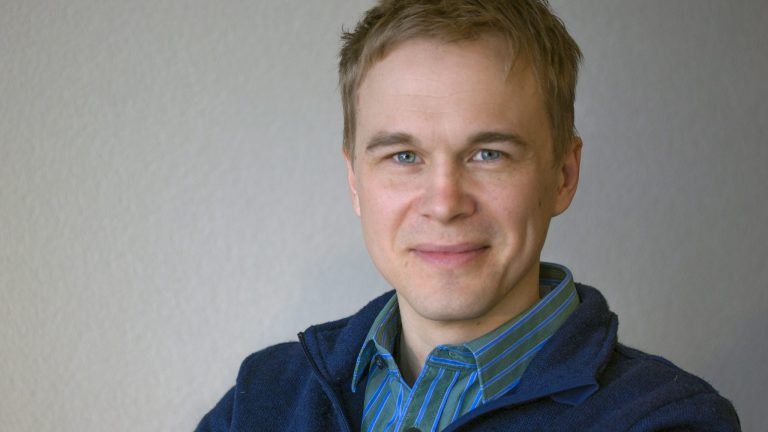
Prof. Dr. Armido Studer is a Full Professor of Organic Chemistry at the Institute of Organic Chemistry, Faculty of Mathematics and Natural Sciences, University of Münster (WWU Münster), Germany. He has been serving as a Full Professor (W3) since November 2009, following his appointment as a Full Professor (C4) in 2004. Studer also serves as the Spokesman of the International Research Training Group IRTG 2678 'Functional π-Systems: Activation, Interaction and Application (pi-Sys)' since 2021 and previously led the Collaborative Research Center SFB 858 'Synergetic Effects in Chemistry - From Additivity towards Cooperativity' from 2010 to 2021. Studer received his education at ETH Zürich, where he completed his diploma thesis and doctoral studies under Prof. Dr. D. Seebach. He conducted postdoctoral research at the University of Pittsburgh with Prof. Dr. D. P. Curran before returning to ETH Zürich for his habilitation. His academic career includes positions as Associate Professor at Philipps-Universität Marburg (2000-2004) and subsequent professorships at WWU Münster. Professor Studer's research focuses on radical chemistry, particularly in the development of new synthetic methods using radical intermediates. His work spans free radical chemistry, electron catalysis, and the application of nitroxides in organic synthesis. Recent research directions include 'Radical Chemistry with the Hydrogen Atom Through Water Activation (H-dot)' and 'The Electron as a Catalyst: e-cat', both funded by ERC Advanced Grants. His group has made significant contributions to C-H functionalization, skeletal editing of heterocycles, and cooperative catalysis involving photoredox and N-heterocyclic carbene systems. The research has applications in pharmaceutical chemistry, materials science, and sustainable chemical synthesis. Studer's publication record shows a strong focus on heterocyclic chemistry, radical reactions, and catalytic methodologies. His recent work demonstrates expertise in meta-selective functionalization of heteroarenes, skeletal editing techniques, and the development of novel radical cascade reactions. The group has published extensively in high-impact journals including Nature, Science, JACS, and Angewandte Chemie. Adolf-von-Baeyer-Denkmünze (2025) Arthur C. Cope Late Career Scholars Award of the American Chemical Society (2024) ERC Advanced Grants (2024, 2016) Multiple Highly Cited Researcher designations (2017-2022) Elected member of multiple academies (European Academy of Sciences, Academia Europaea, German National Academy of Sciences Leopoldina) Pedler Award of the Royal Society of Chemistry (2019) Professor Studer has mentored over 100 PhD students and postdoctoral researchers who have gone on to successful careers in academia and industry worldwide. His research is supported by significant grants including multiple ERC Advanced Grants and funding from the German Research Council (DFG) for collaborative research centers. The Studer Group maintains numerous international collaborations, particularly with institutions in Japan, China, and the United States, reflecting his global impact in organic chemistry. The Studer Group operates state-of-the-art laboratories at the University of Münster, equipped for advanced organic synthesis, photochemistry, and materials characterization. The group is known for its collaborative culture and has been featured in numerous group photos documenting its evolution since the early 2000s, first at Philipps-Universität Marburg and then at WWU Münster.
Marcella Lusardi is an Assistant Professor in the Department of Chemical and Biological Engineering and the Princeton Materials Institute at Princeton University, leading interdisciplinary research at the intersection of materials synthesis, catalysis, and sustainability. Her educational background includes: Ph.D. in Materials Science and Engineering from MIT (2018) B.S. in Chemical Engineering from Columbia University (2012) Dr. Lusardi's research focuses on designing advanced catalytic materials for environmental challenges, with core expertise in surface science, light-matter interactions, and complex materials processing. Her group develops natural and engineered materials for energy and sustainability applications, emphasizing CO 2 capture/reduction, pollution abatement, and photocatalysis through molecular-level catalyst design. The MatCat Lab integrates experimental techniques like NMR spectroscopy with computational guidance to create scalable solutions for closed carbon cycles and greener chemical processes. Analysis of her 15 most recent publications (2019-2025) reveals a dominant focus on zeolite-based catalysis for CO 2 conversion and carbonylation reactions, with growing emphasis on supramolecular assemblies and water-tolerant acid catalysts. Her work consistently bridges fundamental material properties with practical sustainability applications, showing progression toward integrated systems for direct air capture and light-mediated reactions. The MatCat Lab employs a highly interdisciplinary approach centered on defect engineering in silica matrices and molecular recognition for supramolecular networks. Current projects target tailored reaction environments for CO 2 reduction and microplastic oxidation, utilizing advanced synthesis methods and structural elucidation to develop practical catalytic technologies for a sustainable future.
Mohammad Peydayesh is a Lecturer and Senior Researcher at the Department of Health Sciences and Technology , ETH Zürich. He works in the Food and Soft Material Laboratory , focusing on sustainable materials derived from food waste and agri-food byproducts. PhD in Chemical Engineering (2018, Iran University of Science and Technology) Postdoctoral Fellow at ETH Zürich under Prof. Dr. Mezzenga Senior Assistant at ETH Zürich since 2021 His research spans soft matter , self-assembly phenomena , and amyloid fibril applications in: Environmental engineering (water purification, heavy metal removal) CO2 conversion and storage Smart packaging and bioplastics development Biorefinery concepts and circular economy Nanomaterials for waste valorization Recent publications highlight trends in amyloid-based hybrid materials for: Metal recovery from e-waste and contaminated water CO2 capture and conversion Bioplastic production from agricultural waste Antiviral and detoxification applications Water desalination and purification Photonic and catalytic materials He contributes to the Laboratory of Food & Soft Materials , advancing sustainable solutions through interdisciplinary material science.
Chao Wang is an Associate Professor at the Department of Chemical and Biomolecular Engineering within the Whiting School of Engineering at Johns Hopkins University. He also serves as the Director of the Nano Energy Laboratory and the department’s Master’s Admissions Director. His research focuses on sustainable energy systems and nanomaterials for CO2 capture and conversion, electrocatalysis, thermocatalysis, and green chemical engineering. Education: Bachelor’s degree, University of Science and Technology of China (2004) Doctorate, Brown University (2009) Wang’s research targets efficient energy conversion and storage via nanomaterials with tailored atomic structures, emphasizing catalytic activity, selectivity, and stability. His group explores electrochemical and thermochemical processes for reduced carbon footprints, including CO2 and methane conversion, ammonia recovery, and phosphorus/nitrogen nutrient recycling using zeolite-based systems. Recent publications (2021–2024) highlight his work in high-entropy alloys, solid-state battery materials, CO2 electroreduction, and biomedical nanotechnologies. Collaborative efforts span catalysis, nanoparticle dynamics, and environmental applications. Grants include a $1M DOE award for multi-university research, a $625K DOE grant for electrified transportation systems, and $3M in startup funding for carbon-removal technology commercialization. Alumni under his mentorship include Ph.D. graduates like Michael J. Manto (2018) and Master’s students like Mitchell Keller (2018), with notable achievements in catalyst development for ammonia/phosphorus recovery and industry placements at Grace & Co. and GEA Engineering.
Mark Martinez-Klimov is a researcher in the Department of Chemical Engineering at Åbo Akademi University, Faculty of Science and Engineering. His work focuses on catalysis for sustainable energy and renewable fuel production, with an emphasis on heterogeneous catalysis, biomass conversion, and CO2 utilization. He is actively involved in experimental and kinetic studies of catalytic processes. Research Interests: His primary research areas include hydrodeoxygenation, dry methane reforming, combustion synthesis, and catalytic upgrading of bio-oil and biomass derivatives. He investigates catalyst design, deactivation mechanisms, and process optimization using advanced characterization techniques such as X-ray diffraction, scanning electron microscopy, and thermogravimetric analysis. His work supports the development of cleaner energy technologies and circular chemical processes. The analysis of his recent publications (2021–2025) reveals a consistent focus on sustainable catalytic processes, particularly in renewable jet fuel production, hydrogenation of sugars, and CO2 valorization. His research spans both fundamental catalyst development and applied reaction engineering, often in continuous flow systems such as trickle bed reactors. The work integrates material science with chemical engineering principles to address challenges in energy transition. Scientific Awards: No awards explicitly mentioned in the provided text. Advising and Grants: While specific students or grants are not listed, his collaborative publication pattern with senior researchers like Dmitry Murzin and Pavel Mäki-Arvela suggests involvement in major research projects, likely funded by national or EU-level grants. He appears to contribute to team-based research in catalysis and sustainable technologies, potentially mentoring junior researchers and PhD students within the group. Labs and Teams: Mark is part of a prominent catalysis research group at Åbo Akademi University, specializing in sustainable chemical processes. The team leverages advanced synthesis methods (e.g., solution combustion, impregnation) and characterization tools to develop novel catalysts for energy and environmental applications. Their work is highly collaborative, involving both national and international partners in the field of green chemistry and renewable fuels.
Xiaolei Fan is an Associate Professor in the Department of Chemical Engineering at The University of Manchester. He holds a BEng in Environmental Engineering from Jilin Institute of Chemical Technology (2003), an MRes in Chemical Engineering from East China University of Science and Technology (2006), and a PhD in Continuous Flow Heterogeneous Catalysis from the University of Bath (2010). His research focuses on nonthermal plasma catalysis, CO2 conversion, catalytic biorefinery, and zeolite-based catalysts. He has contributed to over 180 publications, supervised 20+ students, and led projects like the EU-funded SPACING initiative for biofuel production. Research interests include porous materials, reaction engineering, and process intensification through structured reactors/catalysts. He chairs the RSC Heterogeneous Catalysis committee and has organized conferences like the International Conference on Environmental Catalysis. His work aligns with UN Sustainable Development Goals, particularly in clean energy and sustainable chemistry. Education: BEng (Environmental Engineering), Jilin Institute of Chemical Technology, 2003 MRes (Chemical Engineering), East China University of Science and Technology, 2006 PhD (Chemical Engineering), University of Bath, 2010 Awards: Lee Hsun Lecture Award (2018) Zhenxing Scholar Professor Award (2018) Outstanding Achievement Recognition (2018) Grants/Projects: SPACING: Sustainable Production of ACrylic Acid from Renewable Waste Glycerol (2021–2024) Labs/Teams: Catalysis and Porous Materials Group at The University of Manchester
Jun Liu is an Assistant Professor in the Department of Mechanical and Aerospace Engineering at the School of Engineering and Applied Sciences, University at Buffalo. His research focuses on advanced energy materials, nano/micro-mechanics, and self-powered systems, with applications in triboelectric energy harvesting and scanning probe microscopy. Education: PhD, Materials Engineering, University of Alberta (2018) MS, Materials Science, Shanghai University (2015) BE, Materials Science and Engineering, Nanchang University (2012) Research Interests: Development of tribovoltaic and triboelectric systems for self-powered electronics Mechanical energy harvesting via dynamic heterojunctions and Schottky contacts 3D-printed hydrogel structures for energy absorption and flexible electronics Nanoscale characterization using atomic force microscopy Design of nanocomposite sensors and catalytic materials Publication Trends: His work emphasizes triboelectricity, nanoscale energy conversion, and sustainable materials. Recent articles explore bionic tactile sensing, tunable hydrogels, and quantum dynamics in sliding interfaces. Awards: SONY Faculty Innovation Award (2021) Nature Springer MINE Young Scientist Award (2020) International Contest of Applications in Nano/Micro Technology Prize (2013) Laboratory: Advanced Energy Materials and Nanomechanics Lab at University at Buffalo.
Dr. Suresh Bhargava is a Distinguished Professor and Director of AcSIR at RMIT University's Research & Innovation department. He has led interdisciplinary research in materials science, catalysis, and environmental engineering for over three decades, with a focus on strengthening Indo-Australian scientific collaboration. His work bridges academia and industry, addressing challenges in pollution control, nanotechnology, and cancer treatment. Research & Leadership: Established RMIT's Centre for Advanced Materials and Industrial Chemistry (CAMIC), pioneering translational research with industry applications. Supervised 70+ PhD students (100% employment rate), many now leading roles at global institutions. Holds distinguished professorships across six countries and advises governments and Fortune 500 firms on environmental and industrial issues. Awards & Recognition: Recipient of Australia's Member of the Order of Australia (2022), India's P.C. Ray Chair (2014), and the Khwarizmi International Award (2016). His work on mercury pollution control and gold-based anticancer drugs has garnered global acclaim, with over 800 publications (26,000+ citations, h-index 86). Key Contributions: Architect of the Australia-India Strategic Research Fund and the RMIT-AcSIR Joint Research Program. Innovated eco-friendly graphene production from eucalyptus bark and patented anti-cancer gold compounds. Advises on sustainable mineral processing, hydrogen energy, and CO₂ valorization. Industry Engagement: Consulted for Rio Tinto, BHP Billiton, and CSIRO on resource efficiency, pollution mitigation, and nanotechnology applications. His research has created jobs and driven innovation in Australia and Asia-Pacific.
Professor Kevin Sivula is a Full Professor of Chemical Engineering at École Polytechnique Fédérale de Lausanne (EPFL), where he leads the Laboratory of Molecular Engineering of Optoelectronic Nanomaterials (LIMNO) and serves as Director of the Institute of Chemical Sciences and Engineering (ISIC). He teaches courses on Transport Phenomena, Chemical Engineering Practicals, Product design, and solar energy conversion systems. His research focuses on photoelectrochemical solar energy conversion, particularly developing novel nanomaterials for renewable energy applications. Professor Sivula's work bridges chemical engineering, materials science, and renewable energy technologies with emphasis on solar water splitting and hydrogen production. His research group explores organic semiconductors, transition metal dichalcogenides, perovskite materials, and metal oxide photoelectrodes for solar fuel generation. Professor Sivula's recent publications (2023-2025) demonstrate his leadership in advancing perovskite solar cell technology, developing novel photoelectrochemical systems for hydrogen production, and engineering semiconductor interfaces for improved energy conversion efficiency. His work spans fundamental materials characterization to device engineering, with particular emphasis on stability and scalability of solar fuel production systems. As an academic leader, Professor Sivula has supervised numerous PhD students whose research spans organic semiconductor nanoparticles for solar hydrogen production, perovskite materials engineering, photoelectrochemical CO 2 reduction, and nanomaterials for energy conversion. His research has been supported by various grants focused on advancing sustainable energy technologies.
Humberto Terrones Maldonado holds the Rayleigh Endowed Chair Professor position in the Department of Physics, Applied Physics and Astronomy at Rensselaer Polytechnic Institute (RPI). An internationally recognized scholar, he has served as an invited professor at numerous institutions including the University of Louvain (UCL, Belgium), Federal University of Ceará (UFC, Brazil), Shinshu University (Japan), Oak Ridge National Laboratory (ORNL, USA), Penn State University (USA), and the University of Sussex (UK). He is a member of the World Academy of Sciences (TWAS) and the Mexican Academy of Sciences. His educational background includes: PhD, University of London (Birkbeck), UK BSc, Iberoamericana University, Mexico Professor Terrones pioneered the concept of curvature in graphite and graphene in 1991, introducing Schwarzites—graphitic structures with negative Gaussian curvature. His research focuses on electronic, optical, mechanical, and chemical properties of few-layered 2D materials and their application in novel 3D nanostructures. Key areas include: 2-Dimensional Materials Complex 3-D Atomic Structures Solid State and Condensed Matter Physics Nanoscience and Nanotechnology Nonlinear Optics His recent publications (2022-2025) reveal a strong emphasis on transition metal dichalcogenides, defect engineering, machine learning for materials design, and energy applications. Work spans experimental characterization of heterostructures, computational simulations of lattice mechanics, and innovative synthesis techniques like liquid metal exfoliation. His notable scientific awards and honors include: Rayleigh Endowed Chair Member of the World Academy of Sciences (TWAS) Member of the Mexican Academy of Sciences
Susanna Thon is an Associate Professor in the Department of Electrical and Computer Engineering at Johns Hopkins University (JHU), affiliated with the Whiting School of Engineering. She serves as Associate Director of the Ralph O’Connor Sustainable Energy Institute (ROSEI) and a member of the Data Science and AI Institute. Her research focuses on nanomaterials engineering for optoelectronic devices, emphasizing solar energy conversion and sensing. Notable areas include plasmonic-photocatalytic systems using aluminum nanoparticles and nanostructured materials like colloidal quantum dots for next-generation devices. Thon holds a BSc from MIT (2005) and MSc/PhD in Physics from UC Santa Barbara (2008/2010). She joined JHU in 2013 after postdoctoral work at the University of Toronto. Her work is funded by agencies such as the NSF, U.S. Army, and Maryland Energy Innovation Institute. She has published over 50 peer-reviewed papers and received JHU’s Catalyst and Discovery awards. Key research projects include developing plasmonic systems to enhance light absorption in titanium dioxide and creating scalable fabrication techniques for optoelectronic materials. Thon’s team also advances quantum dot solar cells and novel characterization methods for energy materials. She actively participates in professional societies, including the Optical Society of America and IEEE. Her grants and collaborations aim to train the next generation in sustainable energy research, with recent initiatives funded through NSF and Space@Hopkins seed grants. Thon’s lab integrates nanophotonics, materials science, and machine learning to address global energy challenges.
Dr. Zheng Yuan is an Associate Professor (Senior Lecturer) in the School of Computer Science at the University of Sheffield. Previously, they held roles as an Assistant Professor at King's College London and a Research Associate at the University of Cambridge's Department of Computer Science and Technology. Their primary research focuses on machine learning and deep learning applications in natural language processing (NLP), particularly in educational technology, healthcare, creativity, and multilingual contexts. Key projects include computer-assisted language learning (CALL), human-centered NLP in education, computational code-switching, and creative AI. Education includes a PhD and MPhil in Natural Language Processing from the University of Cambridge, and a BSc(Eng) from Queen Mary University of London. They hold affiliated positions at the University of Cambridge, King's College London, and are a Fellow of Trinity College, Cambridge. They contribute to The Alan Turing Institute's Data-Centric Engineering Programme and hold FHEA status (2024-). Research interests span educational NLP, multilingual systems, transfer learning, and explainable AI. They actively organize workshops and serve on editorial boards (e.g., PeerJ Computer Science) and conference committees (ACL/EMNLP). Recent activities include co-organizing NLP workshops at ACL 2025 and NAACL 2024, alongside roles in professional societies like the ACL Professional Conduct Committee. Awards include Fellowship of the Higher Education Academy (2024-) and ASEFClassNet18 Faculty Collaboration (2025-). They welcome PhD applications in NLP and machine learning, emphasizing interdisciplinary applications.
Michael John Janik is a Professor in the Department of Chemical Engineering at Pennsylvania State University, with significant affiliation to the Institute of Energy and the Environment (IEE). His academic profile demonstrates exceptional research productivity with 270 research outputs, 25 funded projects, and substantial scholarly impact reflected in 17,238 citations and an h-index of 61. His research expertise centers on computational chemistry with particular focus on Density Functional Theory applications to catalysis and electrocatalysis. The fingerprint analysis of his work reveals strong concentrations in Density Functional Theory (76%), Oxidation Reactions (36%), Carbon Dioxide research (29%), Adsorption phenomena (27%), and First Principles Chemistry (22%). His work significantly contributes to UN Sustainable Development Goals related to clean energy and climate action. Analysis of his recent publications (2020-2025) reveals a strong research trajectory in electrocatalysis, particularly examining cation effects on CO 2 reduction mechanisms, intermetallic catalyst design, and computational modeling of electrochemical systems. His work bridges fundamental computational chemistry with practical applications in sustainable energy conversion. h-index of 61 17,238 total citations Multiple high-impact publications in journals including Nature Catalysis, Journal of the American Chemical Society, and Science Advances Professor Janik actively leads and collaborates on numerous research projects, particularly with Dr. Rioux and other colleagues, focusing on advanced catalyst development and electrochemical energy conversion systems. His current research portfolio includes multiple active NSF-funded projects extending through 2027 that address critical challenges in electrocatalysis, CO 2 reduction, and intermetallic catalyst design. His research group maintains strong connections with the Institute of Energy and the Environment, positioning his work at the intersection of fundamental computational chemistry and applied energy solutions. Current projects include combining DFT with classical simulations to predict solvation effects, developing high-entropy alloys for catalysis, and studying oxide overlayers in CO 2 reaction systems.
Thomas Lectka is the Jean and Norman Scowe Professor in the Department of Chemistry at Johns Hopkins University, where he has been a faculty member since 1994. His research focuses on synthetic and physical organic chemistry, particularly in the area of organofluorine chemistry. PhD, Cornell University Postdoctoral Fellow, Heidelberg (Alexander von Humboldt Fellow) Postdoctoral Fellow, Harvard University (NIH Fellow) Dr. Lectka's research is centered on developing novel synthetic methods, especially for fluorination, and understanding the physical organic principles underlying reactivity. His work spans radical fluorination , catalytic asymmetric synthesis , and the design of fluorinated bioactive molecules . Using a combination of experimental and computational techniques, his lab investigates C-F bond formation , reaction mechanisms , and the biological applications of fluorinated compounds. His recent work, as reflected in publications from 2010 to 2024, shows a consistent trajectory in advancing fluorination methodologies, with increasing emphasis on site-selectivity , enantiocontrol , and biomedical relevance . Themes include the development of new reagents, mechanistic studies, and the synthesis of fluorinated natural product analogs and peptidomimetics. Dr. Lectka has received numerous honors and awards, including: ACS Arthur C. Cope Scholar (2024) ACS Maryland Chemist of the Year (2017) John Simon Guggenheim Memorial Fellowship Dreyfus Teacher-Scholar Award Sloan Fellowship NSF CAREER Award NIH First Award Eli Lilly Grantee Award He actively mentors graduate and undergraduate students in his research group, contributing to education and training in organic chemistry. His lab, The Lectka Group , is supported by grants from the NIH and NSF, enabling cutting-edge research in synthetic methodology and physical organic studies. The group fosters a collaborative environment focused on innovation in fluorine chemistry. The Lectka Group is an active research laboratory at Johns Hopkins University dedicated to pushing the boundaries of synthetic organic chemistry through the exploration of fluorine's unique properties. Current projects include site-selective radical fluorination and the synthesis of unusual fluorinated species, aiming to provide new tools for drug discovery and materials science.