Prof. Marcy Zenobi-Wong is a Full Professor at ETH Zurich's Department of Health Sciences and Technology, specializing in biofabrication and tissue engineering. Her research focuses on cartilage regeneration using advanced biomaterials, including nanofilm coatings and 3D printing techniques. She holds patents in tissue engineering and has pioneered methods like filamented light (FLight) biofabrication for creating anisotropic tissues. Her academic journey includes a B.Sc. from MIT (1985), M.Sc. and Ph.D. from Stanford (1987, 1990), followed by postdoctoral work at the University of Michigan. She leads the Biofabrication Group at ETH, developing therapies for joint repair and regenerative medicine. Courses taught include Biomedical Engineering and Materials and Mechanics in Medicine . Research highlights include engineered hydrogels for cartilage protection, CRISPR-driven gene editing in chondrocytes, and biohybrid neural interfaces. Her work bridges material science, cell biology, and clinical applications, with a focus on translational medicine. Collaborative projects involve creating elastic cartilage grafts for microtia reconstruction and volumetric printing of complex tissue constructs.
Gerard A. Ateshian is the Andrew Walz Professor of Mechanical Engineering and Professor of Biomedical Engineering at Columbia University, where he has been a faculty member since 1991. He also served as Chair of the Department of Mechanical Engineering from 2011 to 2014 and is the founding director of the Musculoskeletal Biomechanics Laboratory (MBL), established in 1996. Education: BS (1986), MS (1987), MPhil (1990), and PhD (1991) in Mechanical Engineering from Columbia University. Research Interests: Professor Ateshian's research focuses on the mechanics of soft biological tissues , particularly articular cartilage . His work integrates theoretical, experimental, and computational approaches to understand cartilage lubrication, tissue engineering, and growth and remodeling in living tissues. He has extended continuum mechanics frameworks to model complex biological phenomena such as mass transport, osmotic effects, and reactive mechanics in tissue mixtures. His recent efforts include developing open-source computational tools (FEBio) and translating research into clinical treatments for osteoarthritis . Scientific Awards: H.R. Lissner Medal, ASME (2017) OARSI Basic Science Award (2013) Columbia Engineering Alumni Association Distinguished Faculty Teaching Award (2012) Great Teacher Award, Society of Columbia Graduates (2002) YC Fung Young Investigator Award, ASME (1997) Fellow: ASME, BMES, AIMBE Advising and Mentorship: Professor Ateshian has advised numerous PhD students, including recent graduates Vince Sise and Katherine Spack , who completed their dissertations on cartilage fatigue and osteochondral allografts, respectively. His lab actively mentors students from both Mechanical and Biomedical Engineering programs. Laboratory and Collaborations: He directs the Musculoskeletal Biomechanics Laboratory (MBL) , which collaborates closely with the Cellular Engineering Laboratory of Prof. Clark Hung and with Dr. Jeffrey Weiss at the University of Utah on computational modeling (FEBio). He also collaborates with Columbia University Medical Center faculty on clinical translation of cartilage research.
Massachusetts Institute of TechnologyUnited States
Bradley D. Olsen is a full professor in the Department of Chemical Engineering at the Massachusetts Institute of Technology (MIT), where he leads research at the intersection of polymer science, soft matter physics, and bioengineering. His work focuses on designing materials for critical applications in biotechnology, hemostasis, and sustainable polymer development while advancing fundamental understanding of polymer network mechanics and self-assembly. Education: Ph.D. in Chemical Engineering, University of California Berkeley (2007) S.B. in Chemical Engineering, Massachusetts Institute of Technology (2003) Olsen's research spans protein-based materials, block copolymer phase behavior, and mechanochemical hydrogels. He has pioneered methods for quantifying polymer network topology, developing hemostatic nanoparticles, and creating bio-inspired materials for selective biomolecular transport and medical applications. His recent publications emphasize data-driven approaches to polymer characterization and educational outreach in materials science. Scientific Awards: American Physical Society (APS) Fellow (2023) Fulbright Amazonia Scholar (2023) Alexander and I. Michael Kasser Chair in Chemical Engineering (2021) ACS Macro Letters Young Investigator Award (2021) MIT Committed to Caring Honor (2019) AIChE Owens Corning Early Career Award (2019) APS Dillon Medal (2018) Kavli Emerging Leader in Chemistry (2017) ACS Polymer Division Fellow (2016) Camille Dreyfus-Teacher Scholar (2015) Alfred P. Sloan Research Fellow (2014) NSF Career Grant (2013) NIH Postdoctoral Fellowship (2008-2009) Hertz Fellow (2003-2007) Barry M. Goldwater Scholarship (2002) Olsen has received significant grant support including NSF Career (2013) and AFOSR (2012) awards. His teaching activities include innovative international outreach like the 2025 soccer-themed science camp in Brazil. The Olsen Group at MIT explores advanced materials with applications ranging from trauma care to sustainable polymers.
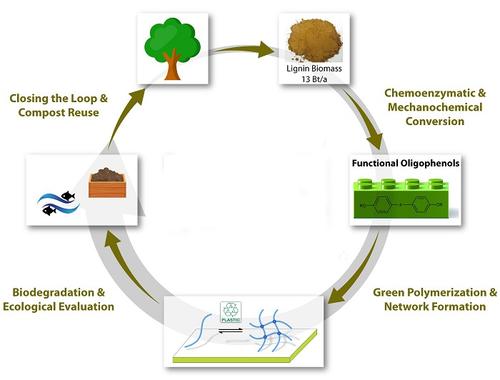
Rainer Haag is a Professor at the Department of Chemistry, Freie Universität Berlin, leading the Haag Group in the Institute of Chemistry and Biochemistry. His research focuses on biodegradable and sustainable materials, dynamic hydrogels, and polymeric nanosystems for biomedical applications. Department of Chemistry, Freie Universität Berlin Member of SFB 1449: Dynamic Hydrogels at Biointerfaces Collaborator in the StemGel startup project Co-founder of CSR|Berlin interdisciplinary research institute Research Interests: Development of stimuli-responsive polymers, multivalent virus inhibitors, and functional biointerfaces. Key projects include: Antiviral coatings using heteromultivalent polymers Thermoresponsive hydrogels for stem cell expansion Graphene derivatives for bacterial capture and disinfection Lignin upcycling for sustainable resin materials Supramolecular nanosystems for drug delivery Publication Trends highlight interdisciplinary work in polymer chemistry, nanotechnology, and biomedical applications. Recent articles focus on: 2D polyglycerols for virus interactions Redox-responsive nanogels Mucus-inspired adhesive hydrogels Tumor-targeting micelles Bacterial disinfection using graphene composites Labs & Collaborations include the Polymeric and Supramolecular Nanosystems subgroup, the Dynamic Hydrogels and Biointerfaces team, and partnerships with MIT in developing bioinspired adhesives. His group contributes to DFG-funded SFB 1449 and CSR|Berlin initiatives.
Burak Ozdoganlar is a Ver Planck Endowed Chair Professor of Mechanical Engineering at Carnegie Mellon University (CMU) and Associate Director of the Engineering Research Accelerator. He holds courtesy faculty positions in Biomedical Engineering and Materials Science and Engineering. Ozdoganlar earned his Ph.D. in Mechanical Engineering from the University of Michigan (1999), M.S. degrees from Ohio State University (1993, 1995), and a B.S. in Aeronautical Engineering from Istanbul Technical University (1991). Ph.D., Mechanical Engineering, University of Michigan (1999) MS, Mechanical Engineering, Ohio State University (1995) MS, Aeronautical and Astronautical Engineering, Ohio State University (1993) BS, Aeronautical Engineering, Istanbul Technical University (1991) Ozdoganlar’s research focuses on multi-scale manufacturing processes (macro/micro/nano), precision engineering , structural dynamics , and modal testing , with applications in biomedical device fabrication , microneedle arrays , soft electronics , and 3D ice printing for vascular networks. His work bridges computational modeling with experimental validation. Recent scientific awards include the 2023 AIMBE College of Fellows induction, ASME Fellow (2019), and NSF CAREER Award (2006). He served as interim CTO of the Advanced Robotics for Manufacturing (ARM) Institute and chaired the ASME-MED Manufacturing Equipment Technical Committee. Ozdoganlar leads projects in scalable manufacturing for implantable medical devices , bioelectric medicine , and wearable robotics . His lab develops 3D ice-printed vascular templates for tissue engineering and liquid metal circuits for soft electronics, funded by institutions like the Manufacturing Futures Institute and ARPA-H.
Houman Savoji is an Associate Professor in the Department of Pharmacology and Physiology at the Faculty of Medicine, University of Montreal. He is also a full-time researcher at the CHU Sainte-Justine Research Center and principal investigator in regenerative medicine, organs-on-chip, and bioprinting at TransMedTech Institute. Dr. Savoji received his PhD in Biomedical Engineering from the Institute of Biomedical Engineering at Polytechnique Montréal in 2016. He then completed a postdoctoral fellowship at the Institute of Biomaterials and Biomedical Engineering at the University of Toronto. His research expertise combines advanced manufacturing technologies (micro- and nano-fabrication, 3D bioprinting, microfluidics, cell electrospinning) with functional and composite materials for applications in tissue engineering, regenerative medicine, and organs-on-chip. His work focuses on the design, development, optimization, implementation, and characterization of innovative functional biomaterials using emerging engineering technologies, with particular emphasis on cardiac tissue engineering and biomimetic pulmonary heart valves for pediatric patients. Dr. Savoji has published extensively on biomaterials, tissue engineering, 3D bioprinting, and organ-on-chip technologies. His recent publications demonstrate expertise in viscoelastic characterization of soft tissues, engineering immune responses to biomaterials, ceramic engineering for biomedical applications, and advanced 3D bioprinting techniques for cardiac and vascular tissue engineering. 2017-2020, Postdoctoral Research Grant, CIHR 2017-2019, Postdoctoral Research Grant, FRQNT 2017-2018, Human Society of International Grant, Human Toxicity Assessment Project 2016, CR-CHUM Research Center Award 2015, Star Student-Researcher Award, FRQNT 2014-2015, Jane and Frank Warchol Fellowship, Society of Vacuum Coaters Foundation 2013, Institute of Textile Science Award 2012-2015, Excellence Doctoral Scholarship for Foreign Students, FRQNT Dr. Savoji has supervised Master's students including Ines Barrakad (2024) working on 'Advanced manufacturing technologies versus molding of corneal implants: 3D printing vs molding of a Keratoprosthesis' and Zineb Ajji (2023) researching 'Development of perfusable patches by 3D bioprinting for potential application in cardiac tissue regeneration.' He has secured numerous research grants from organizations including CIHR, NSERC, FRQNT, FRQS, MITACS, and others for projects related to 3D bioprinting of cardiac tissues, biomimetic heart valves, and other tissue engineering applications. The Savoji Laboratory, located within the Department of Pharmacology and Physiology and Institute of Biomedical Engineering of the Faculty of Medicine of the University of Montreal, the Research Center of the CHU Sainte-Justine (CHUSJ), and the TransMedTech Institute, focuses on multidisciplinary research involving 3D bioprinting using stem-cell derived human cardiac cells to fabricate functional cardiac tissues for transplantation and drug discovery applications.
Sophie Sanchez is an Associate Professor at Uppsala University's Department of Organismal Biology, specializing in Evolution and Development. Her research focuses on vertebrate evolution, using advanced imaging techniques like synchrotron microtomography to study fossilized anatomy and developmental processes. She has contributed significantly to understanding sensory organ evolution in jawed vertebrates, early tetrapod development, and the structural adaptations of ancient fish. Key work includes studies on placoderms, osteostracans, and the molecular bases of evolutionary innovations. Her findings bridge paleontology with developmental biology, employing cutting-edge microscopy to reveal hidden biological details in fossils. Publications highlight her expertise in fossil musculature, bone histology, and genomic evolution, with high-impact contributions to journals like Nature and Science . Collaborative projects involve global teams analyzing Devonian and Permian vertebrates, emphasizing interdisciplinary approaches to evolutionary questions.
Nonappa Nonappa is an Associate Professor (tenure track) in Nanochemistry at Tampere University's Faculty of Engineering and Natural Sciences since 2020. With a multidisciplinary background spanning organic chemistry, supramolecular systems, nanoparticle self-assembly, and advanced electron microscopy, he leads research at the intersection of materials science and biomedical applications. PhD in Organic Chemistry (IISc Bangalore, 2008) Docent in Soft Matter Microscopy (Aalto University, 2017) Executive MBA (Quantic School, 2020) Research focuses on bio-based optical materials using nanocellulose for sustainable photonics, breast cancer models via lab-on-a-chip systems, and precision nanomaterials through tailored self-assembly mechanisms. His team develops 3D extracellular matrices for cancer tissue culture and plasmonic nanodevices for photonic applications. Recent publications highlight gold/silver nanocluster assemblies (43+ citations in 2021-2025), electron tomography for structural analysis, and metastasis modeling systems. Key awards include Italy's Abilitazione Scientifica Nazionale (2018) and Aalto University's Docent title (2017).
Professor Hala Zreiqat AM is a leading biomedical engineer at The University of Sydney , serving as the Director of the ARC Training Centre for Innovative BioEngineering . A Fellow of all major Australian academies (AAS, ATSE, FAHMS, FRSN), she develops 3D printed bioceramics for bone regeneration while championing diversity through initiatives like the IDEAL Society and BIOTech Futures mentorship program. Her work bridges academia, clinical practice, and industry in musculoskeletal research . Research Focus: Her lab creates synthetic bone scaffolds that mimic natural bone architecture, strength, and porosity, enabling non-rejected bone regeneration via patient-matched implants. Key applications include orthopaedic, dental, and maxillofacial repair , with over $18M in competitive funding and multiple patents. Current projects explore AI-driven scaffold performance prediction and anti-senescence strategies for aging-related bone loss. Scientific Trends: Recent publications highlight 3D printed nanovoxelated ceramics , antisenescence biomaterials , and multifunctional theranostic platforms . Her team integrates machine learning for scaffold design, atom probe tomography for interface analysis, and two-photon imaging for cellular monitoring in 3D environments. 2021-2022 Fulbright Senior Scholar 2018 NSW Premier's Woman of the Year 2019 Eureka Prize for Innovative Use of Technology Fellow of Australian Academy of Science (2021) Over $18M in research funding Teaching & Leadership: She designed core courses like Tissue Engineering and Nanomaterials in Medicine , mentoring 158 students in 2020 alone. As Chair of CAAR (2020-2023), she strengthens Australia-Arab collaborations. Her lab trains early-career researchers , with alumni now in academia and industry.
Leibniz Institute for Zoo and Wildlife ResearchGermany
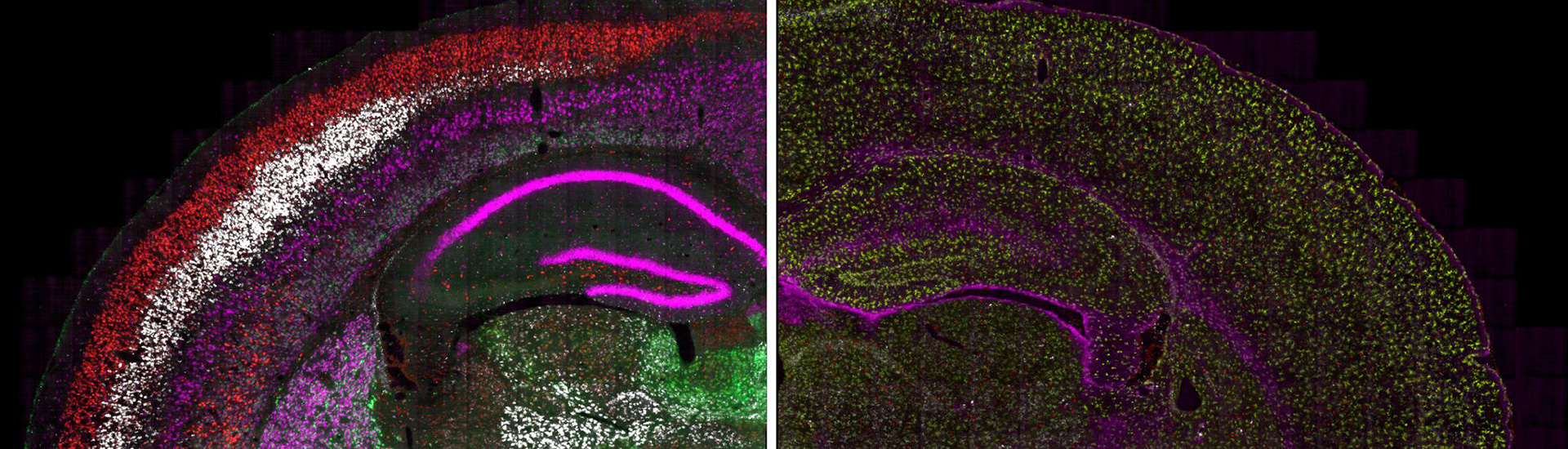
Omer Bayraktar is a Group Leader at the Wellcome Sanger Institute , leading research in the Cellular Genomics Programme. His work focuses on decoding human brain cellular diversity using spatial transcriptomics , imaging , and functional screening to study neural complexity in health and disease. Bayraktar's educational background includes a PhD from HHMI under Chris Doe, investigating neural diversity development in Drosophila , followed by postdoctoral work at University of California, San Francisco and University of Cambridge as a Life Sciences Research Foundation Fellow. He developed a spatial transcriptomic pipeline during his postdoc to analyze astrocyte heterogeneity in the cerebral cortex. His research explores neural cell type mapping , glial-neuronal interactions , and cellular pathways in neurodevelopmental disorders . Recent publications emphasize 3D tissue mapping , multi-omic integration , and computational tools like Cell2fate and WebAtlas. His work bridges neurogenetics and computational biology to advance understanding of human tissue ecosystems. Bayraktar's lab collaborates with the Human Cell Atlas initiative and develops technologies such as automated histology pipelines and highly-multiplexed smFISH for molecular cell typing. His team also investigates glia-based therapies and astrocyte functional heterogeneity in neurodevelopmental contexts. Key scientific contributions include: Discovering astrocyte layer patterns independent of neuronal laminae Developing cell2location for spatial cell mapping Characterizing Drosophila neural stem cell models with human relevance Notable awards include the Life Sciences Research Foundation Fellowship during his postdoctoral training. His current group includes a PhD student , Senior Data Scientists , and Bioinformaticians .
Christine Clark, MD, MSc is an attending laryngologist at Weill Cornell Medicine’s Sean Parker Institute for the Voice and Assistant Professor in the Department of Otolaryngology-Head and Neck Surgery at Weill Cornell Medical College. She earned her B.A. from the University of Pittsburgh (2011) and her M.D. from Pennsylvania State University College of Medicine (2017), followed by residency at Georgetown University Medical Center and a fellowship in Laryngology at Weill Cornell, where she also obtained a master’s degree in Clinical and Translational Science. B.A. - University of Pittsburgh (2011) M.D. - Pennsylvania State University College of Medicine (2017) Residency - Georgetown University Medical Center Fellowship - Sean Parker Institute for the Voice (Laryngology) Master’s - Clinical and Translational Science at Weill Cornell Dr. Clark specializes in evaluating and treating swallowing, voice, and airway disorders. Her research focuses on chronic cough, laryngeal hypersensitivity, and benign phonotraumatic vocal fold lesions. She has developed clinical tools like the 3D-printed injection laryngoplasty simulator and quality improvement initiatives for surgical airway management. Her clinical work and research span topics such as vocal fold hemorrhage management, pharyngeal residue quantification in dysphagia, and granuloma as markers of malignancy. Recent publications emphasize global otolaryngology capacity building and performer-specific voice injury care. Scientific awards include: Teaching awards for excellence in medical student education during residency Dr. Clark is affiliated with the Sean Parker Institute for the Voice at Weill Cornell Medicine and serves as an Assistant Professor of Otolaryngology.
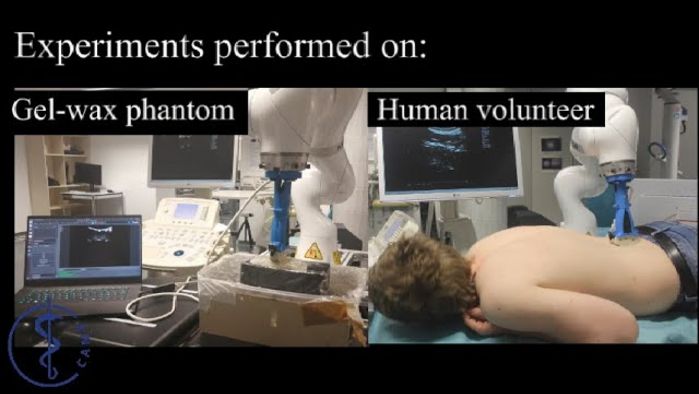
Dr. Zhongliang Jiang is a senior research scientist and leader of the Robotics and Ultrasound team (RobUSt) at the Chair of Computer Aided Medical Procedures (CAMP) at Technische Universität München. He holds a Ph.D. in computer sciences (summa cum laude) and has authored/co-authored over 40 top-tier publications in robotics and medical imaging. His research focuses on robotic ultrasound systems, medical image processing, and robotic learning. Education: Ph.D. in Computer Sciences, TUM (2022, summa cum laude) M.Eng. in Harbin Institute of Technology (2017) Research Assistant at SIAT (2017-2018) Research Interests: Medical Robotics: autonomous robotic ultrasound systems Image Processing: RGB-D/ultrasound segmentation, registration Robotic Learning: reinforcement/imitation learning Robotic Control: MPC, shared control, human-robot interaction Professional Contributions: Associate Editor for ICRA 2024/2025 Guest Editor for IEEE TRO special issue on Robot-Assisted Medical Imaging Main organizer of RAMI workshops at ICRA (2023-2025) Awards: MICCAI 2023 Best Paper Runner-up Gold Medal for Master's Thesis (2017) Lab & Teaching: Leading the RobUSt team developing advanced robotic ultrasound solutions Teaching courses like Computer Aided Medical Procedures and Medical Augmented Reality Supervised over 15 Master/PhD projects in robotic ultrasound and medical imaging
Dr. Darryl Dickerson is an Assistant Professor in the Department of Mechanical and Materials Engineering at Florida International University (FIU), part of the College of Engineering. His research focuses on mechanical characterization of biological interfaces, design of bioinspired materials, and advancing inclusive engineering education practices. He holds a Ph.D. (details not explicitly provided in text). Research Interests: Dr. Dickerson’s work bridges biomechanics and biomaterials engineering with social equity in education. Key areas include: Mechanical properties of biological interfaces (e.g., bone-cartilage junctions) Development of biomaterials for tissue repair using 3D printing and electrospinning Anti-marginalization strategies in engineering education, particularly for Black and Brown students Publications Trends: Recent work emphasizes dual themes: (1) Biomedical innovation through advanced material fabrication and (2) Inclusive pedagogy addressing systemic inequities in STEM education. Notable contributions include scaffold designs for osteochondral repair and frameworks for reducing microaggressions in team-based learning. Grants and Advising: No specific grants or advisees listed in the provided text. His work appears to be grant-funded through NIH/National Science Foundation pathways common in biomaterials and education research. Labs and Teams: While not explicitly stated, his research likely involves collaborations with FIU’s Center for Engineering and Computing’s diversity initiatives and biomaterials labs focusing on tissue engineering applications.
Yan Ma serves as Professor and Chair of Biostatistics at the University of Pittsburgh, with additional appointments in Orthopaedic Surgery and Clinical and Translational Science. Previously, he was Professor and Vice Chair at George Washington University Milken Institute of Public Health (2014-2022) and Assistant Professor at Hospital for Special Surgery/Weill Cornell Medical College (2008-2014). His educational background includes: PhD in Statistics, University of Rochester (2008) MA in Statistics, University of Rochester (2004) MS in Mathematics, Syracuse University (2003) BS in Statistics, Beijing Normal University (2001) Ma's research centers on advanced statistical methodologies including missing data imputation, machine learning, meta-analysis, causal inference, and longitudinal methods, applied across orthopedics, anesthesiology, health disparities, and emergency medicine through team science and translational research frameworks. His publication trajectory demonstrates sustained innovation from methodological foundations (2008-2012) to contemporary applications in health disparities and machine learning (2016-2022), consistently addressing complex biomedical challenges through high-impact journals like JAMA and Health Services Research. His scientific recognition includes: ASA's Statistics in Epidemiology Young Investigator Award (2010) Interorganizational Team Science Award (2012) ORISE FDA Research Fellowship (2017) APHA Achievement in Academia Award Ma has secured R01 funding from NIH/AHRQ for missing data methods in health disparities research while serving as Associate Editor for ASA journals and reviewer for NIH/PCORI/VA panels, demonstrating leadership in statistical methodology development and interdisciplinary collaboration. His team-science approach bridges statistical innovation with clinical implementation across orthopedics and anesthesiology, driving evidence-based practice through methodological rigor and cross-disciplinary partnerships.
Anthony A Gatti is a Postdoctoral Scholar at Stanford University's Wu Tsai Human Performance Alliance and School of Medicine. His research integrates biomechanics , medical imaging , and machine learning to advance musculoskeletal health diagnostics, particularly focusing on knee osteoarthritis and exercise physiology. Education : Ph.D. in Rehabilitation Science (McMaster University, 2021), M.Sc. in Rehabilitation Science (McMaster University, 2015), B.Sc. in Kinesiology (McMaster University, 2013) His research develops automated tools for quantifying knee anatomy and integrating anatomical data with biomechanical models . These methods analyze acute responses to exercise and long-term joint degeneration, leveraging MRI , deep learning , and statistical shape modeling . Recent publications emphasize AI-driven segmentation , exercise-induced cartilage changes , and biomechanical simulations , spanning journals like Magnetic Resonance in Medicine and Arthritis & Rheumatology . Trends include machine learning validation for clinical predictions and open-source tool development for musculoskeletal analysis. Scientific Awards : CIHR Postdoctoral Fellowship (top 1%), Mitacs Accelerate Entrepreneur, Forge Student Start-Up Competition Winner, multiple scholarships from McMaster University He founded NeuralSeg , a company commercializing deep learning-based MRI segmentation technology. Collaborations include Stanford's Digital Athlete Moonshot Project with advisors like Scott Delp and Garry Gold.