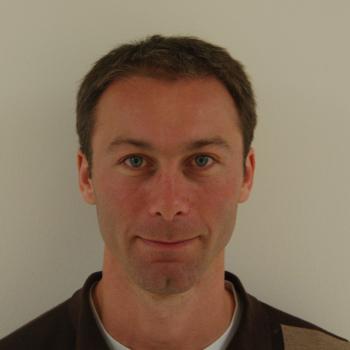
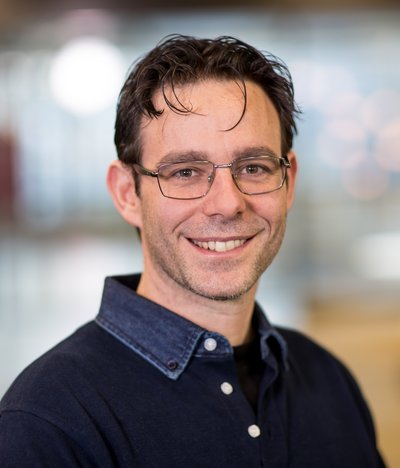
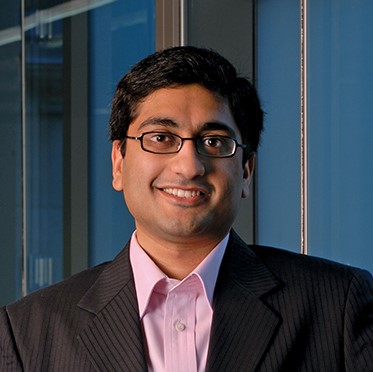
Alexis Battle is an Associate Professor at Johns Hopkins University with appointments in Biomedical Engineering , Computer Science , and Genetic Medicine (secondary). She directs the Malone Center for Engineering in Healthcare and serves as Deputy Director of the Data Science and AI Institute . Educated at Stanford University (PhD in Computer Science, 2013), Battle transitioned to academia after leadership roles at Google. Research Focus: Battle’s work bridges genomics and machine learning , emphasizing the impact of genetic variation on human health. Her lab develops tools like Watershed to predict functional effects of rare variants, aiming to enhance rare disease diagnosis. Key themes include non-coding DNA analysis , personalized genomics , and systems biology , with applications in cardiovascular disease and neurodegenerative disorders . Publications & Awards: Over 60 peer-reviewed articles in journals like Nature , Science , and Genome Biology , with recent emphasis on single-cell transcriptomics , multiomics integration , and telomere biology . Recipient of the President’s Frontier Award (2022), Microsoft Investigator Fellowship (2019), and Searle Scholar (2016). Scientific Awards: 2022 President’s Frontier Award 2019 Microsoft Investigator Fellowship 2019 Johns Hopkins Discovery Award 2017 Johns Hopkins Catalyst Award 2016 Searle Scholar Advising & Funding: Mentors 11 PhD students, 3 undergraduates, and postdoctoral fellows. Her research is funded by NIH, Searle Scholars, and institutional grants. The Battle Lab collaborates on projects like the GTEx Consortium , focusing on gene regulation and clinical genomics .
Prof. Dr. Dennis Säring is a faculty member at the University of Applied Sciences Wedel , specifically affiliated with the School of Engineering. His academic and research activities focus on Deep Learning , Medical Image Analysis , and applications of Artificial Intelligence in healthcare and biomedical imaging. He has led seminars on Deep Learning topics and supervised student projects in Autonomous Driving at Audi's AADC 2018 competition. Research Highlights : Cardiovascular imaging, forensic age estimation via MRI, neural network-based bone segmentation, and cerebrovascular aneurysm analysis. Technical Expertise : Cardiac MRI, 3D/4D image processing, parametric mapping, and spatiotemporal data fusion. His recent publications (2018-2023) emphasize 3D MR segmentation for age assessment, CMR strain analysis in athletes, and T1/T2 mapping for myocarditis. Key collaborations include institutions like the University Medical Center Hamburg-Eppendorf and Wedler Hochschulbund, with funding for autonomous vehicle research. While no explicit scientific awards are listed, his work spans clinical cardiology, forensic radiology, and AI-driven medical diagnostics.
Andre Levchenko is the John C. Malone Professor of Biomedical Engineering at Yale University, with secondary appointments in the Department of Neurosurgery and affiliations with the Cancer Signaling Networks, Immunology, and the Yale Program in Neurodevelopment and Regeneration. His research focuses on systems biology, signal transduction, and cell-cell communication, utilizing microfluidics and computational modeling to study cancer progression, stem cell behavior, and neurological disorders. PhD, Columbia University MEng, Moscow Institute of Physics and Technology Levchenko's work explores how cells process dynamic signals to make critical decisions, particularly in glioblastoma migration, organoid development, and cardiovascular tissue engineering. His lab develops innovative microfluidic platforms and mathematical models to dissect multicellular communication and signaling networks. Recent publications highlight his contributions to understanding YAP-driven cancer invasion , NOTCH signaling in angiogenesis , and metabolic regulation of hypoxia responses . He has pioneered methods for organoid modeling and single-cell analysis , advancing precision in biological signaling studies. Scientific Awards : Computational Molecular Biology Post-Doctoral Fellowship (Burroughs Wellcome Fund) National Academies Keck Futures Conference Invitee Distinguished Guest Lecturer, University of Virginia American Asthma Foundation Early Excellence Award Fellow, American Institute for Medical and Biological Engineering Levchenko leads the Levchenko Lab at the Yale Systems Biology Institute, collaborating with institutions like Mayo Clinic and Yale Cancer Center. His research has received recognition in Faculty of 1000 and multiple journal highlights.
Michael McAlpine is a Professor in the Mechanical Engineering department at the University of Minnesota . He also holds affiliations with the Biomedical Engineering and Electrical and Computer Engineering departments. His research focuses on 3D printing functional materials & devices , Nanoscale inks , Biomedical devices , Bioelectronics , and Flexible Microsystems . Research Interests : 3D Printing, Biomedical Engineering, Nanotechnology, Flexible Electronics, Microfluidics Labs : ME 361/363 Contact : mcalpine@umn.edu , (612) 626-3303, ME 117 Recent Research Trends include 3D Printed Biomedical Devices , Flexible Electronics , and Bioprinting Applications . His work spans from Spinal Organoid Formation to Programmable Drug Release Capsules . Scientific Award : Circulation Research 2020 Best Manuscript Award
Dr. Yogambha Ramaswamy is a Senior Lecturer in the School of Biomedical Engineering at The University of Sydney and a member of the Sydney Nano Institute. She holds a Master’s in Biotechnology from the University of Queensland and a PhD in Biomedical Engineering from the University of Sydney (2009). Her postdoctoral career began as a Vice-Chancellor’s Postdoctoral Research Fellow at the University of New South Wales, followed by a Peter Doherty Early Career Fellowship in 2013 before joining the University of Sydney in 2015. Dr. Ramaswamy’s research focuses on biomaterials, tissue engineering, and mechanobiology, with a particular emphasis on developing calcium silicate-based ceramics and biopolymers for orthopedic and regenerative applications. Her recent work explores the role of physical cues in modulating stem and cancer cell behavior. She teaches courses such as AMME1961 (Introduction to Biomedical Engineering B) and AMME5962 (Introduction to Mechanobiology). Her research has been supported by grants including the NHMRC Early Career Fellowship and collaborations with institutions like the CSIR-Indian Institute of Chemical Technology and the University of Otago. Her publications span biomaterials, nanotechnology, and mechanobiology, with recent work addressing atherosclerosis, hydrogel design, and nanomedicine. She currently supervises PhD students Frank (biomaterials) and Alexander (atherosclerosis research).
Weiqiang Chen is a Professor of Mechanical and Biomedical Engineering at New York University's Tandon School of Engineering and Director of Research and PhD Programs. He holds a joint appointment at NYU Langone's Perlmutter Cancer Center as a Faculty Member of the Tumor Immunology Research Program. B.S. in Physics (Nanjing University, 2005) M.S. in Electrical Engineering (Shanghai Jiao Tong University, 2008) M.S. in Electrical and Computer Engineering (Purdue University, 2009) Ph.D. in Mechanical Engineering (University of Michigan, 2014) His research focuses on Lab-on-a-Chip , Organ-on-Chip systems, Biomaterials , and Mechanobiology , with applications in cancer biology, stem cell engineering, and immune monitoring. He pioneers microfabrication technologies for real-time observation of cellular interactions, including CAR T-cell immunotherapy efficacy and tumor microenvironment dynamics. Recent grants include NSF funding for leukemia bone marrow niche modeling, NIH Trailblazer Awards for glioblastoma immunotherapy research, and collaborations with the Arthritis Foundation for synovium-on-chip rheumatoid arthritis studies. His work has been supported by over $2M in federal and institutional research funding. National Science Foundation (NSF) grants for leukemia-on-chip and glioblastoma modeling National Institutes of Health (NIH) awards for immunotherapy research American Heart Association fellowships and institutional training programs Chen's scientific awards include the American Heart Association Fellow distinction, multiple Young Investigator Awards from Lab on a Chip and Biomedical Engineering Society, and recognition for his dissertation on nanotopography in stem cell differentiation. He leads the Applied Micro-Bioengineering Laboratory (AMBL) , which develops microphysiological systems for drug testing and personalized medicine. His team has created the first immunocompetent leukemia-on-a-chip for CAR T-cell therapy screening and glioblastoma models that enable patient-specific immunotherapy validation.
Professor Matthias Mann is a world-leading scientist serving as Director of the Proteomics and Signal Transduction department at the Max Planck Institute of Biochemistry in Martinsried, Germany, and Director of the Proteomics department at the Novo Nordisk Foundation Center for Protein Research, Faculty of Health Sciences, University of Copenhagen, Denmark. With an h-index exceeding 277 and over 350,000 citations, he is recognized as the highest cited German researcher and one of the most influential scientists globally in proteomics. His educational background includes: Ph.D. in Chemical Engineering from Yale University (1988) Master's Degree in Physics from Georg August University Göttingen (1984) Bachelor's of Arts in Mathematics from Georg August University Göttingen (1982) Professor Mann's research focuses on advancing mass spectrometry-based proteomics to understand biological systems at the protein level. His work spans technological developments in mass spectrometry, bioinformatics and computational analysis, signal transduction and posttranslational modifications, and clinical proteomics applications for disease diagnosis and treatment. The Mann lab has pioneered groundbreaking methods like SILAC for quantitative proteomics and MaxQuant for proteome data analysis. Their vision is to translate proteomics knowledge into clinical practice for predictive, diagnostic, and preventive medicine, with recent work focusing on AI-guided platforms for analyzing proteomes from minimal tissue samples. Analysis of Professor Mann's recent publications reveals a strong trend toward clinical applications of proteomics, particularly in cancer research, metabolic diseases, and neurodegenerative disorders. His work increasingly integrates spatial proteomics, single-cell resolution techniques, and artificial intelligence approaches to uncover disease mechanisms and identify potential biomarkers, with a clear shift from basic technology development toward direct clinical applications and personalized medicine. Professor Mann has received numerous prestigious awards throughout his career: 2025: Elected member of the American National Academy of Sciences 2024: Dr. H.P. Heineken Award for Biochemistry and Biophysics 2023: Otto Warburg Medal 2019: Nominated member of the Bavarian Academy of Sciences 2013: Elected member of Leopoldina German National Academy of Sciences 2012: Körber European Science Award, Louis-Jeantet Foundation Prize for Medicine, Ernst Schering Prize, and Leibniz Prize Professor Mann leads a highly collaborative research team involved in multiple international networks including the Bill & Melinda Gates Foundation, Michael J. Fox Foundation for Parkinson's Research, CLINSPECT-M, and Munich Heart Alliance. His lab has mentored numerous successful researchers, with several former postdocs receiving prestigious ERC Starting Grants. The Mann group has developed innovative clinical proteomics pipelines for analyzing archived tissue specimens and body fluids, aiming to identify protein markers for early detection of diseases such as diabetes and cancer. The Mann lab operates across two major research centers with state-of-the-art mass spectrometry facilities. Their Clinical Knowledge Graph platform integrates multi-omics data with extensive metadata, creating an ecosystem for machine learning applications in proteomics. Current research focuses on developing highly sensitive methods that can profile thousands of proteins from minimal cell samples, enabling the identification of critical disease-related proteins and supporting the development of individualized therapies.
Dr. Yayun Du is an Assistant Professor in the Department of Electrical and Computer Engineering at Vanderbilt University School of Engineering. She holds a Ph.D. in Robotics and System Control (Minor: Solid Mechanics) from UCLA (2022) and was a postdoctoral scholar at Northwestern University's Rogers Group through 2024. Current faculty at Vanderbilt University Ph.D. from University of California, Los Angeles Postdoctoral experience at Northwestern University Her research integrates bioelectronics and robotics through three core directions: 1) Developing multimodal wearable/implantable sensors for health monitoring, 2) Creating human-in-the-loop interaction systems using brain-computer interfaces, and 3) Applying machine learning to medical environment robotics. She has deployed four sensor types across seven hospitals globally, serving users from neonates to elderly patients. Dr. Du's recent publications focus on wireless bioelectronic devices ( PNAS ), sustainable sensor materials ( ACS Sustainable Chemistry & Engineering ), and agricultural robotics ( ICRA , IROS ). She serves as Associate Editor for ICRA 2025 and has received two Best Paper Award final nominations at IROS 2021. Finalist - Best Paper Award in Agri-Robotics (IROS 2021) Finalist - Best Paper Award in Robot Mechanisms and Design (IROS 2021) As head of the Du Group, she leads interdisciplinary research with applications in both healthcare and agricultural contexts, collaborating with Vanderbilt Institute for Surgery and Engineering (VISE) and clinical partners. Her work emphasizes deployable systems that transition from academic research to real-world implementation in medical and industrial environments.
Jeremy Dahl is a Professor of Radiology (Pediatric Radiology) at Stanford University School of Medicine. He directs the Ultrasound Imaging & Instrumentation Lab and serves as Director of Research Academic Affairs in the Department of Radiology since 2020. He holds multiple affiliations across Stanford including Bio-X, the Cardiovascular Institute, Wu Tsai Human Performance Alliance, Maternal & Child Health Research Institute, Stanford Cancer Institute, and Wu Tsai Neurosciences Institute. Dr. Dahl received his B.S. in Electrical Engineering from the University of Cincinnati (1999) and Ph.D. in Biomedical Engineering from Duke University (2004). His research focuses on developing ultrasonic beamforming and image reconstruction methods for diagnostic imaging applications, particularly techniques that generate high-quality images in difficult-to-image patients. His laboratory specializes in B-mode and Doppler imaging techniques that utilize additional information from ultrasonic wavefields to improve image quality and develop real-time imaging systems for clinical applications including cardiac, liver, and fetal imaging. Dr. Dahl's research has led to significant advancements in ultrasound molecular imaging platforms, sound speed estimation, aberration correction, and reverberation noise suppression. His work often bridges engineering innovation with clinical applications for cancer detection and other diseases. His recent publications demonstrate strong focus on machine learning applications in ultrasound, distributed aberration correction, and molecular imaging techniques. Fellow, American Institute of Ultrasound in Medicine (2021) Senior Member, Institute of Electrical and Electronics Engineers (2020) Distinguished Investigator Award, The Academy for Radiology & Biomedical Imaging Research (2018) Outstanding Paper Award, IEEE Ultrasonics, Ferroelectrics, and Frequency Control Society (2011) Dr. Dahl serves in editorial roles for major journals including IEEE Transactions on Medical Imaging (2017-2024) and IEEE Transactions on Ultrasonics, Ferroelectrics, and Frequency Control (2013-Present). His laboratory has successfully translated numerous innovations into clinical applications, with multiple patents including recent developments in pulsed focused ultrasound therapy and speed of sound quantification.
Professor Robert McLaughlin is a faculty member in the School of Biomedicine at the University of Adelaide, affiliated with the Faculty of Health and Medical Sciences. He leads the Bioengineering Imaging Group and serves as Managing Director of the start-up Miniprobes. His research focuses on developing optical imaging technologies, including non-invasive tools for blood flow assessment and miniaturized imaging probes. He has secured over $14M in research grants and holds an h-index of 45 with 98 journal papers, 7 patents, and 2 book chapters. Prof. McLaughlin’s career includes roles at the University of Oxford and Siemens Medical Solutions, followed by academic leadership since 2007. His innovations span optical coherence tomography (OCT), fluorescence imaging, and dual-modality systems for clinical applications. Awards include the 2014 WA Innovator of the Year, 2015 Australian Innovation Challenge, and 2016 South Australian Premier’s Research Fellowship. His research emphasizes practical medical solutions, such as imaging needles for deep-tissue diagnostics and optical devices for real-time surgical monitoring. The Bioengineering Imaging Group collaborates with industry and academia to translate technologies into clinical practice.
Associate Professor Anna Waterhouse is a Robinson Fellow and Head of the Cardiovascular Medical Devices Group at the Charles Perkins Centre, School of Medical Sciences, University of Sydney. Her research focuses on developing antithrombogenic materials and bioinspired medical devices to address cardiovascular diseases. She holds affiliations with the University of Sydney Nano Institute and the Australiasian Society for Biomaterials and Tissue Engineering as Treasurer and Secretary. Education includes a BSc (1st class hons) in Cell Biology from the University of Manchester and a PhD in bioengineering from the University of Sydney. She completed postdoctoral training at Harvard University’s Wyss Institute. Research interests span biomaterials, thrombosis prevention, and medical device engineering. Key projects include liquid-infused surfaces for anti-thrombotic coatings and biomimetic in vitro models. Her work integrates bioengineering, nanotechnology, and surface modification to improve medical device compatibility. Scientific awards include the Robinson Fellowship and CPC Mid-Career Researcher Support Award. Grants funded by ARC, Heart Foundation, and NSW Health support projects like slippery nano-coatings for medical devices. She advises PhD students in biomolecular nanotechnology, endothelial cell studies, and DNA nanostructures. Labs and collaborations involve Sydney Nano Institute and Charles Perkins Centre, focusing on translational research in cardiovascular and biomedical engineering.
Massimo Mischi is a Full Professor at the Faculty of Electrical Engineering of the Eindhoven University of Technology (TU/e) and chairs the Signal Processing Systems (SPS) Division , the largest division at TU/e with over 250 researchers. He founded the Biomedical Diagnostics (BM/d) Lab in 2012, which now includes 180 researchers and clinical/industrial advisors, focusing on biomedical signal processing for diagnostics and monitoring.
University of California , Santa Barbara (UCSB)United States
Angela Pitenis is an Associate Professor in the Department of Materials at the University of California, Santa Barbara (UCSB), within the College of Engineering. Her research focuses on interfacial phenomena in soft materials, particularly friction, adhesion, wear, and deformation of complex surfaces ranging from living cells to polymer nanocomposites. She employs advanced experimental techniques such as microscopy, spectroscopy, and interferometry to study these interfaces under extreme conditions and within buried environments. Her work has direct applications in healthcare, energy sustainability, and engineering design. Prof. Pitenis holds a Ph.D., M.Sc., and B.S. in Mechanical Engineering from the University of Florida. Her research group investigates biomaterials, hydrogel lubrication, and bioinspired materials, with recent studies addressing implant-associated inflammation, tumor cell dynamics in 3D microgels, and pH-responsive hydrogel friction. She is affiliated with the Materials Research Lab at UCSB and contributes to interdisciplinary projects at the intersection of materials science and biology. Notable research trends in her work include the development of biocompatible lubricious surfaces, understanding friction-induced biological responses, and designing smart materials with tunable mechanical properties. Her studies on photoresponsive hydrogels and superlubricious materials highlight innovations in responsive and adaptive material systems. Pitenis emphasizes in situ experimental methods and has pioneered techniques for analyzing dynamically evolving material interfaces. Her research also extends to marine biomaterials, such as the mechanical resilience of sessile tunicates, and explores applications in medical implants, bioreactors, and energy systems. While specific awards are not listed here, her contributions reflect a commitment to advancing soft matter tribology and biomaterials science.
Professor Shaun Gregory is the Director of the Centre for Biomedical Technologies at Queensland University of Technology (QUT), where he also serves as Co-Director of the Artificial Heart Frontiers Program, Founder and Director of the Heart Hackathon student team competition, and Director of the CardioRespiratory Engineering and Technology Laboratory. He holds appointments in the Faculty of Engineering, School of Mechanical, Medical & Process Engineering. His educational background includes Bachelor, Masters (research), and PhD degrees, all awarded by QUT. He also holds both NHMRC and Heart Foundation fellowships, demonstrating his significant contributions to cardiovascular research. Professor Gregory's research applies a translational approach to cardiovascular engineering with a particular focus on devices used to support or replace the heart. His work brings together multidisciplinary teams of engineering, biomedical science, design, and medicine to develop novel technical solutions for clinically relevant problems. His research has changed clinical practice on numerous occasions and assisted with the regulatory approval of medical devices. His areas of interest include mechanical circulatory support, artificial heart development, cardiovascular device engineering, and hemodynamics. His publication portfolio demonstrates a strong focus on extracorporeal membrane oxygenation (ECMO), ventricular assist devices, and cardiovascular device testing. His recent work has explored computational fluid dynamics in blood flow analysis, novel cannula design for circulatory support, and the hemodynamic effects of various cardiovascular devices. His research often bridges engineering principles with clinical applications, resulting in practical innovations in cardiac support technologies. NHMRC Fellowship Heart Foundation Fellowship President-Elect of the International Society for Mechanical Circulatory Support Professor Gregory has successfully secured more than $65 million in research funding and has published over 100 research articles in his field. He is actively involved in mentoring the next generation of researchers, currently accepting Honours, Masters, and PhD students. His CardioRespiratory Engineering and Technology Laboratory serves as a hub for interdisciplinary research that brings together engineering, biomedical science, and clinical expertise to address critical challenges in cardiovascular medicine.
Rahul Mangharam is a Professor in the Department of Electrical and Systems Engineering at the University of Pennsylvania's School of Engineering and Applied Science, with a secondary appointment in Computer and Information Science. He directs the Safe Autonomous Systems Lab (mLAB) and is a founding member of the PRECISE Center. Mangharam serves as Penn Director for the Safety21 DoT National University Transportation Center ($20MM), Director of the Autoware Center of Excellence, and leads the F1Tenth Autonomous Racing Community. Education: Ph.D. in Electrical & Computer Engineering, Carnegie Mellon University M.S. in Electrical & Computer Engineering, Carnegie Mellon University B.S. in Electrical & Computer Engineering, Carnegie Mellon University His research bridges formal methods, machine learning, and control systems with applications in medical devices, autonomous systems, and energy-efficient buildings. Key focus areas include safety verification for autonomous vehicles, real-time control systems, and patient-specific cardiac modeling for clinical applications. Recent work explores conformal prediction for safe perception, differentiable control barrier functions, and explainable autonomous systems. Mangharam's publication trends show strong emphasis on autonomous systems safety (control synthesis, uncertainty quantification) and biomedical applications (cardiac modeling, clinical decision support). His 2022-2023 publications demonstrate cross-disciplinary approaches combining control theory, machine learning, and formal methods for robust autonomous systems. Awards and Honors: Presidential Early Career Award (PECASE) 2016 IEEE Benjamin Franklin Key Award 2014 NSF CAREER Award 2013 Intel Early Faculty Career Award 2012 National Academy of Engineers US Frontiers of Engineering (2012, 2018) Stephen J. Angelo Term Chair (2008-2013) He leads multiple major grants including NSF CAREER, DoT Safety21 Center ($20MM), DoE Energy-Efficient Building Hub ($160MM), and DARPA HACMS. Current PhD students include Zirui Zang. Mangharam founded the F1Tenth autonomous racing platform used globally for education and hosts international competitions through the Autoware Center of Excellence.