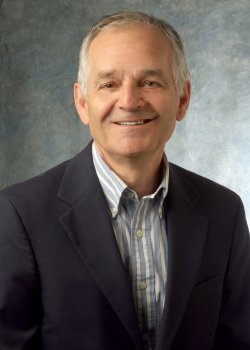
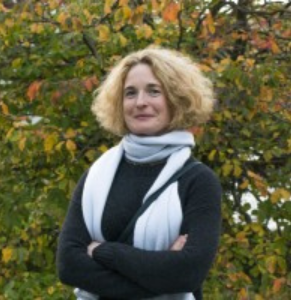
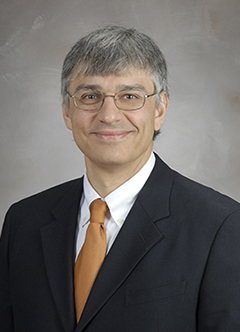
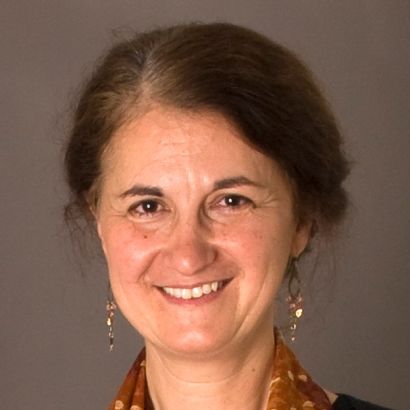
Serena Sanna, PhD , is a researcher at the Faculty of Medical Sciences of the University of Groningen, affiliated with the Groningen Institute for Gastrointestinal Genetics and Immunology (3GI) . She contributes to UN Sustainable Development Goals through work on genetics, microbiome, and complex disease mechanisms. Expert in genetics and microbiome research Specializes in genome-wide association studies and Mendelian randomization Research Focus : Host genetic regulation of gut microbiome composition, causal relationships between microbiome and diseases (e.g., endometriosis, hemorrhoidal disease), and integration of metabolomics with immune phenotypes. Her work involves large-scale biobank studies like the Lifelines Cohort . Scientific Awards : Donna di Scienza 2023 Prize Guido Dorso Prize (2018) Highly Cited Researcher (2018) ESHG Meeting Young Scientist Award (2008) Recent Publications : 2025 studies on MBL pathway/microbiome in endometriosis and age-related microbiome effects; 2024 works on hepatic fat genetics, diverticular disease comorbidities, and structural microbiome variation. Active in multi-omics and data integration methodologies.
Matthias Rieger is a Full Professor at the Erasmus School of Health Policy & Management, Global Health department at Erasmus University Rotterdam. His academic profile demonstrates a strong commitment to interdisciplinary research at the intersection of economics and health policy. Professor Rieger's research focuses on Development Economics, Health Economics, and Behavioral/Experimental Economics. His work employs rigorous methodological approaches including synthetic control methods, field experiments, and survey experiments to address pressing global health challenges. His fingerprint analysis reveals particular expertise in corruption economics, public service delivery, and team teaching methodologies. His publication record shows consistent output with 43 research contributions including 39 articles, 3 working papers, and 1 book chapter. His most recent work spans diverse geographical contexts including Indonesia, Mexico, Cambodia, Brazil, and South Africa, demonstrating a strong international research presence. 12 citations for food choice experiments with children in Indonesia 37 citations for trade in foods research in Mexico 14 citations for self-help groups research in Cambodia 27 citations for particle pollution and cognition studies in Brazil Professor Rieger has supervised 5 research projects and maintains active collaborations across multiple countries, with particular emphasis on Global South contexts where health and economic challenges intersect. His research has been referenced in policy documents and shared widely through academic networks.
Dominique Durand is a Professor of Biomedical Engineering at Case Western Reserve University and Director of the Neural Engineering Center. His research focuses on neural engineering, computational neuroscience, and neuromodulation, particularly for epilepsy treatment and neural interface development. Professor, Biomedical Engineering Director, Neural Engineering Center Research interests include: Neural interfacing and prostheses Non-linear dynamics of neural systems Control of epilepsy via electrical stimulation Carbon nanotube (CNT) yarn electrodes for chronic neural recording Computational modeling of neural activity Ephaptic coupling mechanisms in seizure propagation Recent work examines: Transcranial direct current stimulation (tDCS) effects on seizures Low-frequency stimulation for seizure suppression Neural activity in tumors for cancer-state determination Advanced electrode designs for peripheral nerve interfaces Autonomic nervous system modulation in disease Laboratory affiliations include the Neural Engineering Center, which develops technologies for neural system analysis and therapeutic interventions.
John Ruiz serves as Professor in the Department of Psychology within the College of Science at the University of Arizona, where he directs the Social Risk and Resilience Factors (SuRRF) Lab and holds key leadership roles including Assistant Director of Strategy and Workforce Engagement at the University of Arizona Cancer Center. His research program investigates how social experiences constitute both risk and resilience mechanisms for physical health, with particular emphasis on racial/ethnic and cultural differences in health outcomes. The SuRRF Lab employs diverse methodologies including community cohort studies, ecological momentary assessment, ambulatory physiological monitoring, and laboratory paradigms to examine stress effects on cardiovascular health, social integration as resilience factor, and the mechanisms underlying the Hispanic Health Paradox. Current foci include stress-cardiovascular risk relationships, social vigilance as a modifiable factor, and drivers of ethnic health disparities. Ruiz's scholarly impact is reflected through his editorship of Health Psychology (2023-2028) and leadership roles with the US Preventive Services Task Force (2022-2026), APA Council of Editors (2025-2026), and Behavioral Medicine Research Council. His publication record demonstrates consistent contributions to understanding social determinants of health, with recent work spanning preventive service guidelines, cardiovascular psychophysiology, border health research, and climate-health intersections. Editor-in-Chief of APA's Health Psychology (2023-2028) Chair of APA Council of Editors (2025-2026) Member of US Preventive Services Task Force (2022-2026) President of Behavioral Medicine Research Council Member of APA Presidential Task Force on Psychology and Health Equity As Clinical Director of the SuRRF Lab, Ruiz leads research examining how social phenomena influence health through cardiovascular responses, population health patterns, and sociocultural experiences in daily life. His team investigates conditions including lung cancer, long COVID-19, and health disparities through innovative methodological approaches spanning electronic medical records analysis to acute laboratory paradigms. Current projects include the North Texas Heart Study examining longitudinal effects of social vigilance on atherosclerosis.
Prof. Kathleen Curran is a Professor at University College Dublin (UCD) and director of the UCD machine learning in medical imaging and diagnostics innovative research lab ( https://www.ucd-ml-mi.com/ ). She serves as an Affiliated Principal Investigator in the Centre for Biomedical Engineering, an INSIGHT funded investigator, and a funded investigator in the Science Foundation Ireland centre for research training in machine learning (ML-Labs). Her research integrates artificial intelligence, computer vision, and clinical medicine to develop interpretable AI solutions for medical diagnostics. Key focus areas include fetal ultrasound imaging, cardiac MRI reconstruction, neuroimaging for Alzheimer's disease and multiple sclerosis, and biomarker discovery for conditions like lymphangioleiomyomatosis and placenta accreta spectrum. She pioneers techniques in diffusion models, explainable AI, and multi-modal learning to address challenges in low-data medical scenarios. Analysis of her recent publications reveals dominant trends in applying generative models for medical data augmentation, developing uncertainty-aware diagnostic systems, and creating interpretable clinical AI tools. Her work consistently targets high-impact clinical applications including fetal development monitoring, cardiovascular disease management, and neurological disorder detection, with strong emphasis on real-world clinical implementation. Scientific recognition includes: 2019 InterTrade Ireland FUSION Project Exemplar Award (with Axial Medical Printing Ltd.) Three Enterprise Ireland Commercialisation Fund awards as Principal Investigator Horizon Europe consortium funding for SMASH-HCM project (Stratification, Management, and Guidance of Hypertrophic Cardiomyopathy Patients using Hybrid Digital Twin Solutions) Prof. Curran leads significant research funding initiatives including Horizon Europe and multiple Enterprise Ireland awards. Her group actively collaborates with industry partners like Axial Medical Printing Ltd. and participates in national research centers such as INSIGHT and ML-Labs, driving translational AI research from bench to bedside. The UCD machine learning in medical imaging and diagnostics lab ( https://www.ucd-ml-mi.com/ ) serves as her primary research hub, fostering interdisciplinary collaborations between computer scientists, clinicians, and biomedical engineers to advance clinical AI solutions.
Md. Abul Hassan Samee is an Associate Professor at Baylor College of Medicine , specializing in Integrative Physiology . He is affiliated with the Computational and Integrative Biomedical Research Center (CIBR) , THINC@BCM , and the Cardiovascular Research Institute (CVRI) . Education: Postdoctoral Fellowship at Gladstone Institutes, University of California San Francisco PhD in Computer Science from University of Illinois Urbana Champaign Research Interests: Development of machine learning algorithms for biological datasets Single-cell and spatial omics analysis Comparative genomics in regeneration and aging Computational models for cancer and neurodegenerative diseases Publications focus on spatial transcriptomics, cardiac regeneration, and interpretable AI in genomic research. Recent projects include SPaSE for pathology scores and GraphAge for epigenetic aging. Grants from the National Institutes of Health support his work on Alzheimer's disease and MYH7 variant interpretation.
Elmer Bernstam, MD, MSE, is Professor of Biomedical Informatics and Internal Medicine at the University of Texas Health Science Center at Houston (UTHealth Houston). He holds the Reynolds and Reynolds Professorship in Clinical Informatics and serves as Associate Dean for Research at the McWilliams School of Biomedical Informatics while maintaining a joint appointment with the McGovern Medical School. Dr Bernstam is board-certified in internal medicine and continues to practice, and he directs the Biomedical Informatics Group within UTHealth’s Center for Clinical and Translational Sciences (CCTS). Education MS, 2001 – Biomedical Informatics, Stanford University Medical Center MSE, 1999 – Computer Science and Engineering, University of Michigan College of Engineering MD, 1995 – Integrated Medical-Premedical Program, University of Michigan Medical School BSE, 1992 – Computer Engineering, University of Michigan College of Engineering BS, 1992 – Biomedical Sciences and Psychology, University of Michigan College of Literature, Science, and the Arts Research Focus Dr Bernstam’s research centers on clinical and translational informatics . He and his team investigate how to improve health care through better information management, with specific emphasis on: Information retrieval from biomedical literature and EHRs Consumer informatics and online health information quality Clinical decision support systems, especially for personalized cancer therapy Health data warehousing, interoperability, and large-scale phenotyping Natural language processing for clinical narratives and pharmacovigilance Under his leadership, the UTHealth clinical data warehouse now curates longitudinal data for more than 400,000 patients, serving as a foundational resource for multi-institutional research and learning health-system initiatives. Scientific Awards & Honors John P. McGovern Outstanding Teacher Award (2004) – conferred by student vote at McWilliams School of Biomedical Informatics Fellow, American College of Physicians Fellow, American College of Medical Informatics Grants, Labs & Teams Dr Bernstam leads the Biomedical Informatics Group housed in UTHealth’s Center for Clinical and Translational Sciences. The group’s portfolio includes federal and foundation grants that fund the UTHealth clinical data warehouse, national collaboratory projects such as the ENACT network, and work on AI-driven decision support tools for precision oncology. The lab’s current initiatives focus on (1) scalable infrastructure for multi-site EHR-based research, (2) fairness and bias evaluation in AI models, and (3) harmonization of social determinants of health data across Texas CTSA institutions. Clinical & Educational Roles In addition to directing research programs, Dr Bernstam maintains an active internal-medicine practice and mentors graduate students, clinical informatics fellows, and junior faculty. His teaching emphasizes evidence-based use of informatics tools and translational approaches that move innovations from bench to bedside.
Martin Biel is a Professor at the Department of Pharmacology , Ludwig-Maximilians-Universität München (LMU Munich), within the Faculty of Chemistry and Pharmacy. His research focuses on the function and (patho)physiological significance of ion channels in the brain and cardiovascular system. Specializes in cyclic nucleotide-regulated ion channels and two-pore channels Investigates roles in sensory processes (vision, olfaction), cardiac pacemaker activity, and neurological disorders like epilepsy Uses electrophysiology, molecular biology, biochemical techniques, and viral gene transfer Develops and analyzes genetic mouse models in-house His work emphasizes drug target potential and disease mechanisms linked to ion channel defects, such as blindness and cardiac arrhythmia.
Fran Aweeka is a Professor and Vice Chair of Research at the Department of Clinical Pharmacy, University of California San Francisco (UCSF) School of Pharmacy . She directs the Drug Research Unit (DRU) and serves as the Pharmacology Core Lead for the UCSF Center for AIDS Research . Her research focuses on pharmacokinetic and pharmacodynamic studies of HIV, malaria, and tuberculosis drugs, particularly in vulnerable populations in Africa and the U.S. She actively contributes to the PharmD degree program as a co-director of the Inquiry component and mentors students in pharmacology and international research. As a clinical pharmacologist with over 25 years of experience, Dr. Aweeka investigates drug interactions in co-infected patients, pharmacokinetics in pregnancy and pediatric populations, and mechanisms of HIV-associated inflammation. Her work includes PI roles on NIH R01 grants and leadership in global health initiatives like seasonal malaria chemoprevention studies in Uganda. The DRU under her direction provides advanced analytical techniques for drug quantification in plasma and target tissues, supporting over 30 NIH studies. Her recent research trends include pharmacokinetic-pharmacodynamic modeling of antimalarial and antiretroviral combinations, microvolume plasma assays , and drug exposure-response relationships in resource-limited settings. Publications from 2021–2025 reflect these areas, with emphasis on pregnancy pharmacokinetics , pediatric dosing , and global health pharmacology . Dr. Aweeka holds a PharmD from UCSF (1985) and a BS in Biological Sciences from USC (1981). She is a licensed pharmacist in California and has completed leadership programs like the Mentor Development Program . Her lab supports collaborative projects across national and international institutions, focusing on drug quantification in plasma, dried blood spots, and target cells.
Dr. C. Hendricks Brown is a Professor at Northwestern University's Feinberg School of Medicine with joint appointments in the Departments of Psychiatry and Behavioral Sciences, Preventive Medicine, and Medical Social Sciences. He holds adjunct positions at Johns Hopkins Bloomberg School of Public Health and a courtesy professorship at the University of Miami's Miller School of Medicine. Education: PhD in Social Sciences from the University of Chicago (1981) Dr. Brown's work focuses on developing innovative methodologies in implementation science and prevention research, including generalized behavioral intervention frameworks, mediational analyses, and implementation trial designs. His research spans HIV prevention, drug abuse prevention, suicide prevention, violence reduction, and addressing health disparities through scientific equity frameworks. His recent publications emphasize implementation strategies, pragmatic trial designs, and sustainability assessment of preventive interventions. He cochaired the National Academy of Sciences Forum on Children's Well-Being and serves on multiple federal advisory panels. Scientific Awards: Fellow, Society for Prevention Research (2014) Rema Lapouse Award, APHA (2004) President's Award, SPR (2002) Friend of Early Career Preventionists, SPR (2001)
Philip A. Kithas, MD, PhD, serves as Clinical Professor of Internal Medicine and Adjunct Associate Professor of Family & Preventive Medicine at the University of Utah School of Medicine, where he directs geriatric care at the Madsen Health Center in Salt Lake City. With 25 years of prior service at the George E. Wahlen Salt Lake Veterans Health Care System—including leadership as General Medicine Section Chief from 1999 to 2006—he transitioned to his current academic-clinical role after retiring from the VA system. His educational background includes: BA in Biology from the University of Utah BS in Human Biology from the University of South Alabama PhD in Pharmacology from the University of South Alabama College MD from the University of South Alabama Residency and Chief Medical Residency at the University of Utah School of Medicine Dr. Kithas' research centers on geriatric cardiovascular medicine, with deep expertise in hypertension management, hyperlipidemia, and anticoagulation protocols for elderly patients. His work addresses the complex interplay of multiple chronic conditions in aging populations, emphasizing patient education and partnership in care. Early career research investigated molecular mechanisms of cardiac function, particularly phosphodiesterase enzyme systems, while recent publications focus on practical clinical approaches for geriatric hypertension. His publication record reveals a clear evolution from foundational molecular cardiology studies in the 1980s-1990s to applied geriatric cardiovascular research in the 2000s-2020s. The 2010-2020 period features significant contributions to hypertension management guidelines for older adults, including considerations for chronic kidney disease and vascular stiffness, while earlier work established critical insights into cardiac enzyme regulation during development. Dr. Kithas has received exceptional patient feedback (5.0/5 from 19 reviews), with testimonials highlighting his compassionate care, thorough explanations, and unprecedented personal follow-up—including evening phone calls to ensure patient compliance. His administrative contributions include quality improvement initiatives across VA clinics and community-based outpatient facilities. As an educator, he has trained generations of medical providers in geriatric care principles, though specific mentee names are not documented. His current work continues to bridge clinical practice, education, and research at the University of Utah's Madsen Geriatric Clinic, with ongoing focus on optimizing cardiovascular outcomes for aging patients.
Dr. Evelyn Hsieh Donroe, MD, PhD, is an Associate Professor of Medicine (Rheumatology) and Chronic Disease Epidemiology at Yale University, with additional roles as Chief of Rheumatology at VA Connecticut Healthcare System and Network Lead for the Yale Network for Global Non-Communicable Diseases (NGN). She bridges biomedical and behavioral sciences to develop prevention strategies for osteoporosis, sarcopenia, and fractures in low-resource settings. Education: AB in Molecular Biology (Princeton), MD (Stony Brook), MPH (Harvard), PhD in Investigative Medicine (Yale) Research Focus: HIV-related musculoskeletal comorbidities in economic transition countries (China, Peru), secondary osteoporosis in chronic conditions (RA, breast cancer), and VA-based studies leveraging the Veterans Aging Cohort. Key Projects: Quarterly Vitamin D supplementation trials in China, fracture risk prediction tools for veterans, and NCD care integration for HIV patients in Peru. Scientific Contributions: Developed BoneScore NLP algorithm for DXA data extraction, conducted cross-national studies on HIV-aging, and leads global capacity-building programs through CMB Fellowships and Fulbright scholarship. Awards: 2018-2019 U.S.-China Fulbright Scholar 2016 Stony Brook 40 under Forty Alumni Award American College of Rheumatology Distinguished Fellow (2013) Mentorship: Directs Global Health Emerging Scholars Program, CMB Global Health Fellowship Programs, and NIH T32 Training Program in Rheumatology.
Chima D Ndumele is an Associate Professor of Public Health (Health Policy) at the Yale School of Public Health and a Professor at the Institution for Social and Policy Studies . His research focuses on Medicaid policy, health equity, and safety-net healthcare systems, with a particular emphasis on how policy changes affect vulnerable populations and chronic disease management. Doctorate from Brown University School of Public Health (2013) ORCID: 0000-0002-4887-0043 Key collaborations with Yale researchers including Jacob Wallace, Harlan Krumholz, and Yuan Lu Dr. Ndumele’s recent publications examine Medicaid eligibility procedural denials, SNAP work requirements, racial disparities in pandemic mortality, and alternative payment models in safety-net hospitals. His work integrates health policy analysis with empirical studies on insurance coverage effects and socioeconomic determinants of health outcomes. Current affiliations include the Diabetes Research Center , SCALE Medicaid Lab , and multiple roles in health policy research. He contributes to the JAMA Health Forum , JAMA Internal Medicine , and Health Affairs , focusing on equity in healthcare access and delivery.
Paola Paci is an Associate Professor at the Department of Computer, Control, and Management Engineering "Antonio Ruberti" of Sapienza University of Rome and an Affiliate Professor at the Department of Laboratory Medicine, Cardio-Metabolic Unit of Karolinska Institutet, Sweden. She has held visiting positions at Harvard Medical School and research roles at CNR's Institute for Systems Analysis and Computer Science. Her work bridges computational biology and network medicine. 2010: Second Level Master in Bioinformatics (Sapienza University of Rome) 2003: PhD in Physics (University of Pavia) 1999: MSc in Physics (Sapienza University of Rome) Paci develops algorithms for biomarker discovery and drug repurposing in network medicine. Her tools include SWIM for glioblastoma biomarkers, SPINNAKER for ceRNA interactions, SAveRUNNER for drug repurposing, and MIENTURNET for miRNA-target analysis. Recent work focuses on single-cell multi-omics, adverse drug effects, and pathogen spillover mechanisms. Her research spans 2025-2024 publications covering Alzheimer’s disease drug prioritization, COPD pathway analysis, obesity therapeutics avoiding hepatic steatosis, and neuroblastoma immunotherapy resistance. These works integrate network medicine with pharmacology, genomics, and systems biology. 2018: BITS Best Poster Award 2017: IEEE TCCLS Best Poster (700 USD) 2016: IEEE TCCLS Best Poster (500 USD) 2014: SYSBIO Award (10,000 EUR) 2010: Master Award (1,500 EUR) She teaches bioinformatics at Sapienza University and Campus Biomedico University, organized key IEEE workshops, directs training courses, and serves on editorial boards (Scientific Reports, Biotechnology Reports). Her affiliations include the Network Medicine Institute and GNB bioengineering society.
Anna-Karin Wikström is a Professor of Obstetrics and Gynecology and Senior Physician at the Department of Women's and Children's Health, Uppsala University. She previously served as Professor of Obstetrics and Gynecology at Karolinska Institutet from 2016-2017. Her extensive clinical experience spans over two decades in obstetrics and gynecology, with specialized expertise in high-risk pregnancies. Her educational background includes medical studies at Karolinska Institutet (1985-1991), becoming a specialist in obstetrics and gynecology in 2001, earning her PhD from Uppsala University in 2006, and completing a post-doc at Karolinska Institutet's Clinical Epidemiology Unit (2009-2011). She became an associate professor at Uppsala University in 2011 before advancing to full professor in 2017. Professor Wikström's research primarily focuses on preeclampsia, where she leads major initiatives including IMPACT (a national study on preeclampsia prediction) and UP-MOST (a biobank for preeclampsia research). Her work spans cardiovascular effects of preeclampsia, brain imaging studies in affected women, and register-based epidemiological research. Beyond preeclampsia, her research interests include pregnancy in women with congenital heart disease, myasthenia gravis, and other chronic conditions. Her extensive publication record demonstrates expertise in maternal-fetal medicine with particular emphasis on prediction models for adverse pregnancy outcomes and understanding long-term health implications. Her recent publications reveal a strong focus on neurological consequences of hypertensive disorders in pregnancy, maternal physical activity effects on fetal outcomes, and innovative screening approaches for pregnancy complications. The research frequently utilizes large Swedish population-based registers, contributing significantly to evidence-based obstetric care in the Nordic region. Professor Wikström actively contributes to clinical research that directly impacts patient care, particularly in preeclampsia screening and prevention. Her work often takes a Nordic perspective, informing regional guidelines and practices. She collaborates extensively across disciplines including cardiology, neurology, and epidemiology to advance understanding of pregnancy complications and their long-term consequences.