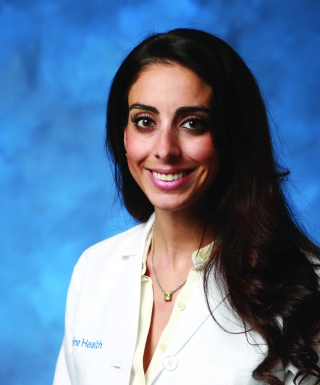
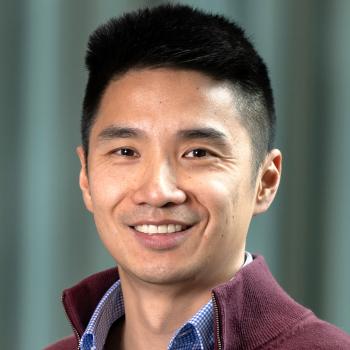
Dr. Heather L. Wilson is a Senior Lecturer in Immunity & Cardiovascular Disease at the School of Medicine and Population Health, University of Sheffield. With a DPhil in Pharmacology from Oxford and postdoctoral experience in immune cell biology, she specializes in macrophage dysfunction in aging and inflammatory diseases. Research: her work explores how macrophage function declines with age, exacerbates atherosclerosis, and drives autoimmune responses in diseases like lupus. She investigates human primary blood cells and uses zebrafish models to study IL-1β mechanisms. Teaching: she leads the MBChB Phase 3a Student Selected Component, co-deploys the MSc Reproductive Medicine Social Aspects module, and trains PhD/MSc students in cardiovascular cell biology. Grants: BBSRC, MRC, British Heart Foundation, Horizon 2020 Marie Curie ITN, Vivensa Foundation Awards: RCUK Fellowship (2005-2010), Fellow of the Higher Education Academy
Professor David Lubans, a renowned expert at the University of Newcastle's School of Education , leads groundbreaking research on school-based physical activity interventions. With over $30 million in competitive grants and recognition as a Clarivate Highly Cited Researcher for five consecutive years, he focuses on combating youth physical inactivity through behavioral science and socio-ecological models. His work includes large-scale programs like iPLAY (135 NSW schools) and Burn 2 Learn, utilizing MRI to study brain-body connections. Co-Director, Centre for Active Living and Learning Visiting Professor, University of Jyväskylä Research interests span physical activity promotion , mental health impacts , and teacher training programs . His team develops evidence-based interventions using SAAFE teaching principles (Supportive, Active, Autonomous, Fair, Enjoyable) and investigates neurobiological mechanisms linking fitness to cognitive outcomes. Key publications reveal associations between childhood lifestyle behaviors and adolescent mental health, HIIT implementation strategies, and mediators of school-based interventions. Awards include College Excellence Awards, NHMRC Fellowships, and multiple best paper honors. Supervised 40+ interventions Published >350 peer-reviewed articles Trained teachers globally through programs like iPLAY Collaborations extend to institutions in Australia , Canada , Hong Kong , and Finland , with current studies examining stress-reactivity and cognitive outcomes via MRI.
Afshan Baraghoush, MD serves as Associate Professor in the Department of Medicine at the University of California, Irvine School of Medicine. Her academic career is focused on cardiovascular medicine with particular expertise at the intersection of cardiology and sexual health. Dr. Baraghoush's research primarily investigates the complex relationship between heart failure and erectile dysfunction, examining both pathophysiological mechanisms and clinical management approaches. Her work explores how cardiovascular disease impacts sexual function and how optimizing cardiac care can improve quality of life for patients with these comorbid conditions. She has contributed significantly to understanding the role of phosphodiesterase-5 inhibitors in managing erectile dysfunction among heart failure patients, while also addressing communication barriers that prevent optimal care for this sensitive health issue. Her publication record demonstrates consistent scholarly activity in this specialized area, with recent work focusing on communication challenges in clinical practice (2025), comprehensive reviews of current evidence (2023), and epidemiological studies examining the burden of erectile dysfunction in diverse patient populations (2022). Her research spans clinical reviews, epidemiological investigations, and practical guidance for patient counseling. Dr. Baraghoush's scholarly contributions have influenced clinical practice by highlighting the importance of addressing sexual health concerns as part of comprehensive cardiac care. Her work bridges the gap between cardiology and sexual medicine, advocating for more holistic patient management that considers quality-of-life issues alongside traditional cardiovascular outcomes.
Jason M. Karch serves as Assistant Professor in the Department of Integrative Physiology at Baylor College of Medicine, Houston, where he directs the Karch Laboratory focused on mechanistic manipulation of cell death pathways. His research addresses how aberrant cell death underpins ischemic injuries, degenerative diseases, cancer, and aging, with particular emphasis on cardiac pathologies. Dr. Karch completed his educational training with a BA in Biology from Dakota Wesleyan University (2005) followed by a PhD in Cell and Cancer Biology from the University of Cincinnati (2012). His doctoral work established the foundation for his current investigations into mitochondrial regulation of cell death. Research Focus: The Karch Laboratory investigates regulated necrotic cell death mechanisms, specifically targeting the mitochondrial permeability transition pore (MPTP) in cardiomyocyte death during ischemic events. Using genetically engineered mouse models and cell culture systems, the lab identifies molecular components of the MPTP and discovers novel regulators of necrotic pathways through genome-wide screening approaches. Key projects include molecular identification of the MPTP pore-forming component and validation of 306+ candidate genes that modulate necrotic cell death. Analysis of Dr. Karch's publication record (2022-2025) reveals consistent thematic focus on mitochondrial dysfunction in cardiac pathology. His work bridges fundamental molecular mechanisms with translational applications, demonstrating how MPTP regulation intersects with ischemic injury, muscular dystrophy, aging, and arrhythmogenesis. Recent studies highlight the adenine nucleotide translocase family, ATAD3 protein, and calcium-mediated inter-organellar crosstalk as critical therapeutic targets. No major scientific awards or fellowships were documented in available sources. As principal investigator, Dr. Karch oversees two primary research streams: (1) Molecular characterization of the MPTP using genetic and biochemical approaches, and (2) High-throughput screening to identify novel necrosis regulators. His lab employs techniques including calcium retention assays, mitochondrial swelling measurements, and in vivo validation of candidate genes in disease models. Current projects focus on translating basic discoveries into cardioprotective strategies for ischemia-reperfusion injury and muscular dystrophy. The Karch Laboratory operates within Baylor College of Medicine's research infrastructure, utilizing advanced technology cores for mitochondrial function analysis and collaborating with cardiovascular research groups. The lab maintains active projects on mitochondrial permeability transition in cardiac ischemia, muscular dystrophy, and aging-related heart failure, with emphasis on identifying druggable targets within cell death pathways.
Liesbeth Ruijgrok serves as a Researcher within the Pharmacy department at Erasmus University Medical Center (Erasmus MC) in Rotterdam, Netherlands. Her academic work bridges pharmaceutical science with clinical applications, focusing on optimizing drug therapies for complex medical conditions through rigorous translational research. Her primary research spans Pharmacology, Toxicology, and Pharmaceutical Sciences with specialized expertise in Adrenal Insufficiency management, Preeclampsia pathophysiology, Drug-Drug Interactions, and advanced Drug Delivery Systems. She pioneers innovative approaches including pharmaceutical 3D printing for personalized hydrocortisone formulations, functional respiratory imaging for aerosol deposition analysis in pediatric asthma, and mechanistic studies of statins in hypertensive pregnancy disorders. Her work consistently addresses critical therapeutic challenges in pharmacokinetics and pharmacodynamics. Analysis of her 2024 publications reveals a strong trend toward solving real-world pharmacotherapy problems through technological innovation and mechanistic understanding. Key themes include cost-effective manufacturing of personalized medicines, precision drug delivery for respiratory diseases, and repurposing existing drugs for novel indications like preeclampsia. Her collaborative studies frequently integrate clinical data with pharmaceutical technology to enhance therapeutic outcomes. No scientific awards were documented in the available profile information. No details regarding student mentorship, research grant funding, or laboratory infrastructure were provided in the source materials. Her research appears to be conducted through multidisciplinary collaborations within Erasmus MC's clinical departments rather than a dedicated independent laboratory.
Milan Rajković is a Lecturer at the Department of Parasitology, Faculty of Veterinary Medicine, University of Belgrade. His academic position as asistent (assistant) indicates his role in teaching and research within the parasitology field. His work spans multiple areas of veterinary parasitology with significant contributions to understanding parasite-host interactions and developing alternative treatments. Dr. Rajković's research interests focus on molecular parasitology, particularly examining DNA damage related to parasitic infections using the Comet assay. He has extensive work on honey bee pathogens, canine dirofilariasis, poultry parasites, and wildlife parasitology. His publications reveal strong expertise in alternative anthelmintic compounds including essential oils like carvacrol and natural extracts from mushrooms. His publication record shows consistent output with research spanning from 2019 to 2025, demonstrating active engagement in multiple collaborative projects. The research trends indicate a strong focus on molecular methods for parasite detection, alternative treatments for parasitic diseases, and the genotoxic effects of both parasites and potential treatments. Dr. Rajković maintains active collaborations with researchers across Serbian veterinary institutions, particularly with Zoran Stanimirović, Uroš Glavinić, and Marko Ristanić. His work appears in reputable journals including Insects, Veterinary Parasitology, and Acta Veterinaria-Beograd, demonstrating his standing in the veterinary parasitology community.
Patrizia Proia is an Associate Professor at the University of Palermo, Department of Psychological, Pedagogical, Physical Exercise and Training Sciences. Her research focuses on exercise physiology, sports genetics, and neurobiological mechanisms linked to physical activity. She teaches courses in biochemistry, physiology of nutrition, and sports training adaptation. Current research on microbiome-exercise interactions Developing protocols for MS and Parkinson's rehabilitation Investigating genetic polymorphisms in elite athletes Exploring nutrigenomics and functional foods Recent publications analyze: Muscle regeneration through probiotic supplementation Impact of nanotechnological devices on pain management Epigenetic regulation of executive functions Bone health in gymnasts and cancer patients Role of gut microbiome in exercise response
Sabrina Pacor is an Associate Professor in Applied Biology (BIO/13) at the University of Trieste , where she teaches Pharmacology in the Pharmacy LM and STB BSc programs. With over 30 years of research experience in experimental oncology and host defense peptides, she has made significant contributions to studying antimicrobial peptides (AMPs) and their interactions with bacterial membranes. Her research focuses on: Direct antimicrobial activity of AMPs against Gram-positive and Gram-negative bacteria Indirect immunomodulatory effects of host defense peptides Development of drug delivery systems using nanomaterials (carbon nanotubes, gold nanoparticles) Mechanistic studies of ruthenium-based antimetastatic drugs She leads extensive cytofluorimetry research using flow cytometry platforms, particularly for evaluating: Cytotoxicity (necrosis/apoptosis, proliferation index) Modulation of host biological responses (chemotaxis, phagocytosis, ROS production) Peptide-bacterial membrane interactions through fluorescent labeling Her recent work demonstrates trends in: Proline-rich antimicrobial peptides against ESKAPE pathogens Hybrid antibiotic design (peptide-aminoglycoside conjugates) Structure-activity relationships in membranolytic peptides Evolutionary insights into defensin and cathelicidin families Prof. Pacor has co-authored over 100 peer-reviewed publications and actively mentors students, having supervised: 70 experimental/thesis reviews for Pharmacy/CTF Master's students 20 Bachelor's degree theses
Lindsay Fernandez-Rhodes serves as Assistant Professor of Biobehavioral Health in the College of Health and Human Development at Pennsylvania State University, with dual affiliation at the Penn State Cancer Institute. Her research focuses on genetic and sociocultural determinants of health disparities, particularly among Hispanic/Latino populations through the Hispanic Community Health Study/Study of Latinos (HCHS/SOL). Her primary research interests span Genetic Epidemiology , Health Disparities , and Sociocultural Determinants of Obesity . She investigates how genetic ancestry interacts with acculturation, socioeconomic status, and environmental factors to influence cardiometabolic outcomes. Her work integrates multi-omics approaches with life course epidemiology to uncover mechanisms driving health inequities in minority populations. Analysis of her recent publications reveals a strong emphasis on Hispanic/Latino health across multiple domains: genomic fine-mapping ( 2023, 2025 ), epigenetic mediation of socioeconomic effects ( 2024 ), pubertal development ( 2025 ), cognitive aging ( 2023 ), and cardiometabolic disease ( 2024, 2025 ). Her methodological innovations include synthetic data applications for privacy preservation ( 2025 ) and commentary on genomic inclusion ( 2023 ). Dr. Fernandez-Rhodes actively contributes to major collaborative initiatives including HCHS/SOL, PAGE consortium, and TOPMed. Her work has secured substantial NIH funding for population genomics research, though specific grant details aren't listed in the provided text. She mentors graduate students in biobehavioral health and genetic epidemiology through Penn State's PhD programs. Her laboratory work centers on the Penn State Cancer Institute's Cancer Control program, with additional collaborations through the Center for Research on Tobacco and Health and Office for Cancer Health Equity. She utilizes HCHS/SOL data infrastructure and Penn State's biostatistics/bioinformatics shared resources for multi-omics analyses.
Conjoint Associate Professor Tom Ford is an Interventional Cardiologist at the University of Newcastle's School of Medicine and Public Health. He serves as director of Central Heart on the Central Coast of NSW and holds appointments as the Australian National Young Ambassador to EAPCI (European Association for Percutaneous Coronary Intervention). He is also a Fellow of the Royal College of Physicians (Edinburgh) and Fellow of Cardiac Society for Australia/New Zealand (FCSANZ). Dr. Ford completed his medical training at the University of Dundee, receiving the University Medal (Captain WA Low Prize 2007). He gained the MRCP at the Royal College of Physicians in Edinburgh before emigrating to Australia in 2010. He completed his FRACP during advanced cardiology training at Prince of Wales Hospital and St George Hospital in Sydney. His subspecialty training included a three-year fellowship at Glasgow's Golden Jubilee National Hospital, the UK's highest volume center for coronary stents, where he also completed his PhD which won the prestigious Bellahouston Medal. Dr. Ford's research focuses on coronary physiology, interventional cardiology, and microvascular angina, with particular expertise in angina and ischemic heart disease. His work bridges clinical practice and research, investigating coronary vasomotor disorders, complex percutaneous coronary interventions, and chronic total occlusions. His recent publications demonstrate a strong emphasis on functional coronary angiography, coronary microvascular dysfunction assessment techniques, and the development of targeted therapies for microvascular disease. Dr. Ford has received significant recognition for his work including the Bellahouston Medal for his PhD thesis, EuroPCR Best Abstract award, and the British Cardiac Society's 'Best of the Best' Clinical Abstract award in Interventional Cardiology. His research has been published in leading cardiology journals and he has been invited faculty at major cardiology scientific sessions including the American Heart Association, European Society of Cardiology, EuroPCR, and Transcatheter Cardiovascular Therapeutics. Dr. Ford actively participates in multicenter clinical trials and registries including the CorMicA trial, TARGET-FFR study, and the Australian-New Zealand Spontaneous Coronary Artery Dissection (ANZ-SCAD) Registry. His clinical practice combines advanced interventional techniques with a focus on diagnosing and managing patients with complex coronary conditions, particularly those with angina but without obstructive coronary artery disease.
Dr. Daniel Barker is a part-time Senior Lecturer in Medical Statistics at the School of Medicine and Public Health, University of Newcastle , and a concurrent part-time Senior Statistician at the Hunter Medical Research Institute's Data Sciences Division . With over 15 years of experience in health-related statistical research, he specializes in designing complex clinical trials and modeling longitudinal/correlated data . His collaborations span national and international institutions, applying his expertise to cancer, cardiovascular disease, indigenous health, nutrition, pharmaceuticals, respiratory medicine, and stroke . Education : PhD in Clinical Epidemiology and Medical Statistics (2018), GradDip in Medical Statistics (2012), BMath (2006) from the University of Newcastle. Research Interests : Daniel's current focus includes adaptive clinical trials —trials with pre-specified statistical rules to optimize resource use—and methodologies for stepped wedge cluster randomized trials . His work extends to health service delivery , pharmacological interventions , and epidemiological modeling in maternal/child health. Publication Trends : His articles span 2012–2025 , emphasizing biostatistics in clinical trials, particularly asthma during pregnancy , telestroke networks , and stepped wedge designs . Key subfields include neutrophilic inflammation , trial adaptations , and health equity in underserved populations. Scientific Awards : 2013 BCA Star Graduate 2016 J.B. Douglas Postgraduate Award 2013 Australian Postgraduate Award 2017 Highly Commended Teaching Award Teaching : Coordinated postgraduate courses including Biostatistics A/B , Clinical Trial Design , Bayesian Methods , and Regression Modelling at the University of Newcastle's Faculty of Health and Medicine. Collaborations : Frequent co-author with researchers in asthma (Peter Gibson, Jodie Simpson), stroke (Neil Spratt, John Attia), and public health (John Wiggers, Chris Paul), with cross-disciplinary work in nutrition , indigenous health , and addiction treatment .
Katherine Duggan is an Assistant Professor in the Psychology Department at North Dakota State University, where she directs the PATHS Lab investigating personality-sleep-health interrelationships across the lifespan. Her research focuses on cardiovascular disease outcomes, developmental pathways from childhood adversity, and pandemic-era psychological resilience, employing longitudinal and experimental methodologies with diverse populations. Dr. Duggan's educational background includes: Ph.D. in Psychology, University of California, Riverside (2016) M.A. in Psychology, University of California, Riverside (2012) B.A. in Psychology, University of California, Riverside (2010) Her research examines how conscientiousness interacts with sleep to influence cardiovascular risk, revealing paradoxical costs for vulnerable populations. She investigates lifespan developmental pathways linking parenting practices and childhood socioeconomic status to adult sleep and health outcomes, while exploring pandemic-related goal regulation mechanisms. Current work emphasizes causal modeling for promoting resilience in at-risk groups through integrated personality-sleep-health frameworks. Recent publications (2018-2023) demonstrate consistent focus on personality-sleep mediation models, with growing emphasis on pandemic stress adaptation and developmental trajectories. Key trends include conscientiousness paradoxes in cardiovascular contexts, subjective-objective sleep discrepancies in health prediction, and bidirectional mental health-sleep relationships. Dr. Duggan mentors undergraduate and graduate students through the PATHS Lab's collaborative research framework, providing co-authorship opportunities and professional development. She co-leads the NDSU National COVID Study tracking psychological well-being in 600+ participants across five waves, examining goal regulation during unprecedented stress. The PATHS Lab operates as a collaborative hub connecting NDSU researchers with international partners at University of Pittsburgh, University of California, Washington & Lee University, and University of Padova. Current projects integrate polysomnography, behavioral assessments, and longitudinal cohort analyses to develop causal models of personality-health relationships.
Dr. Jonathan Z. Long is an Associate Professor of Pathology at Stanford University , with affiliations to multiple institutes including Stanford ChEM-H , Bio-X , Cardiovascular Institute , Wu Tsai Human Performance Alliance , Maternal & Child Health Research Institute (MCHRI) , and Wu Tsai Neurosciences Institute . He serves as a member of the Stanford Diabetes Research Center and leads the Long Lab focused on molecular mechanisms of energy homeostasis. Education : BA in Biochemistry (Columbia University, 2007), PhD in Chemistry (Scripps Research, 2011), Postdoc (Harvard Medical School/Dana-Farber Cancer Institute, 2017) His research bridges chemical physiology and metabolic disorders , with significant contributions to understanding ketone body metabolism , single-cell primate biology , and metabolite transport mechanisms . Recent work includes: Discovery of anti-obesity ketone metabolites (Nature, 2024) Identification of urinary Lac-Phe transporters (Nature Communications, 2024) Deciphering primate-specific metabolic pathways using mouse lemur models (Nature, 2025) Scientific recognition includes: Alfred P. Sloan Research Fellowship in Chemistry (2024) Ono Pharma Breakthrough Science Initiative Award (2020) NIH Pathways to Independence Award (2015) As an advisor, he mentors students across Biophysics and Cancer Biology PhD programs, with roles as dissertation reader, advisor, and co-advisor. His lab operates at the Stanford ChEM-H/Neuroscience Research Complex , advancing therapeutic strategies for obesity-related conditions.
Susanne Rautiainen Lagerström is a researcher affiliated with the Department of Medicine, Solna and Department of Global Public Health at Karolinska Institutet . She is also a research fellow at the Division of Preventive Medicine , Brigham and Women's Hospital, Harvard Medical School. Her work focuses on noncommunicable diseases (NCDs) , nutritional epidemiology , and global health interventions . Research Projects: Rakai Community Cohort Study (Uganda): Interplay between nutrition and microbiome in NCDs/infectious diseases WelTel Study (Kenya): Mobile health interventions for HIV/AIDS care COSMOS Trial: Cocoa supplements and multivitamins for chronic disease prevention PHS II and VITAL-HT Trials: Nutritional interventions in cardiovascular health Aterenon Trial: Lycopene supplementation and cardiovascular biomarkers Research Focus: Dr. Rautiainen Lagerström investigates how dietary patterns, antioxidant intake, and nutritional supplements influence chronic disease outcomes across populations. Her work spans cardiovascular disease , inflammatory bowel disease , and HIV/AIDS prevention in low-resource settings, leveraging both observational studies and randomized clinical trials. Scientific Awards: 2014 - Institute of Environmental Medicine PhD course funding 2014 - American Society for Nutrition Travel Award 2013 - COFAS Marie Curie fellowship 2013 - FORTE Travel award 2011 - FORTE Postdoc award 2007 - Karolinska PhD fellowship 2006 - Anders Otto Swärds stiftelse travel award Education: 2012 - PhD in Medical Science (Karolinska Institutet) 2006 - MSc in Nutrition (Karolinska/Stockholm University) 2005 - BSc in Nutrition (Karolinska/Stockholm University)
Kelly Chin, M.D., is a Professor in the Department of Internal Medicine at UT Southwestern Medical Center and a member of the Division of Pulmonary and Critical Care Medicine. She serves as Director of Pulmonary Hypertension Research and Medical Director of the Heart Lung Clinic. Board Certified: Pulmonary Medicine, Critical Care Medicine Education: B.S. (University of Texas at Austin), M.D. (UTSW), Fellowship (UC San Diego), M.S. Clinical Sciences (UTSW) Her research focuses on pulmonary hypertension treatment through clinical trials, with expertise in macitentan/tadalafil combinations , selexipag therapy , and biomarker identification . She leads the CIPHER studies for early PH detection and has contributed to treatment algorithms for pulmonary arterial hypertension. Recent work examines real-world drug efficacy in portopulmonary hypertension, right ventricular strain in congenital heart disease, and non-invasive diagnostic methods for chronic thromboembolic PH. Clinical interests also include pregnancy outcomes in PAH patients and ASD-PAH management . Texas Monthly's Super Doctor D Magazine's Top Doctors As principal investigator in multiple phase II-IV trials, she explores long-term survival in chronic thromboembolic PH and biomarker signatures for early detection. Her leadership roles include former Director of UTSW Pulmonary Hypertension Program (2010-2023).